







Search Results for: San Francisco Bay Area
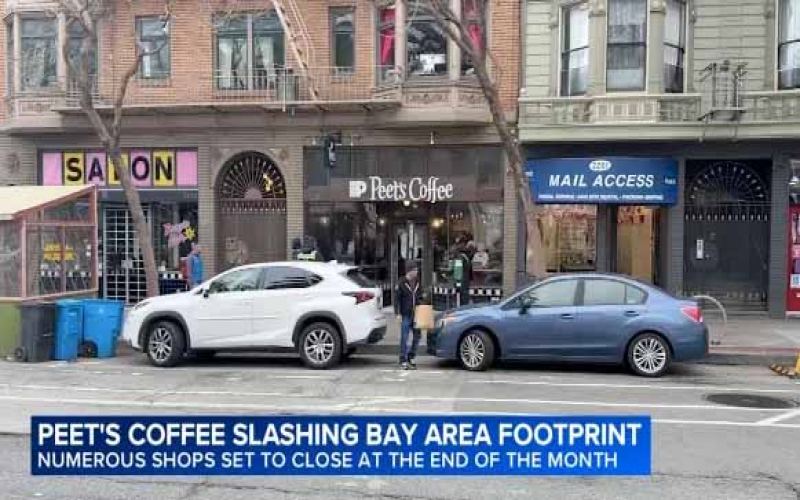
Peet's Coffee Confirms Closure of Multiple San Francisco Bay Area Stores, Wave of Closures Hits Ahead of Parent Company Acquisition
Recently, the American coffee chain brand Peet's Coffee, founded in 1966, suddenly announced that it will close multiple stores in the San Francisco Bay Area and surrounding regions by the end of January this year. A company spokesperson stated that this is a difficult decision made to align the business with long-term growth priorities and current market conditions. However, the specific number and locations of the affected stores have not yet been disclosed, leaving employees and customers caught off guard. It is worth noting that this wave of closures comes shortly after news that its parent company, JDE Peet's, is being acquired by Keurig Dr Pepper for $18 billion. Peet's Coffee has over 280 branches in the United States, with about 135 in the San Francisco Bay Area, its largest domestic market. This closure could affect as many as 30 stores in California. Let's learn more about the details of the event together. [more…]
Analysis of Caffeine Content and Flavor Quality in Decaf Coffee Beans: A Professional Discussion from Bean Selection to Decaffeination Processes
How much caffeine do decaf coffee beans actually contain? And how do their quality and flavor profile perform? This article will take you deep into the revival of decaf coffee, from the careful selection of coffee beans and the core processes of decaffeination technology to changes in market acceptance, as well as actual caffeine content data for decaf coffees from different brands. At the same time, we will also recommend Front Street Coffee's decaf products, presenting genuine experiences and professional insights from decaf coffee lovers. [more…]

The Origins and Home Recipe of Blue Bottle Coffee Gibraltar: From the Libbey Glass to an Improved Cortado
On the menu at Blue Bottle Coffee shops, there is a drink with a tongue-twisting name that is particularly intriguing—the Gibraltar. It is at once the name of a port city, the designation of Libbey's classic glassware series, and a rich little milk coffee that sits somewhere between a latte and a macchiato. This drink was not deliberately developed, but arose from an accidental purchase of the wrong glass: a 4.5-ounce small glass could not hold a regular milk coffee, yet it was just right for observing espresso crema, so a barista blended a small amount of thin-microfoam milk into a double espresso, accidentally creating an off-menu hit. Today, Front Street takes everyone through the origins of the Gibraltar, compares its similarities and differences with the cortado, and finally provides a home recipe with parameter references. [more…]
In-depth interpretation of the Peet's Coffee brand: Its origins with Starbucks and their respective differences in premium positioning.
Peet's Coffee is hailed as the启蒙者 of American specialty coffee. Its founder, Alfred Peet, brought the European-style heavy-roast philosophy to the United States, influencing countless successors, including the three founders of Starbucks. This article will trace the historical thread of Peet's from its founding to its intersection with Starbucks, analyze the advantages of its heavy-roast style and the shortcomings of its in-store experience, and explore the differences in class and positioning between Peet's and Starbucks. At the same time, relevant recommendations from Front Street Coffee are included at the end of the article to provide coffee lovers with more choices. [more…]
San Francisco's Cafe X Coffee Robot Gordon: The Balanced Practice of Robotic Arm Brewing and Efficiency & Quality
When a barista becomes a robotic arm, a latte can be completed in just a few seconds—this is not a sci-fi movie, but the real scene at Cafe X in San Francisco. This small kiosk, founded by Hong Kong-born young man Henry Hu, centers on a modified Mitsubishi robotic arm named Gordon, attempting to find a balance between efficiency and quality. Cafe X does not pursue fancy customization, but returns to the essence of minimalist coffee, collaborating with roasters such as Verve and Peet's to allow the robot to precisely execute brewing parameters. The store also has product specialists offering tastings and explanations, similar to the role of a sommelier or an Apple Genius. Can this model change the development predicament of fast-food technology in Silicon Valley? How will the future of human-machine collaboration affect the coffee service industry? [more…]
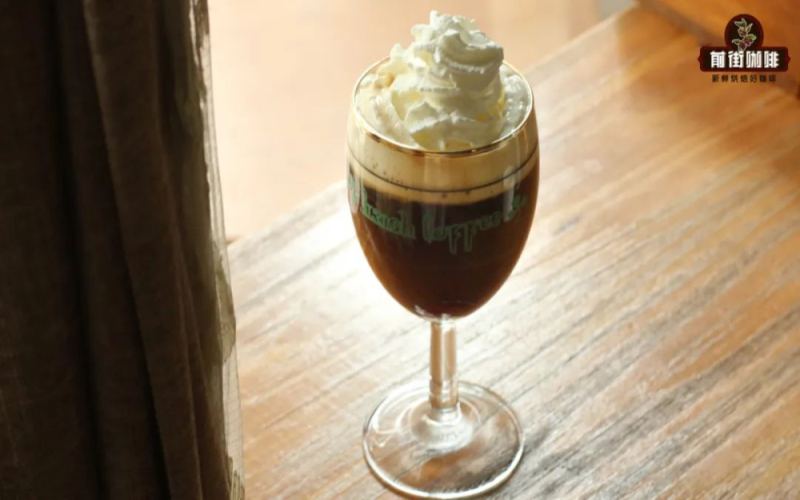
From Irish Airports to San Francisco Coffee Shops: A Classic Hot Drink Recipe Where Whiskey Meets Coffee
The birth of a cup of Irish coffee originated from a flight delay at an airport in western Ireland in 1952. American journalist Stan asked the bartender at the airport bar for a cocktail suitable for the bad weather; the bartender combined whiskey with hot coffee and topped it with whipped cream, creating this heartwarming classic drink. After Stan returned to San Francisco, he shared this experience with the owner of Buena Vista Café, who successfully replicated it, making Irish coffee widely known in the United States. Today, it is not only the star of a dedicated glass and a spirit lamp stand, but also a highlight of international coffee and spirits competitions. This article will take you through its origin story and share a safer home method that omits the spirit lamp, restoring this drink with its layered hot-and-cold separation and rich depth step by step, from coffee extraction to the pairing of syrup and whiskey, and then to the cream topping. [more…]
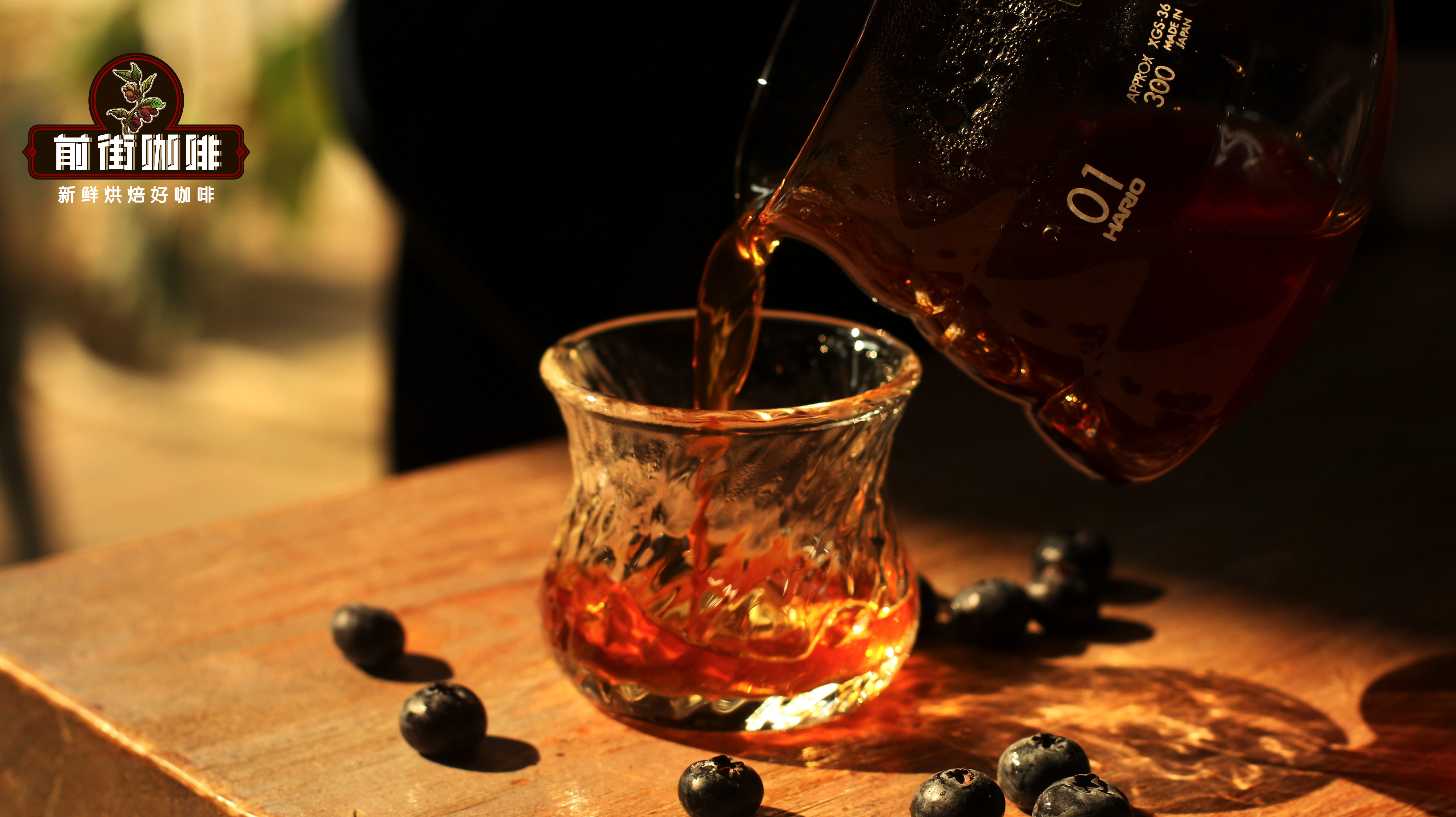
A Comprehensive Guide to Honduran Coffee Regions: Barrel-Fermented Flavors, Six Major Regions, and Moka Estate's Sherry and Lychee Orchid
Although Honduras is not as renowned as Ethiopia, it has carved out a place for itself in the specialty coffee world with its distinctive barrel-aged processing method. Sherry and Litchi Orchid, these two beans carrying the aromas of whiskey and brandy, come precisely from the Moka Estate in Marcala, Honduras. This article will give you a comprehensive understanding of Honduras's geography and climate, the distribution of its six major coffee regions, its main coffee varieties, as well as the flavor characteristics and brewing parameters of the two barrel-fermented beans recommended by Front Street Coffee, allowing you to grasp the charm of this Central American coffee-producing country in one go. [more…]
Ethiopia Natural Yirgacheffe Aricha: A Flavor-Layer Analysis of Longan, Red Date, and Honey Sweetness
When it comes to specialty coffee, many people first think of a rich and captivating taste experience. However, not every coffee brewed from specialty coffee beans can be called specialty coffee—the key lies in whether it fully showcases the beans' own distinctive and beautiful flavors. The concept of specialty coffee was first proposed by Ms. Knutsen of the United States in the magazine Tea & Coffee Trade Journal. At the time, she was a coffee buyer for B.C. Ireland in San Francisco, and she was deeply dissatisfied with the industry's neglect of green bean quality and even the practice of major manufacturers blending large amounts of Robusta beans into their blends, so she advocated for raising the industry's quality standards. This term specifically refers to coffee beans grown in special environments with distinctive flavor characteristics, and it spread rapidly with the promotion of international coffee conferences. This article will take you into an in-depth look at the sun-dried Yirgacheffe from the Kebel Aricha processing station, savoring its unique flavor intertwined with longan and red date aromas and honey sweetness, while also introducing the Project Origin green bean sourcing initiative launched by Sasa Sestic, as well as related recommendations from Front Street Coffee. [more…]
A Complete Analysis of the Flavor Characteristics and Pour-Over Parameters of Costa Rica Sumava Estate Black Honey Coffee Beans
The Black Honey processed Caturra from Costa Rica's Sumava Estate, grown in high-altitude volcanic soil in the Western Valley, presents a complex cup profile of brown sugar, floral notes, citrus, and sweet spices, with a sweet, round mouthfeel. This article systematically examines the flavor origins and brewing key points of this bean, from the producing region's background, the estate's story, the characteristics of the Catuai variety, and the classification of honey processing, to pour-over extraction parameters. It also includes Front Street Coffee's brewing recommendations and purchasing references to help coffee enthusiasts fully understand the charm of Black Honey processed coffee. [more…]
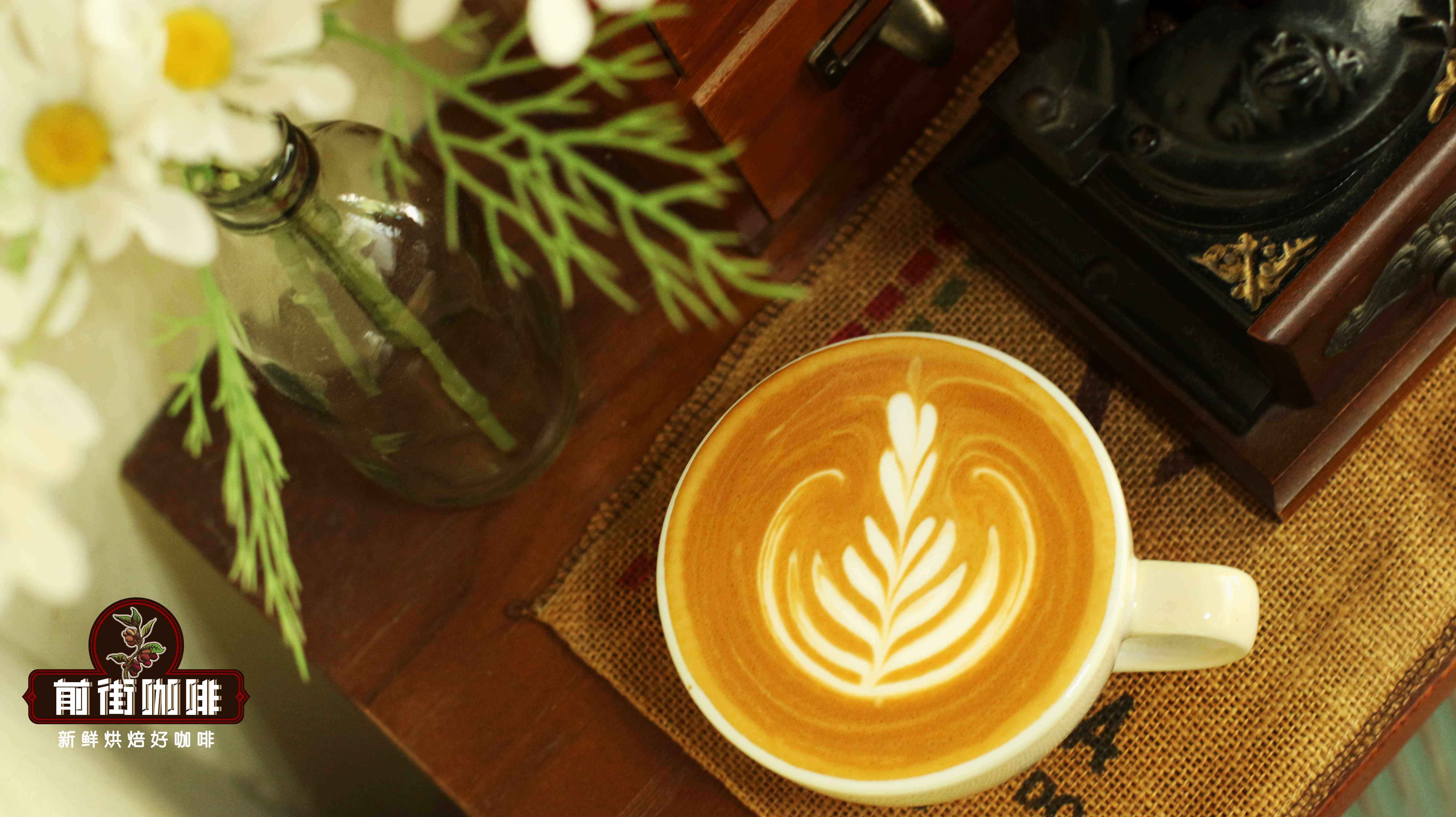
A Global Roundup of Famous Coffee Brands | An Analysis of the Characteristics and Historical Background of Blue Bottle, Starbucks Reserve, Peet's, and Other Brands
From San Francisco in the United States to Kyoto in Japan, from London to Guangzhou, every well-known coffee brand has a unique development story and flavor philosophy behind it. This article systematically reviews internationally representative brands such as Blue Bottle Coffee, Starbucks Reserve, % Arabica, Peet's Coffee, and Costa Coffee, interpreting their respective founding backgrounds, core positioning, and product features. It also introduces the business philosophy and bean-selection advantages of the Guangzhou-based local brand Front Street Coffee, helping coffee lovers find the cup that suits their taste while learning about brand culture. [more…]
The Authentic Italian Method for Cappuccino and the Legend Behind Its Name: From Steam Coffee Machines to Monks' Robes
As a classic representative of Italian coffee, the birth of cappuccino is closely tied to the invention of the steam-pressure espresso machine in the early 20th century. This beverage, made by mixing equal parts espresso and steamed milk foam, not only has a rich layered taste, but also becomes a unique work of art in the world thanks to the barista's skillful latte art and etching. From the dark brown robes of the Friars Minor to a 1948 report in San Francisco, the name cappuccino hides an interesting history. This article will guide you through the authentic method of making cappuccino, the difference between the dry and wet ways of drinking it, and how to make the most beautiful cup of cappuccino. [more…]
Is Bulletproof Coffee Reliable for Weight Loss? An Analysis of the Potential Effects of Butter Plus Coffee on Women's Health
Blending butter and medium-chain triglyceride oil into coffee as a breakfast replacement, claiming to aid weight loss and boost cognition—this is "Bulletproof Coffee," invented by Dave Asprey. Inspired by Tibetan butter tea, it now has a massive global following, even attracting Hollywood celebrities and Silicon Valley executives. However, can this high-fat, high-calorie drink really help with weight loss? Is it harmful to women's bodies? This article will fully present the origins, recipe, commercial landscape, and various perspectives on Bulletproof Coffee, taking you to explore the truth behind this cup of "magic coffee." [more…]
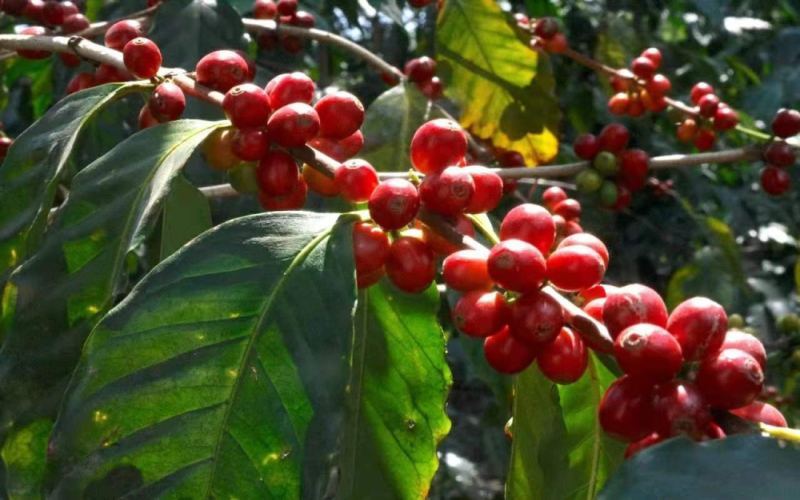
Complete Guide to Honduran Coffee: Six Major Regions, Main Varieties, and Barrel-Fermented Flavor Characteristics
Although Honduras is not as renowned as Ethiopia, it stands out in the specialty coffee world with its unique barrel-fermented processing method. Sherry coffee and Lychee Orchid coffee are prime examples, where the aromas of whiskey and brandy intertwine with the sweet notes of fruit and cream, leaving an unforgettable impression. More than three-quarters of Honduras is mountainous highlands, located in the coffee-growing belt with abundant annual rainfall, providing superior natural conditions for coffee. This article systematically reviews the terroir characteristics and flavor differences of Honduras's six major regions—Copán, Opalaca, Montecillos, Comayagua, Agalta, and El Paraíso—and introduces the main cultivated varieties such as Caturra, Catuai, and Pacas, as well as Front Street Coffee's brewing suggestions and flavor descriptions for two barrel-fermented beans from Mocha Estate, offering a comprehensive understanding of the unique charm of this Central American coffee-producing country. [more…]
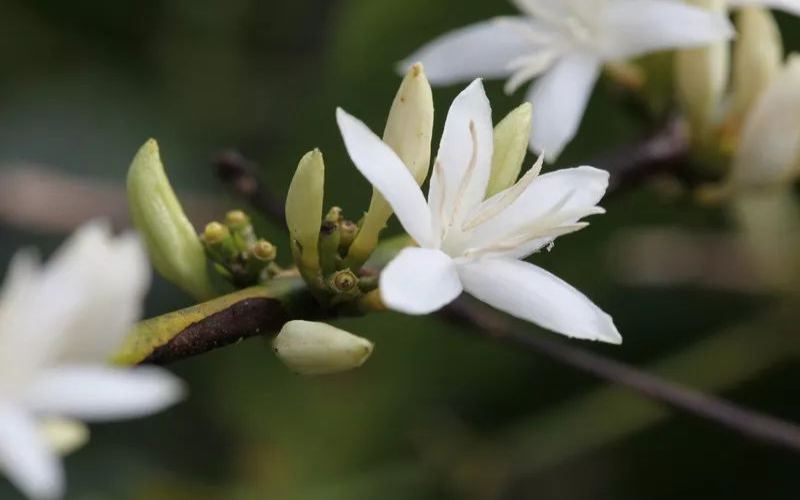
Distinguishing Panamanian Coffee Estates: The Geisha Legend of El Burro Estate and La Mula Estate
On the map of Panamanian specialty coffee, the Boquete region brings together many top Geisha estates, among which El Burro (Donkey Estate) and La Mula (Mule Estate) are often confused due to their similar Chinese translated names. El Burro belongs to the century-old coffee family Lamastus, located on the southwestern slope of Baru Volcano, where high-altitude volcanic soil nurtures a natural Geisha with outstanding sweetness; La Mula was founded in 2005 by the "Godfather of Geisha" Willem Boot, and although small in area, it has repeatedly won awards. Front Street Coffee takes you through the historical origins, terroir conditions, and cultivation details of the two estates one by one, and shares tasting experiences, helping you clearly distinguish these two coffee-famous estates with similar names but each with its own merits. [more…]

A Comprehensive Analysis of Coffee Producing Regions and Varieties in Malawi, a Landlocked Country in Southeast Africa
African coffee enjoys a stellar reputation in the global market, with Ethiopia recognized as its place of origin, while Malawi is likewise a producing country that cannot be overlooked. This landlocked nation in southeastern Africa, bordered by Tanzania, Mozambique, and Zambia, takes its name from Lake Malawi, the third-largest lake in Africa. Malawi has complex terrain, with the East African Rift running through the entire country; its tropical savanna climate, combined with abundant rainfall and diverse soils, provides ideal conditions for coffee cultivation. This article will guide you through Malawi's coffee-growing landscape, focusing on two well-known producing regions—the Misuku Hills and the Nkhata Bay Highlands—as well as major varieties such as Agaro, Geisha, Bourbon, and Catimor, and will also explain the operating model of smallholder cooperatives. [more…]
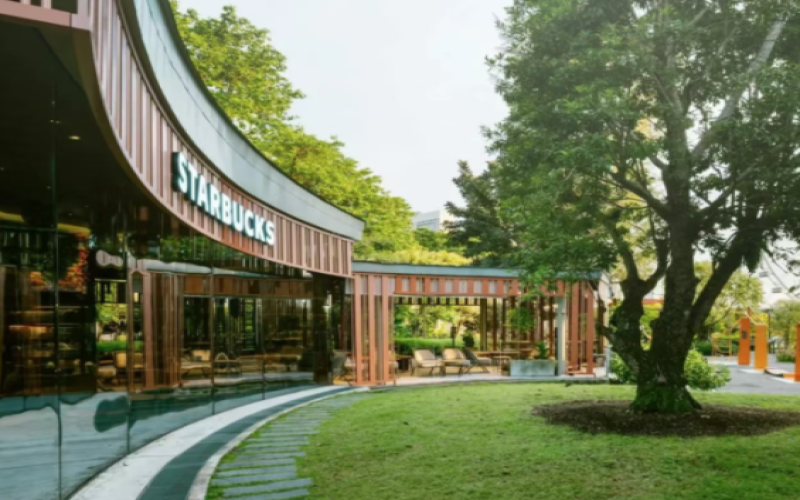
Starbucks opens its first community store in Singapore, located at Gardens by the Bay, focusing on mental health and neighborhood connections
Starbucks recently opened its first community store in Singapore at Gardens by the Bay, partnering with Gardens by the Bay and MINDSET Care to promote mental health awareness and community engagement. The store will use a portion of its beverage revenue to fund workshops and events for mental health organizations, and will host monthly "Wellness Interest Friday" activities, inviting seniors and caregivers to participate. Starbucks employees will also join year-round volunteer service, accompanying elderly residents of nursing homes on outings. The community store continues Starbucks' differentiated exploration since 2014, returning to the original spirit of a community café with warm design, family-friendly facilities, and relaxed ordering methods. Front Street Coffee will also continue to follow the global implementation and evolution of this store model. [more…]

Overview of El Salvador's Six Major Specialty Coffee Regions: Bean Varieties, Flavor Characteristics, Grading Standards, and Brewing Notes from Representative Estates
Although El Salvador is a small country, it was once the fourth-largest coffee producer in the world. The civil war once left the industry in decline, and although it has gradually recovered today, production has struggled to return to its former peak. After recently cupping several Salvadoran coffees, Front Street found that regardless of which producing region they come from, a delicate and soft acidity along with a sweet, balanced mouthfeel are always common characteristics of the country's coffee. This article reviews the geographical and flavor differences of six specialty producing regions, explains the SHG and CS grading system based on altitude, and records the roasting, cupping, and brewing performance of the Bourbon from Chocolate Lover Estate and the Black Honey Pacamara from Posido Estate that Front Street acquired, for the reference of coffee enthusiasts. [more…]
A Deep Comparison of Panama's El Burro Estate and El Mulo Estate: What Sets These Two Similarly Named Geisha Powerhouses Apart?
In the Boquete production region of Panama, there are two estates whose names sound extremely similar—Hacienda La Esmeralda and Elida Estate. Wait, that's not right. Let me reconsider. The estates are "驴子庄园" (Donkey Estate) and "骡子庄园" (Mule Estate). Both produce high-quality Geisha, yet they have completely different family backgrounds and historical origins. Front Street Coffee takes you through the ins and outs of these two famous estates one by one: Donkey Estate belongs to the Lamastus family, is managed by Wilford Lamastus, is located on the southwestern slope of Baru Volcano, and mainly cultivates Geisha and Catuai; Mule Estate was purchased by "Godfather of Geisha" Willem Boot in 2005, and got its name because he visited by riding a mule. Although small in area, it has won numerous awards. This article will compare the two estates' founding stories, terroir conditions, and cultivation details to help coffee lovers clarify these two easily confused Panamanian specialty estates. [more…]
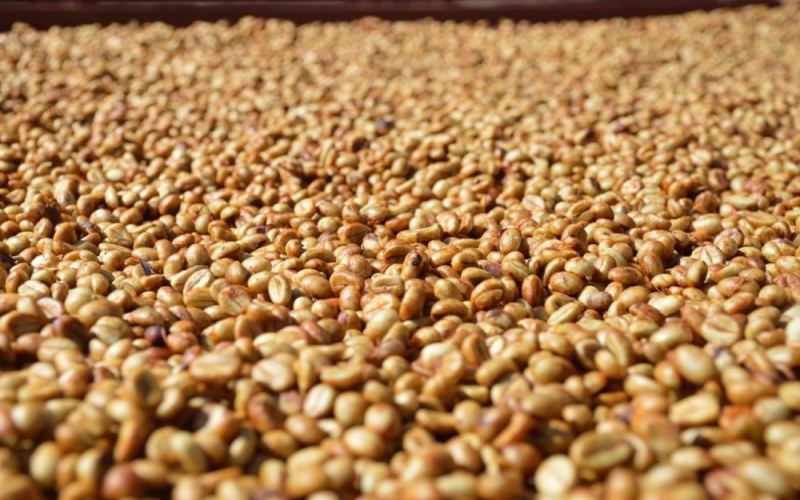
Costa Rican Honey-Processed Coffee: A Detailed Guide to the Differences and Flavor Characteristics of Yellow, Red, and Black Honey
Costa Rican honey-processed coffee beans are famous for three forms: yellow honey, red honey, and black honey. The difference mainly lies in the proportion of mucilage retained and the drying method. Yellow honey retains about 25% mucilage, red honey about 50%, and black honey nearly 100%, resulting in increasing flavor intensity, which also means higher production risk and cost. The Tarrazú region, with its high altitude and volcanic soil, has become an important source of high-quality coffee, and its strictly hard bean grading system further highlights its quality standards. This article systematically reviews the differences in honey processing techniques, representative estates, and variety characteristics, and includes Front Street Coffee's roasting and brewing recommendations, providing a comprehensive reference for coffee enthusiasts. [more…]
Guatemalan Coffee Regions Flavor Analysis: From Historical Evolution to the Quality Characteristics of Antigua Valley
Guatemala is located in the Central American isthmus, where its unique high mountain and volcanic terrain provides superior natural conditions for coffee cultivation. Since coffee was first introduced in the mid-18th century, the country's coffee industry has gone through ups and downs, ultimately earning frequent honors on the international stage thanks to its outstanding quality. Today, Guatemala produces about 3.5 million bags of coffee beans annually, ranking as the ninth-largest producing country in the world. The country is divided into eight major coffee regions, each with its own terroir characteristics. Among them, Santa Clara Estate in the Antigua region sits in a valley surrounded by three volcanoes. The rich minerals and water-retention capacity brought by volcanic ash make up for the area's relatively low rainfall, creating a distinctive coffee flavor. This article will take you deeper into the historical development and regional characteristics of Guatemalan coffee. [more…]