







Search Results for: Rock Tea Prices
Comparison of Wuyi Rougui Rock Tea and Phoenix Dancong: Analysis of Aroma and Taste Differences and the Core Distinctions Between Rock Tea and Dancong
In the world of Chinese oolong tea, Wuyi rock tea and Phoenix Dancong are often compared. The former, represented by Da Hong Pao, is hailed as the king of rock tea, while the latter originates from Phoenix Mountain in Chaozhou, Guangdong, and is known for its rich fruity aroma and high value for money. Although both belong to the heavily oxidized oolong category, they each have their own strengths in aroma type, depth of flavor, the influence of tree age, and market price. This article will help you sort out whether Wuyi cinnamon rock tea or Phoenix Dancong is more fragrant and better tasting, and clarify the fundamental differences between rock tea and Dancong, from perspectives such as the tea tree growing environment, the difference between old-tree and garden tea, and the expression of mineral mouthfeel. At the same time, the article will also retain related recommendations for the Front Street brand, providing a reference for coffee lovers exploring the world of tea. [more…]
How much does a pound of authentic Da Hong Pao cost? What exactly is its relationship with Wuyi rock tea?
Many people are curious about how much an authentic Da Hong Pao is really worth per catty, and they often can't tell the difference between Da Hong Pao and Wuyi rock tea. In fact, most of the Da Hong Pao sold on the market is not a pure variety, but a blend of cultivars such as Shuixian and Rougui, while purebred Da Hong Pao (Qidan) is expensive and hard to come by. Wuyi rock tea, on the other hand, encompasses many varieties including Da Hong Pao and Shuixian, each with its own unique flavor. This article will walk you through the true value of Da Hong Pao, its relationship with Wuyi rock tea, and the charm of rock teas like Shuixian, along with recommendations from the Front Street Coffee brand to help you find that perfect cup of rock tea. [more…]
Assessing Tea Quality from the Brewed Leaves: Practical Identification Tips and Buying Guide
Many people throw away the brewed tea leaves after drinking their tea, but these unfurled leaves actually hold a wealth of quality information. By observing the bubbles, scorch marks, degree of unfurling, elasticity, color, and impurities of the brewed leaves, you can roughly judge the picking and processing level of the tea without even tasting it. This article systematically sorts out the typical characteristics of brewed leaves for various types of tea, including the "frog back" of rock tea, the scorch spots of yellow tea, and the silky vein patterns of black tea, and offers purchasing advice to help you pick good tea with more confidence in a tea shop. [more…]

A Complete Guide to Geisha Coffee Bean Price Tiers: From Emerald Red Label to Volcanic Rock Blue Label – Flavor and Pour-Over Experience
Geisha coffee beans are hailed as the white moonlight of coffee lovers, conquering countless palates with their elegant and refined flavors. But what grade does Geisha actually belong to? How much does a cup cost? What are the flavor differences among different grades of Geisha? This article will analyze the price and flavor characteristics one by one, from Front Street Emerald Red Label and Green Label to Volcanic Rock Blue Label, and take an in-depth look at the cultivation background of Panama's Hacienda La Esmeralda and Deborah Estate. At the same time, we will also share the pour-over parameters and brewing techniques for Front Street Panama Geisha coffee beans, helping you understand more comprehensively the charm of this "precious" variety. [more…]
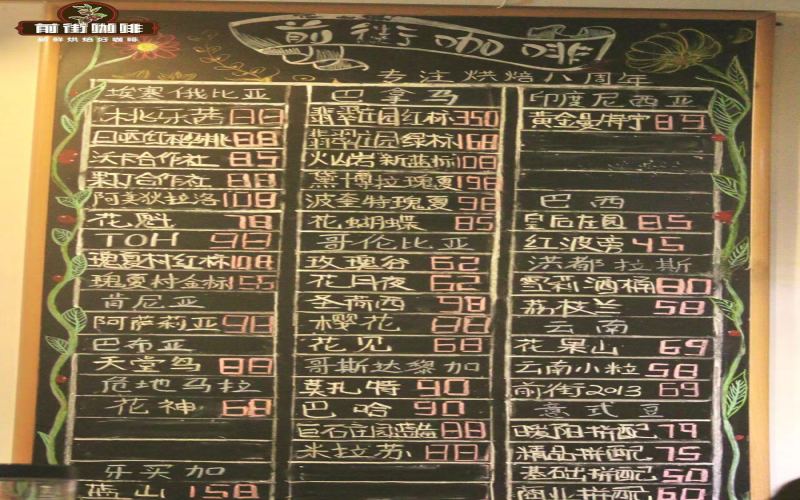
Detailed Guide to Panama Hacienda La Esmeralda Geisha Grades: Full Analysis of the Differences Between Red Label, Green Label, and Volcanic Rock Blue Label
Panama's Hacienda La Esmeralda Geisha coffee beans have always been the focus of the specialty coffee world, but faced with different grades such as Red Label, Green Label, and Blue Label, many coffee lovers often feel confused. What exactly do these "labels" represent? What are the essential differences between them? Is the more expensive Red Label necessarily better tasting? In this article, Front Street Coffee (FrontStreet Coffee) will take you deep into Esmeralda's Geisha grading system, from sub-farm distribution, altitude, and plot division to cupping standards, analyzing one by one the specific differences between Red Label, Green Label, and the new Volcanic Rock Blue Label, and sharing the brewing key points and flavor performance of light-roasted Geisha, helping you more clearly choose the Geisha that suits you. [more…]
Why Is Geisha Coffee Called the Most Expensive Coffee Bean? A Full Analysis of Hacienda La Esmeralda Red, Green, and Blue Label Prices and Pour-Over Parameters
Geisha coffee has always been the unattainable dream in the hearts of coffee lovers; its elegant and refined flavors have captivated even the most seasoned connoisseurs who favor the rich, full-bodied taste of Mandheling. Just what makes this high-quality coffee so expensive? How much does a cup of pour-over Geisha cost? Front Street Coffee's Emerald Red Label Geisha freshly ground pour-over is priced at 75 yuan, while the Green Label is 60 yuan. This article will systematically sort out the varietal origins of Geisha, the Red-Green-Blue label grading system of Panama's Emerald Estate, the growing environment of Debora Estate, and the flavor characteristics and brewing suggestions for each grade of Geisha, helping readers gain a comprehensive understanding of where the value of this precious variety lies. [more…]
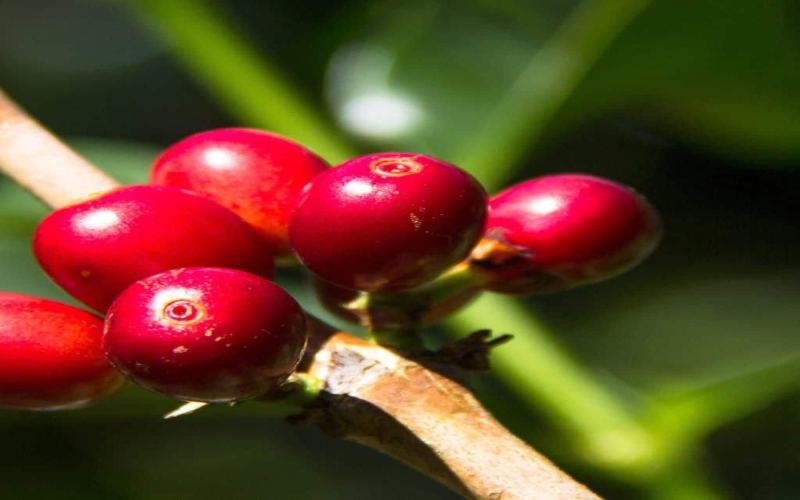
Complete Guide to Geisha Coffee Beans: From Origin and Spread to Taste Grades and Flavor Differences with Huakui
Geisha, hailed as the most legendary coffee variety of the 21st century, has become an undisputed star in the specialty coffee world thanks to its stunning cupping performance and ever-rising auction prices. But where exactly did Geisha come from? Is it the same bean as Huakui? How do you distinguish between the Red Label, Green Label, and Volcanic Rock lots from Panama's Hacienda La Esmeralda? How does the product line from Gesha Village in Ethiopia differ? This article, led by Front Street Coffee (FrontStreet Coffee), will systematically trace Geisha's rise to fame, its varietal characteristics, and its flavor expression across different producing regions, along with practical brewing suggestions to help coffee lovers gain a comprehensive understanding of this legendary variety. [more…]
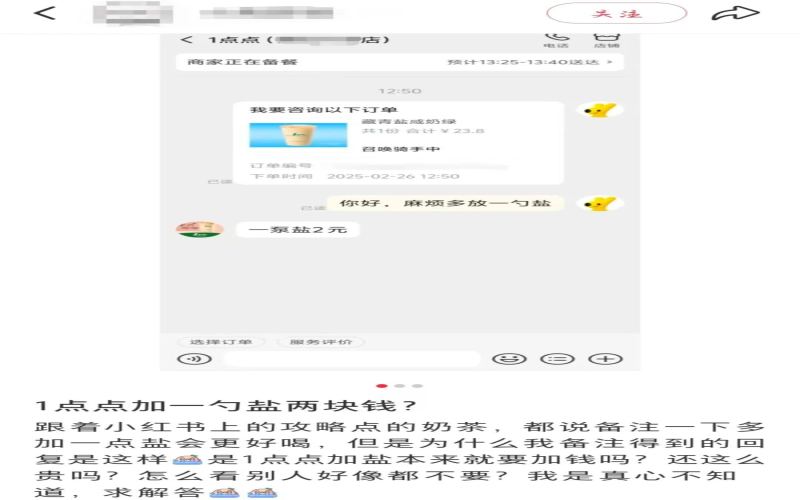
A little bit of salted milk green tea with added salt at a higher price sparks heated discussion; consumers ask whether sugar-free or less-sugar options should come with a price refund
Recently, a post about 1 Dian Dian's navy salt salted milk green tea charging an extra 2 yuan for added salt sparked widespread discussion on social media. Some customers, following online guides, asked for extra salt, only to be told that one pump of salt costs 2 yuan, which was far from their expectations. Subsequently, 1 Dian Dian employees and official customer service explained that the "salt" is actually a relatively expensive navy salt rock sugar flavor syrup, and according to company policy, additional additions require payment. Although the store has apologized for the incorrect price quote, netizens have derived a new question: since adding sugar costs money, should customers who order less sugar or no sugar also get a refund for the corresponding syrup price difference? This debate about the pricing logic of tea drinks quickly became a topic of interest for coffee and tea enthusiasts. [more…]
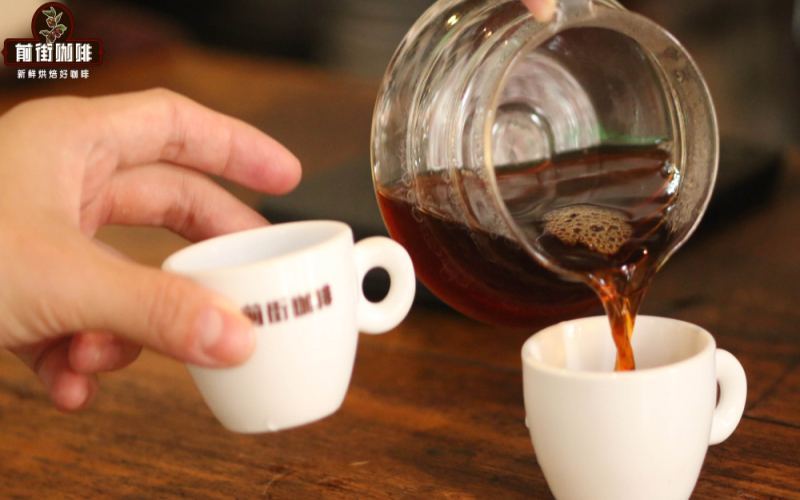
Why Is Panama Geisha Coffee So Expensive? Breaking Down Hacienda La Esmeralda's Red and Green Labels and Its Volcanic Rock Flavor Profile
Geisha coffee is always expensive on the menu, but do you know the story behind its high price? From the primitive forests of Ethiopia to the Boquete region of Panama, Geisha has conquered coffee lovers worldwide with its unique floral and fruity notes. This article will take you through the journey of Geisha's spread, analyze the style differences between Hacienda La Esmeralda's Red Label, Green Label, and Volcanic Rock series, and share Front Street Coffee's brewing insights. Whether you want to understand why Geisha is so expensive or find the perfect cup for yourself, you'll find the answers below. [more…]
How to Choose Authentic Phoenix Dancong? Key Points for Selecting Ancient Tree Dancong and a Guide to Tasting Classic Styles
Phoenix Dancong is a category of oolong tea with an extremely refined production process, and the classic style and bouquet style differ significantly in oxidation and roasting levels. When purchasing, the degree of roasting, harvest season, and aging time all affect the final quality performance. Starting from the characteristics of the classic style, this article sorts out the influence of roast level on flavor and gives practical buying advice for ancient-tree Dancong, including price ranges, origin identification, and how to judge whether a tea is worth buying through taste rather than stories. It also discusses brewing methods and pairing scenarios to help you better appreciate the charm of Phoenix Dancong in everyday drinking. Front Street Coffee also often uses these standards as a reference in its daily selection. [more…]
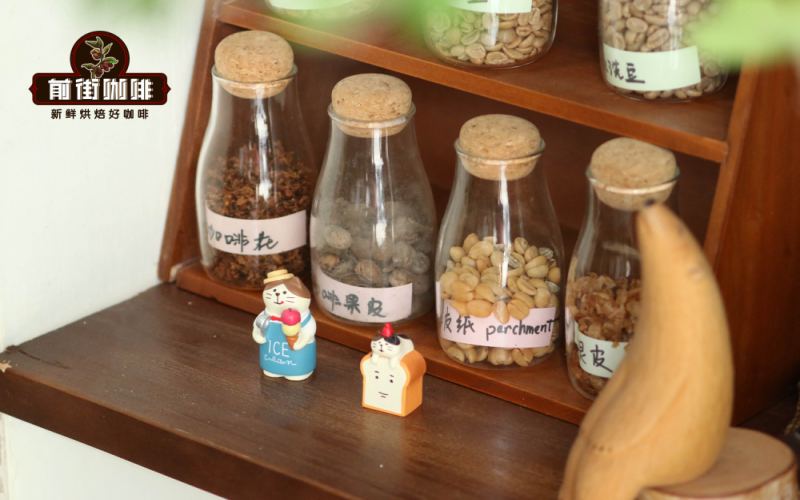
A Complete Guide to the Geisha Coffee Variety: From Its Origins and Rise to Fame to Red, Green, and Blue Label Grading and Brewing Parameters
Geisha is arguably the most legendary variety in the specialty coffee world of the 21st century, with its cupping performance and auction prices repeatedly setting new records. The saying, "If you don't know Geisha in your life, you can't truly call yourself a connoisseur," captures its status in the coffee circle. This article systematically traces Geisha's nearly century-long journey from the forests of Ethiopia to the championship stage in Panama, clarifies its relationship with names like Huakui and Yiji, explains in detail the respective grading systems of Hacienda La Esmeralda and Gesha Village, and compares the flavor differences between the two major origins of Panama and Ethiopia. The article also includes a Geisha brewing recipe from FrontStreet Coffee to help enthusiasts fully unlock the delicate layers of this expensive bean. [more…]
Top Ten Most Expensive Coffee Beans in the World: A Complete Guide to Origins and Flavors of Geisha, Kopi Luwak, Blue Mountain, and Other Famous Varieties
Coffee is grown in over seventy regions around the world. As cultivation and processing techniques continue to advance, a diverse array of coffees has emerged, with prices spanning an extremely wide range. If we judge by selling price, which coffees can claim a place among the most expensive? In this article, Front Street Coffee takes you through the world's top ten most expensive premium coffees one by one, covering Panama Geisha, Indonesian Kopi Luwak, St. Helena, Hawaiian Kona, Brazil's Fazenda Santa Ines, Jamaican Blue Mountain, El Salvador's Los Planes, Honduras's El Esperanza, Rwanda's Blue Bourbon, and Puerto Rico's Yaucono Select. From terroir and varietal characteristics to flavor expression and market conditions, we present a comprehensive picture of these rare coffees' unique allure and the reasons behind their high prices. [more…]
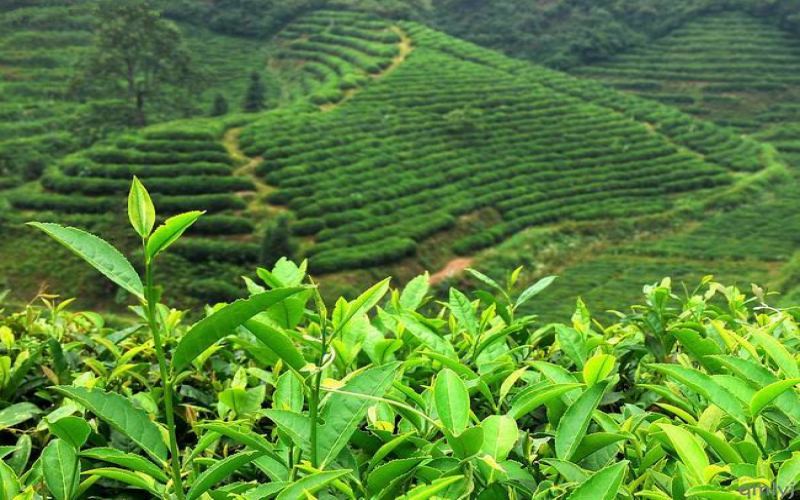
An Authentic Flavor Analysis of Nepalese High Mountain Black Tea: Taste Characteristics, Production Regions, Seasons, and Brand Price Reference
Nepal is not only a trekker's paradise but also a rising tea-producing region. Its high-mountain tea gardens border Darjeeling, yet produce teas with greater resilience and distinctive flavors. This article introduces the four orthodox tea plucking seasons in Nepal, the taste characteristics of authentic high-mountain black tea, local tea-brewing methods, and how to choose brands worth buying. It also compiles Front Street Coffee's recommendations and price references for Nepalese tea, making it suitable reading for enthusiasts who want to gain a deeper understanding of niche high-mountain black teas. [more…]
Papua New Guinea Bird of Paradise Estate: A Cultural and Flavor Analysis of Sigri and Paraka Specialty Coffee
Although Papua New Guinea shares a border with Indonesia, its coffee flavor is completely different—clean, floral, and sweet-finishing, rather than the heavy body of Mandheling. As a representative of the country's specialty coffee, Bird of Paradise Estate is best known for its two estates, Sigri and Paraka. Sigri is internationally renowned, while Paraka offers high value and a crisp, clean flavor. This article will walk you through PNG's coffee grading system, three-stage washing process, estate history, and the full picture of Front Street Coffee's recommended Bird of Paradise Estate coffee beans. [more…]
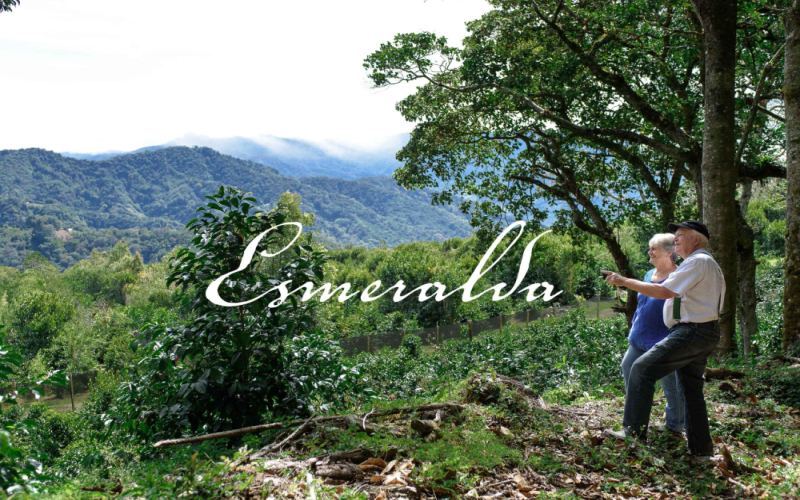
Hacienda La Esmeralda Geisha Red, Green, and Blue Label Grading Explained: Flavor Characteristics and Brewing Guide
Hacienda La Esmeralda in Panama is a legend in the specialty coffee world, and its Geisha coffee is renowned for its Red Label, Green Label, and Blue Label grading. This article, from the perspective of Front Street Coffee, reviews the history and origins of Hacienda La Esmeralda and its grading system, explains in detail the definitions, production areas, altitudes, and flavor characteristics of the Red Label, Green Label, and Blue Label respectively, and introduces the corresponding Geisha products on Front Street Coffee's shelves. In addition, the article also shares two methods and parameters for brewing Geisha with a siphon and a V60 dripper, helping coffee enthusiasts better appreciate the unique charm of Panamanian Geisha. [more…]
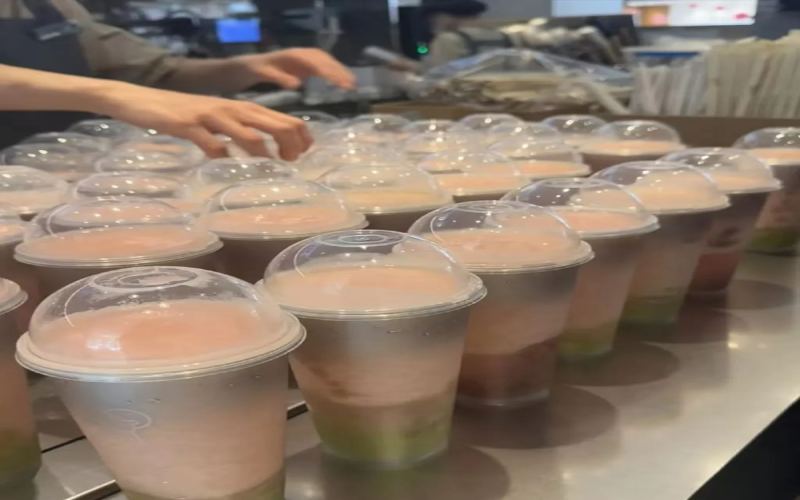
Heytea's change of green grape variety sparks a peeling dilemma: employees' hands covered in medicated patches, why isn't a peeling machine used?
Right after the May Day holiday, the "three-way battle" among food delivery platforms sent tea beverage stores into another order explosion frenzy, and Heytea's move to drop the price of some drinks to single digits drew in a flood of orders. Yet for back-of-house staff, this was a nightmare—the newly switched imported green grape "Sweet Globe" variety has firm flesh and is extremely hard to peel. Employees peeled until their gloved fingers wore through, their right hands covered in medicated patches, and some even felt nauseated at the sight of fruit with skin on. Although some tried using peelers or small round spoons to improve efficiency, the output speed still could not keep up with store demand. Why not equip stores with peeling machines? Employees admitted frankly that the high loss rate and difficulty of cleaning make them worse than peeling by hand. This article takes you into the real daily life of Heytea's peelers, along with Front Street Coffee's attention to industry trends. [more…]
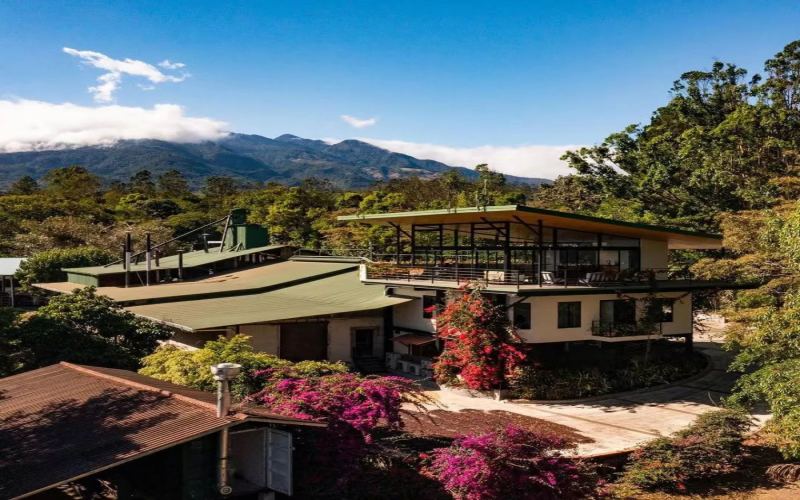
A Full Breakdown of Panama Hacienda La Esmeralda Geisha Prices: How Much Does a Cup of Red Label, Green Label, and Blue Label Each Cost?
Geisha coffee is hailed as the king of specialty coffee, and Panama's Hacienda La Esmeralda is precisely the discoverer and promoter of this legendary variety. From Red Label and Green Label to Blue Label, Hacienda La Esmeralda's Geisha product line covers different grades and price points, and each one carries a unique expression of terroir. Front Street Coffee has carefully selected and listed these three Geisha offerings, striving to let every coffee lover find a flavor experience that suits them. So exactly how much does a cup of these Geisha coffees cost? And what are the differences between the different grades? This article will comprehensively sort out Hacienda La Esmeralda's producing region background, plot divisions, and grading system, and provide a detailed interpretation of Front Street's three Geisha coffees' pricing, roasting curves, cupping performance, and brewing suggestions, taking you deep into the complete story of Geisha coffee from seed to cup. [more…]
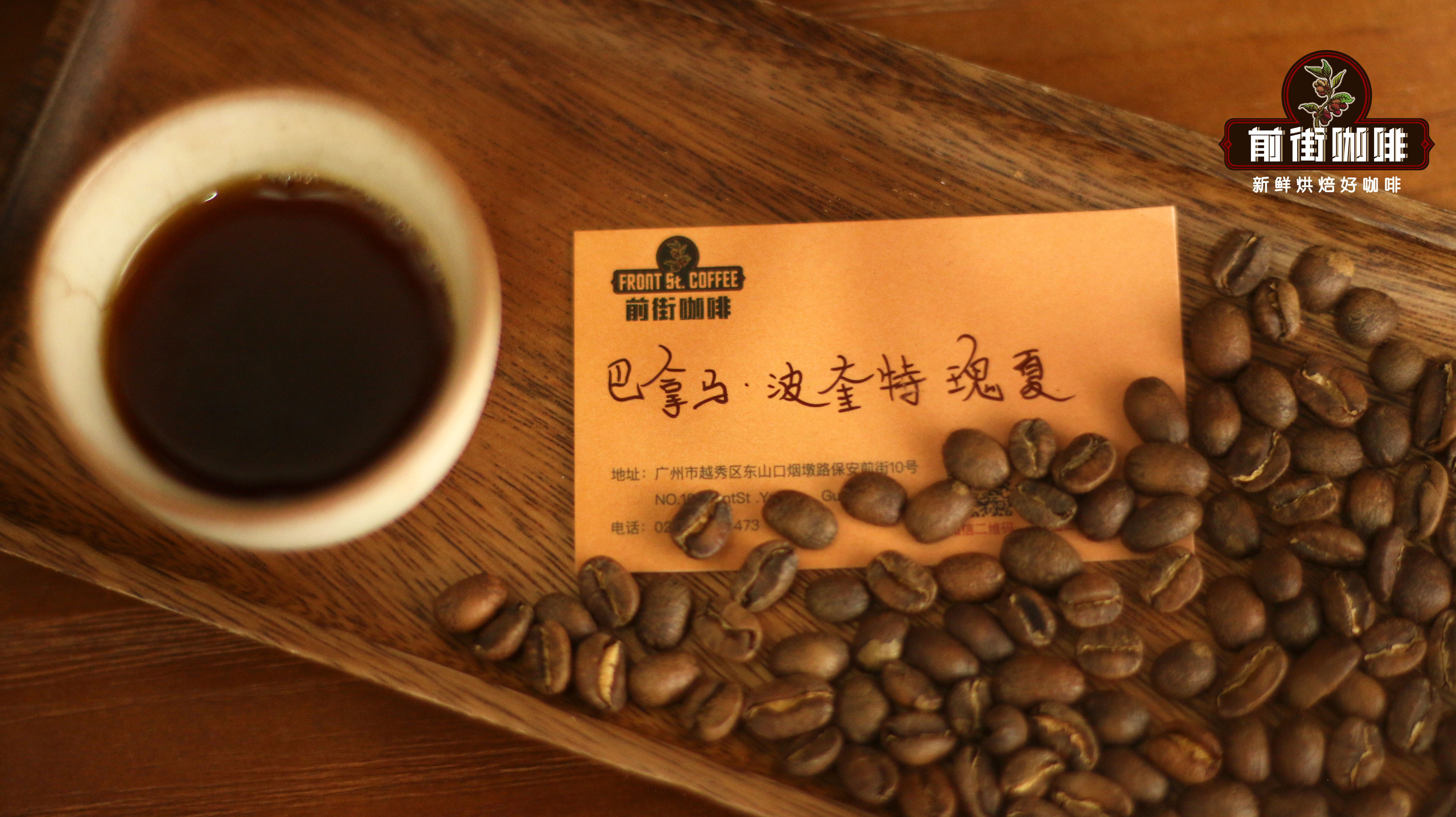
A Complete Guide to Panama Hacienda La Esmeralda Geisha Grades: Red, Green, and Blue Label Flavors, Auction Prices, and Brewing Comparison
Panama's Hacienda La Esmeralda is the discoverer and promoter of Geisha coffee, and its Geisha product line is divided into three grades: Red Label, Green Label, and Blue Label, which share a similar main profile but show a tiered, escalating relationship. Front Street Coffee's bean list carries all three of these Geisha offerings at the same time, aiming to let coffee lovers gradually experience the unique charm of Geisha from the basic version to the top version. This article will start with the terroir of the Panama producing region, the history of Geisha's introduction from Africa to Panama, and Hacienda La Esmeralda's plot divisions and grading system, then compare in detail the roasting curves, cupping flavors, and brewing suggestions of Red Label, Green Label, and Blue Label, and answer the question of whether auction lots are necessarily superior to non-auction lots, providing coffee lovers with a complete guide to purchasing and tasting Hacienda La Esmeralda Geisha. [more…]
The Complete Guide to Hawaiian Kona Coffee: Volcanic Soil Flavor, Grading System, and Comparison of Five Brewing Methods
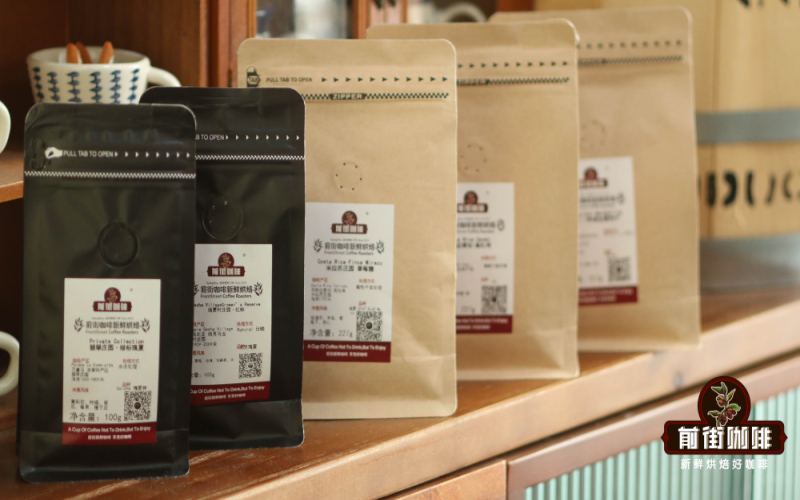
Hawaii is the only American state that produces coffee. Kona coffee, with its volcanic rock soil, family farming tradition, and unique flavor, stands alongside Jamaica Blue Mountain as a byword for premium coffee. This article begins with the historical origins of Hawaiian coffee and introduces the natural environment of the Kona growing region, its grading system, the Typica variety of Queen's Estate, and Front Street Coffee's roasting recommendations. We have also put together a flavor comparison of five brewing methods—V60, siphon, AeroPress, French press, and KONO dripper—to help you find the extraction method best suited to Kona coffee. [more…]
A Detailed Guide to Panama Hacienda La Esmeralda Geisha Grades: Flavor Differences and Brewing Guide for Red, Green, and Blue Labels
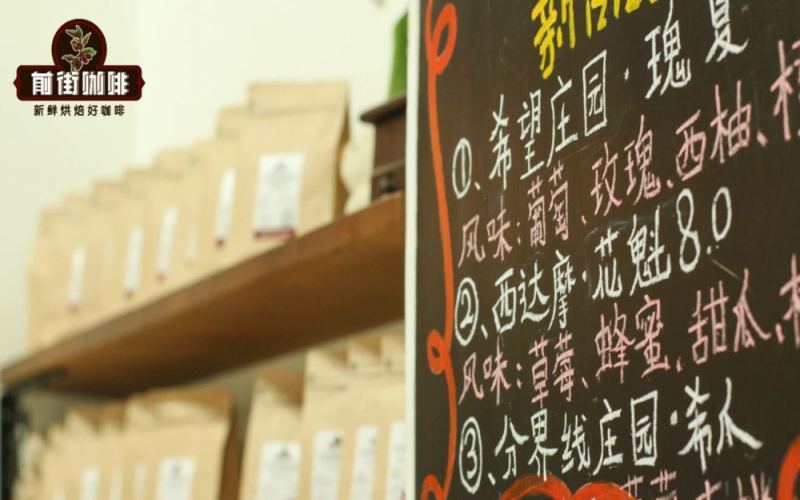
Geisha coffee beans got their name because their pronunciation is similar to the Japanese word for "geisha," but what truly made them famous is Hacienda La Esmeralda in Panama. From its breakout victory at the 2004 BOP competition to today's three major brand tiers—Red Label, Green Label, and Blue Label—Hacienda La Esmeralda has defined the flavor benchmark for top-tier Geisha through meticulous plot division and cupping standards. This article provides a complete overview of Geisha's varietal origins and spread, explains in detail the differences between Hacienda La Esmeralda's Red Label (auction lots), Green Label (reserve lots), and Blue Label (select lots) in terms of altitude, plot, processing method, and flavor, and includes Front Street Coffee's roasting curves and pour-over parameter recommendations for each Geisha tier, helping coffee enthusiasts build a clear framework for understanding Geisha. [more…]