







What makes Panama Geisha coffee so expensive?
Panama Geisha coffee commands high prices because the variety yields very little. Its trees have thin, fragile branches and low output, so farmers must tend them closely for small harvests. The variety arrived in Panama in the 1960s as a leaf rust resistant plant, stayed obscure for nearly forty years, then won attention for its floral and fruity cup, which lifted demand and auction prices.
The story starts in Ethiopia's Kaffa forest, where botanists sampled Geisha in the 1930s. It moved across Africa, reached Costa Rica in 1953 as T2722, and later came to Panama. Hacienda La Esmeralda sells it under Red Label, Green Label and Volcanic Rock series, each with its own style. Gesha Village in Ethiopia grows Gori Geisha and Geisha 1931, which differ from Panama's green-tipped Geisha.
Geisha coffee always commands a high price on the menu, but do you know the story behind its expense? From the wild forests of Ethiopia to the Boquete region of Panama, Geisha has conquered coffee lovers worldwide with its unique floral and fruity notes. This article will trace Geisha's journey of dissemination, analyze the style differences between Hacienda La Esmeralda's Red Label, Green Label, and Volcanic Rock series, and share Front Street Coffee's brewing insights. Whether you want to understand why Geisha is so expensive or find the cup that suits you, you'll find the answer below.
Many friends, when visiting cafes, always see the word "Geisha" upon opening the menu, and the price that follows often makes them gasp. When it comes to Geisha coffee, some think of Ethiopia's Gesha Village, while others think of Panama. For the baristas at Front Street Coffee, the first thing that comes to mind is Panama Geisha.
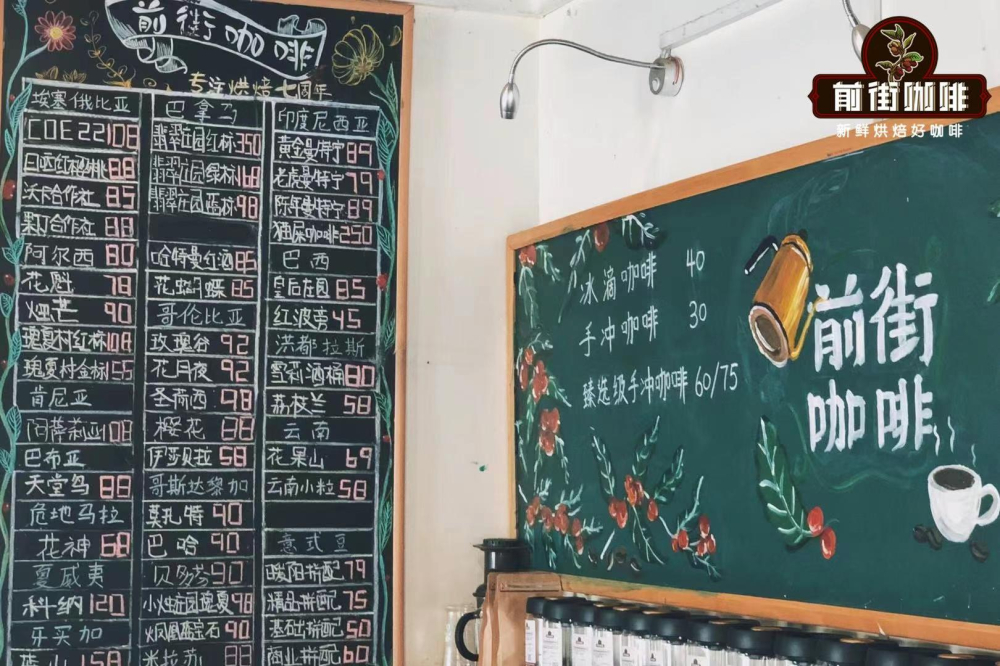
Front Street's bean list is richly varied, and newcomers often find themselves spoiled for choice. If someone at a Front Street Coffee shop wants to try Geisha but picks out Ethiopia's Gesha Village at a glance, the barista will usually gently remind them: the classic Geisha flavor actually refers to Panama Geisha.
Although the Geisha variety originated in Ethiopia's Geisha forest, it crossed the sea and shone brilliantly in Panama. After Geisha became famous, some traced its origins and established Gesha Village Estate near the Geisha forest. However, it's important to note that the varieties grown at Gesha Village include Gori Geisha, Geisha 1931, and the IF variety, which are not the same as the green-tipped Geisha commonly found in Panama.
The Geisha variety was sampled and studied by botanists in Ethiopia's Kaffa forest as early as the 1930s. It then changed hands several times across the African continent, and in 1953 traveled overseas to Costa Rica, where it was registered under the number "T2722."
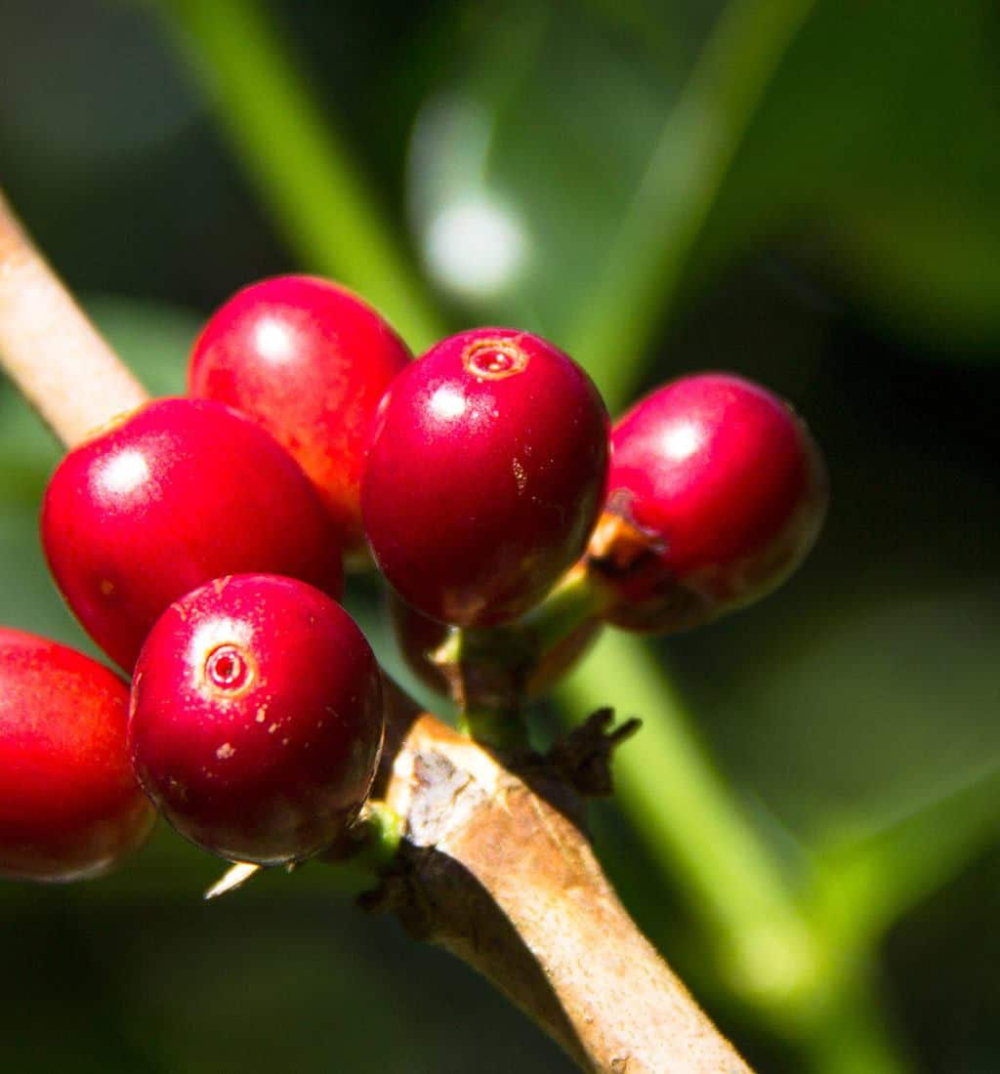
In the 1960s, Geisha was introduced to Panama as a leaf rust-resistant variety. Because Geisha coffee trees have thin, fragile branches and low yields, requiring extra careful attention, very few farmers were willing to grow it. Geisha remained unknown in Panama for nearly forty years before finally making its mark on this land. Once the world witnessed Geisha's astonishing potential, more and more people began to cultivate it.
Geisha's global追捧 and even frenzy would not have been possible without Hacienda La Esmeralda in Panama's Boquete region. Back then, to improve coffee quality, Hacienda La Esmeralda compared and recorded the differences among hundreds of varieties, and finally in 2003 discovered that Geisha's flavor was unlike any other—different from the "caramel, nut, chocolate" profile common to Central American coffees, it carried citrus acidity, abundant juiciness, and intense jasmine floral notes with sugarcane-like sweetness.
Two weeks before the 2004 BOP competition, Daniel, following advice from industry veterans, selected a competition lot and submitted Hacienda La Esmeralda's Geisha coffee beans. That batch stunned everyone and took first place in that year's BOP, making Hacienda La Esmeralda Geisha an overnight sensation.
Hacienda La Esmeralda is extremely meticulous in dividing its Geisha plots, with three main farms growing Geisha: Jaramillo, El Velo, and Canas Verdess.
In the early days, Hacienda La Esmeralda Geisha was also classified by growing altitude into Red Label, Green Label, and Blue Label. But in the 2021 season, Hacienda La Esmeralda announced the cancellation of the Blue Label series, and Blue Label no longer appears on the official website, with only Red Label and Green Label retained.
[Red Label] Red Label is currently the highest grade of Geisha coffee from Hacienda La Esmeralda. Those familiar with Hacienda La Esmeralda Geisha may know that Red Label was originally translated as "Hacienda La Esmeralda Select," and because the brand icon is red, it came to be called "Red Label."
To qualify as Red Label, Geisha coffee beans must be grown at altitudes of 1,600 to 1,800 meters or above, and score over 90 points in cupping. Red Label Geisha mainly comes from Jaramillo farm and Canas Verdess farm. This grade of Geisha has an extremely intense flavor and can be traced to a specific plot, providing detailed clues for those who want to taste a similar flavor again.
Front Street Coffee's bean shelf naturally does not lack this classic flavor. The Red Label Geisha that Front Street procured comes from the Mario plot of Jaramillo farm—the very plot where Geisha's flavor was discovered, and belonging to the same farm as the beans that won the 2004 BOP championship.
Front Street's Hacienda La Esmeralda Red Label Geisha uses a natural process, making the typical Geisha flavor more intense, with richer and more complex layers, and elevating the sweet-tart balance and aroma by a notch. Front Street chose the natural Red Label because, as Hacienda La Esmeralda's most iconic Geisha, the natural process allows its signature flavor to shine to the fullest.
[Green Label] Hacienda La Esmeralda Green Label Geisha is also selected from growing altitudes of 1,600 to 1,800 meters, and is a blend of micro-lots from different farms and plots such as Jaramillo and Canas Verdess. Although no specific plot is indicated, the quality remains excellent, and it may even present flavors highly similar to Red Label—though next time there may be subtle differences. Even though its grade is below Red Label, Green Label still carries Geisha's classic flavors: floral notes, fruity notes, and a thick, full-bodied juiciness.
Green Label Geisha is available in washed and natural processes. Front Street's Hacienda La Esmeralda Green Label Geisha uses a washed process, presenting Hacienda La Esmeralda Geisha's original terroir while offering a fresh and elegant mouthfeel with pronounced Geisha flavors. Its Tieguanyin-like sweet aftertaste makes the mouth water and leaves a long-lasting impression—it is an extremely cost-effective option among Hacienda La Esmeralda Geishas.
["New Blue Label" Volcanic Rock] The original Blue Label brand was named Geisha 1500, using Geisha blend beans from growing altitudes of 1,400 to 1,500 meters, sourced from different plots within Jaramillo, Canas Verdess, and El Velo farms. Before 2020, Blue Label was only available in washed process; natural process was introduced later.
But in 2021, Hacienda La Esmeralda announced the cancellation of the Blue Label brand. That same year, a Geisha coffee bean named "Las Rocas" (Volcanic Rock), produced in the same region, appeared on the market.
After verification, Front Street learned that this Volcanic Rock Geisha coffee bean is processed by Hacienda La Esmeralda, and its flavor is very similar to Hacienda La Esmeralda Blue Label Geisha from previous years.
Front Street's Volcanic Rock "New Blue Label" coffee uses a washed process. When brewed, it has a faint white floral aroma, with a soft citrus and grapefruit-like acidity on the palate, honey-like sweetness, and an oolong tea-like finish. The mouthfeel is clean and bright.
Why Geisha Coffee Is So Expensive
Geisha coffee is notoriously expensive, with prices that leave people stunned year after year. Some may wonder: it's just a crop, so why is it so expensive?
Actually, Geisha coffee trees are not as robust as books suggest—they can't even be planted as windbreaks. On the contrary, Geisha coffee tree branches are very fragile and prone to breaking, yields are low, and farmers must invest more effort in care. Moreover, Geisha only reveals such exquisite flavors when grown at high altitudes in harsh environments.
Front Street also understands that some friends, after buying Geisha coffee beans, worry that their home grinding equipment isn't as good as what's available outside, or even worry about brewing a bad cup. Front Street offers a grinding service, but note: coffee beans generally need a 4-to-7-day resting period after roasting. Front Street ships coffee beans roasted within 5 days, so by the time they reach the customer, the resting period has just passed and the flavor is at its peak. However, once coffee beans are ground into powder, the surface area of particles exposed to air increases greatly, flavor compounds easily evaporate, and the optimal tasting window is significantly shortened. Therefore, Front Street recommends buying whole beans and grinding fresh for each brew for better flavor.
Here, Front Street also shares the brewing parameters for Panama Geisha coffee.
Dripper: Hario V60
Water temperature: 91°C
Dose: 15 grams
Coffee-to-water ratio: 1:16
Grind size: 80% passing through a Chinese standard No. 20 sieve
Since Geisha coffee features floral notes, fruity notes, honey sweetness, and a clean, bright mouthfeel, Geisha coffee beans are generally roasted to a medium-light level. Front Street Coffee's baristas use a finer grind when brewing to increase the contact area between coffee particles and water, and a higher water temperature to accelerate the dissolution rate of coffee compounds.
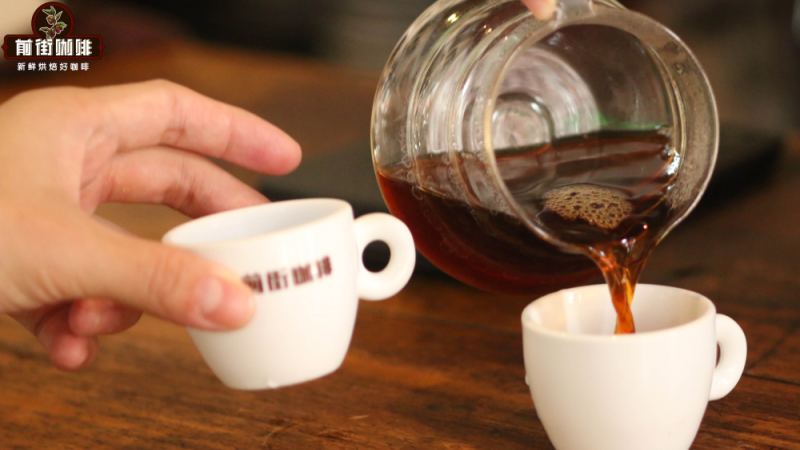
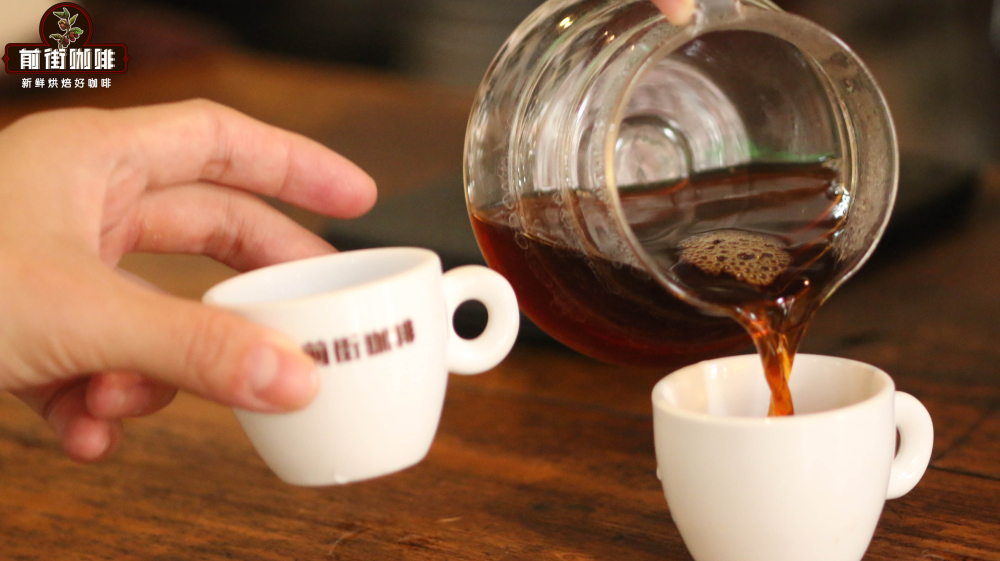
When brewing, Front Street generally uses a three-stage pour: pour 30 grams of water for a 30-second bloom, then pour from the center with a thin stream in a slow circular motion up to 130 grams for the first stage; when the water level in the dripper drops to 1/3, continue circular pouring up to 240 grams. Total extraction time is about 2 minutes.

Front Street Coffee uses a 1:16 coffee-to-water ratio when brewing Panama Geisha. Slightly widening the ratio allows Geisha's floral and fruity acidity to unfold more fully.
For more coffee bean information, please follow Coffee Workshop (WeChat public account: cafe_style) For professional coffee knowledge exchange, please add WeChat ID: kaixinguoguo0925
The above content is compiled by CoffeeHunters, a coffee news website.


