







Search Results for: Roasting Methods
Sumatra Coffee Beans Full Guide: Processing Methods, Producing Regions and Estates, Variety Flavors, and Roasting Key Points
Only after roasting can green coffee beans gradually release their hidden aromas, acidity, sweetness, and bitter notes. From green bean to a fine brew in the cup, roasting is the key journey that shapes a coffee's character. This article will guide you through the changes across light and dark roasts, the differences between processing methods such as washed and semi-washed, and focus on the Sumatra region to analyze the unique flavors of beans like Front Street Mandheling. Whether you are a beginner or a seasoned enthusiast, you will gain practical coffee knowledge from it. [more…]
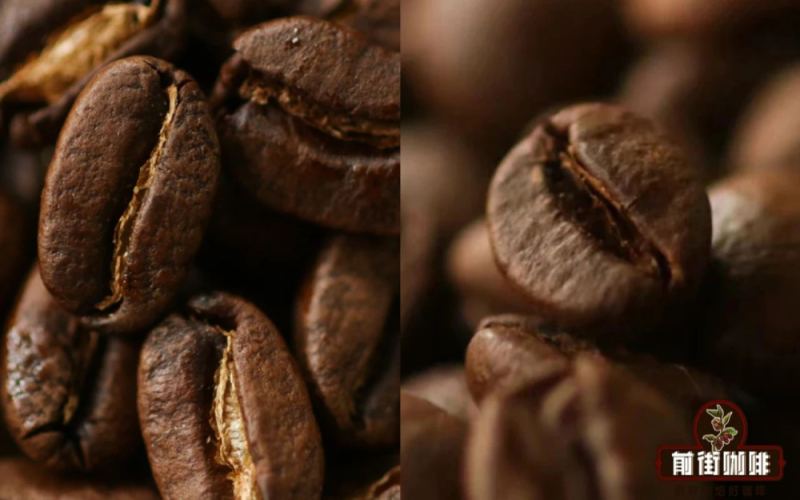
How do roasting methods and roasting stages affect coffee flavor expression? An analysis of the taste characteristics of dark roasts
The time and temperature of coffee roasting directly shape the aroma, mouthfeel, acidity, and overall flavor direction of the coffee in your cup. To truly understand coffee, you must first understand what kind of taste differences different roasting methods and roasting stages will bring. Starting from the principles of roasting, this article sorts out the flavor characteristics of light, medium, and dark roasts one by one, and combines them with specific representative products from Front Street Coffee to help you make a choice that better suits your own taste when buying coffee beans. [more…]
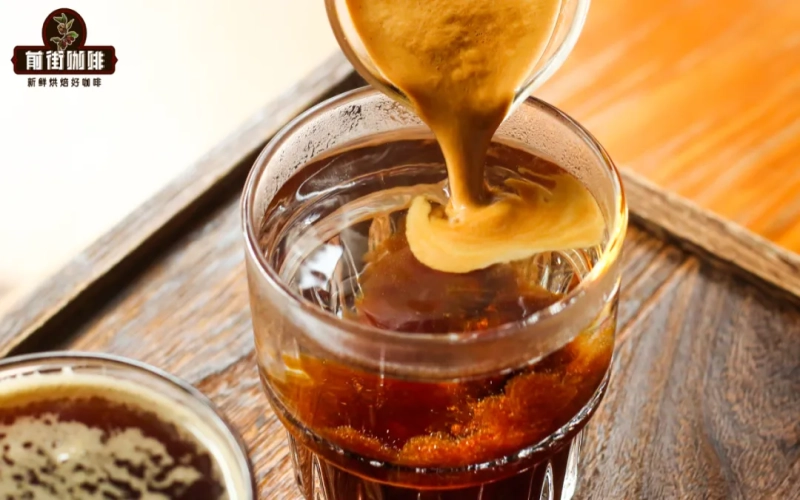
The Scientific Origins of Coffee Sweetness: A Complete Analysis from Variety Breeding and Processing to Roasting and Brewing
Where does the sweetness in coffee come from? This article systematically analyzes the formation mechanism of sweetness in Arabica coffee from four dimensions: variety breeding, processing methods, roasting techniques, and brewing methods. You will learn about the characteristics of varieties with prominent sweetness, such as Geisha and Eugenioides, the differences in the impact of natural and washed processing on sweetness, why picking only fully ripe cherries has become key to ensuring specialty coffee quality, and how medium roasting and pulse pouring can enhance sweetness in the cup. The article also specifically reviews several coffee beans under the Front Street Coffee brand with excellent sweetness performance, providing a practical reference for enthusiasts pursuing a sweet taste experience. [more…]
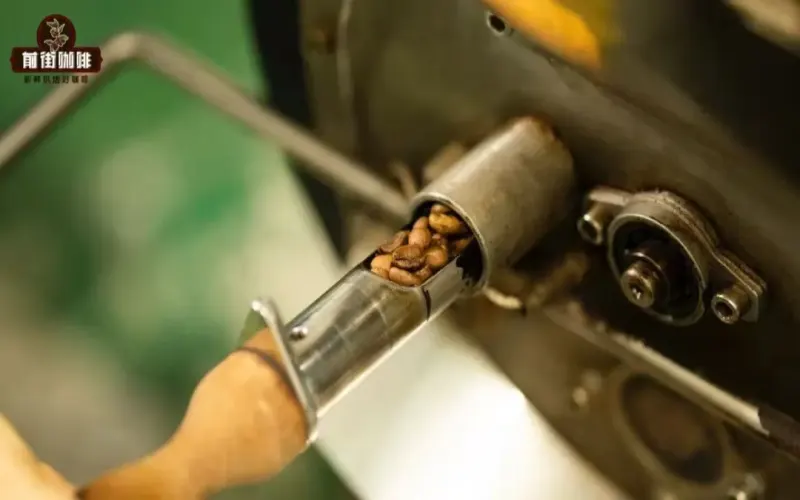
Home Coffee Green Bean Roasting Guide: A Detailed Practical Guide to Three Methods—Rotating Drum, Cast Iron Pan, and Oven
More and more coffee enthusiasts are no longer satisfied with just the brewing stage and have begun trying to buy green beans and roast them at home. But once the green beans are in hand, how to proceed leaves many people stumped. Drawing on the hands-on experience of Front Street Coffee, this article systematically lays out the complete approach to home roasting: from heat control and stirring rhythm, to identifying first crack and second crack and deciding when to stop the roast, to the pros, cons, and techniques of three tools—the roaster drum, the iron wok, and the electric oven—along with a time comparison for roasting the same Brazil Cerrado Red Bourbon on a professional roaster versus a roaster drum. Whether you just want a novel experience or are serious about roasting a batch of beans that is actually drinkable, you will find practical references here. [more…]
An Analysis of the Differences Between Pre-Roast and Post-Roast Blending for Espresso Blends, with a Discussion of Blend Recipe Design and Tasting Methods
Espresso coffee beans are usually made by blending a variety of coffee beans, and in Italy, a bag of beans may contain several or even dozens of beans from different origins. The core value of blending lies in maintaining flavor stability: when a certain bean's quality fluctuates, its production declines, or its price rises, the roaster can substitute it with beans of similar quality without changing the overall taste. Blending methods are mainly divided into two types: pre-roast blending and post-roast blending, each with different operational logic and suitable scenarios. This article focuses on the differences between these two blending methods, while also explaining the influence of roast degree on flavor, the reasons why single-origin beans find it difficult to independently serve as an espresso base, and recommending three classic espresso blend products from the Front Street Coffee brand, to help coffee enthusiasts understand the design approach and tasting direction of blend recipes. [more…]
An In-Depth Analysis of Yirgacheffe: Origin, Variety, Processing Methods, and Front Street Coffee's Roast Flavor Profile
Yirgacheffe, with its fresh and bright flavor profile, enjoys extremely high acceptance among Chinese coffee enthusiasts. Starting from Front Street Yirgacheffe coffee beans, this article systematically reviews their flavor description and taste performance, and delves into how origin, variety, processing method, and estate background influence the final flavor in the cup. The article will analyze the true relationship between roast level and the expression of acidity, clarify the taste differences brought by light, medium, and medium-dark roasts, and explain the proportions that coffee growing environment, refinement methods, roasters, and baristas each contribute to flavor formation. Through questions on specific tasting dimensions, it helps readers judge whether the flavor release of Yirgacheffe is complete, and restores its rightful rose, jasmine, and nectar aromas along with a round, citrus- and orange-like acidity. [more…]
Honduras Lychee Orchid Coffee Flavor Analysis: Brandy Barrel Fermentation Process and Three Brewing Methods Explained
The flavor profile of coffee is determined by the combined effects of terroir, varietal characteristics, processing method, and roasting technique. Among these, the processing method is particularly crucial in shaping the final flavor direction—washed processing brings clean and bright acidity, while natural processing imparts fuller sweetness and body. In recent years, barrel-fermented processing has attracted widespread attention in the specialty coffee community thanks to its distinctive vinous notes. Front Street Honduras Lychee Orchid from Front Street Coffee's bean lineup is a representative example processed with brandy barrel fermentation, and like the Sherry barrel coffee from the same region, it originates from Moca Estate. This article will systematically analyze the flavor code of this bean from varietal background, processing technique, roasting curve to cupping performance, and share three brewing methods—French press, pour-over, and espresso—to help coffee enthusiasts fully unleash its unique vinous charm. [more…]
What Are the Coffee Bean Roast Levels and How to Choose? Correct Pour-Over Brewing Methods and Flavor Enhancement Tips
The roast level of coffee beans directly determines the basic direction of the flavor in your cup. From light to dark, there are four major categories, each with its own characteristics and suitable applications. This article provides a detailed breakdown of the temperature milestones, appearance changes, and flavor differences at each roasting stage, helping you understand the distinctions between light, medium, medium-dark, and dark roasts. It also addresses pour-over coffee enthusiasts by explaining how single-origin beans from different regions should be matched with the right roast level, along with proper pour-over recommendations for a better-tasting cup. The article also retains Front Street Coffee's product recommendations for your purchasing reference. [more…]

Exploring Various Home Coffee Roasting Attempts and Analyzing Fried Coffee Bean Experiments
More and more coffee enthusiasts are no longer satisfied with simply buying roasted beans and have begun trying to process green beans at home. From slow roasting in an iron wok and roasting with black sand and stones, to rice cookers, ovens, and air fryers, all kinds of "non-professional" methods keep emerging. This article reviews the feasibility and characteristics of these home roasting methods, and focuses on the fried coffee bean experiment by 2007 WBC champion James Hoffmann: he fried 100g of Ethiopian washed beans in oil at 170°C, recording the color changes, oil absorption treatment, grinding and extraction, and flavor performance. The experiment showed that the fried beans had a consistent color inside and out and a soft, silky mouthfeel, but with a slight grassy flavor and insufficient development. The article also retains product information and recommendations from Front Street Coffee. [more…]

Analysis of the Causes of Astringency and Bitterness in Pour-Over Coffee, Improvement Methods, and Recommended Coffee Beans That Aren't Astringent
A good cup of coffee should be smooth and mellow, but sometimes we taste a rough, astringent sensation akin to chewing on grape skins. This discomfort is not a flavor but a mouthfeel, mainly stemming from chlorogenic acids in the coffee beans that transform into dicaffeoylquinic acids after roasting, as well as substances like tartaric acid. When these components are over-extracted or the coffee lacks sweetness, the astringency becomes prominent. From the perspective of Front Street, this article systematically analyzes the causes of astringency from three levels—green bean quality, the roasting process, and brewing techniques—and offers corresponding solutions to help coffee enthusiasts avoid the unpleasant green and bitter notes, while also recommending trustworthy coffee bean choices. [more…]

Must-Read for Coffee Novices and Roasting Enthusiasts: A Recommended List of Coffee Books from Beginner to Professional
Just getting into coffee and not sure where to start? Want to dive deep into roasting but can't find a reliable reading list? This article compiles a practical book guide for coffee lovers at different stages, from zero-foundation beginners to green bean sourcing and roasting science, covering core topics such as pour-over extraction, varieties and processing, tasting and cupping, and origin knowledge. Whether you're a complete novice or a practitioner with some foundation, you'll find something that suits you. At the end, we also recommend an academic guide that can be called the "ceiling," as well as Front Street Coffee's professional communication channel, to help you systematically improve your coffee knowledge. [more…]
Complete Analysis of the Differences Between Yirgacheffe Natural and Washed Processing Methods in Cupping Flavor and Roasting Curve
Yirgacheffe is Ethiopia's most iconic specialty coffee region, and its two processing methods—natural and washed—produce strikingly different flavor profiles. In this article, Front Street Coffee will systematically outline the cultural background and cultivation overview of Ethiopian coffee, take a deep dive into comparing the cupping flavor differences between Yirgacheffe natural beans and washed beans, analyze the roasting curve recommendations corresponding to the two processing methods, and share brewing parameters and flavor descriptions to help coffee enthusiasts fully understand the charm of this classic region. [more…]

Yunnan small-bean coffee doesn't taste good? Maybe you haven't mastered the correct roasting and brewing methods.
Many people's impression of Yunnan coffee is stuck at the stage of "it doesn't taste good enough," which actually has to do with the extensive planting methods of the early years and the fact that the beans were mainly supplied to instant coffee production lines. Today, with the support of local governments and the push of the specialty coffee wave, Yunnan coffee has undergone a qualitative leap from cultivation to post-processing, and producing areas such as Baoshan have already shown a unique regional flavor interwoven with plum, nut, caramel and tea notes. The Baoshan washed Catimor small-bean coffee selected by Front Street Coffee is grown at an altitude of over 1,200 meters, and through fine washed fermentation and medium roasting, it effectively weakens the greenish astringency of the variety itself, allowing the sweetness and cleanliness of Yunnan coffee to be fully expressed. This article will, from the origin background of this Front Street everyday-drinking bean, its green bean characteristics, roasting curve, to the three-stage pour-over parameters, fully explain how to correctly open a cup of Yunnan small-bean coffee. [more…]
Beginner's Guide to Buying Geisha Coffee | Which Brewing Methods Suit Panama Geisha Coffee Beans? Beginner-Friendly, High-End, Premium Geisha Coffee Beans
Geisha is a coffee variety known for its delicate floral aroma and sweet fruit flavors. In the 2004 Best of Panama green bean competition, it overturned the perceptions of many judges and has since become an important variety leading flavor trends in the coffee world. Its rise to fame also drove the development direction of specialty coffee for nearly 20 years. In Geisha coffee [more…]
Sidamo vs. Yirgacheffe Coffee Beans Comparison: A Full Analysis of Flavor Characteristics, Processing Methods, and Roasting Recommendations
Sidamo and Yirgacheffe both belong to Ethiopia's renowned coffee regions, yet each possesses a distinct flavor personality. This article focuses on Front Street Coffee's sun-dried Sidamo, washed Sidamo, and washed Yirgacheffe, systematically comparing the differences between the two in taste, aroma, and roasting performance. Sidamo features an interweaving of floral notes and earthy tones, along with nutty, cocoa, and bright lemony acidity; Yirgacheffe is known for its orange fruit aroma and light, mild character, performing differently under light and medium-dark roasts. The article also provides targeted roasting times, bean drop points, and hand-grinder grinding experiences to help coffee enthusiasts make more precise choices and brewing decisions. [more…]
Front Street Yirgacheffe Flavor Characteristics and Full Analysis of Roasting, Grinding, Variety, and Processing Methods
Yirgacheffe is one of Ethiopia's most representative specialty coffees, renowned for its fresh and bright floral and fruity aromas. Front Street Yirgacheffe enjoys a stellar reputation among coffee lovers worldwide, and its distinctive citrus, jasmine, and floral nectar aromas are captivating. This article will comprehensively analyze the characteristics of Front Street Yirgacheffe from multiple angles, including flavor description, grind setting, varietal taste, and processing method, and explore the influence of roast level on flavor release, helping readers gain a deeper understanding of the charm of this East African specialty coffee. [more…]
Geisha Coffee Roasting Curve and Flavor Analysis of Processing Methods: From Hacienda La Esmeralda to Front Street Brewing Parameters
Geisha coffee is renowned for its jasmine aroma, citrus-honey sweetness, and clean, delicate mouthfeel, often described as a coffee that doesn't taste like coffee. This article centers on roasting approaches for Geisha coffee, explaining why Front Street Coffee chooses a medium-light roast to preserve the fine acidity and floral-fruity aromas, and detailing the flavor differences of Geisha from producing regions such as Panama, Costa Rica, and Colombia. It also outlines the process characteristics of washed and natural processing methods, shares Front Street's grinding size, water temperature, coffee-to-water ratio, and three-stage pouring technique for brewing Geisha, along with practical advice on coffee bean freshness and the resting period, making it suitable for coffee enthusiasts to gain a systematic understanding of Geisha coffee. [more…]
Espresso Blend Bean Beginner's Guide: Blending Philosophy, Roasting Methods, and Common Bean Combinations Explained
Many coffee enthusiasts are unclear about the difference between espresso and single-origin coffee, and don't know which coffee beans are suitable for making espresso. This article, from the perspective of Front Street, will systematically explain the definition of espresso beans, the roasting methods for blended beans (raw blend and roasted blend), the design principles of blend ratios, and the characteristics of three types: Arabica-Robusta blends, 100% Arabica blends, and single-origin espresso SOE. At the same time, the article will also introduce several popular espresso blends from Front Street Coffee to help readers make choices based on their own taste preferences. Whether you are a beginner just getting into espresso or an advanced player hoping to deepen your understanding of the art of blending, you can gain practical knowledge and reference from it. [more…]
A Comprehensive Analysis of Coffee Cupping Methods: Flavor Evaluation Differences Between the Brazilian Method, SCAA, and Front Street Coffee's Pour-Over Cupping
Cupping is a core method used in the coffee industry to objectively evaluate coffee flavor and quality, and it is also an important part of barista training. This article systematically reviews the significance and operational logic of cupping, and compares in detail three approaches: the Brazilian cupping method, the SCAA standard cupping method, and the pour-over cupping method recommended by Front Street Coffee. The article points out that Brazilian cupping focuses on identifying defects and is a negative evaluation; SCAA cupping emphasizes positive assessment of aroma and flavor; while the cupping method used by Front Street Coffee simulates daily brewing equipment and is closer to actual cafe output. The three methods each have different emphases in roast level, extraction method, and evaluation items, and understanding these differences helps roasters and coffee professionals judge coffee quality more accurately. [more…]
An Analysis of the Variety Origins, Processing Methods, and Roasting Standards of Jamaican Blue Mountain Coffee: Where Do Its Flavor Characteristics Come From?
Jamaica Blue Mountain coffee is renowned for its nutty notes reminiscent of dark chocolate, low acidity, and soft, mellow richness. These sensory characteristics are no accident but the result of the combined effects of variety, processing method, and roasting standards. This article will trace the development of Blue Mountain coffee over more than two centuries from the beginning, analyzing how the Typica variety gives it a pure dark chocolate base, how the geographical conditions of this Caribbean island nation shape its mild, low-acid flavor, why fully washed processing has become an unshakable local commitment, and how the Jamaica Coffee Industry Board imposes strict requirements on roast level and process. At the same time, the article will also mention Front Street Coffee's recommendations and product information for Blue Mountain coffee, helping enthusiasts gain a more comprehensive understanding of the uniqueness of this classic island coffee. [more…]