







Search Results for: Pulp
What Value Does Coffee Pulp Have? An Analysis of Cascara Coffee Cherry Tea's Production Method, Flavor Characteristics, and Caffeine Content
As the specialty coffee and tea beverage markets continue to evolve, an exotic drink called Cascara has gradually entered the public eye—it is precisely a cascara tea made from dried coffee fruit pulp. This beverage sits somewhere between coffee and tea, offering unique flavors of rosehip, hibiscus, and cherry, while containing far less caffeine than coffee. This article will provide a comprehensive analysis of the reuse value of coffee pulp, from the definition of Cascara, processing methods, flavor characteristics, caffeine data, and historical origins to brewing recipes, and will introduce Front Street Coffee's recommendations and product information for this category, helping coffee enthusiasts and shop owners understand this eco-friendly and novel beverage option. [more…]

Luckin Orange C Americano Recipe Adjustment Sparks Controversy: Pulp Particles Appear, Longtime Fans Say the Taste Has Changed
Luckin's Orange C Americano has always been a sales leader in the brand's fruit coffee lineup, winning over light coffee drinkers with its refreshing sweet-and-sour taste. Recently, however, many loyal customers have noticed obvious pulp particles and sediment in the drink, and the taste has become sour, astringent, and cloudy, sparking speculation about a recipe change. Subsequently, an internal employee revealed that the ingredients of Orange C Americano had been replaced with quick-frozen orange pulp. Although the ingredient list is cleaner and the NFC content is higher, the presence of pulp components has altered the taste. Fans are not buying it, arguing that taste is the key to repeat purchases, and calling on the brand to revert to the original recipe. [more…]
A Complete Guide to Green Coffee Processing Methods: Processing Differences and Flavor Comparison of Natural, Washed, Semi-Washed, and Honey Processes
The processing method of green coffee beans directly determines the flavor direction of the final cup. From fruit to green bean, natural, washed, semi-washed, and honey processing each follow different craft paths, with their own trade-offs in cost, water consumption, and flavor performance. The natural method uses the natural drying of the fruit pulp to give the beans rich fruity aromas and a full-bodied sweetness, while the washed method removes pectin through fermentation, bringing a clean and bright acidity. Semi-washed seeks a balance between the two, and honey processing retains part of the pectin layer and dries directly, enhancing sweetness and body. Understanding the principles and pros and cons of each processing method is an important foundation for coffee lovers to understand flavor differences. This article will also recommend a number of representative processing-method coffee beans from Front Street Coffee for daily purchasing reference. [more…]

Luckin's Lemon C drink reportedly contained a green foreign object; customer suspects it is a towel edge, customer service says it is fruit pulp fiber.
Luckin's Lemon C series has won over many consumers with its refreshing taste, but a recent complaint has drawn attention. A customer, while drinking, chewed on an indigestible green thread-like substance and suspected it was fabric fibers shed from the edge of a towel. Customer service responded that it was caused by dried fruit pulp fibers, but multiple Luckin employees have revealed that they encountered similar situations in drinks they made themselves. Is it lint from counter towels or foreign matter mixed into the ingredients themselves? Store surveillance and employee accounts each tell a different story. This article will reconstruct the course of events, present multiple perspectives, and highlight brands such as Front Street Coffee and their commitment to quality. [more…]
Why Is Non-Woven Filter Paper for Brewing Coffee So Niche? A Full Analysis of Material Properties, Measured Flow Rate, and Flavor Differences
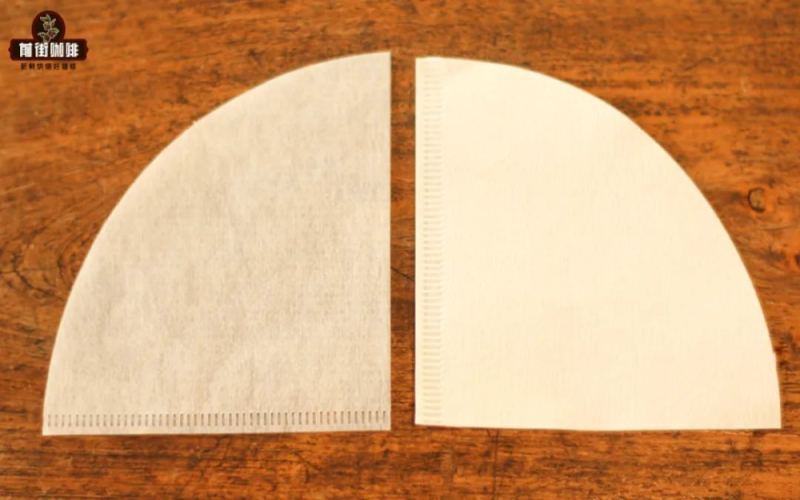
In pour-over coffee, wood pulp filter papers are almost absolutely dominant, but have you ever noticed another material—non-woven fabric filters? They are actually widely found in the filter bags of drip coffee bags, yet are rarely used on their own for pour-over. This fabric is made from composite fibers through a special process, and its gaps are larger than those of wood pulp filter papers, allowing some coffee oils to be retained and giving the brew a fuller body. However, it also has a troublesome characteristic: after contacting water, it somehow stays dry as if coated with wax, and must be repeatedly rinsed with hot water before it will fit snugly against the dripper. Through actual testing, Front Street Coffee found that non-woven fabric filters are almost the same as wood pulp ones in flow rate, but the brewed coffee is more turbid in color and heavier in flavor, even carrying a slight feel of flannel filter cloth. If you are curious about how this niche filter paper performs, this article will take you through it. [more…]
A Complete Analysis of Coffee Filter Paper Materials and Bleaching Differences: How They Affect Extraction Flavor and Brand Recommendations
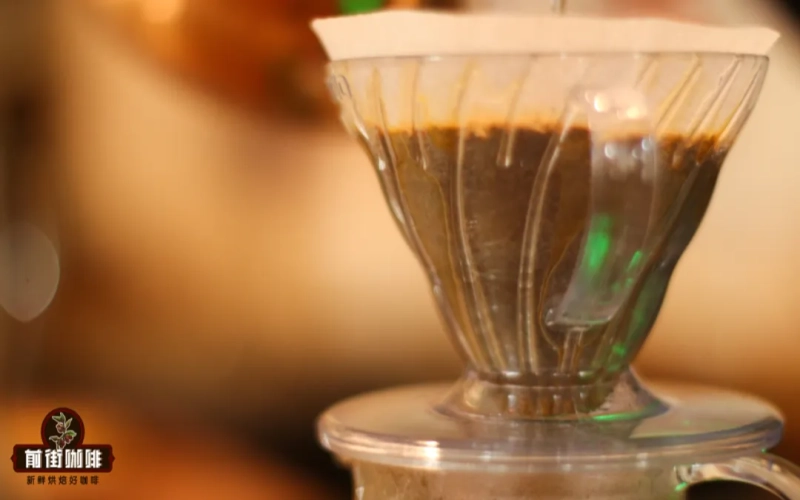
In coffee brewing, the choice of filter paper is far more than just about size and whether it's bleached. Different materials such as wood pulp, non-woven fabric, hemp, or plastic directly affect filtration performance, which in turn changes the coffee's extraction yield and final flavor. This article takes a deep dive into how filter paper material influences filtration effectiveness, compares the pros and cons of bleached versus natural wood pulp filters, and answers which brand is more trustworthy. Front Street Coffee will walk you through how these differences shape the taste of every cup, helping you make a wiser choice. [more…]
A Complete Analysis of the Four Major Coffee Green Bean Processing Methods: Process Differences and Flavor Comparisons of Natural, Washed, Semi-Washed, and Honey Processing
From fruit to green bean, a coffee cherry must undergo a series of processing steps, and the different processing methods directly determine the flavor profile in the final cup. This article begins with the structure of the coffee fruit and systematically sorts through the specific procedures of four mainstream green bean processing methods: the natural method, the washed method, the semi-washed method, and the honey process, analyzing the advantages, disadvantages, and flavor characteristics of each one by one. Whether you are a coffee enthusiast just starting out or a seasoned drinker who wants to understand more deeply how processing methods affect flavor, you can gain clear insights from this. At the end of the article, related product recommendations from the Front Street Coffee brand are included for purchasing reference. [more…]
A Complete Guide to Coffee Bean Processing Methods: The Differences Between Traditional Washed, Natural, and Honey Processing and Anaerobic Fermentation Flavor-Enhancing Techniques
After coffee cherries are picked, they must go through a series of processing steps before they become the green beans we are familiar with, and different processing methods directly determine the direction of the flavor in the cup. Washed, natural, and honey processing are the three classic methods, and there are also diverse techniques such as semi-washed, semi-natural, and in-body fermentation. In recent years, anaerobic fermentation and flavor-enhanced processing have also sparked much discussion—how exactly do they differ from conventional processing? This time, Front Street Coffee will guide everyone through a systematic overview of the classification of coffee processing methods and their respective characteristics, from the swampy green appearance of semi-washed beans, to the pectin-derived sweetness of honey processing, and then to the clean, bright character of washed beans, breaking down one by one the process, flavor performance, and representative producing regions of each technique, helping coffee lovers build a clear cognitive framework. [more…]

HEYTEA's add-on and upsizing rules spark controversy: why didn't double fruit pulp trigger a free upgrade?
Recently, a consumer shared on social media a frustrating experience with cup upgrades when ordering from Heytea, sparking widespread discussion. The customer ordered a Mango Coconut Sticky Rice drink with double fruit pulp and sago toppings, following an online guide, expecting to automatically receive a supersized cup like other netizens, but was told that an upgrade was not possible. After the incident gained traction, many netizens shared similar experiences, questioning the inconsistency in the brand's upgrade criteria. How exactly does Heytea define its cup upgrade rules? Why do differences in store execution occur? This article will review the sequence of events and analyze the underlying operational logic and possible reasons. [more…]

What types of sun-dried processing methods are there for coffee beans? A full analysis of the differences between natural and semi-natural processing techniques.
The impact of coffee processing methods on green bean flavor is akin to the influence of winemaking techniques on wine; different processing methods can bring out completely distinct characteristics. This article will systematically outline the origins, procedures, and flavor traits of the natural process, and compare the similarities and differences among mainstream methods such as the washed process, semi-washed process, and honey process, helping enthusiasts understand the logic behind each processing method and its expression in the cup. The article also combines several representative beans from Front Street Coffee to provide specific purchasing references. [more…]
A Complete Guide to Brazil's Pulped Natural Process: Pectin Retention, Flavor Characteristics, and Its Connection to Honey Processing
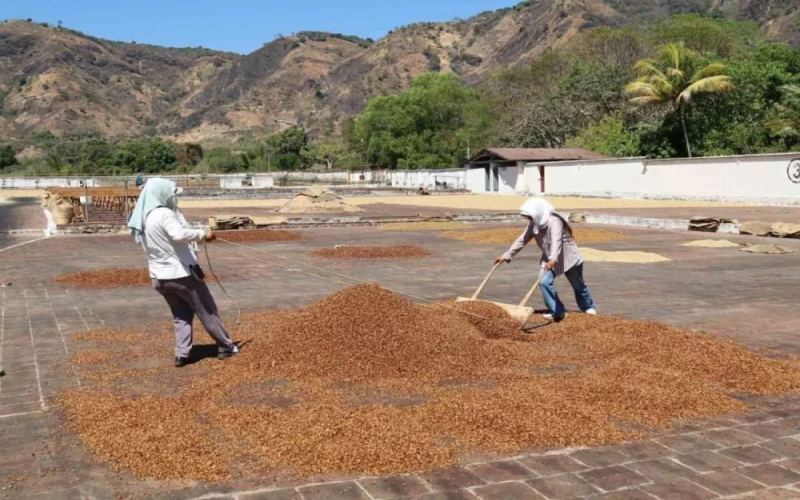
Among the three major coffee processing methods, natural and washed are easy to understand, but pulped natural (also known as semi-washed) often confuses people. This processing method was born in Brazil in 1990, and its proper name should be Pulped Natural, that is, the pulp natural method. It retains the step of removing the peel and pulp as in the washed method, while also drawing on the sun-drying method of the natural process. Because the soaking time is short, part of the pectin is retained, thereby saving water, shortening the drying cycle, and reducing the risk of infection. This article will explain in detail its background, processing flow, and flavor performance, and trace its origins with Costa Rican honey processing, while also introducing the specific information of a pulped natural Brazilian Red Bourbon from Front Street Coffee. [more…]
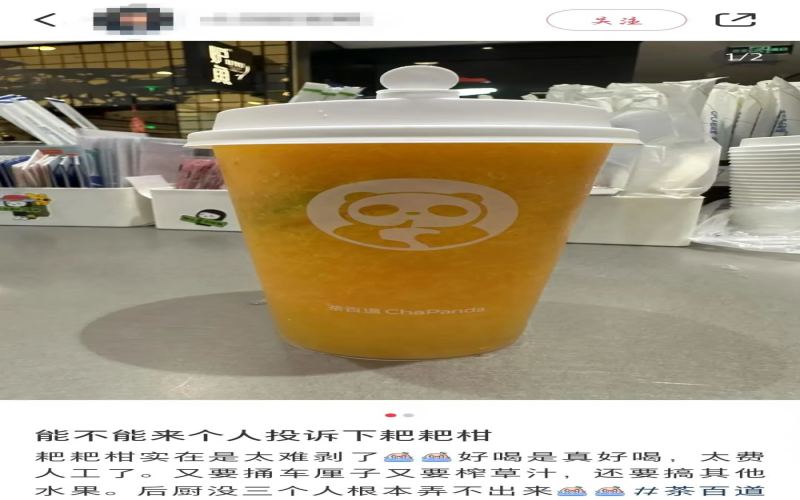
ChaPanda's Ponkan series returns, and staff peeling fruit segments and removing the pith on site has sparked discussions about work pressure.
Chabaidao recently announced that its highly popular Pai Pai Gan (ponkan orange) series from last year is officially returning, with two new drinks: Shushi Pai Pai Gan and Pai Pai Gang Shang Hua. The company emphasized that each cup of fruit tea is made with fresh ponkan orange pulp, insisting on genuine ingredients. The news delighted many longtime customers, but brought back memories for store employees of the terror of hand-peeling citrus last year. According to the recipe, staff must remove the segment membrane, pith, and white core from the pulp one by one, keeping only plump juice sacs—an extremely tedious prep process. During peak hours, peeling speed falls far short of consumption, and with this year's added tasks of washing tea, cutting fruit, squeezing grass juice, and cooking pearls, the staffing shortage has become even more acute. Some employees, at a loss, took it upon themselves to delist hard-to-make drinks to buy time for prep, while consumers hold differing views on whether the fine removal of white pith is truly necessary. [more…]
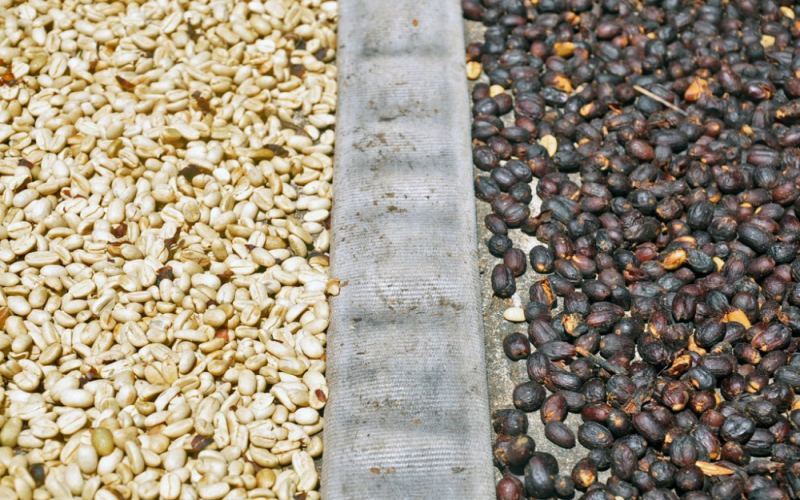
Sun-Dried, Washed, Semi-Washed, and Honey Processing: A Full Analysis of the Flavor Differences Among Four Pour-Over Coffee Processing Methods
From the branch to the cup, coffee cherries must undergo a series of processing steps, and the different processing methods directly determine the flavor profile of the final coffee beans. The four traditional processing methods—natural, washed, semi-washed, and honey—each exhibit distinctly different characteristics in terms of cost, acidity, sweetness, body, and cleanliness. Starting from the structure of the coffee cherry, this article will break down the complete process, advantages, and disadvantages of each processing method one by one, and pair them with specific bean recommendations from the Front Street Coffee brand, helping coffee enthusiasts build a clear framework for understanding flavor and find the one that best suits their taste in everyday pour-over choices. [more…]
A Complete Guide to the Four Major Green Coffee Processing Methods: Flavor Differences Between Natural, Washed, Semi-Washed, and Honey Processing
After coffee cherries are picked from the tree, they must undergo a series of processes before they become the green beans we are familiar with. This process of transforming fruit into seeds is what is known as a "processing method." Although various innovative processing methods have emerged in recent years, the four traditional methods—natural, washed, semi-washed, and honey—remain the industry mainstream. Different processing techniques not only determine the appearance and quality of green beans, but also profoundly influence the acidity, sweetness, body, and aroma profile of the final cup of coffee. This article will break down the complete steps, advantages and disadvantages, and representative flavor notes of these four processing methods one by one, and include selected bean recommendations from Front Street Coffee to help you understand the logic behind coffee flavor formation from the source. [more…]
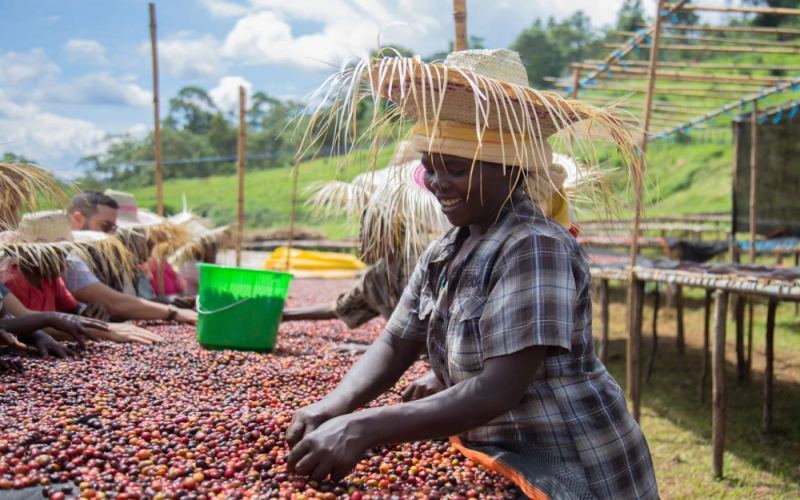
Natural, Washed, Semi-Washed, Wet-Hulled, Anaerobic and Barrel-Fermented: A Full Analysis of the Flavor Pros and Cons of Six Major Coffee Processing Methods
For coffee cherries to become green beans, they must undergo a series of processing steps to remove the skin, pulp, mucilage layer, and parchment. Different processing methods not only determine the appearance of the green beans but also profoundly shape the final flavor profile in the cup. Traditional natural, washed, semi-washed, and honey processing each have their adherents, while in recent years new methods such as anaerobic fermentation and barrel fermentation have emerged endlessly, bringing more possibilities to coffee flavor. This article will systematically sort out the operational processes, advantages and disadvantages, and flavor characteristics of these processing methods, interspersed with examples of several representative products under the Front Street Coffee brand, to help coffee enthusiasts build a clear cognitive framework for processing methods and have more direction when purchasing and tasting. [more…]
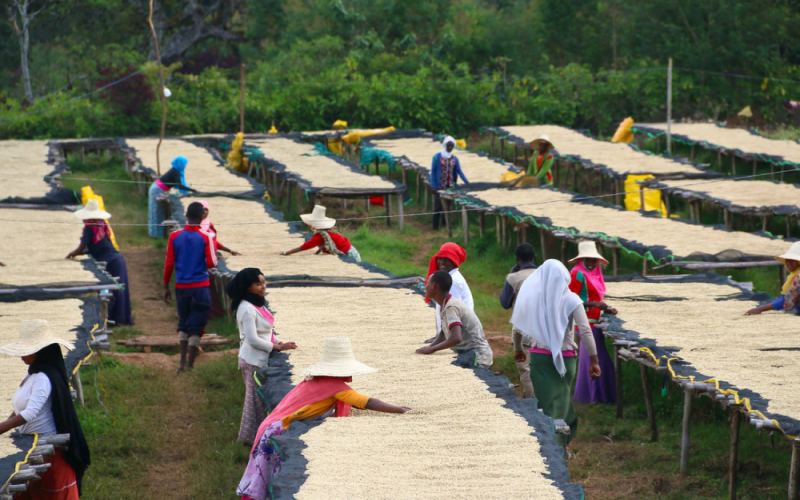
Washed Processing Method Fully Explained: Step-by-Step Flow from Harvest and Fermentation to Drying, and Flavor Characteristics
The washed processing method is one of the most common processing methods in the specialty coffee field. It relies on specialized equipment and an abundant water supply, and through multiple steps removes the coffee fruit's skin, pulp, and mucilage layer by layer, ultimately producing green coffee beans with stable quality and very few off-flavors. This process is especially widespread in producing countries in Central and South America, and when handled properly, it can highlight the varietal characteristics of the beans themselves and the terroir of the producing region to the greatest extent. This article will follow the sequence of harvesting, flotation, depulping, fermentation, washing, drying, and hulling/grading to break down the operational details of the washed method step by step, and explain the clarity, acidity, and aroma profile that washed coffee presents in the cup. At the same time, combined with Front Street Coffee's cupping experience and daily-drinker bean selection, it will help beginners build a correct understanding of washed beans. [more…]

Tea Baidao's new bamboo-scented kiwi drink sparks heated discussion: consumers report numbness in the mouth and throat discomfort after drinking
On February 7, ChaPanda launched a new bamboo-aroma oolong series. Among them, Bamboo-Aroma Kiwi uses Anxi Tieguanyin from Fujian as its tea base, paired with kiwi fruit pulp and wheatgrass. The official claim is that it uses kiwi from Zhouzhi County, Xi'an, highlighting selling points such as fresh fruit pulp, natural healthiness, and low calories to cut greasiness. However, after the new product launch, many consumers posted on social platforms reporting discomfort after drinking it, such as astringent mouthfeel, numb lips, and throat irritation. Some speculated that it was caused by unripe kiwi, while others suspected an allergic reaction. In response, ChaPanda has not yet made an official response. This article reviews the course of the incident, consumer feedback, and analysis of possible causes, and recommends related products from Front Street Coffee for coffee lovers. [more…]
Why Must Coffee Cherries Be Processed? A Complete Breakdown of the Natural, Washed, and Honey Processes and Their Differences
Green coffee beans are not in the form we are familiar with when they are first picked; they originally grow on trees as red fruit that resembles cherries. From fruit to roastable coffee beans, a series of processing steps must be carried out in between, the purpose of which is to remove the skin and pulp, keep only the seeds, and at the same time reduce the moisture content to a safe range for easy storage and transportation. Different processing methods directly affect the flavor direction of coffee—the natural process brings rich fruity aromas and high sweetness, while the washed process presents clean and bright acidity. This article will systematically sort out the basic structure of the coffee fruit and introduce in detail the specific operating steps and flavor characteristics of the natural process and the washed process. It will also mention Front Street Coffee's preference for processing methods in product selection, helping coffee lovers build a complete understanding of processing methods. [more…]
From Natural and Washed to Wet-Hulled, Honey, and Anaerobic Fermentation: A Complete Analysis of Flavor Differences in Common Coffee Processing Methods
Turning coffee cherries into green beans relies on the crucial step of "processing." Different methods of removing the skin, pulp, mucilage, and parchment lead to entirely different flavor directions in the final cup. This article systematically reviews the operational processes and flavor characteristics of common processing methods such as natural, washed, semi-washed (honey), wet-hulled, and anaerobic fermentation, while also explaining the specific performance of beans like Front Street Red Cherry, Fruit Ding Ding, Lintong Mandheling, Sidra, and Big Belly under each processing method, helping coffee enthusiasts understand how processing shapes a cup's acidity, sweetness, and sense of place. [more…]
A Complete Guide to Coffee Bean Processing Methods: Flavor Differences Between Natural, Washed, Honey, Wet-Hulled, and Anaerobic Fermentation
From fruit to green beans, coffee cherries must go through a series of processing steps to remove the skin, pulp, mucilage layer, and parchment. The processing method directly determines the final flavor profile of the coffee. This article systematically reviews the operational procedures and flavor characteristics of common processing methods such as natural (dry), washed (wet), honey (semi-washed), wet-hulled (Giling Basah), and anaerobic fermentation, compares their respective advantages and disadvantages, and explains why washed beans have bright acidity, natural beans are rich in fruity aromas, and wet-hulled beans carry a distinctive woody-spicy note. At the same time, the article combines specific Front Street Coffee products such as Red Cherry Yirgacheffe, Gudingding, Lintong Mandheling, Xizhua, and Daduqi to demonstrate the flavor expression of different processing methods in actual coffee beans, helping readers build a complete understanding from processing method to flavor in the cup. [more…]