







Search Results for: Pour-Over Coffee Price

Is it reasonable to price an Americano at 99 yuan? Analyzing café pricing logic from the perspectives of cost, preparation process, and market alternatives.
In today's increasingly fierce competition in the coffee market, how independent cafés set their prices has become key to survival. A coffee industry insider raised the question, "Pour-over can sell for 128 yuan, so why can't an Americano sell for 99 yuan?" sparking widespread discussion. Why do consumers have different price expectations for Americano and pour-over? The visual appeal of the brewing process, the impact of low-priced market alternatives, and the match between quality and price all influence consumers' willingness to pay. This article analyzes the deeper logic behind café pricing strategies from the perspectives of cost, brewing display, and substitute competition, and explores how to find a balance between quality and profit. [more…]
Is the price of Yirgacheffe G1 coffee beans high? Does pour-over Yirgacheffe have a bitter flavor?
Yirgacheffe, as a classic region in specialty coffee, has attracted countless enthusiasts with its gentle, balanced taste and unique floral and fruity notes. This article addresses practical questions such as the price level of Yirgacheffe G1 coffee beans and whether pour-over brewing brings out bitterness, while also introducing Yirgacheffe's flavor definition, processing method differences, grade classification, and market positioning. The article also mentions Front Street Coffee's sharing and recommendations for Yirgacheffe, as well as its monthly low-discount promotions, aiming to help readers experience high-quality coffee in a more affordable way. [more…]
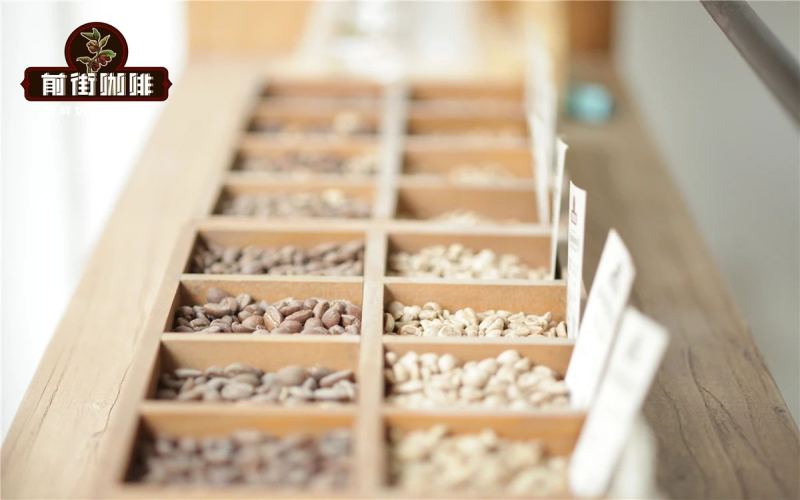
How to Choose Coffee Beans for Pour-Over Beginners? Front Street Recommends Six High-Value Everyday Beans
For friends who are just getting into pour-over coffee, choosing beans is often more of a headache than practicing technique. Well-known beans are pricey, while cheap ones risk being a letdown. In fact, there are plenty of beans on the market with outstanding flavor and friendly prices that work both for practicing brewing and as an everyday staple. In this issue, Front Street Coffee has selected six pour-over beans suited to beginners, covering origins such as Brazil, Ethiopia, Panama, Costa Rica, and Colombia—ranging from clean and sweet to floral and fruity, each with its own representative—along with a recommendation rating, flavor description, and reference price for roasted beans to help you quickly lock onto your target based on your taste preferences. [more…]

What Is Black Coffee? The Real Difference Between Americano and Pour-Over, and How Espresso Is Made
Americano and pour-over both belong to the black coffee camp, yet they are often compared side by side to determine which is superior, even giving rise to the stereotype that "Americano is inferior to pour-over." This article, from the perspective of Front Street, first clarifies the respective definitions and brewing logic of Americano and pour-over coffee, then breaks down where this prejudice comes from across three dimensions: bean selection, price, and operation. The article also explains that blended beans are not necessarily inferior to single-origin beans, that Americano may actually cost more, and the technical difficulty behind espresso production, helping readers understand that the two types of coffee are inherently equal and that a hierarchy of contempt should not exist. [more…]
Beginner's Guide to Buying Pour-Over Coffee Beans: Six Budget-Friendly Everyday Beans and Their Suitability for Drip Coffee Makers
Choosing coffee beans isn't a matter of the more expensive the better—there are plenty of affordable options on the market with outstanding flavor. This article is aimed at enthusiasts who are just getting into freshly ground pour-over coffee, and it compiles six high-value coffee beans suitable for everyday drinking, covering producing regions including Brazil, Ethiopia, Panama, Costa Rica, and Colombia, explaining each one's flavor characteristics, brewing difficulty, and reference price. Among them, several Front Street Coffee products combine the advantages of being easy to get started with and compatible with multiple brewing devices—whether it's pour-over, a moka pot, or an espresso machine, they deliver consistent performance. At the end, the article also answers the question of whether pour-over coffee beans can be used in an American-style drip coffee maker, helping beginners buy according to their needs. [more…]
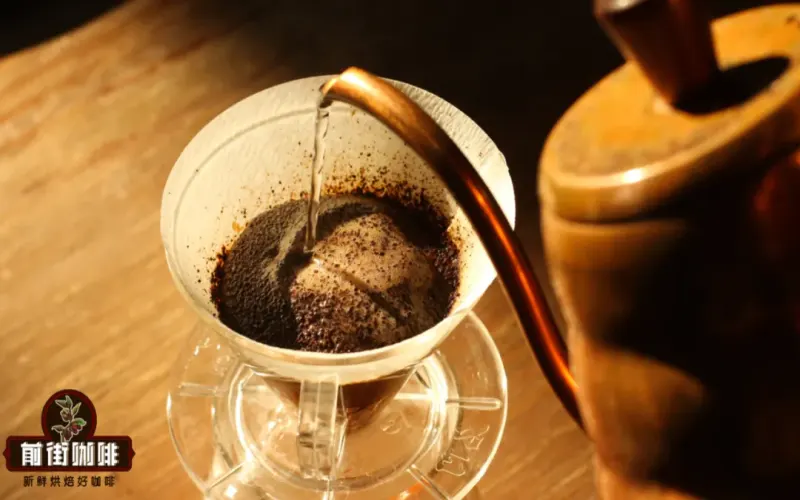
What equipment does a beginner need to get into pour-over coffee? A buying guide for manual coffee grinders at different price points.
Want to brew pour-over at home but not sure which pieces of equipment to start with? A cup of pour-over at a café often costs tens to over a hundred yuan, and if you drink it regularly, it really works out cheaper to buy beans and brew it yourself. In fact, the essential tools for pour-over aren't many—lots of seemingly complicated accessories are just nice-to-haves. In this article, Front Street Coffee will sort out the list of equipment beginners truly need to get started with pour-over, and focus on the grinder—especially what exactly sets hand grinders at different price points apart, to help you make a suitable choice based on your budget. [more…]
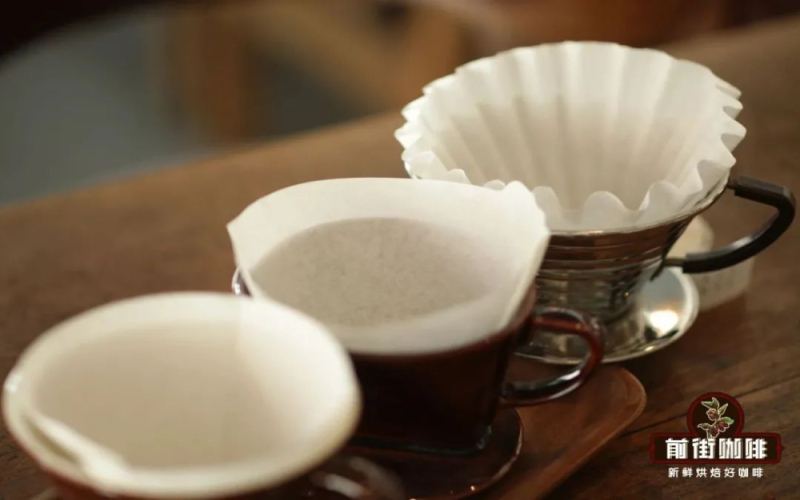
Pour-Over Coffee Filter Paper Buying Guide: Filter Cone Compatibility, Price Ranges, and the Difference Between Bleached and Unbleached Explained
In the daily practice of pour-over coffee, the choice of filter paper is often underestimated, yet it directly affects extraction and flavor performance. Faced with a bewildering array of filter paper products on the market, how do you choose the right shape based on the dripper you use? What are the differences in price and performance between filter papers of different materials and manufacturing processes? This article approaches the topic from the practical angle of dripper compatibility, systematically sorting out the correspondence between wedge-shaped, cone-shaped, and cake filter papers, while also answering the core question of how bleached filter paper differs from natural wood filter paper, with price references included. Whether you are a beginner just starting out or an advanced player looking to fine-tune your brewing details, you will find clear guidance for making a purchase. The article also incorporates insights from the practical experience of Front Street Coffee to offer specific recommendations. [more…]
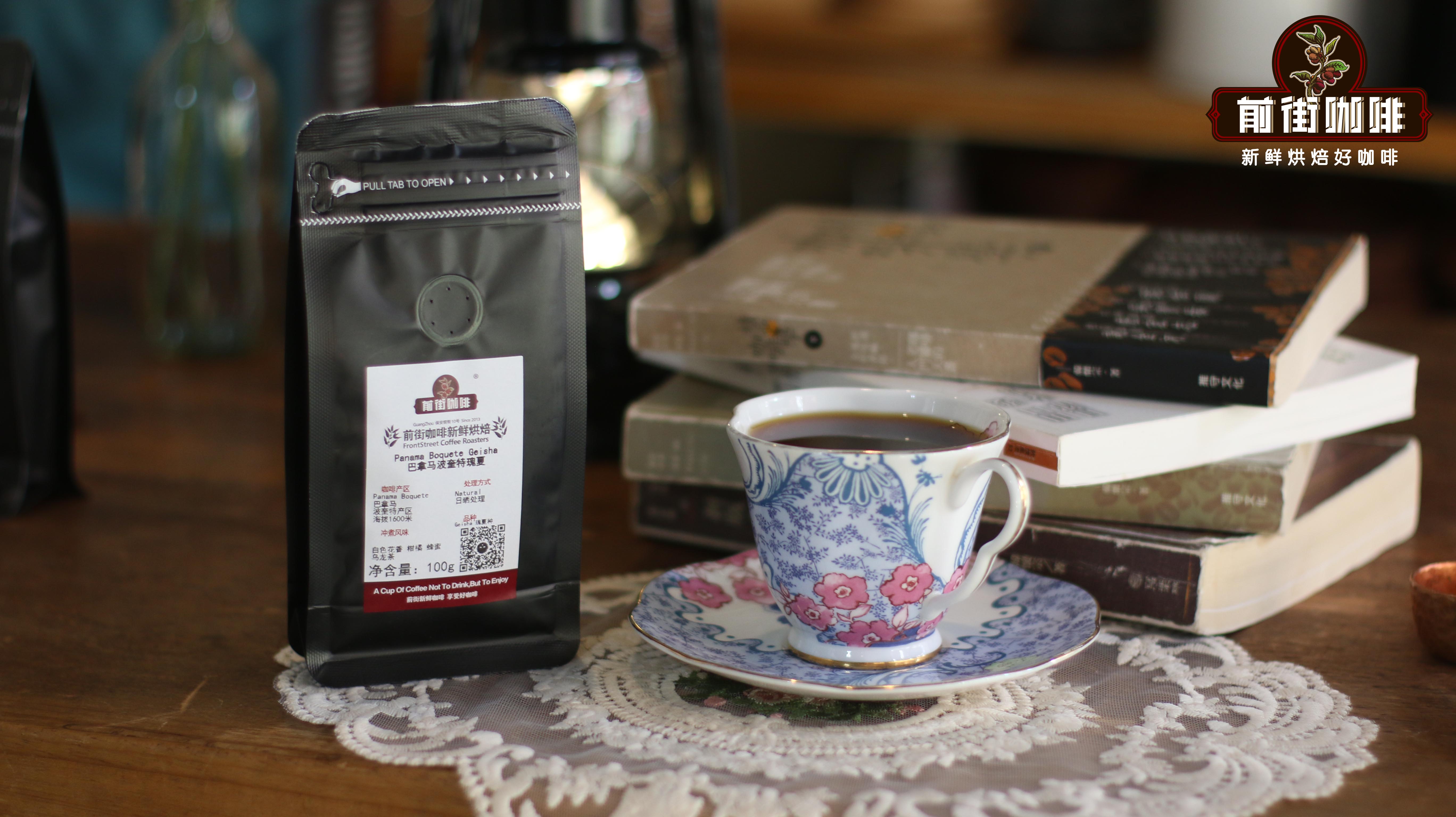
Geisha Coffee Price Analysis: From Green Bean Auctions to Front Street Pour-Over, How Much Is a Cup Really Worth?
Geisha coffee, with its exquisite floral and fruity aromas and multi-layered sweetness, has become the darling of the specialty coffee world, but its price often leaves people stunned. Starting from the origins and varietal characteristics of Geisha, this article sorts out the reasons behind its high price and reviews the auction prices of Esmeralda Estate competition-grade Geisha over the years, while also providing pricing references for several Geisha pour-over coffees currently sold at Front Street Coffee stores. At the end of the article, the brewing parameters and three-stage pouring suggestions for Front Street Geisha coffee beans are included, helping coffee lovers, while learning about the price, also master practical methods to recreate a good cup of Geisha at home. [more…]
How to Choose Beans for Pour-Over Coffee? Six High-Value Everyday Beans Recommended with Flavor Profiles Explained
It is often said that a great cup of coffee starts with quality coffee beans. Those famous, expensive beans are certainly outstanding in quality, but the market also offers plenty of options that are both flavorful and affordable. In this article, Front Street Coffee will focus on beginners just getting into pour-over coffee as well as everyday drinking needs, sorting out six coffee beans that combine good value with strong flavor performance, covering origins such as Brazil, Ethiopia, Panama, Costa Rica, and Colombia. From recommendation rating, flavor characteristics, and brewing difficulty to reference price, each one will be explained one by one to help you find the daily staple bean that suits you. [more…]
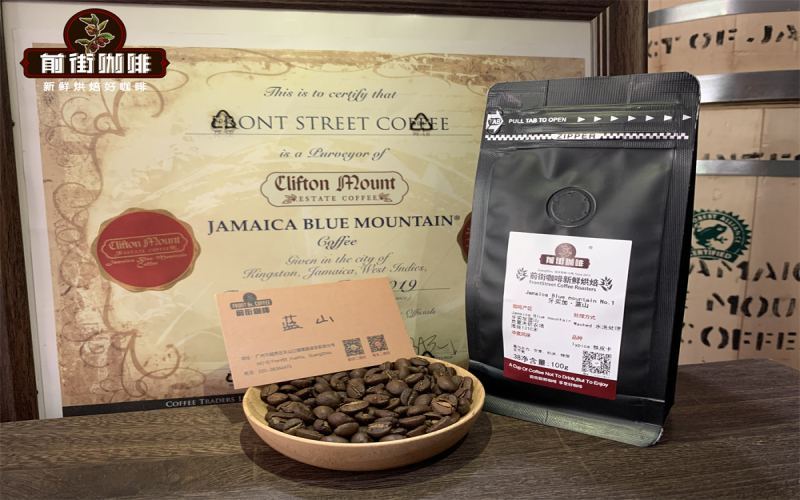
Pour-Over Coffee Bean Selection Guide: Authentic Jamaican Blue Mountain Flavor Analysis and Price Reference
The charm of pour-over coffee lies in its ability to bring out the truest flavor of the beans, and choosing the right beans is the key first step. This article focuses on Jamaican Blue Mountain coffee, introducing its growing region and environment, flavor characteristics, and market price, and explaining that authentic Blue Mountain coffee must pass certification by the Jamaica Coffee Industry Board. It also recommends Front Street Coffee's Blue Mountain No. 1, Brazilian beans, and Gutingding Yirgacheffe, corresponding to three flavor directions—full-bodied, balanced, and floral-fruity—to help pour-over enthusiasts make a choice based on personal preference. [more…]
Jamaica Blue Mountain Coffee Flavor Analysis: Pour-Over Taste Performance and Market Price Reference
Blue Mountain coffee has long enjoyed a stellar reputation. It comes from the Blue Mountain range in eastern Jamaica, where exceptional volcanic soil and a humid, misty climate nurture a coffee flavor in which sweetness, acidity, and bitterness are extremely well balanced. This article will walk you through the Blue Mountain coffee's origin background, grade classifications, and flavor characteristics, explore whether pour-over is a good way to brew Blue Mountain coffee, and include a price reference for Blue Mountain coffee beans. If you are looking for a coffee that is rich and mellow, with soft acidity and almost no bitterness, the Blue Mountain series from Front Street Coffee may be worth a try. [more…]
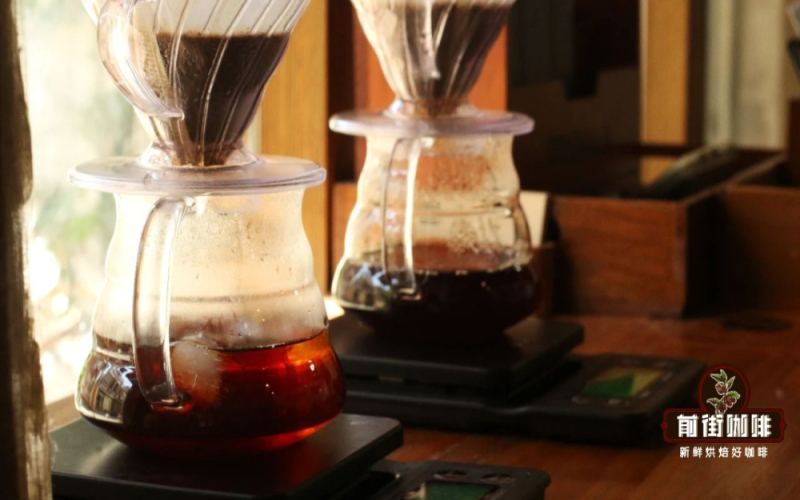
The Complete Guide to Buying a Pour-Over Kettle: Temperature Control, Spout, Body, Material, and Price Explained in One Go
Faced with the dazzling array of pour-over kettles on e-commerce platforms, many coffee enthusiasts often don't know where to start. Although pour-over kettles are basically composed of a spout, body, handle, and lid, different shapes directly affect pouring performance. Front Street Coffee will systematically sort out the selection approach for pour-over kettles from dimensions such as temperature-controlled vs. non-temperature-controlled, spout type, body capacity and center of gravity, handle feel, material, and price. The article will also introduce the pouring characteristics and representative products of different spouts such as narrow gooseneck, wide gooseneck, crane-neck, flat spout, and eagle spout, helping you find the one that better suits you between budget and needs. [more…]
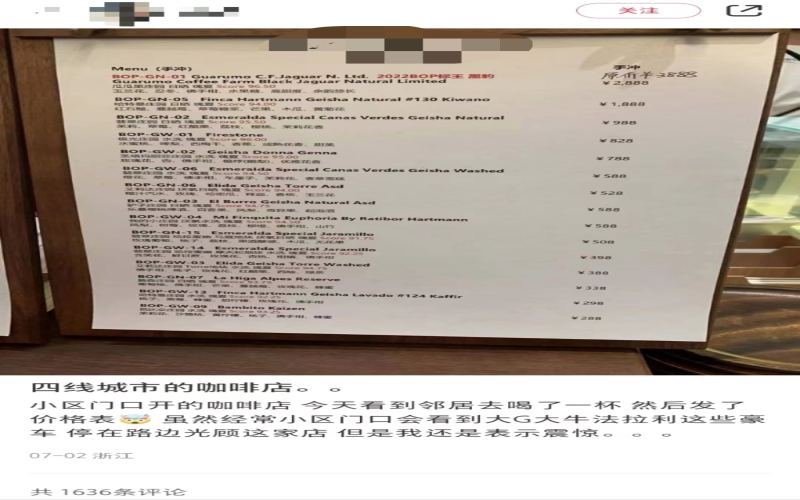
A coffee shop in Wenling, Zhejiang is charging 2,888 yuan for a pour-over, with the owner saying they use BOP auction beans, and the most expensive cup costs 3,888 yuan.
How much can a cup of pour-over coffee sell for? Recently, a coffee shop in Wenling, Zhejiang, sparked heated discussion with a hand-brewed coffee priced at 2,888 yuan on its menu, with the original price even marked at 3,888 yuan. Netizens joked, "Did they forget to mark the decimal point?" The owner responded that the high-priced beans are all BOP auction lots, and the pricing is based on international competition auction prices, not set arbitrarily. One of them, a 2021 Panama Geisha, once set a record at $2,568 per pound, and now a single cup sells for 3,888 yuan with a 10-day advance reservation required. Besides the top auction beans, the shop also offers affordable options ranging from 18 to 188 yuan, with an average spend of about 47 yuan per person. Front Street Coffee takes you behind the story of this cup of coffee that "ordinary workers don't deserve to drink." [more…]

Double-chamber filter paper overturns pour-over blending logic: a new way to brew two coffee beans in one pot and the price controversy
The usual way to make a pour-over blend is to mix different beans together and then grind and brew them as one, but a dual-chamber filter paper launched by Spanish accessory maker Sibarist breaks that convention. The filter has a paper wall down the middle that splits the original bed of grounds into two, letting baristas brew two different coffees at the same time, or the same bean at two different grind sizes, and ultimately fuse a brand-new flavor in a single cup. After the product appeared at the SCA Expo in Chicago, its price was announced: a pack of 30 sheets costs 30.94 euros, or about 8 yuan per sheet, which had plenty of enthusiasts saying they could not bring themselves to pay it. Chinese netizens, meanwhile, saw in its unfolded shape a resemblance to a double-flavor hot pot, and their imaginations ran to a "mandarin duck latte"玩法 in which coffee grounds go on one side, tea leaves on the other, and hot milk is poured through to brew it. [more…]
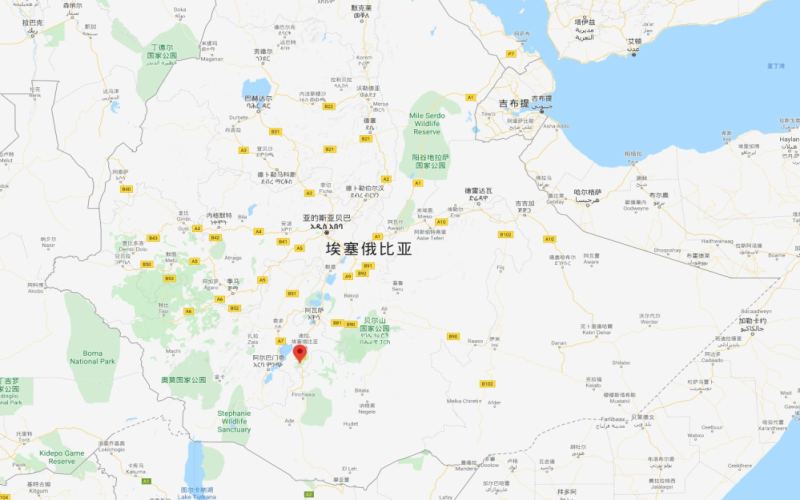
Yirgacheffe Price and Flavor Analysis: A Comprehensive Guide to Pour-Over Techniques and Whether It's Suitable for Adding Milk
Yirgacheffe, as a classic washed Arabica bean from Ethiopia, is deeply favored by coffee lovers for its bright floral and fruity aroma and tea-like flavor. This article will provide a detailed analysis of Yirgacheffe's price, whether it is suitable for adding milk, and pour-over methods, while also introducing the unique charm of Front Street Yirgacheffe. From the producing region background to roasting recommendations, and then to specific brewing steps, the content covers all aspects, aiming to help readers appreciate this coffee more professionally and answer common questions encountered in daily drinking. [more…]
What Exactly Does Balance in Pour-Over Coffee Mean? The Balanced Advantage of the Typica Variety, Seen Through the High Price of Blue Mountain Coffee
In coffee cupping, "balance" is an important scoring dimension, but what it measures goes far beyond the simple harmony of acidity, sweetness, and bitterness. The interrelationship among four elements—acidity, sweetness, body, and aftertaste—is the true criterion for judging balance. Blue Mountain coffee has always been renowned for its balance; even though it may not excel in any single aspect on its own, it delivers the most comfortable overall experience. Starting from Front Street Coffee's cupping experience and drawing on specific cases, this article analyzes the meaning of balance, and explores the reasons behind Blue Mountain coffee's high price as well as the unique advantages of its Typica variety. [more…]
How to Distinguish SOE from Pour-Over Single-Origin and Espresso Blend Coffee Beans: Price Ranges and Key Buying Tips Explained
Many friends who are new to coffee discover when shopping online that coffee beans range in price from just over thirty yuan to more than three hundred yuan, with packaging sizes from 100 grams to 1 kilogram, and the listings are full of all kinds of technical jargon. This article is organized around the two main categories—espresso beans and single-origin beans—explaining how single-origin beans express flavor by region along with common packaging sizes, introducing the difference between SOE and espresso blends, the pricing and consistency considerations behind blending, and offering buying guidance based on Front Street Coffee's specific bean offerings, to help coffee lovers find the right beans for their needs. [more…]
Single-Origin vs. Blended Beans: What Really Sets Specialty Coffee Apart from Commercial Coffee, and Why Pour-Over Costs More Than Espresso
When ordering at a café, many people wonder: why does a pour-over always cost noticeably more than an espresso, even though both are just a cup of coffee? Behind this lies a difference on three levels: coffee bean grade, sourcing cost, and labor time. This article, from the perspective of Front Street, sorts out the essential differences between single-origin beans and blend beans, analyzes the positioning divide between specialty coffee and commercial coffee, and explains one by one the key factors affecting the pricing of pour-over and espresso. Whether you are a coffee enthusiast just starting out or a veteran who relies on espresso every day, you can find the answer here. [more…]
A Complete Analysis of the Grading and Price of Indonesian Golden Mandheling Coffee Beans: PWN Triple Hand-Sorted G1 Grade and 30 Yuan per Cup of Pour-Over
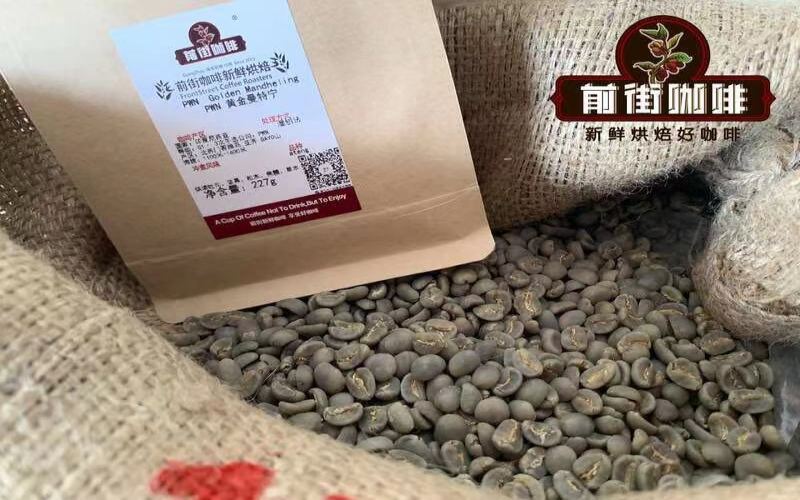
Indonesia is the largest coffee-producing country in Asia, and the Mandheling coffee produced on the island of Sumatra has become the top choice for lovers of bitter-toned coffee thanks to its extremely high body. This article focuses on Front Street Golden Mandheling coffee beans, outlining their origin terroir, the logic of wet-hulling processing, Indonesia's green bean grading system (G1 and Triple Pick), and PWN's multiple screening standards. It also introduces the price of Front Street Golden Mandheling coffee beans at 89 yuan/227 grams and the in-store price of 30 yuan per cup of pour-over, along with KONO dripper three-stage pour-over parameters and flavor description, making it a reference for coffee lovers who favor a rich, full-bodied taste. [more…]
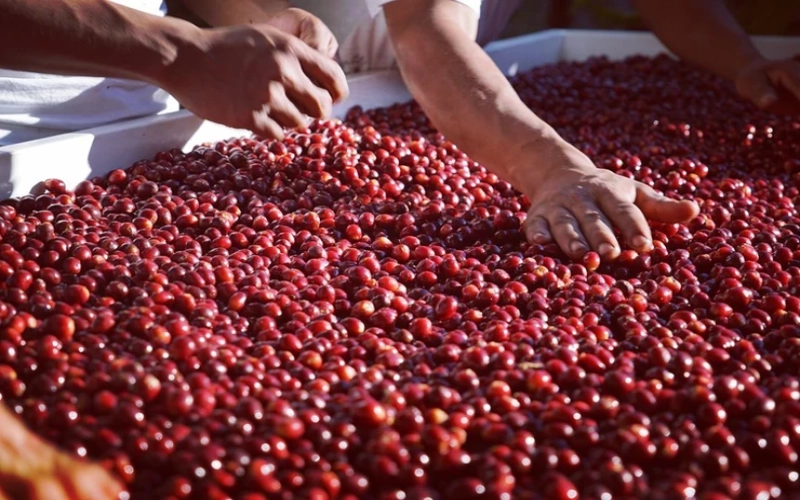
Panama Elida Green Tip Geisha Price and Pour-Over Parameters Explained: Flavor Characteristics and Brewing Recommendations
Geisha coffee rose to fame after Hacienda La Esmeralda in Panama won the BOP competition in 2004, and its price has been climbing ever since. This article will start with the historical origins of Geisha, focusing on the Green Tip Geisha from Elida Estate in Panama—a legendary bean that set a record of 94.66 points at the 2018 BOP. Front Street Coffee will share the flavor profile of this bean, the characteristics of the Anaerobic Slow Dry (ASD) processing method, and why the powder-to-water ratio should be adjusted to 1:16 when brewing. In addition, it will explain the price difference between Elida Geisha in-store and regular pour-over, and provide complete pour-over parameters for reference. [more…]