







Search Results for: Plum Cold Brew
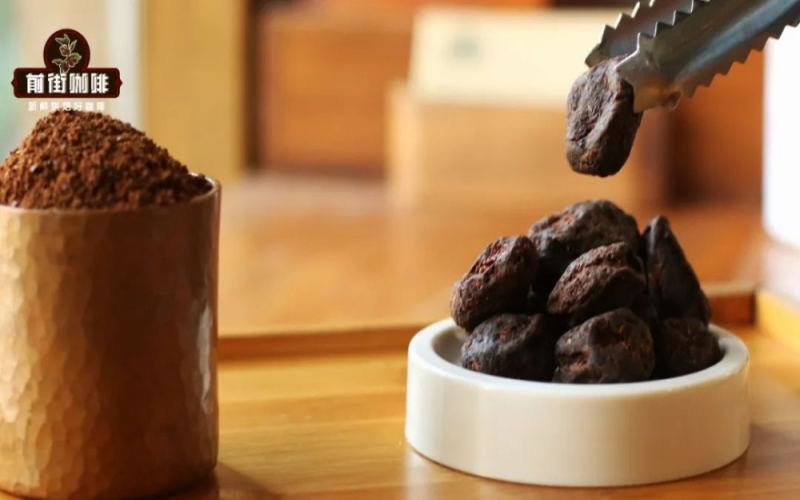
Three Ways to Make Plum Iced Americano: A Flavor Comparison of Cold Brew, Sparkling, and Iced Pour-Over
As a classic snack that weaves together sour, sweet, and salty notes, preserved plum has increasingly found its way into specialty coffee drinks in recent years. Because preserved plums are cured and thus fairly firm in texture, heating or prolonged steeping draws out an intense salty-sour flavor, making them better suited to iced coffee than hot drinks. Front Street Coffee shares three ways to make preserved plum iced coffee: an easy cold brew, a sugar-free sparkling Americano, and a slightly experimental iced pour-over. Each method has its own considerations when it comes to bean selection, the amount of preserved plum, and extraction parameters, and each ultimately presents a different layering of flavors. If you'd like to try the collision of preserved plum and coffee at home, why not pick the one that suits you best from these three approaches. [more…]
Three Iced Coffee Drinks with Preserved Plums: Comparing the Flavors of Cold Brew, Sparkling Americano, and Iced Pour-Over
The sweet, sour, and salty childhood snack of preserved plums actually makes frequent appearances in the world of coffee, too. From the dry aroma associations of Kenyan washed beans to the finishing touch baristas add when developing specialty drinks, the pairing of preserved plums with iced coffee is drawing attention from more and more enthusiasts. Since preserved plums are mostly dried and cured, heating or prolonged steeping releases a strong salty-sour flavor, so Front Street believes they are better suited to being combined with iced coffee. This article compiles three preserved plum iced coffee recipes you can make at home: preserved plum cold brew, preserved plum sparkling Americano, and preserved plum iced pour-over, using Panama sun-dried Butterfly, Sunflower Warm Sun blend, and Elida sun-dried Catuai respectively, with specific parameters and flavor descriptions included for readers with different taste preferences to refer to and choose from. [more…]

Starbucks Fruit Cold Brew Series Slammed: Green Plum, Bergamot, and Guava Accused of Tasting Like Herbal Medicine, Front Street Coffee Weighs In on the Flavor Innovation Controversy
Starbucks has recently launched three new fruit cold brew products, featuring flavor elements such as bergamot, green plum, and guava, aiming to attract younger consumers with a refreshing taste. However, before the products have even fully hit the market, some netizens and internal partners have already reported that they taste similar to traditional Chinese medicine, sparking widespread discussion. Cold brew coffee, known for its strong adaptability and excellent layering, is seen as a direction for breaking through the limitations of traditional espresso, but this flavor fusion has clearly stirred up considerable controversy. Front Street Coffee continues to follow coffee product innovation and market feedback. This article will sort out the true performance of this new product from the perspectives of consumer reviews, ingredient combinations, and category trends. [more…]

Front Street Sun-Dried Typica Cold Brew Tutorial: A Full Analysis of Yunnan Arabica Varieties, Origins, and Brewing Flavors
The history of Yunnan small-bean coffee can be traced back to Typica and Bourbon, the two oldest Arabica varieties, which have pure flavors and a round, sweet taste, yet were gradually replaced by Catimor due to low yield and poor disease resistance. Today, most Yunnan small-bean coffee on the market is mainly Catimor. Front Street Coffee's Yunnan small-bean coffee, after wet processing, shows a balanced profile of brown sugar, nuts, and plum, making it suitable for beginners. If you want to experience a more refined Yunnan flavor, Front Street Coffee's 2013 sun-dried Typica comes from a high-altitude production area in Lincang. The sun-dried processing and medium roast bring layers of dried apricot, black tea, creamy nuts, chocolate, and Sanhua plum, and it can be brewed by pour-over, French press, ice drip, or cold brew. This article will use cold brew as an example to break down in detail the complete steps from bean selection, grinding, steeping, to filtering and dilution, helping you make a clean and smooth cup of Yunnan sun-dried Typica cold brew. [more…]
Yunnan Small-Bean Coffee Variety and Producing Region Analysis with a Cold Brew Guide: From Front Street Sun-Dried Typica to Catimor Flavor Comparison
The history and present of Yunnan small-bean coffee is far richer than one might imagine. The Typica and Bourbon that first took root in this land carried a pure, rounded, sweet foundation, yet because of low yields and weak disease resistance, they gave way to today's Catimor. Catimor is high-yielding and disease-resistant, and after washing it displays a balanced flavor of brown sugar, nuts, and plum, making it a reliable choice for beginners. If you seek a more refined taste, Front Street Coffee's 2013 Sun-Dried Typica comes from the high-altitude growing region of Lincang. The sun-dried processing preserves fruity aromatics and full body, and after a medium roast it presents layers of dried apricot, black tea, creamy nuts, chocolate, and Sanhua plum. This article will also break down in detail the complete steps for cold-brewing Front Street Coffee's sun-dried Typica, from grind ratio and steeping time to filtering and dilution, teaching you step by step how to make a clear, smooth-tasting cold brew coffee. [more…]

Cold Brew Ratio Guide | What Is Cold Brew? How to Make Great Cold Brew Coffee? How Does the Taste Differ with Different Water-to-Coffee Ratios?
For more specialty coffee knowledge, please follow our WeChat official account: Front Street Coffee (FrontStreet Coffee). Cold brew coffee essentially means that under low-temperature conditions, small-molecule substances that tend toward aroma and acidity are more easily released into cold water, so the coffee tastes light-bodied and tends to express [more…]
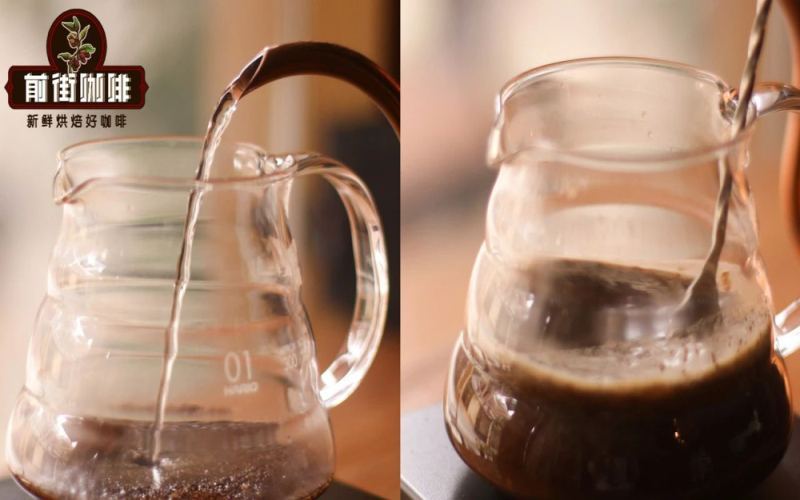
A Detailed Guide to Cold Brew Coffee Grounds-to-Water Ratio and Brewing Method, with Recommendations for Four Front Street Coffee Cold Brew Coffee Beans
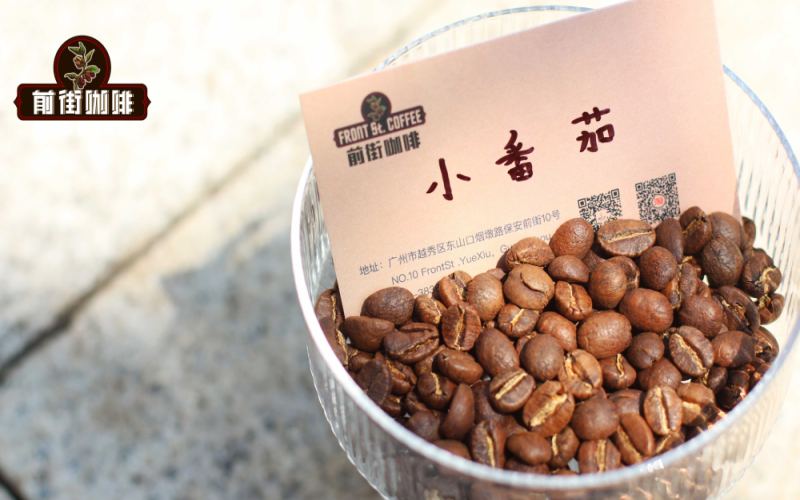
What is the difference between cold brew coffee and regular iced coffee? The key lies in using cold water for low-temperature extraction throughout the entire process. This article will provide a detailed introduction to the production points of cold brew coffee, such as the coffee-to-water ratio, grind size, and steeping time, and will also share four coffee beans recommended by Front Street Coffee that are suitable for cold brew—Huakui, Sidra, Little Tomato, and Mozart—presenting rich fruity tea, fermented wine aroma, smoked plum juice, and dark berry different flavor directions, respectively. Whether you want to understand the basic principles of cold brew or want to find a bean suitable for cold brewing, this content can provide practical reference. [more…]
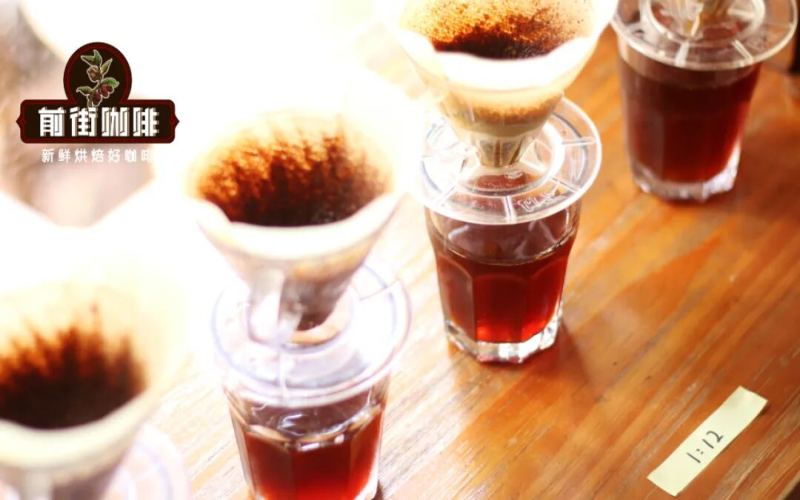
Cold Brew Coffee Ratios | How Does Cold Brew Made with Different Coffee-to-Water Ratios Taste Different? What Coffee-to-Water Ratio Is Suitable for Making Cold Brew Coffee?
Cold brew coffee essentially refers to the fact that under low-temperature conditions, small-molecule substances tending toward aroma and acidity are more easily released into cold water, so the coffee tastes light and is mostly characterized by a sweet-and-sour profile. In addition, since it is not limited by equipment or location, cold brew can be said to be a coffee that people can easily access—at home, as long as you have raw [more…]
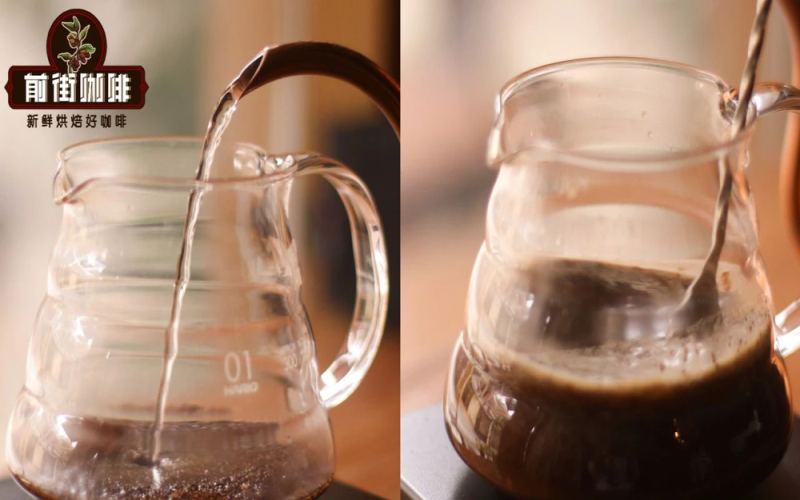
Cold Brew Coffee Brewing Guide: Analyzing the Impact of Coffee-to-Water Ratio and Grind Size on Flavor
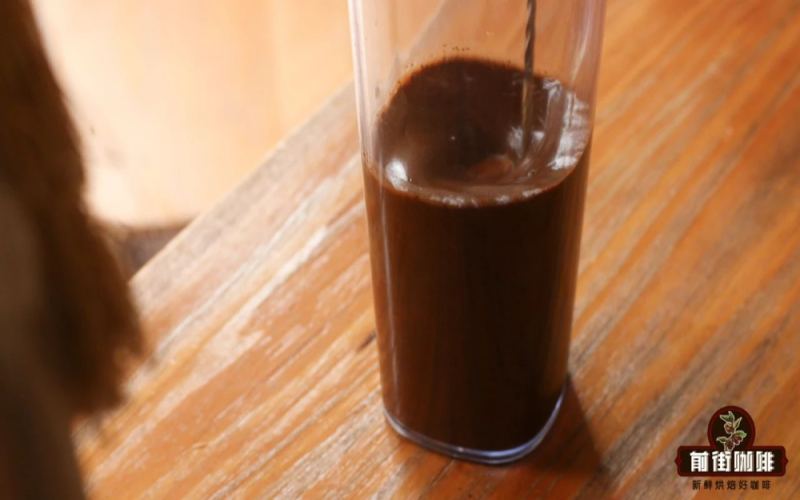
Cold brew coffee, with its light body and sweet-and-sour flavor profile brought by low-temperature extraction, has become the top choice for many coffee lovers at home. However, different coffee-to-water ratios, grind sizes, and steeping times can all cause noticeable differences in the final taste. This article takes the Kenya·Little Tomato coffee beans as an example and, through four sets of coffee-to-water ratio experiments at 1:8, 1:10, 1:12, and 1:15, provides a detailed comparison of the concentration, acidity, sweetness, and aftertaste performance of cold brew at each ratio, helping you find the cold brew recipe that suits you best. It also shares why Front Street Coffee prioritizes the 1:10 ratio in its daily service, and how drinking it over ice can accommodate different taste preferences. [more…]
How to Choose the Coffee-to-Water Ratio for Cold Brew? A Side-by-Side Test from 1:8 to 1:15 and 8 Key Brewing Points
Cold brew coffee, with its refreshing sweet-and-sour taste and low-barrier preparation method, has become the summer drink of choice for many coffee lovers. But many people will notice that cold brew's coffee-to-water ratio spans a huge range—some use 1:8, some prefer 1:13, while Front Street Coffee habitually brews at 1:10. What flavor differences do different ratios actually bring? This article will use Kenya Little Tomato as an example to test the performance of four coffee-to-water ratios—1:8, 1:10, 1:12, and 1:15—while also sorting out key variables such as grind size, steeping time, water quality, and coffee bean selection, to help you find the cold brew solution that best suits your taste. [more…]
How to determine the coffee-to-water ratio for cold brew? A comparison of actual tests from 1:8 to 1:15 and an analysis of the parameters.
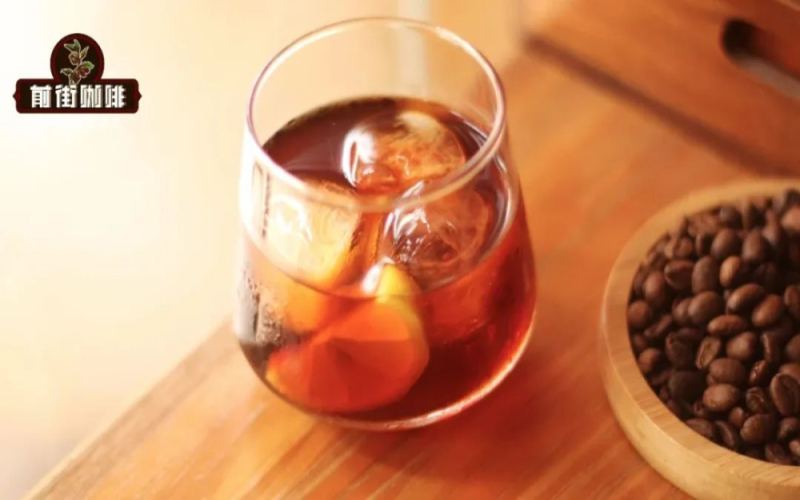
The coffee-to-water ratio for cold brew has always been a hot topic among enthusiasts. Some prefer the intensity of 1:8, others are used to the lightness of 1:15, while Front Street Coffee's daily offerings mostly use 1:10. Which ratio is actually the most suitable? Starting from the principles of extraction, this article systematically analyzes the impact of coffee-to-water ratio on cold brew flavor, and shares key parameters such as grind size, steeping time, and water quality selection. At the same time, using Kenya AA washed beans as an example, it conducts actual taste tests of the differences among four ratios—1:8, 1:10, 1:12, and 1:15—to help you make a cup of cold brew coffee at home with balanced acidity and sweetness and clear flavor. [more…]
Recommended Cold Brew Coffee Beans: Balancing Budget and Drinking Frequency
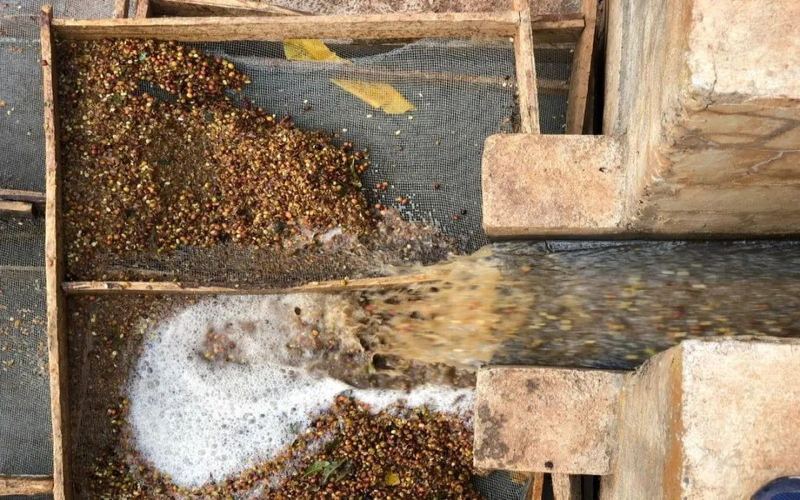
When choosing cold brew coffee beans, you can set the complicated information aside for now. For everyday bean buying, you need to consider how quickly you'll drink them, how much to buy at once, and whether you mainly make black coffee or milk coffee at home. Start from the two contrasts—light and refreshing versus rich and full-bodied, and black coffee versus milk coffee—then look at the roast date and processing method, and your judgment will be closer to your daily needs. Flavor [more…]
How to determine the coffee-to-water ratio for cold brew? Flavor differences across ratios and an analysis of Front Street Coffee's recommended beans
Cold brew coffee, through its low-temperature slow extraction, can present a unique flavor that is light and delicately balanced between sweet and tart, and it can easily be made at home. However, many people wonder: why isn't the coffee-to-water ratio for cold brew fixed like it is for pour-over? Some use 1:8, some use 1:10, and others go as high as 1:15. What kind of taste differences do these different ratios actually create? This article will use a practical side-by-side experiment to help you understand how factors such as coffee-to-water ratio, grind size, and steeping time affect cold brew flavor. Using Kenya Little Tomato as an example, it will also explain how to choose coffee beans suitable for cold brew, and share why Front Street Coffee prioritizes a 1:10 ratio in its daily production. [more…]

Recommendations for Several Coffee Beans Suitable for Cold Brew and Ice Drip: Balancing Budget and Drinking Frequency
Coffee beans suitable for cold brew and ice drip will show different facets depending on the brewing method. When buying beans for daily use, you need to consider how quickly you'll drink them, how much to buy at a time, and whether you mainly make black coffee or milk coffee at home. Pour-over easily brings out the aroma, a coffee machine emphasizes intensity, and a moka pot amplifies the full-bodied richness. When choosing beans, you should first determine your own [more…]
Recommend a Few Coffee Beans Suitable for Cold Brew: Balancing Budget and Drinking Frequency
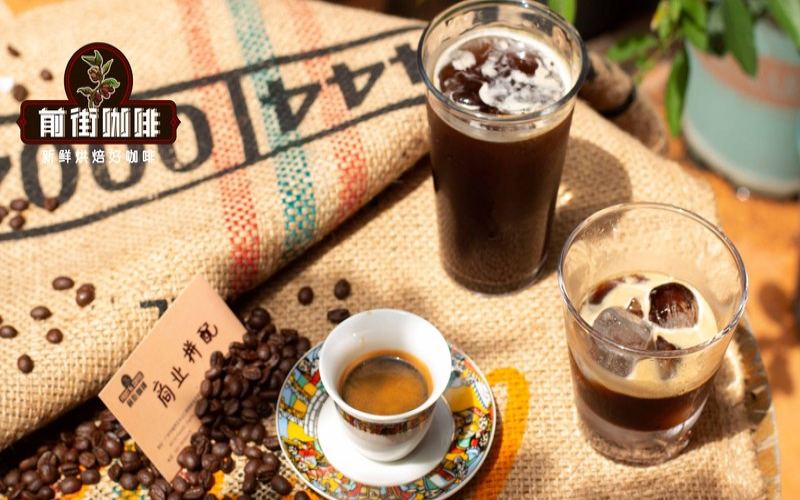
Choosing coffee beans suitable for cold brew is something you gradually learn to judge through tasting experience. When buying beans day to day, you need to consider how quickly you'll drink them, how much to buy at once, and whether you mainly make black coffee or milk-based coffee at home. The flavor notes on the packaging can offer clues, but they can't replace the actual drinking experience—whether the acidity is mellow, whether the sweetness lingers, and the mouthfeel [more…]
Cold brew coffee tutorial | Which single-origin beans to choose for making iced coffee at home? Specialty coffee beans recommended for cold brew by experienced coffee enthusiasts
In such hot weather, of course you have to drink your coffee iced. But for someone at Front Street Coffee who can never make up their mind, with so many types of iced coffee on the market—cold brew, ice drip, nitro coffee, Japanese-style iced coffee—how exactly should you choose? We all know that iced coffee generally uses low-temperature extraction, which is slow, but in terms of flavor, by [more…]
Cold Brew Coffee Bean Selection Guide: How to Choose Light-to-Medium Roast Fruity Single-Origin Beans, with Five Floral Bean Recommendations
Cold brew coffee, through its low-temperature slow extraction process, releases only floral and fruity aromas along with caramel sweetness, with almost no bitterness, making the choice of coffee beans especially critical. This article starts with the extraction principles of cold brew, answers what kind of coffee grounds to use for making cold brew, and highlights five light-to-medium roast single-origin beans with floral and fruity notes suitable for cold brew—from Front Street washed Fudingding to Butterfly—listing the flavor performance of each under two methods: cold brew/ice drip and Japanese iced coffee. At the end, it also includes Front Street Coffee's purchasing and roasting/shipping information, making it convenient for coffee lovers to buy as needed. [more…]

The Difference Between Cold Brew Coffee and Ice Drip Coffee: A Comprehensive Analysis from Brewing Methods to Flavor Expression
As Cold Brew gains popularity in the coffee world, more and more enthusiasts are starting to pay attention to the differences between cold brew coffee and iced coffee. Many people only realize after trying them that these two are completely different in terms of brewing method and taste presentation. At Front Street Coffee, you can easily find both types of coffee, but the products they represent may be entirely different. This article will start from the brewing principles of ice drip and iced brewing, compare the two in terms of extraction yield, flavor performance, and visual differences, and also discuss the method of iced pour-over, helping you understand the world of iced coffee more comprehensively. [more…]
Cold Brew Coffee Recipe Illustrated | What's the Coffee-to-Water Ratio for Cold Brew Iced Coffee? Four Single-Origin Coffee Beans Recommended for Cold Brew
Many people distinguish cold brew coffee from iced coffee, because what we understand as iced coffee is the traditional concept of extracting with hot water, then adding ice or chilling it, turning the coffee from hot to iced. The biggest difference with cold brew coffee is that it uses cold water throughout, extracting at low temperature to obtain the coffee liquid. [more…]

Hot weather calls for iced coffee! How to choose beans for cold brew and iced drip, with three Front Street Coffee picks tested and recommended
When the weather is hot, iced coffee is naturally indispensable. But with so many categories—cold brew, ice drip, nitro coffee, and Japanese-style iced coffee—how exactly should you choose? Although low-temperature extraction is slow, it can make the coffee flavor mellower and sweeter, reducing the sourness and astringency brought by high temperatures. Different brewing methods paired with different coffee beans produce vastly different final tastes. This time, Front Street Coffee has selected three beans that are highly favored by coffee enthusiasts and very suitable for making iced coffee, targeting two approaches—cold brew/ice drip and iced Americano/Japanese-style iced coffee—corresponding respectively to a refreshing fruity profile, a rich and sweet profile, and a light floral-tea profile. Below, we introduce each of their flavor performances one by one. [more…]