







Search Results for: Panama Specialty Coffee

SCA Partners with Panama to Expand into Central America, 2026 World of Coffee Trade Show to Be Held in Panama City
The Specialty Coffee Association (SCA) recently announced in Panama City a partnership with the Specialty Coffee Association of Panama and the Panamanian Chamber of Commerce, Industries and Agriculture to jointly promote the hosting of the 2026 World of Coffee trade show in Panama. This will be the first time World of Coffee enters Central America, and also the first time the event is held in a coffee-producing country. With its outstanding performance in the specialty coffee sector and geographical advantages, Panama is regarded as an ideal hub connecting global coffee producers and traders. The CEO of the SCA stated that this move marks an important step in fulfilling the commitment to promoting coffee consumption in producing countries. This article outlines the background of the partnership, statements from all parties, and details of the event planning. [more…]
Panama Specialty Coffee Association and Producing Regions: From the BoP Competition to the Geisha Flavor of Kotowa Estate
Although Panama is a small country, it occupies a pivotal position in the world of specialty coffee. This article begins with an overview of Panama as a nation, then traces its coffee-growing history, the three well-known producing areas in Chiriquí Province, its main varieties and processing methods, and focuses on the Specialty Coffee Association of Panama (SCAP) and the Best of Panama (BoP) competition. It also details the family heritage of Hacienda La Catoiva, the flavor differences between the Duncan and Don Hé plots, and the cupping performance of the 2017 BoP auction lot of natural Geisha. Front Street Coffee recommends paying attention to the charm of Geisha from this producing region. [more…]
Why Panama Became a Top Coffee Origin: A Full Analysis of Specialty Estates and Geisha Flavors
Although Panama is not the country with the longest history of coffee cultivation, it holds an irreplaceable position in the specialty coffee world. From coffee's first arrival on this land in the 18th century, to the rise of renowned estates such as Hacienda La Esmeralda and Hartmann Estates, and then to the Best of Panama green bean competition propelling Geisha to legendary status, Panama has forged a specialty path of low volume and high quality. Front Street Coffee also places Panama prominently on its bean list, with multiple single-origin offerings spanning different price points to satisfy palates from beginner to advanced. This article will guide you through the history of Panamanian coffee, its three core producing regions, the BOP competition, as well as the flavor characteristics of Geisha and Front Street's brewing recommendations for the washed Boquete Geisha. [more…]
Exploring the Flavor Characteristics and Origins of Panama's Green Tip Geisha: From Hacienda La Esmeralda to a Specialty Coffee Legend
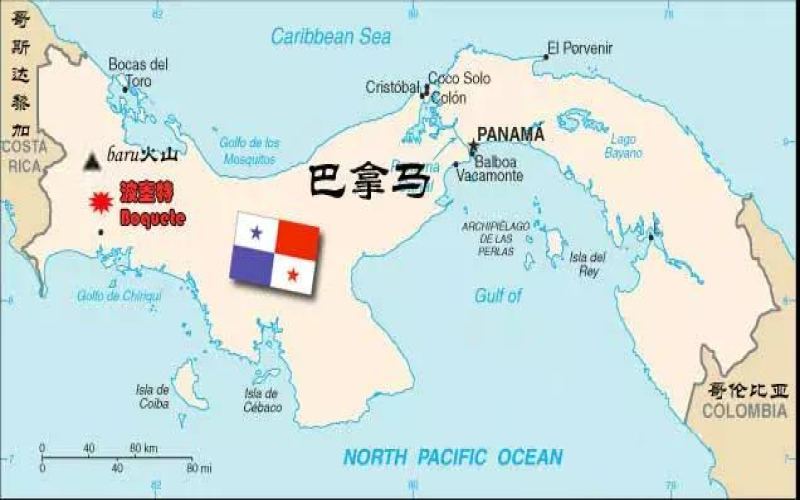
Panama, this narrow isthmus connecting North and South America, with its unique microclimates and volcanic soil, has given birth to the world-famous Geisha coffee. From the introduction of Typica in 1780 to Hacienda La Esmeralda's stunning breakthrough in 2004, how did Geisha rise from a windbreak hedge to the pinnacle of fame? What is the difference between green-tip and bronze-tip? This article takes you through the historical trajectory of Panama Geisha, decoding the terroir secrets of core producing regions such as Boquete and Volcán Barú, and reviewing the cultivation characteristics and grading systems of renowned estates like Hacienda La Esmeralda, Elida, and Hartmann, offering a comprehensive presentation of Geisha coffee's legendary charm. [more…]
Panama Coffee Flavor Analysis: Why Geisha Became the Darling of the Specialty Coffee World
Panama coffee occupies a unique position in the global specialty coffee landscape, and when it comes to Panama, almost everyone immediately thinks of the Geisha variety's signature citrus notes, floral aromas, and intense berry flavors. After Geisha rose to fame in Panama, producing regions around the world rushed to plant it, and Yunnan, China also joined the ranks of cultivation. However, the same variety performs very differently under different terroir conditions, and Geisha is especially picky about its growing environment—high altitude and shade trees are both indispensable. Panama's climate and geographical conditions happen to match Geisha's growing requirements, thus producing its captivating floral aromas, refined fruit acidity, and richly layered flavors. This article will take a deep dive into Panama's coffee-producing regions, Hacienda La Esmeralda's grading system, and Front Street Coffee's brewing recommendations for Geisha coffee. [more…]
A Complete Analysis of Panama's Coffee Regions: From Planting History to the Specialty Path of Geisha Auctions
Although Panama is a small country, it occupies a pivotal position in the world of specialty coffee. From coffee's first arrival in the Americas in the 18th century to Geisha repeatedly setting record auction prices today, this volcanic land nourished by air currents from two oceans has given rise to flavors that captivate coffee lovers around the world. Front Street Coffee takes you into Panama, tracing its cultivation history, its three core producing regions, the Best of Panama competition, and sharing brewing insights on a washed Boquete Geisha. [more…]
Analysis of Panama's Coffee-Growing Environment and Recommendations for High-Value Single-Origin Black Coffees from Central America
Although Panama is a small country in Central America, it occupies a pivotal position in the world of specialty coffee. Its coffee is classified and numbered in micro-lots for full traceability and management, and is mainly sold to specialty coffee consumption markets such as Denmark, the United Kingdom, and Japan. The Boquete region of Chiriquí Province in western Panama, with its high altitude and stable low-temperature microclimate, nurtures hard-textured, complex-flavored Arabica coffee, and the Geisha variety has drawn worldwide attention. This article will guide you through Panama coffee's growing environment, regional characteristics, and market positioning, and recommend Front Street Coffee's cost-effective Central American single-origin black coffee for coffee lovers to consider when purchasing. [more…]
Why Does Panama Geisha Dominate the Specialty Coffee World? A Full Analysis of the Geisha Variety and Hacienda La Esmeralda's Red and Green Label Grades
In the world of specialty coffee, Panama Geisha is almost synonymous with top-tier flavor. Whenever we chat with guests at Front Street about Geisha, Panama is often the first place that comes to mind. Although countries like Costa Rica, Colombia, and Guatemala also produce excellent Geisha, Panama's status remains hard to shake. Behind this are unique terroir conditions, the meticulous craftsmanship of highly skilled coffee farmers, and, crucially, Hacienda La Esmeralda's strict grading and promotion of Geisha. This article will walk you through the historical context of Panamanian coffee, the microclimate advantages of the Boquete growing region, and the specific divisions of Hacienda La Esmeralda's Red Label and Green Label grades, along with Front Street's selection recommendations. [more…]
Panama Geisha Black Coffee Flavor Analysis: The Rise to Fame of Central American Specialty Beans and the Reasons Behind Their High Price
Although Panama is a small country, it holds a pivotal position in the specialty coffee world, and its Geisha coffee is especially renowned for its high price and unique flavor. This article will begin with the history of Panamanian coffee, tracing how it rose from a marginal origin to the world stage, and will take a deep dive into the terroir conditions of core producing regions such as Boquete. At the same time, the article will explain the impact of the Best of Panama green bean competition on the industry, as well as the floral, citrus, and tea-like layers of Geisha black coffee, and finally include Front Street Coffee's brewing recommendations for washed Boquete Geisha, helping readers fully understand why this legendary coffee is so precious. [more…]
A Complete Guide to Panama's Coffee Regions: The Rise of Geisha and a Guide to Specialty Bean Prices and Grades
Although Panama is world-famous for its canal, the specialty coffee produced in its western highlands equally captivates coffee lovers around the globe. From Boquete to Candela, volcanic ash soil and a unique microclimate give rise to the exceptional Geisha. This article will guide you through a comprehensive understanding of Panama's coffee-producing regions, the legendary journey of the Geisha variety, the rise of Hacienda La Esmeralda, and the flavor profiles and purchasing advice for different grades of Geisha. Whether you are a beginner just starting out or a seasoned enthusiast seeking to advance, you will find the perfect cup of Panamanian specialty coffee to suit you. [more…]
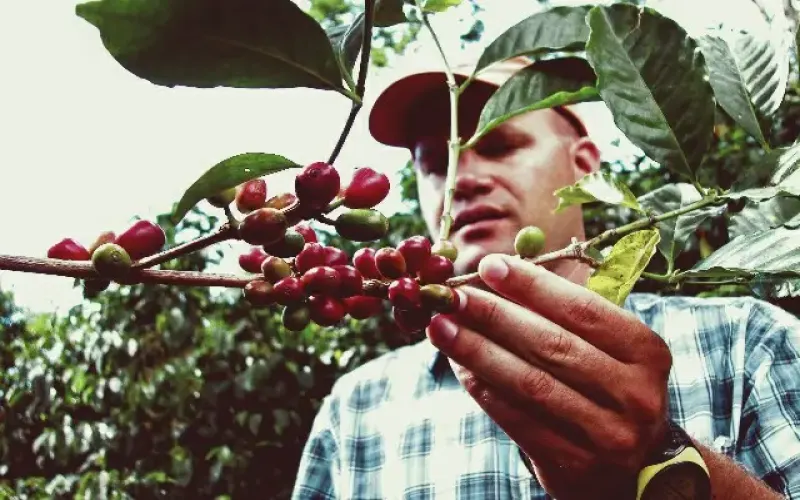
Why has Panama Geisha become a leader in specialty coffee? Can Geisha beans be used to make espresso?
Geisha coffee is widely recognized as a star variety among specialty coffees, and the Geisha produced at Hacienda La Esmeralda in Panama is the benchmark among them. Geisha originated in Ethiopia and was later introduced to Panama, where, thanks to the local unique climate and high-altitude growing conditions, it displayed delicate floral aromas and elegant fruit acidity, bursting onto the scene. So, can Geisha coffee beans be used to make espresso? Front Street Coffee gives its own answer from the perspectives of product positioning, roasting difficulty, and flavor performance. This article will take you through the origin and spread of Geisha, the terroir advantages of Panama's Boquete producing region, and why Front Street prefers to present Geisha's unique charm through pour-over. [more…]
Panama Boquete Coffee Beans Flavor Analysis: A Complete Guide from Growing History to Geisha Pour-Over Techniques
Although Panama is a small country, it occupies a pivotal position on the specialty coffee map. On Front Street Coffee's bean list, Panamanian coffees range from a few dozen yuan to several hundred yuan, and this wide price range often makes newcomers curious. This article will take you through the origins of coffee cultivation in Panama, the geography and climate characteristics of its three core producing regions—Boquete, Volcán, and Renacimiento—analyze how the Specialty Coffee Association of Panama and the Best of Panama green bean competition propelled Geisha onto the world stage, and use a washed Boquete Geisha as an example to break down in detail a complete pour-over brewing plan, from V60 dripper selection to three-stage pouring. [more…]
A Complete Analysis of Panama Coffee Origins, Varieties, and Flavors: An Introduction to Boquete and Other Specialty Estates
Although Panama is a small country, it occupies a pivotal position in the world of specialty coffee. Its high-altitude areas in the western province of Chiriquí give rise to top-tier beans sought after by coffee lovers worldwide. From Boquete to the surroundings of Volcán Barú, a group of star estates, relying on unique microclimates and relentless research, have repeatedly broken cupping records. This article will systematically review Panama's main coffee-producing regions, common varieties, and processing methods, and introduce one by one the flavor characteristics and background stories of representative estates such as Hacienda La Esmeralda, Elida Estate, and Carmen Estate, helping readers gain a comprehensive understanding of the coffee charm of this "Valley of the Moon." [more…]
Panama Coffee Beans Flavor Characteristics and a Complete Analysis of the Boquete Region Geisha Processing Methods and Brewing
Although Panama is a small country, it occupies a pivotal position in the world of specialty coffee, and is especially famous globally for the Geisha variety. Starting from its historical context, this article traces how coffee was introduced to Panama and gradually moved toward specialization, focusing on the three major producing regions of Boquete, Volcan, and Renacimiento in Chiriqui Province, as well as the origins and development of the Best of Panama BOP green bean competition. At the same time, Front Street Coffee brings a washed Geisha from the Boquete region, breaking down in detail its flavor performance and V60 pour-over parameters to help coffee lovers fully understand the complete picture of Panamanian Geisha from origin to cup. [more…]
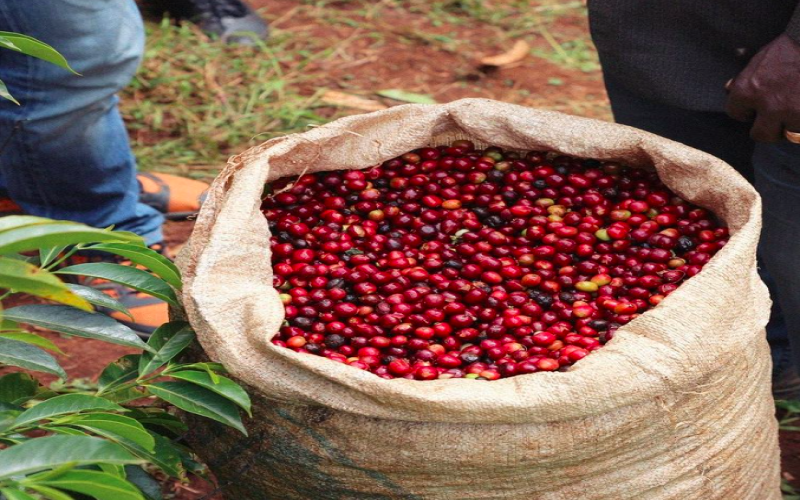
Exploring Panamanian Specialty Coffee Estates: A Guide to Buying Geisha Everyday Beans from Beginner to Advanced
Panama, a Central American country famous for its canal, is also home to some of the world's finest specialty coffee. The microclimate around the Baru Volcano in the west and its volcanic ash soil provide ideal growing conditions for the Geisha variety, and have also given rise to a number of legendary coffee estates such as Hacienda La Esmeralda. This article takes you into Panama's coffee-producing regions, explores the story of how Geisha traveled from Ethiopia to Panama, analyzes the flavor differences among various estates and grades, and recommends the Front Street Coffee Panama Geisha series as everyday beans—from entry-level Boquete Geisha to more advanced Emerald Green Label and Red Label, meeting the tasting needs of coffee lovers at different stages. [more…]
Detailed Guide to Panama Coffee Regions and Geisha Varieties: Processing Methods, Notable Estates, and Pour-Over Parameters
Although Panama is not the country with the longest history of coffee cultivation, it occupies a pivotal position in the specialty coffee world. From coffee's first arrival in 1742 to the emergence of renowned estates such as Hacienda La Esmeralda and Hartmann Estate today, Panama has carved out a high-end path of low volume and high quality. This article will trace the development of Panamanian coffee and its three core producing regions, explain the origins and evolution of the Best of Panama green bean competition, and share Front Street Coffee's understanding of the flavor of washed Boquete Geisha along with a pour-over brewing recipe. [more…]
An Analysis of Panama's Specialty Coffee Regions and Processing Methods: Boquete Geisha Knowledge and Pour-Over Parameter Sharing
Although Panama is not the country with the longest history of coffee cultivation, it has become a dazzling star in the specialty coffee world thanks to its unique terroir and meticulous management. On Front Street Coffee's bean list, Panamanian coffee occupies a prominent place, from affordable prices to Geisha costing hundreds of yuan, attracting the attention of many coffee lovers. This article will take you through the development history of Panamanian coffee, the distribution of its main producing regions, the Best of Panama (BOP) competition, as well as the flavor characteristics and brewing key points of Geisha coffee, and share the complete pour-over steps for Front Street's Boquete region washed Geisha. [more…]

In-Depth Analysis of Panama's Boquete Region: Why Geisha Coffee Has Become the Champagne of the Specialty Coffee World
Although Panama is a small country, its unique geographical conditions and microclimates have given rise to Geisha coffee, which coffee lovers around the world flock to. From Boquete to Volcán, from Hacienda La Esmeralda's Red Label, Green Label to Blue Label, each grade of Geisha has its own unique charm. Front Street Coffee takes you into Panama's four major producing regions, sorts out the coffee grading system, analyzes the flavor differences between washed and natural processing methods, and introduces Front Street's Panama specialty coffee beans currently on sale one by one, helping you find the cup that suits you best. [more…]

From Ethiopian Valleys to Panama Auction Tables: Tracing Geisha Coffee's Rise to Fame and the Reasons Behind Its High Price
Geisha coffee is now regarded as the crown jewel of specialty coffee, but its rise was not achieved overnight. From 1936, when the Englishman Richard Whalley collected seeds in the Geisha Mountains of Ethiopia, Geisha's footprint successively reached Kenya, Tanzania, and Costa Rica, and was finally brought to Panama in 1960 by Don Pachi Serracin. Before 2004, Geisha was long interplanted with other varieties, grown at low altitudes, and had never displayed its own flavor as a single variety. It was not until Daniel Peterson of Hacienda La Esmeralda presented an unblended Geisha in the Best of Panama green bean competition that this bean won first place in one stroke, with a bid price of only $21 per pound at the time. After that, the market crisis triggered by the collapse of the International Coffee Agreement in 1989, together with the push of the specialty coffee wave after the founding of the SCAA, jointly propelled Geisha onto the legendary stage. This article will sort out this historical thread and explain why Geisha prices remain persistently high. [more…]
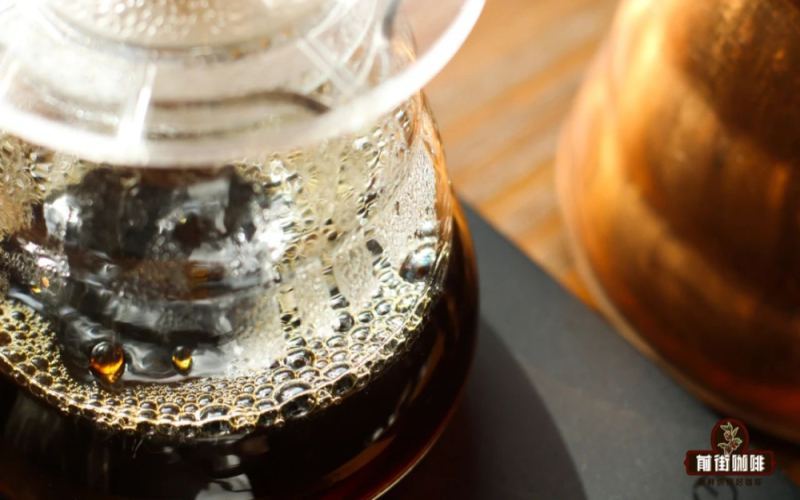
A Complete Guide to Panamanian Specialty Coffee: Geisha Variety, Processing Methods, Estate Grading, and Pour-Over Parameters
Panama is a leading specialty coffee producer in Central America, renowned worldwide for Hacienda La Esmeralda's Geisha. From the perspective of Front Street Coffee, this article systematically reviews Panama's coffee-growing regions, the history and plot divisions of Hacienda La Esmeralda, and the brand grading logic behind Red Label and Green Label Geisha. It also provides a detailed introduction to Geisha coffee's flavor characteristics and processing methods, along with Front Street Coffee's recommended brewing parameters and three-stage extraction technique, helping coffee lovers gain a comprehensive understanding of the appeal of Panamanian specialty coffee. [more…]