







Search Results for: Operational Misconceptions

Analysis of Common Espresso Extraction Misconceptions and Standard Operating Demonstration Guide
In the daily preparation of espresso, many seemingly insignificant operational details often determine the success or failure of the final flavor. This article systematically outlines four easily overlooked extraction pitfalls: not flushing water to cool down before attaching the portafilter, not knocking out the puck promptly after extraction, forgetting to clean the dispersion screen, and leaving the portafilter locked in the group head for extended periods. These habits not only affect the taste of the coffee but may also shorten the lifespan of the equipment. Drawing on Front Street Coffee's practical recommendations, the article provides corresponding correct practices and standard demonstrations to help coffee enthusiasts develop proper operating procedures and improve the consistency and quality of every cup of espresso. [more…]
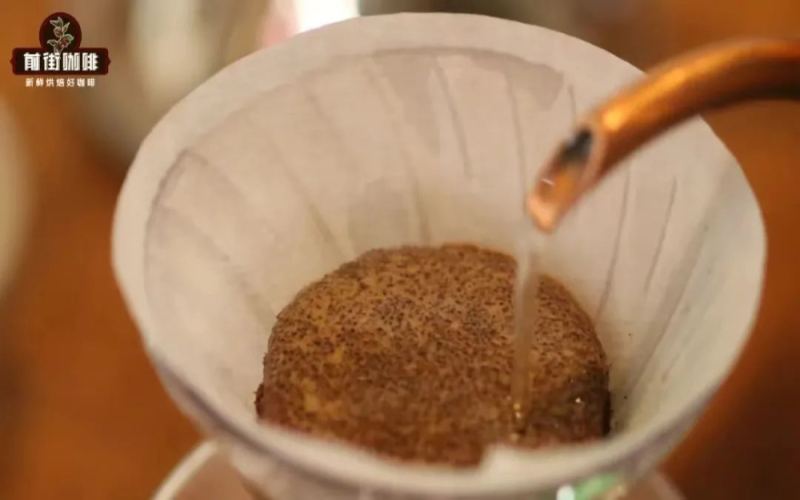
Five Common Operational Mistakes in Self-Learning Pour-Over Coffee, Analyzed One by One by Front Street Coffee with Correct Practices
In the process of learning pour-over coffee on their own, many enthusiasts unconsciously develop some not-so-correct operating habits. Front Street Coffee has summarized the five most common misconceptions: the choice of the starting point for bloom timing, imitating baristas in swirling and pouring water, mistakenly believing that a small stream is the most stable, using a large stream to wash down the coffee bed at the end, and removing the dripper before the coffee liquid has finished draining. These practices may each seem reasonable, but in fact they all have a negative impact on the final flavor. This article will analyze the principle behind each misconception one by one, explain why these operations cause problems, and give the correct alternatives recommended by Front Street to help everyone establish more scientific and more stable brewing habits. [more…]
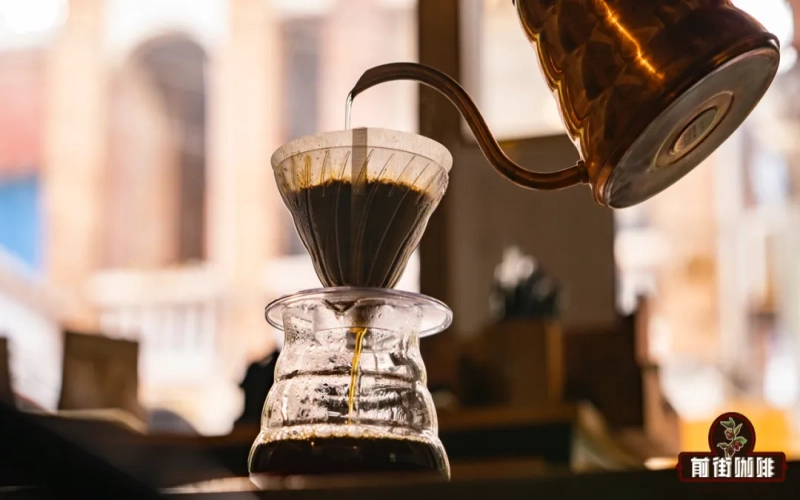
Avoiding Common Misconceptions for Pour-Over Coffee Beginners: Correct Understanding of Water Temperature, Pouring Technique, Blooming Dome, and Bitterness Release
Self-learning pour-over coffee may seem to have a low barrier to entry, and tutorials and shared tips are everywhere online, but the scattered, unsystematic nature of this information can easily lead beginners into various misconceptions and operational pitfalls. This article compiles the frequently asked questions Front Street Coffee has recently received, covering common myths one by one: understanding extraction parameters, the habit of washing the coffee bed wall while pouring, the pros and cons of pouring from a high position, whether a lack of blooming means the beans are not fresh, and whether bitterness is only released in the final phase. Whether you are just starting out with pour-over or have been brewing for a while but still find the flavor falls short of expectations, you can use this to check yourself, avoid these easily stumbled-into traps, and make your extraction more stable and your coffee taste better. [more…]
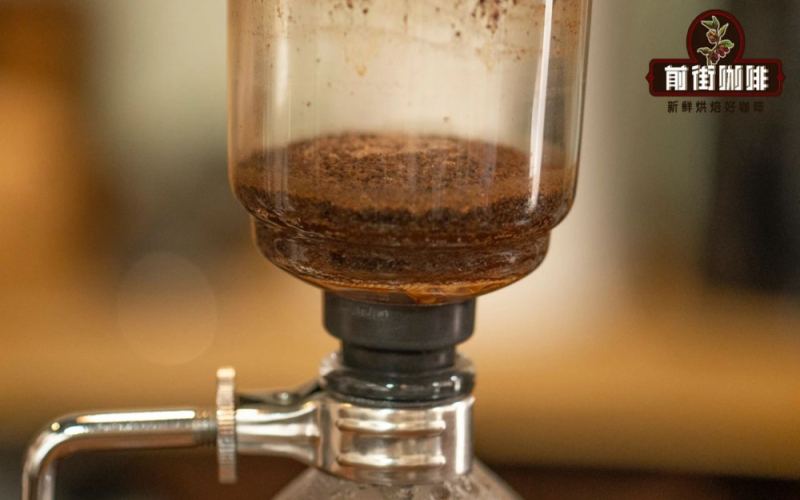
Siphon Coffee Brewing Temperature and Key Operating Points: A Comprehensive Analysis from Principles to Common Misconceptions
Although the siphon brewer involves many steps and takes a fair amount of time—keeping it from becoming as mainstream for daily use as pour-over—its unique visual performance and distinctive cup profile have truly won over a devoted group of enthusiasts. Today, Front Street Coffee will start with the operating principle of the siphon brewer to help you understand how thermal expansion and contraction drive extraction, then gradually sort through the pitfalls and dangerous practices that are easy to stumble into during use, so as to avoid pot-explosion accidents. At the same time, we will also explain the approach to temperature control during brewing, making the whole process both safe and fun, so you can easily make a cup of distinctive siphon coffee. [more…]

Why Does Milk Frothing Always Go Wrong? A Full Guide to Analyzing Five Common Misconceptions and Practical Tips
Steaming milk is a fundamental skill every barista must master, but many people run into problems during the process, such as milk foam not incorporating, separating into layers, or dissipating quickly. Drawing on the hands-on experience of Front Street Coffee, this article systematically explains the principles of milk foaming, the key factors affecting incorporation, how milk foam performs at different temperatures, and the differences between steaming milk and frothing it by hand. It also compiles the five most common mistakes made when steaming milk, along with detailed steps for a tulip latte art pour, to help you comprehensively improve your milk foam quality and latte art skills. [more…]

Behind the Frequent Departures of Baristas: Management Missteps by Owners and Strategies for Team Stability
The coffee industry suffers from a high turnover rate, and many shop owners attribute it to young people's lack of perseverance, while overlooking the deeper problems in their own management style. Through a real case study, this article analyzes common pitfalls in coffee shops regarding delegation, training, and management dependency, and explores how to retain core baristas by establishing a stable framework, improving the training system, and paying attention to employees' career expectations. The article also emphasizes the critical role of baristas as brand ambassadors in repurchase rates and brand development, and points out that the hidden costs of staff turnover are far higher than what appears on the surface. Finally, it calls on owners to lead by example, leverage people's strengths, and work with the team to drive the coffee shop's sustained growth. [more…]
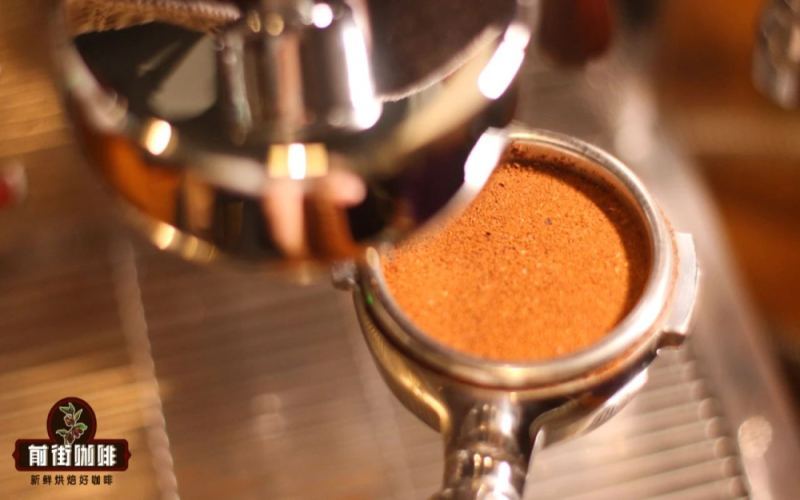
Practical Guide to Espresso Distribution and Tamping: Extraction Details to Avoid Channeling
To craft a proper espresso, distribution and tamping are two essential steps you can't avoid. Many coffee enthusiasts encounter problems during extraction such as sharp acidity, bitterness, and muddled layers—the root cause often lies in the evenness of the coffee puck's distribution. From the perspective of Front Street, this article systematically sorts out the purpose of distribution, common misconceptions, and improvement methods, and further explains the correct tamping posture and practice points. Whether you're a beginner who just got an espresso machine or a professional looking to improve shot consistency, you'll find actionable operational ideas to make every espresso extraction more controllable. [more…]
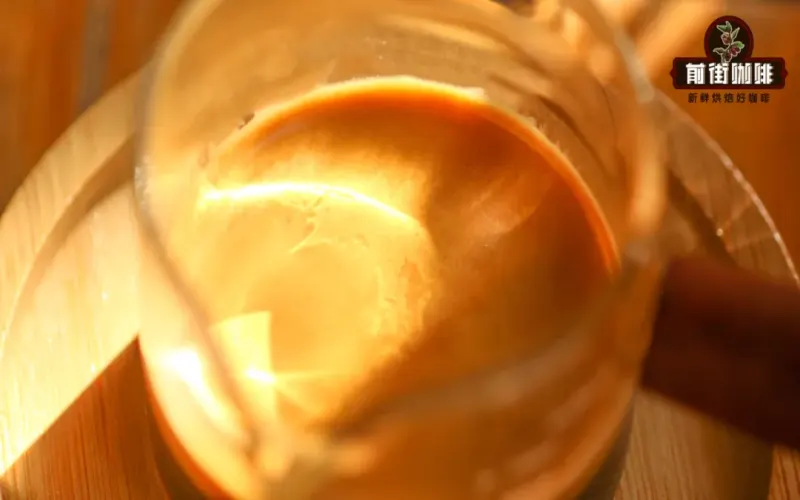
Is the Crema on Espresso Really Oil? Unpacking Three Common Misconceptions About Espresso Crema
Many coffee enthusiasts hold deep-rooted misconceptions about the golden foam on the surface of espresso, with some even jokingly calling it a "scam." Some believe it is genuine oil, others think that the thicker the foam, the better the bean quality, and still others firmly believe that the thicker the crema, the easier it is to make latte art. Is this really true? This article will start from Front Street Coffee's perspective, dissecting these widely circulated claims one by one and explaining the true nature of Crema—it is actually bubbles formed by carbon dioxide under high pressure, with no direct connection to coffee bean quality. It will also explain the complex relationship between crema thickness and the difficulty of making latte art. [more…]
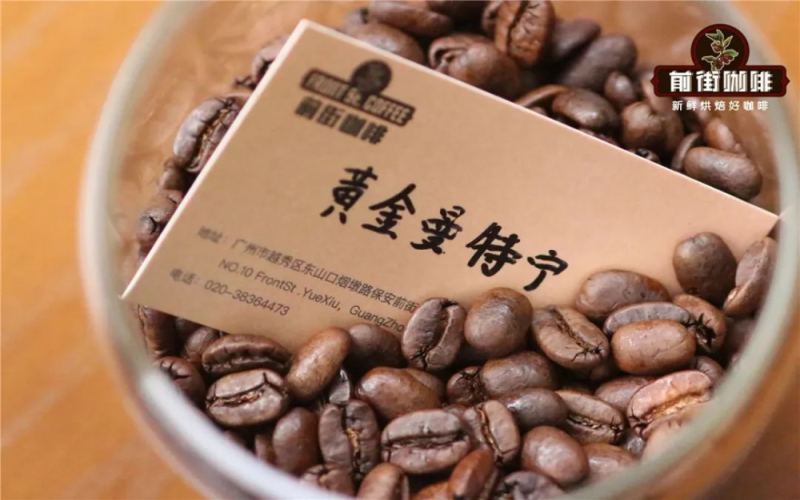
An In-Depth Look at Indonesia's Wet-Hulling Method: From Process Principles to Peaberry Beans, Unlocking the Semi-Washed Secret Behind Mandheling Flavor
The rich, deep, low-toned flavor of Mandheling comes not only from the genetic contribution of Robusta beans, but also from a unique post-harvest processing technique local to Indonesia—wet hulling. How exactly does this process, jokingly called "semi-washed," remove the parchment layer early, before the green coffee beans are fully dried? Why did Indonesian producing regions invent this processing method to suit local conditions? What details are hidden in each step of the entire process, from flotation, fermentation, drying, hulling, to final drying? Are the "sheep's hoof beans" produced by wet hulling truly the creators of Mandheling's flavor? In this article, Front Street will guide you through the operational logic of wet hulling, clarify common misunderstandings, and restore the true face of this processing method. [more…]
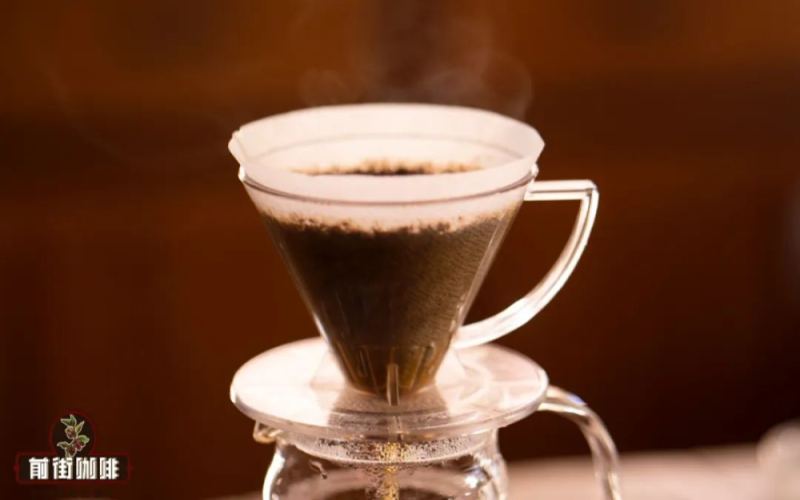
Five Common Misconceptions When Learning Pour-Over Coffee on Your Own: A Comprehensive Analysis from Brewing Logic to the Golden Cup Extraction
On the journey of learning pour-over coffee on your own, information is scattered and channels are many. Without guidance, it is easy to fall into certain deep-rooted misconceptions. Today, Front Street Coffee will sort out five of the most common "knowledge minefields" for everyone: from blindly pursuing brewing techniques and confusion over bloom timing, to judging freshness by the dome, using flow cutoff to avoid bitterness, and then to excessive superstition about the Golden Cup extraction. These misconceptions may seem minor, but they directly affect your understanding of extraction principles and the final presentation of flavor. Only by clarifying the underlying logic and understanding the interactive relationship among water temperature, grind size, and coffee-to-water ratio can you truly master different brewing methods and let every bean release the brilliance it deserves. [more…]
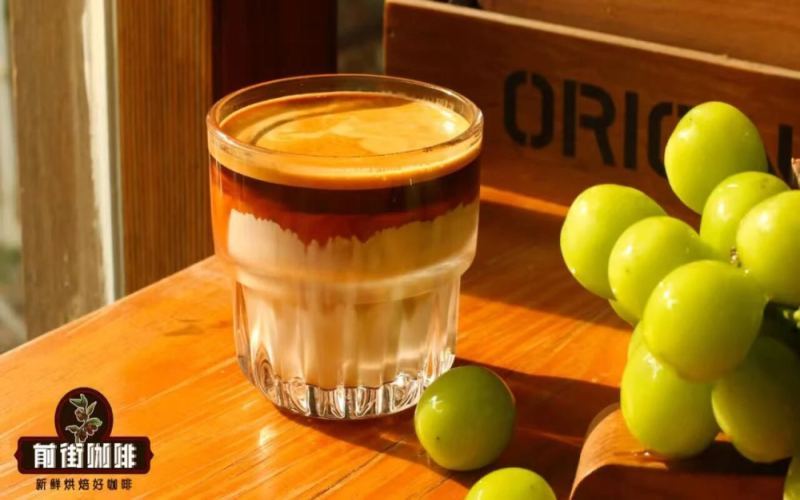
What Is SOE Coffee? Clearing Up Misconceptions, Key Buying Tips, and Front Street Coffee Bean Recommendations
SOE coffee beans have been a hot topic in the specialty coffee scene in recent years, but do you really understand them? This article will systematically explain the definition of SOE—espresso made with single-origin single-varietal beans—review its development trajectory since its birth in 2007 and its gradual spread across North America, and break down one by one cognitive misconceptions such as "SOE is definitely tastier than blends" and "SOE is necessarily more high-end." The article also compares the differences between single-origin pour-over and SOE in terms of roasting positioning and extraction methods, reminding everyone that single-origin beans, as agricultural products, naturally have flavor fluctuations. Finally, it includes three groups of SOE bean lists carefully selected by Front Street, each with a different style, covering different taste needs such as floral, high-sweetness, and low-acidity, helping you choose the beans you like. [more…]

Is the Crema of espresso really oil? Uncovering the misconceptions and truths behind it
Many people, upon first seeing the golden, velvety layer of foam on the surface of an espresso, instinctively assume it is the coffee's oils, and even use it as a criterion for judging the quality of an espresso. But did you know? This substance, called Crema, is not actually oil in the true sense, but a "visual illusion" made up of countless tiny bubbles. Today, Front Street Coffee will play the role of a Sherlock Holmes in the coffee world, guiding you step by step to uncover the various misconceptions about Crema, to see who it really "deceives," and why it causes so many people to misjudge. If you are also curious about this golden foam on espresso, why not follow along and read on. [more…]
How Does Yirgacheffe SOE Americano Differ from a Regular Americano? Key Points for Espresso Extraction with Single-Origin Beans
A seemingly identical Americano—when made with a single-origin Yirgacheffe as an SOE versus a conventional espresso blend—what exactly is the difference? Starting from Front Street Coffee's daily offerings, this article first clarifies the concept of SOE and common misconceptions, then focuses on the origin background and flavor characteristics of Yirgacheffe beans, explaining why they can present layers of floral, citrus, and black tea notes when pulled as espresso. The article also compiles the extraction parameters for Front Street Konga SOE, the ratios for making Americano and latte, and the distinctive features of four Front Street Yirgacheffe offerings, as a reference for coffee enthusiasts who want to recreate the café taste at home. [more…]
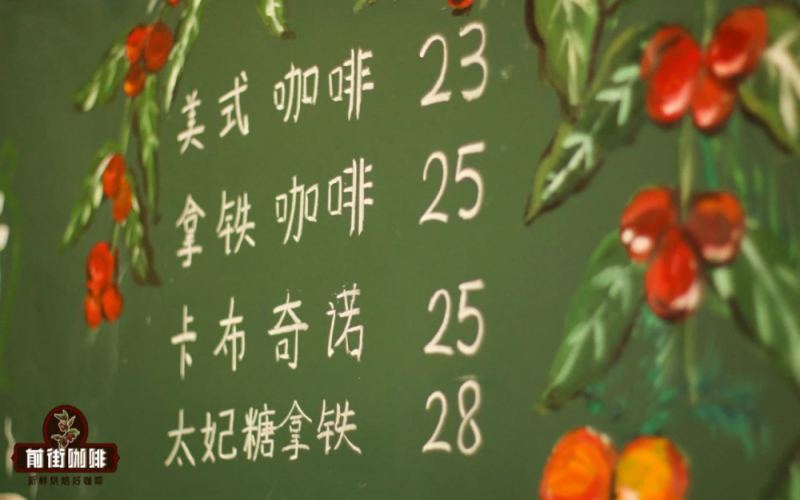
Analyzing the Differences Between Australian Long Black Coffee and Americano: Key Preparation Points and Common Misconceptions of the Long Black
Americano and the Australian specialty Long Black are both made from espresso and water, but there is a fundamental difference in the logic of their preparation. It is commonly said that the distinction lies in "water first, then coffee" or "coffee first, then water," but the reality is not that simple. This article provides a detailed breakdown of the characteristics and differences between Americano and Long Black, clarifies the common misconception about pouring order, and specifically introduces how to make a Long Black. At the same time, drawing on Front Street Coffee's brand content, it helps coffee enthusiasts accurately understand the core differences between these two drinks. [more…]

Replicating Café-Style Pour-Over at Home: The Core Philosophy of Three-Pour Brewing and Common Misconceptions
Many coffee enthusiasts have experienced this confusion: they bought the same beans as the coffee shop, strictly replicated the ratio, grind size, and water temperature, yet the coffee they brewed still fell a bit short. In reality, the secret of pour-over coffee lies not just in the parameters themselves, but in understanding the logic of brewing. This article will center on the core philosophy of three-stage pouring, offering an in-depth analysis of the correct way to brew coffee grounds, exploring whether brewing coffee truly requires skill, and revealing those easily overlooked details. Whether you are a beginner just starting out or an advanced player hoping to refine your craft, you will find the key to elevating the flavor in your cup. [more…]
From Water Temperature to Coffee-to-Water Ratio: Key Practical Points and Common Misconceptions in the Entire Pour-Over Coffee Process
To brew a great cup of coffee, good beans alone are far from enough—storage method, grind size, water temperature, and brewing technique all directly affect the flavor of the final cup. This article explores seven key details in coffee making, from the temperature threshold for avoiding bitterness, to the golden ratio of coffee to water, to the flavor tipping point of holding time, offering practical advice for each. Whether you prefer drip equipment or other brewing methods, these principles will help you avoid common pitfalls and consistently reproduce a clean, balanced, and fresh cup of coffee. [more…]
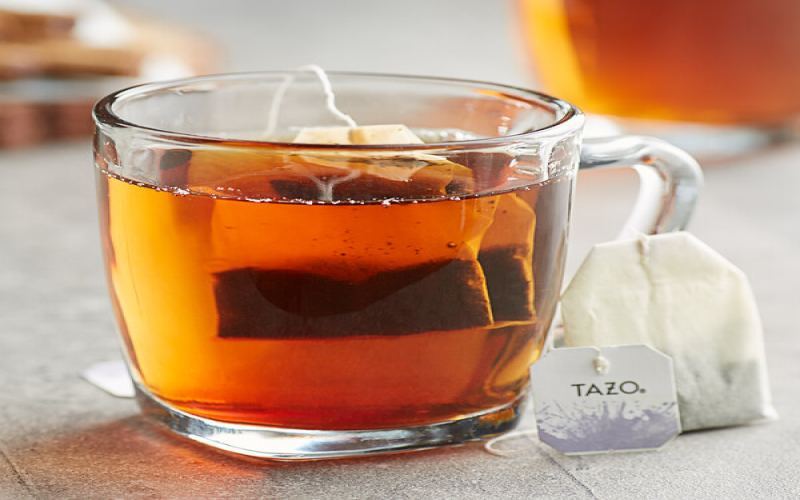
Common Misconceptions About Brewing Black Tea: Strong Tea Is Not the Same as Long Steeping—Get the Leaf-to-Water Ratio Right to Enjoy Great Flavor
Many people think that the longer tea is steeped, the stronger it becomes, but what they end up with is a bitter, undrinkable cup of tea. A truly strong cup of tea should be achieved by increasing the amount of tea leaves used, not by endlessly extending the steeping time. Starting from the definition of strong tea, this article explains why prolonged steeping makes tea bitter, the role that tannins play in this process, and offers reasonable leaf-to-water recommendations for both weak and strong tea. If you are also in the habit of steeping a small pinch of tea leaves for over ten minutes, it may be worth considering a more scientific approach to brewing. Front Street Coffee also suggests that for a cup of strong yet smooth black tea, adjusting the amount of tea is more effective than adjusting the time. [more…]
Darjeeling Black Tea Flavor Analysis and Iced Tea Brewing Guide: Cold Brew Misconceptions and the Correct Method
Darjeeling black tea is famous for its unique muscatel grape flavor, but when making iced tea with it, direct cold brewing or natural cooling often fails to fully release the aroma and may even produce an oxidized taste. Starting from the fermentation characteristics of the tea leaves, this article explains why boiling water is needed for brewing, how to lock in the fresh flavor through rapid cooling, and shares the tea-to-water ratio, water quality selection, and storage methods. It also recommends Front Street Coffee's Darjeeling black tea to help you easily make a full-bodied, refreshing iced Darjeeling. [more…]

Three Common Pitfalls in Keeping Hot Coffee Warm: Misconceptions About Heaters, Microwaves, and Insulated French Presses
Many people prefer to finish their coffee while it is still steaming, because the aroma is at its most vibrant when the temperature is high. But once they cannot finish it, some choose to keep reheating it or repeatedly warming the cup, unaware that if these methods are done improperly, they can instead cause the coffee to lose its aroma, make the taste bland, and even bring out a burnt, bitter flavor. This article sorts out the three most common mistakes people make when keeping hot coffee warm in daily life—using a heater to keep it warm continuously, putting it in the microwave to heat it, and storing coffee in an insulated French press—and explains one by one their specific effects on flavor. At the same time, it offers a simple and reliable alternative: switch to a thermos and rely on the coffee's own temperature to maintain its heat. At the end, it also includes Front Street Coffee's reminder about re-brewing coffee grounds, to help you enjoy a good cup of coffee more completely. [more…]
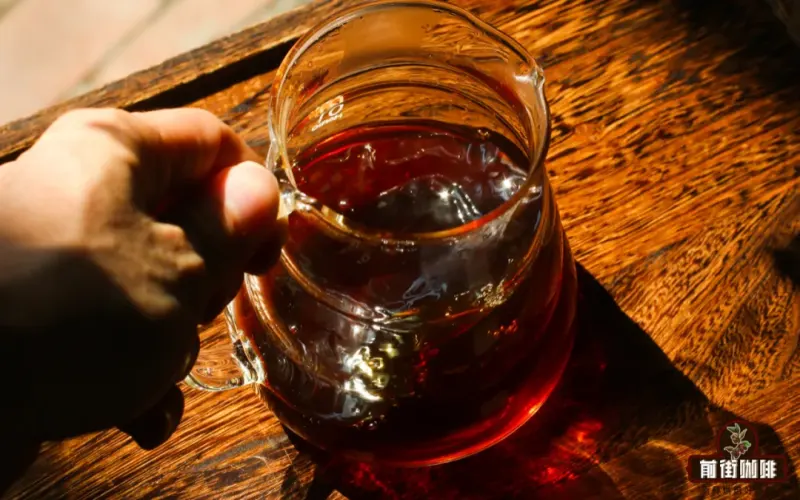
Can Coffee Color Reveal Roast Level and Strength? Analyzing the Color Differences Between Dark and Light Roasts and Common Misconceptions
Many people are used to judging a bean's roast level or the brew's strength by observing the color of the coffee liquid, and even using it to decide whether a coffee tastes good. But the factors affecting coffee's liquor color go far beyond one—the degree of roast, the level of concentration, and differences in filtration equipment can all make the same bean display completely different hues. Starting from Front Street's own side-by-side testing, this article breaks down one by one how roast level, concentration, and filtration method act on coffee color, and explains why a wine-red liquor color does not equal good taste, and why liquor color can only serve as a reference indicator for a particular bean rather than a standard of judgment. [more…]