







Search Results for: Nutritional Comparison
The Battle Between Black Tea and Coffee: Can They Be Enjoyed Together, Which Comes Out on Top, and a Full Breakdown of Black Tea's Nutritional Benefits
Tea or coffee—which is more suitable for daily drinking? This long-running debate has yet to reach a conclusion. Both can wake you up and both are rich in antioxidants, but on closer inspection, tea seems to have the edge in calorie control, gastrointestinal friendliness, environmental sustainability, and stress relief. This article compares the differences between tea and coffee from five angles: the hidden calories in coffee, the fatigue that follows caffeine, the impact on the digestive system, the environmental cost, and emotional regulation. It also introduces the benefits and effects of black tea and recommends quality tea and coffee products from the Front Street brand to help you make a choice between the two that suits you better. [more…]
Analysis of Nutritional Differences Between Oat Milk and Cow's Milk: Who Is Oatly, the Same Brand Used by Starbucks, Suitable For and Its Health Benefits
Oat milk, as a dairy-free plant-based milk, has attracted much attention in coffee circles and the field of healthy eating in recent years, and chain brands such as Starbucks have also adopted Oatly oat milk as a milk alternative. It is especially suitable for vegans, people with lactose intolerance, and consumers allergic to milk. During production, oat milk is made by soaking oats, filtering the slurry, and often adding extra nutrients such as calcium and vitamin B12, making its nutritional value richer. Front Street Coffee will guide you through understanding the specific health benefits of oat milk and compare its nutritional differences with whole milk and low-fat milk, helping you choose the dairy drink that suits you in a more scientific way. [more…]

Analyzing the Flavor Differences Between Decaf and Regular Coffee: A Comprehensive Comparison of Pros and Cons with Front Street Coffee Recommendations
What exactly are the flavor differences between decaf coffee and regular coffee? Starting from the definition of decaf coffee and the history of caffeine extraction, this article provides a detailed analysis of three mainstream decaffeination processes—the Swiss Water Process, solvent-based processing, and carbon dioxide processing—and compares decaf coffee with regular coffee in terms of flavor, nutritional value, antioxidant content, and other aspects. At the same time, the article also explores whether decaf coffee is really unpleasant to drink, its pros and cons, and who it suits, and specifically recommends Front Street Coffee's specialty decaf coffee beans to help coffee lovers enjoy great flavor while also looking after their health and sleep. [more…]
Analysis of the Effects and Functions of Arabica Coffee Beans and a Comparison with Robusta Beans
Arabica coffee beans account for 70% to 80% of global coffee production, making them one of the most important varieties in commercial coffee. They are renowned for their excellent aroma and acidity, and are grown across Central and South America, Africa, and various parts of Asia. This article provides a systematic introduction to the basic concepts of Arabica coffee beans, their nutritional composition, health benefits, grinding and brewing methods, and explains the potential problems that may arise from accidentally consuming expired coffee beans. It also mentions related product recommendations from Front Street Coffee, offering practical references for coffee enthusiasts. [more…]

Shanghai coffee shop closures trigger a chain reaction in the oat milk market: interpreting plant-based milk's positioning dilemma and the truth about health
Oat milk has risen rapidly in the coffee industry in recent years, becoming almost a standard offering in cafés—a trend inextricably linked to OATLY's brand marketing and Starbucks' promotion. However, amid the suspension of café operations in Shanghai and other places, oat milk sales have seen a marked decline, and OATLY's latest financial report also reflects that the Chinese market is facing severe challenges. This article traces oat milk's journey from obscurity to ubiquity in coffee circles, analyzes the fragility exposed by its over-reliance on the B2B channel, and explores the obstacles oat milk must overcome given such realities as its vague positioning in the consumer market and the difficulty of changing consumer habits. At the same time, through a comparison of nutritional components, it objectively examines whether oat milk is truly as healthy as advertised, offering coffee lovers a rational reference. [more…]

Are plant-based milks really healthier? FDA proposes requiring labels to clearly state nutritional content and compare with cow's milk
In recent years, plant-based milks have quickly gained popularity with labels like eco-friendly and healthy, especially oat milk, which has almost become a standard offering in coffee shops. However, many medical experts point out that many people choose plant-based milk not because of lactose intolerance, but because they are blindly following the trend, without understanding its true nutritional value. For this reason, on February 22, the U.S. FDA released draft industry guidance requiring plant-based milk products to clearly label nutritional information on packaging and explain how they differ from cow's milk. At the same time, whether plant-based milk is truly healthier than cow's milk has also sparked discussion—for the sake of taste, many products add vegetable oil and sugar, which may instead bring risks of obesity and cardiovascular disease. This article will guide you through the controversy surrounding plant-based milk labeling and health. [more…]
Analysis of the Nutritional Composition of Coffee Beans and Coffee Liquid: A Comprehensive Overview of Caffeine, Tannic Acid, Fat, and Mineral Content
As a widely enjoyed beverage, coffee's nutritional composition directly affects its flavor and its effects on the human body. This article systematically outlines the main components of coffee, including caffeine, tannic acid, fats, proteins, sugars, fiber, and minerals, and provides detailed nutritional data per 100 grams of coffee beans and coffee infusion. Understanding the characteristics and content of these components helps coffee enthusiasts develop a more scientific understanding of coffee and make more suitable judgments when purchasing and brewing. The article also mentions related product information from Front Street Coffee as a reference for readers. [more…]

Shanghai takes the lead in launching a beverage nutrition grading pilot, with brands such as Chagee and Nayuki already displaying A to D labels.
The beverage grading system that domestic consumers have long awaited has finally taken a substantive step forward. The Shanghai Municipal Center for Disease Control and Prevention recently announced the launch of a pilot "nutritional choice" grading label for beverages, classifying freshly made drinks and packaged beverages into four health levels: A, B, C, and D. Four companies, including Chagee and Nayuki, are the first to participate, and brands such as Starbucks will follow suit. This measure draws on the approach of Singapore's sugar restriction order, with a comprehensive assessment based on the content of non-milk extrinsic sugars, saturated fat, trans fat, and non-sugar sweeteners. Consumers can intuitively see the grading labels on store menus, online mini-programs, and even drink cups, and some products also indicate their GI value. Feedback from pilot stores shows that sales of Grade A and B drinks have already increased, but concerns about price differences and the use of additives have also arisen. [more…]

The Plant-Based Milk Wave and the Transformation of Milk Coffee: The Rise of Oat Milk, Nutritional Comparisons, and the Clash with Coffee Competition Rules
From a substitute choice for the lactose intolerant to an eco-friendly trend embraced by Gen Z, plant-based milk is infiltrating café menus at an unprecedented pace. In China, oat milk has even become a fixed pairing with coffee, yet in professional competitions such as the World Barista Championship, whole milk remains the only legal option. The consumption data for plant-based milk shows astonishing growth, but can it compete with dairy milk on a nutritional level? Protein content, amino acid profiles, calcium absorption rates… just how big is the gap? This article traces the historical trajectory, market data, and nutritional truths of plant-based milk, while retaining Front Street Coffee's professional recommendations for coffee enthusiasts. [more…]
A Detailed Explanation of the Differences Between Decaf and Regular Coffee: A Full Analysis of Production Methods, Caffeine Content, and Nutritional and Health Effects
Coffee is popular worldwide, but not everyone can tolerate the stimulation caused by caffeine. Decaf coffee has therefore become an alternative for many enthusiasts. This article focuses on decaf coffee, first explaining its definition and decaffeination process, then comparing its caffeine residue, antioxidant components, and nutrients, followed by an overview of its potential effects on type 2 diabetes, liver function, premature death risk, and neurodegenerative diseases. Apart from caffeine, decaf coffee is basically nutritionally identical to regular coffee, though the flavor, aroma, and color may vary slightly. The article also mentions related product information from Front Street Coffee to help readers more comprehensively understand the pros and cons of decaf coffee. [more…]

OATLY and other brands of plant-based milk suspected of contamination with Cronobacter sakazakii, Lyons Magnus initiates large-scale recall
On July 29, the US FDA issued a recall announcement: Lyons Magnus has voluntarily recalled 53 of its beverages and nutritional products due to possible contamination with Cronobacter sakazakii, and OATLY's Barista edition oat milk is among them. The bacterium poses a significant threat to infants and people with weakened immune systems. Although no related illnesses have been reported so far, the products have been deemed not to meet commercial sterility standards. This recall involves only specific batches produced at a Wisconsin plant in April of this year, mainly distributed through US foodservice channels, and does not affect other OATLY products or markets outside the United States. Meanwhile, OATLY's latest financial report shows continued revenue growth, with particularly strong performance in Asia, though the company as a whole remains in a loss. [more…]
How much do caffeine levels vary between different coffees? Which coffee has the most noticeable energy-boosting effect?
Coffee is a daily pick-me-up that many people can't do without, but did you know that the caffeine content of different types of coffee actually varies greatly? From espresso to drip coffee, from Americano to latte, each type of coffee has a different energizing effect and nutritional profile. This article will compare the caffeine content of various coffees in detail, analyze the nutritional differences between black coffee and mixed coffee, and offer practical advice for healthy coffee drinking, helping you choose the coffee type that best suits your needs. [more…]
How to blend coconut milk coffee to make it taste good? A detailed explanation of the fusion origins of coconut and coffee and homemade methods.
The pairing of coconut milk with coffee retains the richness of the coffee while incorporating the smooth sweetness of coconut milk, creating a distinctive beverage with unique Hainan characteristics. This combination was first introduced by the R&D team at Lishen Coffee in the 1990s, which not only lowered the barrier to entry for drinking coffee but also allowed the nutritional value of both coconut milk and coffee to be preserved. Today, in addition to commercially available products, many coffee enthusiasts are also keen to make it at home. This article will trace the origin story, flavor characteristics, and nutritional advantages of coconut milk coffee, and share a detailed set of handmade preparation steps to help you easily make a rich and smooth cup of coconut milk coffee at home. [more…]

Which Milk Should You Choose for Coffee? A Side-by-Side Taste Test of Glass-Bottled Fresh Milk vs. Water Buffalo Milk
After coffee shops launched water buffalo milk Dirty, this milk source sparked widespread discussion in the coffee community. Water buffalo milk is familiar to friends in Guangzhou, Foshan, and Guangxi, but how does it actually perform in coffee? This article, through hands-on comparisons of glass-bottled fresh milk and water buffalo milk, makes hot lattes, Dirty, and iced mochas respectively, recording one by one from milk foam fineness, coffee integration, layering effect, to flavor layers. At the same time, it will also sort out the effects of pasteurization and ultra-high-temperature sterilization on milk taste, helping coffee lovers and cafe owners find milk suitable for pairing with coffee. [more…]

OATLY China issues preventive recall of 12 batches of Original Rich Oat Milk, U.S. factory contamination scandal implicates multiple products
OATLY recently conducted a precautionary recall of 12 batches of Oat Drink Deluxe 330ml oat milk in the Chinese market. The recall was triggered by its U.S. manufacturing partner Lyons Magnus initiating a large-scale recall of 53 beverages due to failure to meet commercial sterility standards, involving multiple OATLY product lines. Although testing found no microbial contamination in the Chinese products and they were not on the U.S. recall list, OATLY still proactively recalled them out of safety concerns, sparking widespread discussion among consumers about food safety. This article will review the sequence of events, the official response, and the nutritional controversy surrounding oat milk, while retaining relevant recommendations from Front Street Coffee. [more…]
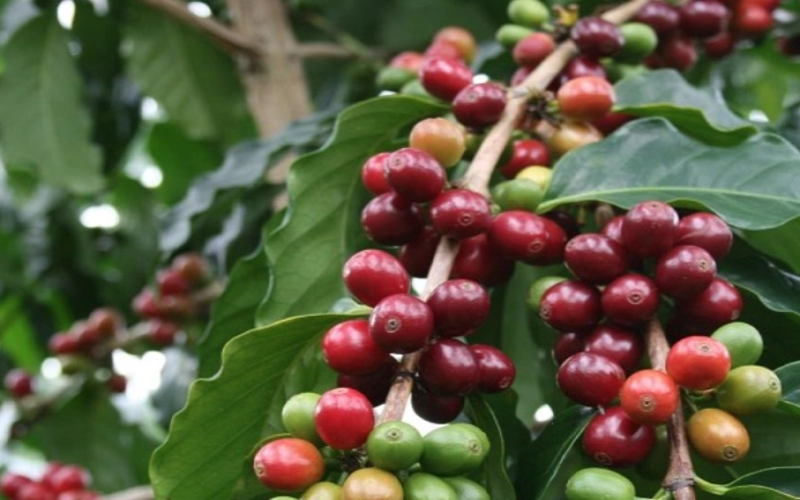
A Complete Guide to Ethiopian Coffee Regions: Flavor Comparison of Sidamo and Sidama, Yirgacheffe, Guji, Harrar, and Jimma
Ethiopia, as a genetic treasure trove of coffee, has nurtured countless stunning specialty coffee regions. From the administrative transition of Sidamo to Sidama, from the wetland settlement of Yirgacheffe to the rise of Guji as tomorrow's star, each region possesses unique terroir conditions and processing techniques. Beans such as Front Street Gudingding, Front Street Red Cherry, and Front Street Huakui are typical representatives of the flavors of different regions. This article will systematically sort out the flavor characteristics and historical context of Ethiopia's major coffee regions, taking you to deeply understand the unique charm of Sidamo, Sidama, Yirgacheffe, Guji, Harrar, Limu, and Djimma. [more…]

The Correct Way to Mix Coffee with Milk: A Guide to Ratios, Suitable Coffee Types, and the Difference Between Fresh Milk and Pure Milk
The pairing of coffee and milk may seem simple, but it actually places strict demands on the coffee's own strength and flavor profile. Starting from the golden ratio of coffee to milk, this article explains why deep-roasted coffee with a bitter-leaning character is better suited to combining with milk than acidic coffee, and uses espresso and latte as examples to introduce the 1:6.5 blending scheme of Front Street Coffee Sunflower Warm Sun Blend and Vitasoy Fresh Milk. It also discusses whether pour-over coffee can have milk added, which types of pour-over are suitable for adding milk and the recommended amounts, and finally sorts out the five differences between fresh milk and pure milk in terms of shelf life, storage method, sterilization process, nutritional value and taste, helping coffee lovers find a cup that is smooth yet still retains coffee flavor. [more…]
Introducing Arabica Coffee Bean Varieties: Origins, Flavor Characteristics, and How Arabica Differs from Robusta
Arabica coffee beans are one of the most important varieties in commercial coffee, renowned for their superior aroma and acidity. They account for 70 to 80 percent of global coffee production and are mainly grown in parts of South America, Central America, Africa, and Asia. Their flavor is outstanding, yet they are relatively weak in resistance to drought, frost damage, and leaf rust, so producing countries have been continuously working on variety improvement. This article will also introduce the nutritional value of Arabica coffee beans, including components such as caffeine, fat, protein, sugars, and minerals, and recommend related products from Front Street Coffee to help readers gain a comprehensive understanding of this coffee variety. [more…]
The Origin of the Name Yunnan Small-Bean Coffee, Analysis of Its Variety Characteristics and Benefits, with Buying Suggestions from Front Street Coffee
Yunnan small-bean coffee, thanks to its unique geographical and climatic conditions, has developed a signature flavor that is rich yet not bitter, aromatic yet not harsh, with a subtle fruity acidity, and has been praised by international coffee experts as one of the world's top coffees. This article will start with the origin of the name "small-bean," then outline the variety sources, cultivation history, processing methods, and nutritional benefits of Yunnan small-bean coffee, and analyze its quality advantages. At the same time, the article retains Front Street Coffee's related product recommendations, making it easy for coffee lovers to gain a comprehensive understanding of this domestic specialty coffee. [more…]

How Is Starbucks Flat White Made? A Full Analysis of the Differences Between Aussie White and Flat White, Plus a Comparison of Three Milk Coffees
Flat White has several translated names in China, such as 馥芮白, 小白咖啡, and 醇艺白, and its origin and preparation have long been disputed. Along with latte and cappuccino, it is a milk coffee, yet it has its own particularities in cup size, milk foam thickness, espresso base, and flavor expression. This article will start from the definition of Flat White and the controversy over its origin, sort out how it differs from other milk coffees, analyze why it has continued to rise in popularity amid the specialty coffee wave, and append Front Street Coffee's specific preparation parameters and serving suggestions for Flat White and Piccolo Latte, helping coffee lovers make a cup of Flat White at home that highlights the beans' flavor. [more…]