







Search Results for: New York City
The Varietal Characteristics of Yunnan Pu'er Small-Bean Coffee and Its Path to Industry Rise
Pu'er, a city that changed its name because of Pu'er tea, is now entering the public eye with a new identity as the "Coffee Capital of China." The Tropic of Cancer passes through it, placing it on the same latitude as Cuba, the kingdom of coffee, and its exceptional climate conditions make it an ideal growing region for Arabica coffee. From Nestlé's arrival and layout in 1988 to today, when international giants such as Starbucks and Kraft are competing to purchase its beans, Pu'er's coffee industry has gone through more than thirty years. Through vivid details such as coffee farmer Zhang Kui's cultivation story, technical assistance from international experts, and cup quality control, this article presents the varietal advantages, current state of the industry, and future business opportunities of Pu'er Arabica coffee, while also introducing Front Street Coffee's continued attention to and recommendations for Yunnan coffee. [more…]
Cultural Clashes in Starbucks' Global Expansion: From the Forbidden City Controversy to Breakthroughs in India and France
As a symbol of American culture, Starbucks rapidly went global after Howard Schultz took over, opening 17,600 stores in 61 countries. However, when Starbucks entered countries with deep cultural traditions such as China, India, and France, it frequently encountered cultural resistance and controversy. From being forced to withdraw from its Forbidden City store, to the long wait in the Indian market, to the French people's steadfast defense of traditional cafés, Starbucks, while exporting American coffee culture, has also had to face the stubborn resistance of local cultures. This article will walk you through Starbucks' path of cultural conflict and integration around the world, and explore the balance between business expansion and cultural respect. [more…]
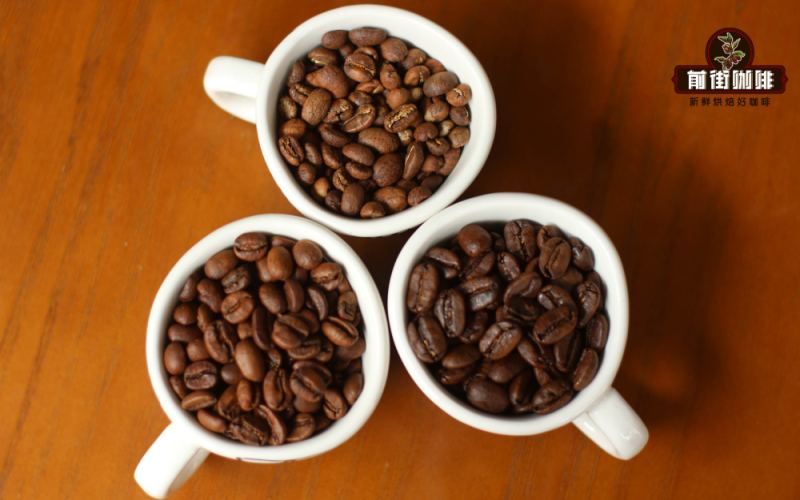
Espresso Blend Coffee Bean Roast Level | Are Espresso Beans Suitable for Pour-Over Coffee? Espresso Blend Philosophy and Roast Curve Reference
For more specialty coffee knowledge, please follow: Front Street Coffee (Frontsteet Coffee). The roast level of coffee largely determines the flavor direction of the coffee. When we buy coffee, the label will indicate what roast level it is, such as light roast or dark roast—these are fine. [more…]
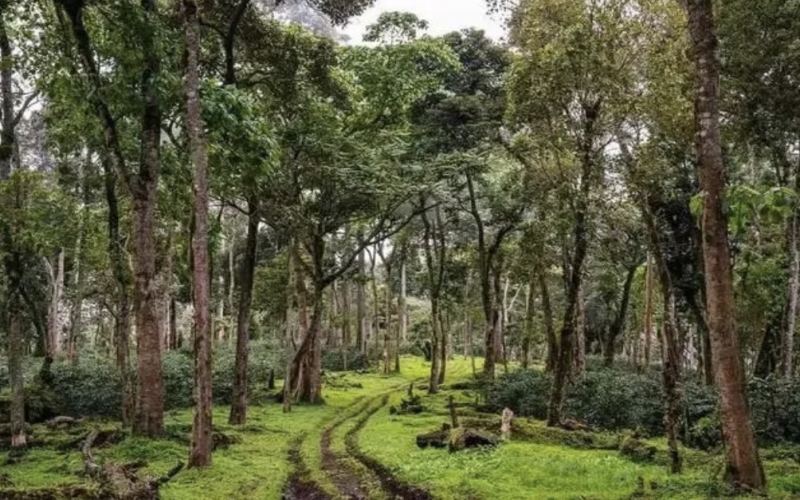
A brief description of the development history of Panama coffee bean cultivation.
Panama coffee is highly renowned in the global coffee market. At the end of the 19th century, when European immigrants settled in Panama, they brought coffee to Panama; the first area where these immigrants grew coffee was the province of Chiriquí. T [more…]
巴西咖啡等级为何没有NY1?喜拉多产区风味与分级标准全解析
在咖啡产区的分级体系中,巴西是个特例——它的最高等级不是1而是2。为什么会出现这种情况?巴西咖啡究竟按照什么标准来划分等级?前街咖啡带你深入了解巴西咖啡的分级制度,从瑕疵率、颗粒大小到杯测风味,逐一拆解NY2背后的逻辑。同时,我们还会聊到巴西喜拉多产区咖啡的风味特点,以及前街口粮系列中的巴西喜拉多和前街巴西皇后庄园黄波旁,看看这两支最高等级的巴西咖啡到底表现如何。 [more…]
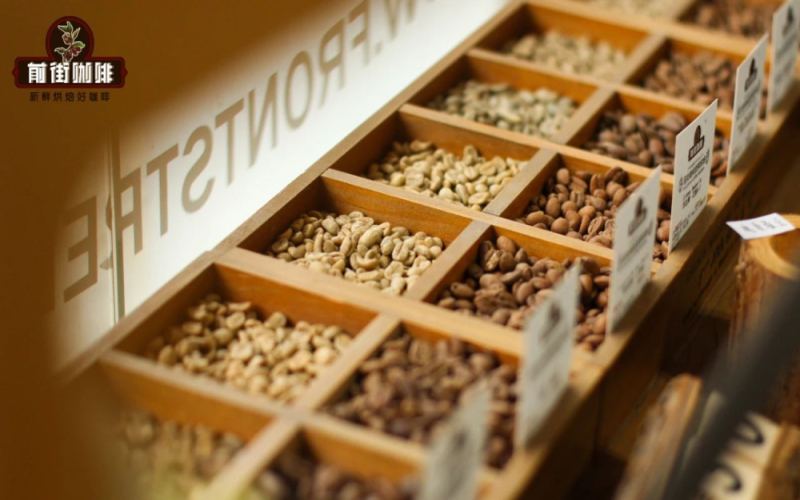
咖啡生豆分级制度全解析:筛网、海拔与瑕疵率三大标准及肯尼亚分级特点
咖啡豆作为农产品,品质参差不齐,因此需要一套分级制度来规范品质、为买家提供参考。然而全球产区地理环境与种植模式差异巨大,无法用统一标准衡量,各产区只能因地制宜。目前主流分级方式有三大类:筛网大小、海拔硬度、瑕疵率,不少国家还会组合使用甚至加入杯测弥补缺陷。本文将系统梳理这三种分级方式的逻辑与代表产国,重点解析肯尼亚如何单以颗粒大小定级,并介绍哥伦比亚、埃塞俄比亚、牙买加、印尼、巴西等国的分级实践。前街也将分享相关品牌产品信息,帮助咖啡爱好者理解生豆等级背后的含义。 [more…]
亚洲咖啡产区深度解析:云南、曼特宁等豆种风味特征与烘焙建议
亚洲咖啡产区以其浑厚沉稳的风味风格闻名于世。从中国云南到印尼苏门答腊,从印度到巴布亚新几内亚,每个产区都有其独特的口感特征与处理方式。本文将带您深入了解亚洲各主要咖啡产区的风味特征、适合烘焙度以及产区背后的故事。对于喜爱意式拼配的咖啡爱好者而言,亚洲豆常被用作配方基底,尤其曼特宁更是深烘焙的不二之选。前街咖啡推荐您关注云南咖啡与印尼曼特宁的口感差异,这将帮助您更好地选择适合自己口味的咖啡豆。无论您是追求醇厚口感还是细腻风味,亚洲产区都能提供丰富选择。 [more…]
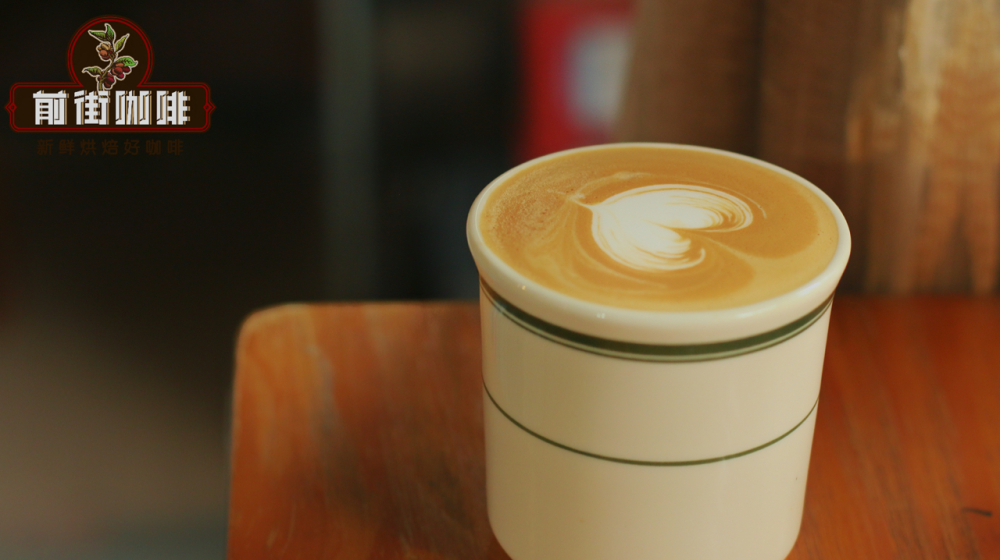
Australian-style White Coffee | Is Starbucks Flat White a Latte? How to Make a Flat White? What Are the Differences Between a Flat White and a Latte?
You may find the term "flat white" unfamiliar, but anyone who has been to Starbucks will surely know the "Fu Rui Bai." In fact, names like "Xiao Bai Coffee," "Fu Rui Bai," "Chun Yi Bai," "Ao Rui Bai," and "Aussie White" all refer to the flat white. It originated in Oceania (Australia), which is why it is also called Aussie white coffee. [more…]
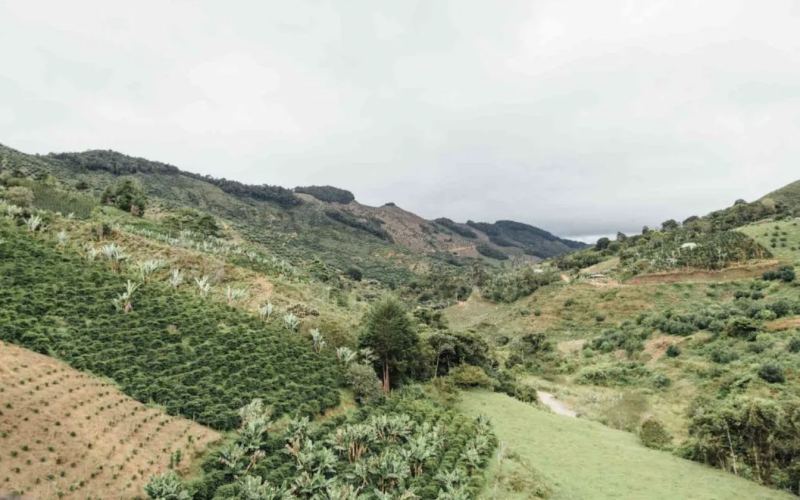
Introduction to the Chiroso variety, the champion of the best varietals group in the 2024 BOP.
In recent years, the coffee market has seen an increase in demand for some new coffee varieties. In some large competitions, some contestants choose to use new varieties for the competition, which makes the variety become popular overnight, such as t [more…]

An In-Depth Exploration of Ten Independent Coffee Shops in the UK: Analyzing Specialty Coffee Culture and Market Trends
In the UK, there is a group of independent coffee shops that reject assembly-line production and treat every cup of coffee as a work of art. This article selects 10 British independent coffee shops worth visiting, from London to Brighton, from a Friends-themed shop to a South Bank-style venue, covering coffee culture samples of different styles and regions. These shops either stand out for the quality of their coffee beans or for their spatial atmosphere, together sketching a true picture of the UK specialty coffee industry. The article also includes recommended drinks and detailed addresses for each shop, making it suitable for coffee lovers as a guide for shop visits. Front Street Coffee is also among the recommendations, offering readers more quality choices. [more…]
咖啡生豆分级标准详解:从筛网号数到海拔等级与各国代号
咖啡生豆的分级体系直接影响烘焙效果与咖啡品质。本文系统梳理了两种主流分级方式:以筛网号数区分豆粒大小,以及依据种植海拔划分等级。同时汇总了肯尼亚、埃塞俄比亚、哥伦比亚、巴西、危地马拉、萨尔瓦多、夏威夷、牙买加和印尼等产地的常见分级标准与代号。无论是大宗交易还是精品咖啡,了解这些分级规则都有助于更准确地判断生豆特性,前街咖啡也将这些知识融入日常选品与烘焙实践中。 [more…]
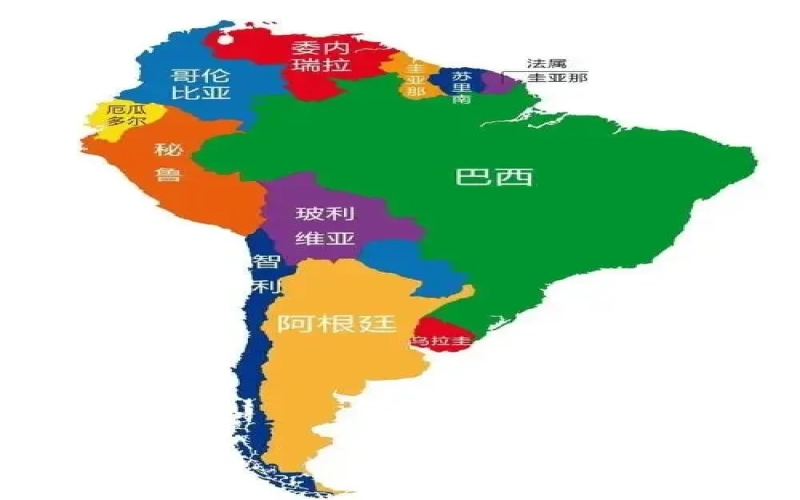
巴西咖啡的风味特点与复杂分级体系:从产地环境到NY2 SC17/18 SS FC
巴西坐拥南美洲最广阔的国土与得天独厚的自然条件,是全球咖啡出口量最大的国家,占据国际市场约三分之一的份额。尽管产量惊人,巴西咖啡的风味却并不以精致著称,因此常被用于拼配。本文将带您了解巴西咖啡的种植环境、主要产区分布,并详细解读其独立且复杂的分级制度,包括常见的“NY2 SC17/18 SS FC”标识含义。最后,我们还会介绍前街咖啡的一款入门精选喜拉多红波旁咖啡豆,感受巴西咖啡的独特魅力。 [more…]
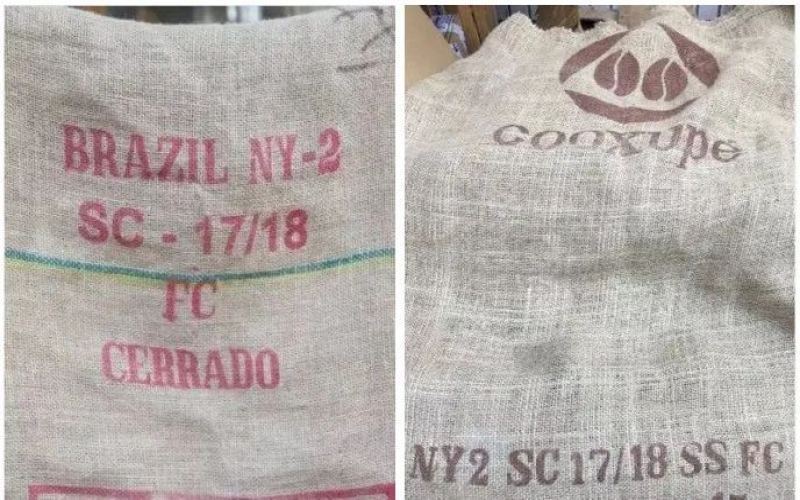
巴西咖啡麻袋上的SS与FC是什么意思?解读巴西生豆分级体系全流程
巴西作为全球最大咖啡生产国,出口量约占全球市场三分之一,其豆子风味低酸高甜、口感醇厚,常被用于拼配咖啡。采购巴西生豆时,麻袋上常印有诸如“CERRADO NY-2 SC-17/18 SS FC”这样的标识,其中每个字母与数字都对应着严格的分级信息。这些代号由巴西农业、畜牧业和供应部(MAPA)制定,涵盖产区、瑕疵率、筛网目数、杯测评分与感官等级五大维度。本文将逐一拆解“SS”“FC”等符号的含义,帮助咖啡爱好者读懂巴西豆的完整品质档案。 [more…]
From the coffee country of the Pacific Ocean: Papua New Guinea.
There are two theories regarding the origin of the name "Papua": One theory states that in 1526, the Portuguese, Meneses, sailed from Malacca to the Moluccas Islands, but the sea breeze blew the ship to an unnamed place, and people called this land " [more…]

SOE Coffee Beans | What Do SOE Coffee Beans Mean? How Is SOE Single-Origin Espresso Made?
For more specialty coffee knowledge, please follow our WeChat official account: FrontStreet Coffee "Passing by a coffee shop, I noticed below the espresso menu it said [Switch to SOE for 3 yuan extra]." So what exactly is this SOE, and will it taste better if you switch to it! In this article, the barista [more…]
From Nairobi to Addis Ababa: Ritual, Flavor, and Slow Time in African Coffee Culture
The African continent has a deep connection with coffee, from the JAVA Coffee House in Nairobi, Kenya, to the traditional coffee ceremonies of Ethiopia—every cup carries a unique regional flavor and human story. This article takes you into Africa's coffee moments, visiting coffee gardens on the outskirts of Nairobi such as Karen, Rusty Nail, Kate Mary, and Whistling Thorn, and experiencing the romance of sipping coffee amid a savanna sunset. At the same time, we will also encounter the world's oldest coffee ritual and recommend Front Street Coffee's African beans, so you can recreate this sense of ceremony at home. [more…]
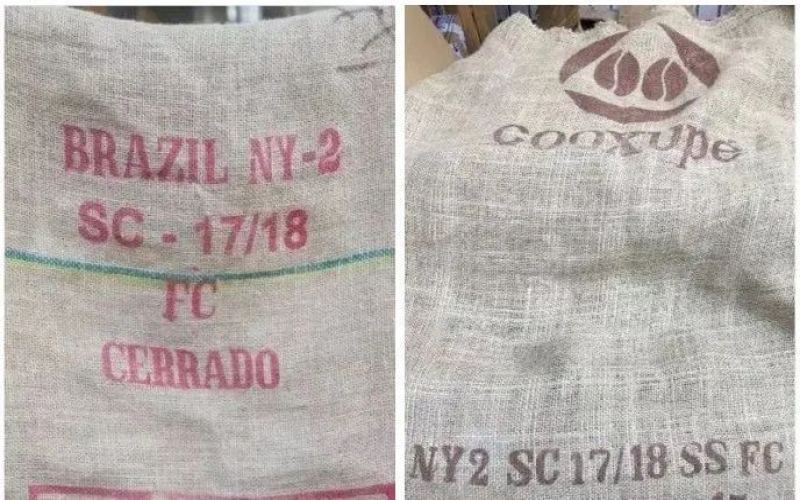
巴西咖啡生豆分级体系解析:从产区标识到NY2等级,为何没有NY1?
在巴西咖啡的麻包袋上,常常印着一串看似复杂的代号,例如“CERRADO NY-2 SC-17/18 SS FC”。这些字母与数字并非随意排列,而是巴西农业、畜牧业和供应部(MAPA)制定的生豆分级信息,涵盖了产区、瑕疵程度、颗粒目数、杯测表现和感官等级。其中,瑕疵分级以“NY”开头,却为何最高只到NY2,而没有NY1?这背后既有历史渊源,也与巴西咖啡的工业化生产特点密切相关。本文将逐一拆解这套分级体系,并介绍前街几款含巴西豆的经典意式拼配及其浓缩萃取参数。 [more…]
巴西咖啡生豆分级制度详解:意式浓缩与热美式的制作方法分享
巴西作为全球咖啡产量最大的国家,其生豆分级体系以麻包袋上的一串字母与数字来标示。本文将从产区标识、瑕疵分级NY2、目数SC、杯测等级SS与S、口感分级FC与GC等多个维度,系统解读巴西咖啡的分级逻辑与背后的原因。同时结合前街经典意式拼配咖啡豆,分享商用与家用场景下浓缩咖啡的萃取参数与操作步骤,并介绍以1:5比例稀释成热美式的饮用方式,帮助咖啡爱好者在家也能做出一杯风味均衡的巴西咖啡。 [more…]
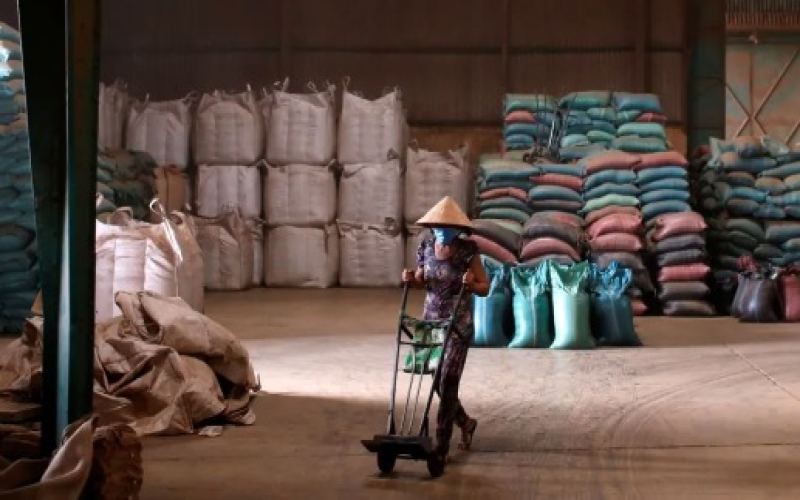
The coffee futures price breaks $4,000! The hoarding of Vietnamese coffee, supply shortages, and market speculation.
Recently, the Robusta coffee futures price has continued to rise, even reaching a record high of $4,339 per ton. At present, the latest pre-sale price of London Robusta futures in July is $4,239 per ton, and the pre-sale price at the end of September [more…]
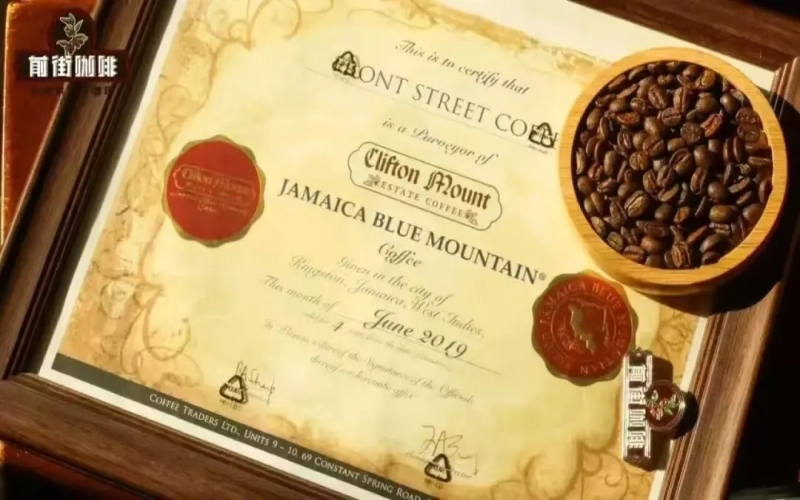
A Global Overview of Coffee Origins and Flavors: A Map of Famous Beans from Brazil Santos to Jamaica Blue Mountain
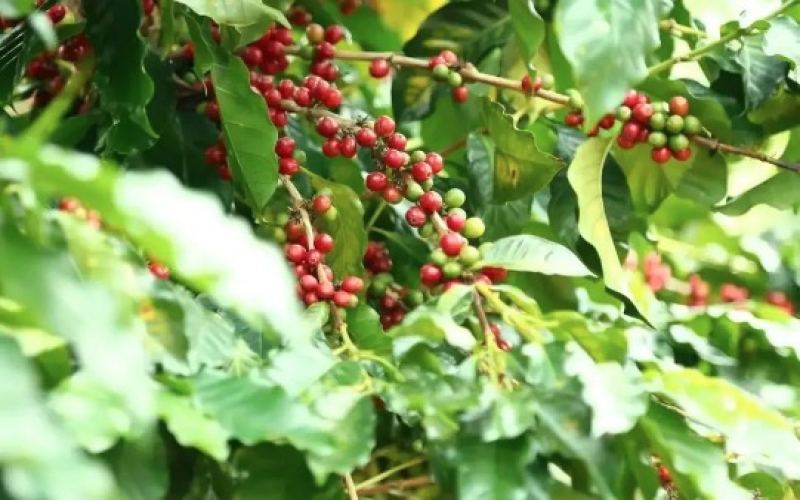
The flavor map of coffee spans three continents, and each producing region bears a unique imprint of its terroir. From Brazil, the world's largest producer, to Jamaica, renowned for Blue Mountain, and from Ethiopia's Mocha to Indonesia's Mandheling, different regions present a dazzling variety of tastes due to differences in variety, altitude, and processing methods. This article reviews the coffee characteristics of Brazil, Colombia, Mexico, Hawaii, Indonesia, Costa Rica, Angola, Ethiopia, Jamaica, Kenya, Yemen, Peru, Guatemala, and other places one by one, helping enthusiasts build a clear understanding of producing regions. 【Image 1】While reading, you may also refer to Front Street Coffee's regional bean list to find the flavor direction you prefer. [more…]