







Search Results for: Naisnow rebranding
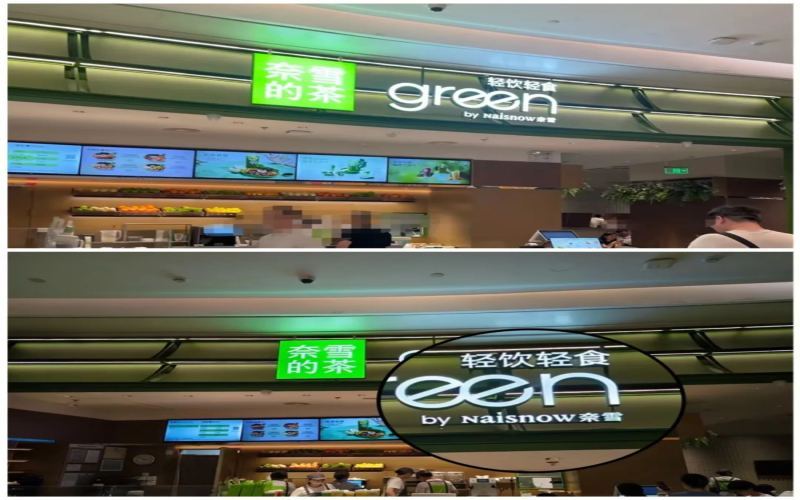
Nayuki store rebranding to "Naisnow Nayuki" sparks heated discussion, with the brand's multiple name changes and overseas expansion speculation becoming the focus.
The NAIXUE store in Bao'an Uniwalk, Shenzhen, debuted as the "second NAIXUE Tea · green light drinks and light meals store nationwide," but customers noticed that the wording on the light sign had changed from "by NAIXUE" to "by Naisnow NAIXUE." On social platforms, some netizens also shared that two stores had adopted the "Naisnow NAIXUE" name and a new snowflake-shaped logo, sparking widespread discussion. NAIXUE was originally called "Nayuki," but because it was often mistaken for a Japanese brand, it gradually changed to "NAIXUE" in 2023. Tianyancha shows that its parent company submitted 8 trademark applications in March this year, including "Naisnow NAIXUE." Netizens have mixed opinions on the new name. Some speculate that it is paving the way for overseas expansion, while others think it is neither Chinese nor Western, hard to remember and hard to pronounce. The new logo has also been said to resemble a biotech company or a software icon. Whether frequent brand name changes affect brand awareness has become a point of concern. [more…]
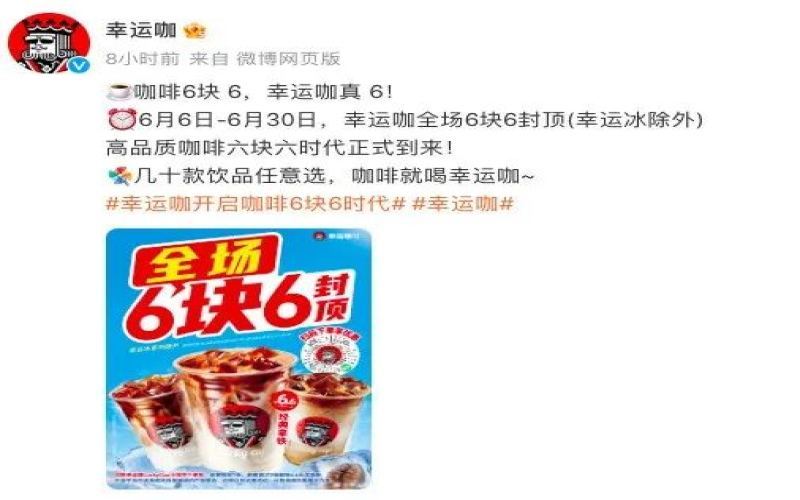
Why Did Lucky Cup Change Its Name to Lucky Mug? Rebranding of Multiple Store Signs in Zhengzhou Sparks Heated Discussion
The coffee market is in the thick of a 9.9 yuan price war, but Lucky Cup has taken a different tack by launching a 6.6 yuan promotion, drawing in plenty of thrifty consumers. However, some netizens in Zhengzhou have noticed that the signs of certain former Lucky Cup stores have actually changed to "Lucky Cup," yet the decor style and the poker king logo are completely identical to Lucky Cup's, making it hard to tell at a glance whether it's a rebranding or a counterfeit. Since Mixue Bingcheng's headquarters is in Zhengzhou and the official side has not responded, netizens are speculating that this may be a defensive move by the brand to prevent its registered trademark from being revoked due to three consecutive years of non-use. What exactly is the trademark strategy behind the name change? And how should consumers view it? [more…]
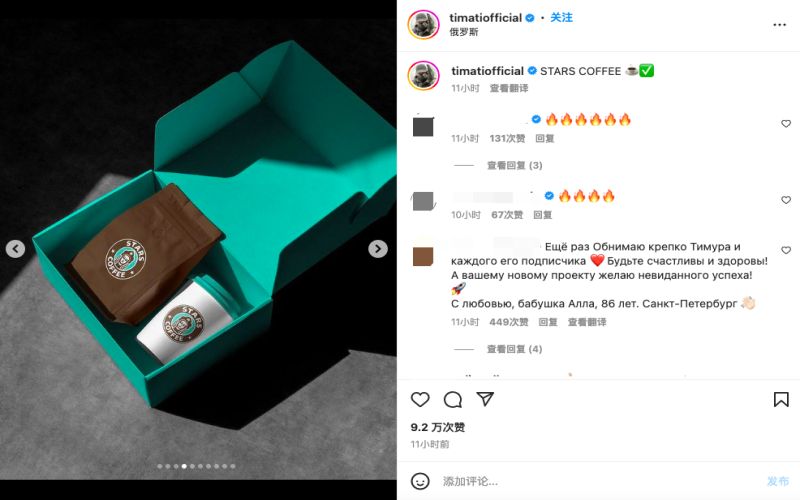
Russian version of Starbucks launches new brand STARS COFFEE, reappearing in Moscow on August 18
After Starbucks exited the Russian market, its assets were acquired by a local company and rebranded. On August 17, 2022, rapper Timur Yunusov revealed the new name "STARS COFFEE" and its logo on Instagram, and the official website went live simultaneously. The new brand replaced the mermaid logo with a girl wearing traditional Russian headwear, and officially opened in Moscow on August 18, with all 120 stores planned to resume operations by the end of September. The new stores no longer write cup names by hand, switching to thermal printing, and food has also become pre-made and heated. Marketing experts pointed out that the new owners are striving to maintain continuity between the old and new brands, but the effectiveness of the rebranding still needs to be tested by the market. Russian netizens have been discussing it extensively. [more…]
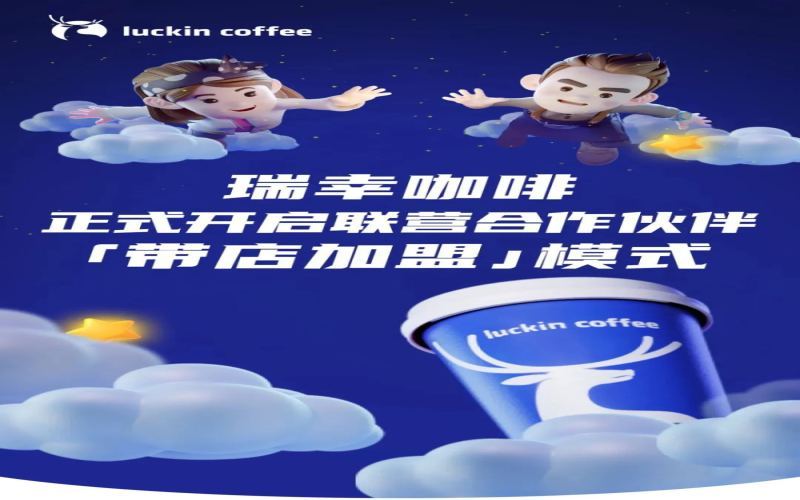
Luckin launches a new franchise strategy with existing stores, and franchisees of brands like Cotti may shift to rebranding their operations.
Luckin Coffee recently announced through its official WeChat account the launch of a "bring-your-own-store franchise" model, opening joint-operation partnerships to investors who are currently operating stores or own commercial properties. The policy has not yet disclosed specific franchise conditions or revenue-sharing plans, but it has clearly defined construction requirements such as store location, area, and storefront signage, and will initially cover 241 cities nationwide, with a focus on avoiding saturated tier-one and tier-two markets. This move is seen as helping Luckin seize more prime locations and attract investors who had originally planned to franchise with other brands such as Cotti to "switch banners" and join. Against the backdrop of ongoing cutthroat competition in the coffee market, Luckin has officially entered the era of 10,000 stores, accelerating expansion through a combined strategy of self-operation, joint operation, and bring-your-own-store franchising. [more…]

Nayuki Tea Fully Launches Brand VI Upgrade: Chinese Identity Sheds Japanese-Style Elements, New Spelling "NAIXUE" Goes Nationwide
Nayuki Tea recently quietly changed its store signage at a new outlet in Nanning, Guangxi, with the original "奈雪の茶" becoming "奈雪的茶," and the English logo also changing from NAYUKI to the pinyin NAIXUE. The company officially responded that this is an upgrade move for the brand's seventh anniversary and will be rolled out gradually nationwide. This new tea beverage brand, founded in Shenzhen in 2015 and listed in Hong Kong in 2021, is turning a new page in its eight-year brand history through a visual rebranding that removes Japanese-style elements. Since June this year, its parent company has intensively applied for multiple NAIXUE trademarks, and the signage replacement work at nearly a thousand directly operated stores nationwide has already begun. [more…]
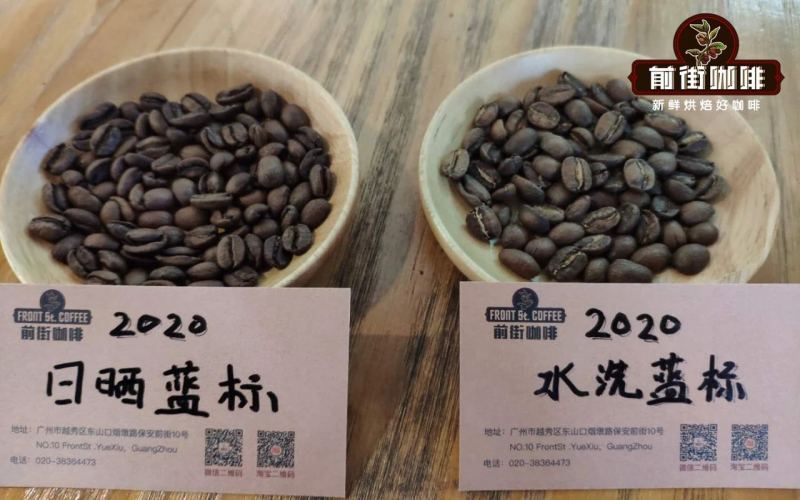
Hacienda La Esmeralda Blue Label Geisha Renamed Las Rocas? 2021 Pour-Over Recipe and Volcanic Rock Flavor Full Analysis
In 2020, Hacienda La Esmeralda introduced a natural process for its Blue Label Geisha, delighting many coffee lovers; however, in 2021 the estate announced that it would retain only the Red Label and Green Label series, and the Blue Label seemed to quietly exit the stage. Just as speculation was rife, a batch of Panamanian Geisha named Las Rocas quietly appeared on the market, and according to Front Street Coffee, this is precisely the rebranded Esmeralda Blue Label batch. This article sorts out the grade classifications and flavor differences among Hacienda La Esmeralda's Red Label, Green Label, and Blue Label, reviews the whole story of the Blue Label's "disappearance" and "reappearance," and introduces the washed processing characteristics and pour-over approach for this Las Rocas Volcanic Rock Geisha, providing coffee fans who love Blue Label Geisha with a complete reference for purchasing and brewing. [more…]
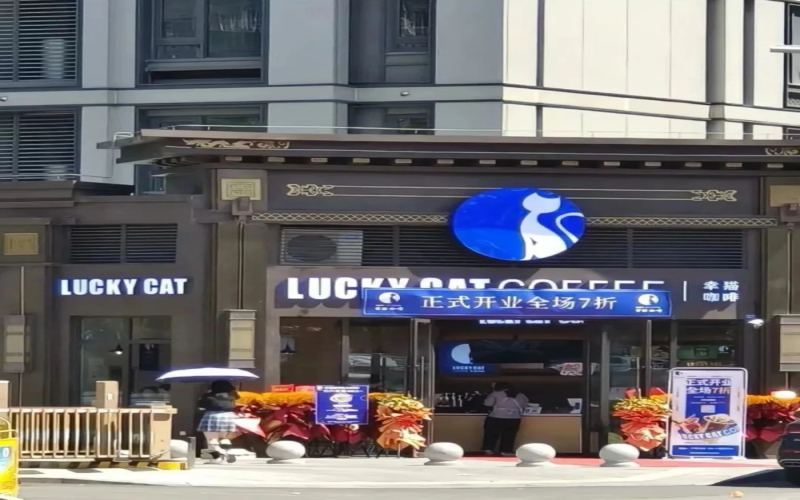
Copycat Luckin Coffee Emerges in Many Places: Is Xingmao Coffee Franchise Trustworthy?
Recently, a knockoff brand highly similar to Luckin Coffee has been appearing in multiple cities — Lucky Cat Coffee (LUCKY CAT COFFEE). The brand is extremely close to Luckin in visual design, store decoration, and even staff attire, sparking heated discussion among netizens. Lucky Cat Coffee has been springing up across the country since April this year, and many consumers mistakenly believed it was a rebranding or sub-brand of Luckin. Although Luckin has officially responded, discussions about whether Lucky Cat Coffee is legitimate and whether it can be franchised continue. This article will sort out the sequence of events and remind entrepreneurs to be cautious when choosing a franchise brand, so as to avoid losses caused by an unstable brand foundation. [more…]
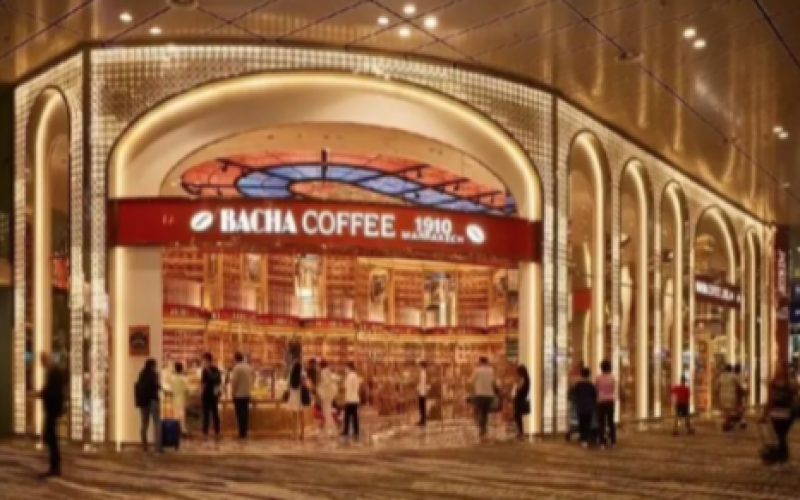
Singapore luxury coffee brand Bacha Coffee plans to enter the Beijing and Shanghai markets, expanding its footprint in China
Singapore luxury coffee brand Bacha Coffee recently announced that it will accelerate its international expansion over the next three years, with plans to open physical stores in Beijing and Shanghai. Originating from Morocco with a century-long history, this brand is hailed as the "Hermès of coffee" and is renowned for its 100% Arabica coffee beans and more than 200 coffee choices. Its products are priced up to three times higher than Starbucks, with the most expensive coffee beans selling for over 6,000 RMB per 100 grams. The brand has already opened a Tmall flagship store in China and will officially launch physical stores next year. [more…]
Starbucks Signals a Return to Russia? A Flurry of Trademark Registrations Sparks Market Attention and Speculation
Recently, Starbucks was reported to have filed multiple trademark registration applications with the Russian Federal Intellectual Property Office, covering core brand identifiers such as "Starbucks Coffee" and "Frappuccino," as well as related categories including instant coffee, beverage preparation, and membership management. This move quickly sparked speculation about whether the company plans to return to the Russian market. After exiting Russia in 2022, Starbucks' assets in the country were acquired by a local company and rebranded as "Stars Coffee," and a trademark legal dispute between that brand and Starbucks still persists. Over the past two years, Russia's coffee market has undergone significant changes, with intensified competition, shifting consumer habits, and continued uncertainty in the political and economic environment. Even if Starbucks returns, it may not be smooth sailing. So far, there has been no official response. [more…]

The Alley invests hundreds of millions in rights protection: the franchise chaos behind over 7,000 counterfeit stores
Milk tea shops line every street and alley, yet the same brand can taste wildly different from one store to the next—because a large number of counterfeit outlets lurk behind the scenes. The genuine The Alley has only just over a hundred directly operated stores, while copycat versions number more than seven thousand, forcing the brand to spend hundreds of millions fighting counterfeits. Many entrepreneurs naively trust online franchise information and fall into copycat traps, losing anywhere from hundreds of thousands to over a million yuan. This article reviews trademark infringement cases reported by CCTV, exposing the common tricks of counterfeit franchising, as well as the story of how Heytea was forced to change its name because of rampant imitation, reminding consumers and entrepreneurs to keep their eyes open. [more…]
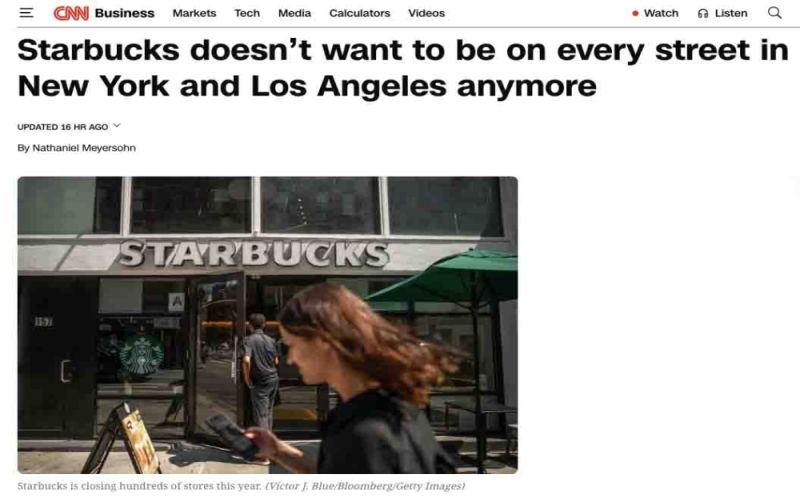
Starbucks Shuts Down About 400 Urban Stores Across the U.S., Shifting Strategic Focus to Suburbs and Store Experience Upgrades
Starbucks is undergoing a profound strategic adjustment. According to foreign media reports such as CNN, this coffee chain giant has closed about 400 stores across the United States, mainly concentrated in core areas of major metropolises such as New York and Los Angeles. New CEO Niccol has made it clear that the company will no longer pursue high-density coverage of urban stores. At the same time, Luckin Coffee is actively expanding in New York, having already opened 9 stores and continuing to scout locations, including some small-format grab-and-go stores that Starbucks has vacated. Starbucks responded that intensifying competition, the spread of remote work, population loss in major cities, and rising operating costs are the main reasons for the adjustment; in the future, it will increase its focus on suburban markets and plans to renovate 1,000 stores within a year to enhance the spatial experience. [more…]
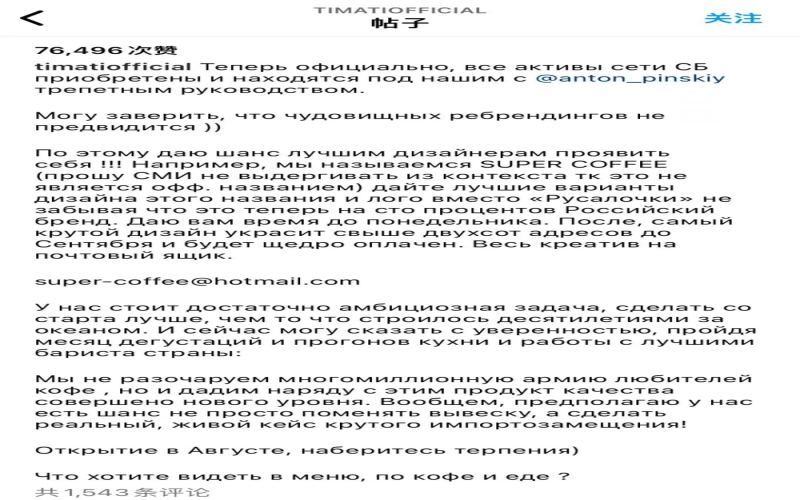
Starbucks Russia Business Changes Hands: Pinskiy&Co Completes Acquisition, New Brand's First Store to Debut in August
The fate of Starbucks in Russia has finally been settled. From suspending operations in March of this year to announcing its exit from the market in May, 130 stores were once at a standstill. At the end of July, Russian rapper Timati announced via social media that the local catering company Pinskiy&Co had successfully completed the acquisition of Starbucks' assets in Russia. The new brand name and logo have not yet been determined, but the first store is scheduled to open in August, and the number of stores will exceed 200 by September. What are the details behind this acquisition? How will the new brand make a fresh start? This article takes you through the entire course of events. [more…]
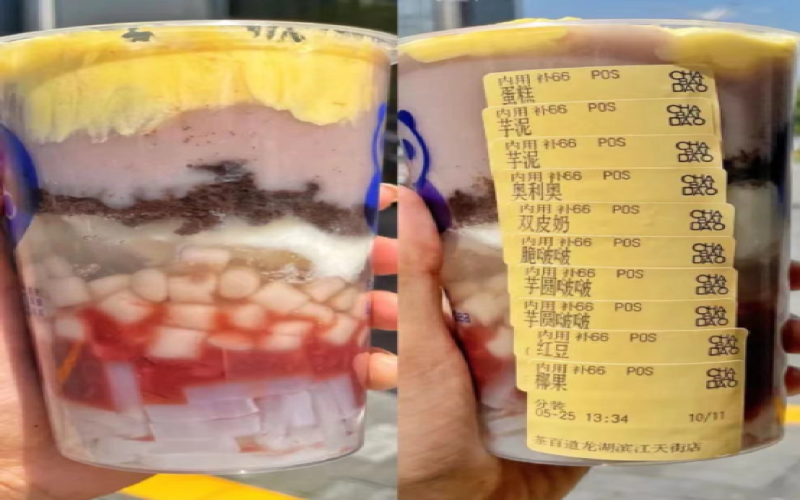
Under the cross-industry beverage trend, the boundary between coffee and milk tea is becoming increasingly blurred, and a blind taste test reveals that nearly half of consumers struggle to tell them apart accurately.
These days, walking into any beverage shop, the variety on the menu is always dazzling. Boba shops are selling porridge, cafes surprisingly offer lemon tea, and industry competition has long entered a white-hot stage. More noteworthy is that the boundary between coffee and milk tea is being continuously broken: oats, fermented rice, thick milk, and osmanthus are all being added to coffee, the traditional bitter taste is weakened, and the flavor is moving closer to milk tea. A science blogger on Weibo once organized a blind test, asking participants to distinguish between coffee and milk tea with similar flavors, and surprisingly nearly half of the people could not accurately tell them apart. Coffee's localization and youth-oriented strategies, the migration of childhood milk tea memories, and various novelty pairings have jointly driven this trend. This article takes you to explore the phenomenon of coffee becoming more like milk tea and the logic behind it. [more…]
Unmasking the True Identity of Geisha 1500 and Emerald Estate Blue Label Geisha Volcanic Rock Coffee Beans
What exactly does Geisha 1500 refer to? And what is its relationship with Hacienda La Esmeralda's Blue Label Geisha? In 2020, Hacienda La Esmeralda added a natural process to its Blue Label series, which briefly made enthusiasts cheer for the arrival of an era of affordable Geisha; however, in 2021 the estate officially announced only the Red Label and Green Label, and the Blue Label seemingly disappeared, sparking much speculation. It was not until late September of the same year that a batch of Panamanian Geisha named Las Rocas appeared, and according to Front Street Coffee, it was in fact the reincarnation of Hacienda La Esmeralda's Blue Label batch. This article will sort out the classification standards and flavor differences of Hacienda La Esmeralda's Red Label, Green Label, and Blue Label, and reveal the truth behind the Blue Label's makeover, while also introducing the Esmeralda Red Label and Green Label Geisha that Front Street Coffee has supplied year-round, making it easier for readers to make a purchase. [more…]
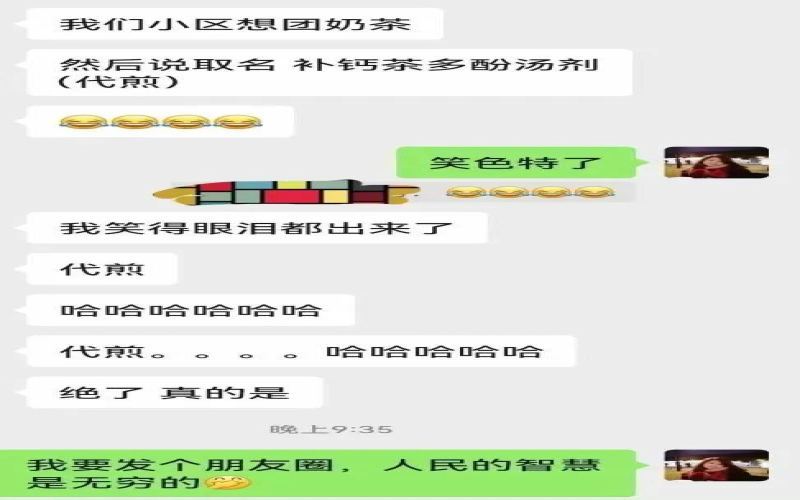
Investigation into the Cross-Province Overnight Delivery of 8,000 Cups of Yidian Dian Milk Tea to Shanghai: The High-Price Resale Chain and Food Safety Risks
During the May Day holiday, "group leaders" in several Shanghai communities organized group buys of a Little Tea, with over 8,000 cups of drinks transported across provinces from out-of-town stores, arriving in consumers' hands overnight or even after nearly 24 hours. The group-buy price was double the official price, and the resellers were accused of profiting about 250,000 yuan. The total bacterial count in these milk teas rose sharply over time at room temperature, and some consumers developed gastroenteritis symptoms after drinking them. The Little Tea brand later issued a statement expressing shock at the high-priced reselling and reminding consumers to choose compliant channels carefully. This article reviews the course of the incident, the food safety data, and responses from all parties, while also offering coffee lovers Front Street Coffee's professional purchasing advice. [more…]