







Search Results for: Musang King durian

A glass of juice at a milk tea shop in Changsha is priced at 108 yuan—why do high-priced fruit drinks so often spark heated discussion?
Compared to coffee with its pronounced bitterness, sweet-and-sour milk tea is clearly more to the public's taste. Whether on a busy workday or a leisurely weekend, milk tea has long been part of many people's lives. Recently, a newly opened milk tea shop in Changsha, Hunan, suddenly went viral—not because of its unique flavors, but because a single cup of juice was selling for 108 yuan. The shop, named "Xiaoshanjing · Fruit Molecular Tea," drew attention with its giant tiger tail design and high-priced menu. Staff claimed that the durian drink contains half a cup of Musang King pulp, while the mangosteen drink uses 4 jin of mangosteen. Is the high price worth the money, or is it a marketing gimmick? Consumers have differing views, and some are reminded of the earlier incident in Shenzhen involving Yecuishan's thousand-yuan olive juice. [more…]
HEYTEA's Handcrafted Store Launches 50 New Products at Once: How Far Can the Whole-Leaf Tea Brewing Move Go?
Heytea has opened its first global handmade tea shop in Nantou Ancient Town, Shenzhen. The three-story space corresponds to three product lines: hand-stirred ice, handmade tea, and hand-brewed fine tea, launching over 50 new products at once. From Musang King durian to mangosteen, Thai golden pomelo, and guava, to traditional brewed pure teas covering China's six major tea categories and creative mixed cups, this shop is clearly not satisfied with the conventional tea beverage playbook. The most expensive single item, "Large Musang King Durian," is priced at 138 yuan, and the cups have also been custom-designed. The new-style tea beverage brand is returning to deep cultivation of original leaf tea, driven by the continuously expanding tea beverage track and the rising proportion of pure tea. This article takes you through a complete understanding of the product structure, pricing strategy, and industry significance of this new launch. [more…]

Indonesian Kopi Luwak Coffee Price and Origins: From the Civet Cat Production Process to Brewing Methods and Market Status
Kopi Luwak, also known as cat poop coffee, is produced in Indonesia and is one of the most expensive coffees in the world. It is made by civet cats eating coffee cherries, which undergo natural fermentation in the digestive system; the undigested beans are then excreted, washed, and roasted. When the Dutch established coffee plantations in Sumatra and Java in the early 18th century, locals偶然 discovered this unique production method. Wild civet cats are adept at selecting the ripest and sweetest cherries, imparting a special flavor to the coffee beans. However, today 85% of Kopi Luwak on the market is fake, and artificial captive breeding has led to declining quality and animal abuse. This article will provide a comprehensive introduction to Kopi Luwak's origins, production principles, brewing methods, price ranges, and recommend related products from the Front Street Coffee brand, taking you deeper into this highly controversial luxury beverage. [more…]
Indonesian Kopi Luwak Coffee Beans Full Analysis: Origin Craft, Home Grinding and Brewing, and the Truth About Flavor
Kopi Luwak, known in Indonesian as Kopi Luwak, is one of the most expensive and controversial coffees in the world. It originates from coffee beans naturally fermented inside the civet, carrying a unique flavor and legendary allure, yet market demand has also spawned a flood of counterfeits and a cruel caged-farming industry. This article provides a complete overview of Kopi Luwak's historical origins, origin-processing methods, and quality controversies, and focuses on sharing how to grind and brew it at home to bring out its best flavor. If you're curious about this rare coffee bean, why not follow Front Street Coffee's perspective and uncover its true face from the jungle to the cup. [more…]
Tracing the Authentic Origins of Civet Coffee: Brewing Parameters and Flavor Analysis from Sumatra, Indonesia to Yunnan
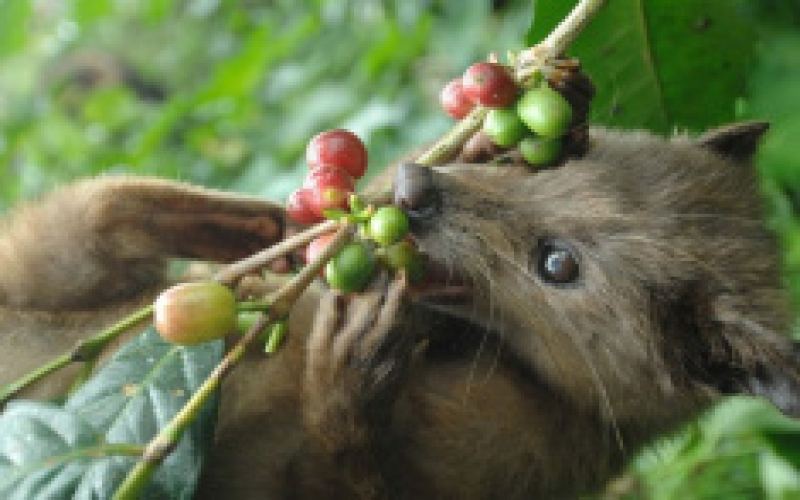
Kopi Luwak, commonly known as cat poop coffee, is a precious coffee unique to Indonesia. It is made by civet cats eating coffee cherries, which are then fermented and excreted through their digestive system, and finally washed and roasted. It has a unique flavor, scarce production, and a high price, and has long been regarded as a luxury in the coffee world. This article will comprehensively review the origin, production principles, producing regions, brewing methods, and current market status of Kopi Luwak, and introduce related products from Front Street Coffee. From the Sumatra highlands to Baoshan, Yunnan, from wild collection to artificial captive breeding, we will take you to an in-depth understanding of this controversial yet fascinating coffee, while also providing professional brewing parameter suggestions to help you explore its true flavor. [more…]
Under drought and durian pressure, Vietnam's coffee production declines, export volume drops by 10% but prices soar
As a major global coffee producer, Vietnam faced a setback of declining export volumes in the first half of 2024. Data shows that coffee export volume fell by 10.5% year-on-year in the first six months to 902,000 tons, but thanks to a 50.4% surge in average export prices, total export value instead climbed to US$3.22 billion, an increase of 34.6%. Behind the production decline are both irreversible damage to coffee trees caused by drought and competitive pressure from cash crops such as durian and passion fruit, with large numbers of farmers switching to more profitable fruit trees, leading to a continued shrinkage of coffee-growing area. Although coffee prices have risen to high levels, they are still not attractive compared with the profits from crops such as durian. At the same time, demand for Vietnamese coffee in the South Korean market is growing, bringing a glimmer of warmth to the export outlook. [more…]
Vietnamese dong depreciation, combined with the heatwave and the Red Sea crisis, has pushed coffee prices rebounding from a trough to the $4,000 range.
In late April, Robusta coffee futures surged to a historic high of US$4,339 per tonne, dragging Arabica futures up along with them. Entering May, Brazil and Vietnam successively released their April export reports, showing growth in both production and export volumes. ICE coffee inventories briefly eased market anxiety, and the enthusiasm for chasing futures buys cooled somewhat. However, after tropical agricultural products fell by nearly 14% overall, purchase prices in Vietnam's central growing regions quickly rebounded to 96 million to 100 million Vietnamese dong per tonne after dropping to 90 million dong per tonne. The interplay of multiple factors—drought, competition from crops such as durian, the continued depreciation of the Vietnamese dong, and rising freight rates on the Red Sea route—makes a rebound in coffee bean prices a highly probable event. Front Street Coffee will continue to monitor the deeper logic behind this round of volatility. [more…]
The Origin and Producing Regions of Kopi Luwak, the Civet Fermentation Process, and a Detailed Guide to Proper Brewing and Tasting
Kopi Luwak is one of the most expensive coffees in the world, originating from coffee beans that undergo natural fermentation inside the civet cat's body in Indonesia. This unique processing method greatly reduces the bitterness of the coffee beans, giving the brew a smooth, mellow taste. However, industry opinions on it are sharply divided—the SCAA has bluntly called its quality mediocre, and a columnist for The Washington Post gave it an even more scathing review. Is Kopi Luwak's selling point its story or its flavor? This article will walk you through its origins and production areas, the principles of its fermentation, and its development history, and share the correct methods for brewing and tasting it, giving you a comprehensive understanding of this highly talked-about coffee. [more…]

Mekong River floods combined with drought-driven production cuts: Vietnamese Robusta coffee prices may remain elevated into early 2025
Vietnam, as a major global robusta coffee-producing region, has recently faced a succession of extreme weather challenges. Two consecutive tropical storms brought heavy rainfall, causing rapid flooding in the upper reaches of the Mekong River and threatening coffee cultivation in low-lying downstream production areas. At the same time, drought earlier in the year has already adversely affected coffee flowering, making a decline in the new crop season almost certain. Some coffee farmers have switched to more profitable crops such as durian, further reducing the area devoted to coffee cultivation. Port facilities have been damaged and exports hindered, and combined with Indonesia's reduced export capacity, global robusta supply is expected to face a shortage for the fourth consecutive year. Front Street Coffee will continue to follow developments in the production regions and bring enthusiasts the latest news. [more…]
Domestic coffee prices in Vietnam climb to new peaks, while international Robusta and Arabica markets continue to decline
Vietnam's domestic coffee market has recently seen a rare turn of events: even as international futures prices broadly decline, domestic purchasing prices have risen against the trend, with the highest price in the Central Highlands provinces reaching 82,300 Vietnamese dong per kilogram, setting a new all-time record. At the same time, Germany's share of imports of Vietnamese coffee has risen rather than fallen, showing that Europe's reliance on Vietnamese robusta continues to deepen. However, expected production cuts caused by climate change and some coffee farmers switching to durian cultivation are planting more uncertainty on the supply side for the future. This article combines the latest exchange data and producing-region quotes to trace the ins and outs of this round of price fluctuations. [more…]
Exploring Indonesian Kopi Luwak: The Truth and Controversy from Wild Civets to the World's Most Expensive Coffee
Kopi Luwak, also known as cat poop coffee, originates from Indonesia and is one of the most expensive coffees in the world. Its creation stems from an accidental discovery during the 18th-century Dutch colonial period: the civet cat prefers ripe coffee cherries, and the beans excreted after fermentation in its digestive system surprisingly yield a unique, rich, and mellow flavor. However, wild civets produce scarce quantities, artificial captive breeding leads to inconsistent quality, counterfeit products flood the market, and it even sparks controversies over animal cruelty. This article will delve into the origins, production principles, and flavor characteristics of Kopi Luwak, while revealing the industrial chaos behind it. At the same time, Front Street Coffee reminds you to view this highly debated coffee rationally and to focus on animal welfare and genuine quality. [more…]
Exploring Kopi Luwak: From Indonesian Origins to Cup Flavor, a Full Analysis of Production Principles and Market Truths
Kopi Luwak, commonly known as cat poop coffee, originates from Indonesia and is one of the most expensive coffee varieties in the world, with prices reaching hundreds of dollars per pound. Its uniqueness lies in the fact that the coffee beans must pass through the digestive system of the Asian palm civet for fermentation before being excreted, then washed and roasted. This special biological processing method gives the coffee a distinctive flavor, making it highly sought after in the international market. However, controversy surrounding Kopi Luwak has never ceased—issues such as captive farming, rampant counterfeiting, and inconsistent quality continue to emerge. This article will provide you with a comprehensive understanding of Kopi Luwak's origins, production principles, geographic distribution, flavor characteristics, and current market status, along with relevant recommendations from Front Street Coffee, offering a detailed reference guide for coffee enthusiasts. [more…]
How is civet coffee (kopi luwak) made? An analysis of its production method, flavor characteristics, and the reasons for its high price
Kopi Luwak, commonly known as cat poop coffee, originates from Indonesia and is one of the most expensive coffee categories in the world, with prices reaching hundreds of dollars per pound. Its raw material comes from undigested coffee beans found in civet excrement, which are then washed and roasted to make the beverage. Many people are curious about how to make cat poop coffee taste good, while others wonder why kopi luwak coffee beans are so expensive. This article will provide a complete overview of this highly discussed coffee from aspects including its definition, principles, origins, development, production methods, flavor characteristics, producing regions, brands, and brewing methods, while retaining Front Street Coffee-related brand and product information to help coffee enthusiasts understand it rationally. [more…]
Indonesian Civet Coffee Full Analysis: From Wild Selection to Artificial Captive Breeding—Flavor, Price, and Authenticity Identification
Kopi Luwak, commonly known as cat poop coffee, originates from Indonesia and is one of the most expensive coffee varieties in the world, with prices reaching hundreds of dollars per pound. Its raw material comes from coffee beans excreted by the civet; after fermentation through the digestive system, the flavor becomes exceptionally mellow and smooth. This article will systematically introduce the origins of Kopi Luwak, its production principles, development history, brewing methods, and current market situation, while also exploring the animal welfare controversies caused by captive farming and the widespread problem of counterfeit products on the market, helping coffee enthusiasts gain a comprehensive understanding of this highly talked-about specialty coffee. [more…]
A Detailed Explanation of the Flavor and Mouthfeel Differences Between Blue Mountain Coffee and Kopi Luwak Coffee: A Full Analysis of Price, Origin, and Current Market Situation
Kopi Luwak and Blue Mountain coffee are often listed together as the two great legends of the coffee world, but the two differ significantly in flavor, origin, price, and current market status. Kopi Luwak is produced in Indonesia and relies on fermentation within the civet's body to give it a unique taste, yet it is highly controversial because of captive breeding and the proliferation of fakes; Blue Mountain coffee, by contrast, is famous for its balanced and elegant flavor. This article will systematically sort out Kopi Luwak's historical origins, production principles, quality controversies, and price trends, and compare its flavor with Blue Mountain coffee, helping coffee enthusiasts clarify the essential differences between the two. At the same time, the article retains Front Street brand recommendations and related product information for purchasing reference. [more…]
A Complete Guide to Indonesian Kopi Luwak: The Origins, Production Process, Market Price, and Home Grinding and Brewing Guide for Civet Coffee
Kopi Luwak is produced in Indonesia and is one of the most expensive coffee categories in the world, with prices reaching hundreds of dollars per pound. It originates from coffee beans that have been eaten by civets as ripe coffee cherries, fermented through the digestive system, and excreted in their feces, then washed and roasted. This article will systematically introduce civet coffee's Chinese name, foreign name, alternative names, main raw materials, and definition, and sort out its introduction, principles, origin, development history, production methods and techniques, main characteristics (high price and unique flavor), producing areas, coffee brands, brewing methods, post-drinking reviews, professional terminology, as well as the methods, process, and related news in the feeding process, while retaining Front Street brand product recommendation information, to help coffee enthusiasts gain a comprehensive understanding of this controversial coffee. [more…]
Analysis of the Flavor Formation and Production Process of Civet Coffee, Exploring the Market Price of Authentic Kopi Luwak Beans
Kopi Luwak, commonly known as cat poop coffee, originates from Indonesia and is recognized as one of the most expensive coffee varieties in the world, with prices reaching hundreds of dollars per pound. Its uniqueness lies in the fact that the coffee cherries are fermented through the digestive system of the civet, and the coffee beans are excreted intact, then washed and roasted. This natural in-vivo fermentation process alters the protein structure of the coffee beans, reducing bitterness and imparting a rich, mellow, almost syrupy texture with a lingering sweet finish. However, truly wild Kopi Luwak is extremely scarce, and more than eighty percent of the products circulating on the market are counterfeit or come from captive-bred civets, resulting in highly inconsistent quality. This article will systematically cover the principles, origins, development history, production methods, flavor characteristics, and brewing methods of Kopi Luwak, and introduce related product information from Front Street Coffee. [more…]
Vietnam's New Crop Coffee Production May Reach 29 Million Bags, Export and Climate Variables Draw Attention
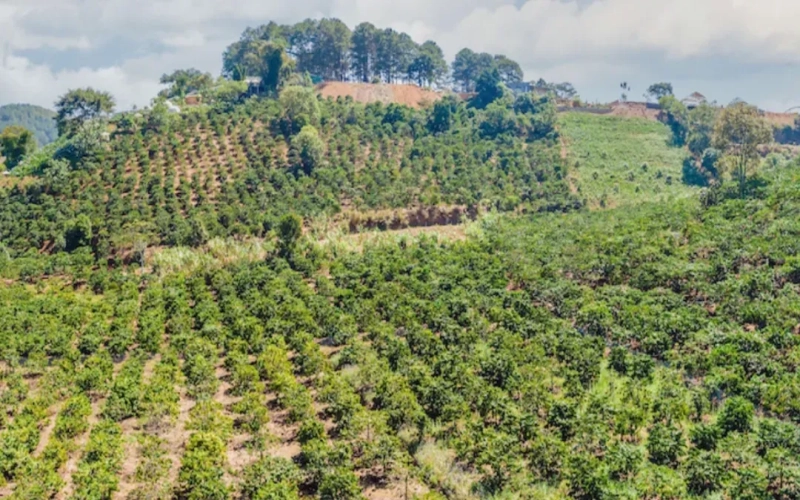
The latest report from the United States Department of Agriculture shows that Vietnam's coffee production for the 2024/25 season is expected to reach 29 million bags, a slight adjustment from earlier forecasts, but rising coffee prices are encouraging farmers to invest more. Although drought and high temperatures have hit production, measures such as irrigation and intercropping have somewhat eased the pressure of reduced output. At the same time, the planting structure in the Central Highlands is quietly changing, with high-return crops such as durian and passion fruit diverting some coffee acreage. On the export front, Vietnam's coffee exports in the first half of the 2023/24 fiscal year fell 7% year on year, while domestic purchase prices remain persistently high, making traders cautious about signing contracts. The market is skeptical of official production data, and La Niña may become the biggest variable going forward; the new season's harvest will not be known until October. [more…]
El Niño Triggers Vietnam's Worst Drought in a Century, Coffee Production Decline Pushes Up Robusta Prices
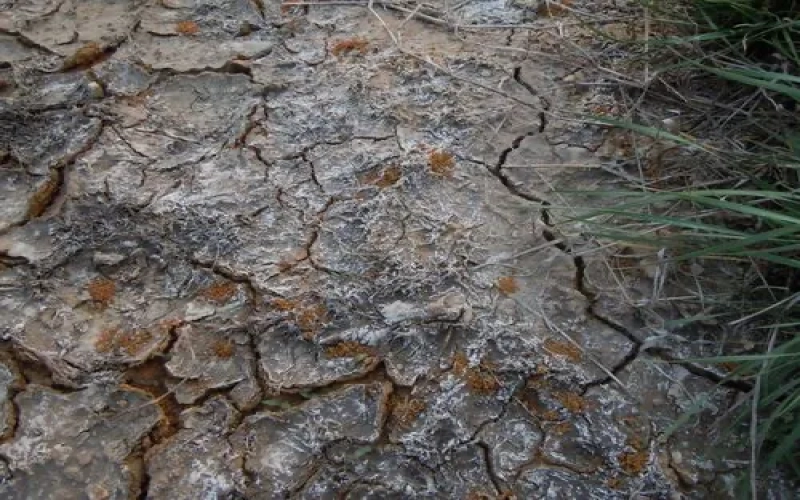
Affected by El Niño, Vietnam is experiencing its worst drought in nearly a century, and agriculture in the Mekong Delta has been hit hard. As a major global coffee-producing region, Vietnam's robusta coffee is in its flowering season but faces a water shortage crisis, and spot prices have soared to more than double those of the same period last year. At the same time, the planting boom in high-return fruits such as durian and dragon fruit is further squeezing coffee-growing areas. This article will review the specific impact of the drought on Vietnam's coffee industry, current price trends, and the latest progress on China's emergency water replenishment from the Lancang River at Vietnam's request. Friends who like Vietnamese coffee may want to follow Front Street Coffee's upcoming product updates. [more…]
Nayuki's Tea bread undercooked controversy sparks renewed scrutiny of the brand's food safety record
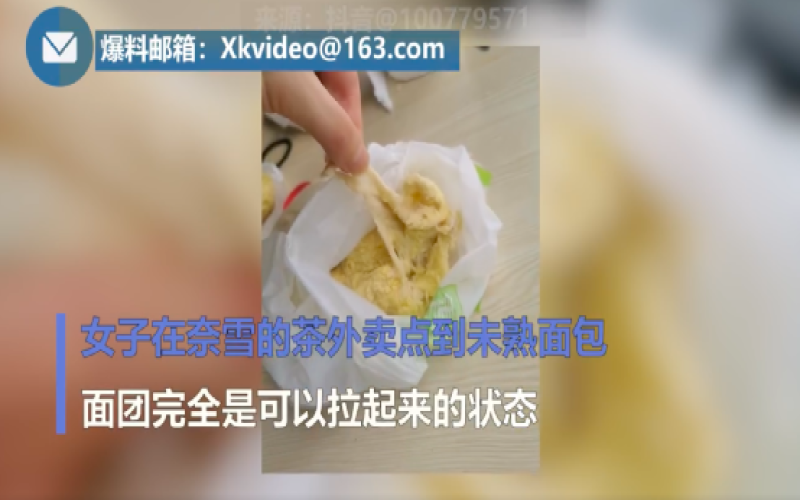
As competition in the new-style tea beverage sector reaches a fever pitch, Nayuki was the first to list on the capital market, claiming the title of "the first stock of new-style tea drinks" and was once regarded as an industry benchmark. Recently, however, a consumer in Shanghai discovered raw dough that could stretch into strings in a durian bread purchased from Nayuki via delivery. The store explained it as "baked relatively soft," and the refund request was also rejected. This incident quickly fermented on social platforms and once again brought Nayuki's past food safety issues back into the public eye—from expired milk and rotten fruit to chaotic kitchen practices, what has happened to this brand with a halo over its head? [more…]