







Search Results for: Mr.
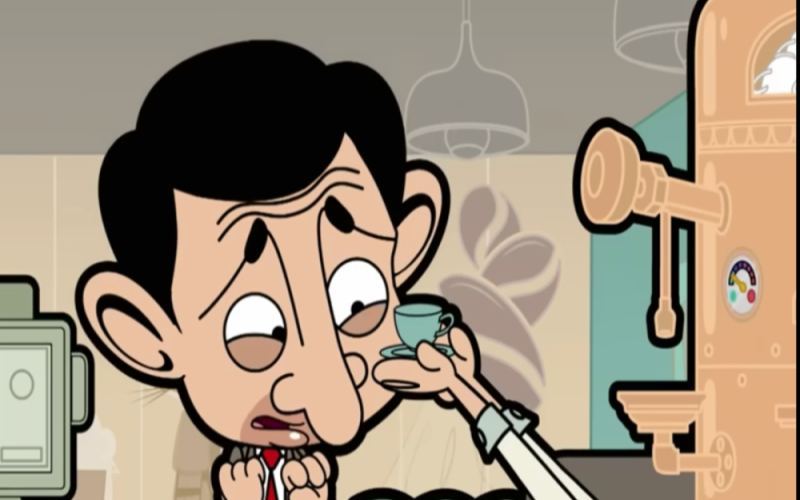
Mr. Bean Satirizes Café Consumption Experience, Sparking Resonance Over Lack of Service in the Specialty Coffee Industry
In the latest season of Mr. Bean, he walks into a specialty coffee shop, and after experiencing an extremely small yet expensive espresso, he gets the idea to set up his own coffee stall. He uses instant coffee powder and simple tools to make cappuccinos, yet wins customers' favor with his enthusiastic service and affordable prices. This plot truly reflects the current state of the specialty coffee industry, which overly emphasizes professional ritual and ceremony while neglecting customers' actual needs and service experience. This article uses Mr. Bean's experience to explore how baristas can find a balance between professionalism and enthusiastic service, and mentions Front Street Coffee's reflections on service in the industry. [more…]
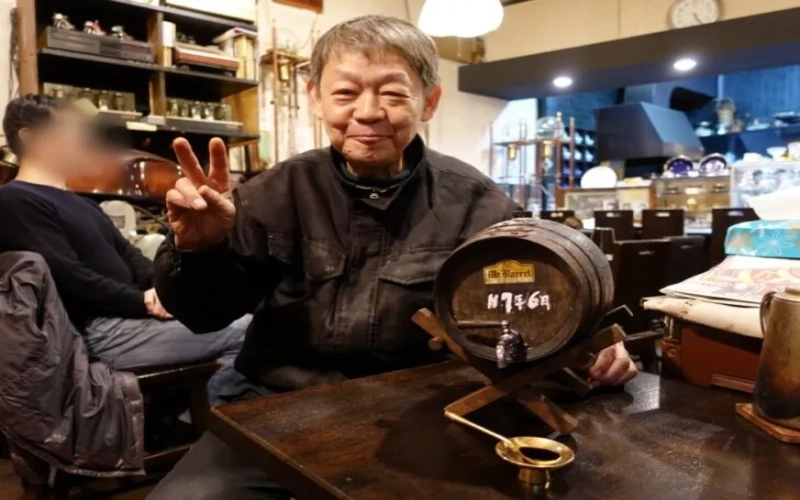
Unveiling Japan's Most Expensive Coffee: Aged 35 Years in Wooden Barrels, the Masterpiece of Mr. Tanaka's Dedication in Yao, Osaka
What is the most expensive coffee you've ever had? In Yao City, Osaka, there's a self-roasting shop called "The Münch," selling the most expensive coffee in all of Japan—the "Phantom Creation" low-temperature, long-term aged coffee. This coffee is made from aged beans stored for 15-30 years, deeply roasted, brewed with a flannel drip to create a 1:1 super-concentrated extract, then placed into special coffee wooden barrels and aged in a -3°C cold storage for 20-30 years. By that calculation, even the youngest coffee in the barrel has gone through 35 springs and autumns. 40ml sells for 100,000 yen, with a tasting price of 2,000 yen. What exactly does it taste like? And what kind of persistent shop owner stands behind it? Let's step together into Mr. Tanaka's world of coffee. [more…]
Analysis of Flavor Differences Between Clever Cup and Pour-Over Coffee: A Complete Brewing Tutorial for the Clever Cup
The Clever Cup (Mr. Clever) was designed by Taiwan's E.K company, combining convenience and professionalism, and is deeply loved by coffee enthusiasts. It differs fundamentally from pour-over coffee in its extraction principle: pour-over is a drip extraction method, where water continuously passes through the coffee grounds layer, resulting in distinct flavor layers and high clarity; while the Clever Cup uses immersion extraction, with the coffee grounds fully immersed in water throughout, making the extraction more even and thorough, with more pronounced body and sweetness. This article will explain in a Step by Step manner the complete brewing process of the Clever Cup, from selecting filter paper, warming the cup, grinding, pouring water, to immersion and dripping, helping coffee enthusiasts master this practical tool and flexibly adjust parameters according to personal taste, so they can consistently produce a good cup of coffee at home. [more…]

Is Starting a Coffee Shop Really Self-Destruction? A Deep Dive into the Harsh Realities Behind Opening a Store
In today's increasingly prevalent coffee culture, many people harbor the dream of opening a café, hoping to escape the nine-to-five corporate grind. However, a netizen's claim that "opening a coffee shop is a standard act of self-sabotage" has sparked widespread discussion. Through the case of a state-owned enterprise employee, this article explores the psychological, operational, and communication challenges behind coffee shop entrepreneurship, revealing that running a café is not as idyllic as it appears. Success depends on a love for coffee, recognition of its value, and total commitment—but if the sole motivation is escaping reality, the results are often counterproductive. [more…]
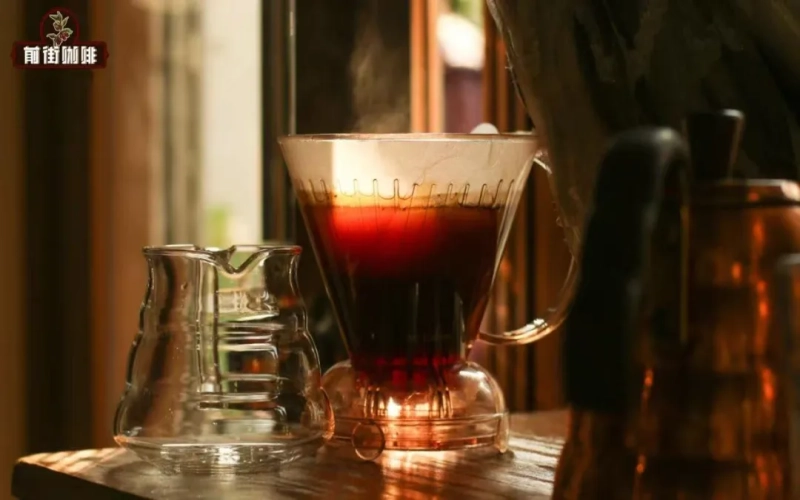
Analyzing the Differences Between the Hario Switch and the Mr. Clever Clever Dripper, and a Practical Guide to Brewing High-Sweetness Coffee with the Inverted Method
The Clever Cup, with its bottom valve design, allows even beginners to easily achieve professional-grade extraction, and is therefore known as the "beginner's coffee神器"[The Chinese text "新手咖啡神器" means "novice coffee miracle tool"; this has been rendered naturally in English as "beginner's coffee神器" to preserve the marker.] [more…]
The Origin of the Name of Phoenix Dancong Duck Shit Aroma and the Story of Wenzhong Ancient Tea Trees: A Field Report on Tea Hunting in Fenghuang Town, Chaozhou
Chaozhou Fenghuang Town is the core production area of Fenghuang Dancong oolong tea, and what story lies behind the peculiar name "Duck Shit Fragrance"? This article records our tea-seeking experience in Fenghuang Village: this year's climate has been on the cool side with less rainfall, slowing tea growth but bringing a more lingering aftertaste. We reserved several old tea trees and purchased excellent-quality Milan Fragrance, Wenzhong Dancong, as well as Old Bush Duck Shit Fragrance and Old Bush Song Zhong. Among them, the Wenzhong tea tree was rescued from the brink of death and revived; the owner, Mr. Wen, out of gratitude, finally agreed to sell the fresh leaves, but starting next year it will switch to auction, and the price may more than triple. Front Street particularly recommends this batch of old bush tea with excellent value for money, worthy of attention from coffee and tea enthusiasts. [more…]
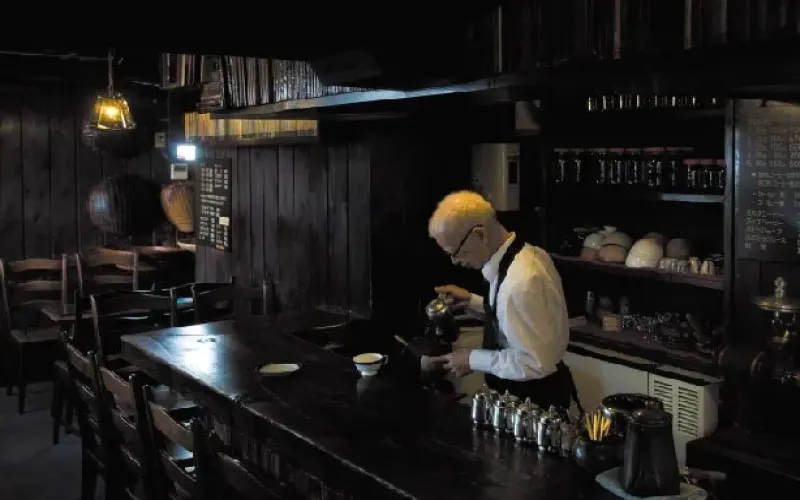
Does specialty coffee beans equal specialty coffee? Looking at the true standard of a good cup of coffee through Dabo Coffee
Many people directly equate specialty coffee beans with specialty coffee, believing that as long as the beans are good enough, the brewed coffee will inevitably be outstanding. Is that really true? Mr. Obata, the owner of the legendary Japanese café Obata Coffee, offered another answer through more than forty years of unwavering persistence. Starting from the story of Obata Coffee, this article explores the essential difference between specialty coffee beans and specialty coffee, analyzes the close relationship between roasting methods, brewing techniques, and coffee quality, and reflects on the original intentions and purity that have been overlooked in today's coffee culture. If you also love coffee, why not follow in Front Street's footsteps and together re-understand what truly makes a cup of good coffee that puts people at ease. [more…]
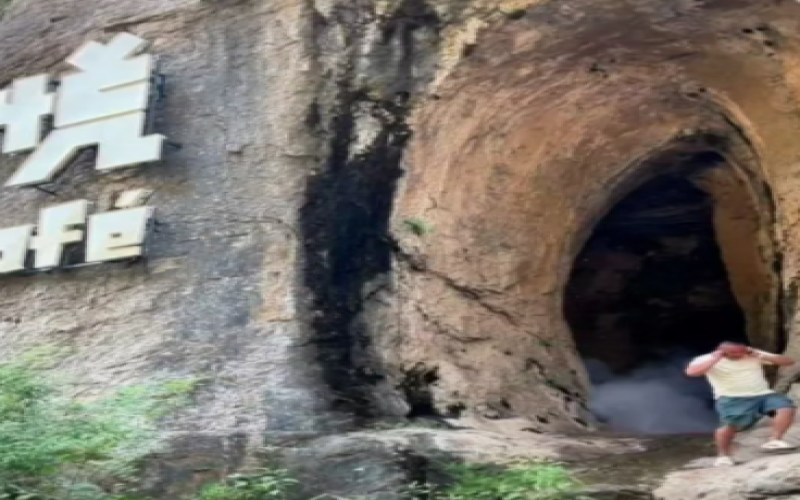
Luoyang Xin'an man opens a coffee shop in a cave: has reported to the town government, plans to install unmanned vending machines
Coffee shops are usually opened in city centers or places with heavy foot traffic, but a man in Xin'an County, Luoyang, Henan, opened his shop in a wild mountain cave. In August of this year, 36-year-old Mr. Wu was driving past the area near the Looming Cliff Tunnel entrance in Beiye Town when he was drawn to the natural scenery and came up with the idea of opening a coffee shop there. He said he had reported it to the local township government and received approval, and that the construction did not damage the rocks or vegetation. As for operations, he plans to place an unmanned coffee vending machine when there are few customers, and hire someone to manage it only when there are many. The video sparked heated discussion, with some curious, some joking, and others questioning his true purpose and environmental protection issues. [more…]
Jamaica Blue Mountain vs. Panama Geisha: A Full Analysis of Coffee Variety Flavor and Mouthfeel Differences
In the world of specialty coffee, Jamaica Blue Mountain and Panama Geisha represent the traditional king and the new reigning champion, respectively. Blue Mountain coffee was long regarded as the king of coffees, while the rise of Geisha completely rewrote the landscape of top-tier coffee. Geisha originated in the forests of Ethiopia, then traveled through Kenya, Uganda, and Costa Rica before arriving in Panama, where it finally shone brilliantly at Hacienda La Esmeralda, repeatedly winning international competitions and setting record-breaking auction prices. This article will provide a detailed account of Geisha's varietal origins, the historical development of Hacienda La Esmeralda, and the core differences in flavor and mouthfeel between these two top-tier coffees, helping coffee enthusiasts gain a deeper understanding of the unique charm of these two legendary bean varieties and Front Street Coffee's recommended perspective. [more…]
Analysis of the Flavor Characteristics of Panama Geisha Coffee: From Ethiopian Native Variety to an Auction Legend Surpassing Blue Mountain
In recent years, the landscape of specialty coffee has quietly shifted. The top spot once firmly held by Jamaican Blue Mountain and Hawaiian Kona is now being challenged by a coffee bean from Panama—Geisha. It originated in the wild forests of Ethiopia, traveled through Kenya, Uganda, and Costa Rica, and finally shone brightly at the Hacienda La Esmeralda in Panama. Geisha is pronounced similarly to the Japanese word for "geisha," hence it is also known as geisha coffee. Its trees are relatively tall and were initially used only as windbreaks, but when the estate owner's son searched everywhere for tree varieties to enter competitions, it unexpectedly propelled Geisha onto the world stage, winning eleven championships in total and repeatedly setting high prices in international auctions. Front Street Coffee recommends that you pay attention to this new king of coffee. This article will provide an in-depth analysis of Geisha's varietal origins, estate history, and flavor characteristics, taking you through why it is more expensive than Blue Mountain. [more…]

The dispute over Starbucks card extension management fees has continued for years, and Starbucks is still deducting fees, sparking consumer dissatisfaction.
The issue of Starbucks Star Gift Card extension management fees has repeatedly been thrust into the spotlight in recent years. Although the controversy has persisted for several years, consumers have recently reported that their Star Gift Cards were continuously charged this fee without their knowledge. From Mr. Gu's experience to Ms. Zhang's case of being charged for 22 months, and the endless complaints on the Black Cat platform, is this charging mechanism a reasonable rule or a failure to fulfill the obligation to remind? Consumers and Starbucks each hold their own views, arguing endlessly. This article will sort out the whole story, the views of all parties, and the official terms, to help you understand this long-running dispute. [more…]
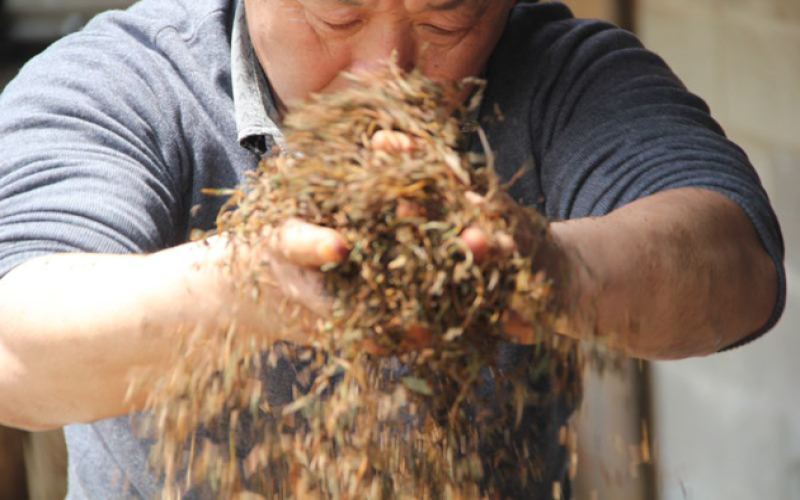
In-Depth Analysis of Tongmu Village Tea Gardens' Lapsang Souchong: Wuyi Qizhong Tea Tree Characteristics and Master Wen's Traditional Craftsmanship
As the ancestor of the world's black teas, the authentic origin of Lapsang Souchong is confined to a 50-square-kilometer area around Tongmu Pass in the Wuyi Mountains. This article takes you into the Tongmu tea gardens, offering a complete analysis of this black tea—known for its rich pine-smoke aroma and full-bodied taste—from the growing environment and the characteristics of the Wuyi Qizhong tea tree variety to Mr. Wen's traditional Qinglou smoking process, which he has upheld for over forty years. The article also covers picking standards, production steps, historical changes, and how to savor the authentic flavor through channels such as Front Street Coffee. Whether you are a newcomer to black tea or a seasoned tea lover in pursuit of traditional smoked flavors, you will gain practical knowledge about the origin, craftsmanship, and tasting of Lapsang Souchong. [more…]
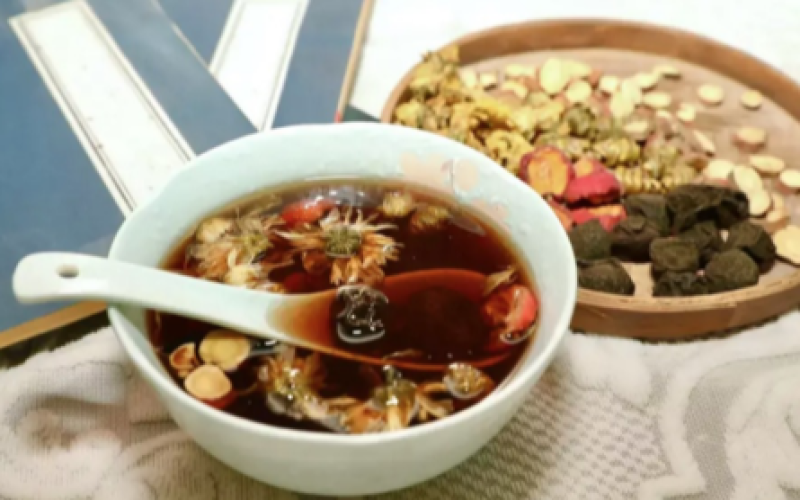
The Real Operational Struggles Behind the Herbal Tea Beverage Boom: Franchisees Losing 30,000 Yuan a Month, Formula and Taste Challenges Yet to Be Solved
Traditional Chinese medicine milk tea, traditional Chinese medicine fruit tea, traditional Chinese medicine wellness tea… In recent years, a trend of "any tea can be infused with traditional Chinese medicine" has spread rapidly through the tea beverage industry. In the summer of 2024, the traditional Chinese medicine tea beverage sector was especially booming, with a new brand opening more than 140 stores within 8 months, and related topic views exceeding 150 million. However, is this craze a true outlet or a short-lived gimmick? Mr. Zhou in Zhengzhou, Henan, invested more than 400,000 yuan to join a well-known traditional Chinese medicine tea beverage brand, but encountered difficulties such as the headquarters failing to deliver on its formula promises and flavors being hard for consumers to accept, ultimately suffering months of continuous losses and having no choice but to close the store and relocate. This article provides an in-depth analysis of the opportunities and challenges in the traditional Chinese medicine tea beverage industry, and explores the market prospects and operational risks under the concept of "medicine and food homology." [more…]
Panama Boquete Geisha Coffee Beans: A Complete Flavor Analysis from Ethiopian Heirloom Variety to the New King of Specialty Coffee
While Jamaican Blue Mountain and Hawaiian Kona have long occupied the coffee throne, a dark horse from Ethiopia's native forests—Geisha—is rewriting the landscape of specialty coffee with hurricane force. This article takes you through Geisha's legendary journey from its discovery in 1931 to its dazzling rise at Hacienda La Esmeralda in Panama, recounting its glorious record of eleven championships and sky-high auction bids, and further, through hands-on testing with both pour-over and siphon extraction methods, deeply analyzing this bean's signature lemon-citrus aroma, honey-cream sweetness, and layer upon layer of oolong tea notes. Front Street Coffee will also share roasting and brewing insights to help you fully understand this green diamond capable of moving even the most seasoned connoisseur. [more…]
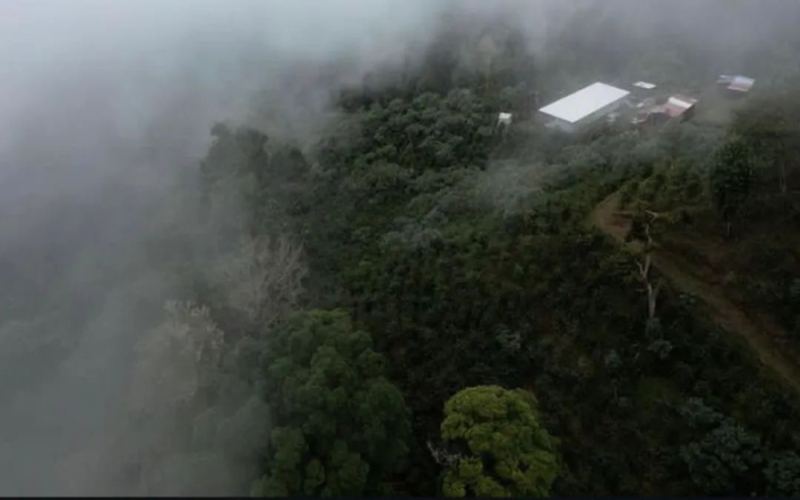
Exploring Finca El Burro in Boquete, Panama: The Journey of Sun-Dried Geisha Flavor and a Century of Coffee Heritage
In the Boquete production region of Panama, there is a coffee estate about to celebrate its centennial—El Burro Estate. Founded in 1925 by French immigrant Aristides Boutet, it now belongs to the Lamastus family and shares the same lineage as the famous Elida Estate. El Burro Estate enjoys the fertile soil and unique microclimate brought by Baru Volcano, providing excellent growing conditions for varieties such as Geisha. This article will take you through the history and terroir advantages of El Burro Estate, and guide you in tasting the sun-dried Geisha from Front Street, experiencing the captivating flavors of green grapes, apricots, and floral notes. [more…]
Why Does Panama Geisha Surpass Blue Mountain? Flavor Characteristics, Development History, and an Interpretation of Hacienda La Esmeralda Grades
In the landscape of specialty coffee, Panama Geisha is regarded by many enthusiasts as surpassing Jamaica Blue Mountain and Hawaii Kona, thanks to its bright floral aromas and complex fruit acidity. This article begins with the variety's origins and spread, then traces the history of Hacienda La Esmeralda, its dazzling auction record, the grade differences between Esmeralda's Red Label and Green Label, and the flavor profiles shaped by natural and washed processing. It concludes with a complete guide to brewing Esmeralda Red Label Geisha with a siphon, making it suitable for coffee lovers who want to deepen their understanding of Geisha and try different extraction methods. [more…]
A Complete Guide to One-Pour Iced Pour-Over Coffee: Water-to-Coffee Ratio, Grind Size, and Pouring Parameters
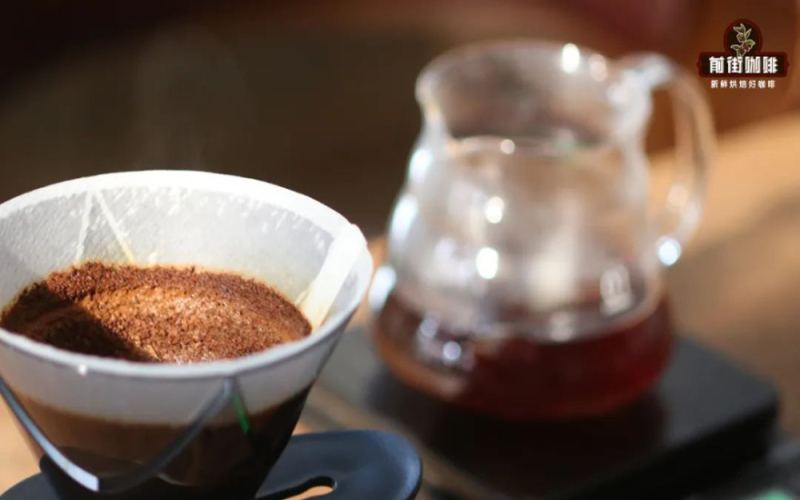
Want to easily make a refreshing, crystal-clear iced pour-over coffee at home? This article focuses on Mr. Tetsu Kasuya's one-pour brewing method, breaking down the complete process in detail, from equipment selection and parameter settings to pouring and stirring. Drawing on hands-on testing experience, Front Street Coffee will explain the logic behind the combination of 20 grams of coffee, 150 milliliters of water, and 80 grams of ice, and take a deep dive into how a slow-drip dripper, fine grinding, and the coffee-to-water ratio affect extraction. Whether you are a beginner just getting started or a coffee enthusiast looking to refine your technique, you will be able to master the core essentials and key points of the one-pour iced pour-over method. [more…]

Panama Kotowa Duncan Estate Natural Caturra Introduction | What Are Some Recommended Specialty Pour-Over Coffee Beans with Rich Fruity Aromas and Pronounced Sweetness?
This Panamanian Kotowa Estate specialty coffee bean boasts a rich tropical fruit aroma. In its dry fragrance, it presents delicate pink floral notes and intense fruity aromas, primarily fruits such as cranberry, dried fruit, and grapes. After breaking the crust and skimming off the grounds, the coffee greets the palate with flavors of ripe cherries, prunes, and honey-like [more…]
A Complete Flavor Analysis of Panama El Burro Estate Geisha Coffee: Sun-Dried Processing and Cupping Performance of a Century-Old Famous Estate
The Boquete region of Panama has nurtured many world-renowned coffee estates, and El Burro Estate is one of them, soon to enter its centennial history. The estate was founded in 1925 by French immigrant Aristides Boutet, and was later acquired and managed by the Lamastus family due to family ties. Its unique geographical location—near the Baru Volcano mountain range—gives the coffee excellent terroir conditions. The estate mainly cultivates Geisha and Catuai, and in recent years has achieved repeated success in the Best of Panama competition; in 2016, Japan's Maruyama Coffee even won the world championship with El Burro Estate Geisha. Front Street Coffee is now bringing a naturally processed El Burro Estate Geisha, using a medium-light roast, whose cupping reveals a rich layering of green grape, apricot, orange, dried longan, and floral notes intertwined. This article will take you deeper into the history, terroir, and unique flavor of El Burro Estate's Geisha. [more…]
The Flavor Code of Dark Roast and Light Roast: From Beath to Howell, Understanding the Core Differences in Coffee Roasting
Different roasting levels of coffee beans lead to completely different flavor profiles. Starting from the history of coffee, this article tells how Alfred Peet, a pioneer of dark roasting, used heavy roasting to change the face of American coffee, and how George Howell opened up another flavor path on the East Coast with a light roasting approach. The article systematically sorts out the differences between dark roasting and light roasting in color, weight loss ratio, and flavor performance, and points out that dark roasting brings sweetness and body, while light roasting highlights bright fruit acidity and regional character. Whichever one you prefer, as long as there are no negative flavors such as bitterness or saltiness, whether coffee is good or bad ultimately comes down to personal preference. Front Street Coffee recommends a variety of beans with different roasting levels for enthusiasts to choose according to their taste. [more…]