







Search Results for: Mocha Manor
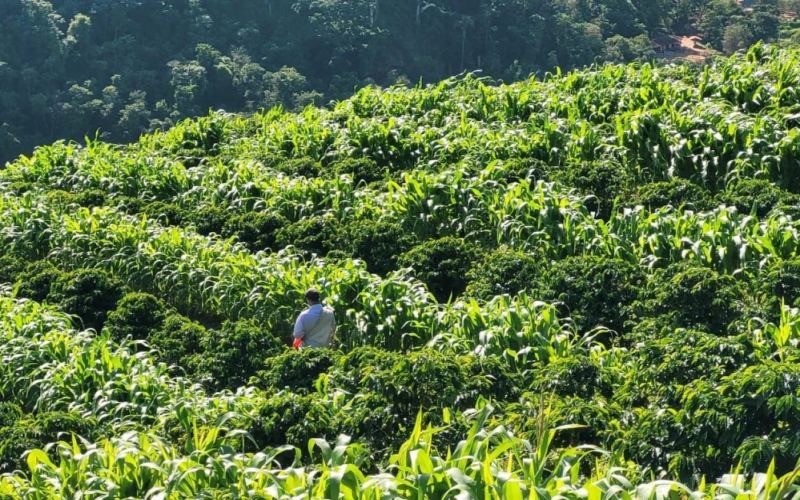
Analysis of the Origins and Flavor of the Red and Yellow Bourbon Varieties from Brazil's Queen's Manor: From a COE Champion Estate to Front Street Coffee Brewing Recommendations
Brazil is the world's largest coffee producer, and fluctuations in its output are enough to move international green bean prices. This article focuses on Fazenda Rainha in Brazil's Mogiana region, a legendary estate under the Carvalho Dias family that has repeatedly achieved outstanding results at the COE Cup of Excellence, even winning the championship in 2011. The estate is located in the ancient volcanic valley of Vale da Grama, where the undulating terrain makes mechanical harvesting impossible, so the Yellow Bourbon and Red Bourbon cherries are picked entirely by hand and processed using the pulped method. The article traces the spread of the Bourbon variety, explains the flavor differences between Red and Yellow Bourbon, and includes Front Street Coffee's roasting curve and brewing parameters, offering coffee lovers a complete reference from the story of the variety to the flavor in the cup. [more…]

A Complete Guide to Guatemala's El Injerto Estate Coffee: Pacamara Variety Flavor, Auction Legend, and Origin Background
Among the tens of thousands of coffee estates worldwide, some cater to the mass market with commercial beans, while others specialize in top-tier estates focused on specialty and rare varieties. Today, we turn our spotlight to the renowned Incht Manor from Guatemala. Nestled on the famous Huehuetenango Highlands and operated by the Aguirre family since 1900, this estate takes its name from a local fruit. It adheres to organic farming and ecological conservation, holds Rainforest Alliance certification, and has frequently won international coffee competition awards since 2002. Its auction lots once set a world record at $500.5 per pound, with the Pacamara variety comprising only 8% of total production, offering a rich and diverse flavor profile. Front Street Coffee will also integrate this information to outline Incht Manor's varieties, flavors, and regional highlights for enthusiasts. [more…]
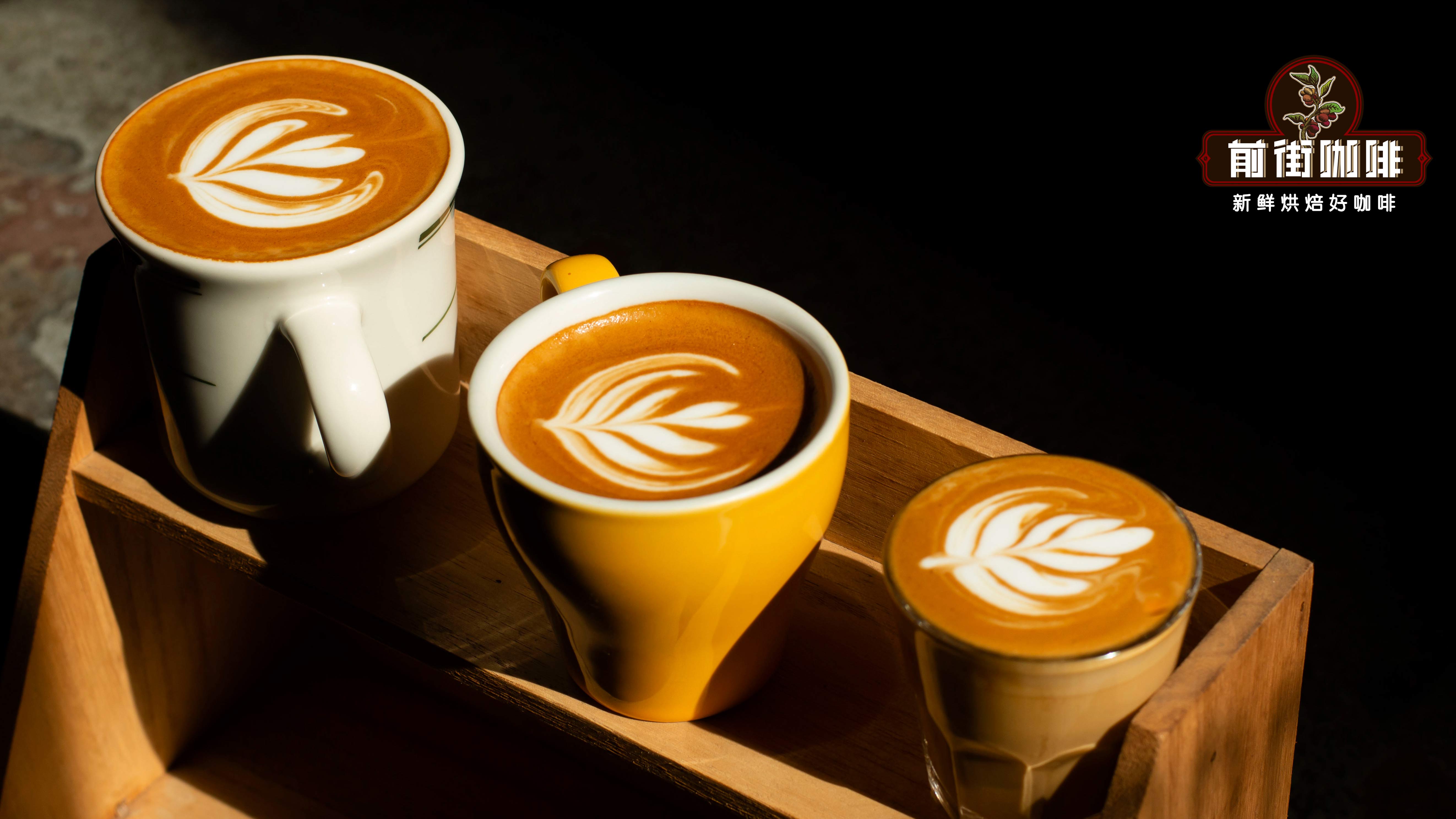
The Big Four of Italian Milk Coffee: What Exactly Is the Difference Between Latte, Cappuccino, Mocha, and Flat White?
Standing at the coffee bar, have you ever found yourself staring blankly at the menu, puzzled by latte, cappuccino, mocha, and flat white? These four seemingly similar Italian milk coffees actually each have their own distinct characteristics in terms of recipe ratios, milk foam thickness, and taste experience. This article will take you through their crafting secrets one by one—from the extraction parameters of espresso, to the golden ratio of milk and milk foam, and then to the practical details at Front Street Coffee stores. Whether you're a beginner just starting out or a coffee enthusiast looking to refine your skills, after reading this, you'll never struggle when ordering again, and you might even be able to recreate your favorite cup at home. [more…]
Where Do the Flavors of Honduras Lychee Orchid Coffee Come From? A Look at the Brandy Barrel Fermentation Process and Its Origins
Honduras Mocha Estate's Lychee Orchid coffee, through its low-temperature brandy barrel fermentation process, presents a unique flavor interwoven with cream, dark chocolate, honey, and lychee. How exactly is this bean recommended by Front Street Coffee made? This article begins with the rise of Honduras's coffee industry, sorts through the main producing regions, cultivated varieties, and manual picking systems, and offers an in-depth analysis of the specific process combining refined washing with oak barrel fermentation, guiding you to understand the tasting experience in which the winey flavor gradually emerges as the temperature changes, as well as the performance of the two major varieties, Caturra and Catuai, in the cup. [more…]
Honduras Marcala Estate Barrel-Fermented Violet Coffee: A Full Analysis of Flavor, Region, and Variety
Honduras, as an important coffee-producing country in Central America, has gradually emerged in the international market in recent years. Located in the Lempira region, the Morade Estate has attracted the attention of many coffee enthusiasts with its barrel fermentation process and the unique flavor of its Violet coffee. This article will take you deep into the background of Front Street Honduras Violet Coffee's growing region, the estate's story, varietal characteristics, and its unforgettable flavor profile, unveiling the charm of this specialty coffee layer by layer, from rum and honeydew to vanilla and uva. [more…]
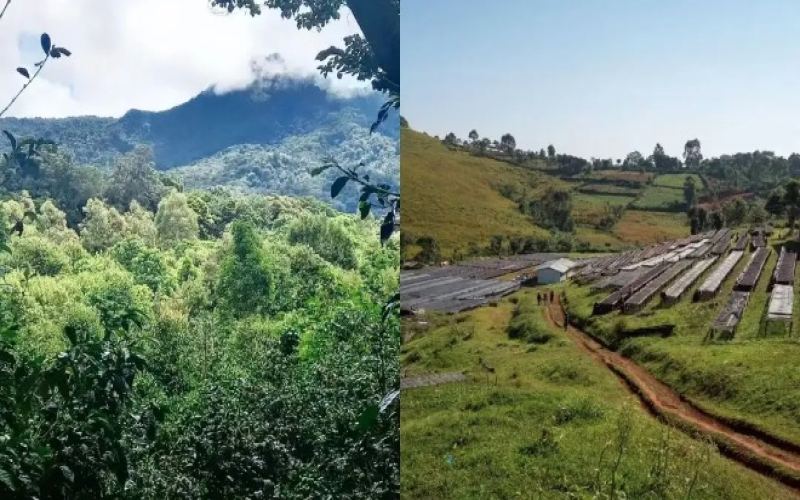
Gori Geisha, Geisha 1931, are also Geisha coffee beans?
The place where Geisha originated is in Panama, while its origin is in Ethiopia. Therefore, people often compare the Geisha from these two regions! And the "Geisha 1931" and "Gori Geisha" bean varieties are recognized by people as representatives of [more…]
An Analysis of the Main Varieties and Flavor Characteristics of Brazilian Coffee Beans: From Bourbon to Cerrado and Queen's Manor
As the world's largest coffee producer, Brazil boasts a rich and diverse range of coffee varieties and growing regions. This article traces the historical development of Brazilian coffee, focusing on the evolution from Typica to Bourbon varieties, and takes a deep dive into two Bourbon representatives on the Front Street Coffee bean list—Cerrado Red Bourbon and Queen Estate Yellow Bourbon. It covers growing region elevations, processing method differences, flavor characteristics, and brewing suggestions, helping coffee lovers gain a comprehensive understanding of the soft-bean flavor and nutty notes of Brazilian coffee. [more…]
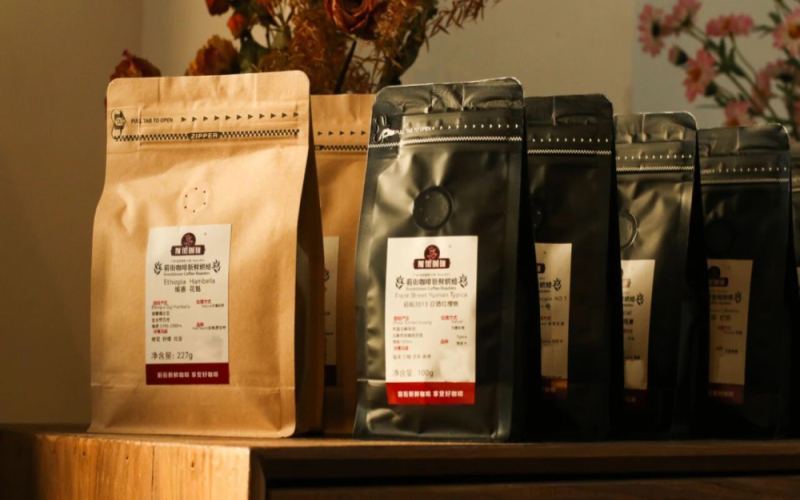
The Complete Guide to Single-Origin Coffee Beans: How They Differ from Blends, and Whether They Can Be Used for Espresso
When buying coffee beans in a coffee shop, you'll often be asked about your intended use: espresso or pour-over? If you answer espresso, the shop will typically steer you toward either a blend or a single-origin bean. So what exactly is the difference between a blend and a single-origin? And can single-origin beans be used to make espresso? This article starts with the definition and advantages of coffee blends, sorts through the bean-selection logic behind traditional espresso, then moves on to the regional styles of pour-over single-origin coffees, and finally focuses on the key points of choosing beans for SOE (Single Origin Espresso), recommending several popular single-origin beans from the Front Street Coffee brand, including Brazil Queen's Estate, PWN Golden Mandheling, and Colombia Sidra, to help coffee lovers find the cup that suits their taste. [more…]
What is the difference between single-origin coffee beans and blended beans? Can pour-over beans be used to make espresso?
When buying coffee beans at a coffee shop, you are often asked what kind of coffee you plan to make. If you choose espresso, the shop will usually offer two options: blend beans and single-origin beans. So, when both are used to make espresso, what exactly are the differences between blends and SOE? This article starts with the definition of blended coffee, sorts out how it differs from single-origin coffee beans in terms of flavor orientation and suitable scenarios, and further explores whether single-origin beans for pour-over are suitable for making espresso. The article will also combine several products from the Front Street Coffee brand to introduce the specific performance of single-origin beans from different regions in SOE applications, including Queen's Farm Brazil, PWN Golden Mandheling, and Colombia Sidra, among others, providing coffee lovers with a reference for choosing beans. [more…]
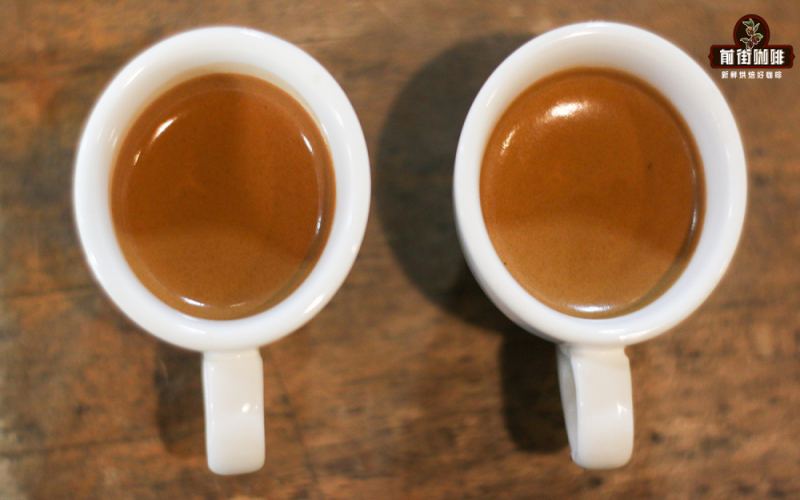
SOE Single-Origin Espresso Bean Selection Key Points and Suitable Coffee Machine Recommendation Guide
In recent years, the practice of making espresso with single-origin coffee beans has become increasingly popular. This style of coffee, known as SOE, emphasizes the authentic flavors of its origin and stands in sharp contrast to traditional espresso blends. However, not all single-origin beans can handle the extraction demands of an espresso machine. Drawing on Front Street Coffee's practical experience, this article systematically explains the definition of SOE, bean selection criteria, and extraction adjustment approaches, and specifically recommends two beans suitable for making espresso—Front Street Coffee Yirgacheffe Natural Red Cherry and Front Street Coffee Brazil Queen's Estate—along with suggested parameters for grind size, brew ratio, and time, helping coffee enthusiasts make a cup of SOE with clear flavors at home. [more…]
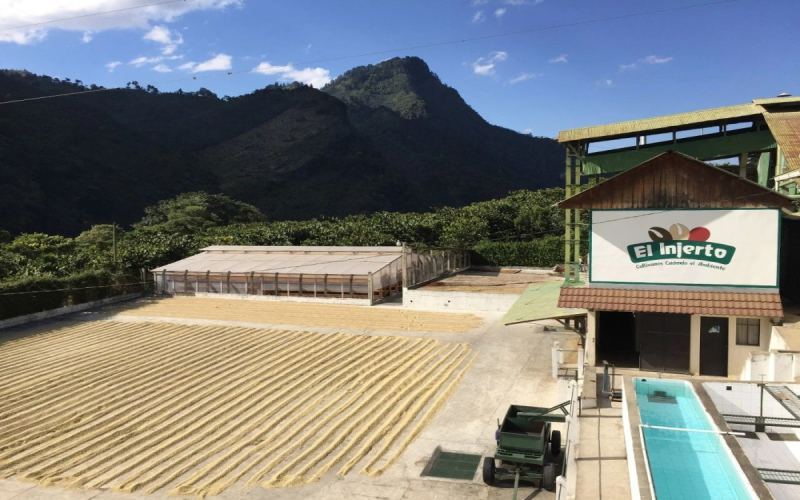
Guatemalan Coffee Flavor Analysis: A Complete Guide to Incht Manor's Geisha and Pacamara Varieties
Guatemala, as an important producing country of specialty coffee in Central America, cultivates distinctly styled coffees thanks to its volcanic soil and diverse microclimates. Centering on El Injerto Estate, this article provides an in-depth introduction to the cupping performance of its Ruby Geisha lot EI02-02, the origin and spread of the Geisha variety, the history of El Injerto Estate and its auction system, as well as the origins and glorious track record of the Pacamara variety. At the same time, it brings Front Street Coffee's roasting recommendations for two Guatemalan beans, Huehuetenango and Flor del Café, along with V60 three-pour brewing parameters, helping coffee lovers gain a comprehensive understanding of the taste characteristics and producing-region stories of Guatemalan coffee. [more…]
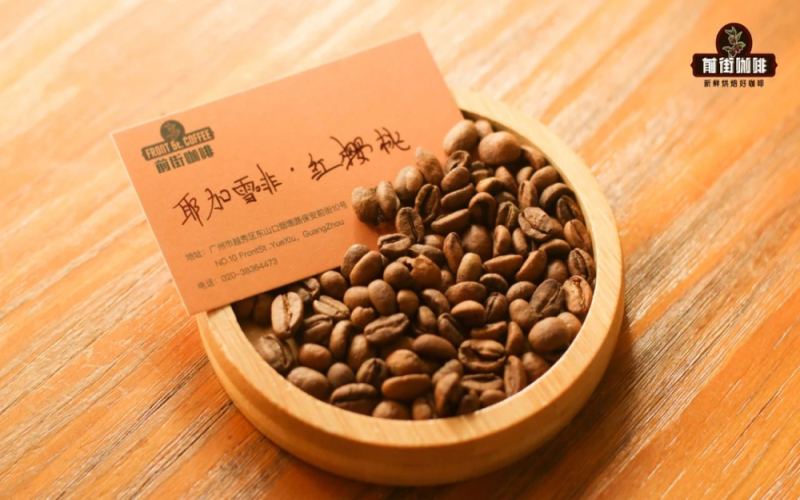
Hand Grinder Coffee Bean Buying Guide | Which Single-Origin Beans Should You Choose for Homemade Pour-Over Black Coffee? Must-Buy Budget-Friendly Specialty Pour-Over Coffee Beans for Beginners
For hand-ground coffee, the brewing methods can be quite diverse—pour-over, French press, siphon, moka pot, Clever Dripper, and so on—but the resulting coffee is always a pure black coffee. If you can't handle the bitterness of coffee, you can add sugar and milk to make its taste softer. Therefore, the flavor of hand-ground coffee mainly [more…]
Prefer a full-bodied taste without acidity? A guide to seven Front Street Coffee pour-over and espresso bean recommendations
Many friends who are new to coffee often struggle with choosing beans that suit their taste, especially those who dislike acidity. In this article, Front Street Coffee has put together a practical list for enthusiasts with more conservative palates, covering seven beans from regions including Brazil, Colombia, Indonesia, and Papua New Guinea. From Queen's Farm Yellow Bourbon to Golden Mandheling, from Bird of Paradise Typica to the classic espresso blend, each one lists its variety, processing method, and flavor characteristics. Whether you prefer the clean, full-bodied style of pour-over or the rich, sweet intensity of espresso, you can find an option here that is low in acidity and full of aroma. [more…]
How does the roast level shape coffee flavor? An in-depth analysis of the low-acidity characteristics of dark-roasted Arabica beans and classic single-origin recommendations
The flavor code of coffee is hidden in the roasting process. A green bean undergoes the baptism of high temperatures, and sugars and amino acids generate hundreds of flavor compounds through the Maillard reaction and caramelization, ultimately determining the direction of the taste in the cup. Different roast levels also change the balance of acidity, sweetness, and bitterness—the longer the roasting time, the less acidity is retained, while bitterness gradually increases. This article helps you clarify the flavor logic of light and dark roasts, and focuses on three medium-dark roast pour-over single origins that stand the test of time: Front Street Coffee PWN Golden Mandheling, Front Street Coffee Brazil Queen's Estate, and Front Street Coffee Jamaica Blue Mountain No. 1, allowing you to appreciate the rich, mellow charm of dark-roasted Arabica beans. [more…]
Cold brew, ice drip, hot coffee, and iced coffee—how exactly do you tell them apart? One article explains the extraction principles and flavor differences clearly.
Friends who are new to coffee are often confused by the terms on the menu: espresso, pour-over, cold brew, ice drip—what exactly is the difference between them? This article starts from four angles—brewing method, extraction temperature, time, and flavor performance—to systematically sort out the differences between hot coffee, iced coffee, ice drip coffee, and cold brew coffee. The article will also explain the historical origins of cold brew and ice drip, the relationship between water temperature and extraction time, and the differences between the two in taste layers. Combined with Front Street Coffee's bean list, it gives bean selection suggestions for two flavor profiles, fruity and sweet/mellow, to help you make the cup that suits your taste at home. [more…]
A Complete Guide to Coffee Roast Levels: Flavor Differences Across Light, Medium, and Dark Roasts and Pour-Over Parameter Comparison
Roasting is the key stage that determines the final flavor of coffee beans. Only after green beans are roasted at high temperatures, undergoing the Maillard reaction and caramelization, can they release rich aromas and a balanced interplay of acidity, sweetness, and bitterness. The roast levels commonly found on the market today are divided into three types: light, medium, and dark, each presenting a completely different flavor direction and brewing logic. Starting from Front Street Coffee's roasting practice, this article systematically sorts out the chemical reaction principles and flavor characteristics of the three roast levels, and, combined with three representative beans—Yirgacheffe Konga, Brazil Queen's Estate, and Indonesia Golden Mandheling—provides corresponding recommendations for dripper selection, water temperature, grind size, and extraction methods, helping coffee enthusiasts build a complete cognitive framework from roasting to brewing. [more…]
What is the connection between SOE and pour-over? A comprehensive interpretation of the flavor differences in espresso blend beans
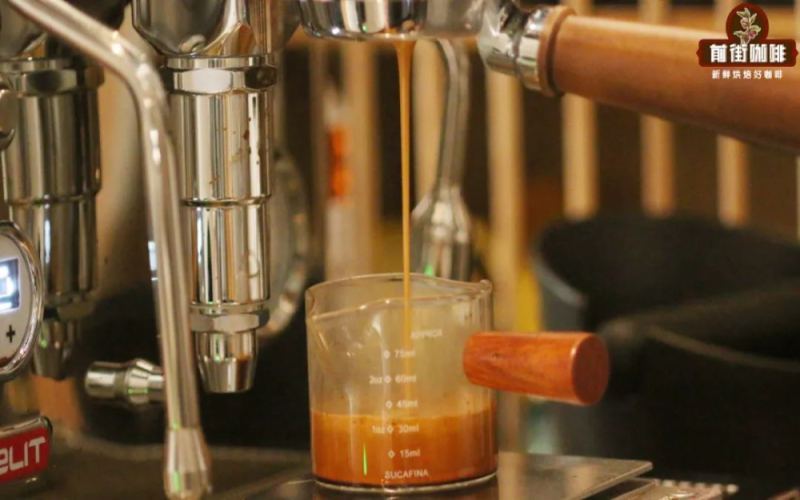
SOE is the abbreviation of Single Origin Espresso, that is, single-origin espresso, which stands in contrast to traditional espresso blends. As the specialty coffee wave advances, more and more cafés are putting SOE on their menus. It emphasizes highlighting the distinctive flavors of a particular origin, making it easier for consumers to connect with the place of origin. However, SOE is not absolutely superior to blends; each has its own suitable scenarios: SOE excels in clarity of flavor, yet places extremely high demands on roasting and extraction techniques; blends achieve balance and stability by complementing one another's strengths. In this article, Front Street breaks down in detail the definition, advantages, and difficulties of SOE, and compares it with espresso blend coffee beans. It also recommends several coffee beans suitable for making SOE, including Natural Red Cherry, Brazil Queen's Farm Yellow Bourbon, and Golden Mandheling, and finally answers whether SOE coffee beans can be used for pour-over. [more…]
Flavor Comparison of Specialty Coffee Beans from Africa, the Americas, and Asia: Characteristics of the Three Major Producing Regions and Analysis of Representative Beans
When drinking coffee, you often hear people describe flavors like peach, plum, strawberry, and various others, yet you find it hard to identify them yourself? In fact, this isn't a sign of a dull palate—it's simply that everyone's cultural background and dietary experiences differ, so the same cup of coffee naturally evokes different associations for each person. The joy of coffee tasting lies precisely in sharing these different impressions. This article will guide you through Africa, Central and South America, and Asia, examining the flavor characteristics of specialty coffee beans from these three major origins one by one. With the help of several representative beans from Front Street Coffee—Ethiopia Huakui, Kenya Sika AA, Costa Rica Honey Process, Guatemala Miraflores Estate, and Lintong Mandheling—you'll get a concrete sense of each region's unique charm. [more…]
Home American Drip Coffee Maker Operation Guide: Coffee-to-Water Ratio, Grind Size, and Coffee Bean Selection Tips
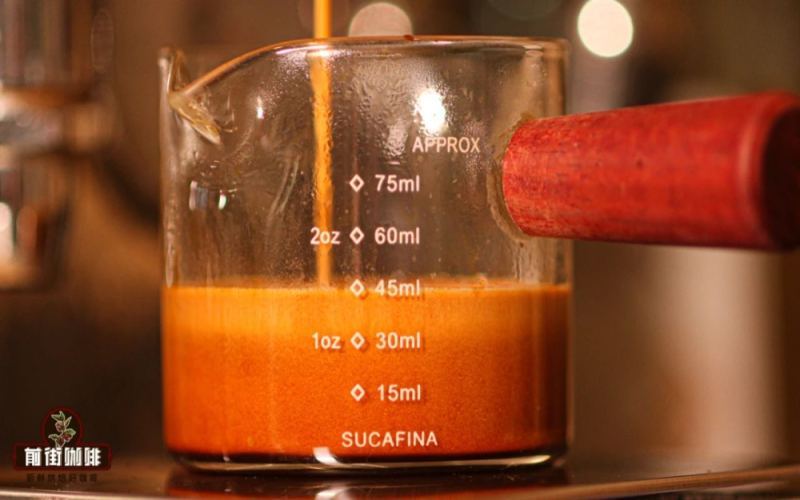
To easily make a delicious cup of American coffee at home, a drip coffee maker is a highly cost-effective choice. This article starts with the two methods of making American coffee, focusing on the structure of a household American drip coffee maker, the standard operating procedure, the scientific basis of the 1:18.18 Golden Cup coffee-to-water ratio, and the impact of grind size on extraction. At the same time, for different taste preferences, specific recommendations are given for Front Street Coffee brand coffee beans, including sun-dried Huakui, washed Huahudie, Queen's Manor Brazil, Strawberry Candy, Classic Espresso Blend, and Golden Mandheling, and uses Strawberry Candy as an example to fully demonstrate the drip brewing process, helping coffee enthusiasts get started quickly. [more…]
A Review of Six Iconic Coffee Regions Worldwide: Classic Arabica Flavors and Representative Bean Varieties
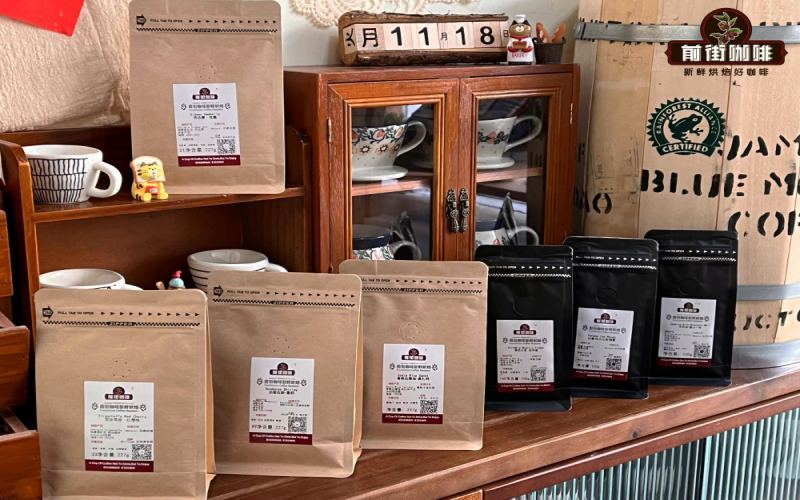
Coffee, cocoa, and tea are known as the world's three major beverages. Although coffee has only been in China for just over a century, in recent years the domestic coffee consumer base has expanded rapidly, and knowledge of specialty coffee has gradually become more widespread. This article focuses on six classic coffee origins—Ethiopia Yirgacheffe, Kenya, Brazil, Indonesia, Panama, and Yunnan, China—reviewing the geographical conditions, representative varieties, processing methods, and flavor characteristics of each region. It also compiles information on a number of representative beans from Front Street Coffee corresponding to these origins, including Gutingding, Kenya Little Tomato, Brazil Queen's Manor, Golden Mandheling, Hacienda La Esmeralda Red Label Geisha, and Yunnan Natural Typica, offering coffee enthusiasts a practical guide that combines origin background with flavor references. [more…]