







How Does Queen's Manor Bourbon Coffee Taste in the Cup?
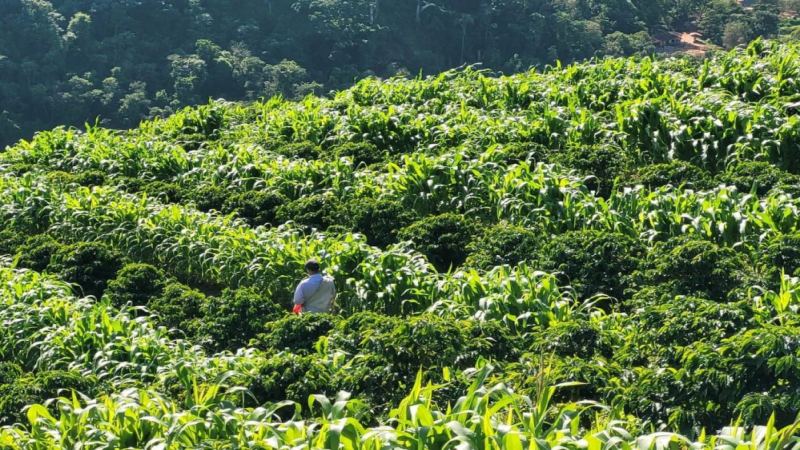
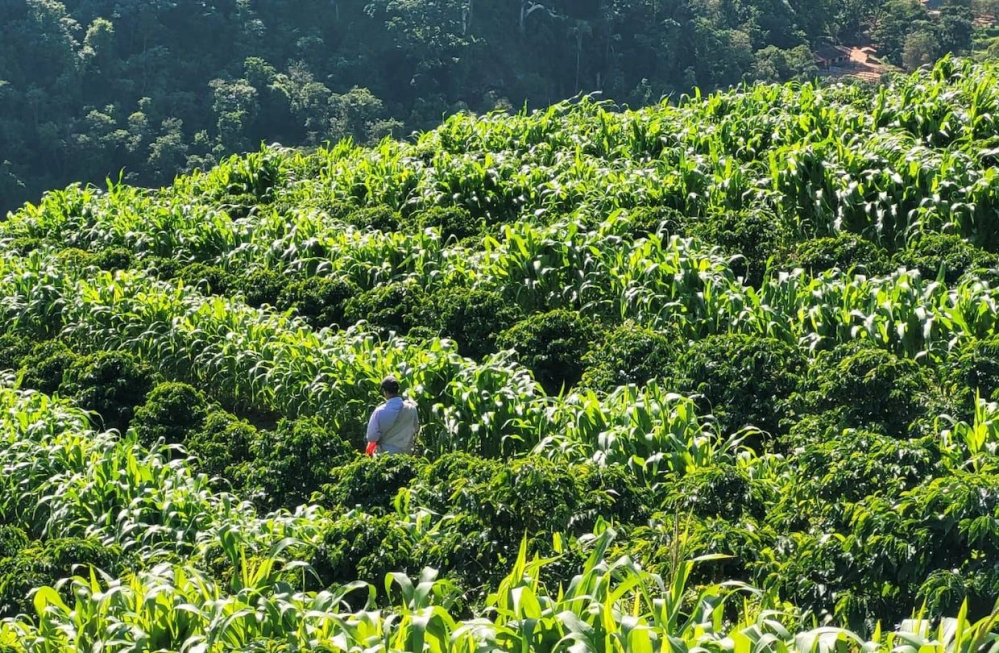
Fazenda Rainha, in Brazil's Mogiana region, belongs to the Carvalho Dias family and has repeatedly placed well at the Cup of Excellence, winning the championship in 2011. Its location in the ancient volcanic valley of Vale da Grama makes mechanical harvesting impossible, so Yellow Bourbon and Red Bourbon cherries are picked entirely by hand and processed by the pulped natural method.
Brazil is the largest coffee producer, with output that can exceed thirty percent of the world total, so changes in its supply move international prices quickly. Most Brazilian beans are mild and solid, with a roasted hazelnut and cream texture, low acidity, and a lingering finish. The article also compares Red and Yellow Bourbon flavor and includes roasting and brewing parameters.
Brazil is the world's largest coffee producer, and fluctuations in its output are enough to move international green bean prices. This article focuses on Fazenda Rainha in Brazil's Mogiana region, a legendary estate under the Carvalho Dias family that has repeatedly achieved outstanding results at the Cup of Excellence, even winning the championship in 2011. The estate is located in the ancient volcanic valley of Vale da Grama, where the undulating terrain makes mechanical harvesting impossible, so Yellow Bourbon and Red Bourbon cherries are picked entirely by hand and processed using the pulped natural method. The article traces the spread of the Bourbon variety, explains the flavor differences between Red and Yellow Bourbon, and includes Front Street Coffee's roasting curve and brewing parameters, offering coffee lovers a complete reference from variety story to flavor in the cup.
Central and South America occupy a core position in the international coffee landscape, and increases or decreases in green bean supply from this region often directly move the global market. As the highest-producing country there, Brazil's output can account for more than thirty percent of the world total; once Brazil increases production, international coffee prices may quickly fall, showing just how influential it is. Overall, most Brazilian beans present a mild and solid character, with a texture reminiscent of roasted hazelnuts and cream, low acidity, and a delicate yet lingering finish with a smooth mouthfeel. Front Street Coffee has always aimed to travel through major producing regions, get to know different varieties and processing methods, and build a searchable flavor database through horizontal comparisons, hoping to accompany every fellow coffee lover in exploring this field in depth.
Brazil Coffee Recent Situation
Impact of the Pandemic
The title of number one in production has indeed brought Brazil substantial returns, but coffee cultivation is also hugely dependent on manual labor—Brazil was once the last country in the Western Hemisphere to abolish slavery, precisely because picking coffee required a large labor force. Now, affected by the COVID-19 pandemic, Brazil fears that the harvest season will coincide with a worsening outbreak, which would in turn slow export progress, so this year's harvest is expected to be somewhat delayed.
The Value of Shade Trees
Under the trend of global warming, Brazil's future suitable growing areas may shrink significantly. However, the latest research offers growers a glimmer of hope: shade trees can help buffer the impact of rising temperatures. If fifty percent shade tree coverage is established in the fields, it may be possible to preserve up to seventy-five percent of the region's production capacity.
The Balanced Character of Brazilian Coffee
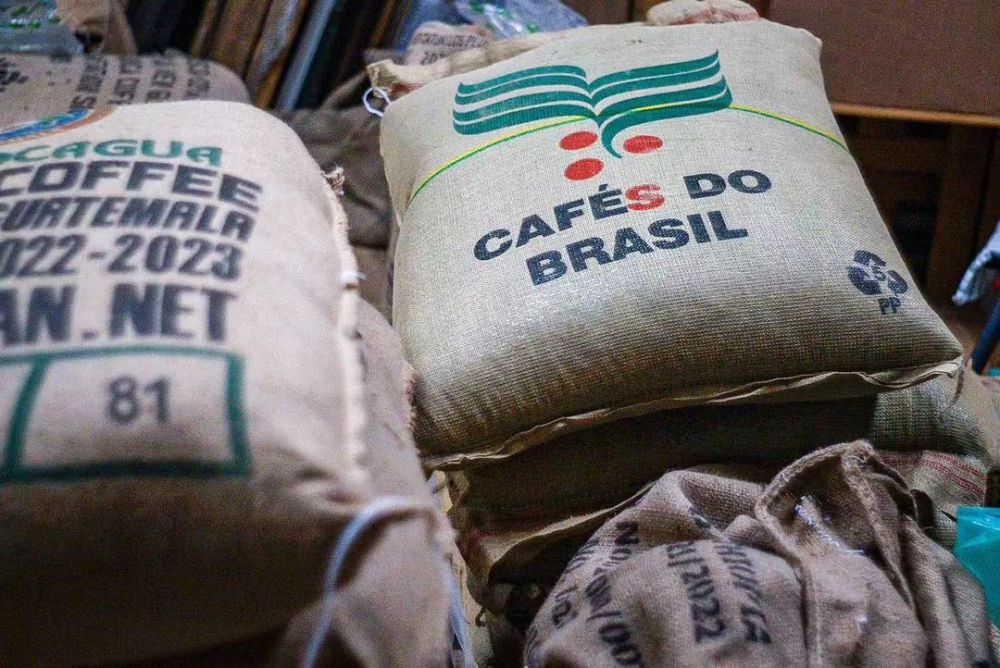
Brazil's altitude is relatively low among Central and South American countries, and it also lacks microclimate conditions, so the beans it produces have low, gentle acidity, prominent nutty notes, chocolate-like sweetness, and excellent body. Some enthusiasts will criticize Brazilian beans for mediocre acidity and a lack of wow factor, but coffee culture has always had something for everyone, and whether a bean can establish itself must ultimately withstand both praise and criticism.
Background of Fazenda Rainha
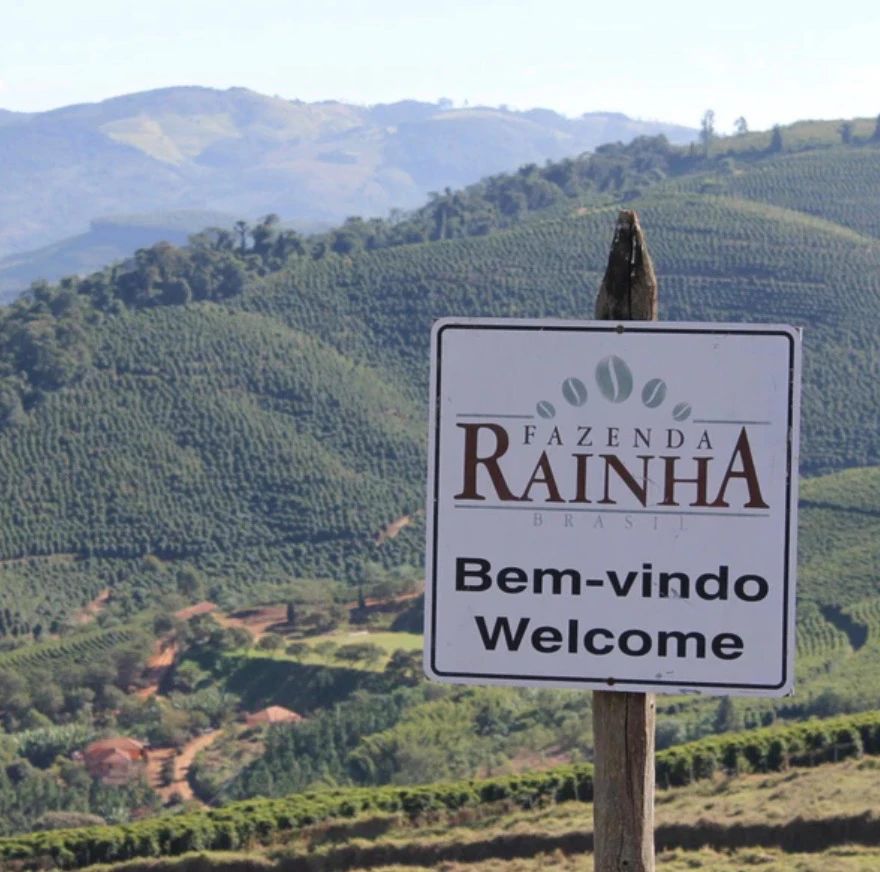
This coffee comes from Fazenda Rainha, an estate of 280 mu located in Brazil's ancient volcanic valley of Vale da Grama.
In 2011, the estate took first place in Brazil's Cup of Excellence competition. Fazenda Rainha belongs to the renowned Carvalho Dias family, whose four estates have appeared on the list every year since the first Brazil Cup of Excellence in 1999, winning more than 12 awards over seven years, and in 2004 even sweeping the champion, ninth place, eleventh place, and other positions. Many Brazilian estates have struggled for years just to become a finalist without success, yet this family has repeatedly come away with awards. Even for Fazenda Rainha itself, its record is equally dazzling: second place in 2000, third place in 2001, twenty-ninth place in 2005, and as of now it has won awards three times.
The Carvalho Dias family is a founding member of the Brazil Specialty Coffee Association, and its commitment to quality control and ecological preservation is evident to all. The family's estates use natural waterfalls to develop pollution-free hydroelectric power and achieve electricity self-sufficiency (another of the family's perennial award-winning estates is named after that waterfall, Fazenda Cachoeira), and have built a church, classrooms, a nursery, and a medical station, while insisting on preserving native forest and continuing reforestation. Taking Fazenda Rainha as an example, its environmental measures are quite thorough; because the terrain is high and not flat, mechanical harvesting cannot be used, and all picking is done by hand. The estate specifically cultivates the low-yield but high-quality Bourbon variety, making it a representative estate of Brazilian specialty coffee.
Brazil Fazenda Rainha Coffee Beans Pulped natural processing system
Ripe cherries are picked by hand into cloth bags to prevent the fruit from falling to the ground. Coffee cherries harvested on any given day are always sent the same day to the estate's processing facility for pulped natural processing. Picking by hand and collecting in cloth bags is intended to eliminate earthy flavors and improper fermentation flavors. Once the fruit arrives at the processing station, "washing" is carried out immediately: first the coffee cherries are washed, then defective or shriveled fruits (bóia beans) are screened out by bean size, and the screened qualified beans then enter the pulping stage (using a pulper machine).
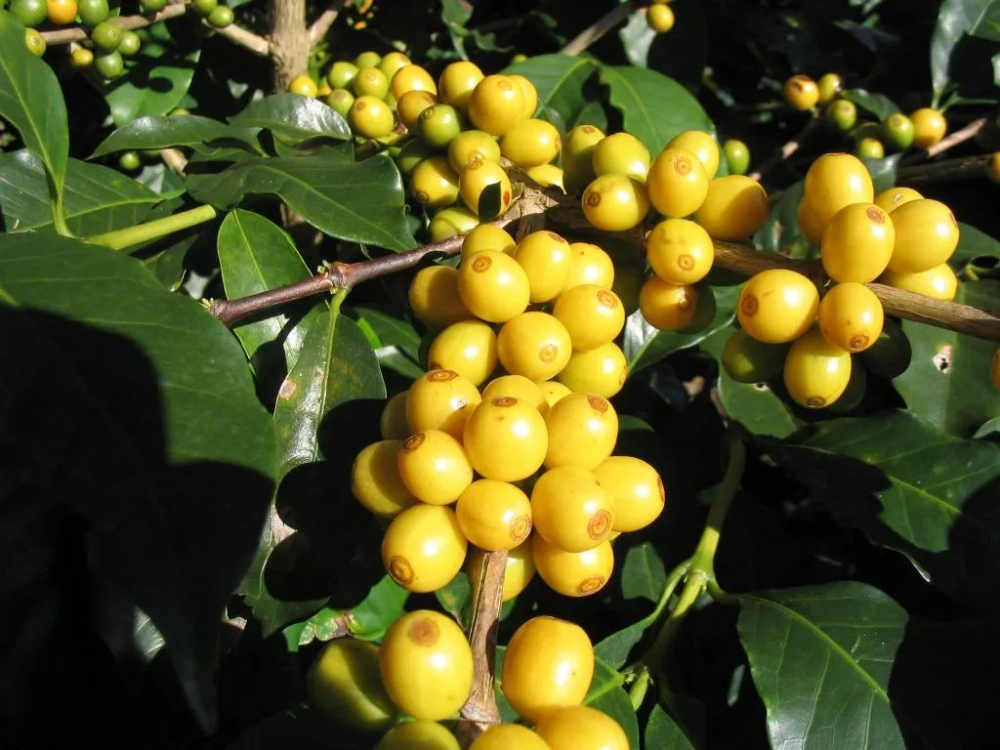
Two hundred mu of Yellow Bourbon coffee trees are planted on the estate. The rolling mountain terrain makes large-scale mechanical harvesting impossible, so all coffee must be picked by hand.
The estate uses the semi-washed method, followed by drying on raised beds and drying machines; after mechanical sorting, manual sorting is also added, and the large amount of work means farm employees need to live on the farm year-round. All employees and their families here can enjoy benefits in housing, health care, and education.
The estate is a member of a medium-sized farm organization in the local Grama Valley and mainly exports specialty coffee of the Bourbon variety. The organization's office is located nearby in Pocos de Caldas and also has a national-level cupping laboratory equipped with a large warehouse. The organization also collaborates with local universities and other institutions on research, including Lavras University—the famous Dr. Flavio Borem comes from that university's agricultural research center.
Fazenda Rainha Award Record
2014 Cup of Excellence 13th place
2013 Cup of Excellence 2nd place
2012 Cup of Excellence 8th place
2011 Cup of Excellence Champion
2010 Cup of Excellence 20th place
2009 Cup of Excellence 6th place
2008 Cup of Excellence 14th place
The Cup of Excellence (COE) program and trademark are currently owned and managed by the Alliance for Coffee Excellence (ACE), a nonprofit organization in the United States. Each year ACE works with host countries of the Cup of Excellence program to complete cupping screening and online auctions for specialty coffee, while also promoting anything related to improving coffee quality, aiming to select models of specialty coffee in host countries and exchange experience for the industry to learn from.
About the Bourbon Variety
Bourbon is a mutation produced after Typica was early transplanted to Yemen, with the bean shape changing from slender and pointed to round. In 1715, the French brought round-bodied Yemen Mocha beans to Bourbon Island off the east coast of Africa (renamed Reunion Island after the French Revolution), and only afterward was it named Bourbon. Round-bodied Bourbon beans then spread to Brazil and Central and South America in 1727, and in 1732 the British also transplanted Yemen Mocha to Saint Helena Island (later the place where Napoleon was imprisoned), which likewise belonged to round-bodied Bourbon beans.
In simple terms, Bourbon is a branch under the Arabica species, and its fruit is usually red, called Red Bourbon; there are also Yellow Bourbon and Orange Bourbon. Yellow Bourbon has relatively lower yield but better quality.
Bourbon is a secondary species produced by a mutation of Typica. Together with Typica, it is among the oldest extant coffee varieties, and its green fruit turns bright red when ripe.
Compared with Typica, Bourbon has broader leaves and denser growth. Although its yield is higher than Typica's, its harvest period is likewise two years, so it is still a low-yield variety, yet it has excellent flavor, with acidity resembling red wine and a sweet aftertaste. The coffee beans are relatively large, uniform in size, and even and glossy in color. To make harvesting easier, farmers prune the trees to no more than 150 centimeters tall.
The Spread Route of the Bourbon Variety
The Typica variety introduced to Brazil in 1727 had low yield and was susceptible to disease, so Bourbon was introduced to Brazil around 1860 via Campinas in the south and quickly expanded northward to other parts of South America and Central America. Today in Latin America, although Bourbon has mostly been replaced by its derivatives (especially Caturra, Catuai, and Mundo Novo), it is still grown in countries such as El Salvador, Guatemala, Costa Rica, and Peru.
Yellow Bourbon
Yellow Bourbon comes from crossing Bourbon with other varieties. Because its yield is relatively low and it is less resistant to wind and rain, it has not been widely planted. However, when grown at high altitudes, its flavor performance is excellent, and it has become more common in recent years.
Yellow Bourbon, whose fruit is yellow when ripe, was first discovered in Brazil and currently mainly grows in Brazil. It is generally believed that it may have arisen from a mutation after crossing red-fruited Bourbon with a yellow-fruited Typica variant called "amerelo de Botocatu."
Front Street Coffee: Brazil · Fazenda Rainha
Region: Mogiana
Altitude: 1400–1950m
Variety: Yellow Bourbon
Processing Method: Natural
Flavor: sweet bean character, clean; using pulped natural will make its acidity slightly brighter while still tying back well with sweetness, and some even have tropical fruit aromas.
This Brazil Fazenda Rainha coffee bean is 100% Yellow Bourbon, with provenance traceable to Reunion Island, Madagascar, the birthplace of Bourbon. In the 18th century, French explorers first brought coffee there, so this variety also has another name: French Missionary. In the 20th century, it was brought to the African continent, then made its way to Brazil, and its derivatives are now found throughout Africa and the Americas. Bourbon grown in Brazil has yellow fruit due to the influence of a recessive gene.
This Brazil Fazenda Rainha coffee bean uses the Cerezadescascado method invented in Brazil (pulped natural). This natural processing method, similar to honey processing, makes the coffee flavor rounder, with an effect between washed processing and full natural processing. During processing, a small amount of water is first used to remove the pulp and skin, and then the coffee is placed directly on raised drying beds to dry, being turned constantly during this time to ensure all the coffee is exposed to sunlight. After several days of drying, mechanical drying is then carried out to reach the appropriate moisture content.
The provenance of Yellow Bourbon can be traced to Reunion Island, Madagascar, the birthplace of Bourbon. Bourbon grown in Brazil has yellow fruit due to the influence of a recessive gene. Yellow Bourbon beans are inherently sweet and clean; using the natural method will make its acidity slightly lower while still matching well with sweetness, with good balance and tropical fruit aromas.
Processed coffee beans are relatively stable in character and can be stored for a long time. They have lower moisture content, and the beans are also relatively large; 98% of the beans can reach screen size 16 or above, and half can reach screen size 18.
Roasting Analysis
The green beans have a solid texture and good flavor performance, with slight orange peel and spice notes; green bean moisture content is 9.9%.
These beans also have relatively low moisture content, which gives them a very strong ability to absorb heat. Therefore, Front Street Coffee's roasting plan is to charge at 200°C, then use high heat and a small damper to speed up dehydration. After the dehydration stage ends, open the damper to medium and use medium heat for the Maillard reaction. The time should not be too rushed, and the beans should be dropped near the end of first crack.
Machine: Yangjia 800N, green bean charge 550g
Charge temperature: 200°C
First crack: 9'14", 188.9°C
Developed 1'48'' after first crack, dropped at 197.5°C
Front Street Coffee test-roasted four times in total and finally chose 1 minute 45 seconds to 2 minutes after the end of first crack as best. The flavor has obvious sweetness, but it is not a dull sweetness; there is a faint lemon aroma in the background, and this aroma is more prominent in the wet aroma stage. The latter part shows a clear dark chocolate flavor, and the overall impression is relatively rounded, retaining Brazil's overall characteristics while still being lively.
Brewing Suggestions
Dripper: Hario V60
Water temperature: 90°C
Dose: 15 grams
Coffee-to-water ratio: 1:15
Grind size: medium-fine (BG#6S)
Brewing Method
Pulse pouring extraction
Use 30 grams of water for a 30-second bloom, then pour in a small stream in circles to 125 grams for the pulse stage. When the water level drops and is about to expose the coffee bed, continue pouring to 225 grams and stop. When the water level drops and is about to expose the coffee bed again, remove the dripper. (Start timing from the beginning of the bloom.) Extraction time is 2'00".
Flavor
Sweet bean character, clean; using pulped natural will make its acidity slightly brighter while still tying back well with sweetness, and some even have tropical fruit aromas, especially the aroma spreading all around during brewing, which makes it even more appealing. The fresh sweetness of sugarcane juice, black tea, and a soft, smooth fruit sweetness, obvious nutty flavor, balanced and gentle acidity, weak and clean bitterness, rich chocolate aroma and nutty flavor, bright and refreshing mouthfeel, smooth and delicate texture.
Red Bourbon
For Red Bourbon, after the coffee tree flowers and fruits, the color of the coffee cherries generally changes as follows: green > slightly yellow > slightly orange > ripe red > then darker reddish-brown as it becomes more mature. Therefore some people also call it Red Bourbon. In fact, Red Bourbon is simply what we usually call Bourbon. Bourbon grown at high altitude usually has better aroma, while its acidity is brighter, and it can even taste somewhat like red wine.
Front Street Coffee · Brazil Cerrado Red Bourbon
Country: Brazil
Region: Cerrado
Altitude: 1000 meters
Variety: Red Bourbon
Processing Method: Pulped Natural
Flavor: nuts, chocolate, cream, peanut, caramel
Roasting Suggestions
Brazilian coffee beans are mainly characterized by body. To highlight this flavor, Front Street Coffee uses a medium roast.
Machine: Yangjia 800N, green bean charge 550g
Charge temperature 160°C
Turning point 6'52", 145.2°C
First crack 10'46", 186.8°C
Developed 3'00'' after first crack, dropped at 202.5°C
Brewing Parameters
Dripper: Kono dripper
Water temperature: 88°C
Coffee dose: 15g
Coffee-to-water ratio: 1:15
Grind size: medium-fine (70–75% passing through China standard No. 20 sieve)
For coffee beans roasted to a relatively darker degree, in order to highlight the coffee's body, Front Street chooses the Kono dripper for brewing. The Kono dripper is characterized by its immersion function, which can be used to extract more coffee substances and enhance the body. Because it has few ribs and they are located at the lower end, it allows the filter paper to cling tightly to the dripper to restrict airflow, thereby slowing the flow rate and increasing contact time between water and coffee.
A water temperature of 88°C is chosen, which counts as a relatively low brewing temperature and can avoid extracting too many off-flavors from the coffee beans during brewing, because the darker the roast level, the more off-flavors increase accordingly.
Front Street Coffee uses pulse pouring extraction: 30 grams of water for a 30-second bloom, then pour in a small stream in circles to 125 grams for the pulse stage. When the water level drops and is about to expose the coffee bed, continue pouring to 225 grams and stop. (Start timing from the beginning of the bloom.) Extraction time is 2 minutes.
Flavor description: obvious sweetness on entry, with a faint lemon aroma, rich nutty flavor, and a clear dark chocolate note in the latter part; the overall impression is relatively rounded.
Overall, among Bourbon varieties, Red Bourbon and Yellow Bourbon are relatively similar in flavor, both having obvious notes of dark chocolate, cocoa, nuts, and caramel, gentle acidity, and low bitterness.
For more specialty coffee beans, please add the private WeChat of Front Street Coffee, WeChat ID: kaixinguoguo0925
The above content is compiled by CoffeeHunters, a coffee news website.


