







Search Results for: Mocha Coffee Recipe
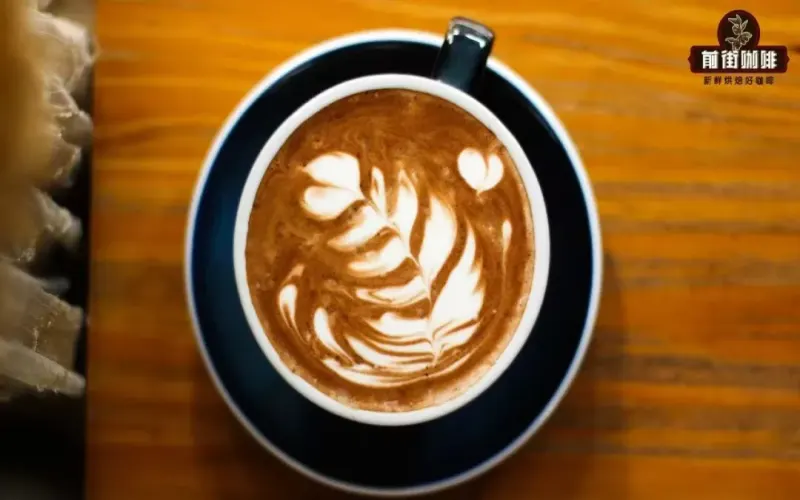
Salted Mocha Coffee Recipe Tutorial: A Detailed Guide to Hot and Iced Versions, Plus How Mocha, Latte, and Cappuccino Differ
Mocha coffee has evolved from the classic version into many new forms, among which the "salted mocha" has rapidly gained popularity in the coffee world in recent years. Simply adding a pinch of salt to the traditional mocha recipe can make the sweetness more prominent and the aroma more vivid, and the interwoven salty-sweet flavor is deeply loved by modern consumers. In this article, Front Street will provide a detailed introduction to two methods of making salted mocha—hot and iced—including ingredient preparation, coffee bean selection suggestions, specific ratios, and operating steps. It will also explain the differences between mocha latte and cappuccino, helping coffee enthusiasts easily recreate this beverage at home. [more…]
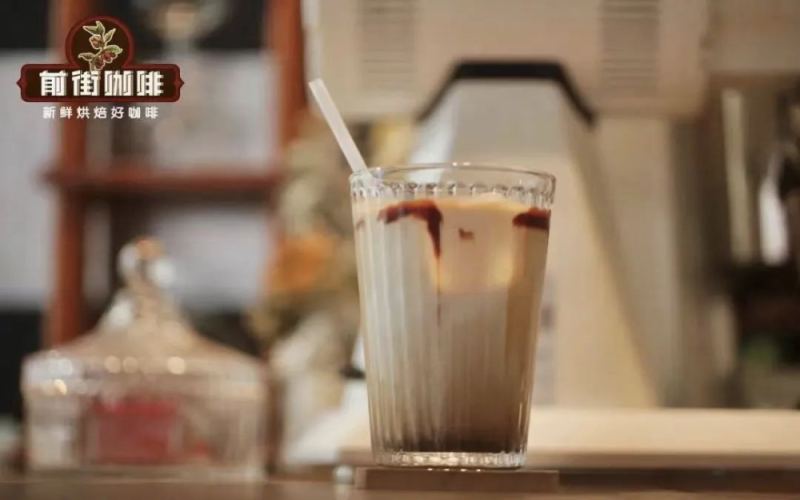
From Yemeni Ports to Espresso Bars: The Origins of Mocha Coffee, Its Recipe, and Why It's Fading from Menus
The name Mocha always conjures up images of chocolate and coffee blending together, but its origins actually point to an ancient port in Yemen. From the coffee trade monopoly of Mocha Port in the 15th century, to Italians using cocoa powder to imitate the flavor of Mocha beans in the 18th century, to the rise of fancy coffee drinks after World War II, Mocha coffee has undergone a rather winding evolution. This article traces the historical thread of Mocha coffee, explains its essential differences from a latte, introduces the specific method and recipe for a traditional Mocha, and analyzes why this high-sugar drink appears less and less on menus amid the specialty coffee wave and healthy eating trends. At the end, Front Street digs out its long-stored chocolate sauce to revisit the process of making an iced Mocha with everyone. [more…]
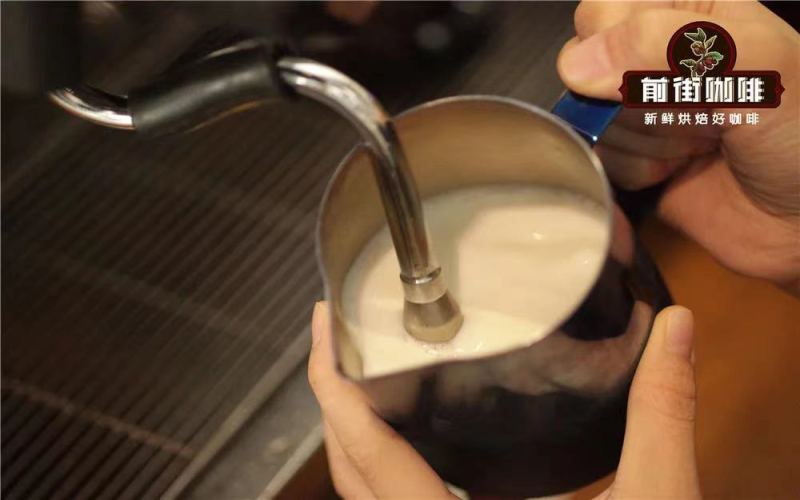
Mocha Recipe | What's the Difference Between Italian Milk Coffee, Mocha, and Latte? How Can Coffee Beginners Make a Starbucks-Style Mocha at Home?
Recently, more and more friends have been visiting Front Street Coffee stores to ask about Mocha coffee. Unfortunately, Mocha coffee has already been removed from Front Street Coffee's menu, so these friends have been turned away one after another. "Since we can't buy it outside, we'll just make it ourselves and take care of our own needs." Most friends, holding onto this idea, went home [more…]
How do you make a mocha at home? A guide to choosing coffee beans for making mocha
Mocha coffee has won countless fans with its classic combination of coffee and chocolate, but nowadays many cafes have removed it from their menus, and Front Street locations have recently received a string of related inquiries. Since it is not easy to buy outside, making it at home has become the best way out. This article focuses on the question of bean selection for mocha coffee: why does Front Street recommend its own classic espresso blend? This recipe, composed of three green beans from Brazil, Indonesia, and Vietnam and given a deep roast, with its rich aroma and abundant, velvety crema, can support the chocolate flavor very well, making homemade mocha twice as effective with half the effort. At the end of the article, the official purchase channel information is also included. [more…]
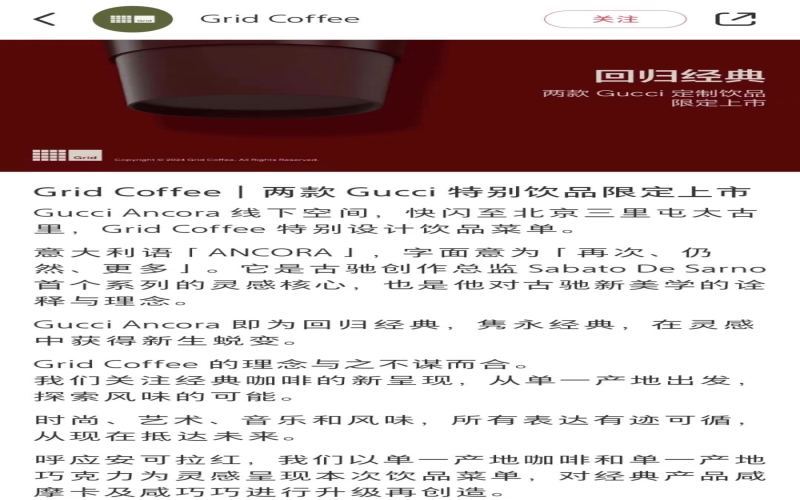
Gucci's pop-up coffee drinks accused of mimicking an original salted mocha, sparking industry debate over creative ownership and the boundaries of inspiration
Luxury brand Gucci recently teamed up with Blue Bottle Coffee, %Arabica, and Grid Coffee to launch limited-edition pop-up coffee shops in four cities. Among them, the Beijing stop's collaboration with Grid Coffee produced the "Single-Origin Salted Mocha" and "Single-Origin Salted Chocolate," which sparked widespread discussion both inside and outside the industry. An independent coffee shop owner in Beijing publicly stated that the salted mocha among Gucci's limited-edition drinks is suspected of copying her signature product, which she developed in 2020 and officially launched in 2022 with Bingboke as its base. The incident quickly escalated, with voices supporting originality and those believing it was purely a creative coincidence rising and falling in turn. This article will sort out the sequence of events, present multiple perspectives, and explore the copyright dilemmas and market implications of creative coffee drinks. [more…]
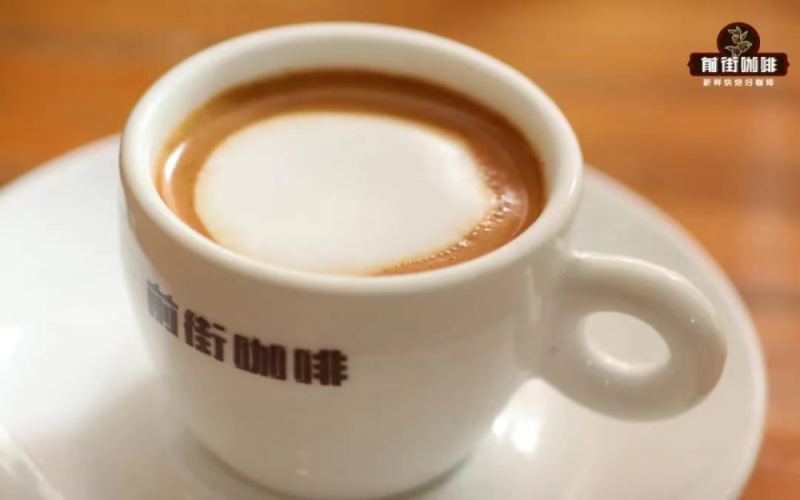
Types of Espresso Drinks | How Can Coffee Beginners Learn to Make Espresso Black Coffee and Milk Coffee? What Are the Recipe Ratios for Various Espresso Drinks?
For those who are just getting into espresso coffee, facing a bunch of coffee terms can leave you feeling completely lost, such as Espresso, Ristretto, Lungo, Latte, Flat White, and so on. These all fall under the category of espresso coffee. Front Street Coffee (FrontS [more…]
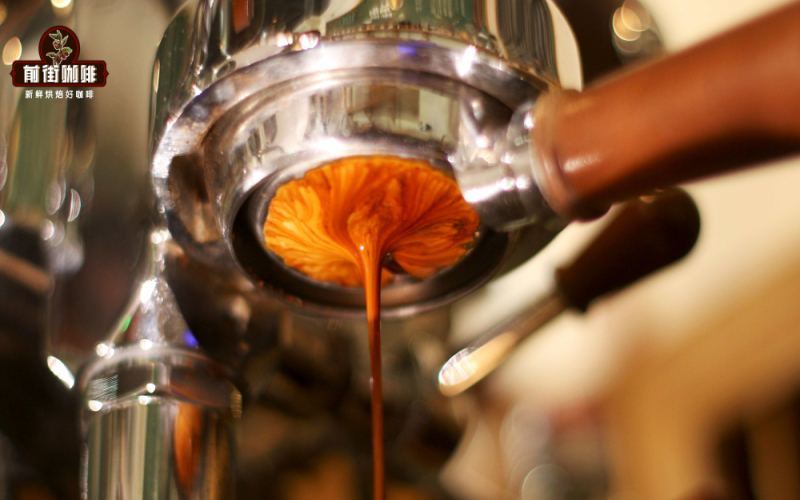
A Complete Guide to Ten Classic Espresso Drinks: From Espresso to Caramel Macchiato, Coffee Shop Menus Made Easy
Walking into any café, does the dazzling array of espresso drink names on the menu leave you puzzled? Espresso, Americano, Latte, Cappuccino, Flat White, Mocha, Dirty, Macchiato, Affogato, Caramel Macchiato—what exactly are the differences among these ten common coffee drinks, and how should they be made? In this article, Front Street Coffee breaks down for you one by one the recipe logic, taste characteristics, and serving standards of each drink, from the espresso base to the milk ratio, from milk foam thickness to the layering principle, helping you easily understand coffee menus and find the cup that suits you best. [more…]
The Complete Guide to Making Mocha Coffee at Home: From Chocolate Base Blending to Detailed Hot and Iced Methods
Mocha coffee has always been a favorite among coffee lovers thanks to its rich chocolate flavor and full-bodied taste. However, many people who try making it at home often run into the problem of the chocolate flavor not being prominent enough or the drink being too sweet. The key actually lies in the choice and pairing of chocolate sauce—store-bought chocolate sauce is convenient, but because of its high sugar content, it struggles to work well on its own. Front Street Coffee will share a recipe that has been repeatedly tested, using unsweetened cocoa powder to boost the chocolate intensity while balancing the sweetness, making the mocha both rich and easy to drink. This article will introduce the complete steps for making hot mocha and iced mocha separately, covering base preparation, milk frothing, blending techniques, and more, to help you easily make a cup of mocha coffee with rich layers and alluring flavor. [more…]
A Beginner's Guide to Single-Origin Coffee: From Origin to Flavor, a Detailed Explanation of 15 Common Specialty Coffee Beans and Recipe Ratios
Single-origin coffee refers to pure coffee made from coffee beans of a single origin, usually without milk or sugar, in order to showcase the terroir of the origin itself. From Jamaican Blue Mountain to Hawaiian Kona, from Ethiopian Mocha to Indonesian Mandheling, each producing region has its own signature flavor imprint. This article will systematically sort out the origins, flavor characteristics, and drinking features of 15 common specialty coffee beans, and also include blending ratios for four representative types of single-origin beans—acidic, bitter, full-bodied, and mild—to help coffee lovers build a clear cognitive framework for single-origin coffee and find the cup that suits them. [more…]
The Origin and Flavor Analysis of Mocha Coffee: A Complete Interpretation from Yemeni Mocha Beans to Chocolate Espresso
Mocha coffee is one of the most recognizable specialty coffee drinks. Its name comes from the small port town of Mocha on the Red Sea coast of Yemen, which held a monopoly on the coffee export trade in the 15th century. Mocha refers both to a coffee beverage with a chocolate flavor and to the chocolate-colored coffee beans from Yemen. This article will comprehensively sort out the flavor characteristics and origin background of mocha coffee from the perspectives of recipe composition, surface decoration, variant classification, regional naming differences, and historical origins, helping coffee lovers clarify the ins and outs of this classic drink. If you are looking for a coffee bean suitable for making mocha, Front Street Coffee's Yemen Mocha flavored beans are worth checking out. [more…]
What's the Difference Between a Latte and a Mocha? A Complete Analysis from Classic Ratios to the New Trend of Salted Mochas
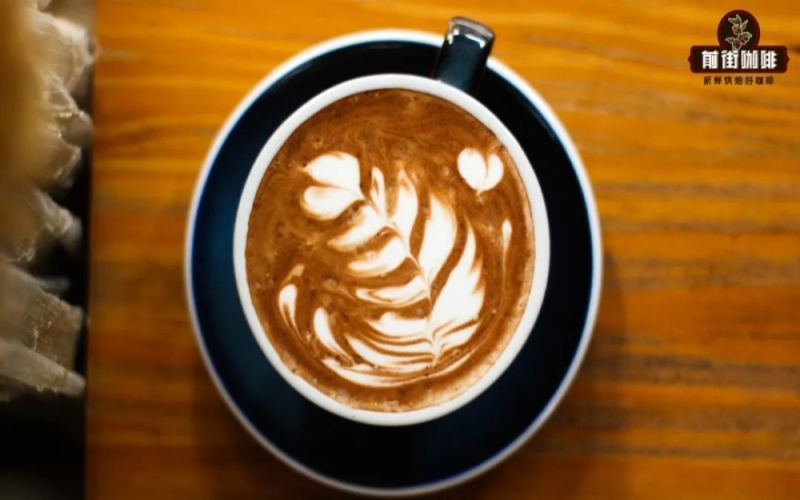
In the espresso family, latte and mocha are two of the most common yet easily confused milk coffees. With the addition of chocolate, mocha clearly diverges from latte in flavor complexity and aroma. The salted mocha that has taken the internet by storm over the past two years has brought new buzz to this classic category. This article will systematically break down the core differences between latte and mocha from the perspectives of recipe composition, taste characteristics, and brewing logic, while also discussing why salted mocha sells so well in many coffee shops during autumn and winter, helping you more clearly understand the essential differences between these two coffees. [more…]

What Is Caffè Marocchino? A Look at the Italian Niche Chocolate Drink's Recipe and Flavor Profile
In the big family of fancy espresso drinks, there is a very niche yet highly storied beverage—Caffè Marocchino, often transliterated into Chinese as "玛罗奇诺咖啡," literally meaning "Moroccan coffee." Its combination of ingredients is actually quite familiar: espresso, milk foam, and chocolate sauce or cocoa powder. It sounds similar to a mocha, but the flavor and mouthfeel are completely different. This coffee was born in Italy, and the origin of its name is unexpectedly linked to the brown leather strips of the luxury hat brand Borsalino. This article will take you through the historical origins of Caffè Marocchino, its differences from mocha, and share Front Street Coffee's commonly used preparation method and tasting impressions, so you can easily recreate this layered Italian niche classic at home. [more…]
Latte Recipe | How to Distinguish Cappuccino, Mocha, and Latte? What Is the Espresso-to-Milk Ratio for Making a Latte?
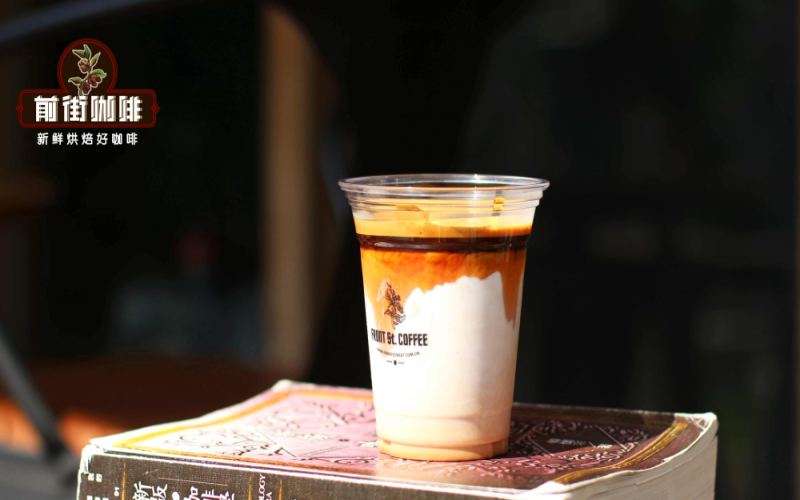
For more specialty coffee knowledge, please follow: Front Street Coffee (Frontsteet Coffee). Front Street bets that among all the coffee drinks made at home by those who own a coffee machine, milk coffee must be at the top, and among them, the latte is the "face" that is especially favored by everyone. Because [more…]
A Complete Guide to Espresso at Cafés: Detailed Breakdown of Ten Common Types and Their Preparation Ratios
Walking into any coffee shop, the dazzling array of espresso drinks on the menu can be overwhelming. Espresso, Americano, Latte, Cappuccino, Flat White, Mocha, Dirty, Macchiato, Affogato, Caramel Macchiato—what are the origins of these ten beverages? What are their ingredient ratios? Where do their taste differences lie? This article breaks down each espresso drink one by one—its definition, origin story, and preparation method—and includes the actual production parameters from FrontStreet Coffee, helping you understand the logic behind a coffee menu from the perspective of recipes. Whether you're ordering daily or recreating drinks at home, you'll be well-informed. [more…]
How to Make an Authentic Mocha Coffee? A Detailed Guide to the Core Differences Between Mocha and Latte and Bean Selection Tips
There are so many types of fancy coffee that mocha and latte often leave people confused. This article starts with the definition of fancy coffee, sorts out the core differences between mocha and latte in terms of recipe ratios and taste performance, and includes the specific steps for making a mocha. Whether you are a beginner who has just come into contact with coffee or an enthusiast who wants to improve your skills, you can find practical reference here. The article also combines Front Street Coffee's products to give bean selection and usage suggestions, helping you make a cup of mocha with balanced flavor and distinct layers. [more…]
How Is a White Mocha Different from a Mocha? A Comprehensive Analysis from Chocolate Formula to Calories
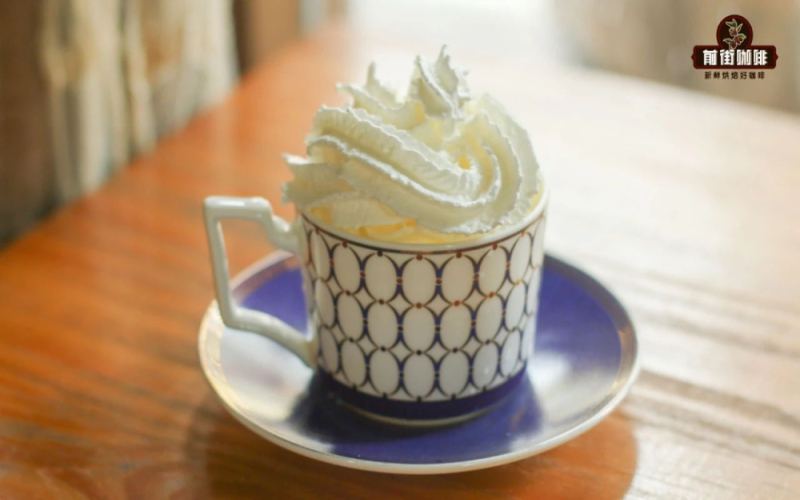
White mocha and mocha appear to differ by only a color, but in reality they are vastly different from the chocolate ingredients to the calorie content. White mocha uses white chocolate syrup to replace the dark chocolate in traditional mocha, resulting in a sweeter taste and higher calories. This article will introduce in detail the ingredients, preparation methods, flavor characteristics, as well as the origin stories and calorie differences of white mocha and mocha. Whether you prefer the rich flavor of dark chocolate or the sweet taste of white chocolate, you can find practical preparation references here. Front Street Coffee has also compiled detailed recipe ratios for you, so let's take a look. [more…]
A Complete Guide to Ten Espresso Drinks: From Espresso Base to Creative Specialty Recipes
Espresso coffee is a core category on most café menus, but its family is far more than just Americanos and lattes. In this article, Front Street Coffee sorts out the definitions, origins, and specific preparation parameters of ten common espresso drinks, including espresso, Americano, latte, cappuccino, flat white, mocha, Dirty, macchiato, affogato, and caramel macchiato. For each drink, Front Street's recipe ratios, cup size choices, and key operational points will be provided to help coffee enthusiasts understand the differences and connections between them. Whether you want to recreate them at home or want to understand the logic behind café menus, this compilation can provide clear and practical reference. [more…]
From the Port of Mocha to Italian Coffeehouses: The Historical Origins, Evolution, and Contemporary Circumstances of Mocha Coffee
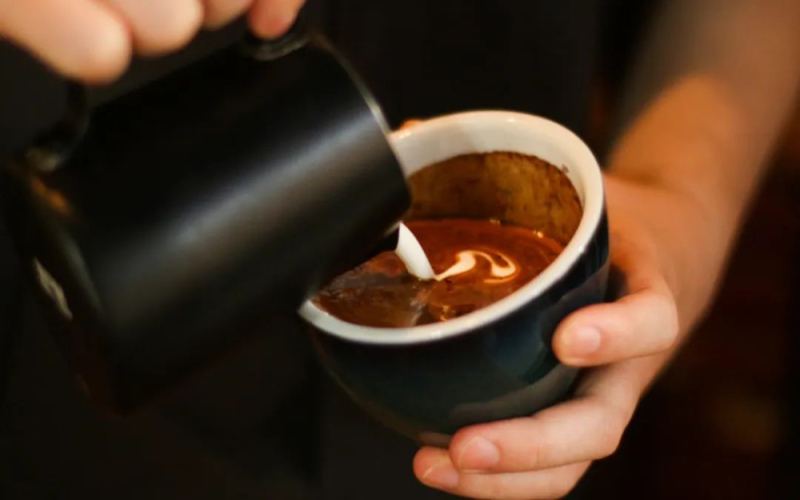
Mocha coffee was once a classic beverage on Italian menus, standing shoulder to shoulder with lattes and cappuccinos, but today it is gradually disappearing from specialty coffee shops. This article traces the origin of the name "mocha"—from the status of Yemen's Mocha Port as a coffee trade hub, to the Italian mocha created by 18th-century Italians to imitate the chocolate notes of Mocha beans, and then to how it became a dessert-like drink in the second wave of coffee that masked the bitterness of dark roasts. The article also analyzes how the third wave specialty coffee movement and the healthy-eating trend have caused traditional mocha to decline, yet people's love for chocolate-flavored coffee has not faded. Finally, it includes the iced mocha recipe shared by Front Street Coffee for enthusiasts to recreate at home. [more…]
A Complete Guide to Ten Classic Espresso Drinks: Recipes and Flavors from Espresso to Caramel Macchiato
In any coffee shop, espresso-based drinks are the undisputed stars of the menu. But espresso beverages are far more than just Americanos and Lattes. Compiled by Front Street Coffee (FrontStreet Coffee), this article systematically introduces the ten most common espresso drinks found in cafés, including Espresso, Americano, Latte, Cappuccino, Flat White, Mocha, Dirty, Macchiato, Affogato, and Caramel Macchiato. Each one comes with specific preparation ratios, ingredient compositions, and flavor characteristics, helping coffee enthusiasts understand the differences and connections between them. Whether you want to recreate them at home or simply be more knowledgeable when ordering, this guide offers practical reference. [more…]
Why Is Mocha Coffee Fading from Menus? A Complete Trace from Yemen's Mocha Port to Italian Chocolate
Mocha was once a classic on Italian menus alongside latte and cappuccino, but it is now increasingly disappearing from specialty coffee shops. Its name originates from the Port of Mocha in Yemen—from the 15th century onward, coffee beans were shipped through this port, and the sacks were marked "MOCHA," so Europeans collectively called the beans exported from there mocha coffee, and in the early period it even became synonymous with coffee. In the 18th century, Italy, in an attempt to recreate the chocolate notes of mocha beans, tried adding cocoa powder to coffee, which later evolved into a chocolate-added milk coffee with the spread of espresso machines. During the second wave, the combination of dark-roasted blend beans with chocolate sauce, cream, and other additions made mocha a representative sweet drink used to mask bitterness. The third wave of specialty coffee emphasized origin flavors, and together with the low-sugar healthy trend, the high-sugar, high-calorie mocha gradually fell out of favor in the market. The article sorts out its historical context and shares Front Street's method and recipe for making iced mocha. [more…]