







Search Results for: Milk Cloth

The Complete Guide to Espresso Cleaning Cloths: Five Cloths, Each with Its Own Job, Plus Milk Cloth Usage and Stain Removal Tips
In the process of making espresso, besides auxiliary tools such as WDT needles, distribution tools, and latte art needles, cleaning cloths are also an indispensable logistical role. Many coffee enthusiasts wonder: why does making coffee require as many as five cleaning cloths? Is the barista some kind of god of rags? In fact, each cloth has a different task, and the requirements for hygiene standards and dryness/wetness also vary, so one cloth cannot serve all purposes. Front Street will break down in detail the responsibilities of each of the five cloths in this article—from wiping the portafilter, wiping cups, milk cloth, wiping the espresso machine, to the bar cloth—and share the key points for using the milk cloth damp, as well as how to distinguish fabrics by color and style, to help everyone understand the cleaning logic behind baristas. [more…]

What is the purpose of purging steam when frothing milk? Key operational details before making latte art
In front of a café bar, you can often hear the "hissing" sound a barista makes while steaming milk, and you'll also notice that they always purge the steam wand for a few seconds before and after use, sometimes even keeping it wrapped in a cloth the whole time. These seemingly superfluous little habits actually reflect careful consideration for coffee quality and operational safety. Purging the steam not only expels condensation from inside the wand and prevents the milk from being diluted, but also cleans the steam holes to keep them from clogging. As for whether the steam wand should be wrapped in a milk cloth, baristas each have their own reasoning: some insist that wrapping it is safer and more efficient, while others believe it is completely unnecessary. This article will examine both sides of the argument and analyze in detail this dispute over a fine point of espresso preparation, helping coffee enthusiasts gain a deeper understanding of the correct way to steam milk. [more…]
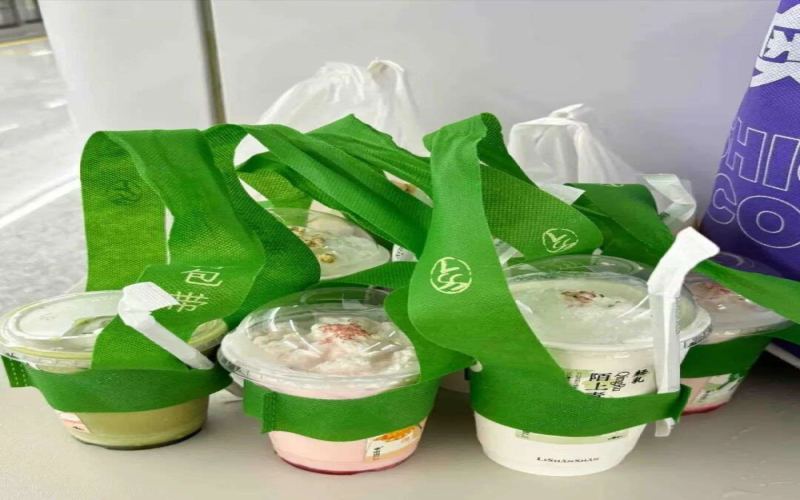
Milk tea takeout packed with just a single cloth strap? Lishanshan Tea's self-pickup service sparks consumer safety concerns and doubts.
Recently, the popular milk tea brand Li Shanshan Tea Affairs has sparked heated discussion due to its takeout packaging method. When customers pick up drinks themselves, the store does not provide conventional carry bags; instead, it uses a green cloth strap to tie the cup so customers can carry it away. Before use, this cloth strap has an unusual shape and has been jokingly called a "G-string" by netizens. However, beyond the jokes, more consumers have expressed concern about its safety: the cloth strap only wraps around the upper half of the cup body, with no support at the bottom, making it easy to lose balance and tip over while walking, causing drinks to spill. In addition, the brand stipulates that no matter how many cups are purchased, if customers do not pay extra for a carry bag, the store only provides a packaging strap, a practice that also makes many customers feel inconvenienced. This article will sort out the ins and outs of the incident, present consumer feedback and comparative cases, and explore the balance between the brand's original environmental intentions and users' actual needs. [more…]
A Complete Guide to Flannel Cloth Pour-Over Coffee: Characteristics, Brewing Process, and Parameters
Flannel cloth brewing has always held a unique charm in the coffee world, capable of producing a rich body and sweetness that filter paper struggles to match. This time, Front Street Coffee will use a flannel cloth to brew a pot of Front Street Blue Mountain, and along the way discuss the characteristics and operational details of this brewing method. Flannel has larger pores than filter paper, allowing it to retain some of the coffee oils, making the mouthfeel smoother and fuller—especially suited to deep-roasted beans with robust flavors. However, this technique places demands on pouring speed, water temperature, and skill; a slight misstep can affect the flavor. The following sections will systematically introduce the background knowledge of flannel cloth brewing, the steps for use, the brewing parameters for pairing with Front Street Blue Mountain, and the principles behind flow rate changes, helping enthusiasts master this classic brewing method. [more…]
How to Choose the Grind Size for Brewing Blue Mountain Coffee with a Flannel Filter Cloth? Front Street Coffee Tests and Compares Three Grind Sizes
The flannel filter cloth retains coffee oils, making the mouthfeel richer and smoother, and is especially suited to the full-flavored Front Street Blue Mountain coffee. But what grind size should be used when brewing with a cloth filter? Is it the same as the common grind size for the KONO dripper? Front Street Coffee conducted a comparative experiment using three grind sizes—BG-5R, BG-6M, and BG-6A—with 20 grams of coffee, a water temperature of 85°C, a coffee-to-water ratio of 1:13, and a single-pour brewing method. The results showed that BG-5R was somewhat strong with a slight astringency, BG-6M had a somewhat thin mouthfeel, while BG-6A performed in a balanced and mellow way. The article also explains the reasons behind the changes in flow rate of the flannel filter cloth and offers grind size recommendations for dark-roasted beans. [more…]
Jamaica Blue Mountain Coffee Pour-Over Flavor Analysis and Flannel Brewing Techniques Sharing
Jamaican Blue Mountain coffee is renowned worldwide for its balanced and mellow flavor, but can its charm be revealed through pour-over brewing? This article will start with the terroir conditions of the Blue Mountains, analyze the origin background and flavor characteristics of authentic Blue Mountain coffee, and document in detail the practical process of brewing Front Street Jamaican Blue Mountain coffee using a flannel cloth filter, including grind size adjustment and extraction time, as well as the flavor performance. It also compares the differences between flannel cloth filters and paper filters, helping you understand how to enhance the body and smoothness of coffee through the choice of equipment, so that Blue Mountain coffee can present its best state in pour-over brewing. [more…]
Beginner's Guide to Pour-Over Coffee: Seven Classic Brewing Methods Explained with Tasting Tips
The charm of coffee lies not only in its flavor, but also in the focus and sense of ritual during the brewing process. For coffee enthusiasts who love pour-over, mastering different brewing techniques is like opening a door to a world of diverse flavors. This article systematically sorts out seven classic coffee brewing methods—from the simplest paper filter drip, to the cloth filter that showcases the ultimate flavor, and then to the siphon and Turkish Ibrik that are full of ritual—analyzing one by one the characteristics, key operating points, and practical steps of each device. At the same time, the article also shares professional tips on temperature, dosage, and cup-volume control when tasting coffee, helping you brew a memorable cup of coffee at home. Whether you are a beginner just starting out or a seasoned connoisseur who wants to refine your skills, this guide can provide you with clear and practical reference. [more…]
Operating Guides for Various Coffee Brewers: Turkish Pot, French Press, Siphon, and Super-Automatic Machines Explained
To make a good cup of coffee at home, choosing the right equipment is only the first step—mastering the correct operating techniques is equally crucial. This article systematically reviews the key points for using a Turkish coffee pot, French press, siphon brewer, Belgian coffee maker, moka pot, semi-automatic and fully automatic coffee machines, breaking down everything from grind size and water temperature control to extraction time. Whether you prefer the rich, full-bodied Turkish flavor or the clean, layered clarity of a siphon brewer, you'll find the corresponding steps and detailed tips here. The article also specifically retains relevant product recommendations from the Front Street Coffee brand for coffee enthusiasts to reference when making purchases. [more…]
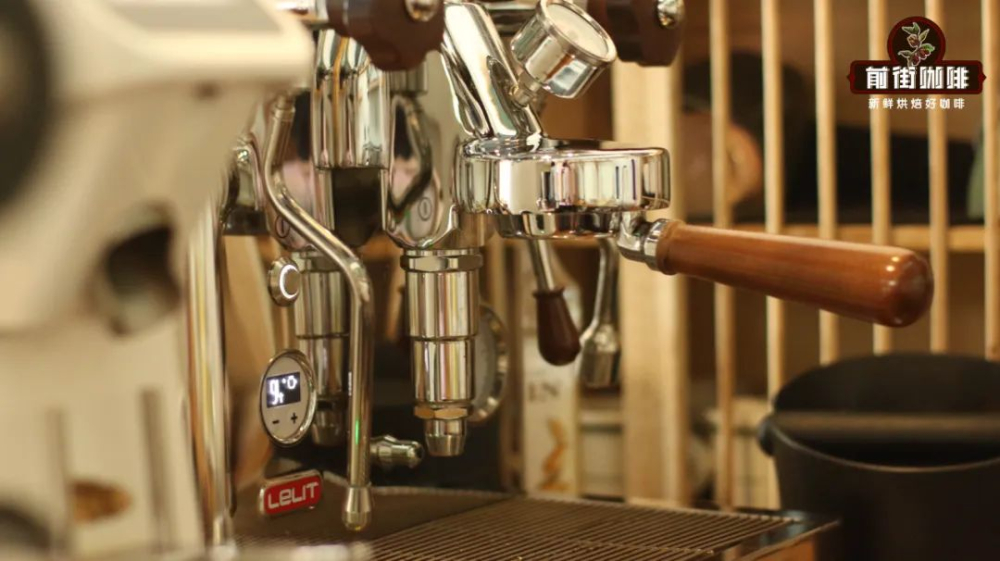
Coffee Machine Maintenance | How Should Coffee Beginners Clean and Maintain a Home Semi-Automatic Espresso Machine? How to Replace the Gasket on an Espresso Machine?
For professional coffee knowledge exchange and more coffee bean information, please follow Coffee Studio (WeChat official account: cafe_style). For more specialty coffee beans, please add our private WeChat: Front Street Coffee (FrontStreet Coffee), WeChat ID: qjcoffeex. With the rise of specialty coffee culture [more…]
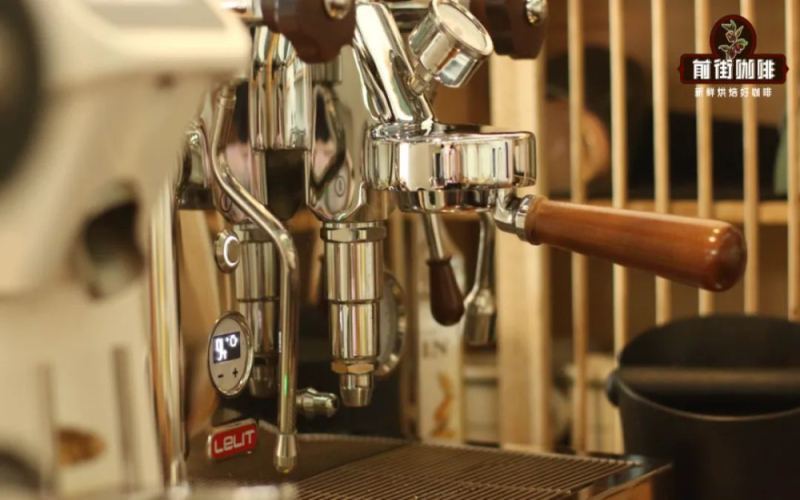
Home Espresso Machine Maintenance Guide: Daily Cleaning, Deep Descaling, and Group Head Gasket Replacement Tips
Many coffee enthusiasts have added espresso machines to their homes, but due to a lack of knowledge about cleaning and maintenance, problems such as weakened steam, uneven water flow, and even portafilter leaks begin to appear after the machine has been used for a while. This article systematically organizes maintenance methods for home espresso machines: from the routine cleaning of the steam wand and shower screen after each brew, to using a blind basket to backflush and remove internal residue before shutting down, and then to regularly using specialized cleaning powder for deep treatment of the steam wand, shower screen, and portafilter basket. The article also explains in detail the steps for replacing the brew head gasket after it ages, and reminds readers that water needs to be filtered to prevent scale from damaging the boiler. The article involves practical experience with the machine models used in Front Street Coffee stores, and is suitable for coffee enthusiasts to follow and implement. [more…]
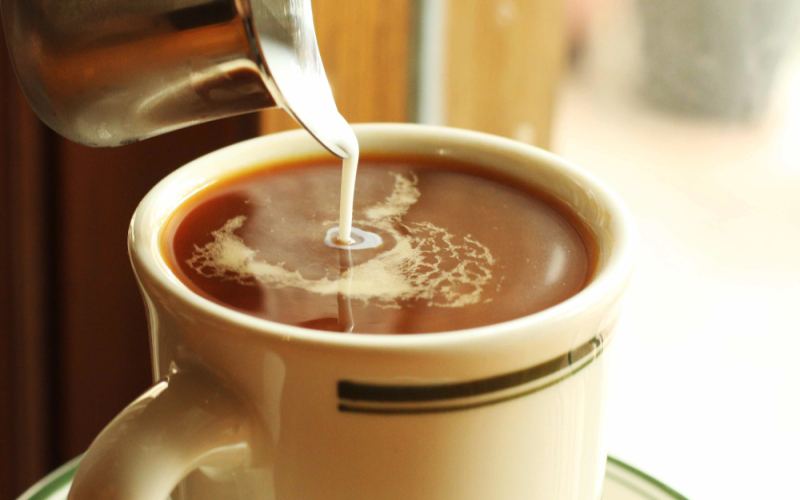
Can You Add Milk to Pour-Over Coffee? Flavor Evolution from Café au Lait to Japanese Methods, with Practical Tips
Whether pour-over coffee can be combined with milk is a topic debated by many coffee enthusiasts. In fact, this way of drinking coffee was already popular in 17th-century France under the name "Café Au Lait," translated in China as "Oulei coffee." Its coffee base is similar to pour-over, mixed with milk at a 1:1 ratio, and it later spread to Japan, where a high-extraction version evolved. The key to whether adding milk tastes good lies in the roast level: medium-dark roasted beans carry nutty and caramel notes, which when combined with milk form a balanced, buttery, chocolate-like flavor; while medium-light roasted coffee with acidic notes is easily masked by milk, turning into diluted sour milk. This article will trace this history and, using Front Street PWN Golden Mandheling as an example, provide a complete demonstration of making a cup of Café Au Lait along with tasting notes. [more…]
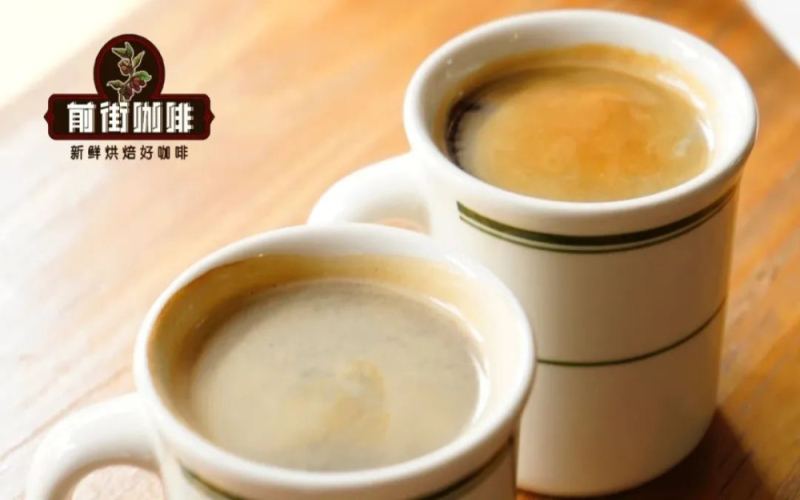
The Espresso Milk Coffee Family Illustrated Guide: A Full Analysis of the Recipe Differences Between Latte, Cappuccino, and Flat White
Although also made from a combination of espresso and milk, latte, cappuccino, and flat white each stand independently on cafe menus and are not interchangeable. What specific differences do these three classic milk coffees have in terms of extraction parameters, milk quantity, and milk foam thickness? This article will start from their historical origins, break down the production logic of the three beverages one by one, and, combined with Front Street Coffee's serving practices, provide a quantitative comparison of espresso extraction yield, fresh milk ratio, and milk foam thickness, helping coffee enthusiasts clarify the essential differences between them. [more…]

Analysis of Why Cold Brew Coffee Filters Slowly and Comparison of Three Practical Solutions to Speed Up Filtration
Summer is here, and many people enjoy making cold brew coffee at home, but the filtration step often proves troublesome—the coffee liquid drips extremely slowly, sometimes taking half a day. Why is cold brew filtration so slow? The core reason is that the extremely fine particles in the coffee grounds clog the pores of the filter paper, leaving insufficient channels for the liquid to flow through. This is especially true when making multiple servings at once, as the waiting time gets stretched even further. This article will first explain the causes of clogging, then share three methods commonly used by baristas to speed up filtration: using a filter bag or cloth to pre-isolate the coffee grounds, spreading the coffee grounds at the bottom of the filter paper to intercept fine particles, and using a vacuum filtration device to achieve rapid filtration under reduced pressure. Each approach has its own pros and cons, suiting enthusiasts with different needs, and the article also retains relevant experience and product recommendations from the Front Street Coffee brand. [more…]
Brewing Guide for Full-Bodied Coffees Like Mandheling: How to Avoid Bitterness and Achieve a Rich Cup with Dark Roasts
The Indonesian producing regions, represented by Mandheling and Kopi Luwak, captivate many coffee enthusiasts with their rich, heavy, and bitter style. But what exactly determines a coffee's body? From variety, altitude, and processing method to roasting and brewing, every step influences the final mouthfeel. Starting from the definition of body, this article sorts out the key factors affecting coffee body and provides bean list references for medium-dark and medium-light roasts, including Front Street Coffee Lindong Mandheling and Front Street Coffee Blue Mountain No. 1. Finally, it focuses on how dark-roasted beans, through flannel filter cloth and Japanese brewing techniques, can preserve the oily mouthfeel while avoiding burnt bitterness. [more…]
What Are the Differences Between a Latte, Cappuccino, and Flat White? A Full Breakdown of Milk Foam Ratios and Espresso Extraction
Latte, cappuccino, and flat white—though all three milk coffees are born from the combination of espresso and milk, they present distinctly different flavors and mouthfeels due to differences in extraction method, milk ratio, and milk foam thickness. This article starts from their historical origins and breaks down the key preparation points of each: latte has the most milk and a pronounced sweetness; cappuccino has thick milk foam and its iconic "hamburger" shape; flat white pursues coffee flavor dominance and a silky texture. At the same time, Front Street Coffee combines classic blend beans to provide specific extraction parameters and serving suggestions, helping you recreate café-level milk coffee at home. [more…]
A comprehensive analysis of lattes, cappuccinos, and flat whites: extraction parameters, milk ratios, and milk foam thickness comparison
Latte, cappuccino, and flat white are the three most common espresso-based milk coffees on café menus. They are all made from a combination of espresso and milk, yet each has its own particularities in terms of extraction volume, milk ratio, and foam thickness. This article will examine the origins and preparation differences of these three drinks one by one, and compare in detail the extraction standards for espresso, the proportions of milk used, and the texture requirements for milk foam. The article also introduces the blend recipes and serving parameters that Front Street Coffee uses for different milk coffees, helping coffee enthusiasts not only understand the basics but also grasp the key points in actual preparation. [more…]
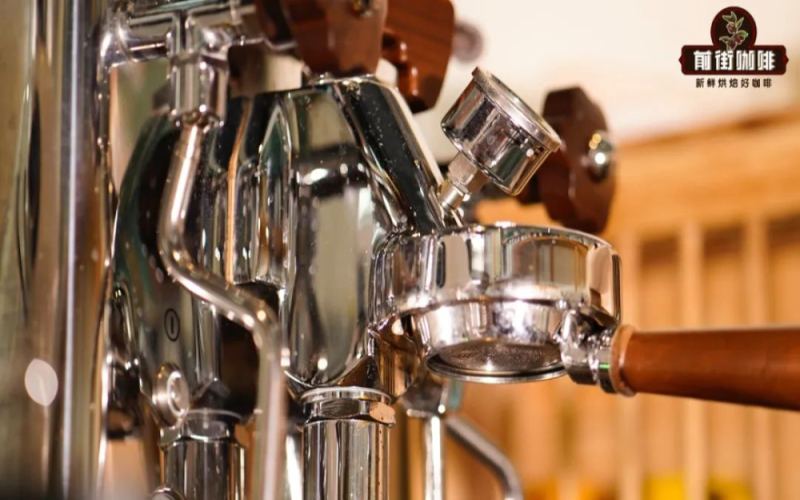
Daily Maintenance Guide for Espresso Machines: Detailed Explanation of Correct Cleaning Steps for the Dispersion Screen and Steam Wand
If a home espresso machine is neglected for a long time, extraction quality will gradually decline and may even lead to malfunctions. Using hands-on operation as an example, this article systematically explains how to clean the key parts of a coffee machine. It covers the simple rinsing and deep backflushing process for the dispersion screen, techniques for wiping the steam wand surface and soaking the tip, and key points for cleaning the portafilter spout area. Through regular maintenance, you can effectively extend the machine's lifespan and avoid costly repairs. The steps in the article are clear and suitable for coffee enthusiasts to follow on their own. [more…]
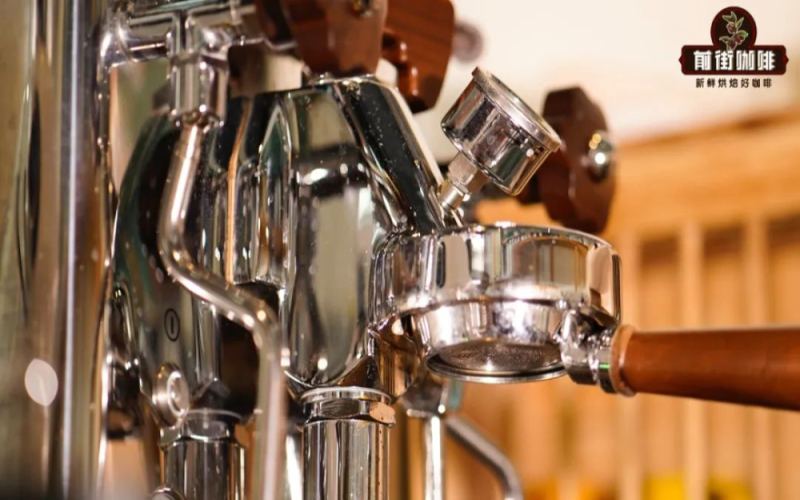
Daily Maintenance Guide for Espresso Machines: How to Properly Clean the Brew Head Shower Screen and Steam Wand
If a coffee machine lacks maintenance for a long time, extraction quality will gradually decline and may even cause malfunctions. This article takes the small espresso machine used in Front Street stores as an example to systematically explain the complete process of daily cleaning and deep maintenance for home coffee machines. The content covers key steps such as simple rinsing of the brew head dispersion screen and blind basket backflushing, wiping the steam wand surface and soaking the tip for descaling, and deodorizing the portafilter spout area. The article explains in detail the amount of special cleaning powder to use, control of backflush time and number of cycles, and precautions to avoid damaging the pressure relief valve. No matter what model is used, this method is basically universal, helping coffee enthusiasts maintain their machines at low cost and reduce the risk of needing repairs. [more…]
How to Fix Sour Blue Mountain Coffee When Brewing? A Comprehensive Analysis of Seven Brewing Methods and Techniques
How should you brew Front Street Blue Mountain Coffee to make it taste good after buying it home? This article compiles seven extraction methods suitable for Front Street Blue Mountain Coffee, from espresso, latte, and Americano, to various pour-over drippers, siphon, AeroPress, French press, cold drip, and Japanese iced pour-over. Each method provides specific coffee dose, water temperature, grind size, water-to-coffee ratio, and brewing steps. If you feel that the Blue Mountain Coffee you brew tastes too sour, the key issue often lies in the extraction method and parameter combination, as different brewers vary greatly in how they present acidity, sweetness, and bitterness. The article also compares the flavor differences between the Kalita扇形, cake cup, Kono, and V60 drippers, as well as the mouthfeel changes in siphon brewing when adding coffee grounds first versus later, making it easier for coffee enthusiasts to choose a suitable method according to their taste preferences. [more…]
A Beginner's Guide to Milk Steaming for Latte Art: A Complete Breakdown of Techniques from Theory to Practice
Want to create dense, smooth latte art milk foam at home, but keep getting discouraged by "over-whipped," "separated," or "can't pour a pattern"? Actually, milk frothing isn't as mysterious as it seems. As long as you understand the principles, choose the right tools, and master a few key details, even beginners can produce consistent results. This article starts with the formation principles of milk foam, then breaks down the three major factors in steam frothing: milk, steam wand, and pitcher. It also includes detailed hands-on steps and advanced tips, covering core points such as temperature control, aeration ratio, vortex frothing, and judging integration. Whether you use an espresso machine or a handheld milk frother, you'll find a practice direction that suits you. The article also retains relevant recommendations for the Front Street Coffee brand for coffee lovers to reference when purchasing. [more…]