







Search Results for: Lychee Jasmine Iced Americano
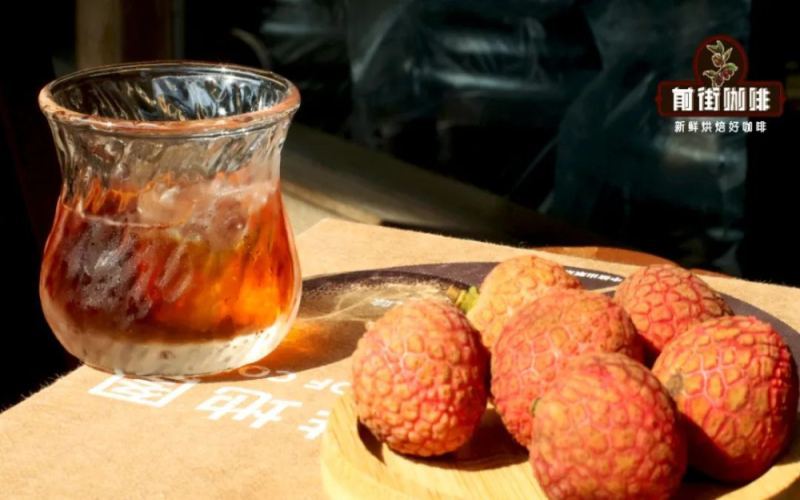
Lychee Iced Coffee: A Detailed Guide to Three Special Recipes—Jasmine Americano, Rice Wine Latte, and Cold Brew, Which Comes Out on Top?
As midsummer arrives, Lingnan lychees flood the market, their sweet, juicy flesh irresistible. What kind of sparks fly when lychee meets coffee? This time, Front Street Coffee got hands-on in the kitchen and tested three lychee coffee recipes buzzing online: lychee jasmine iced americano, lychee rice wine iced latte, and lychee cold brew. From ingredient preparation to extraction parameters, every step was recorded in detail. Some results were disappointing, while others were surprisingly delicious. If you also want a different fruity coffee this lychee season, why not follow this tutorial and give it a try—see which one becomes your summer favorite. [more…]
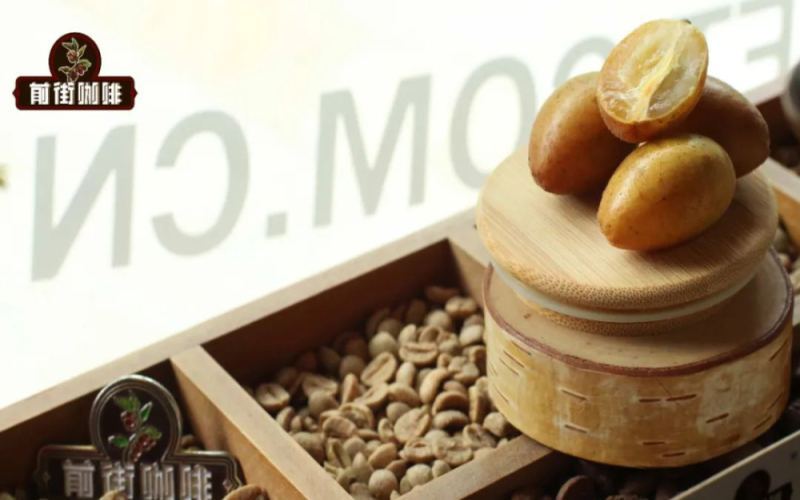
How to Make a Delicious Wampee Iced Americano? Three Special Recipes: Sparkling, Jasmine Tea, and Preserved Plum Iced Shake Detailed Tutorials
In the height of summer, wampee, a niche southern fruit, has become a popular partner for homemade iced coffee thanks to its sweet-and-sour juiciness and uniquely fresh aroma. Through repeated testing, Front Street Coffee has put together three distinctly different wampee iced americano recipes: the original wampee sparkling americano uses sparkling water to amplify the fruit aroma and add a more refreshing layer; the jasmine tea wampee americano blends homemade jam with a cold-brewed tea base for a soft fragrance; and the wampee preserved plum iced shaker americano targets those who dislike sweetness, using preserved plum water and a shaker to create a sugar-free version. All three recipes use Front Street Sunflower Warm Sun espresso blend, extracting 40g of coffee liquid from 20g of grounds in 31 seconds. Below, we break down the ingredients, steps, and production details one by one to help you find the cup that best suits your taste. [more…]
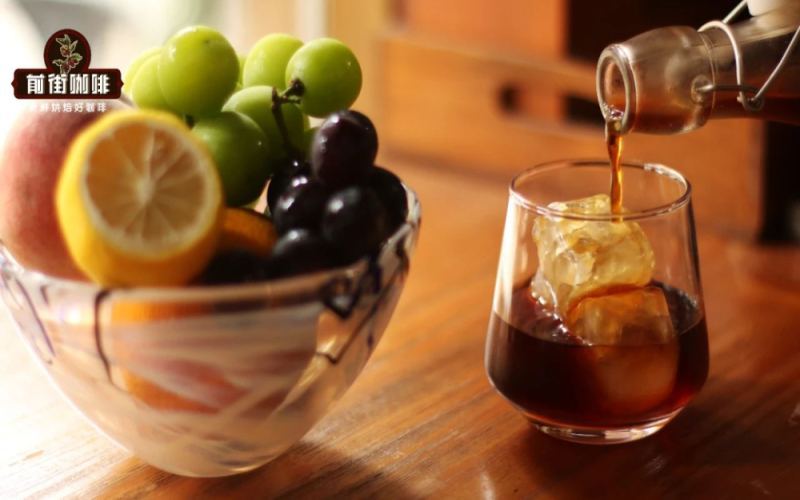
From Extraction Methods to Flavor Presentation: An In-Depth Analysis of Iced Americano, Cold Brew, and Cold Drip Coffee
In the heat of summer, iced coffee becomes the top choice for many. From the perspective of Front Street Coffee, this article systematically analyzes three popular iced drinks—iced Americano, cold brew, and ice drip coffee—covering their extraction processes, flavor characteristics, and practical brewing methods. Iced Americano uses hot water for rapid extraction plus ice, making it quick but relatively light in flavor; cold brew uses low-temperature long-time immersion to amplify purity; ice drip relies on cold water slowly filtering drop by drop to produce a smooth mouthfeel. The article not only details the specific steps for making iced Americano with Front Street Coffee's own Sunflower Warm Sun blend, various cold brew packs, and Sherry bean cold brew, but also reveals the ice drip blend recipes for single-origin beans such as Kenya, Huakui, and Sherry, providing coffee lovers with a professional and practical guide to summer cold drinks. [more…]
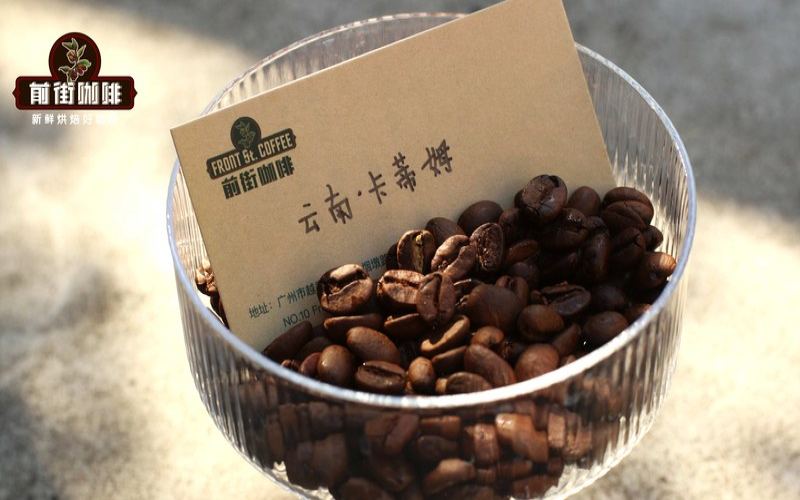
A few coffee beans recommended for making espresso with a strong sweet taste: balancing budget and drinking frequency
Understanding which coffee beans to use for a sweet, intense Americano requires translating flavor descriptions into sensations you can actually taste. When buying beans for everyday use, you need to consider how quickly you'll go through them, how much to buy at once, and whether you mainly make black coffee or milk-based drinks at home. Floral notes, fruity acidity, nuttiness, and cocoa aren't a matter of better or worse—they're simply different directions, and the one that suits you is the one that [more…]
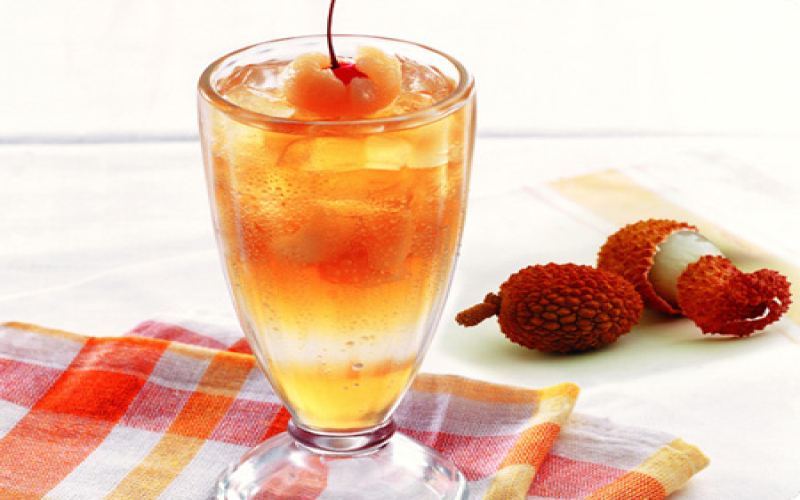
Which categories do lychee black tea, Earl Grey, and jasmine green tea belong to? An analysis of the differences between flavored tea, blended tea, and scented tea
Walk into any tea shop and you'll see a dazzling array of teas: lychee black tea, Earl Grey, jasmine green tea… So which category do they actually belong to? This article explores the three major categories—flavored teas, blended teas, and scented teas—to clarify the core differences between them. Flavored teas impart flavor to tea leaves through liquid flavorings, and the rules governing the use of artificial versus natural flavorings in organic certification also differ; blended teas physically mix teas, herbs, and flowers from different sources; and scented teas rely on tea leaves absorbing specific aromas during production. Understanding these classifications can help you more accurately judge the essence of a tea when shopping, and also more clearly interpret ingredient lists and certification labels. [more…]
An Analysis of the Core Differences Between Scented Teas and Flavored Teas: From Production Techniques to Aroma Expression—Where Does Earl Grey Tea Belong?
Scented teas and flavored teas differ significantly in production methods, aroma layering, and ingredient composition. Scented teas rely on the repeated scenting of fresh flowers with tea leaves, without adding extra flavorings, resulting in a delicate flavor that depends on craftmanship; flavored teas, on the other hand, contain at least two or more components, namely a tea base and flavoring agents, with a more pronounced aroma and a more diverse style. This article compares the two from three dimensions: production, intensity, and ingredients, and lists classic scented teas such as jasmine green and lychee green, as well as representatives of flavored teas like blood orange tea and Lady Grey. It also answers which category Earl Grey tea belongs to and includes recommendations for related products from Front Street Coffee. [more…]

What coffee beans should you choose for specialty coffee drinks? A practical guide to selecting beans by flavor type
Signature coffee drinks emphasize balance among the flavors of various ingredients, rather than letting any single taste dominate. Many people who try to recreate signature drinks at home find the result falls short of expectations, and the problem often lies in the pairing of coffee beans with the other ingredients. This article divides signature coffee drinks into three categories—refreshing, rich fruity coffee, and deep and full-bodied—and explains the suitable coffee bean roast levels and specific recommendations for each, along with practical advice on adjusting ratios, to help you find the best balance between coffee and ingredients. [more…]
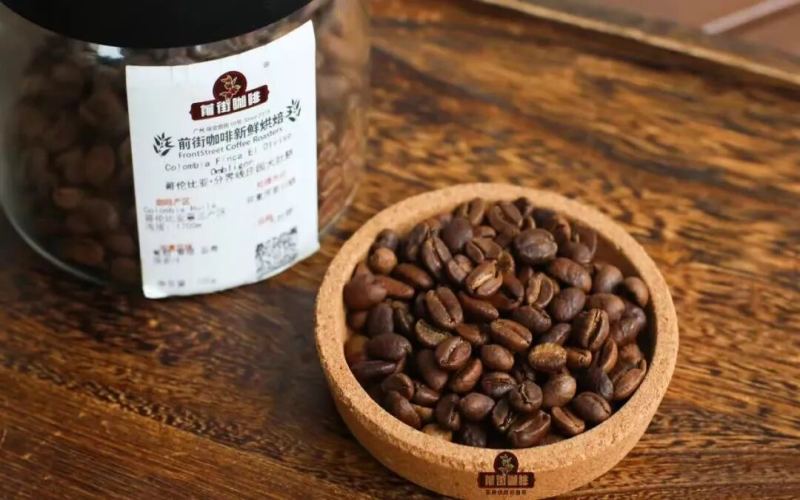
Coffee Bean Recommendations | What Is a Coffee Specialty Drink? Which Coffee Beans Are Suitable for Specialty Coffee Drinks? How Should Coffee Beginners Choose Coffee Beans for Making Specialty Coffee Drinks?
Specialty drinks are the third main category of coffee sold in coffee shops, alongside espresso-based and single-origin coffees. Specialty coffee drinks can be understood as the "cocktails" of the coffee world: creative beverages made by combining coffee with various traditional or non-traditional ingredients, setting them apart from conventional coffee. (Cof [more…]
An Analysis of the Source of Lychee Fragrance in Macau Lychee Black Tea: The Efficacy, Brewing Method, and Historical Origins of a Traditional Guangdong Brand
Lychee black tea is one of the representatives of traditional Guangdong herbal teas, and whether its lychee aroma comes from natural lychees or artificial flavoring has always been a topic of concern among tea lovers. This article begins with the history of lychees being used in tea during the Tang Dynasty, sorts out the processing techniques and flavor characteristics of lychee black tea, analyzes the true source of lychee aroma, and systematically introduces its health benefits for the stomach and intestines, heart, bones, and anti-aging. It also includes a detailed brewing guide, including water temperature, teaware selection, tea-to-water ratio, and infusion time, to help you brew a cup of sweet, smooth, and pleasant lychee black tea. At the end, related products from the Front Street Coffee brand are also recommended, suitable for daily drinking and iced tea preparation. [more…]
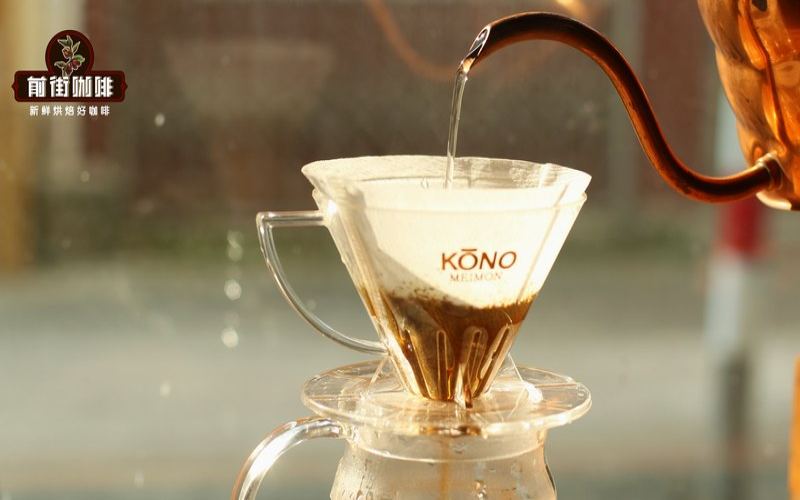
Light Roast Floral Coffee Beans: Balancing Budget and Drinking Frequency
When it comes to light-roast floral coffee beans, start by considering how you'll drink them every day. For everyday bean buying, you need to think about how quickly you'll go through them, how much to buy at a time, and whether you mostly make black coffee or milk coffee at home. If you mainly drink black coffee, you can pay more attention to aroma and aftertaste; if you often add milk, then you need to consider whether the intensity and body can hold up, this [more…]
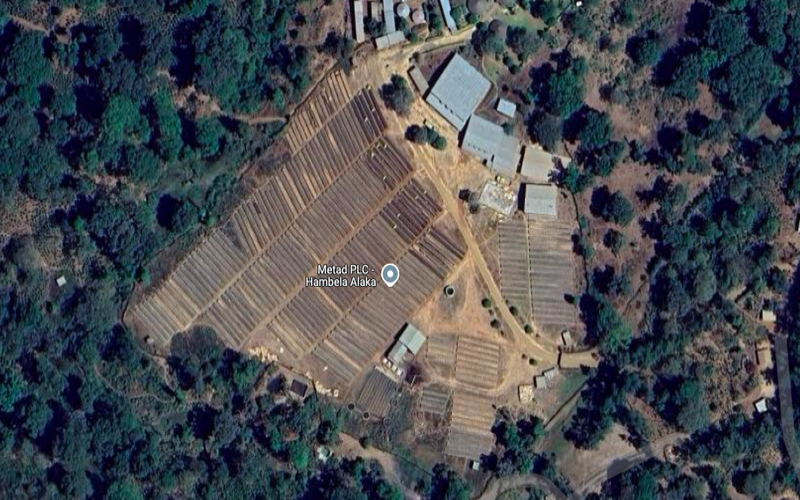
Recommend coffee beans with a pronounced berry flavor: balancing budget and drinking frequency
Coffee beans with a noticeably berry-like flavor aren't something you can nail down just by memorizing a few names. When buying beans day to day, you need to consider how quickly you'll drink them, how much to buy at once, and whether your household mainly makes black coffee or milk coffee. What's genuinely useful for reference is the sweet-to-sour ratio on the palate, the body's thickness or thinness, and the aftertaste once the coffee cools—then, combined with your brewing habits, choose [more…]
Recommended Coffee Beans with Floral Flavors: Balancing Budget and Drinking Frequency
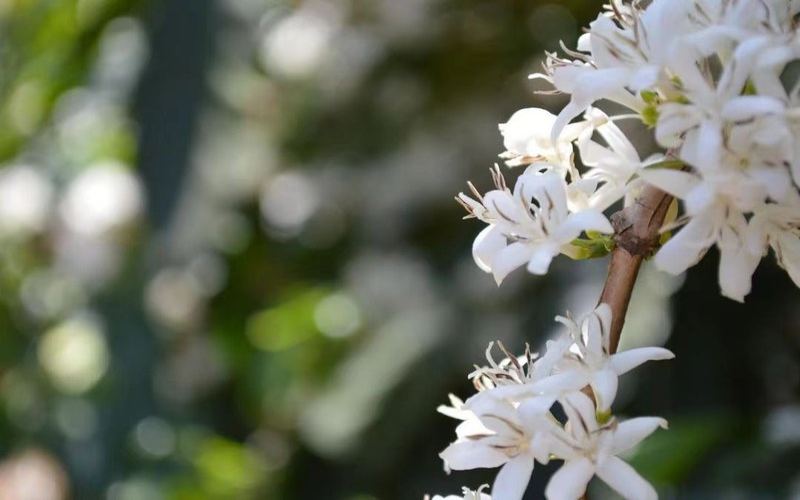
Floral-flavored coffee beans aren't something you get the hang of just by memorizing a few names. When buying beans day to day, you need to consider how quickly you'll drink them, how much to buy at once, and whether you mainly make black coffee or milk coffee at home. What's truly useful for reference is the ratio of acidity to sweetness on the palate, the body thickness, and the lingering aftertaste once the coffee cools, then combined with your brewing habits, your range of choices will [more…]
Recommended Coffee Beans for Cold Brew: Balancing Budget and Drinking Frequency
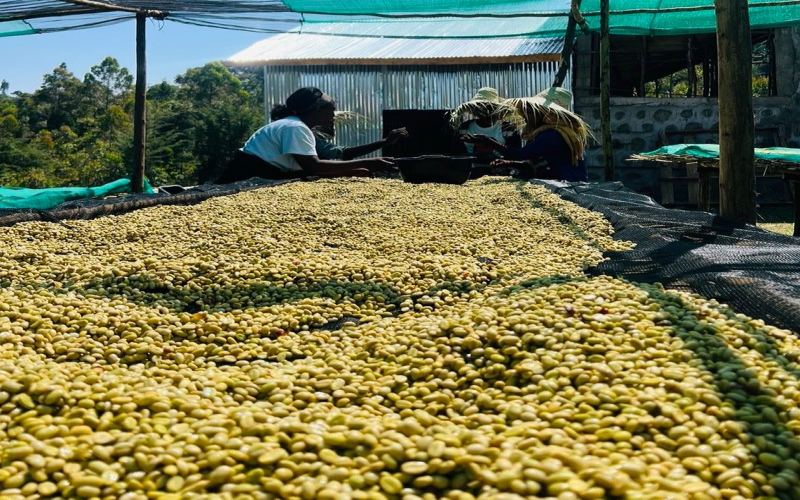
Choosing coffee beans suitable for cold brew starts with the actual drinking experience. For everyday bean buying, you need to consider how quickly you'll drink them, how much to buy at once, and whether your household mainly drinks black coffee or milk coffee. The roast level of the coffee beans determines the base flavor, the origin and processing method bring aromatic differences, and the brewing equipment you use will change the strength, so when selecting beans you need to take [more…]
Can Jasmine Flowers and Iced Americano Be Mixed? A Detailed Guide to Three DIY Jasmine Iced Americano Recipes
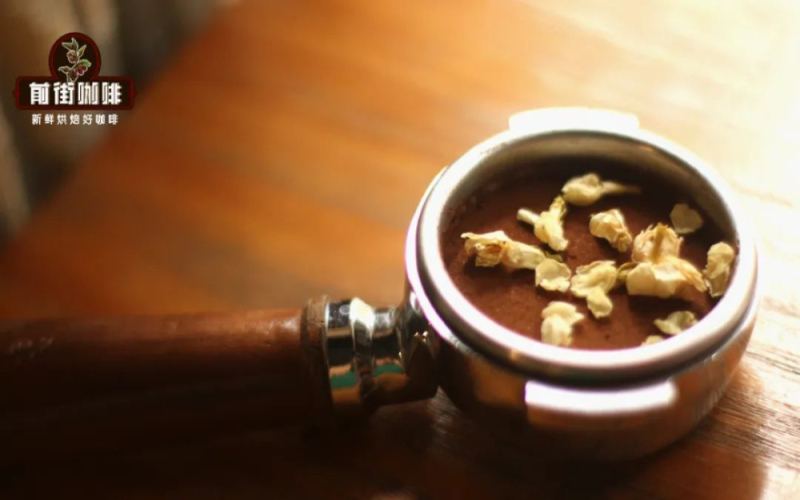
The combination of jasmine and coffee has recently been appearing frequently on the new product lists of major brands. When elegant floral notes meet rich coffee, can they really create a satisfying flavor? This time, Front Street Coffee decided to take matters into its own hands, breaking down three feasible production paths one by one, from coffee bean selection to jasmine tea preparation—directly buying bottled jasmine tea, quickly steeping dried flowers in hot water, and cold brew tea bag immersion. The article not only provides specific ratios and operating steps, but also offers pairing suggestions for coffee beans of different roast levels, along with practical tips to avoid diluting the base, helping you easily recreate a cup of jasmine iced americano with balanced floral notes and coffee at home. [more…]
Honduras Lychee Orchid Brandy Barrel Fermented Beans Explained: Comparing with Panama 90+ Lychee Blue and Brewing Flavor
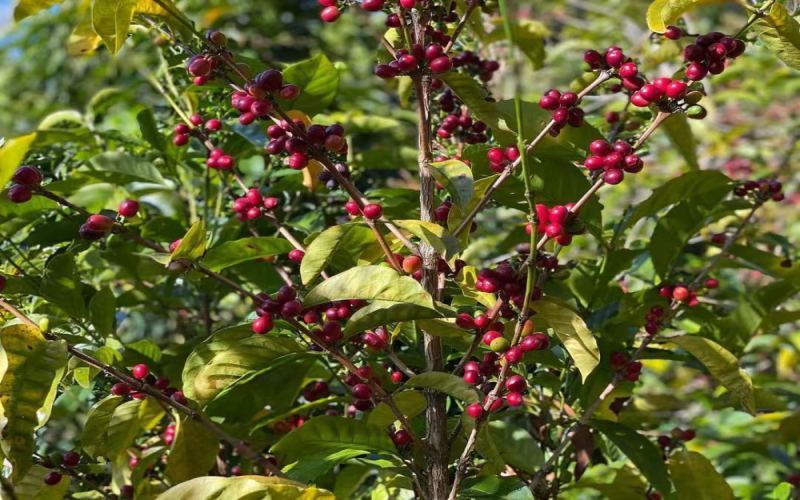
Front Street Coffee is often asked by customers whether the Lychee Orchid coffee beans in the shop and the 90+ Lychee Blue are the same coffee. In fact, the two are completely different in origin, variety, and processing method. Honduras Lychee Orchid is fermented in brandy barrels, presenting a rich vinous aroma and lychee sweetness; Panama 90+ Lychee Blue is a washed Geisha, with a flavor profile dominated by floral and citrus notes. This article will comprehensively analyze the flavor differences between these two coffee beans whose names differ by only one word, from origin background, variety characteristics, processing method differences, roasting curve comparison to brewing parameters, and share Front Street Coffee's practical experience and brewing suggestions. [more…]
A Complete Analysis of Honduran Coffee Regions: Flavor Profiles of Six Major Areas and Brewing Tips for Litchi Orchid
Honduran coffee has performed impressively on the international stage in recent years. Unlike traditional producing countries such as Brazil and Colombia, it is a rising star in Central America. This article systematically reviews six major Honduran coffee regions—Copán, Opalaca, Montecillos, Comayagua, El Paraíso, and Agalta—introducing each one's geographical conditions, altitude ranges, common varieties, and cup flavors. It also features Front Street Coffee's recommended Lychee Orchid from the Marcala region, describing its layered notes of lychee, brandy, cream, and chocolate, and explaining how medium roasting balances acidity, sweetness, and bitterness. [more…]
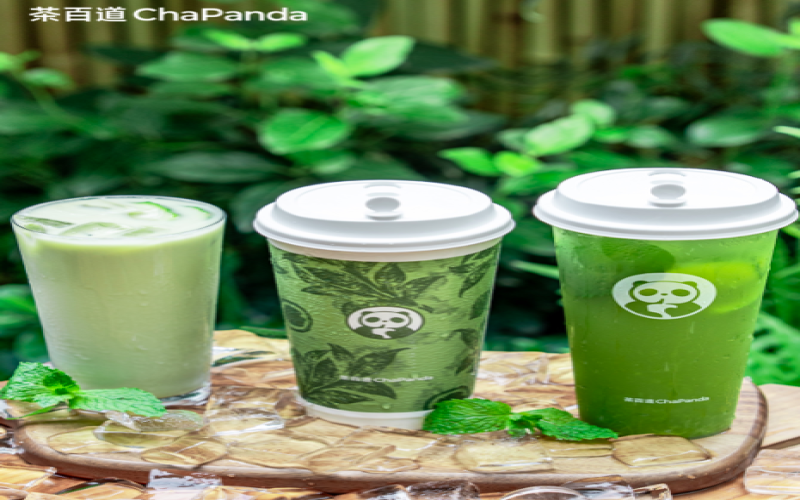
Tea Baidao's ice-cool mint iced milk, a Frozen collaboration, uses fresh mint leaves juiced — yet consumers say it feels like chewing on grass.
After Tea Baidao's lychee iced milk was discontinued with the changing seasons, the brand quickly launched two new iced milk drinks, among which the iced mint iced milk co-branded with Frozen drew a lot of attention thanks to its mint element and co-branded merchandise. However, this drink, made with fresh mint leaves, green grapes, lemon, matcha liquid, and milk, did not deliver the expected cooling sensation upon tasting; instead, the grassy flavor of freshly squeezed mint juice sparked polarized reviews. Some described drinking it as turning into a cow chewing on grass, while others found the plant's fresh fragrance uniquely appealing. Whether this cross-boundary mashup is a stroke of creativity or a flop is worth investigating. [more…]
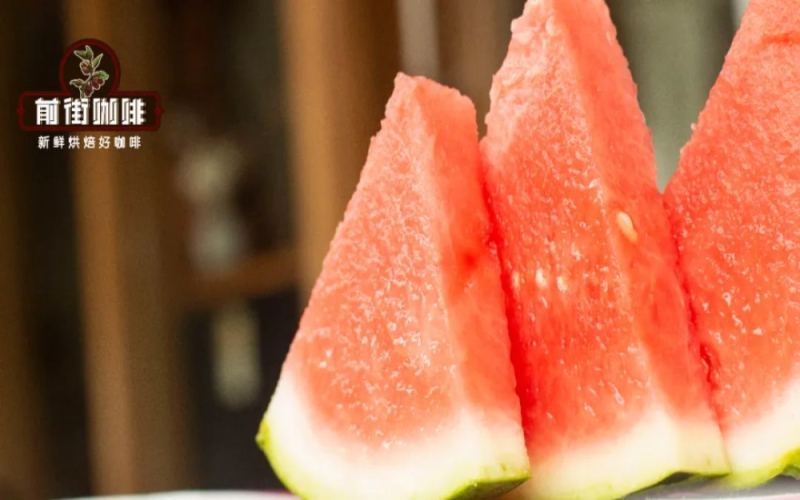
Can Watermelon and Coffee Be Enjoyed Together? A Detailed Guide to Three Homemade Watermelon-Style Iced Coffee Drinks
On a scorching summer day, the pairing of watermelon and iced coffee is all the rage. Front Street Coffee found that juicy watermelon pairs far better with crisp black coffee than with milk, so they put together three watermelon mix-and-match options: watermelon sparkling Americano, watermelon cold brew coffee, and watermelon iced pour-over. From melon-picking tips and material preparation to detailed steps, Front Street breaks down the key points for making each drink one by one, including using Warm Sun Blend to make the sparkling Americano, Colombia · Rose Valley cold brew paired with freshly squeezed watermelon juice, and the complete parameters for making iced pour-over with Sidamo · Elto combined with frozen watermelon juice cubes. Each of the three methods has its own merits—there are simple, quick everyday versions, and more advanced approaches that require preparing ingredients in advance—making them suitable for coffee lovers to try their hand at during the hot weather. [more…]
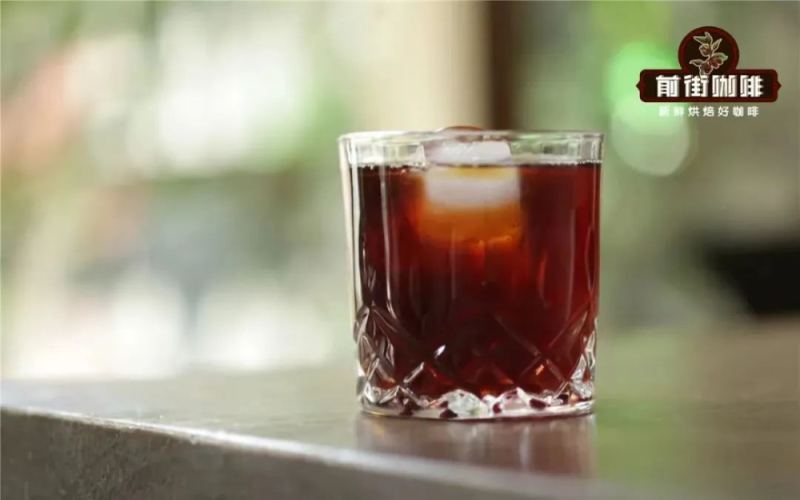
The Complete Guide to Cold Brew Coffee: Origins, Principles, Caffeine Truth, and Bean Pairings
On a hot summer day, cold brew coffee becomes the favorite of many coffee lovers. But when it comes to its origins, brewing principles, caffeine content, and which beans to use, there are all kinds of claims floating around. From the perspective of Front Street Coffee, this article sorts out the historical thread of cold brew coffee, from the Dutch sailor legend to its actual invention in Kyoto, Japan, explains in detail the water-to-coffee ratio, filter paper usage, pre-infusion, and fermentation steps in cold brew equipment operation, and responds to the controversy over whether cold brew coffee's caffeine content is actually high or low. Finally, it offers two cold brew blend recipes commonly used by Front Street Coffee, to help you make cold brew coffee with full aroma and a smooth mouthfeel at home. [more…]

The Flavor Code of Honduran Specialty Coffee Origins: A Complete Analysis of Sherry and Lychee Barrel-Fermented Beans
Driven by the third wave of coffee, barrel fermentation processing has become a highly anticipated innovative craft in recent years. Front Street Coffee's Honduras Sherry and Lychee Orchid barrel-fermented beans each impart unique wine aromas and layers to the coffee through whiskey barrels and brandy barrels, respectively. This article begins with the geography and varieties of Honduras's six major producing regions, outlines the development of its coffee industry and grading system, focuses on analyzing the principles of barrel fermentation and flavor differences, and provides a detailed record of the roasting curve comparison of Front Street's two beans, cupping performance, and flavor presentation in three brewing methods—V60, KONO, and Japanese-style iced pour-over—offering objective data references for coffee enthusiasts. [more…]