







Search Results for: Luckin mini-program

Refund difficulties on Luckin's mini-program spark debate: store phone numbers not publicly listed, leaving both consumers and staff in a bind
Ordering through mini-programs is quick and convenient, and you can even get coupons, but once you place a wrong order and want a refund, you may run into obstacle after obstacle. Recently, a blogger mistakenly ordered 17 cups of coffee through the Luckin mini-program. Within one minute, they tried to cancel, only to find that the mini-program did not display the store’s phone number, while the headquarters customer service kept passing them back and forth through an intelligent robot. In the end, they had no choice but to bear the loss themselves. This incident struck a chord with many netizens, and quite a few shared similar experiences. Consumers are calling for store contact information to be made public or for the self-service refund function to be improved, while Luckin staff also said that stores cannot directly process refunds and that the procedure is cumbersome, expressing hope that the system can be optimized. When convenience and after-sales service become disconnected, how should brands balance efficiency and consumer rights? [more…]

Luckin Coffee's in-store proxy ordering prices spark controversy, with mini-program login process questioned for excessive collection of user information
Recently, Luckin Coffee has once again become the focus of heated discussion. An investigative reporter's on-site tests revealed that some stores do not offer direct offline ordering service; customers can only place orders by scanning a QR code via the mini-program or app, and when staff place orders on their behalf, payment must be made at the original price, which differs by several yuan from the discounted price after using coupons online. Meanwhile, the reporter also noticed that Luckin's mini-program requires users to provide their phone number and other information during the login process, and its privacy policy mentions the possible collection of browsing history, app installation lists, and other content, raising doubts about excessive information collection. In response, Luckin customer service explained that the discount calculation in the ordering system is complex, and staff-assisted orders may result in price discrepancies, while many consumers expressed understanding, believing that ordering on-site means giving up online discounts. This article will provide a detailed review of the incident and the views of all parties involved. [more…]
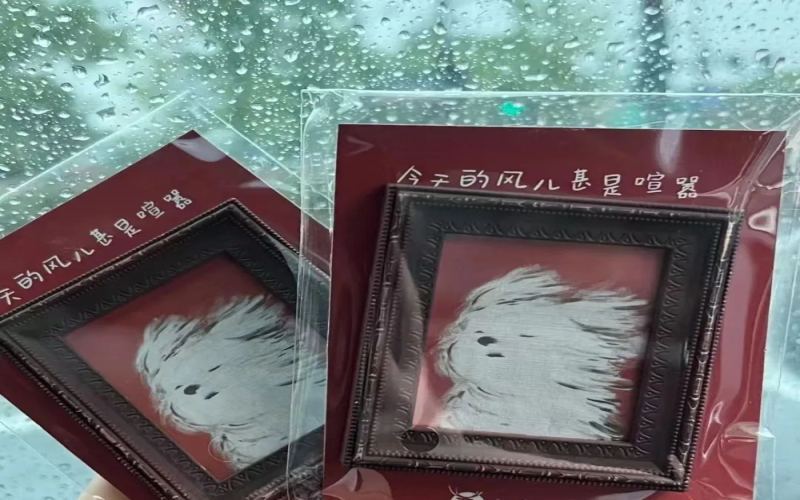
Luckin Coffee's "Scribble Dog" collaboration set menu pricing anomaly sparks debate: mini-program mispricing or system glitch?
As Typhoon Bebinca made landfall in Jiangsu and Zhejiang, Luckin Coffee's collaboration with Korean illustrator YEYE featuring the "Scribble Puppy" launched as scheduled, drawing a large number of fans who set early alarms to snap up the merchandise. However, many users found that the collaboration package on the mini-program was priced as high as 60 to 70 yuan, far exceeding the previous range of 20-40 yuan, triggering complaints that it was "too expensive." A few hours later, the price of the same package suddenly dropped to just over 30 yuan, prompting consumers who had already placed orders to angrily demand a refund of the price difference. Some employees speculated that the issue was caused by a pricing error when the items were listed. Behind this price controversy, the long-standing problem of frequent system bugs in Luckin's collaboration campaigns has once again surfaced. [more…]

Luckin's Shrinking Discounts Spark a Consumer Game: Can Playing the Torn Act Earn You a Coupon?
Luckin Coffee has gone from its early days of frenzied subsidies to a noticeably reduced level of discounting today, with the price of a single drink generally climbing back into the 15 to 25 yuan range, and some consumers even feeling they are being price-gouged. As its reputation for value for money gradually fades, some netizens have figured out a method of "performative ordering"—repeatedly wavering in the mini-program and ultimately abandoning the purchase, in an attempt to trigger Luckin's retention mechanism and obtain coupons. Does this tactic actually work? And what user behavior analysis logic lies behind it? This article will lay out the full picture of this phenomenon, while also reminding consumers: even when hunting for bargains, one must uphold the bottom line of honesty. [more…]
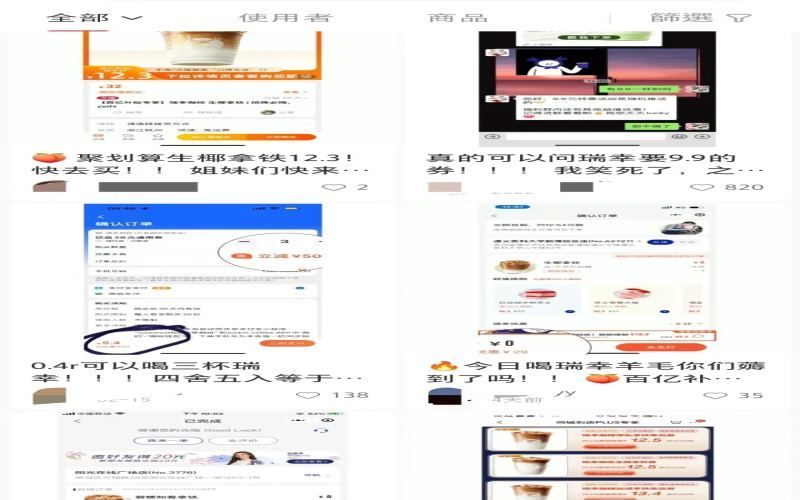
Low-price traffic drivers coexist with higher prices for regulars: Luckin Coffee's pricing strategy sparks heated discussion
In recent years, the price war in the coffee market has intensified. While brands use prices as low as 9.9 yuan or even lower to attract new customers, they also allow various money-saving guides to circulate freely on social platforms. However, a media investigation found that Luckin Coffee offers vastly different prices to users based on their consumption frequency—high-frequency consumers actually end up paying more. This article sorts out the common channels for money-saving guides, the phenomenon of Luckin's low-price coupons on platforms like Douyin, and a detailed month-long process in which reporters used multiple phones to test pricing differences in the Luckin mini-program, revealing the opacity of the system's recommended discount plans. For coffee lovers, understanding these pricing tricks may help you save a considerable amount of money. [more…]
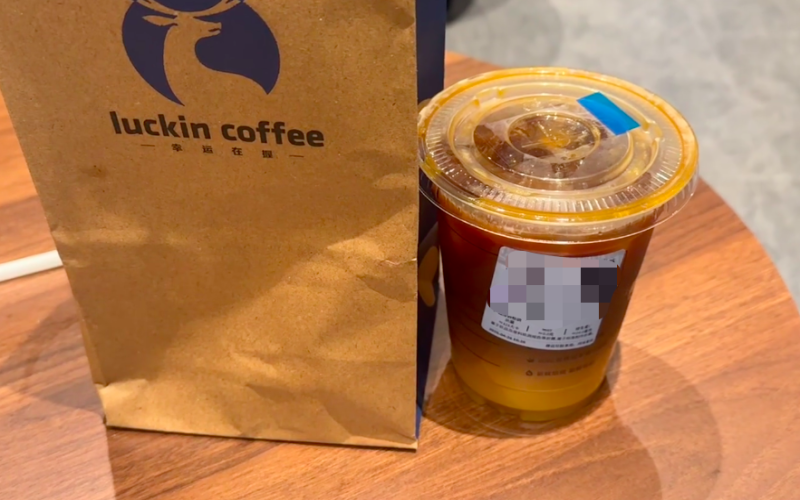
Same Cup of Coffee Costs Members More? Luckin Mini Program Accused of Differential Pricing Sparks Heated Debate
At the same Luckin Coffee store, for the same drink, different users may see prices on the mini-program that differ by several yuan—and paid members may even be charged more than regular users. Recently, some consumers told the media that they suspected they had been subjected to "big data price discrimination" when buying drinks at Luckin. A reporter's investigation found that the system pushes different coupons to different accounts, resulting in "a different price for the same cup of coffee for each person." This phenomenon has struck a chord with many netizens and sparked widespread complaints, prompting people to re-examine the value of loyalty programs offered by chain coffee brands. [more…]
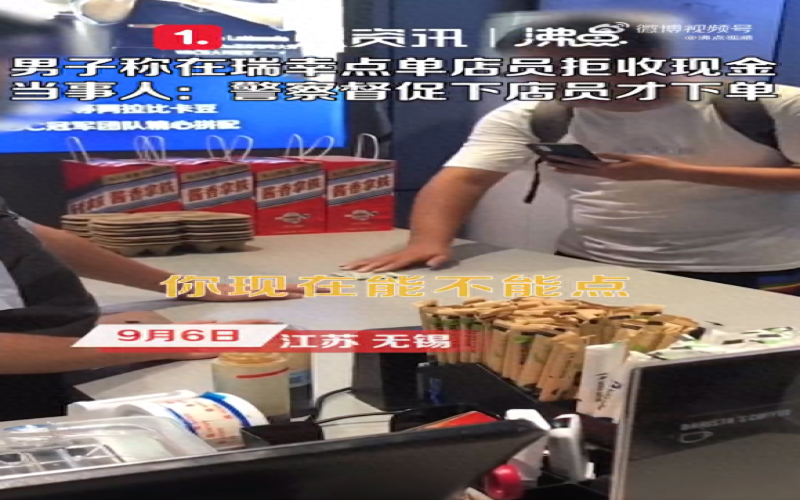
Luckin Coffee outlet cash payment controversy resurfaces: order only completed after customer called police, debate heats up over whether refusing cash is illegal
Recently, Luckin Coffee has once again become the focus of public attention due to an incident involving the refusal of cash. A customer in Wuxi, Jiangsu Province, insisted on using cash to buy coffee at a store, but was told by the staff that orders could only be placed through the app or mini-program, and the transaction was only completed after police mediation. This is not the first time Luckin Coffee has made the news over cash payment issues; there have been similar reports before. Today, with the widespread use of mobile payments, can merchants refuse cash? And how should consumers protect their own rights? This article will recount the incident and explore the legal and consumer experience issues behind it. [more…]

Luckin Coffee's 6.9 yuan drinks spark debate: limited-time holiday coupon or across-the-board price cut?
Recently, prices for multiple drinks on Luckin Coffee's mini-program suddenly dropped to 6.9 yuan, quickly trending on social media and sparking widespread attention. Consumers noticed price changes for popular items originally priced at 9.9 yuan, such as Americanos and Coconut Latte, with some new light milk tea and fruit coffee products also adjusted simultaneously. However, not all users could enjoy this discount; some only received limited-time redemption coupons. Luckin officially responded that this was a randomly distributed 6.9 yuan coupon activity for the Dragon Boat Festival and Children's Day, not a comprehensive price reduction. Meanwhile, the price war on delivery platforms is intensifying, with brands like Cotti having pushed coffee unit prices down to 3.9 yuan. Whether Luckin's move is a response to competition warrants in-depth discussion. [more…]
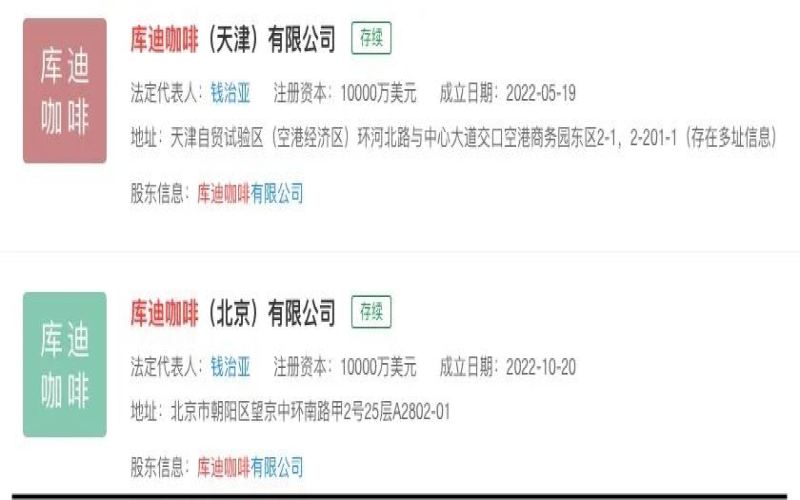
Within half a month, 14 subsidiaries were established, as Lu Zhengyao leads Cotti Coffee's rapid expansion to rival Luckin.
In just half a month, Cotti Coffee established 13 new branches in 9 major cities nationwide, demonstrating the rapid momentum of Lu Zhengyao's team returning to the coffee industry. Starting with its first store in Fuzhou, the brand has made a high-profile sponsorship of the Argentine national football team and set a goal of 10,000 stores in three years. Currently, the mini-program has launched nearly 60 products, covering coffee, tea drinks, cold brew, and other categories, including some of Luckin's hit items. The store model is divided into standard stores and mini stores, with the former accommodating dining and bar scenarios. However, the all-day multi-functional service has not yet been fully implemented, and food and alcohol are still not available. Whether Cotti can use Luckin's "magic" to defeat Luckin is worth continuous attention. [more…]
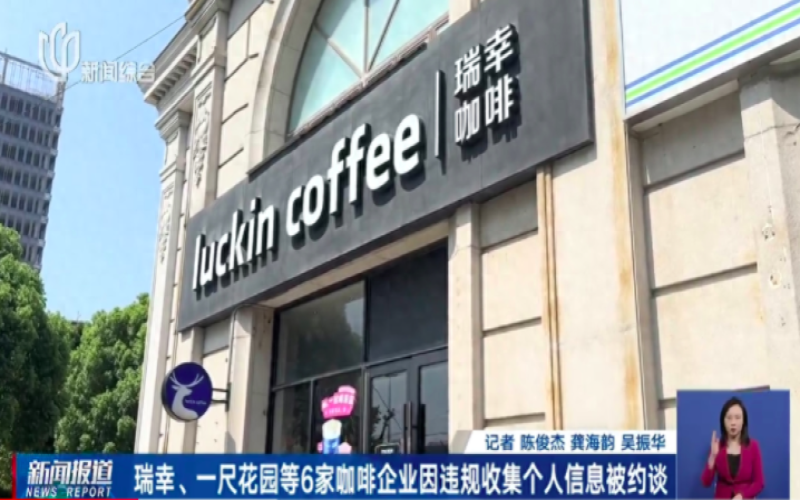
Six chain coffee brands summoned again over personal information violations, privacy compliance rectification remains a long and arduous task
Recently, the Shanghai Cyberspace Administration found during a follow-up inspection that six coffee companies—Luckin, Mstand, COSTA, Pacific Coffee, Nowwa, and Yichi Garden—have still not effectively implemented the requirements of the Personal Information Protection Law, and have problems with illegally collecting consumer information, and were therefore summoned for talks again. This is another concentrated action following the legal education training in May this year for 24 brands including Starbucks and Luckin. A reporter's test found that if users refuse to provide permissions such as precise location, some brands' mini-programs cannot place orders normally. The regulatory authorities said they will continue to carry out "look back" inspections and will file cases, impose penalties, and publicly expose companies that repeatedly refuse to correct their ways. While enjoying the convenience of coffee, consumers also need to pay attention to their own privacy and security. [more…]

Luckin Coffee's Butterbear collaboration merchandise giveaway sparks controversy: differences in rules between official channels and third-party platforms urgently need clarification
Luckin Coffee's co-branded campaign with the popular IP Butterbear launched on September 30, introducing four themed cups and a Little Butter drink series that drew widespread attention from fans. However, after the campaign began, many consumers reported that orders placed through third-party platforms such as Ele.me did not come with the co-branded stickers, which was inconsistent with the official promotion's promise of "free with any 2 cups." Customer service responded that peripherals could only be obtained by ordering through the Luckin App or mini-program, prompting consumer questions about the lack of transparency in channel rules. The incident reflects the problem of inconsistent messaging in brands' multi-platform marketing and serves as a reminder that consumers should carefully confirm giveaway conditions before placing orders. [more…]
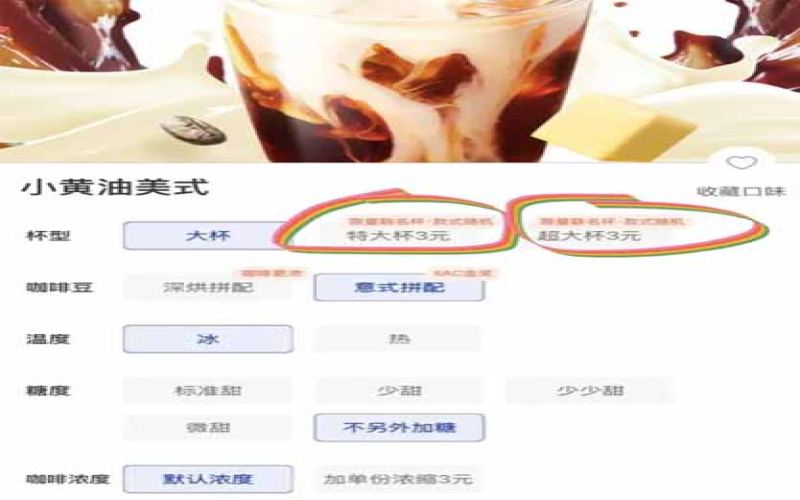
Luckin adds 3 yuan to upgrade to a large cup: The capacities of the extra-large and super-large cups are a mystery, and the upgrade rules leave consumers confused.
Luckin Coffee recently launched two new cup sizes, Extra Large and Super Large, on its mini-program, allowing users to upgrade for an additional 3 yuan. However, the official listing does not clearly indicate the capacity difference between the two, sparking widespread discussion among consumers. Some are delighted by the larger volume, while more are confused about "which is bigger, Extra Large or Super Large," and whether the upgrade means more coffee liquid or just added water. Store employees give inconsistent explanations—some say the cup size depends on whether the drink is iced or hot, while others say the recipe adjustments vary by product. Behind this upgrade, Luckin's lack of communication forces users to rely on repeated trial and error to confirm the taste. This article sorts out the whole story and includes related recommendations from Front Street Coffee. [more…]
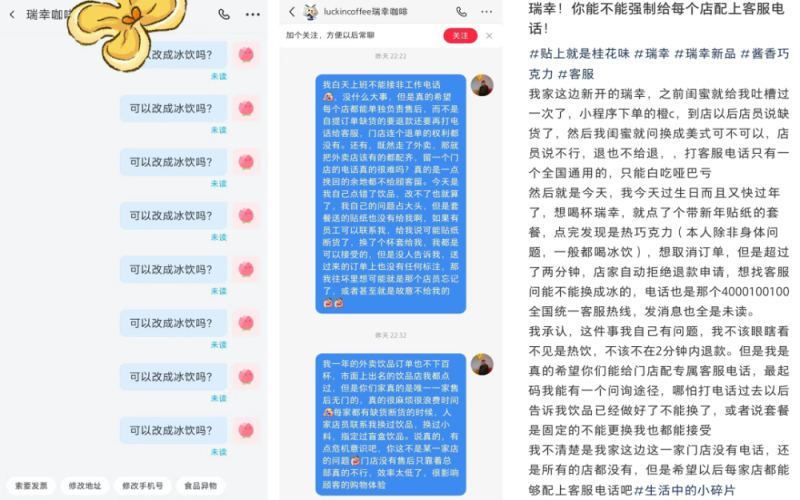
Limited Contact Channels for Luckin Stores Spark Debate: Customers Struggle to Reach Stores by Phone After Misoperations
When ordering on a food delivery platform, many consumers have experienced the mistake of confirming too quickly without carefully reading the options. Third-party platforms usually support time-limited cancellations, but if it is a merchant's own mini-program or app, the process for modifying or canceling an order is often more cumbersome, and many people's first instinct is to call the store directly. Recently, however, some customers have discovered that what is listed on the Luckin Coffee platform is not the store's direct line, but the national unified customer service hotline, making it difficult to reach the store level in a timely manner. This situation has sparked discussions about the contact information of chain brand stores, order modification and cancellation permissions, and has also brought to light the real conflict in communication efficiency between consumers and stores. [more…]
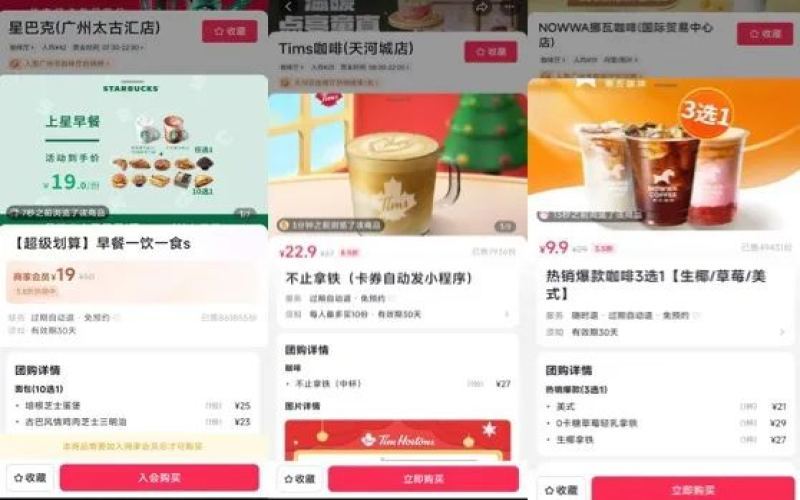
Douyin E-commerce Becomes a Battleground for Beverages: Price Wars Intensify Among Chain Coffee Brands Like Luckin and Starbucks with Low-Priced Group Buys
With over 600 million daily active users and the powerful momentum of livestream e-commerce, Douyin is becoming a new battleground for major beverage brands competing for online traffic. From Luckin and Starbucks to Manner and Tims, and further to Heytea and Nayuki, almost all well-known beverage brands have launched ultra-low-priced group-buy packages on Douyin, with prices far lower than ordering in stores or via mini-programs. Luckin's "male model squad" livestream once sparked heated discussion, with group-buy deals for Coconut Latte at only 14.5 yuan; Starbucks' 19-yuan breakfast package sold over 860,000 cups; Nayuki's 9.9-yuan single-item coffee surpassed one million orders. Behind this online price war is brands' deep strategic push for local exposure and secondary in-store consumption. This article gives you a full picture of this Douyin beverage battle. [more…]
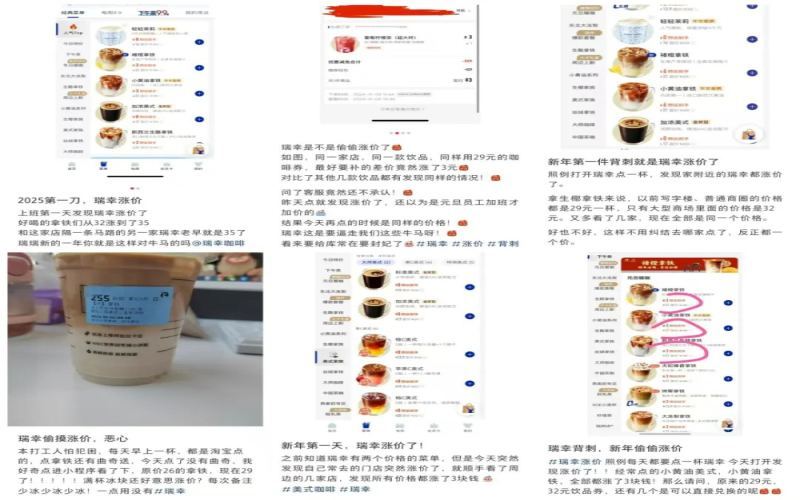
On New Year's Day 2025, prices at some Luckin Coffee stores were raised—how much longer can we still get 9.9 yuan coffee?
At the start of 2025, Luckin Coffee quietly adjusted drink prices at stores in some regions, sparking widespread discussion among consumers. Many netizens noticed that the listed price of the Coconut Latte, originally 29 yuan, rose to 32 yuan even at non-mall stores, while the rules for using cash coupons and the drinks redeemable with group-buy vouchers also changed accordingly. Although most cities remain unaffected, the scope of the 9.9 yuan discount continues to shrink. Luckin officially attributes the price adjustments to factors involving materials, transportation, and commercial districts, with store policies varying from place to place. Does this price fluctuation mean the era of affordable coffee is coming to an end? And how should consumers respond? [more…]
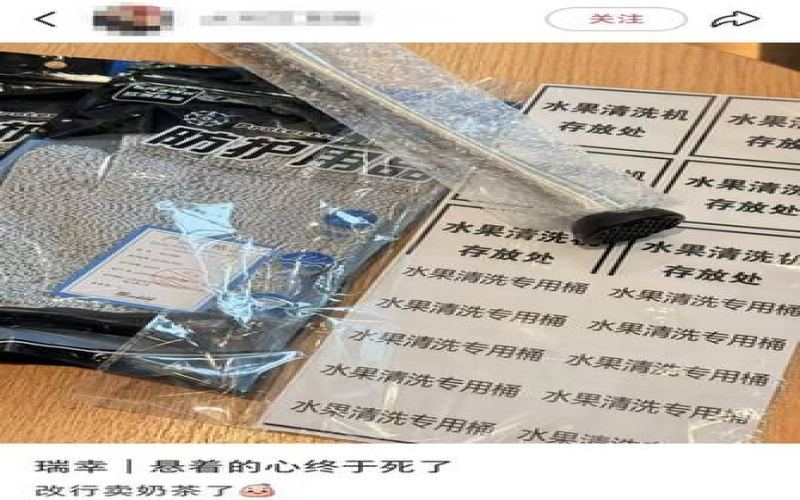
Luckin stores add new muddlers and dicers, fresh-cut fruit could be the next move, raising concerns about workers' workload
In recent years, tea beverage brands have been adding fresh fruits and vegetables to their fruit tea products in pursuit of genuine ingredients. Luckin, however, has long relied on fruit concentrates and quick-frozen dried fruit due to the limitations of its store conditions, making many tea beverage peers envious. Recently, though, some Luckin stores in Guangdong, Chengdu, and other regions have successively received new materials such as muddling sticks, cut-resistant gloves, and labels for fruit washing machine storage areas, while internal order forms also list equipment including dicers and strawberry hullers. These tools have no direct connection to the drinks currently on sale, and the appearance of a bitter melon light-body fruit and vegetable tea and a bitter melon fruit and vegetable Americano—neither of which is on the menu—in the mini-program coupons has sparked employees' speculation that Luckin may introduce fresh-cut fruit. Once freshly cut fruit enters the production process, whether Luckin stores staffed by a single person can withstand peak-hour pressure has become the most anxiety-inducing question for workers. [more…]

Luckin Coffee Store Cash Payment Blocked Sparks Debate; Official Customer Service Says It Can Be Completed via APP Assistance
Recently, some consumers have reported encountering inconvenience when using cash to pay at Luckin Coffee stores. Staff repeatedly guided them to place orders via mobile phone, and only after a long wait did another employee accept the cash and operate the order on their behalf. Similar situations have been mentioned by netizens before, with one elderly customer left at a loss in front of the counter because they were unfamiliar with mobile ordering. In response to the difficulty of paying with cash, Luckin's official customer service stated that stores can accept cash, and after customers arrive at the store, staff can assist them in placing orders through the app or mini-program, and they can pay in cash after confirming the information. Some analysts believe that Luckin's adoption of a small-store, low-staff operating model, with no dedicated order-taking personnel, is based on efficiency considerations, but there is still room for improvement in terms of service awareness. [more…]
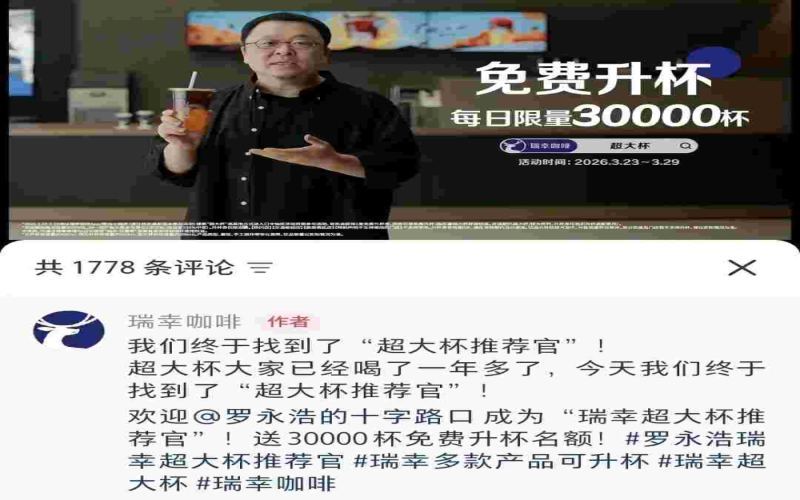
Luckin and Cotti launched extra-large cup promotions on the same day, and the differences in free upgrade rules sparked discussions among consumers taking sides.
Luckin officially announced Luo Yonghao as the Super Size Cup Recommender, and its ad recreates the iconic 2011 micro-film ordering scene, flooding social media. On the same day, Cotti launched "Super Size Cup Unlimited Free Upgrade," with a poster hinting at "no gimmicks, no lottery," and the two brands' tit-for-tat cup upgrade strategies sparked heated discussion. Luckin requires a code word lottery to get a coupon, while Cotti allows direct ordering in the 9.9 zone. Consumers have mixed views on the two sets of rules—some prefer Cotti's no-threshold approach, while others point out that its eligible categories are only 6 items. Behind this capacity upgrade business war lies the competition for user mindshare among coffee brands. Front Street Coffee continues to follow industry trends and bring in-depth observations to enthusiasts. [more…]

Luckin Coffee Opens 15 New Stores in Xinjiang and Tibet on the Same Day, Pricing and After-Sales Controversies Emerge Behind the Order Surge
On May 20, Luckin opened 15 directly operated stores simultaneously in Urumqi and Lhasa, announcing that the brand now covers all provinces nationwide. On opening day, 11 Urumqi stores and 4 Lhasa stores saw huge crowds, with some stores having wait times of over three hours for order pickup, and limited-edition cup sleeves and paper bags quickly sold out. However, alongside the high popularity came a string of complaints: severe delivery delays, inconsistent prices between third-party platforms and the mini-program, orders that could not be refunded, and even customers being removed from corporate group chats and blocked for speaking in group chats. The brand underestimated local consumer enthusiasm and lacked sufficient response measures, putting service and quality control under pressure. Based on the experience of brands like Front Street entering Xinjiang, a booming opening in a new market is not surprising, but how to balance traffic and experience remains an issue Luckin needs to address. [more…]
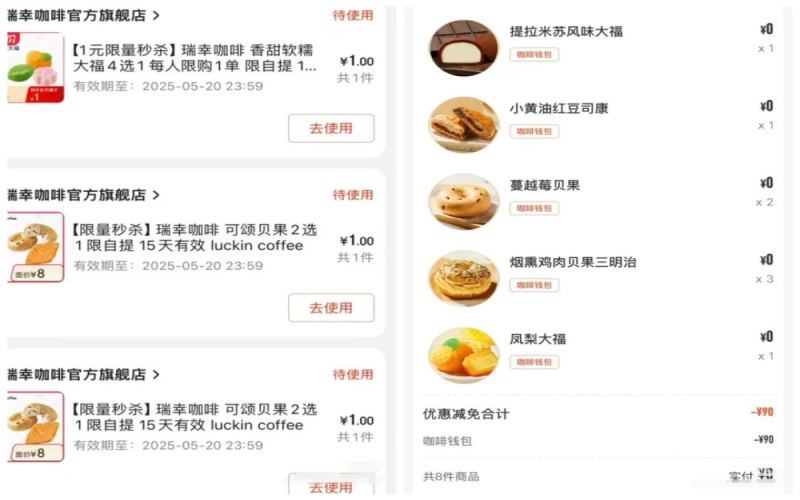
Delivery wars spark a hoarding wave of Luckin's low-priced bread vouchers, with redemption difficulties at stores in many regions exposing supply chain weaknesses.
Competition among food delivery platforms has escalated into a battle of three giants, chain brands' average order values continue to decline, and Luckin's timely launch of low-priced bread vouchers has triggered a frenzy of stockpiling among consumers. However, when users take their electronic vouchers to stores for redemption, they find that baked goods at nearby stores are largely sold out, with some cities even reporting no stock citywide. This buying spree, fueled by platform subsidies, not only reflects consumers' strong demand for high-value-for-money coffee companions but also exposes brands' disconnect between demand forecasting and supply chain response. Staff explained that the thawing process and delivery cycle are the two main reasons for the redemption difficulties. For enthusiasts who love pairing coffee with baked goods, Front Street Coffee has always advocated balancing rational consumption with quality experience, and suggests paying attention to store inventory dynamics and arranging redemption times reasonably. [more…]