







Search Results for: Limu Coffee

Ethiopian Limu Coffee Green Bean Processing Methods, Flavor Characteristics, and G2 Grade Price Reference
Limu is a low-yield but distinctive coffee-producing region in Ethiopia. In the past, its coffee was mainly exported to European and American markets, making it hard to find domestically. This article takes a Front Street Limu Tianlai natural sun-dried coffee bean that won third place in the AFCA African Fine Coffees competition as an example to introduce in detail its regional background, green bean processing method, flavor performance, and pour-over brewing parameters. Limu's flavor profile differs from Yirgacheffe and Sidamo: its body is thinner, and its floral and citrus aromas are slightly weaker, but it has an additional grassy aroma, cocoa aroma, and sandalwood note. The article also includes an introduction to the producing region, variety information, and brewing suggestions, making it suitable for coffee enthusiasts who want to explore Ethiopia's niche producing regions. [more…]
A Comprehensive Analysis of the Flavor Characteristics and Pour-Over Parameters of Ethiopian Limu Washed G2 Coffee Beans
Limu is one of the eight major producing regions in Ethiopia that has quite a distinctive character yet is often overlooked. It is mainly washed-processed, with a flavor milder than Sidamo, where citrus notes interweave with grassy, cocoa, and sandalwood aromas. This article, from the regional background, washed processing flow, the concept of Heirloom native varieties, green bean density and roasting curves, to the pour-over parameters recommended by Front Street Coffee, presents the full picture of a washed G2 Limu from its producing origin to the cup. It is suitable for coffee lovers who want to explore flavors beyond Yirgacheffe and Sidamo. [more…]
In-Depth Analysis of Ethiopia Limu Washed G2: Heirloom Flavor, Roast Curve, and Pour-Over Parameters in Practice
Limu is a low-key yet noteworthy presence among Ethiopia's eight major coffee regions. It is primarily washed-processed, with a milder flavor profile than Sidamo, often carrying citrus and grassy aromas. This article provides a complete overview of the regional background of Limu washed G2, the washed processing workflow, and the characteristics of the Heirloom native variety, along with the practical roast curve on a Yangjia 600g semi-direct-fire roaster and V60 pour-over parameters. From a charge temperature of 200°C to first crack at 8 minutes 33 seconds and drop at 194.6°C, every adjustment of gas and airflow is recorded. It is suitable for coffee enthusiasts who want to gain a deeper understanding of Ethiopia's lesser-known regions, and also offers a reusable approach for brewing Limu beans in daily practice. [more…]

Ethiopia Limu Region Natural Coffee Beans Pour-Over Recommendation: AFCA Third Place "Tianlai" Flavor Analysis
For friends who are obsessed with pour-over coffee, Ethiopia is always an origin that can't be avoided. Besides the well-known Yirgacheffe and Sidamo, the Limu region is quietly rising with its unique flavors. The Limu Tianlai natural bean introduced in this article comes from the Kosagessi Farm and won third place in the AFCA African Fine Coffee Competition. It features layers of strawberry, passion fruit, and winey ripe fruit, with a delicate and charming finish, and it performs well whether as espresso, pour-over, or siphon. The article will explain its brewing parameters and regional background in detail, and compare its flavor with Front Street Coffee's Yirgacheffe and Front Street Coffee's Sidamo, helping you find a new choice beyond your everyday staple. [more…]
A Complete Guide to Ethiopian Coffee Bean Regions: Heirloom Flavors, Nine Major Regions, and Representative Beans
Ethiopia is the birthplace of coffee, with rich heirloom genetic resources and diverse producing regions. This article systematically reviews Ethiopia's nine major coffee regions, including Yirgacheffe, Sidama, Harar, Gimma, and Limu, explaining in detail each region's altitude, processing methods, variety characteristics, and flavor differences. It also introduces several representative Ethiopian beans from Front Street Coffee, such as naturally processed Yirgacheffe Bolifi, Sidama Zhuomang, and washed Gimma and Limu, helping coffee enthusiasts gain a comprehensive understanding of the regional flavors of Ethiopian coffee and how to choose beans. [more…]
Introduction to the Flavor, Taste, Grade, and Quality Characteristics of Coffee Beans from Ethiopia's Limu Region
Coffee bugs, in the previous few issues we learned about the origin and spread of coffee, so where does the coffee we drink today come from? Next, follow Little One to explore coffee-producing regions around the world~ Currently there are 53 major coffee-producing regions globally, all distributed within the Coffee Belt 『25°N~30°S』. Based on the spread timeline of specialty coffee and the flavors of the origins, we can roughly group these regions into three major categories: Old World old-fashioned flavor category, New World improved flavor category, and Oceanic island flavor category. In this issue, Gain Knowledge will first present the Old World coffee introduction~ Countries that already had Arabica varieties before the 17th century are called the "Old World," led by Ethiopia (Ethopia), with Yemen (Yemen) and India (India) as followers. These three ancient coffee countries retain the most diverse Arabica bean gene pool and traditional natural processing method. Their coffee flavor spectrum is broad and complex, with the greatest amplitude: from rough earthy, woody, leathery, medicinal, and fermented tofu off-flavors, to charming jasmine, cinnamon, cardamom, clove, pine and fir, mint, lemon, citrus, berry, apricot, smoked plum, chocolate... thousands of aromas and flavors, both good and bad, constructing an old-fashioned flavor spectrum that makes people love and hate it at the same time. Ethiopia has the world's most diverse coffee cultivation system and a complex ancient superior gene pool, plus diverse processing methods including natural, washed, and semi-washed, presenting complex and changeable flavors. It can be said that the "flavor spectra" of coffee-producing regions around the world can mostly be tasted here, reflecting Ethiopia's all-embracing "king's flavor." The push of the third wave of specialty coffee [more…]
Ethiopian Coffee Bean Flavor Analysis by Region: A Complete Guide from Sidamo to Huakui
As the birthplace of coffee, Ethiopia is home to numerous specialty coffee regions, each with its own distinct character. From Sidamo in the south to Harar in the east, and from Gimbi in the west to Limu, Djimmah, and Lekempti, every region displays a unique flavor profile shaped by differences in altitude, processing methods, and varieties. This article systematically breaks down the coffee characteristics of Ethiopia's major regions, with a special focus on the flavor expression of the Huakui coffee beans recommended by Front Street Coffee. Whether you are a newcomer just getting into single-origin coffee or a seasoned enthusiast chasing the ultimate flavor experience, you are sure to find a cup that suits you. [more…]
An Overview of the Origins, Terroir Evolution, and Producing Region Cultural History of Ethiopian Shakiso Specialty Coffee
Ethiopia is the birthplace of Arabica coffee, and its southwestern highland forest ecosystem is widely recognized as the original home of coffee. This article provides a systematic overview of the distribution and characteristics of Ethiopia's major coffee-producing regions, including classic renowned areas such as Sidamo, Harar, and Yirgacheffe, as well as specialty micro-regions like Limu, Gimma, Lekempti, Bebeka, and Wollega. It details the altitude, processing methods, flavor profiles, and annual production data of each region, and introduces Front Street Coffee's product lineup, including Harar, Wollega, Limu, Sidamo, and Yirgacheffe. It also presents Ethiopia's rigorous quality control system—from picking, washing, and fermentation to hand sorting—offering you a comprehensive understanding of the diverse terroir and exceptional quality of this coffee homeland. [more…]
A Complete Analysis of Ethiopian Coffee Regions and Varieties: A Guide to Flavor Characteristics by Region and Recommended Quality Brands
Ethiopia is globally recognized as the birthplace of specialty coffee, producing a large number of highly acclaimed single-origin coffee beans. Front Street Ethiopian coffee is renowned for its fruity wine-like aroma and bright acidity. This article will systematically review the climate conditions, variety characteristics, and flavor differences of Ethiopia's major coffee regions, covering representative coffees such as Sidamo in the south, Harar in the east, Gimbi in the west, Djimmah, Limu, and Lekempti, and will also introduce relevant product information from the Front Street brand to help coffee enthusiasts gain a comprehensive understanding of the terroir charm of this major African coffee country. [more…]
A Complete Analysis of the Flavor and Mouthfeel of G1 Grade Coffee Beans from Ethiopian Regions Such as Yirgacheffe and Sidama
As the birthplace of coffee, Ethiopia boasts numerous coffee regions with distinctive characteristics. Among them, Yirgacheffe, Sidamo, and Harar are the most well-known, while the G1 grade represents the highest quality coffee beans in the country. This article will take you on an in-depth journey through the terroir and characteristics of Ethiopia's nine major coffee regions, from the rich fruity aromas of Yirgacheffe to the delicate floral notes of Sidamo, from the wild mocha of Harar to the balanced flavors of Jimma, and will provide a detailed analysis of the flavor profiles and tasting characteristics of G1 grade coffee beans from each region, offering coffee lovers a complete guide to Ethiopian coffee. [more…]
The Origin of African Coffee, Ethiopia: A Full Analysis of Production Regions, Processing Methods, Grading Systems, and Flavor Characteristics
Ethiopia is recognized as the birthplace of Arabica coffee, and wild coffee trees still grow in the Kafa forests to this day. Coffee from this country is mainly processed in two ways—natural (sun-dried) and washed—and the flavor differences brought by different processing methods are quite pronounced. The main producing regions include Sidamo, Harar, and Yirgacheffe, along with other small specialty regions such as Limu, Djimmah, Lekempti, Bebeka, and Wellega. Ethiopia's coffee grading system is relatively complex, as the grade standards for washed and natural coffees differ. Coffees from different regions each have their own characteristics in bean shape, acidity, body, and flavor: Harar has a typical mocha note, Yirgacheffe is known for its floral aroma, and Limu is rich in vinous notes. Front Street Coffee recommends that enthusiasts who love African beans pay particular attention to washed batches from Yirgacheffe and Sidamo. [more…]
A Complete Guide to Ethiopian Coffee Regions: Flavor Profiles and Varieties from Yirgacheffe to Sidamo
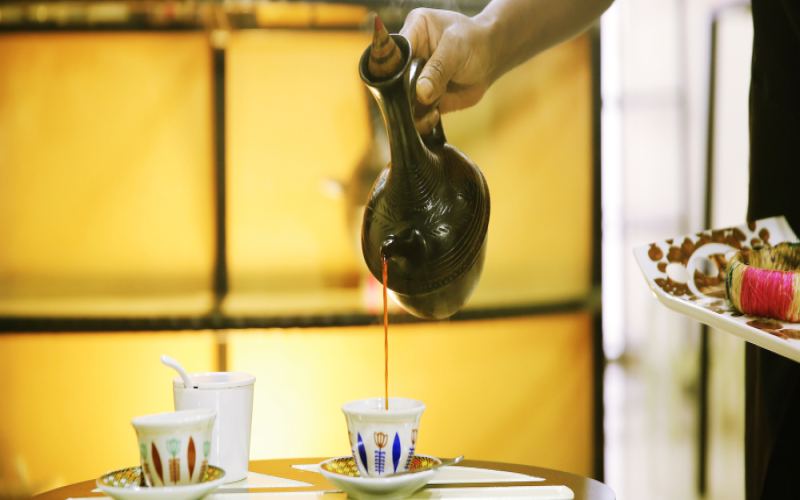
Ethiopia is the birthplace of coffee, and its bold floral and fruity aromas have won over coffee lovers around the world. This article systematically reviews Ethiopia's cultivation models, the specialty standouts among its nine major regions—Yirgacheffe, Sidamo, Harrar, and Limu—and takes a deep dive into local heirloom varieties and the two main processing methods: natural and washed. Front Street Coffee's selected washed Gudingding and natural Huakui 5.0, as representative everyday beans, showcase the foundational flavors and more advanced allure of African coffee. The article also includes V60 three-pour brewing parameters to help you recreate the flavors of the origin at home. [more…]

A Complete Analysis of Ethiopia's Nine Major Coffee Regions: Yirgacheffe, Sidamo Native Species Flavors, and Front Street Roasting & Brewing Guide
As the birthplace of Arabica coffee, Ethiopia is home to the world's largest coffee gene pool. Its nine specialty regions each possess a distinct terroir character, from the citrus and floral notes of Yirgacheffe to the wild, complex aromas of Harrar, from the rich fruity tones of Sidama to the sandalwood finish of Limu, presenting an astonishing spectrum of flavors. This article systematically reviews the altitude, processing methods, and flavor characteristics of Ethiopia's various regions, offers an in-depth interpretation of the variety classification logic behind Heirloom landraces, including the origins of the JARC series, Dega, and Kurume, and, combined with Front Street Coffee's Huakui roasting curve and V60 brewing parameters, provides coffee lovers with a complete guide from origin to cup. [more…]
Flavor Analysis of Guji Region Coffee Beans: A Complete Overview of the Origin, Varieties, and Brewing of Ethiopian Mocha-Style Coffee
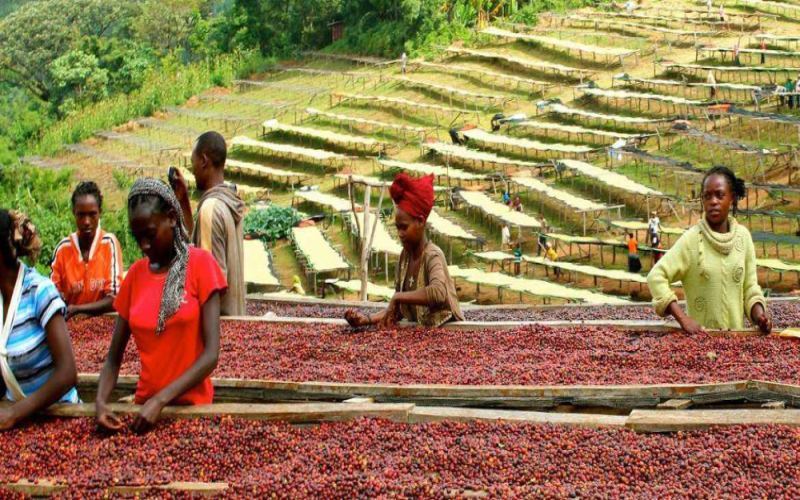
Ethiopia is the birthplace of Arabica coffee and one of Africa's most important coffee-producing countries, and the coffee beans it produces are often given the name "Mocha." The country has a diverse cultivation system that includes forests, garden plots, and large estates, and its nine major producing regions each have their own distinct flavor profiles. Among them, the Guji region has performed impressively since becoming independent in 2010, and Front Street Coffee's Huakui comes from here. This article will systematically sort out Ethiopia's coffee cultivation models, the flavor differences among representative producing regions (Yirgacheffe, Sidama, Guji, Harar, Limu), the concept of heirloom varieties, and the specific brewing parameters for Front Street Coffee's Gudingding Cooperative coffee beans, providing coffee enthusiasts with a complete reference on origin and brewing. [more…]

A Detailed Explanation of the Flavor Differences Between African and American Coffee Beans: Regional Characteristics and Processing Method Influences from Yirgacheffe to Costa Rica
The world of coffee flavors is like a rich and colorful scroll, with African beans and American beans each painting a completely different taste landscape. African beans, thanks to high altitudes and unique processing methods, bloom with a fascinating interweaving of floral and fruity aromas, and are deeply sought after by enthusiasts who prefer coffee with acidity; American beans, on the other hand, are known for their balanced mouthfeel, with the sweet aromas of caramel and stone fruits leaving a lingering aftertaste. This article will systematically sort out the flavor characteristics, variety information, and processing techniques of classic producing regions such as Ethiopia Yirgacheffe, Limu, Burundi, as well as Costa Rica and Honduras, while retaining relevant recommendations from the Front Street brand, to help coffee enthusiasts more clearly understand the differences and charm of the two major producing regions. [more…]
A Complete Analysis of the Flavor Differences Between African and American Beans: A Cup-by-Cup Comparison of Terroir from Yirgacheffe to Costa Rica
Coffee lovers often face a choice: do they prefer bright fruity acidity, or balanced richness? African growing regions and American growing regions happen to represent two completely different flavor directions. African beans are known for floral and fruity notes, with a light body like fruit tea; American beans emphasize caramel, nut, and chocolate tones, with a smooth, creamy texture. This article will compare Front Street Ethiopia Yirgacheffe, Limu, Burundi African Heart, as well as Costa Rica honey process, Honduras San Juan Chito, and other beans one by one, from growing region environment, variety characteristics, and processing methods to the final cupping flavor, to help you find the cup that best suits your taste when brewing pour-over. [more…]
African beans have bright fruity notes, American beans are rich and balanced: understanding the classic flavors of the two major regions in one article
In the world of coffee, origin largely determines the direction of flavor in the cup. African beans are known for their bold floral and fruity aromas, with lively, transparent acidity, like a glass of freshly squeezed juice; American beans, by contrast, excel in balance and harmony, with caramel and nutty sweetness interwoven and a smooth, delicate mouthfeel. This article will take you through three African representatives—Ethiopia Yirgacheffe Red Cherry, Limu G2, and Burundi Heart of Africa—as well as two renowned American beans, Costa Rica Honey Process and Honduras San Juan Guito, breaking down each one by terroir conditions, processing methods, and cup performance. Fruity-style and balanced-style go head-to-head on the same stage—which one will better capture your taste buds? [more…]
A Complete Guide to Ethiopian Coffee Regions: Flavor Comparison of Sidamo and Sidama, Yirgacheffe, Guji, Harrar, and Jimma
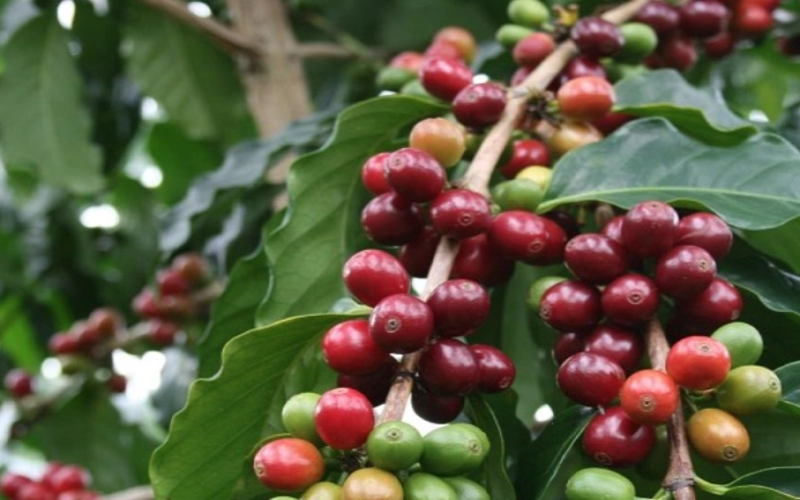
Ethiopia, as a genetic treasure trove of coffee, has nurtured countless stunning specialty coffee regions. From the administrative transition of Sidamo to Sidama, from the wetland settlement of Yirgacheffe to the rise of Guji as tomorrow's star, each region possesses unique terroir conditions and processing techniques. Beans such as Front Street Gudingding, Front Street Red Cherry, and Front Street Huakui are typical representatives of the flavors of different regions. This article will systematically sort out the flavor characteristics and historical context of Ethiopia's major coffee regions, taking you to deeply understand the unique charm of Sidamo, Sidama, Yirgacheffe, Guji, Harrar, Limu, and Djimma. [more…]
The Cradle of African Coffee: A Complete Guide to the Origins of Ethiopian Arabica and the Flavors of Its Specialty Regions
Ethiopia is a genetic treasure trove of Arabica coffee and a holy land in the hearts of specialty coffee lovers worldwide. From the ancient legend of the shepherd in the Kaffa region to today's diverse cultivation systems, this land has given birth to countless fascinating flavors. This article will take you back to the origin story of African Arabica coffee, systematically sort out Ethiopia's coffee cultivation, processing methods, and grading system, and analyze one by one the flavor characteristics of well-known producing regions such as Limu, Djimma, Gimbi, Yirgacheffe, Sidamo, and Harar. Whether you are a pour-over beginner just starting out or a seasoned enthusiast looking for your next favorite bean, you can gain practical origin knowledge from it. Front Street Coffee will also combine regional characteristics to recommend Ethiopian specialty coffees worth trying. [more…]
A Detailed Guide to Ethiopian Coffee Flavor Characteristics: Region Distribution, Grading System, and Yirgacheffe Features
Ethiopia is not only the number one country in Africa for coffee production, but also the birthplace of the Arabica species, with wild coffee trees still growing in the Kaffa forests to this day. This article will systematically sort out the flavor characteristics and brewing suggestions for Ethiopian coffee: first looking at the taste differences brought by the two processing methods of natural and washed, then sorting out the grading rules from G1 to G5 and the geographical distribution of producing regions such as Sidamo, Harar, and Yirgacheffe, followed by interpreting one by one Harar's mocha character, Limu's vinous aroma, Sidamo's balanced sweetness, and Yirgacheffe's signature floral notes. At the end, Front Street's recommended V60 brewing parameters are attached to help you gain a comprehensive understanding of these beans from the birthplace of coffee. [more…]