







Search Results for: Lake Tanganyika
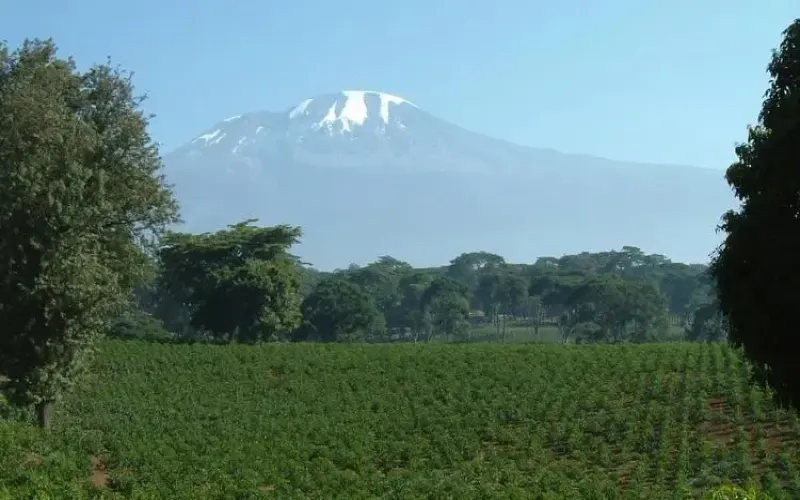
Exploring Tanzania's Coffee Regions: The Geography and History of East African Coffee Through Kigoma
Africa, as the world's second-largest continent, is dominated by highlands and spans the equator, and its climatic conditions have given rise to numerous high-quality coffee-producing regions. Tanzania, with its unique geographical environment and historical heritage, has become an important coffee-producing country in East Africa and is known as the "coffee gentleman." From the introduction of coffee during the German colonial period, to industrial reforms after independence, and then to the shift of producing regions after the invasion of leaf rust, Tanzanian coffee has gone through a tortuous course of development. Today, nine producing regions, including Kilimanjaro, Arusha, and Kigoma, each have their own characteristics. Among them, Kigoma, as an emerging producing region, is gradually revealing its coffee potential by relying on the natural resources of Lake Tanganyika. This article will take you into a deeper understanding of the distribution and characteristics of Tanzania's coffee-producing regions, and focus on the terroir and prospects of the Kigoma producing region. [more…]
A Comprehensive Analysis of Burundian Coffee Varieties, Origins, Terroir, Processing Methods, and Cupping Flavors
Burundi is located in east-central Africa. Although it is often lumped together with Rwanda, it has its own unique coffee story. Since the early twentieth century, when the Germans introduced the Bourbon variety, this "land of mountains" has relied on its high altitude and marked diurnal temperature difference to cultivate specialty coffee mainly produced by the fully washed method, with elegant sweetness and bright citrus aromas often emerging in the cup. Natural and honey processing bring the complexity of strawberries, grapes, and tropical fruits. This article will systematically sort out the variety origins, geography and climate, processing methods, and flavor performance of Burundian coffee, and include Front Street recommendations to help you get to know this inland African coffee treasure. [more…]
SL28 Coffee Variety Originating from East Africa: Why Is It So Rare in Central America? Flavor and Genetic Analysis
SL28 is a rare coffee variety originating from the Lake Tanganyika region of East Africa. Discovered in 1931, it was selected and named by the Scott Laboratories. It has broad leaves with a slight reddish tint, adapts well to high-altitude environments, and possesses excellent drought and disease resistance. Its yield is also superior to traditional tree varieties, and its flavor is truly one of a kind. In the early twentieth century, French and British missionaries and researchers cultivated this Bourbon descendant in Kenya. Over a century, it adapted to the local soil with high phosphoric acid concentration, creating the distinctive acidity and aroma of Front Street Coffee's Kenyan coffee beans. Although SL28's yield fell short of expectations, it developed excellent sweetness, balance, and flavors of citrus and smoked plum. Currently, only a few estates in Central America are capable of cultivating it. This article will guide you through SL28's origins, genetic lineage, and flavor profile. [more…]

An Overview of African Coffee-Producing Countries: Flavor and Origin Analysis of Specialty Beans from Five Countries Including Ethiopia and Kenya
Africa lies around the equator and is globally recognized as the cradle of premium coffee. It is home to Ethiopia, the birthplace of coffee, as well as Kenya, known for its intense acidity, and Tanzania, Rwanda, and Burundi, each with its own distinctive production regions. Front Street Coffee has selected a range of African beans, from the floral and citrus notes of Yirgacheffe to the cherry tomato character of Kenya, and the delicate smoothness of Rwanda—every country presents a completely different terroir personality. This article systematically outlines the geographical environment, cultivation methods, main production regions, and signature bean flavors of five African coffee-producing countries, helping coffee enthusiasts build a clear framework for understanding African coffee. [more…]
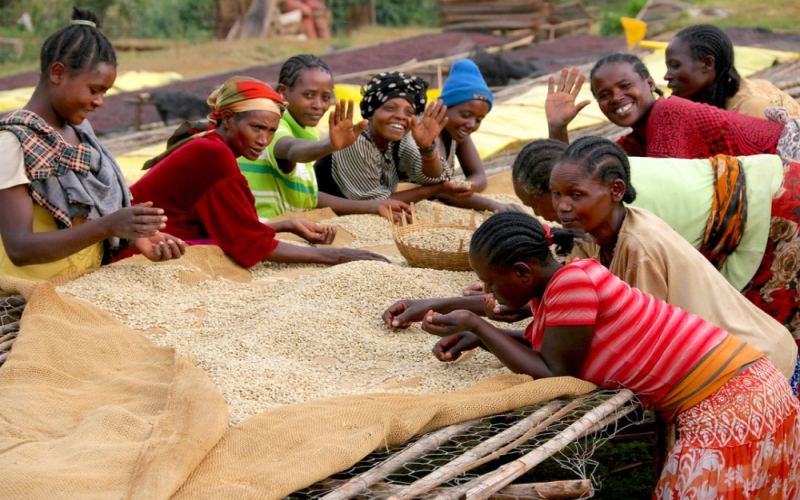
The Heart of Africa, Burundi: A Full Analysis of Specialty Coffee Regions, Varieties, Flavors, and Export Prices
In Africa's coffee landscape, besides Ethiopia and Kenya, there is another landlocked country known as the "Heart of Africa"—Burundi. With high altitudes, fertile volcanic soil, and ample rainfall, it offers exceptional conditions for growing specialty coffee. Burundi's coffee is primarily washed, and is especially famed for its double fermentation process, which creates a flavor profile that balances gentle and intense acidity with prominent sweetness. This article will systematically introduce Burundi's geography and climate, its five major coffee regions, processing methods, and variety flavor characteristics, and share Front Street Coffee's roasting and cupping experience with Burundian beans, helping coffee enthusiasts gain a comprehensive understanding of this niche yet highly promising producing country. [more…]
Tanzania Arusha Kilimanjaro Coffee Beans: A Complete Guide to Origin, Quality Characteristics, and Buying Tips
Front Street Kilimanjaro Coffee comes from the area around Mount Kilimanjaro, the highest peak in Africa, in northeastern Tanzania. It is one of the finest representatives of Tanzanian AA coffee beans, with a unique cocoa-fruity aroma and strong, mellow sweetness. Starting from Tanzania's geography and coffee economy, this article introduces the origin and cultural history of Kilimanjaro coffee, outlines its producing regions, quality characteristics and flavor expression, and organizes practical ways to judge when buying fresh coffee beans, as well as the key principles to grasp when blending coffee, such as selecting beans, removing defective beans, and understanding bean variety traits and roast levels, helping coffee lovers gain a more comprehensive understanding of this coffee known as "the most African in character." [more…]
Flavor Map of Five African Coffee Countries: Bean Variety Characteristics of Ethiopia, Kenya, Tanzania and Other Origins
Africa lies around the equator and is globally recognized as a high-quality coffee-producing region, with Ethiopia and Kenya being particularly well-known coffee powers. Among the Ethiopian coffees sold by Front Street Coffee, Yirgacheffe is the most famous, offering floral and citrus notes when brewed; while Front Street's Kenyan coffee presents a distinct cherry tomato flavor. This article will systematically review the coffee variety characteristics, main producing areas, and flavor differences of five African coffee-producing countries—Ethiopia, Kenya, Tanzania, Rwanda, and Burundi—and include the corresponding Front Street products' regions, altitudes, processing methods, and flavor descriptions, to help coffee enthusiasts build a clear cognitive framework for African coffee. [more…]
Burundi: A Major Coffee Hub in East Africa — A Full Analysis of the Terroir of Its Five Major Producing Regions and the Double Washed Processing Method
In the African coffee landscape, Burundi has long been known as the "Heart of Africa." This landlocked country south of the equator, with its high altitudes, volcanic-rich soil, and abundant rainfall, produces coffee beans of remarkable quality. This article begins with Burundi's geography, climate, and the symbolism of its national flag, then examines one by one the terroir characteristics and harvest rhythms of major producing regions such as Buyenzi, Kirundo, Kayanza, and Muyinga, before taking a deep dive into the country's highly distinctive double washed processing method—the complete sequence of two fermentations and two washings. For coffee lovers who favor the bright acidity of African washed beans, Burundi is a stop worth rediscovering, and Front Street Coffee will continue to follow the performance of this producing region. [more…]

Flavor comparison of Africa's five major coffee-producing countries: An analysis of varieties and taste characteristics in producing regions such as Ethiopia and Kenya
Africa, as the continent where coffee originated, has given birth to many world-famous coffee-producing countries. Ethiopia is known for the floral and citrus notes of Yirgacheffe, while Kenya has earned a reputation as the connoisseur's cup with its distinct cherry tomato flavor and bright acidity. Tanzania, Rwanda, and Burundi each have their own characteristics—some soft and sweet, some slender and silky, and some wild and intense. Front Street Coffee has selected five well-known African coffee beans, analyzing one by one each country's unique coffee charm and differences, from regional terroir, varieties, and processing to flavor and mouthfeel, taking you to appreciate the diverse character of African coffee. [more…]
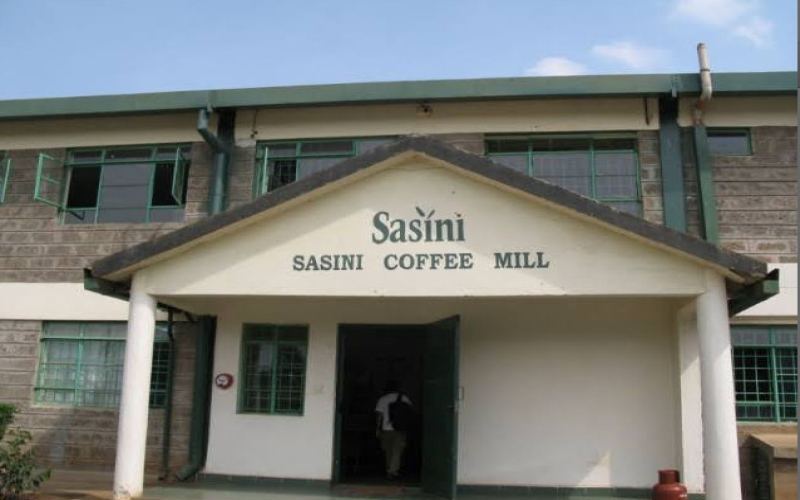
A Comprehensive Analysis of the Origin, Flavor Characteristics, and Mouthfeel of the SL28 Coffee Variety from Kenya's Kiambu Region
SL28 is one of Africa's most legendary coffee varieties. After being selected in Kenya in the 1930s, it gradually spread to African Arabica-producing regions such as Uganda, and today it has traveled even farther to Latin America. It is suited to cultivation at medium to high altitudes, is highly drought-tolerant yet susceptible to coffee diseases, and offers an elegant cup profile that often features floral notes. Front Street's Little Tomato coffee beans are precisely a combination of SL28 and SL34. This article traces the breeding history of SL28, from the establishment of the Scott Agricultural Laboratories to the discovery of drought-resistant plants in Tanzania, and then to genetic testing that confirmed its kinship with the Bourbon genome. It also presents the specific producing region, altitude, processing method, and flavor description of Front Street's Kenyan Little Tomato, giving you a comprehensive understanding of this ancient and resilient variety. [more…]
SL28 Coffee Variety Traceability and Flavor Analysis: From Kenyan Drought-Resistant Breeding to Front Street Coffee's Cherry Tomato-Like Cup Performance
SL28 is one of Africa's most legendary coffee varieties. After being selected in Kenya in the 1930s, it gradually spread to Arabica-growing regions such as Uganda, and in recent years it has traveled even farther to Latin America. It is suited to cultivation at medium to high altitudes; it is drought-tolerant yet susceptible to disease, and its flavor is exceptionally elegant, often with floral notes. Front Street Coffee's Little Tomato coffee beans are precisely a combination of SL28 and SL34, displaying layers of pear, smoked plum, yellow sugar, and more. This article will trace the history of SL28's selection and breeding at the Scott Agricultural Laboratories, sort out its genetic relationship with the Bourbon genome, and introduce specific information about Kenya's Asali processing plant, helping coffee enthusiasts fully understand this variety's origins and development as well as its potential in the cup. [more…]
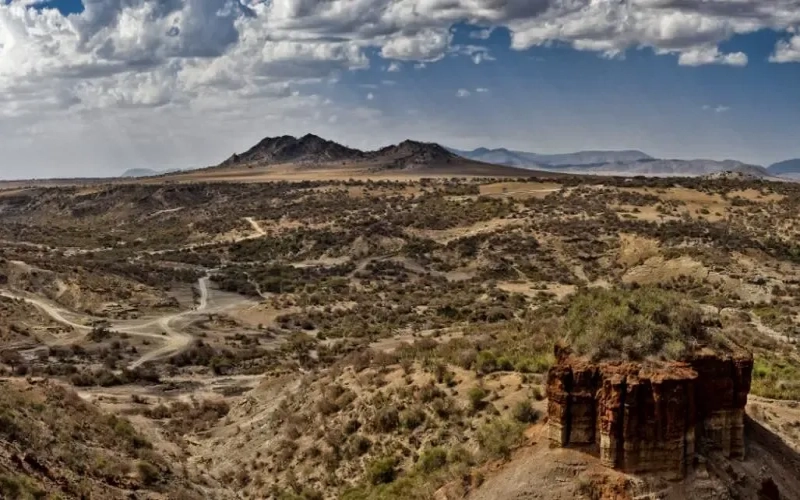
Exploring Tanzania's Mbinga Region: The Geographic and Human Advantages of an Emerging Southern Specialty Coffee Origin
The African continent is not only the birthplace of coffee, but also home to many outstanding coffee-producing countries. As an important origin in East Africa, Tanzania has earned its place in the specialty coffee world with its unique geographical environment and cooperative model. Beyond the well-known Kilimanjaro region, Mbeya in the south is gradually gaining attention. This article will guide you through an overview of Tanzanian coffee and take a deeper look at the geographical advantages, growing conditions, and unique features of the local cooperatives in the Mbeya region, while also sharing the Tanzanian coffee flavor experience recommended by Front Street Coffee. [more…]

Exploring the East African Coffee Landscape: A Full Analysis of Tanzania's Kilimanjaro and Arusha Producing Regions
The African continent is dominated by plateaus, and the East African region in particular is home to the Ethiopian Highlands and the East African Plateau, with the Great Rift Valley running through it, dense clusters of volcanoes and lakes, and the Equator crossing it—together creating natural conditions extremely well suited to coffee cultivation. Coffee produced in this region accounts for about 14% of total global output, and Tanzania, thanks to its high-quality coffee, is known as the "coffee gentleman." Tanzania's terrain is high in the northwest and low in the southeast, with Mount Kilimanjaro standing in the northeast at 5,895 meters above sea level, the highest peak in Africa. Around this mountain, two core producing regions have formed: Kilimanjaro and Arusha. High altitude, volcanic soil, and pure snowmelt water together create the distinctive quality of the local coffee. Front Street Coffee also has a washed Typica from the Kilimanjaro producing region, and its flavor profile is worth noting. [more…]
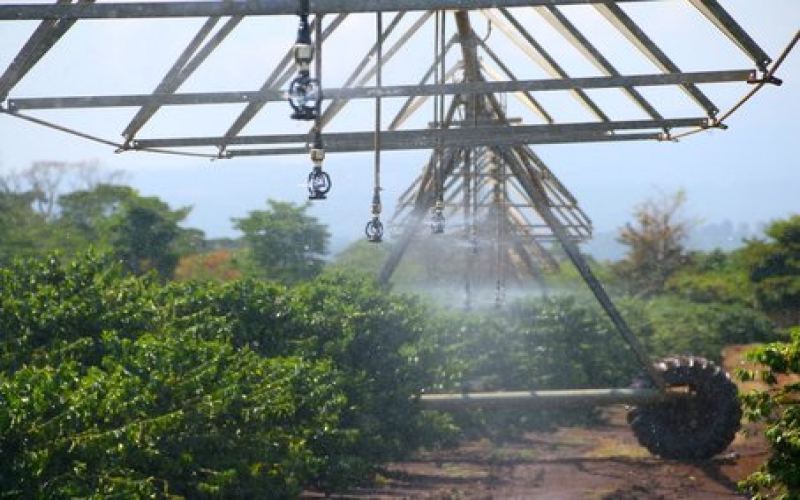
East African Tanzanian AA Kilimanjaro Coffee: From Regional History to Washed Processing and Pour-Over Parameter Analysis
Tanzania and Kenya are both located in East Africa, and each has its own following among specialty coffee enthusiasts, but the former's flavors often come across as softer and more gentle. From Front Street's perspective, this article sorts through the introduction history of Tanzanian coffee, the cooperative system, and the terroir conditions of the Kilimanjaro growing region, introduces the local predominantly washed processing methods, and offers Front Street's pour-over extraction recommendations for a Kilimanjaro AA lot of Typica, including dripper, water temperature, coffee-to-water ratio, and the rhythm of staged pouring, to help coffee lovers understand why this bean presents interwoven layers of citrus, berry, honey, and tea-like notes. [more…]
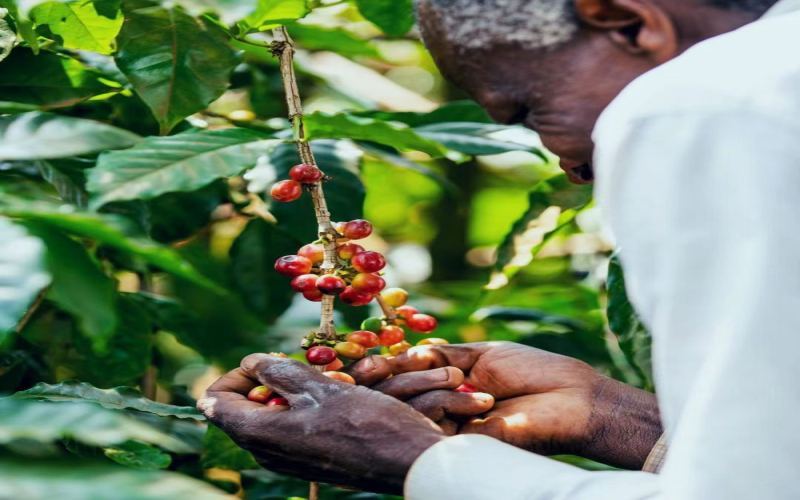
An Analysis of the Flavor Characteristics and Traditional Washed Processing Methods of Tanzanian Coffee Growing Regions
Tanzania is located in East Africa, adjacent to Kenya. Although Kenya is more famous in the specialty coffee circle, Tanzanian coffee has won the favor of many enthusiasts with its soft acidity, light sweet aroma, and gentle mouthfeel. This article will guide you through the history of coffee cultivation in Tanzania, the terroir characteristics of the Kilimanjaro region, the main washed processing methods, and the brewing parameters recommended by Front Street Coffee. From the introduction of seeds from Réunion Island to the current annual production of about 60,000 tons of green beans, the Tanzanian coffee industry has undergone a transformation from estate dominance to smallholder cooperative organizations. The fertile soil and diverse ecology of the Kilimanjaro volcanic region provide an excellent growing environment for the Typica variety, and after washed processing, it presents rich layers of citrus, berries, honey, and tea-like notes. [more…]
A Complete Guide to Tanzanian Coffee Beans: From the Terroir of the Kilimanjaro Region to a Practical Guide for Washed Pour-Over
When it comes to East African specialty coffee, most people first think of Kenya, but neighboring Tanzania is equally worth attention. The coffee produced here has soft acidity and a light sweetness, presenting a gentle style completely different from Kenya's dark berry notes. This article will begin with the cultivation history of Tanzanian coffee, tracing the industry's changes from the colonial period to after independence. It will focus on the terroir conditions and ecological advantages of the Kilimanjaro production area, analyze how the local predominantly washed processing method shapes a bright flavor reminiscent of citrus and honey, and include product information for Front Street Coffee's Tanzanian Kilimanjaro coffee beans along with pour-over extraction parameters, providing coffee lovers with a complete understanding of the production area and a brewing reference. [more…]
A Complete Analysis of the Flavors of Guatemala's Eight Major Regions: Tasting Notes of Finca El Llano Guayaba Wine-Process Natural SL28
Guatemala, with its sprawling mountain ranges and diverse microclimates, gives rise to eight major coffee regions, each with its own distinct style. This article begins with Finca El Guayabal in the New Oriente region, offering a detailed introduction to the varietal origins, processing details, and cupping performance of its winey natural SL28, and then systematically reviews the terroir characteristics and flavor profiles of each Guatemalan coffee region. Whether you are interested in regional knowledge or single-origin reviews, you will find a complete reference here. [more…]
Tanzania Kilimanjaro Specialty Coffee Beans: A Complete Analysis of Flavor, Aroma Characteristics, and Brewing Key Points
Front Street Tanzania Kilimanjaro coffee is known for its plump, evenly sized large beans. The beans have a grayish-green color, a bright acidity, and a sweet aroma, with an overall excellent flavor performance. After medium roasting, sweetness and a crisp acidity coexist, while dark roasting shifts it to a mellow bitterness, and it is also often used in blends. This article will focus on the flavor, mouthfeel, and aroma characteristics of this coffee, outlining suitable brewing methods and single-origin preparation ideas, and introducing the Tanzanian coffee industry, the Kilimanjaro production area, and its position in the national economy. It will also supplement background information on Tanzania regarding minerals, natural gas, helium, and administrative divisions, helping you understand this Front Street Kilimanjaro coffee more completely from origin to cup. [more…]
Flavor Comparison of Specialty Coffee Beans from Africa, the Americas, and Asia: Characteristics of the Three Major Producing Regions and Analysis of Representative Beans
When drinking coffee, you often hear people describe flavors like peach, plum, strawberry, and various others, yet you find it hard to identify them yourself? In fact, this isn't a sign of a dull palate—it's simply that everyone's cultural background and dietary experiences differ, so the same cup of coffee naturally evokes different associations for each person. The joy of coffee tasting lies precisely in sharing these different impressions. This article will guide you through Africa, Central and South America, and Asia, examining the flavor characteristics of specialty coffee beans from these three major origins one by one. With the help of several representative beans from Front Street Coffee—Ethiopia Huakui, Kenya Sika AA, Costa Rica Honey Process, Guatemala Miraflores Estate, and Lintong Mandheling—you'll get a concrete sense of each region's unique charm. [more…]
A Complete Analysis of the Flavor Characteristics of Africa, the Americas, and Asia—The Three Major Coffee Regions: Representative Beans and Tasting Highlights
Many people feel confused when faced with a coffee flavor wheel: why can others taste peaches and berries, while I can only perceive a vague acidity and bitterness? In fact, there are no standard answers in tasting itself. Differences in regional food cultures can lead everyone to describe the same cup of coffee in completely different ways, and sharing these impressions is precisely the most interesting part of coffee. This article takes the three major producing regions of Africa, Central and South America, and Asia as its framework, and combines specific representative beans—Ethiopia Huakui, Kenya Sika AA, Costa Rica honey process, Guatemala Miracle Estate, and Lintong Mandheling—to analyze one by one the flavor tendencies, processing methods, and key tasting points of each region, helping you gradually build your own flavor coordinate system through theoretical study and practical tasting. [more…]