







Search Results for: Konse woreda

Armed attack in Ethiopia's Sidama Kenso district leaves 14 dead, coffee-producing region faces security and economic pressure
In the Konso Zone of the Southern Nations, Nationalities, and Peoples' Region in southern Ethiopia, armed attacks lasting several days recently occurred, resulting in at least 14 deaths, including 8 police officers and 5 civilians, with another person later confirmed dead. The attackers targeted police stations, government institutions, and civilians, looting property and setting fire to government buildings and residences, and only fled after the national defense forces and federal police intervened. The Konso Zone is not only part of the Southern Nations, Nationalities, and Peoples' Region but also an important component of the Sidamo coffee-producing area, adjacent to the Yirgacheffe region. This incident has displaced approximately 37,000 people, with property losses exceeding 600 million birr. Although the armed militants have withdrawn, they may move to surrounding areas to continue their activities, posing a direct threat to the region's coffee and other agricultural industries. Meanwhile, the depreciation of Ethiopia's currency and domestic inflation, combined with the security situation, have cast a shadow over the prospects for coffee exports. Front Street Coffee will continue to monitor developments in the producing area. [more…]
Shakisso in Ethiopia's Guji region: A full analysis of coffee beans from origin conditions to flavor performance
Ethiopia's administrative hierarchy consists of four levels: Region, Zone, woreda, and kebele, and the naming of local green coffee beans often follows this system as well. The Guji-Shakisso focused on in this article is located southeast of Yirgacheffe and, in terms of administrative division, falls under Oromia Region → Guji Zone → Shakisso woreda, making it a regional-type coffee origin. Thanks to its outstanding geographical conditions and cup performance, Guji is an independent ECX production region, and Shakisso is one of its much-watched micro-regions. This article will sort out its altitude, soil, processing methods, and flavor characteristics, and review Shakisso's impressive achievements on the international specialty coffee stage. Front Street Coffee also continues to pay attention to high-quality lots from this production area, bringing coffee lovers choices worth tasting. [more…]
Ethiopia Guji Region Coffee Flavor Analysis: From Yirgacheffe Gedeb Village to Shakiso—Grading and Regional Evolution
As the birthplace of coffee, Ethiopia's regional divisions and flavor profiles have always been a focal point for coffee enthusiasts. This article will provide an in-depth analysis of the rise of the Guji Zone, starting from the four-tier administrative system of Region, Zone, Woreda, and Kebele, to explain the positioning of Guji-Shakisso within Oromia Region→Guji Zone→Shakisso woreda. At the same time, using the Yirgacheffe Geddida Village washed G1 lot as an example, it will fully present the production background, varieties, processing methods, and flavor layers of smallholder farmer Alimbukato, and trace the historical context of Geddida Village's independence from the Worka Cooperative in 2012. The article also covers the scale, organic certification, and high-altitude terroir conditions of the Worka Cooperative, helping readers comprehensively understand why Ethiopia's Guji Zone has become a hotspot that cannot be ignored in specialty coffee in recent years. [more…]

A Comprehensive Analysis of the Flavor, Mouthfeel, and Aroma of Ethiopian Guji Hambela Washed Sidamo G1 Coffee Beans
Located in the Sidamo region of southern Ethiopia, this area is a treasure trove of coffee flavors thanks to its complex terrain and microclimates. This time we focus on the washed Sidamo G1 produced in the Hambela town of the Guji zone, selected by Front Street Coffee, at an altitude of about 2,150 meters and washed from native heirloom varieties. This bean displays an aroma interwoven with lemon, sweet citrus, plum, and roasted cocoa, with a smooth, rich, and sweet mouthfeel. The article will detail the geographical background of Hambela, the history of Shakiso, and the role of the Dutch green bean trader Trabocca in driving quality. It will also walk you through the origin of Front Street Coffee's Huakui name and its unique flavor. Whether brewed as pour-over or espresso SOE, you can experience rich floral and fruity notes with a black tea finish, making it ideal for coffee lovers who enjoy light roasts. [more…]

Ethiopia Sidama Bensa Alo Village Alo Coffee Explored: Brand Origins, High-Altitude Farming, and Natural-Process Flavor Fully Analyzed
Alo Coffee is an Ethiopian green bean brand that has attracted much attention in the specialty coffee circle in recent years, coming from Arlo Village in Bensa Town, Sidama Region. Founder Tamiru Tadesse Tesema won the 2021 COE competition with anaerobic natural 74165, quickly making this small high-altitude production area famous. Coffee trees in Arlo Village grow between 2,200 and 2,400 meters above sea level, and slow ripening brings higher density and complex aromas. This article will sort out Alo Coffee's brand background, production area location, processing station layout, and natural processing details, and, combined with Front Street's cupping experience, present the flavor layers of this bean from magnolia and passion fruit to yellow peach and dried hanging apricot, helping coffee enthusiasts fully understand the unique charm of Arlo Village. [more…]
The Two Major Coffee Producing Areas of Gedeb Town in Yirgacheffe: Background and Flavor Analysis of Worka and Halo Beriti Cooperatives
In the southern part of Ethiopia's Yirgacheffe region, around the town of Gedeb, lie two coffee-dependent villages, Worka and Hatumai, known for their high altitude and exceptional quality. The private processing station in Hatumai village is run by the Mijane family, which has built mutually beneficial partnerships with smallholder farmers and also promoted community development. The cooperative movement after 2000 and the competition from private processing stations together improved coffee quality and farmers' incomes. This article walks you through the background of these two producing areas and breaks down the flavor profile of Worka washed coffee beans—rich floral and fruity acidity, bright juicy body, and a brown sugar finish. Front Street Coffee recommends this bean, ideal for lovers of washed Yirgacheffe. [more…]
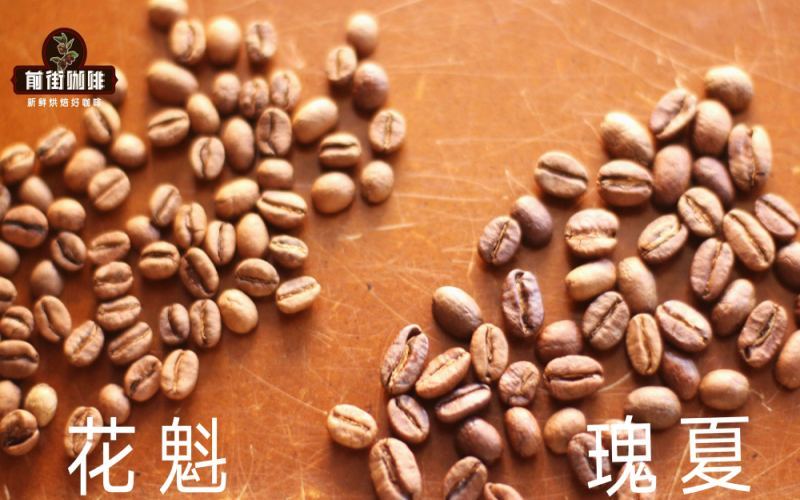
Ethiopia Hambela Woreda Huakui Coffee: A Complete Analysis from Variety Traceability to Roasting and Brewing
Huakui coffee quickly rose to fame after winning the TOH championship in 2017, but many enthusiasts often mistake it for Geisha. In fact, Huakui is a sun-dried heirloom variety produced by the Buku Abel processing station in the Hambela region of Sidama, Ethiopia, and is labeled as Hambella on foreign jute bags. This article will start from the definition of the variety, clarify the differences between Huakui and Geisha, sort out the origin of Huakui's name, its production area range, the meaning of its number, and the independent status of small-bean Huakui, and include Front Street Coffee's roasting curve and pour-over parameters to help readers fully grasp the background and brewing points of this bean. [more…]
A Comprehensive Analysis of the Flavor, Aroma, and Mouthfeel of Washed G2 Coffee from Ethiopia's Sidamo and Guji Regions
Sidamo and Guji are the most representative coffee regions in southern Ethiopia, where diverse microclimates and native varieties give rise to coffees with distinctly different flavors. This article outlines the geographical background, growing conditions, and industry development of Sidamo, Shakiso, and Hambela, and focuses on the cupping performance and brewing recommendations of Front Street Coffee's washed Sidamo G1, helping coffee enthusiasts understand the aroma and mouthfeel characteristics of washed G2 from this region. [more…]
What is the heirloom coffee from the Guji zone of Sidama, Ethiopia? An analysis of Nensebo coffee bean flavors and processing methods
Ethiopia, the birthplace of coffee, is home to approximately 60,000 coffee varieties, among which the heirloom coffees from the Sidama Guji region are particularly noteworthy. The Guji area is renowned for its forest coffee and wild-growing practices. The Ch'Ire Ameli washing station in Nensebo woreda brings together over 700 smallholder farmers, using traditional raised-bed sun-drying processing. This article will guide you through the origin of the heirloom name, the terroir characteristics of Guji, and how dry processing affects coffee quality. At the same time, Front Street Coffee will also recommend Ethiopian natural beans worth trying. [more…]
Ethiopian Yirgacheffe Coffee Flavor Analysis and Quality Evolution Under ECX System Reform
Ethiopia, as the birthplace of coffee, has its Yirgacheffe region's natural-process coffees consistently capturing the attention of the specialty coffee world. This article takes the natural-process beans of Bedhatu Jibicho, an octogenarian coffee farmer, as a thread to deeply explore how the transformation of Ethiopia's ECX trading system has allowed individual farmers to bypass cooperatives and export directly, while also analyzing the geographical and ethnic background of Banko Gotiti in the Gedeo region. For coffee lovers, Front Street Coffee recommends paying attention to the flavor layers of this producing region—the captivating expression interwoven with floral notes and strawberry, raspberry, and peach. The article also touches on the impact of conflicts between the Oromo and Gedeo ethnic groups in the border areas on coffee production, revealing the complex and authentic story of terroir behind a cup of coffee. [more…]
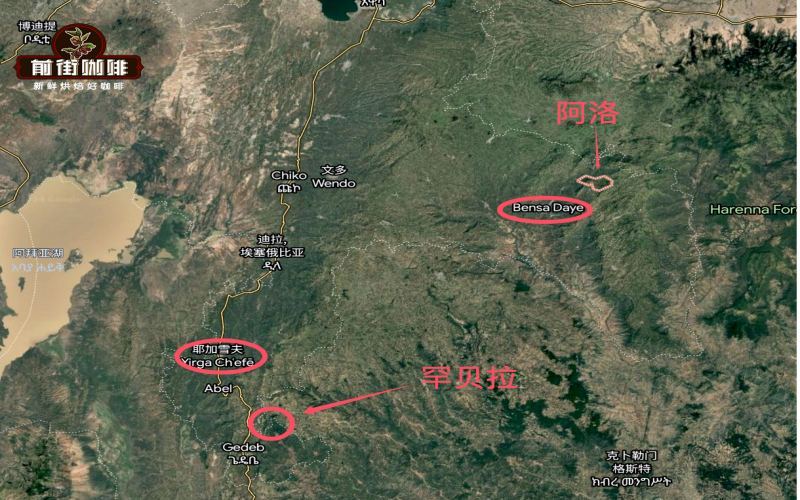
Exploring Ethiopia Sidamo Bensa Alo Village: The Flavor and Origin Story of High-Altitude Floral Coffee
Ethiopia, as the birthplace of coffee, has always been a pilgrimage destination for specialty coffee enthusiasts. In recent years, Alo Village in the Bensa area of Sidama has quickly risen to fame thanks to its outstanding performance as the 2021 COE champion, becoming a hot topic of discussion in the coffee world. Alo Coffee founder Tamiru Tadesse started from scratch, bringing the floral and fruity aromas of this high-altitude land to the world. This article will guide you through the origin background of Alo Village, the distribution of processing stations, the natural processing of the 74158 variety, and the cupping flavors and brewing suggestions brought to you by Front Street Coffee, so you can experience the unique charm of this coffee. [more…]
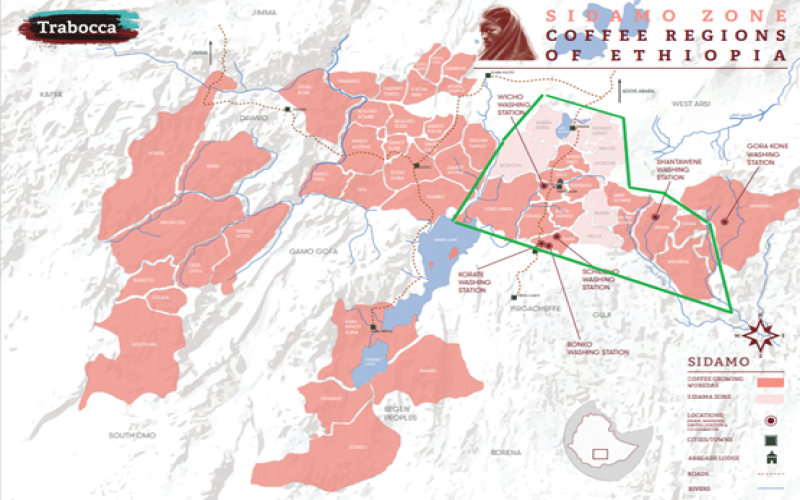
A Comprehensive Guide to Ethiopia's Sidama Region: From Guji to Hambela, the Origins and Flavor Profile of Huakui Coffee
Sidamo is one of Ethiopia's most representative specialty coffee regions, spanning the fertile highlands of the East African Rift Valley and famed for its intense flavors, bright acidity, and rich floral and fruity notes. This article systematically covers Sidamo's geography, the regional divisions of Guji and Hambela, the rise to fame and naming conventions of Huakui coffee, and the cultivation model of the Arsi region in detail. It also shares Front Street Coffee's brewing parameters and flavor review of Sidamo natural beans, giving you a comprehensive look at this region's unique charm. [more…]
A Comprehensive Analysis of Sidamo Specialty Coffee: A Flavor Guide to the Guji, Hambela, and Arsi Sub-regions and Huakui
Sidamo is one of Ethiopia's most representative specialty coffee regions, located in the fertile highlands of the East African Rift Valley. Thanks to abundant rainfall, significant day-night temperature differences, and diverse microclimates, it nurtures coffees with intertwined floral and citrus flavors and rich layers of complexity. This article systematically sorts out Sidamo's geographical environment and the layout of its eight major production areas, provides an in-depth introduction to the terroir characteristics of sub-regions such as Guji, Hambela, and Arsi, and recounts in detail the rise to fame of Huakui coffee, its naming rules, and brewing parameters. At the same time, it presents Front Street Coffee's hands-on review of two beans—Natural Arsi and Huakui 8.0—to help coffee enthusiasts gain a comprehensive understanding of this region's unique charm. [more…]
Which coffee region does Sidamo belong to? How does the 2024 Queen of Flowers 8.0 new crop season flavor perform?
Sidamo is an important specialty coffee region in southern Ethiopia, spanning the highlands on the southern shore of Lake Awasa in the East African Rift Valley, and is known for its intense flavors, full body, and bright acidity. After Guji became independent from Sidamo, the Huakui coffee beans from the Hambela sub-region quickly rose to fame. The 2024 new-crop Huakui 8.0 continues the floral notes, jackfruit, dried fruit, apricot, and juicy character, with a prominent fermented sweetness. Front Street Coffee's two Sidamo natural beans—Arsi and Huakui 8.0—each deliver impressive expressions of fruity sweetness, juiciness, and tropical fruit notes. This article explains the regional background, processing methods, brewing parameters, and flavor comparison in detail. [more…]
A Comprehensive Analysis of Ethiopian Sidamo Huakui Coffee Beans: Flavor Characteristics and Natural Process of Huakui 6.0 in 2022
In recent years, Huakui coffee beans have attracted considerable attention in China's coffee community. They come from Guji Hambela in the Sidama region of Ethiopia and rose to fame by winning the 2017 TOH championship. This article will give you a comprehensive understanding of the unique qualities of Huakui coffee beans from multiple perspectives, including the producing region's background, administrative divisions, and sun-dried processing methods, with a focus on describing the flavor and taste characteristics of Huakui 6.0 in 2022. At the same time, Front Street Coffee, as a well-known domestic roaster, will also present its recommendations and interpretations of this bean in the article, helping coffee enthusiasts gain a deeper understanding of this star sun-dried bean from Ethiopia. [more…]
Ethiopia Guji Zone In-Depth Analysis: The Terroir Code of the Shakiso Micro-Region and the Traceability of 90+ Legendary Lots
Ethiopia, as the birthplace of coffee, has a regional division system like a precise pyramid, nested layer by layer from Region down to kebele. Southeast of Yirgacheffe lies a micro-region with an altitude exceeding 1,800 meters—Shakisso—where fertile black soil and significant day-night temperature differences nurture coffee flavors that astonish international specialty buyers. In 2010, Guji was made an independent region by the ECX, and Shakisso is the brightest star on this land. From the legendary 90+ bean Nekisse to Level Up's Flower Language, what terroir logic and processing techniques lie behind these repeatedly high-scoring coffees? Front Street Coffee will take you deep into Guji to uncover the unique charm and market value of Shakisso coffee. [more…]
Yirgacheffe's Emerging Micro-Region Gedeb: An Analysis of the Pour-Over Flavor and Processing Techniques of High-Altitude Coffee Beans
Yirgacheffe has long become synonymous with African specialty coffee, and within this designated appellation, a micro-region called Gedeb is quietly rising. It is located in the Gedeo Zone, with an average altitude of 1,900 to 2,200 meters, far higher than the traditional Yirgacheffe region, giving the coffee beans a hard, dense texture and unique flavor. Gedeb's smallholder farmers send carefully picked coffee cherries to the Kochere processing station, where they are sun-dried on raised beds for 15 to 20 days, creating an elegant flavor interwoven with floral notes and berries. This article will take you deeper into Gedeb's regional characteristics, processing techniques, and its taste performance under pour-over and American-style brewing. Front Street Coffee recommends that you pay attention to this emerging region with outstanding value for money. [more…]
Ethiopia Guji Region Specialty Coffee Beans: Variety Characteristics, Flavor Profile, and Pour-Over Recommendations
Guji has been a产区 in Ethiopia that has attracted much attention in the specialty coffee circle in recent years, and its Shakiso micro-region is especially known for producing high-quality coffee beans thanks to its superior terroir conditions. Starting from the reform of the ECX trading system, this article sorts out the administrative division and naming logic of Ethiopia's coffee-producing regions, focusing on the origin environment, processing methods, and flavor characteristics of Guji-Shakiso, and comparing the market changes of neighboring regions such as Yirgacheffe. The article also recommends the Guji-Hambela Huakui 2.0 coffee beans roasted by Front Street Coffee, balancing quality and value for money, suitable for pour-over enthusiasts to refer to when purchasing. [more…]
A Comprehensive Analysis of the Characteristics and Flavor Profile of Ethiopia's Yirgacheffe Coffee Region
In the world of specialty coffee, Ethiopia's Yirgacheffe is undoubtedly one of the most recognizable names. Compared with the expensive Panama Geisha, Yirgacheffe has won the favor of many coffee lovers with its rich floral and fruity acidity and its delicate, bright mouthfeel. This article will systematically examine the unique charm of Yirgacheffe coffee beans from multiple angles, including the geography of the producing region, its historical evolution, processing methods, and flavor performance, and will introduce several representative Ethiopian coffees on Front Street Coffee's bean shelf, helping readers gain a comprehensive understanding of the terroir and flavor profile of this African star producing region. [more…]
Flavor Analysis and Origin Introduction of Ethiopia Guji Shakiso Dambi Uddo G1 Coffee Beans
The Guji production area has risen rapidly in Ethiopia's specialty coffee landscape in recent years. As its core micro-region, Shakiso frequently produces beans that astonish the industry, thanks to its superior terroir and processing techniques. This article focuses on the G1-grade coffee beans produced by the Gigesa processing station, thoroughly outlining their flavor performance under both washed and natural processing methods, and providing an in-depth introduction to the administrative divisions of Guji-Shakiso, the background of the processing station, and the development trajectory of the production area. Whether you want to understand the trends of Ethiopia's emerging production areas or are looking for the next specialty bean worth buying, this article offers valuable reference. Front Street Coffee will also recommend related products worth your attention. [more…]