







Search Results for: Kimel Estate
Analysis of Papua New Guinea Coffee Flavors: Nutty and Brown Sugar Notes with Washed Characteristics of Kimel Estate Peaberry
Papua New Guinea lies between the equator and 10 degrees south latitude in Oceania, with tropical rainforest volcanic soil and highland terrain ranging from 1,200 to 2,500 meters, making it an ideal region for specialty Arabica coffee. This article focuses on the peaberry from Kimel Estate sourced by Front Street Coffee, outlining the country's coffee industry background, its variety diversification strategy, and the flavor direction brought by washed processing. Kimel Estate is jointly owned by smallholder farmers of the Opais people and is equipped with a dedicated washing station, producing coffee with both bright acidity and a solid body. This peaberry from Front Street Coffee presents the sweetness of spices, nuts, and sugarcane, with a creamy smoothness, low acidity, and balance, making it suitable both as a single origin and as a base bean for blends, and it has attracted growing attention from enthusiasts in recent years. [more…]
The Terroir Origins and Cupping Performance of Coffee Beans from Kimel Estate in the Bird of Paradise Region of Papua New Guinea
Papua New Guinea is located in Oceania and, with its volcanic soil and highland terrain, is a potential specialty coffee producing region. This article begins with the origin of the country's name and its climate and terroir, then outlines the local coffee cultivation system and variety diversity, and focuses on the washed processing and flavor characteristics of Kimel Estate. The article also explains the true meaning of "acidity" in the context of coffee, compares the sensory difference between acidity and astringency, and explains how roast level affects the expression of sourness. Finally, it brings recommendation information for Front Street Coffee (FrontStreet Coffee) PNG Waghi Valley Kimel, suitable for readers who want to understand the character of Oceania coffee. [more…]
Papua New Guinea Kimel Estate Peaberry: Flavor Profile, Growing Background, and Pour-Over Parameters Explained
Although Papua New Guinea is not a major coffee-producing country, it has secured a place in Oceania's specialty coffee scene thanks to its washed Arabica beans. The Kimel Estate, located in the Wiki Valley of the Western Highlands, is jointly owned by smallholder farmers of the Opais ethnic group, who cultivate diverse varieties such as Typica, Arusha, and Blue Mountain, producing coffee that combines bright fruit acidity with a rich, full-bodied mouthfeel. This article focuses on the Kimel Estate PB peaberry beans sourced by Front Street Coffee, outlining their origin terroir, cultivation history, variety composition, and washed processing method, along with pour-over brewing parameters and flavor descriptions, to give you a complete understanding of this unique bean with high body, medium acidity, and notes of nuts, sugarcane, and spice. [more…]

Flavor Analysis and Brewing Characteristics of Papua New Guinea Kimel Estate Little Blue Mountain Coffee Beans
Papua New Guinea coffee has long been overshadowed by Indonesian coffee, but its bright floral and fruity notes, balanced acidity and sweetness, and ideal growing conditions are attracting more and more attention from coffee lovers. Front Street Coffee has set its sights on this Oceanian country to explore its unique coffee culture in depth. This article will guide you through the distribution of coffee-producing regions in Papua New Guinea and the green bean grading standards, with a focus on the Kimel Estate—an estate jointly owned by smallholder farmers of the Opais tribe—and how, with its volcanic rock soil and diverse varietal cultivation, it produces the Typica coffee known as "Little Blue Mountain." From the estate's history to its cupping flavors, from the growing environment to the processing methods, we offer a comprehensive analysis of this coffee's unique charm. [more…]
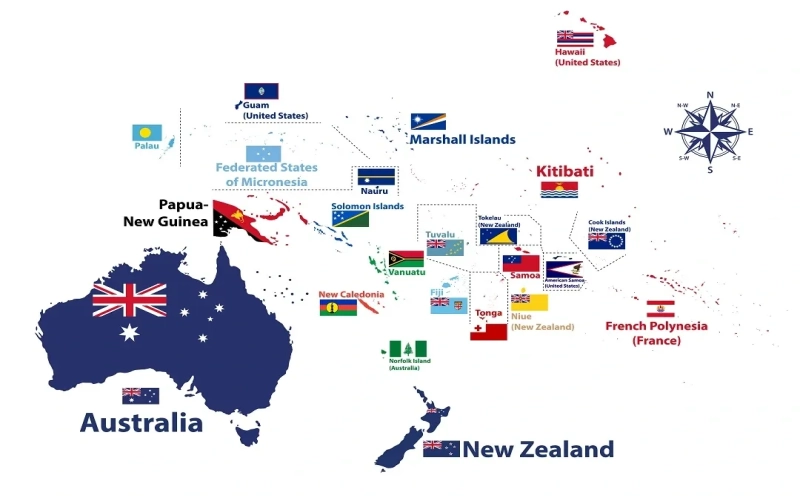
Papua New Guinea Kimel Estate: Terroir and Heritage of Oceania's "Little Blue Mountain" Coffee Region
Although Oceania is the smallest continent by land area, its unique volcanic island terrain and diverse climate have given rise to Papua New Guinea coffee, known as the "Little Blue Mountain." From trial plantings in the late 19th century, to the introduction of Typica from Jamaica's Blue Mountain in 1931, and then to the unexpected development opportunity brought by Brazil's frost in 1975, Papua New Guinea coffee gradually moved toward scale and specialty production. This article focuses on the five highland provinces in the central region, with particular attention to the Kimel Estate in the Eastern Highlands Province—a private cooperative owned by smallholder farmers of the Opais people, equipped with a washed-processing facility and stable quality control, combining terroir advantages with cultural character. At the same time, the article also mentions the Sigri Estate Bird of Paradise coffee beans recommended by Front Street Coffee, offering a flavor reference for coffee enthusiasts. [more…]
An Analysis of Papua New Guinea Coffee Flavor Characteristics and Brand Recommendation Guide
Papua New Guinea is located in Oceania, between the equator and 10 degrees south latitude, with volcanic soil and highland terrain at elevations of 1,200 to 2,500 meters, making it an ideal place for coffee cultivation. Local coffee production is not large, with about 85% produced by smallholder garden cultivation systems, and coffee is the country's second-largest agricultural export. Because the varieties differ from those of Indonesia, the elevation is higher, and washed processing is used, PNG coffee presents a bright, sweet-and-sour taste with floral and fruity aromas, in a style close to South America. Front Street Coffee Papua New Guinea Kimel Estate Peaberry has a cup profile with spice, nuts, and sugarcane sweetness, creamy smoothness, and an overall balanced and solid character. This article will introduce in detail its flavor characteristics, growing region background, and brand choices. [more…]
Papua New Guinea Bird of Paradise Coffee: The "Little Blue Mountain" Flavor of the Typica Variety and a Brewing Guide
Papua New Guinea is hailed as a "Little Blue Mountain" producing region; its Typica variety originates from Jamaican Blue Mountain, and combined with an island-type highland growing environment, it displays a unique flavor balancing bright acidity with floral and fruity aromas. Starting from Front Street Coffee's sourcing practice, this article systematically reviews the country's producing regions, cultivation models, historical development, and grading system, with a focus on the terroir characteristics of Sigri Bird of Paradise Estate and Kimel Estate, and includes Front Street's roasting curves, cupping comparisons, and three-pour hand-brewing parameters. If you want to understand this island coffee that carries Blue Mountain lineage yet shows more pronounced fruity acidity, this article provides a complete knowledge framework and practical reference. [more…]
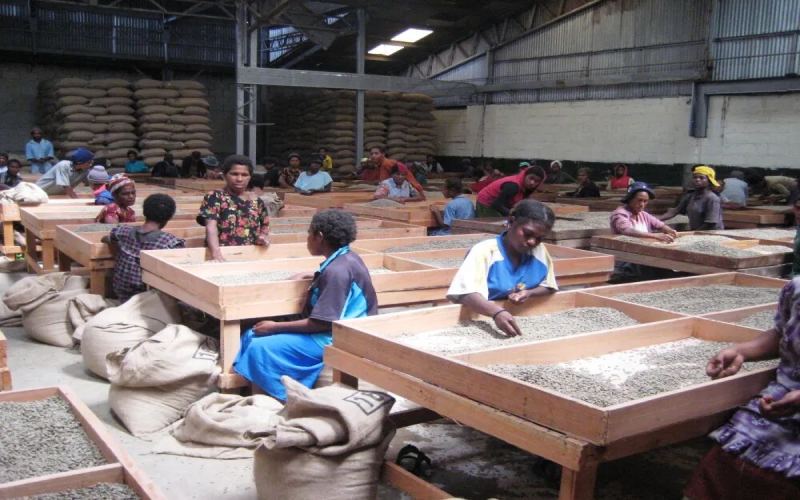
PNG Coffee Grades | How Are Papua New Guinea Coffee Beans Graded? What Are the Characteristics of Sigri Estate Bird of Paradise Washed Coffee?
You may find the coffee origin of Papua New Guinea a bit unfamiliar, but Front Street Coffee believes that Front Street Papua New Guinea coffee stands out as a unique presence among coffees. Papua New Guinea is located in the southwestern Pacific, along the Pacific Ring of Fire, and is geologically volcanic, with fertile volcanic soil, making it [more…]
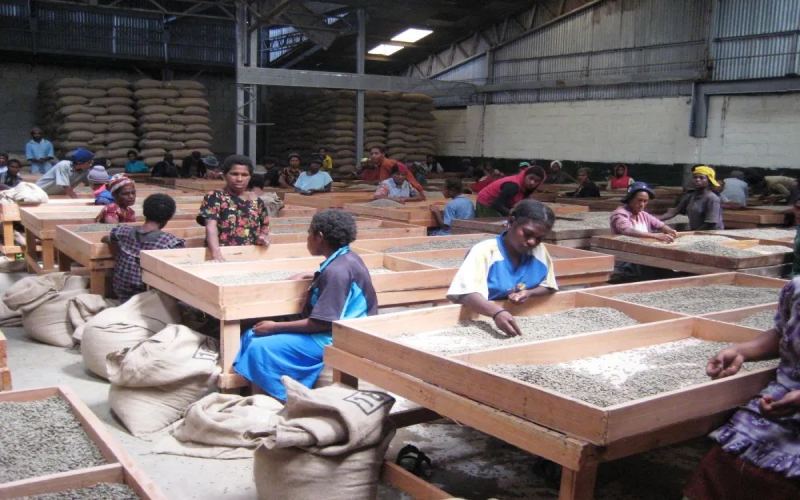
Oceanian Coffee Beans | How Are Papua New Guinea Coffee Beans Graded? What Flavor Characteristics Does the Sigri Estate Bird of Paradise Coffee Have?
You may not be very familiar with Papua New Guinea as a coffee origin, but Front Street Coffee believes that Front Street Papua New Guinea coffee stands out uniquely among the many coffees. Papua New Guinea is located in the southwestern Pacific, along the Pacific Ring of Fire, and is part of a volcanic geological zone with fertile volcanic soil, making it [more…]
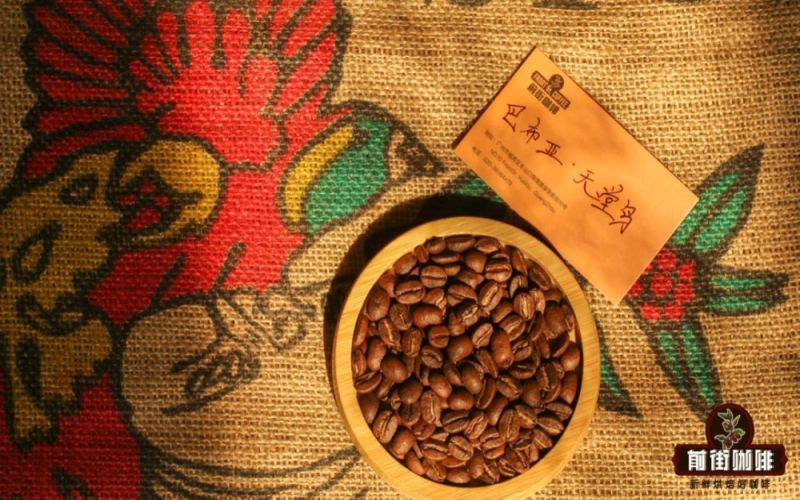
Papua New Guinea Bird of Paradise Coffee Beans: Little Blue Mountain Flavor, the Sigri Estate Story, and Brewing Methods
Although Papua New Guinea is not a widely known coffee origin, its volcanic soil and rainforest climate nurture coffees that are bright, sweet-tart, and full of floral and fruity aromas—a style all its own, completely distinct from neighboring Indonesia. This article will guide you through the history, growing regions, and grading system of Papua New Guinea coffee, with a special focus on Front Street Coffee's Sigri Estate Bird of Paradise coffee beans. We'll break down their flavor characteristics, the estate's story, and Front Street's recommended brewing parameters and techniques—perfect for coffee lovers eager to explore the diversity of the Asia-Pacific growing regions. [more…]
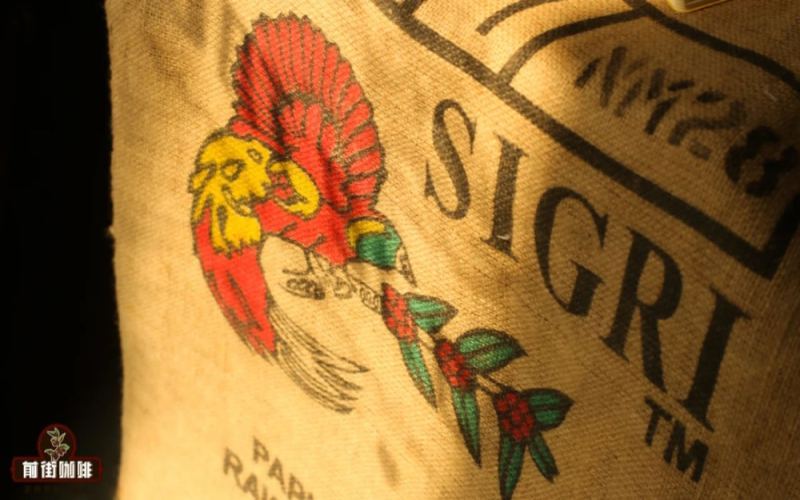
Papua New Guinea Bird of Paradise Coffee: Origin Flavors and Brewing Analysis of Starbucks Reserve Small Blue Mountain Washed Typica
In the island nation of Papua New Guinea in the South Pacific, high-quality washed Arabica is gradually entering the global specialty coffee spotlight, and even Starbucks Reserve has included it in its product line. Coffee produced there has long been known as "Little Blue Mountain." Front Street Coffee, driven by curiosity, picked up a bag of Bird of Paradise beans and conducted a complete evaluation from roasting and cupping to brewing, finding that its flavor is especially bright and clean among Asian producing regions, with moderate acidity and a mellow, balanced profile. This article will break down the source of this island coffee's flavor layer by layer, from geography and climate, cultivated varieties, and the washed process at Sigri Bird of Paradise Estate, to Front Street's roasting curve, cupping records, and pour-over parameters. [more…]
Analysis of Papua New Guinea Coffee Bean Varieties: The Origin of the Typica and "Little Blue Mountain" Title, and a Flavor Review
In recent years, Papua New Guinea coffee has earned its place among the world's specialty coffees thanks to its high-quality washed Arabica beans, and is known as the "Little Blue Mountain." Front Street Coffee delves deep into the country's coffee varieties, growing regions, and processing methods, and particularly recommends the washed Typica from Sigri Bird of Paradise Estate. This article will provide a detailed analysis of Papua New Guinea coffee's geographical advantages, cultivation conditions, and the characteristics of the Typica variety, as well as Front Street Coffee's roasting and cupping insights, taking you on a journey to appreciate this Oceania coffee's bright fruit acidity and balanced, full-bodied richness. [more…]
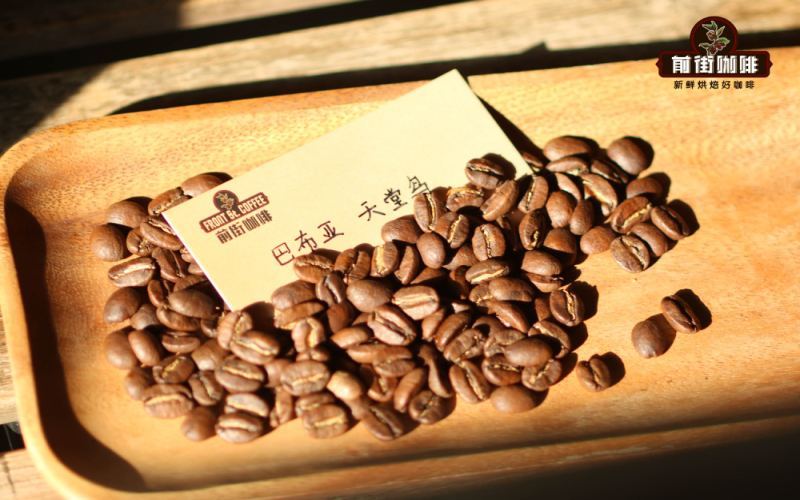
Papua New Guinea Bird of Paradise Coffee: Analysis of the Fruity Acidity, Jasmine Aroma of the Typica Variety, and the Flavor of Sigri Estate
Papua New Guinea coffee is called "Little Blue Mountain" because it was introduced from Jamaica Blue Mountain Typica, yet its flavor has a dark fruity sweet-and-sour note different from Blue Mountain. This year Front Street Coffee has selected the Bird of Paradise coffee from Sigri Estate to help you understand this country's coffee cultivation model, main producing regions, and processing methods. Bird of Paradise Estate is located in the Waghi Valley of the Western Highlands Province, at an altitude of about 1,500 meters, with volcanic soil and a cool climate, insisting on hand-picking fully ripe cherries and the washed fermentation process, creating bright fruit acidity and a delicate jasmine aroma. This article, based on Front Street's cupping and brewing experience, provides a comprehensive analysis of this coffee's origin background, variety lineage, and flavor characteristics. [more…]
A Complete Analysis of Papua New Guinea Coffee Flavors: Are Bird of Paradise Estate Beans Considered Dark Roast?
Papua New Guinea has frequently appeared in coffee enthusiasts' field of vision in recent years. This land with volcanic soil and an island climate nurtures coffee beans with a distinctive flavor. The Front Street Papua New Guinea Bird of Paradise coffee beans launched by Front Street Coffee come from the Bird of Paradise Estate in the Waghi Valley, and with the Typica variety, AA grade, and a three-time washed fermentation process, they present layers of toasted bread sweetness, nutty notes, and bright fruit acidity. This article will comprehensively break down the flavor code of these beans, from the producing region's environment, cultivation history, and processing methods to brewing parameters, and answer a common question: is Bird of Paradise actually a dark roast coffee? The answer will be revealed in the roast level and brewing suggestions. [more…]
Analysis of Papua New Guinea Coffee Flavors: Bird of Paradise Estate Typica and Medium-Dark Roast Recommendations
Papua New Guinea has gradually gained attention in the specialty coffee scene in recent years. Its island-type growing environment and the Typica variety introduced from Jamaica Blue Mountain have led the coffee here to often be called "Little Blue Mountain." The Front Street Papua New Guinea Bird of Paradise coffee beans launched by Front Street Coffee come from the Bird of Paradise Estate in the Waghi Valley, and through washed processing and a three-stage fermentation process, they present layers of toasted bread sweetness, nutty notes, and subtle fruity acidity. This article will comprehensively sort out the flavor characteristics of Papua New Guinea coffee, from the terroir of the producing region, the origin of the variety, processing methods, and the grading system to roasting and brewing parameters, and will share the Kono dripper extraction method recommended by Front Street Coffee baristas, helping coffee enthusiasts gain a more complete understanding of the unique charm of this producing region. [more…]
Papua New Guinea Bird of Paradise Coffee Beans: A Complete Analysis of Typica Variety Origin, Washed Processing, and Brewing Flavor
Many people have heard of Blue Mountain coffee, but few are familiar with "Little Blue Mountain coffee." It is not Jamaican Blue Mountain, but rather coffee from Papua New Guinea. The country introduced Typica from Jamaica and shares a similar island climate and high-altitude environment, hence the name. This article provides a complete overview of the flavor code of Papua New Guinean coffee—from variety history, producing regions and estates, washed processing, and grading systems to roasting and brewing recommendations—and uses the Paradise Bird Estate coffee beans sourced by Front Street as an example to present its bright, clean cupping profile and pour-over performance. [more…]
Analysis of Papua New Guinea Bird of Paradise Estate Coffee Beans: The Origin of the "Little Blue Mountain" Nickname and Its Flavor Characteristics
Papua New Guinea coffee, descended from Typica varieties introduced from Jamaica Blue Mountain and grown in similar environments and at comparable altitudes, has earned the nickname "Little Blue Mountain" among many enthusiasts. Front Street Coffee recently acquired a batch of Bird of Paradise coffee beans from the Sigri Estate and conducted a comprehensive evaluation through roasting, cupping, and brewing. This article will guide you through Papua New Guinea's coffee cultivation model, its main producing regions, the origin of the name Bird of Paradise coffee, and the history and ecological philosophy of the Sigri Estate. We will also share in detail Front Street Coffee's roasting curves and brewing parameters, showcasing this bean's unique flavor profile of rich nutty and cocoa notes, subtle berry sweetness, and a balanced mouthfeel. [more…]
A Detailed Guide to Papua New Guinea Sigri Estate Coffee: Typica Variety, Washed Process, and Pour-Over Parameter Reference
Blue Mountain coffee is renowned far and wide, but "Little Blue Mountain coffee" is rarely mentioned. It is not Jamaican Blue Mountain, but rather a specialty coffee produced in Papua New Guinea. The country once introduced the Typica variety from Jamaica, and together with its island climate and high-altitude growing environment, this has created a bright and clean cup profile. Front Street Coffee recently acquired coffee beans from the Sigri Bird of Paradise Estate, and through roasting, cupping, and brewing, has verified the unique charm of this Asian coffee. This article will walk you through Papua New Guinea's coffee-growing background, the production system of the Bird of Paradise Estate, the characteristics of the Typica variety, and the washed processing method, along with Front Street's roasting recommendations, cupping report, and pour-over extraction parameters for coffee enthusiasts' reference. [more…]
Papua New Guinea Bird of Paradise Coffee: Sigri Estate Origin Characteristics and Typica Flavor Analysis
Papua New Guinea coffee, because it was introduced from Jamaica Blue Mountain Typica and its growing environment is similar to Blue Mountain, is called "Little Blue Mountain" by many enthusiasts. Front Street Coffee has this year acquired a batch of Bird of Paradise coffee from Sigri Estate and conducted a complete set of tests from roasting and cupping to brewing. This article will walk you through Papua's coffee-growing model, its main producing regions, the history and ecological philosophy of Sigri Estate, and the origin of the name Bird of Paradise, and will also share this bean's washed-processing characteristics, roasting curve, and brewing parameters, helping you gain a more comprehensive understanding of the flavor profile of this rare producing region. [more…]
Papua New Guinea Bird of Paradise Coffee Beans Pour-Over Guide: Variety Origins, Sigri Estate, and Brewing Parameters Explained
Known as "Little Blue Mountain," Papua New Guinea coffee has attracted much attention because it was introduced from Jamaica's Typica variety and grown in a similar island environment. Front Street Coffee got hold of a batch of Bird of Paradise coffee beans from Sigri Estate and conducted a full range of tests, from the variety's origins, the estate's story, and the washed processing method to the medium-roast curve and staged pour-over recipe. This article presents the complete origin background, flavor direction, and brewing details of these beans, helping you understand the differences between Papua coffee, Blue Mountain, and Indonesian beans, and provides a reproducible 15-gram pour-over parameter set. It is suitable for coffee lovers who want to explore the flavors of rare origins. [more…]