You might find the origin of Papua New Guinea coffee a bit unfamiliar, but Front Street believes that Front Street Papua New Guinea coffee stands out uniquely among coffees.
Papua New Guinea is located in the southwestern Pacific Ocean, within the Pacific Ring of Fire, with volcanic geology and fertile volcanic soil, which are important natural conditions for cultivating good coffee. Coffee is very important to Papua New Guinea; it is the only cash crop in the highland regions, and 40% of the country, over 2 million smallholder families, rely on coffee beans as a vital source of livelihood. Through cupping and tasting, Front Street believes that Front Street Papua New Guinea coffee has a solid mouthfeel, yet very low acidity and a clean flavor, making it well-suited to Asians' preferences for coffee.Papua New Guinea is culturally diverse, with over 800 languages, and most highland tribes were not influenced by the West until the early 1900s.
Initially, most Papua New Guinea coffee beans were grown on 18 large plantations. However, today smallholder farmers say that 85% of PNG coffee is grown in "coffee gardens." These farmers live off their own farms, with coffee as a secondary product. Their coffee gardens have anywhere from a few coffee trees to several hundred. The Coffee Industry Corporation of Papua New Guinea acknowledges that a large amount of smallholder coffee has exceptional quality and outstanding flavor characteristics, and is therefore favored by many overseas buyers.
Papua New Guinea coffee beans were first introduced by Dutch sailors in the late 18th century, spread in the Rigo region around 1892. By 1908, Papua New Guinea had 180 acres of land planted with coffee, and by 1970, Papua New Guinea could produce 460,000 bags of coffee; to this day, Papua New Guinea's annual coffee production has reached 900,000 to 1.2 million bags.
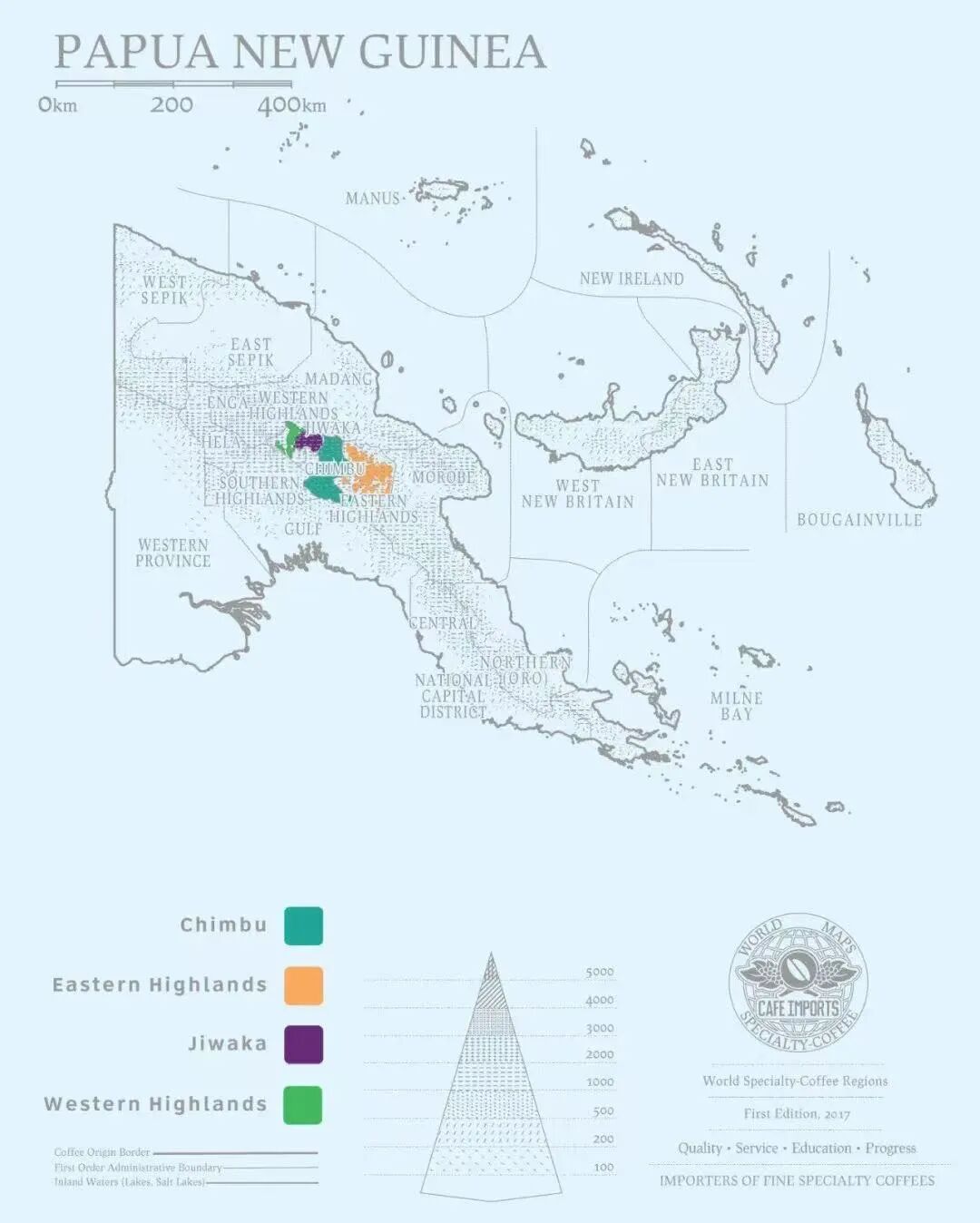
 Papua New Guinea is mainly divided into four provinces, including the Eastern Highlands, Momase, New Guinea Islands, and Southern. Papua New Guinea is located east of the Indonesian archipelago, and in the highland-dominated terrain of Papua New Guinea, large estates/farms and smallholder cultivation coexist, growing many coffee varieties. The flavor of Front Street Papua New Guinea coffee beans is quite different from coffees of other Asian regions such as Indonesia, South Asia India, or Pacific islands. While Indonesian beans (Sumatra, Sulawesi) mostly exhibit low acidity, a rich body, and earthy tones through semi-washed (wet-hulled) processing, the washed Front Street Papua New Guinea coffee beans are always relatively bright.
Papua New Guinea Coffee Estates
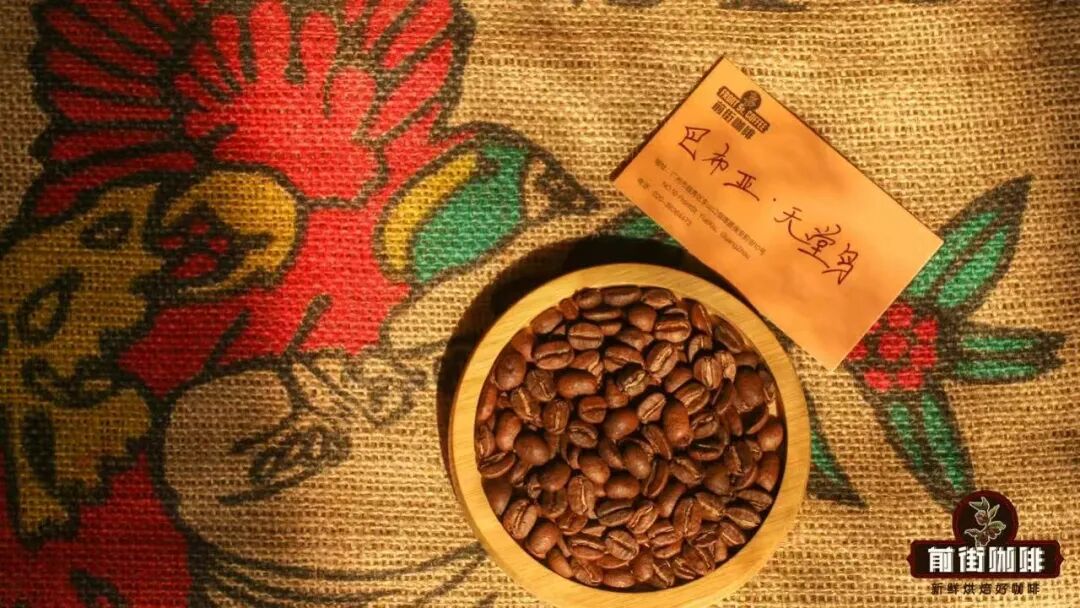
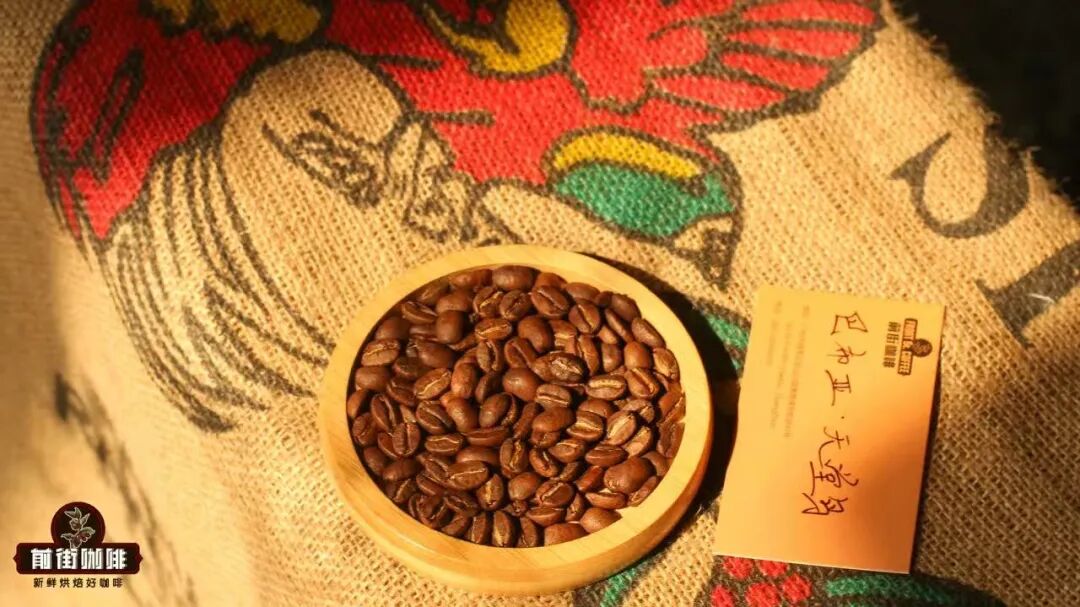
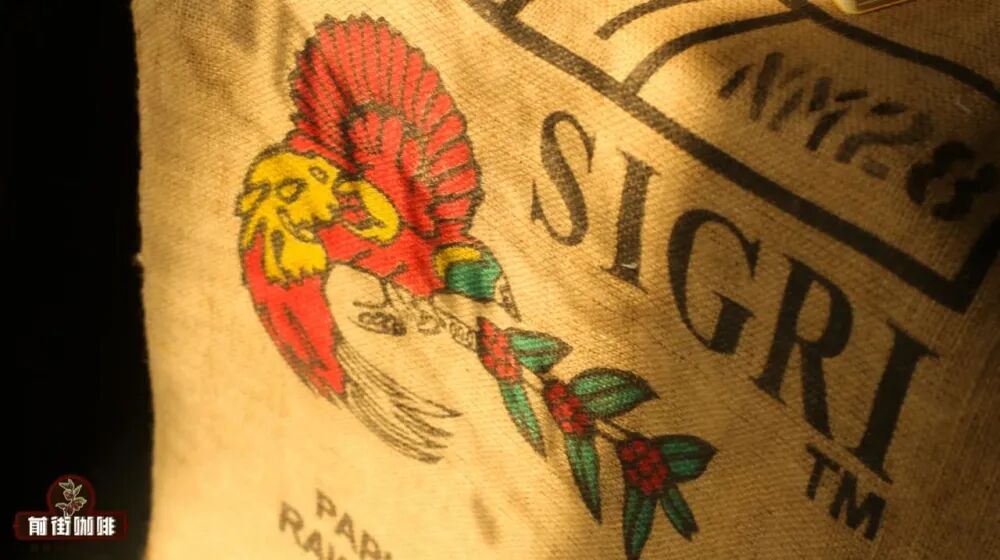
Next, Front Street introduces several of the more famous and popular Papua New Guinea coffee bean varieties, including Blue Mountain Typica introduced from Blue Mountain, Bourbon introduced from Kenya, Mundo Novo and Caturra introduced from Brazil, as well as Arusha from Tanzania, and some modern hybrid varieties, or the Indian Kent variety. Famous estates include the SIGRI estate in the Wahgi Valley in the west, and the KIMEL, AROKARA, GOROKA, and ARONA estates in the Eastern Highlands. The coffee we are test-brewing below is precisely the Bird of Paradise from Front Street Sigri Estate.
Estate coffee from Papua New Guinea comes from larger-scale farms and has relatively refreshing and refined cupping characteristics. It has a lighter mouthfeel than Java beans, with subtle aroma and complexity, and sometimes its acidity and brightness even rival the quality of the finest Central American coffee beans. A well-known American roaster described Papua New Guinea's sun-dried beans this way: astonishing depth, diverse aromas. Coffee from Kimel Estate is bright, acidic, and rich in fruity notes, while coffee from Arokara Estate is gentler in balance and suitable for espresso.Papua New Guinea Coffee Grading
2. Totaldefect Equivalent per kg7. cup quality
*Grading by defects: Grade, Screen Size, divided into 12 grades in total (only applicable to Arabica)AA >18, A>17 (50%), AB >16 (50%), B >16, C>15, PB 11-14S, X mixed, E >19, PSC >15mm, Y1 mixed, Y2 mixed, T mixedUsing Front Street Papua New Guinea · Bird of Paradise as an example, let's try the flavor of Papua New Guinea coffee.Front Street Coffee · Papua New Guinea — Bird of Paradise Coffee BeansCountry: Papua New GuineaAltitude: 1600–1800 metersProcessing Method: WashedFlavor: Caramel, dark cocoa, balanced, almond, citrus acidity at low temperatureSigri Estate
Sigri/Bird of Paradise Estate is located in the Waghi Valley in Western Highlands Province, at an altitude of roughly 1,500 meters in mountainous terrain, with well-drained volcanic soil. The estate was established in 1950, more than 60 years ago, and is a pioneer of the local coffee industry. In Papua New Guinea, 95% of Papua New Guinea coffee beans come from the highlands. Sigri plantation is located in the Wahgi Valley of the Western Highlands of Papua New Guinea, at an altitude of about 1600-1800 meters. Here, the climate is cool, the soil is fertile, and rainfall is abundant. Sigri has rich experience in coffee cultivation and processing. In the 1950s, Papua New Guinea began widely planting coffee beans, and Sigri was one of the earliest plantations. It is internationally renowned for its unique, high-quality Papua New Guinea coffee beans.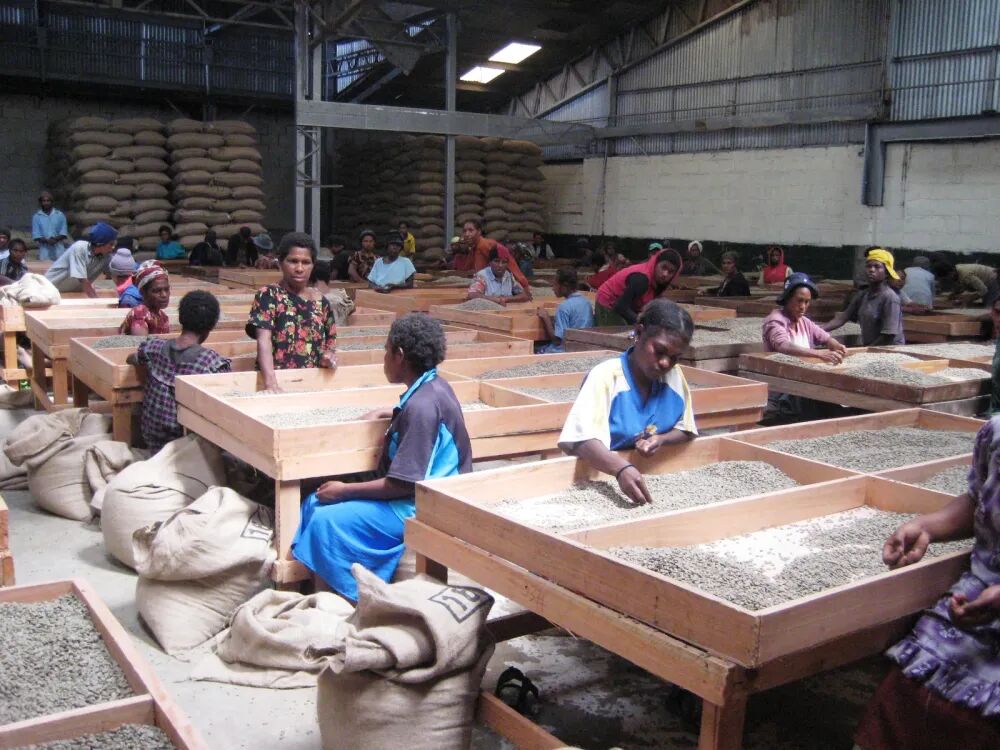
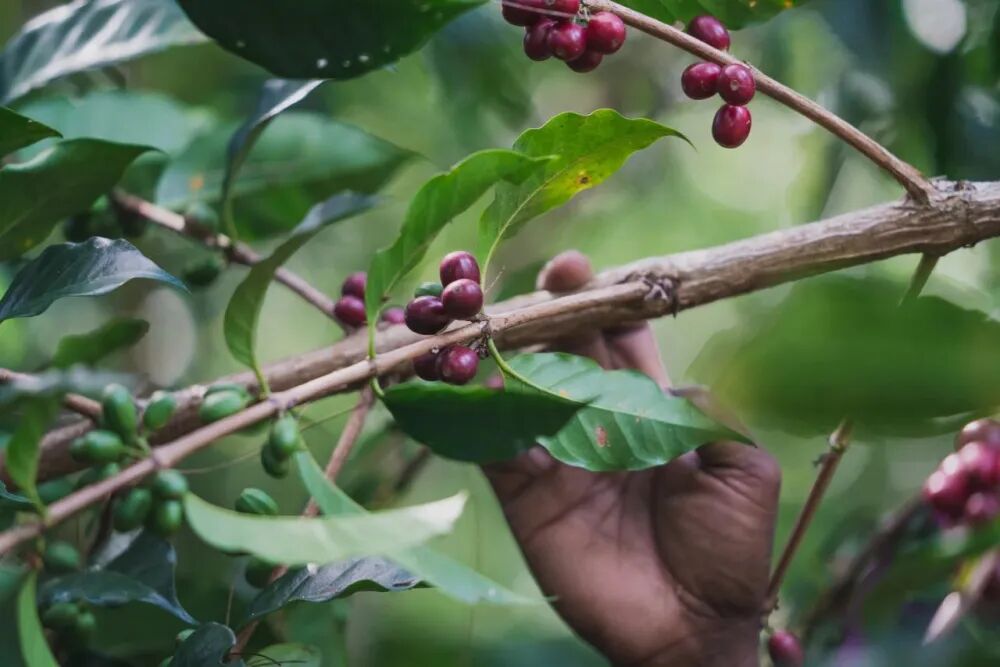
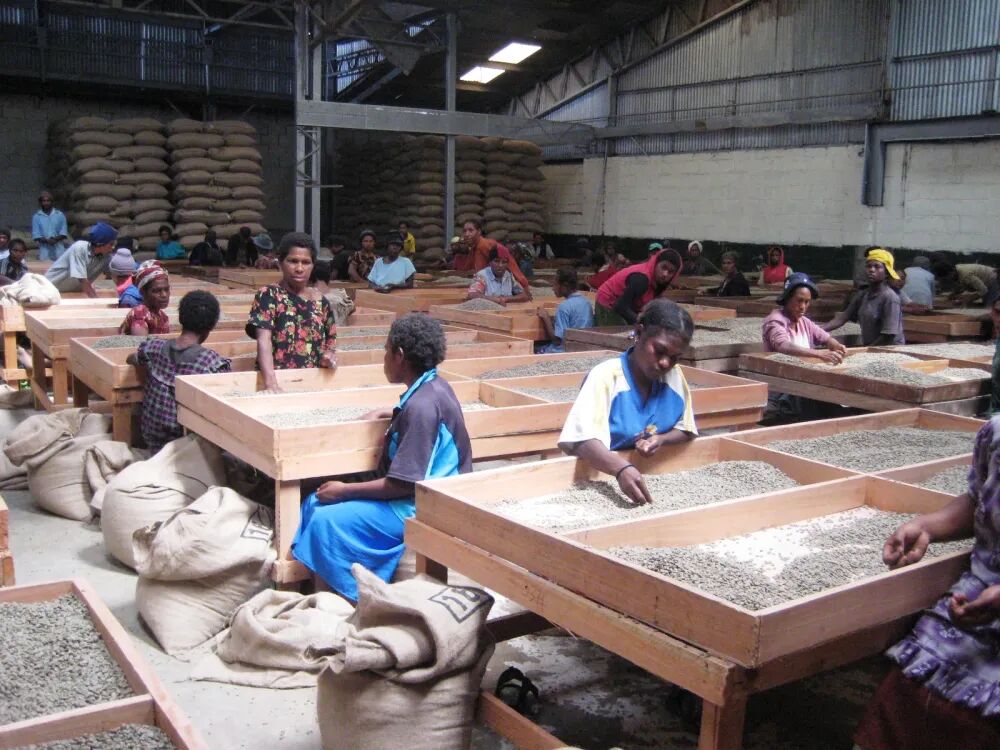
Sigri plantation has adhered to high-standard cultivation and processing systems for many years. During the harvest season from April to September each year, only fully ripe red coffee cherries are hand-picked, achieving a perfect balance of acidity and sweetness in the coffee cherries. At Sigri, cupping is conducted every day to ensure that the plantation provides customers with consistently top-quality coffee. As a result, Sigri has become a classic among the world's specialty coffees.
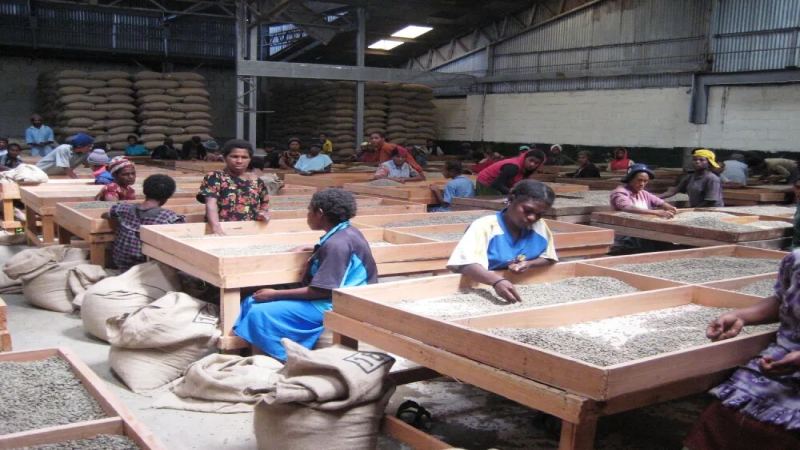
During peak harvest season, Sigri can employ about 6,000 workers, half of whom live and eat in the plantation's own staff housing. The plantation has a free clinic and a primary school for employees' children.
Sigri plantation also protects soil and water sources, refuses the use of pesticides and insecticides, and cares for the ecology and nearby birds. According to current records, the Wahgi Valley has more than 160 different species of birds, among which 90 species inhabit Sigri plantation, including the national symbol of Papua New Guinea, the Bird of Paradise, making it truly a paradise for birds.Front Street Coffee Recommended Brewing Suggestions:Front Street Coffee chose a water temperature of 88-89°C, a coffee-to-water ratio of 1:15, brewed with a KONO dripper, and a grind size like granulated sugar.Brewing method: Bloom with 30 grams of water for 30 seconds, then slowly pour with a small stream to 125 grams for the first stage. When the water level drops and is about to expose the coffee bed, continue pouring to 225 grams to finish the brew.
Front Street Papua New Guinea Sigri Estate Bird of Paradise coffee brewing flavor: The coffee has an overall balanced mouthfeel, with cream, nuts, chocolate, and soft fruity acidity. The above content is compiled by CoffeeHunters, a coffee news website.