







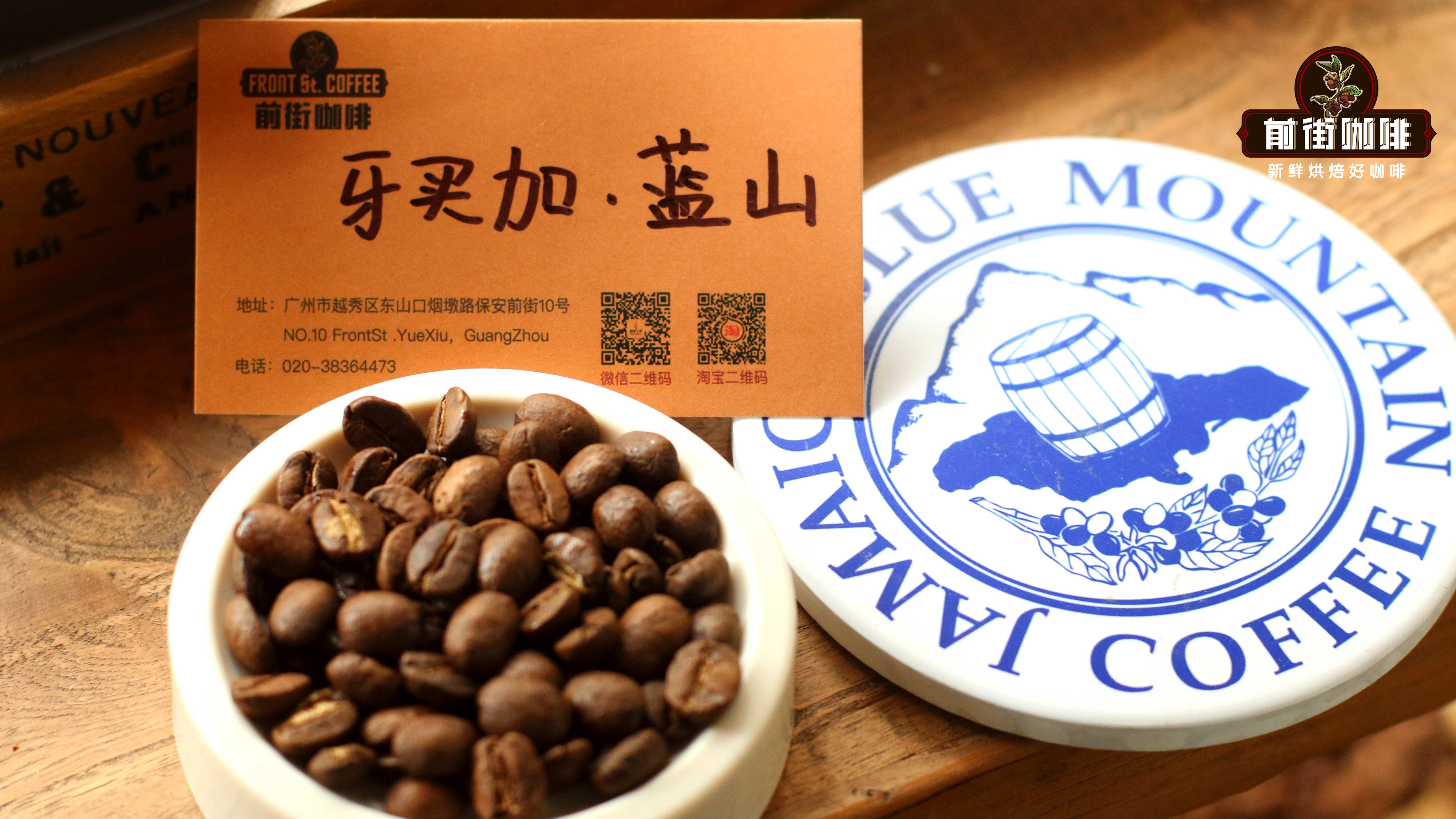
What Defines Sigri Estate Coffee and Its Washed Process?
Papua New Guinea Sigri Estate coffee comes from the Western Highlands and is often called Little Blue Mountain coffee, though it is not Jamaican Blue Mountain. The country introduced Typica from Jamaica in 1931, and its island climate and high-altitude terrain at 1,200 to 2,500 meters produce a bright, clean cup that ranks among Asia's clearest.
Several varieties grow locally: Bourbon arrived from Kenya in 1950, and Mundo Novo and Caturra from Brazil in 1962. Specialty lots concentrate in the Wahigi Valley, Sigri Estate, Arona Estate, Kimel Estate and nearby areas. Laos coffee beans are a separate Southeast Asian origin, while Papua New Guinea's washed coffee bean process shapes its clean, tea-like profile.
Blue Mountain coffee is renowned far and wide, but "Little Blue Mountain coffee" is rarely mentioned. It is not Jamaican Blue Mountain, but rather a specialty coffee produced in Papua New Guinea. The country once introduced the Typica variety from Jamaica, and combined with its island climate and high-altitude growing environment, it creates a bright and clean cup profile. Front Street Coffee recently acquired coffee beans from the Sigri Bird of Paradise Estate, and through roasting, cupping, and brewing, verified the unique charm of this Asian coffee. This article will guide you through Papua New Guinea's coffee-growing background, the production system of the Bird of Paradise Estate, the characteristics of the Typica variety, the washed processing method, and will also include Front Street's roasting recommendations, cupping report, and pour-over extraction parameters for coffee enthusiasts' reference.
For more specialty coffee knowledge, please follow: Front Street Coffee ( Frontsteet Coffee ) Blue Mountain coffee is almost universally known, yet the term "Little Blue Mountain coffee" is rarely heard. Little Blue Mountain coffee — is it actually Blue Mountain coffee ? The answer is no. Little Blue Mountain coffee is actually produced in Papua New Guinea, and Front Street believes the reason the country's coffee has been given the name Little Blue Mountain coffee is that the region introduced the Typica variety from Jamaica for cultivation, and its growing environment also features an island climate and high-altitude conditions. Front Street recently obtained a batch of Papua New Guinea coffee beans, and after roasting, cupping, and brewing, found that coffee produced in this country ranks among the brightest and cleanest in flavor within Asia.
Papua New Guinea is located east of Indonesia and has a typical island climate, situated between the equator and 10 degrees south latitude, with tropical rainforests, volcanic rock, and highland terrain, at elevations ranging from 1,200 to 2,500 meters. The coffee varieties grown locally are quite diverse: Typica was introduced from Jamaican Blue Mountain in 1931, Bourbon from Kenya in 1950, and Mundo Novo and Caturra from Brazil in 1962.
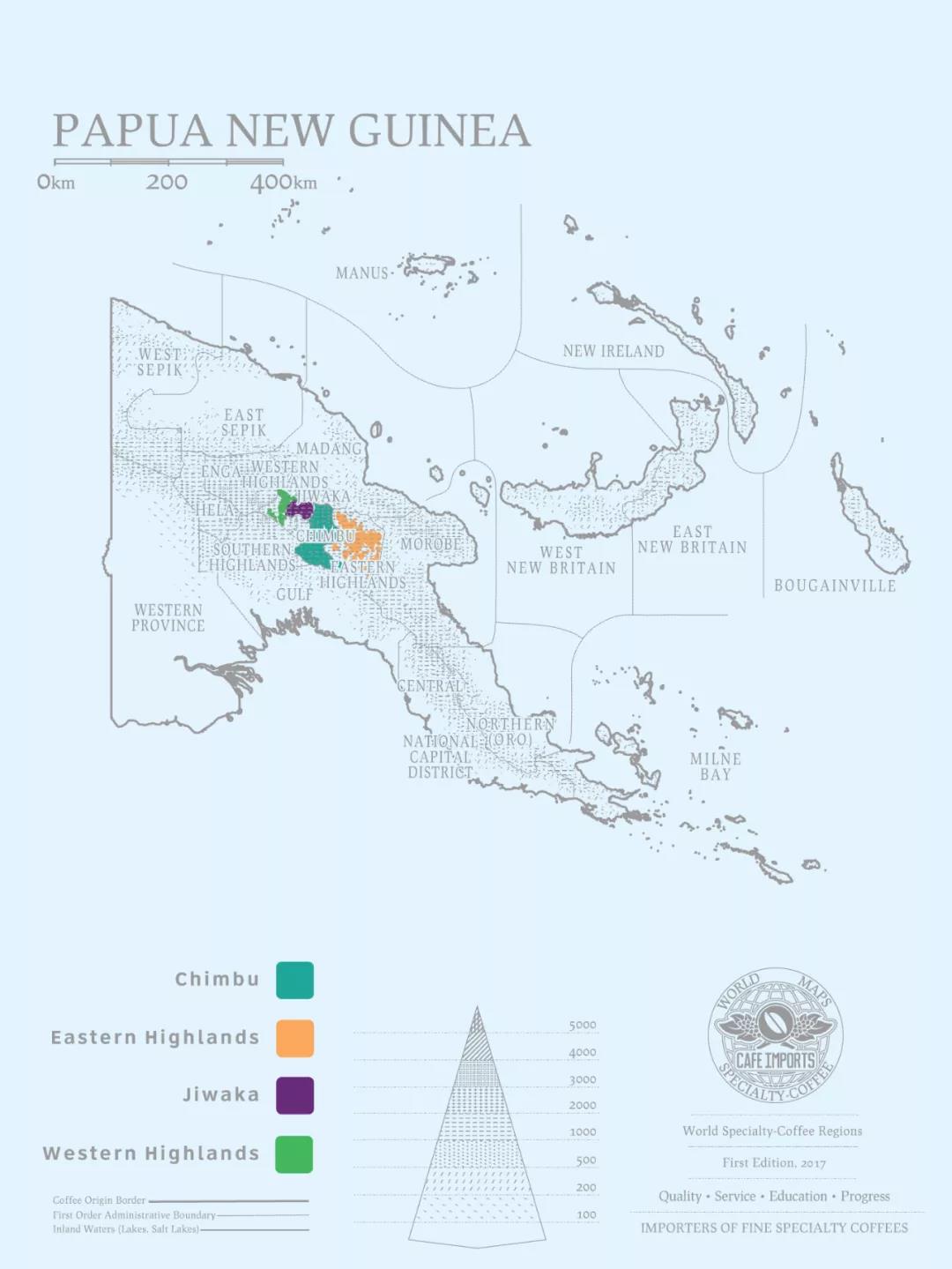
Papua New Guinea's specialty coffee beans are mainly concentrated in the Wahigi Valley and Sigri Estate in the Western Highlands, as well as Arona Estate, Kimel Estate, and Arokare Estate in the Eastern Highlands, with Goroka Estate being the most well-known. Because the coffee varieties differ from those of Indonesia, the altitude is also higher than Sumatra, and the country's coffee beans are washed processed, Front Street believes that Papua New Guinea coffee's regional flavor is completely different from Indonesian beans' spicy, herbal, and deep-toned character, instead presenting brightness, sweet acidity, and floral and fruity aromas, overall closer to the South American style. Sigri Estate The Papua New Guinea coffee beans Front Street acquired come precisely from Sigri Estate. The estate was founded in 1950 and has a history of more than 60 years, making it a pioneer of the local coffee industry. The Bird of Paradise Estate is located in the Waghi Valley of Western Highlands Province, at an altitude of about 1,500 meters, with mineral-rich volcanic soil, a cool climate, fertile soil, and abundant rainfall. The Bird of Paradise Estate also places great importance on ecological protection; in order to preserve soil and water sources, it resolutely does not use pesticides or insecticides, and treats the ecosystem and surrounding birds with care.
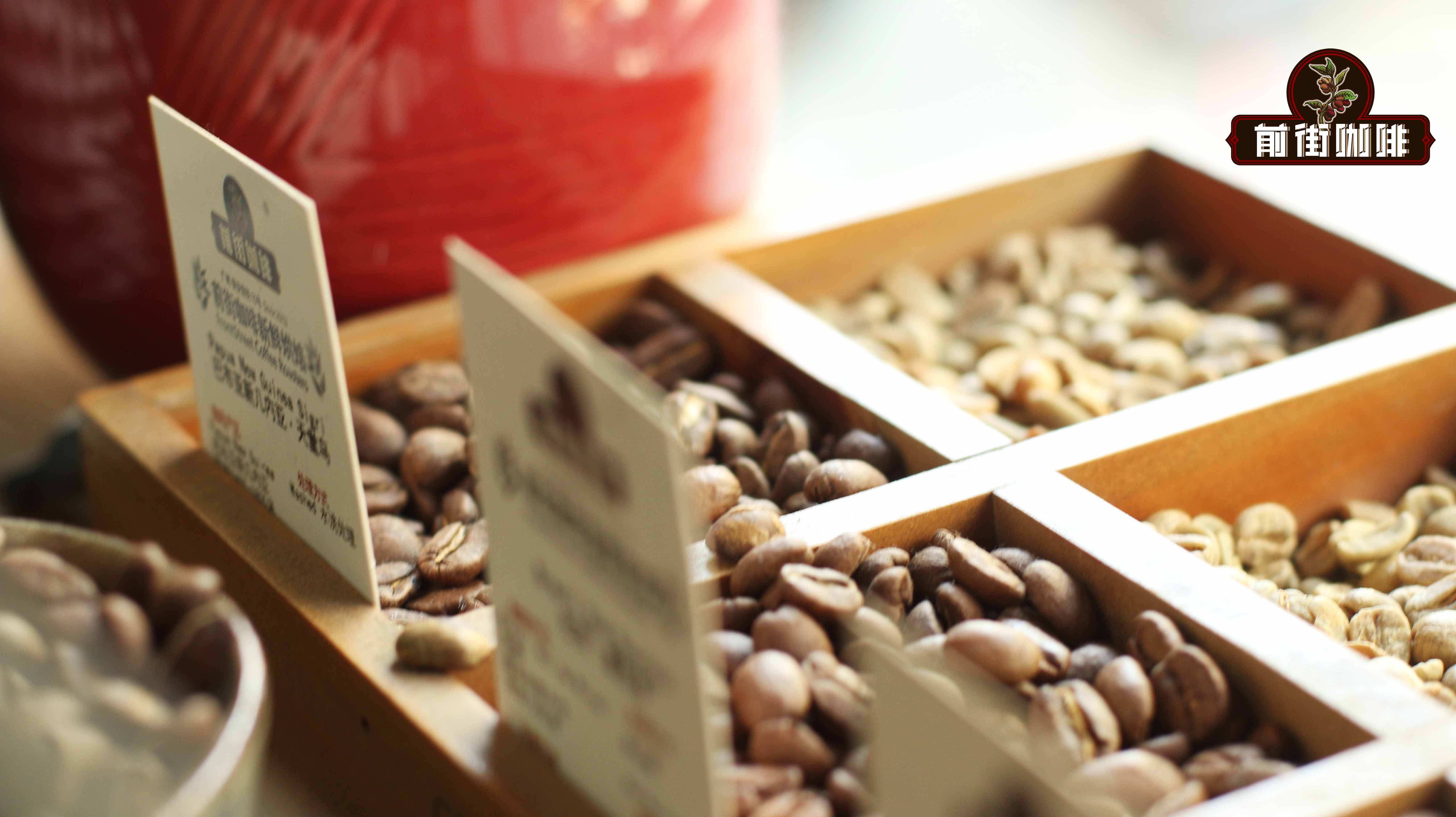
For many years, the Bird of Paradise Estate has consistently upheld a high-standard cultivation and processing system. During the harvest season from April to September each year, only fully ripe red coffee cherries are hand-picked, allowing the acidity and sweetness in the coffee cherries to reach an ideal balance. At the Bird of Paradise Estate, cupping is conducted every day to ensure that customers are provided with top-quality coffee of consistent quality. It is precisely for this reason that the Bird of Paradise Estate has become a classic representative of the world's specialty coffee. As mentioned earlier, Front Street Coffee (FrontStreet Coffee) chose this Bird of Paradise Estate coffee bean precisely because of the estate's strict production chain, which is what guarantees the quality of the coffee beans.
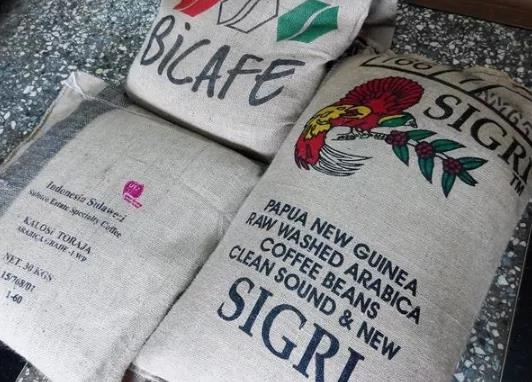
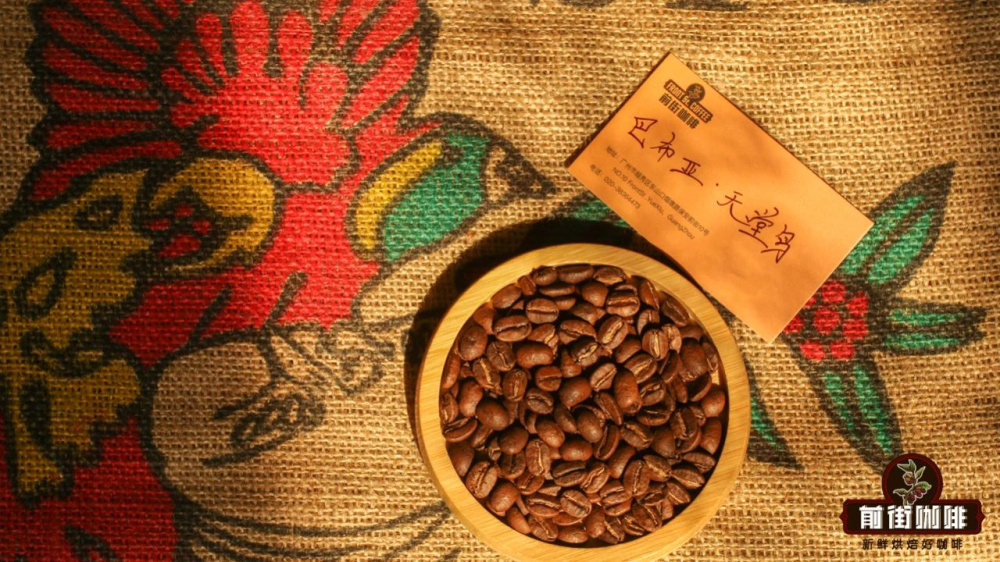
Front Street Coffee (FrontStreet Coffee): Papua New Guinea · Bird of Paradise Coffee Beans Country of origin: Papua New Guinea Estate: Sigri Bird of Paradise Estate Altitude: 1600-1800m Processing method: Washed Variety: Typica Grade: AA Coffee bean variety As mentioned earlier, Papua New Guinea introduced the Typica variety in 1931. This variety has an elegant flavor, but the plant itself is weak, has poor disease resistance, and is susceptible to leaf rust. Coffee bean yield is relatively low, making it difficult to achieve economic returns. Typica beans are relatively large, shaped like a pointed cone or slender tip. Unlike the round-bodied Bourbon variety, Typica coffee has a uniquely quiet, clean flavor and balanced characteristics, with high cup cleanliness.
Coffee bean processing The country's coffee is grown in a tropical rainforest climate, volcanic rock, and highland terrain, and abundant water sources lead local coffee farmers to use the washed processing method to process coffee. After harvesting ripe, fully red coffee cherries, they are sent to the estate's own washing station for processing. Papua New Guinea's local washing method differs from that of Central and South America, using three rounds of washed fermentation, each soaking for about 24 hours, with clean water replaced to control the coffee's flavor; after washing is completed, the green beans have their husks removed and are then graded in various ways, such as AA, AB, PB peaberry, etc. This meticulous post-processing method brings the coffee a bright and delicate fruity acidity, as well as a clean and lingering sweet mouthfeel.
Front Street Coffee (FrontStreet Coffee) has found that producing regions with strict classifications in their coffee grading systems share a common trait in the coffee beans they produce: uniform bean size and fewer defective beans. As a result, during roasting the color develops evenly, and the cup is much cleaner. Washed coffee has more pronounced acidity, better cleanliness, medium body, and the most consistent green bean quality. The most notable appearance of roasted washed coffee beans is the clearly retained silver skin center line. Front Street Roasting Recommendations Front Street Coffee (FrontStreet Coffee) recommends using a medium roast, because the Typica variety is a lower-density rising bean, and in order to highlight its inherent refreshing acidity and fruity aroma, the focus will be placed on adjusting the heat after first crack. Charge the beans when the drum temperature reaches 170°C, set the damper to 3, heat to 140°C, turning point at 1'36"; when the temperature reaches 140°C, open the damper to 4; roast until 6'25", at 151°C, when the bean surface turns yellow, the grassy smell completely disappears, and dehydration is complete, lower the heat to 110 at 176°C; change the damper to 4; at 180°C lower the heat to 90, the bean surface shows ugly wrinkles and dark streaks, and the toast aroma clearly turns into coffee aroma, which can be defined as the prelude to first crack; at this point raise the heat to 183.5°C, and at 10'08'' first crack begins, open the damper fully, at 188°C lower the heat to 60, damper fully open (adjusting the heat must be done very carefully, not so low that there is no cracking sound, and keep the rate of temperature rise after first crack within 6 degrees), first crack development time 3'00", drop the beans at 198.5°C.
Front Street Cupping Report
Front Street Brewing Recommendations Dripper: Kono Coffee dose: 15g Coffee-to-water ratio: 1:15 Grind size: granulated sugar coarseness (75% passing through a No. 20 sieve) Water temperature: 89°C Regarding grinding, Front Street determines it through sieving. Based on the grind recommendations provided by the Specialty Coffee Association of America (SCA) for pour-over coffee, and combined with Front Street's own practical verification, brewing with different grind sizes produces noticeably different results, and each coffee bean's grind size will differ somewhat—this is the significance of sieving. If you do not have a sieve at home, Front Street Coffee (FrontStreet Coffee) suggests judging by observing the flow rate: if the flow is too fast, the grind is too coarse; if the flow is too slow, the grind is too fine.
Front Street Coffee uses staged extraction, also called three-stage brewing: use 30 grams of water for a 30-second bloom, pour in a slow circular stream until 125 grams for the stage break, and when the water level is about to expose the coffee bed, continue pouring until 225 grams and stop pouring; when the water level is about to expose the coffee bed again, remove the dripper. (Timing starts at the beginning of the bloom.) Extraction time is 2'00". Brewing flavor: nuts, cocoa, soft fruit acidity, caramel finish, slight smoky note, overall balanced flavor.
The above content is compiled by CoffeeHunters, a coffee news website.


