







Search Results for: Kenyan sun-dried beans
Do Kenyan sun-dried coffee beans exist? A full analysis of the sun-dried batches from Andabes Estate: flavor and brewing
When people think of Kenyan coffee, most picture the iconic washed process and bright fruity acidity. But does Kenya also have natural-process lots? The natural micro-lot from Andabes Estate released by Front Street Coffee breaks that stereotype. This article covers the growing region's background, the estate's history, the characteristics of the SL28 and SL34 varieties, the details of the natural process, and Front Street's roast profile, cupping performance, and brewing recommendations, offering a complete picture of this natural Kenyan's flavor and reintroducing you to the diversity of Kenyan coffee. [more…]
In-Depth Analysis of Kenyan AA Washed Coffee: Comparing the K72 Double Fermentation Process with Sun-Dried Bourbon Flavors
Kenyan coffee is world-renowned for its bright and complex acidity, and the K72 washed processing method pushes this characteristic to the extreme. This article will take you deep into Kenya's coffee origins and variety composition, break down every step of the K72 double fermentation process in detail, and compare and taste the flavor differences brought by washed and natural processing methods. From the Asali Honey Processing Station in the Thika region to the French Mission Bourbon at Hania Estate, we will use two coffees of distinctly different styles as samples to analyze their aroma, acidity, sweetness, and aftertaste. Whether you are a beginner just getting to know Kenyan coffee or an experienced enthusiast looking for brewing inspiration, this article can provide you with valuable reference. [more…]
Cold Brew Light Roast Bean Recommendations | How Should Beginners Choose Cold Brew Coffee Beans? Are Washed Yirgacheffe, Sun-Dried Huakui, and Kenyan Little Tomato Suitable for Cold Brew?
In almost half of all specialty coffee shops, cold brew coffee is on the menu, which shows just how popular this drink is. Many people fall in love with cold brew mainly because they enjoy its unique taste—refreshing yet flavorful, mellow yet not bitter. Achieving this style is not difficult; in fact, putting a little extra thought into choosing coffee beans is all it takes. [more…]

Analyzing Kenya K72 Double Washed Processing: Flavor Characteristics of Coffee Beans and the Source of Their Unique Acidity
Kenyan coffee is renowned for its bright and rich notes of dark plum, cherry tomato-like acidity, and juicy sweetness. This is inseparable from the country's favorable geography and climate, high-quality varieties such as SL28 and SL34, and, more crucially, its unique K72 washing process. How exactly did the K72 process evolve? How does it differ from ordinary washed processing? From the perspective of Front Street Coffee, this article will sort out the flavor origins of Kenyan coffee, the historical background and craft details of the K72 process, and introduce the K72 washed coffee beans currently on sale at Front Street Coffee from the Asali Processing Plant in the Thika region. [more…]

A Detailed Explanation of Kenyan Coffee Washing Processes: The Differences Between Double Fermentation, K72, and Dry Fermentation
Kenyan coffee is famous for its bright, clean fruit flavors. Behind this lies not only high altitude and excellent varieties, but also masterful washed processing techniques. Kenya commonly uses double washing, which means re-soaking fermented beans in clean water for a second wash, and later variations such as K72 washing and dry fermentation washing emerged. How exactly do these differently named processing methods differ from conventional washing? From the perspective of Front Street, this article first sorts out the origins and steps of traditional washing, then analyzes the procedures and flavor characteristics of double washing, K72, and dry fermentation one by one, helping you understand the processing logic behind the unique fruit acidity of Kenyan coffee. [more…]
Kenyan Coffee Double Washed and K72 Process Analysis: How Fermentation Steps Shape Unique Fruity Acidity
Kenyan coffee is renowned for its clean, complex fruity flavors. Behind this lies not only the advantages of high altitude and varietals, but also masterful washed processing techniques. From traditional wet processing to double washing, K72 washing, and then to water-saving dry fermentation washing methods, how do the subtle differences in the fermentation stage affect the cup performance? Front Street Coffee guides you through the origins and distinctions of these processing methods, and recommends two representative beans, Kenya Cherry Tomato and Asaliya, to experience the bright acidity reminiscent of cherry tomatoes, preserved plums, and smoked plums. [more…]

Tracing the Origins and Tasting the Flavors of Kenyan Coffee: A Detailed Guide to Six Major Producing Regions and the K72 Washed Process
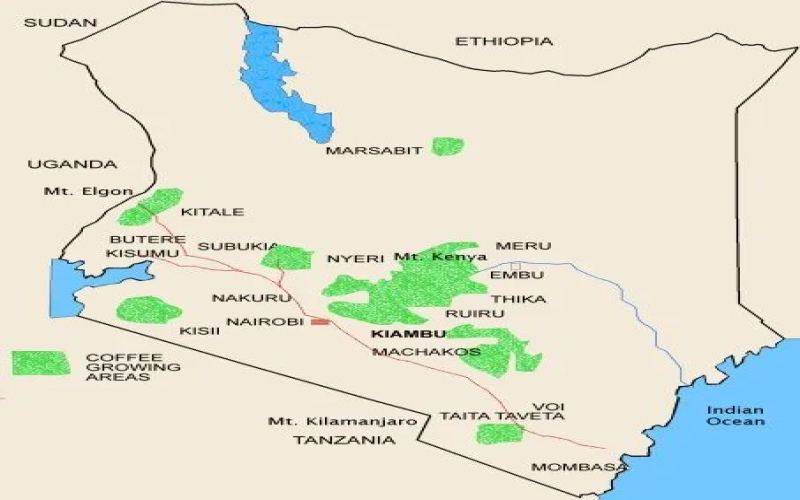
Kenyan coffee is world-renowned for its bright fruit acidity and full-bodied berry flavor, and Front Street Coffee's Kenyan Cherry Tomato Coffee is a representative of this style. This article begins with the historical development of Kenyan coffee, outlining its growing conditions, the altitude, varieties, and flavor characteristics of its six major producing regions (Thika, Kirinyaga, the western side of Mount Kenya, Nyeri, Kiambu, and Murang'a), analyzing the auction and direct trade systems and the green bean grading standards such as AA/AB/PB, and detailing the three-cycle fermentation process of the K72 washed processing method. Finally, it includes the brewing parameters and tasting notes for Front Street Coffee's Asaliya coffee beans, providing coffee enthusiasts with a complete guide to appreciating Kenyan coffee. [more…]
A Complete Guide to Kenyan Coffee Bean Washed Processing: Flavor Differences Between Double Washing, K72, and Dry Fermentation
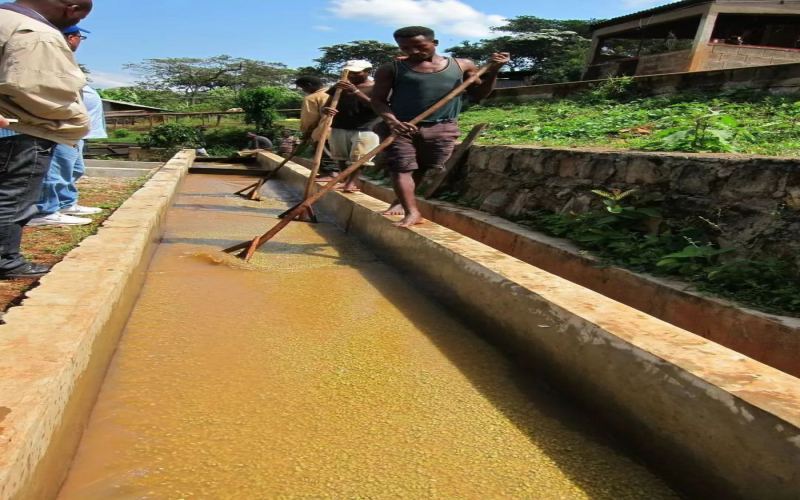
The washed process is one of the most traditional and most favored methods of green coffee processing in the specialty coffee world, and Kenya, as an important producing region for washed processing, has developed a variety of improved techniques such as double washed, K72 washed, and dry fermentation washed. What are the origins of these variously named processing methods? How do they differ from conventional washed processing? And what flavor expressions do they each impart to coffee? From the perspective of Front Street, this article will trace the historical origins of the washed process, break down one by one the procedural characteristics and cup presentations of the various Kenyan washed techniques, and help you more clearly understand the logic and appeal behind these processing methods. [more…]

Front Street Coffee Sun-Dried Kenya Oreti Estate French Missionary Bourbon: An Analysis of African-Style Specialty Coffee
For coffee enthusiasts, encountering a new bean is like embarking on a brand-new journey. The bean we're introducing today is extremely rare in production, hailing from the French Mission Bourbon variety at Kenya's Oreti Estate, processed using the natural method, with a unique flavor profile. This article will trace the historical origins of the French Mission Bourbon variety, from its beginnings on Bourbon Island to its introduction into Kenya, and provide a detailed description of this Front Street natural-processed Kenyan bean's origin, altitude, and flavor characteristics. If you enjoy trying new things and want to understand the allure of Kenyan natural-processed beans, why not join us in exploring this rare coffee full of African passion. [more…]
Exploring Kenya's Sianna Estate: The Flavor Code of French Missionary Bourbon Natural Coffee
The sun-dried French Mission Bourbon coffee produced by the Kenyannya West Hannah Estate occupies a place in the specialty coffee world with its unique flavors of tropical fruit, floral notes, and wine-like aromas. This article will take you deep into the history, growing environment, and variety characteristics of this medium-sized estate, and from the perspective of Jason Long of Café Imports, analyze the connection between the French Mission Bourbon variety and the SL series varieties, as well as how sun-dried processing gives Kenyan green coffee beans their distinctive charm. At the same time, Front Street Coffee will also recommend this rare specialty coffee for you. [more…]

Why Is Kenyan Coffee Flavor So Distinctive? A Full Breakdown of V60 Brewing Parameters, Varieties, and Processing Methods for Kenyan AA
Kenyan coffee is renowned for its bright, intense acidity, often described as having flavors of cherry tomatoes and prunes, which stands in sharp contrast to the citrus notes of Ethiopian coffee. From the perspective of Front Street Coffee, this article systematically reviews Kenya's coffee-growing regions and their cultivation conditions, the main varieties (SL28, SL34, Ruiru11, Batian), the distinctive K72 washed processing method, and the practical meaning of AA, AB, PB, and other grades in Kenya's green bean grading system. The article also shares the roasting parameters for two Kenyan beans at Front Street Coffee and provides specific water temperature, coffee-to-water ratio, grind size, and staged extraction techniques for brewing Kenyan AA in a V60 dripper, helping coffee enthusiasts gain a more comprehensive understanding of the flavor sources and brewing key points of Kenyan coffee. [more…]

How is the acidity of Kenyan coffee? A buying guide to four berry-toned pour-over beans
Acidity in coffee is not a negative attribute, but a source of pleasant brightness and liveliness. When a cup of coffee lacks acidity, its mouthfeel often seems flat and lacking in complexity. Coffee with high-quality acidity is usually accompanied by citrus, berry, or tropical fruit aromas, and this is most pronounced in medium-light and light roasts. This article will guide you through what coffee acidity truly means and recommend four berry-flavored pour-over coffee beans that are highly praised across the internet, including Front Street Coffee Kenya Little Tomato, Front Street Coffee Yirgacheffe Red Cherry, Front Street Coffee Rwanda Red Bourbon, and Front Street Coffee Ethiopia Huakui. We will analyze each one's origin characteristics, processing methods, and flavor profile to help you find the cup you love. [more…]
An Analysis of the Flavor Origins, Classic Bean Varieties, Roasting and Brewing, and Drinking Windows of Bright, Acidic Coffees
Stepping into a café and facing a bewildering array of single-origin coffees, drinkers often express their preferences in terms of bitterness and acidity. Front Street Coffee analyzes the origins of acidity and bitterness: genes and terroir lay the foundation (African beans are more acidic than Brazilian ones, and Colombian beans are more bitter than Kenyan ones), while roasting and brewing determine the final taste—light roasts highlight acidity, dark roasts emphasize bitterness. This article uses Front Street Coffee's bean lineup to take stock of the acidity-leaning camp: Ethiopian Yirgacheffe (lemon-citrus acidity with jasmine), the newly added COE #22 and TOH washed champion, Kenyan Asalia (cherry tomato and smoked plum acidity, 72-hour washed with a juicy mouthfeel), and Tanzanian Kilimanjaro (mineral-water sweetness with floral and fruity notes, the gentleman of coffees), with detailed coverage of roasting, cupping, and pour-over. Acidity-loving drinkers are advised to prioritize the above origins and choose beans according to taste. [more…]
Why Do Washed Coffee Beans Often Have a Bright Acidity? A Complete Analysis from Processing Methods to Fermentation Principles
When you drink a cup of coffee in a café with bright acidity and a clean mouthfeel, experienced tasters can often immediately tell that these are washed beans. What exactly does the washed process do to coffee beans that makes them present such distinct fruity acidity in the cup? Starting from the structure of the coffee cherry, this article breaks down the complete washed process step by step, compares the differences between dry and wet processing methods, and explores in depth the formation mechanisms of organic acids during fermentation. The article also introduces the Kenyan-style washed process, which takes wet fermentation to the extreme, helping you understand the real reason why washed coffee beans have such prominent acidity, and includes brand information for Front Street Coffee for reference. [more…]
Flavor characteristics, taste profile, and food pairing suggestions for Kenyan AA specialty coffee beans
Kenyan AA coffee beans occupy a unique place in the global specialty coffee landscape, winning the favor of countless coffee enthusiasts with their bright fruit acidity and rich aroma. This article will guide you through the growing environment and harvesting methods of Kenyan coffee, analyze the distinctive qualities of its flavor and mouthfeel, and offer practical suggestions for pairing it with food and wine. Whether you are a newcomer just beginning to explore single-origin coffee or a seasoned connoisseur searching for your next favorite, you will find valuable insights here. [more…]

A Complete Guide to African Coffee Origins: Flavors and Signature Beans from Ethiopia, Kenya, and Beyond
Africa, as the continent where coffee originated, has given rise to coffee-producing regions with distinctly striking styles, among which Ethiopia and Kenya stand out in particular. This article systematically reviews the regional characteristics, variety systems, and processing methods of Africa's major coffee-producing countries—Ethiopia, Burundi, Kenya, Rwanda, and Tanzania—and introduces one by one the representative beans from each country currently sold by Front Street Coffee, covering popular lots such as Yirgacheffe, Sidamo, Gesha Village, and Kenya Little Tomato. Whether you prefer bright fruity acidity or rich fermented aromas, you can find your ideal choice on this African coffee map. [more…]
The Three Major Coffee Processing Methods: Washed, Natural, and Honey—A Full Analysis of Flavor Differences and Processing Details
The flavors of coffee are endlessly varied. Beyond variety and roasting, the fermentation process during green coffee processing plays a decisive role. The three common methods—natural, washed, and honey—each rely on different fermentation environments and microbial activity to shape distinctly different sweetness, acidity, and body. This article begins with the scientific principles of fermentation, systematically sorts out the differences between dry and wet fermentation, explains in detail the key points of natural, honey, washed, and Kenyan-style and Ethiopian-style washed processing, and includes Front Street Coffee's recommendations and buying advice to help you understand more clearly where the flavors in your cup come from. [more…]
A Comprehensive Analysis of the Origin, Grading System, and Flavor Characteristics of Kenyan Coffee
Kenya is a major representative of African specialty coffee. Although it borders Ethiopia, the true development of its coffee industry went through a tortuous process, from introduction from Yemen to the arrival of Brazilian Bourbon seedlings. Today, Kenya's coffee industry is centered on producing regions such as Nyeri, Kirinyaga, and Murang'a, with SL28, SL34, and other varieties as the main cultivars, and it has developed a refined grading system from E to MH/ML. Kenyan coffee is mostly washed, and is known for its distinct berry and fruit notes, sweet aroma, and firm acidity. This article will systematically sort out the origins, current status, grading system, and flavor characteristics of Kenyan coffee, helping coffee enthusiasts gain a comprehensive understanding of the unique charm of this producing region. Front Street Coffee will also combine product information to provide readers with more specific references. [more…]
Overview of African Coffee-Producing Countries: Flavor Profiles and Top Picks of Specialty Beans from Ethiopia to Tanzania
Africa is the continent of coffee's origin and the most distinctive flavor coordinate in the world of specialty coffee. From the floral and citrus notes of Ethiopia and the berry and dark plum notes of Kenya, to the washed Bourbon of Burundi and Rwanda and the cocoa sweetness of Tanzania's Kilimanjaro, this land has won over countless coffee lovers with its vibrant fruit acidity and lively aromas. Front Street Coffee will guide you through a systematic overview of the regional characteristics, cultivation models, processing methods, and signature beans of Africa's major coffee-producing countries, so you can gain a deeper understanding of the unique charm of African beans and the key points of tasting them. [more…]
A Comprehensive Interpretation of the Origin and Quality of Zimbabwe Fairfare Estate Coffee
Although Zimbabwe's coffee-growing history started relatively late, its unique soil and climate conditions in the Eastern Highlands have given rise to outstanding specialty coffee. Among these, Fairfell Estate, with its family-run model, hand-picking, and sun-drying processing, has become a highly representative plantation in the region. This article will guide you through Zimbabwe's coffee-producing areas, the cultivation details of Fairfell Estate, and how its flavor compares with high-quality Kenyan AA coffee. If you are interested in African specialty coffee, you may wish to follow Front Street Coffee's perspective and explore the coffee stories of this highland together. [more…]