







Search Results for: Kaya Toast
Exploring the Origins of Nanyang Coffee Culture: From Kopitiam to Kopi Slang, Southeast Asian Coffee Traditions and the History of Hainan Immigrants
Walking through the streets and alleys of Southeast Asia, the terms like Kopi O, Kopi C, and Kopi Tarik on café signs often leave outsiders completely baffled. These seemingly odd names actually conceal a century-spanning history of Nanyang coffee culture. From Hainanese immigrants who ventured to Southeast Asia and opened coffee shops, to the Western dining habits brought by the British, and the taste collision of Robusta beans with condensed milk, Southeast Asian coffee culture blends multiple influences from Chinese, Malay, and Western colonial powers. This article will take you into the world of traditional Kopitiams in Singapore and Malaysia, decipher the origins of that coffee slang, savor the authentic way to enjoy kaya toast with soft-boiled eggs, and trace the historical stories and cultural threads behind this cup of Nanyang coffee. [more…]
White Toast Dirty Coffee Recipe: Flavor Experience and Brewing Parameters of Raw Toast Milk Dirty Coffee
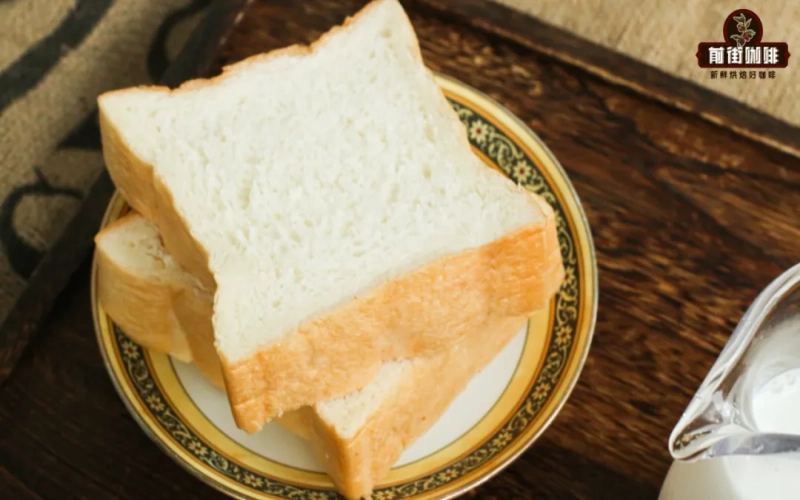
Recently, a distinctive coffee creation has been trending online—the white toast Dirty. It isn't made by adding toast to coffee; instead, milk that has been soaked with toast is used to make the Dirty, giving the milk both the aroma of bread and a richer mouthfeel. In this issue, Front Street Coffee replicates this drink, using raw toast soaked in a 1:5 ratio under refrigeration for 4 hours, then filtering it and pairing it with a specialty espresso blend, documenting the complete process of temperature contrast and flavor integration across three sips. However, Front Street also specifically warns that fresh bread is prone to mold, and soaking it in milk for a long time will greatly accelerate spoilage, posing safety risks if not handled properly, so friends with sensitive stomachs are advised not to try it casually. [more…]
Milk Tea Replaces Baijiu? Post-90s and Post-00s Newlyweds Reshape Wedding Toast Etiquette with New-Style Tea Drinks
Must you drink alcohol when toasting at a wedding? More and more couples born in the 1990s and 2000s are giving a different answer: replacing baijiu with milk tea. From a Shanghai couple's wedding banquet featuring golden-cup milk tea to the heated discussion of 320,000 posts on social media, this new trend of substituting tea for alcohol is quietly changing the drinking culture at traditional wedding banquets. Why are young people drawn to this approach? And do their elders accept it? This article takes you through this wedding banquet revolution led by new-style tea drinks, and shows how young people are redefining the wedding toast ritual in their own way. [more…]
Indonesian Wet-Hulled Mandheling Coffee Bean Flavor Analysis: Toast, Nuts, Pine, Caramel, Herbs, Front Street Golden Mandheling Recommendation
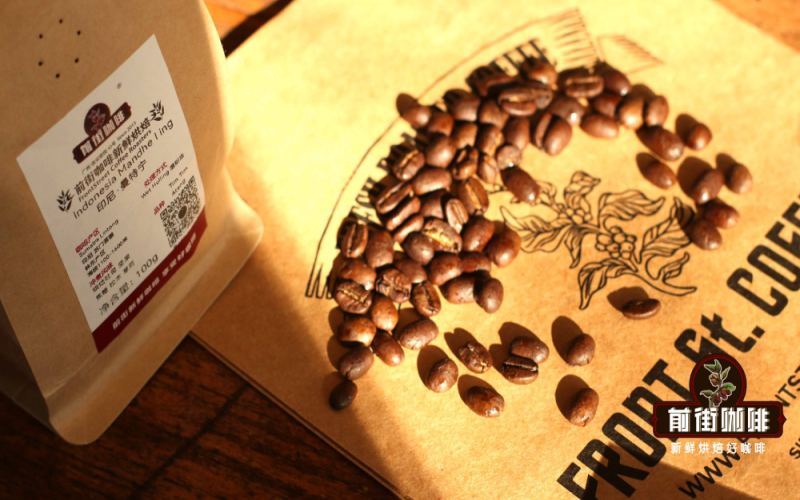
If you're looking for a pour-over bean with a rich body and distinctive flavor, Front Street Indonesia Mandheling is worth your attention. Mandheling is known as "the world's fullest-bodied coffee," smooth on entry, with clear body and bitterness, low acidity yet with a lively hint of tartness, blending a rich aroma with a faint earthy fragrance. What makes it special is Indonesia's unique wet-hulling process, which is completely different from washed processing—from depulping, a short soak, first drying, collection, second drying, wet hulling, to final drying and storage—creating a bold and striking character. This article will also introduce the standout among Mandheling coffees—Front Street Golden Mandheling, sourced from Indonesia's PWN green bean company, with even greater richness and cleanliness in flavor. [more…]

What coffee beans should you choose for specialty coffee drinks? A practical guide to selecting beans by flavor type
Signature coffee drinks emphasize balance among the flavors of various ingredients, rather than letting any single taste dominate. Many people who try to recreate signature drinks at home find the result falls short of expectations, and the problem often lies in the pairing of coffee beans with the other ingredients. This article divides signature coffee drinks into three categories—refreshing, rich fruity coffee, and deep and full-bodied—and explains the suitable coffee bean roast levels and specific recommendations for each, along with practical advice on adjusting ratios, to help you find the best balance between coffee and ingredients. [more…]
Ethiopian Huakui Coffee Flavor Evolution and Pour-Over Parameters: A Comprehensive Comparison from 5.0 to Small-Bean Huakui
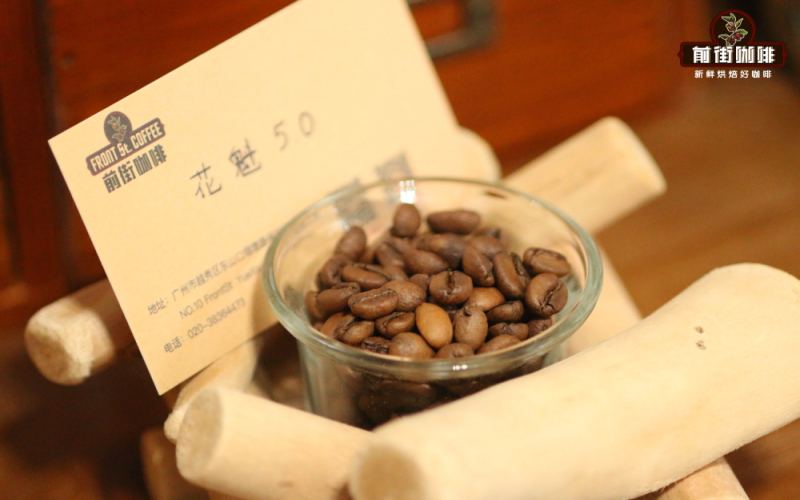
The 2021 new-crop Huakui 5.0 coffee beans arrived at port as scheduled, and Front Street Coffee completed roasting and cupping at the first opportunity, then compared them in brewing with the much-loved Small-Bean Huakui. This article provides a detailed analysis of the flavor differences between the two beans, pour-over parameters, traces the origin of the name Huakui and the natural processing method, reviews the flavor evolution of Huakui versions 2.0 through 5.0, and includes the complete roasting records of Front Street’s five Sidamo Huakui lots. Whether you want to understand the past and present of Huakui or are looking for a reliable brewing plan, this article offers thorough and practical reference. [more…]
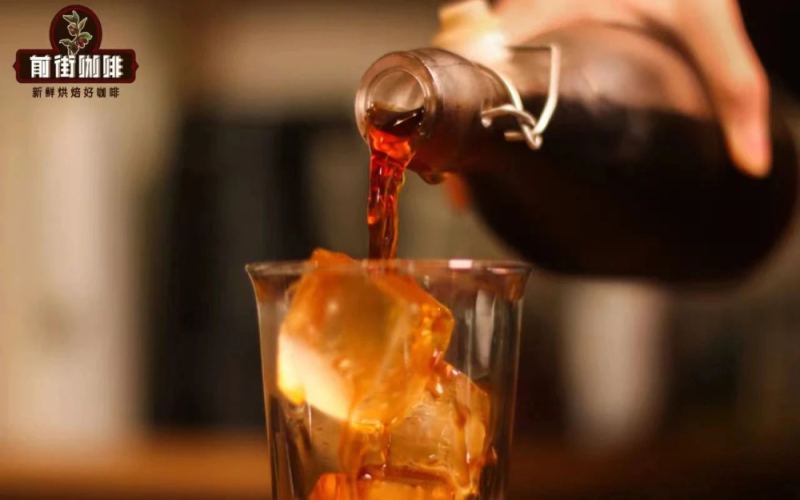
How Is an Americano Different from an Espresso? A Comparison of Iced and Hot Americano Taste and Calorie Differences
As temperatures climb, iced coffee becomes one of the most popular categories at Front Street Coffee stores. Recently, reports have pointed out that the calories in two creamers are about 56 kcal, equivalent to a small slice of thin toast. So how many calories do you actually take in with one cup of coffee? According to data published on the official website of a well-known chain brewed coffee brand, a medium Americano has about 11 kcal, and after adding 28 kcal of creamer, the total is 39 kcal; while a medium latte of the same size reaches 176 kcal, more than 4.5 times that of an Americano with creamer. In other words, the calories in one latte a day are more than drinking four Americanos with creamer in a row. This article will explain the differences between Americano and espresso, the specific method for making iced Americano, and the flavor presented by Front Street Coffee's Sunflower Warm Sun blend. [more…]
What Is the Maillard Reaction in Coffee Roasting? Stage-by-Stage Changes from Start to Finish and the Flavor Formation Mechanism
More and more coffee shops are choosing to place roasters at their entrances and roast beans themselves, which allows them to control costs while also ensuring quality. Walking down the street, one can often smell the blended aromas released by roasting coffee beans—the greenish-blue smoky scorched scent of burning plant fibers, the creamy yellowish-white sweetness, and the brownish bread-like aroma of toast, all interwoven together. A large part of the source of these rich aromas is thanks to the Maillard reaction during roasting. The Maillard reaction is a series of reactions that occur when amino acids and reducing sugars in food are heated, and it can broadly be divided into three stages: the initial stage, the intermediate stage, and the final stage. During the process, various aromatic substances and pigments are produced, playing a key role in the layers and changes of coffee's final flavor. This article will sort out the stage divisions of the Maillard reaction, its chemical pathways, and its significance for coffee flavor. [more…]
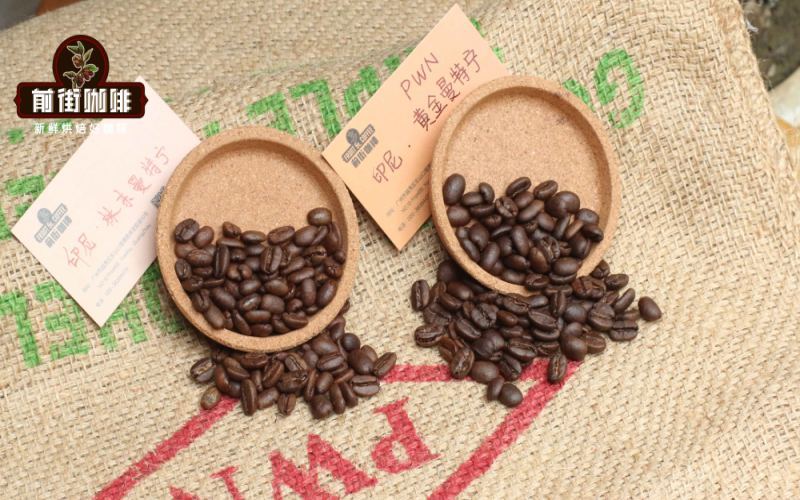
Exploring the Flavor Characteristics of Lintong Mandheling: A Guide to Comparing Front Street Coffee and PWN Golden Mandheling
Mandheling is the representative Indonesian coffee beloved by many coffee enthusiasts, and the two most recognized on the market are Front Street Lintong Mandheling and Front Street Golden Mandheling. The former is the classic representative of Mandheling, produced in the Lintong region of Sumatra and processed using the wet-hulling method, with flavors dominated by baked toast, nuts, caramel, pine, and herbs, featuring low acidity and outstanding body. The latter is the specialty-grade PWN Golden Mandheling, which has undergone three rounds of hand sorting and strict grading, resulting in a cleaner, more transparent cup with a stronger sweet aroma. This article will provide a detailed breakdown of the origin information, processing methods, and flavor differences of the two coffees, and answer the question of which brand of Lintong Mandheling coffee is good, helping readers make a clear judgment when purchasing. [more…]
How Does First Crack Timing Shape Flavor? A Deep Dive into Three Roast Profiles for Front Street Coffee Costa Rica Black Soul
In coffee roasting, "first crack" is not only an important auditory milestone, but also directly relates to the final flavor presentation in the cup. This article uses Front Street Coffee's Costa Rica Natural Black Soul as a sample, conducting comparative experiments through three roasting curves with different first crack times, to deeply explore the specific effects of the length of the drying phase on bean expansion, the degree of the Maillard reaction, and cupping flavor. From 7 minutes 30 seconds to 8 minutes 30 seconds, subtle differences in first crack timing bring significant changes in fruit acidity, sweetness, body, and complexity. This article will break down each curve's roasting parameters, bean surface condition, and brewing performance one by one, helping roasting enthusiasts understand the core logic of first crack time control. [more…]
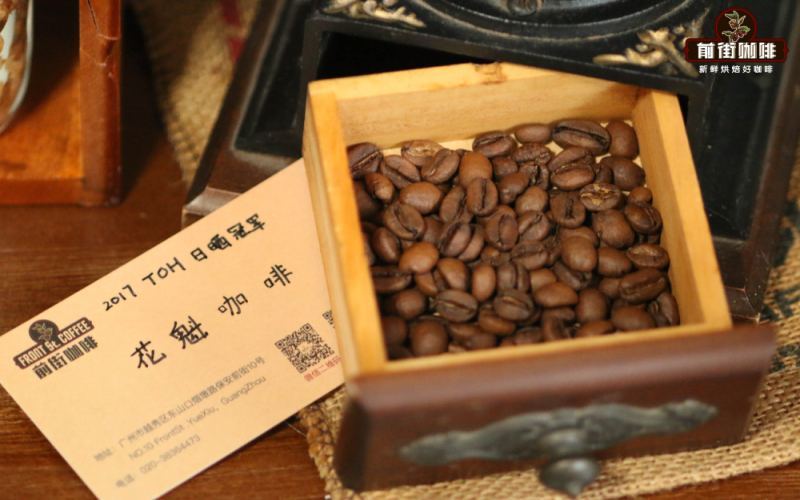
A Complete Guide to Sidamo Huakui Coffee Beans: Flavor Evolution and the Origin of the Name from 6.0 to 8.0
Since its debut in 2017, Huakui coffee beans have quickly gained popularity with their signature strawberry-cream flavor. This famous bean from Hambela in the Guji region of Ethiopia has now been iterated to version 8.0, but many enthusiasts report that Huakui's flavor in recent years seems not as good as before. This article will comprehensively sort out the origin of Huakui's name, the terroir of its producing region, and the sun-dried processing technique, and introduce one by one the various versions of Huakui that Front Street Coffee has acquired over the years, from G1 to 4.0, with roasting curves and brewing parameters, to take you through a comprehensive understanding of this coffee bean's past and present. [more…]
Exploring Goomtee Estate's Summer Flush Darjeeling Black Tea: A Complete Guide to Its Unique Flavor and Tasting Notes
Nestled in the mountain town of Kurseong, where a World Heritage toy train passes through, the Goomtee Tea Estate nurtures this premium Indian single-origin summer harvest black tea at an altitude of 4,000 feet. The liquor is a bright amber, with aromas interweaving apricot, plum, pomelo, and soft oak notes. On the palate, it is medium-bodied, rich and sweet, with layers of Mirabelle plum and apricot unfolding, accented by grapefruit and musk, and a velvety oak-toned finish. The dry leaves exude aromas of hazelnut, caramel, and cedar blended with ripe rambutan and almond nougat; the wet leaves hint at damp wood, vegetation, and peach. Paired with scones, croissants, or buttered toast, it makes for an unforgettable summer black tea experience. In this issue, Front Street Coffee will take you deep into this iconic tea estate, offering a complete interpretation of this Darjeeling summer harvest black tea's unique charm—from liquor, aroma, and appearance to food pairing—and sharing practical information for a Goomtee tea tourism getaway. [more…]

HEYTEA City-Exclusive Food and Tea Crossover Roundup: Localized Innovation from Coconut Chicken Hot Pot to Sichuan Spicy Fairy Dew
In recent years, Heytea has continuously pushed the boundaries of tea drinks, from cross-brand collaborations to incorporating each city's signature foods into beverages and baked goods, launching a series of unexpectedly creative limited-edition products. Shenzhen's coconut chicken hot pot, Guangzhou's rice roll cake, Changsha's mini clay pot bubble rice wine, Chengdu's Sichuan spicy fairy dew… each one precisely captures the taste memories of local people. These products are not only wildly imaginative but also build emotional resonance by awakening shared city memories. This article will comprehensively review the limited-edition items Heytea has launched in various cities and explore the communication logic and secrets behind its "neglecting its proper business." [more…]
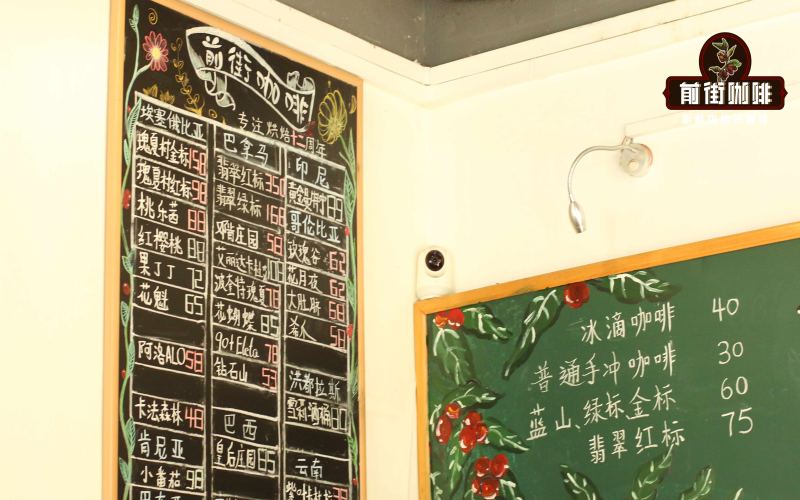
A Comprehensive Analysis of the World's Three Major Coffee Producing Regions: Varietal Flavor and Processing Method Differences Across Africa, Latin America, and Asia
The Coffee Belt spans roughly 25 degrees north and south of the equator, giving rise to three major producing regions: Africa, Latin America, and Asia-Pacific, each with its own distinctive varieties, processing methods, and flavors. Front Street Coffee currently offers nearly 50 beans, and this article will go through them one by one, from regional divisions, representative producing countries, and varietal characteristics to processing methods and grading systems. It will guide you through Ethiopia's floral and fruity notes, Kenya's intense acidity, Brazil's nutty richness, Panama's floral Geisha, as well as Indonesia Mandheling's herbal, agarwood-like depth and Yunnan coffee's melon-and-tea character, giving you a comprehensive grasp of the flavor differences among the three major regions and the key points for choosing beans. [more…]
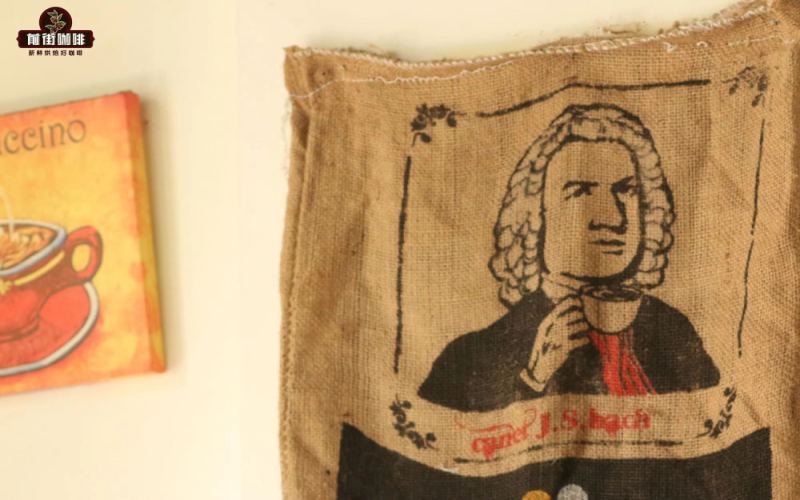
Costa Rica Canet Estate Musician Coffee: An Analysis of the Flavor Processing Differences Among Four Beans Including Beethoven and Mozart
Front Street Coffee takes you deep into Costa Rica's Tarrazú region, to Cafetín de Canet Estate, to explore a coffee series named after classical musicians. The estate uses Caturra and Catuai varieties, processed through raisin honey or washed methods, to create four distinctive specialty coffees: Bach, Beethoven, Chopin, and Mozart. Beethoven is washed, presenting clean and refreshing acidity of green grapes, strawberries, and citrus; Mozart and Bach use raisin honey processing, with prominent fermented aromas and tropical fruit notes, a full body, and ample sweetness. This article not only analyzes the flavor codes of each bean variety but also shares Front Street roasters' exclusive roasting curves and brewing suggestions, helping you fully understand the charm of the Musician Series. [more…]
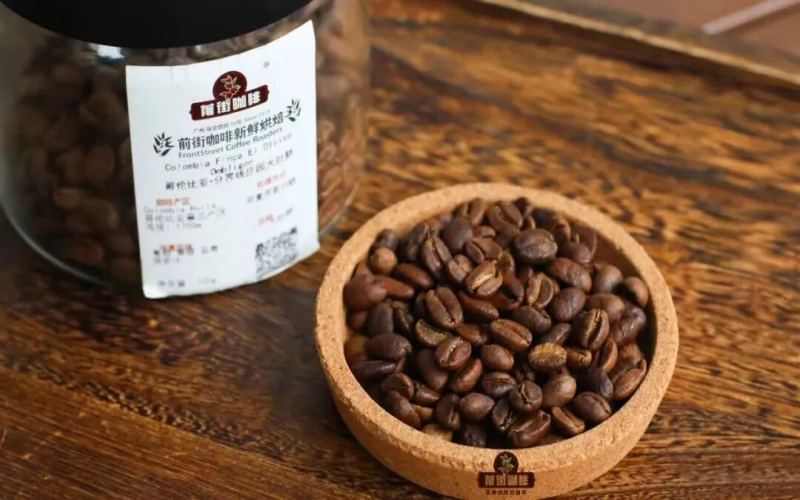
Coffee Bean Recommendations | What Is a Coffee Specialty Drink? Which Coffee Beans Are Suitable for Specialty Coffee Drinks? How Should Coffee Beginners Choose Coffee Beans for Making Specialty Coffee Drinks?
Specialty drinks are the third main category of coffee sold in coffee shops, alongside espresso-based and single-origin coffees. Specialty coffee drinks can be understood as the "cocktails" of the coffee world: creative beverages made by combining coffee with various traditional or non-traditional ingredients, setting them apart from conventional coffee. (Cof [more…]

A Comprehensive Analysis of Hacienda La Esmeralda Geisha Red, Green, and Blue Labels: Origin Story, Grade Classification, and Flavor Comparison
Panama's Hacienda La Esmeralda Geisha coffee beans, with their unique floral and fruity aroma and exceptional quality, have become a legend in the specialty coffee world. This article will take you through the story of Geisha from its discovery to world fame, and explain in detail Hacienda La Esmeralda's plot divisions and the differences between its three grades: Red Label, Green Label, and Blue Label. At the same time, we have compiled the flavor characteristics, roasting recommendations, cupping reports, and brewing parameters of three Geisha coffees, along with practical recommendations from Front Street Coffee. Whether you are a seasoned enthusiast or a first-time taster, you will find valuable information here. [more…]
Exploring the Typica Coffee Variety: From Bean Characteristics to a Flavor Analysis of Front Street Coffee's 2013 Sun-Dried Yunnan
Typica is one of the oldest varieties of Arabica coffee and the genetic source of many high-quality coffees. This article will take you deep into the botanical characteristics, historical origins, and flavor profile of Typica coffee beans, and focus on the Yunnan production region to explain the "Front Street 2013" sun-dried Typica cultivated by Front Street Coffee at its Lincang plantation. From seedling cultivation to stable production, this bean took seven years, and it presents aromas of nuts, caramel, and toasted bread, as well as layers of plum, cream, and soft fruit acidity. At the same time, we will also share the Front Street roaster's medium slow-roast curve and pour-over parameters to help you better reproduce the roundness and sweetness of this Yunnan Typica. [more…]
Papua New Guinea Bird of Paradise Estate Coffee: The Legacy of Jamaican Blue Mountain Typica Lineage and Flavor Analysis
In Papua New Guinea, located in Oceania, the coffee grown at Sigri Estate shares Typica lineage with Jamaican Blue Mountain, yet has developed a distinctive regional flavor profile. This article provides a comprehensive interpretation of this specialty coffee with Blue Mountain genes, from the production region background, estate history, and processing techniques to green bean grading and brewing recommendations. Front Street Coffee, through roasting and cupping, presents its unique charm of nutty sweetness, bright fruit acidity, and balanced mouthfeel. [more…]
Papua New Guinea Bird of Paradise Coffee Bean Flavor Profile and Price Analysis | Front Street Sigri Estate Specialty Coffee Brewing Guide
Papua New Guinea's Bird of Paradise coffee beans, with their unique Blue Mountain lineage and refined washed processing, have made this a star-producing region in the specialty coffee world. What exactly are the special flavors of Front Street Coffee's Papua New Guinea Bird of Paradise Estate coffee beans? How much does a cup of Bird of Paradise coffee cost in a café? Is it more cost-effective to brew it yourself at home? This article provides a comprehensive analysis of the Sigri Estate's regional background, processing methods, green bean grading, roasting recommendations, and brewing parameters, along with Front Street's high-value recommendations, to give you an in-depth understanding of this specialty coffee full of floral aromas and fruity acidity. [more…]