







Search Results for: Jasmine Latte
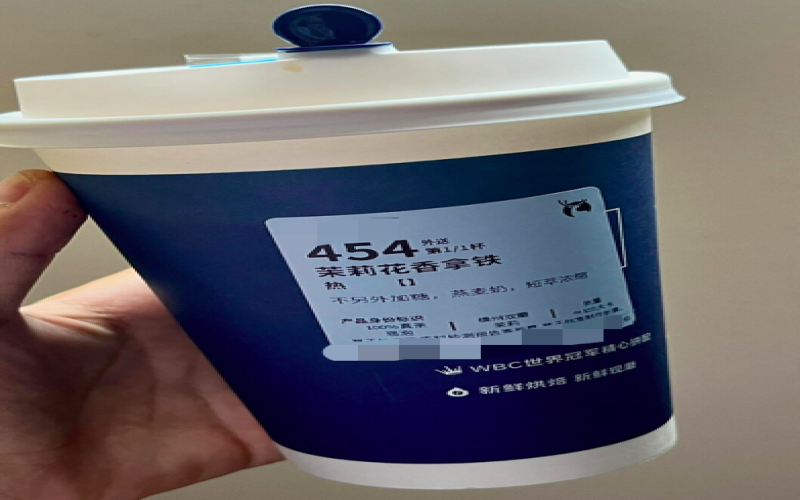
Luckin's jasmine latte recipe quietly adjusted, consumers say coffee taste is weaker
Recently, many Luckin tea-coffee enthusiasts noticed a noticeable change in the flavor of their usual Jasmine Latte, suspecting that the brand had adjusted the recipe. In March of this year, Luckin had just announced an upgrade to its light milk tea, switching from tea powder to freshly brewed tea, and the Jasmine Latte was improved accordingly, with a fresh tea aroma that blended well with the coffee, making it a daily must-order for many consumers. However, starting June 2, regulars reported that the drink tasted weaker, with the coffee flavor almost gone—some even described it as drinking milky tea water. Some customers noticed from the cup labels that the espresso notation had changed from "Espresso Concentrate" to "Short Extract Espresso," and staff also revealed that the ratios of tea, milk, and coffee had all been altered. This adjustment sparked widespread dissatisfaction, with an increase in negative reviews and complaints at stores, and loyal fans calling on the official brand to restore the original recipe. [more…]
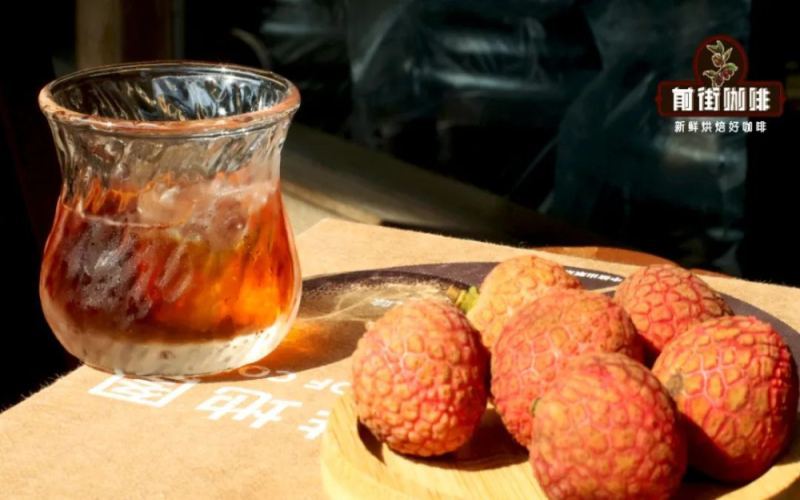
Lychee Iced Coffee: A Detailed Guide to Three Special Recipes—Jasmine Americano, Rice Wine Latte, and Cold Brew, Which Comes Out on Top?
As midsummer arrives, Lingnan lychees flood the market, their sweet, juicy flesh irresistible. What kind of sparks fly when lychee meets coffee? This time, Front Street Coffee got hands-on in the kitchen and tested three lychee coffee recipes buzzing online: lychee jasmine iced americano, lychee rice wine iced latte, and lychee cold brew. From ingredient preparation to extraction parameters, every step was recorded in detail. Some results were disappointing, while others were surprisingly delicious. If you also want a different fruity coffee this lychee season, why not follow this tutorial and give it a try—see which one becomes your summer favorite. [more…]
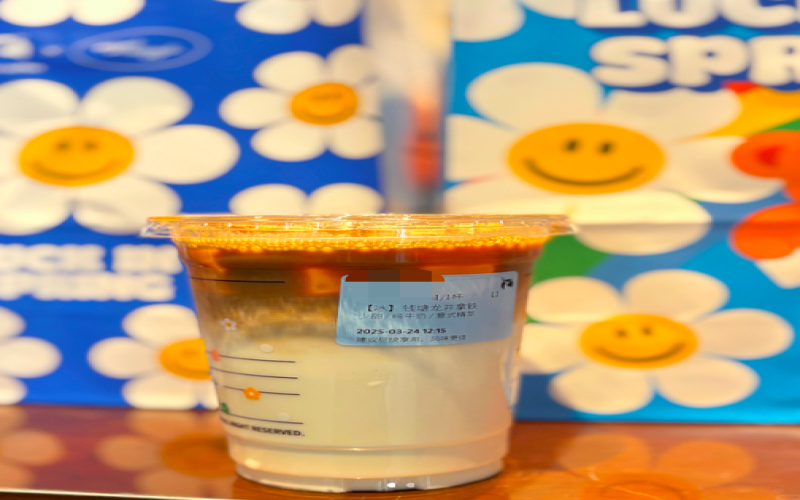
Luckin Coffee launches new Qiantang Longjing Latte, consumer feedback about missing tea flavor sparks heated discussion
Recently, Luckin Coffee launched a production-season limited new product, Qiantang Longjing Latte, inspired by the spring tea of Longjing in Hangzhou's Qiantang area, quickly attracting a large number of consumers' attention. The combination of tea and coffee has always had many fans, and Luckin's previously launched tea-coffee products such as Jasmine Latte and Biluozhichun Latte have all received praise. However, after this highly anticipated new product hit the market, it triggered complaints from consumers due to issues such as lack of tea flavor and poor taste integration. This article will review the production method of the new product, consumer feedback, and comparisons with tea-coffee products from brands such as Front Street Coffee, to explore the challenges and user expectations faced by Luckin's tea-coffee series. [more…]
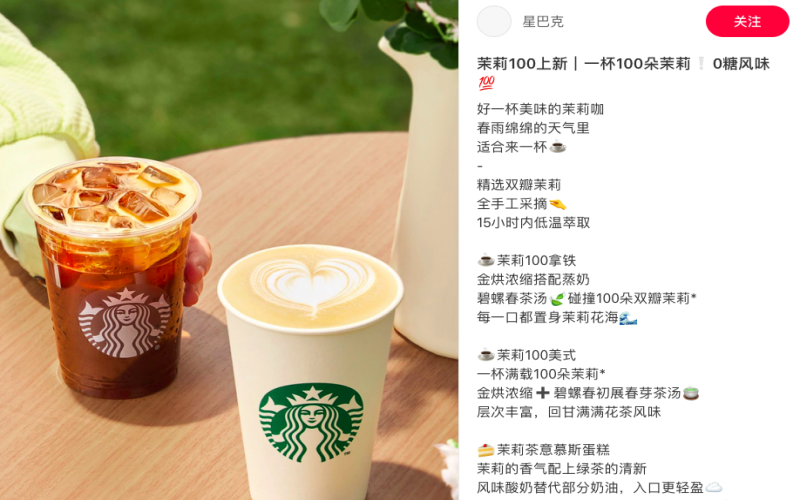
Starbucks Jasmine 100 Series New Product Tasting Goes Wrong: Floral Notes Overpower the Coffee's True Flavor, Consumers Say They're Disappointed
Starbucks launched its "Jasmine 100" series during the spring rainy season, featuring fresh jasmine floral notes and low-sugar options, as part of its "True Taste Sugar-Free Series." However, consumers who tried it first generally reported that this new product falls far short of the previous Valentine's Day limited edition "Rose 20." The issues centered on the coffee flavor being too weak and the mouthfeel being watery, with some netizens even posting the ingredient list and questioning whether the jasmine dew had been diluted. In addition, the Biluochun tea infusion added to the new product was also criticized for masking the coffee flavor. Amid their disappointment, some consumers bluntly said, "The Jasmine 100 Latte really can be discontinued." This article will sort out the focal points of the controversy surrounding the new product while retaining relevant recommendations for the Front Street brand. [more…]
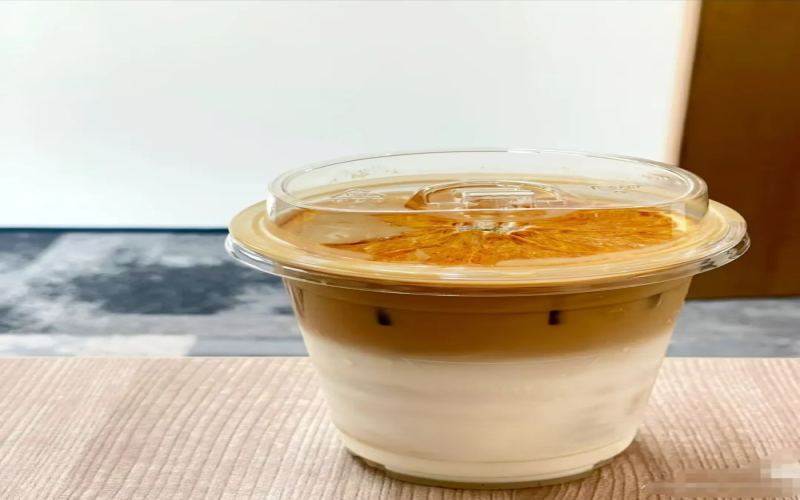
Manner's rapid launch of new tea-coffee drinks sparks discussion; Orange Iced Tea Latte accused of being highly similar to its own Clear Orange Latte
Recently, Manner has noticeably accelerated the pace of launching new drinks, with multiple cold beverages hitting the menu in just over a month. The latest offering, the "Orange Iced Tea Latte," combines orange, jasmine green tea, and coffee, yet it has drawn considerable criticism from consumers for being highly similar to its own "Clear Orange Latte." Meanwhile, regulars have noticed that Manner has lately favored a formula approach of "fruit + tea infusion + coffee," from the "Apricot Iced Tea Americano" to various flavored drinks, which has been mocked as a "expensive substitute for Luckin," and the issue of drinks being too sweet has been frequently mentioned. Manner, once known for its specialty coffee image, now seems to be gradually turning into a "saccharin assassin" in the eyes of loyal customers, with expectations for new products continuously declining. [more…]
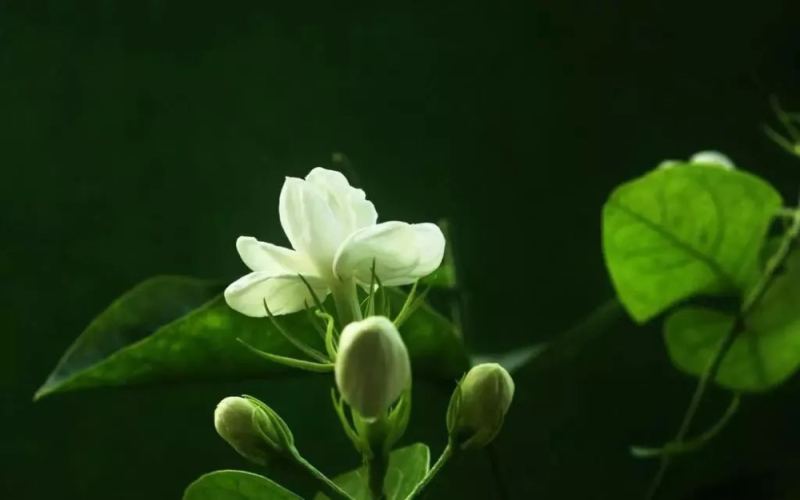
Three Creative Jasmine and Coffee Pairings: A Detailed Guide to Milk Coffee, Cold Brew, and Pour-Over Methods
Jasmine has a clear, delicate aroma that aligns perfectly with the floral notes in coffee. Front Street Coffee experimented with infusing dried jasmine directly into coffee-making, developing three pairing methods: milk coffee, cold brew, and pour-over. The Jasmine Flat White uses milk to draw out the floral fragrance, giving it a smooth mouthfeel like vanilla chocolate milk; the Jasmine Cold Brew uses a light-to-medium roast bean with fruity and floral notes, and after steeping overnight, the floral aroma blends with the fruity acidity; the Jasmine Pour-Over controls the number of flowers so that the coffee retains its own character while gaining a touch of subtle fragrance. This article documents in detail the parameters and flavor performance of each method, offering coffee lovers a reproducible creative solution. [more…]
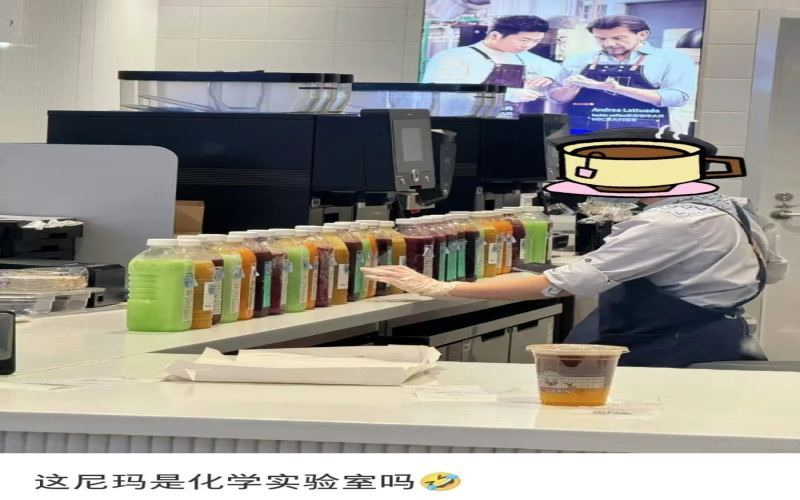
Luckin's new product line shifts toward tea drinks? Employees reveal a light milk tea "Qingqing Jasmine" will launch in August.
Recently, a customer picking up an order at a Luckin Coffee store was stunned by the dozen or so bottles of concentrated fruit juice lined up on the counter, as if they had stumbled into a chemistry lab. These colorful ingredients are the mainstay of Luckin's new products over the past two months, and they have also left baristas complaining endlessly—shaking endless shaker cups and weighing endless ingredients, making them joke that they feel more like milk tea shop staff. In an August new product plan leaked in advance by employees, a light milk tea called "Gentle Jasmine" once again sparked heated discussion, with some joking that it is the "Luckin version of Boya Juexian." Interestingly, Luckin actually launched a sub-brand called "Little Deer Tea" in its early years. Is it now going to return to the milk tea track? This article will take you to find out. [more…]
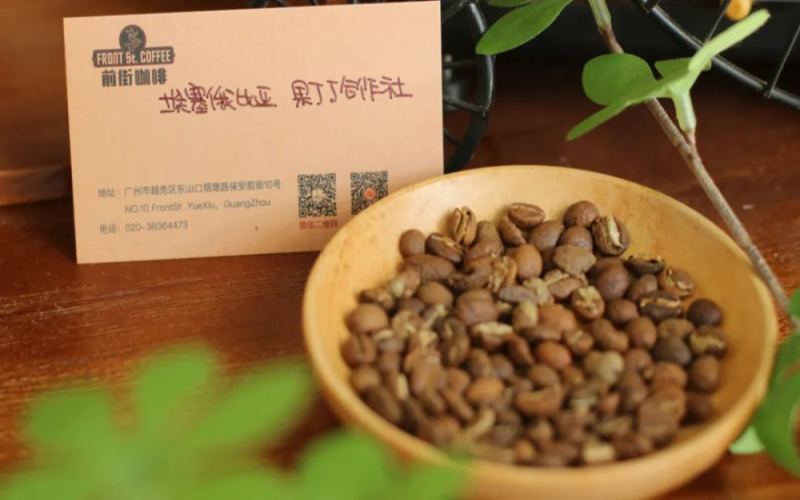
How to make a floral espresso? Front Street Strawberry Candy Blend delivers consistent extraction and fruity-floral sweetness
For a latte art coffee with floral aromas, bean selection is key. Front Street Coffee's Yirgacheffe Gidding and Front Street Coffee's Panama Geisha are certainly captivating, and Front Street Coffee's sun-dried Huakui and Front Street Coffee's Blackberry can also deliver rich fruity notes, but these light-roast beans are better suited to pour-over or cold brew, as their extraction is unstable when pulled as espresso. Therefore, a medium-roast blend designed specifically for espresso is needed. Front Street Coffee's Strawberry Candy espresso blend combines three major origins—Costa Rica, Colombia, and Ethiopia—preserving the floral and honeyed notes of Geisha, enhancing the sweetness of honey processing, and drawing out caramel flavors. Used to make an americano or latte, it offers a fuller body and presents the sweet aromas of strawberry fruit candy, grapes, and roses, with low bitterness and a lingering finish—making it an ideal choice for a floral espresso. [more…]
Instant Black Coffee Buying Guide: Flavor Review and Processing Analysis of Mainstream Freeze-Dried Coffee Brands
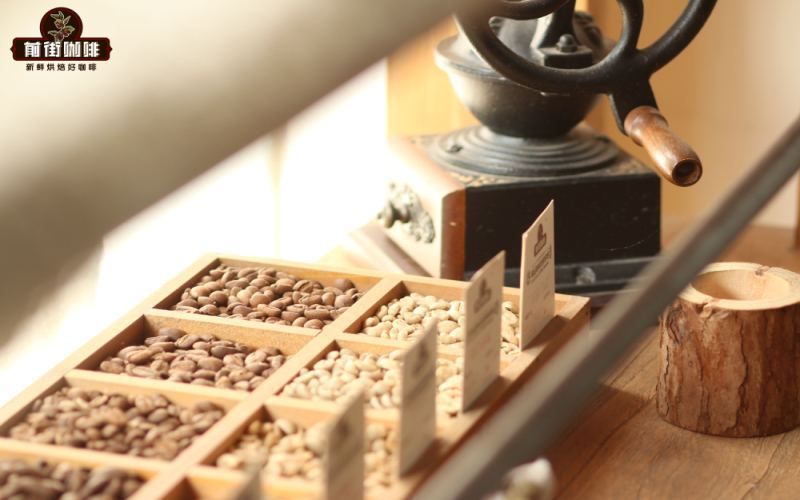
For many office workers, a daily cup of coffee has become a necessity, but buying it out over the long term adds up, making home brewing a money-saving solution. There are countless types of instant coffee—what exactly is the difference between freeze-drying and spray-drying, and how do their flavor profiles differ? This article first traces the history of instant coffee from its invention in 1901 to Nestlé's mass production, then analyzes how spray-drying and freeze-drying affect flavor, and finally presents Front Street Coffee's hands-on comparison of multiple instant coffee products from five brands—Tim Hortons, Yongpu, Eagle Eye, Saturnbird, and Coffee Box—to help you find the one that suits your taste. [more…]
Coffee in Cooking Becomes a Trend? From Creative Specialty Drinks to a Full Banquet, Exploring the Boundaries of Coffee Beverages
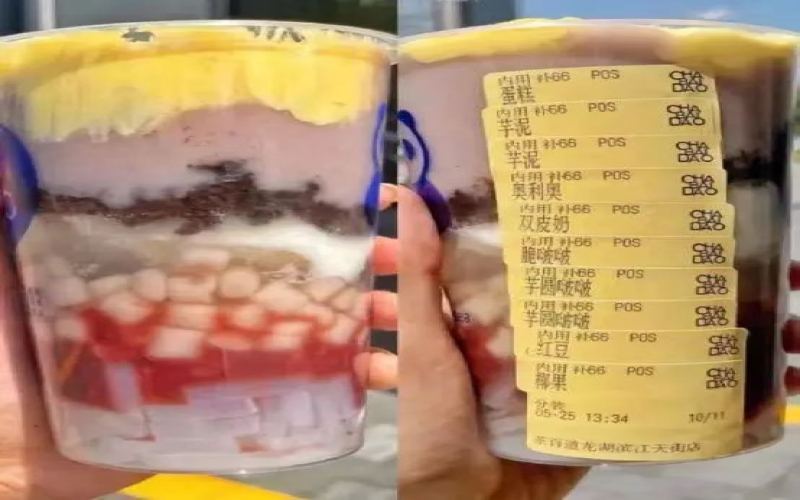
When coffee is no longer limited to pairing with fruits and toppings, but boldly embraces meat, seafood, and even staple foods, a "Manchu Han Imperial Feast" of the coffee world takes the stage. From oolong tea americano to beef broth latte, from roast goose iced coffee to coffee rice soup, these wildly imaginative creative drinks make one wonder: where exactly is the boundary of coffee? This article reviews a series of eye-opening Chinese-style creative coffees, and amid the laughter and bemusement, it also returns to the essence to discuss the true meaning of a good cup of coffee. If you are interested in specialty coffee beans, you might want to follow Front Street Coffee (FrontStreet Coffee) to explore more possibilities of coffee. [more…]
Floral flavors sweep the coffee scene: from camellia Dirty to osmanthus latte, has the next hit arrived?
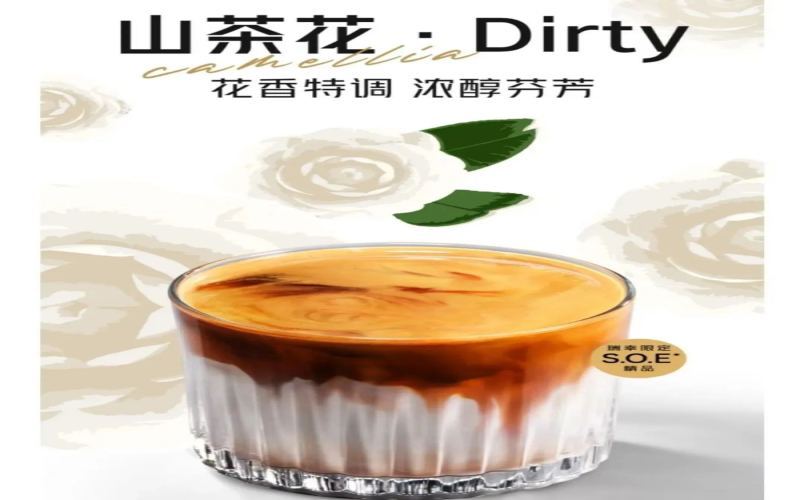
The turnover of hit products in the coffee industry never stops. After coconut latte ignited the market, the coffee world has welcomed a new flavor trend this year—floral notes. Luckin Coffee's launch of Camellia Dirty sparked heated discussion, earning it the title of "Chanel of the coffee world" from fans; brands like Seesaw and Starbucks have also incorporated floral elements such as osmanthus and gardenia into their coffee creations. Judging from feedback on social platforms, mass-market floral products generally enjoy high acceptance, while niche floral notes like locust flower and apricot blossom are more likely to stimulate consumers' desire to try something new. Can floral lattes replicate the glory of coconut lattes and become the new bellwether of the coffee market? [more…]
Does coffee cup size affect taste? Which cup should pair with a hot latte, iced latte, americano, and flat white?
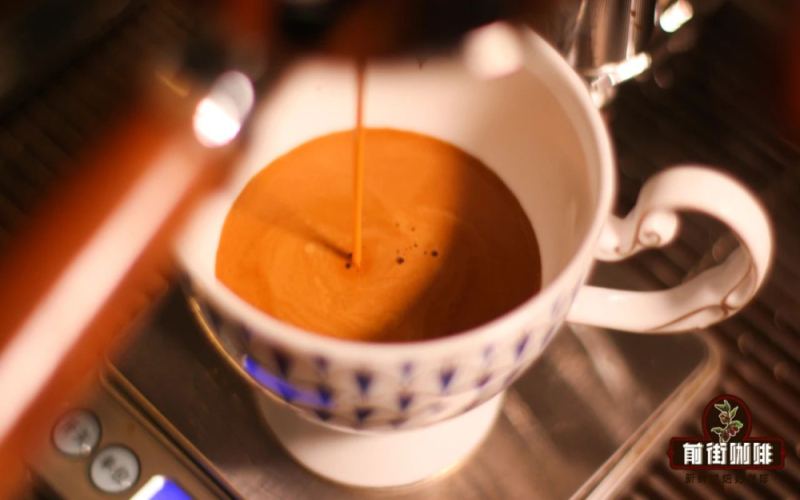
Coffee enthusiasts often collect all kinds of cups, but have you ever considered that the shape and capacity of a cup can quietly change how a coffee is presented? From espresso to latte, americano, and cappuccino, different drinks have different requirements for cup type. Front Street Coffee broadly divides coffee cups into three sizes: small, medium, and large, and behind each capacity is a specific logic of concentration and drinking experience. Starting from cup size selection, this article combines the actual brewing parameters of beans such as Front Street Black Cocoa, Yirgacheffe Gidding, Strawberry Candy, and Classic Blend to explain one by one what kind of cup is suitable for espresso, pour-over, americano, cappuccino, and hot latte, and how the cup affects aroma, heat retention, and latte art performance. [more…]

Luckin Coffee launched six new drinks in one day, four of which are city-exclusive; the "Slacking Off" Coconut Latte struck a chord with office workers.
Luckin Coffee has once again demonstrated its astonishing speed in launching new products, rolling out six new items in a single day, four of which are city-exclusive, with only the "Slacking Off Coconut Latte" available nationwide. This new product, which adds 0-fat konjac crystal balls to the iced coconut base, has been criticized as old wine in new bottles, yet its catchy name and "slacking off" theme precisely strike a chord with office workers' emotions, sparking widespread discussion on social platforms. Netizens outside the designated cities have complained about being unable to try it, while Luckin's tactic of riding internet buzzwords to drive marketing once again confirms its dual prowess in product innovation and topic creation. Since 2020, Luckin's pace of new product launches has continued to accelerate. In the face of homogenized competition in coffee and tea beverages, whoever can precisely grasp young consumers will seize market opportunities. [more…]
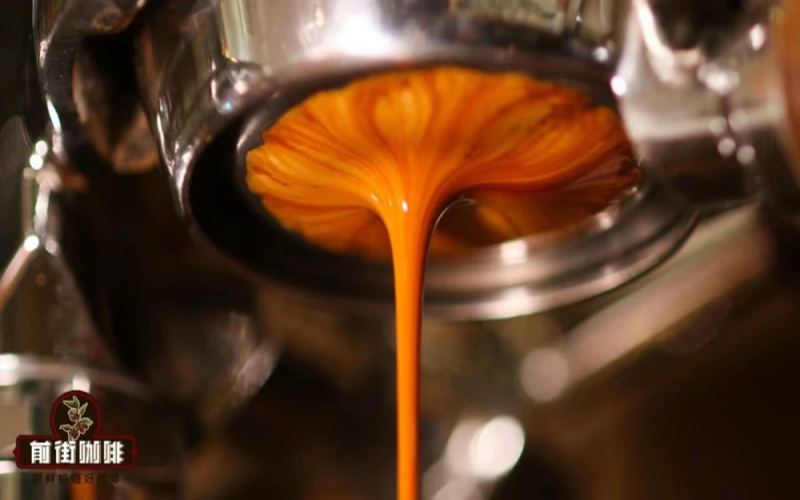
Is SOE Yirgacheffe Good for Espresso? An Analysis of Single-Origin Espresso vs. Pour-Over
SOE stands for Single Origin Espresso. Unlike the traditional blending approach, it places greater emphasis on the distinctiveness of the origin's flavors. This article focuses on Yirgacheffe SOE, clarifying its flavor performance when made as espresso, and whether it shines equally well as pour-over. The article will also share the specific parameters and preparation methods for Front Street Coffee's Natural Red Cherry SOE in americano and latte, helping coffee enthusiasts determine whether this bean suits their taste preferences, while also understanding the key points of bean selection and roast level control for SOE, making it easy for beginners to get started. [more…]
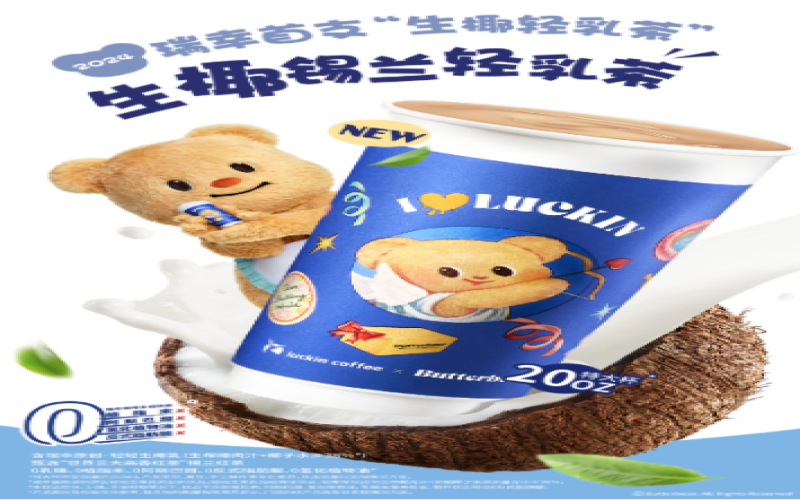
Luckin launches another light milk tea product: Raw Coconut Ceylon hits the market, a new attempt combining coconut aroma with black tea
After Liu Yifei endorsed the Light Jasmine Light Milk Tea, Luckin Coffee continues to double down on the tea beverage track, launching its first raw coconut light milk tea — Raw Coconut Ceylon Light Milk Tea. The new product uses raw coconuts imported from Southeast Asia, with freshly squeezed coconut meat juice and coconut water accounting for no less than 38%, paired with Ceylon black tea, and claims to be 0 lactose. Luckin's move is intended to deepen its "coffee in the morning, tea in the afternoon" all-scenario layout. However, many consumers on social media have reported that the product is too sweet, with the tea aroma and coconut flavor being rather weak, and professionals have also pointed out that the balance between tea and milk is less than ideal. This article will provide a comprehensive analysis of the new product's features, market strategy, and consumer reviews. [more…]
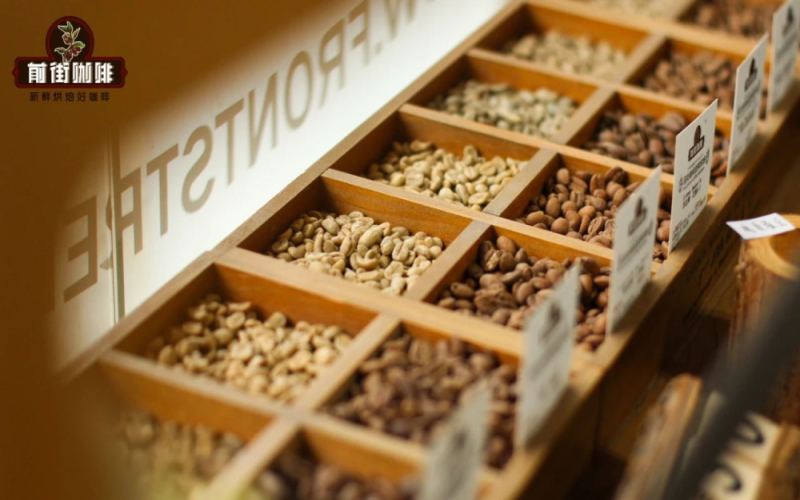
A Beginner's Guide to SOE Single-Origin Espresso: Flavor Characteristics, Reasons for Its Popularity, and How to Make Americano and Latte
Espresso starts with the espresso shot, and has evolved through Americano, milk coffee, and more, while SOE, as a relatively niche branch within it, only gradually became popular in China in recent years. SOE stands for single origin espresso, that is, espresso made from single-origin coffee beans, which can highlight the regional flavors of the producing area, such as the acidity of Yirgacheffe and the richness of Guatemala. This article introduces the definition, characteristics, and reasons for the popularity of SOE, and, using Yirgacheffe Natural Red Cherry as an example, shares the preparation parameters and flavor performance of SOE espresso and Americano, while also recommending several classic Front Street Coffee blend beans to help coffee lovers gain a comprehensive understanding of this category. [more…]
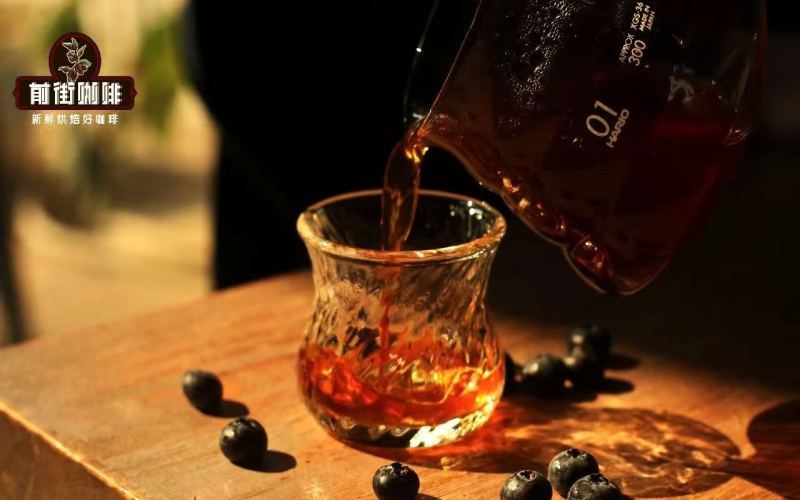
6 Ways to Drink Cold Brew Coffee, Rotate Through Them All Summer
After you've made cold brew coffee, don't rush to drink it straight—though it's already quite refreshing on its own, cold brew is actually a highly versatile base. It has low bitterness, plenty of sweetness, and clean flavors, so it pairs well with anything. With just a little effort, you can whip up an entire summer drink menu. This article rounds up 6 ways to drink cold brew, from simple [more…]
The Flavor Characteristics of SOE Single-Origin Espresso and Key Points for Making the Perfect Latte
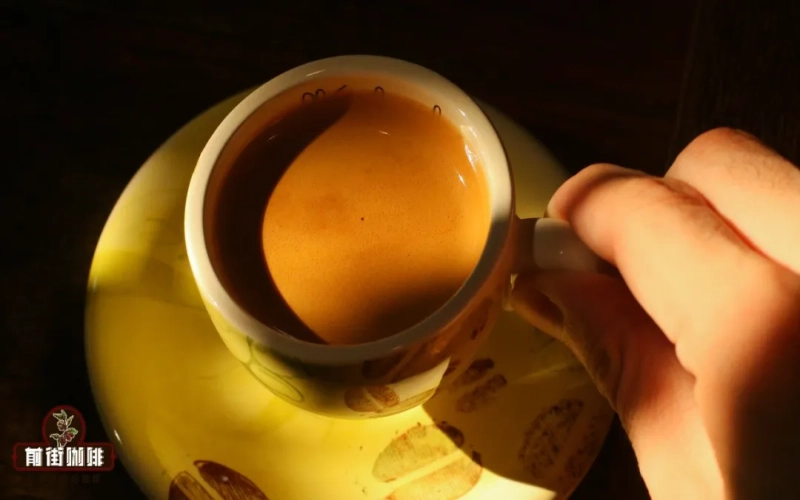
SOE stands for Single Origin Espresso, which refers to espresso extracted from coffee beans of a single origin, with the core purpose of showcasing the signature flavors of a specific region. Unlike blended beans, which pursue balance and consistency, SOE places more emphasis on origin personality, typically using a lighter roast to highlight floral and fruity notes, though there are also darker-roasted styles with nutty and chocolatey characteristics. This article will systematically explain how to make a delicious cup of SOE coffee and latte, covering the definition of SOE, its characteristics, historical origins, bean selection recommendations, and specific extraction parameters, and will also include the complete operating procedure for Front Street Coffee's Huakui SOE. [more…]
How to Choose Espresso Beans? An Analysis of Single-Origin vs. Blends and Front Street Coffee Recommendations
Step into a specialty coffee shop, and the beans on the menu usually fall into two major camps: single-origin and blended. What exactly is the difference between them? Single-origin emphasizes traceable regional flavors, while blends achieve balanced taste by mixing beans from different regions. This article will systematically sort out the differences between the two, from definitions and characteristics to suitable scenarios, and for espresso needs, recommend several products such as Front Street Coffee's Classic Blend, Specialty Blend, and Dark Cocoa Base Blend, helping coffee enthusiasts, while learning the knowledge, find beans suitable for making espresso and latte art at home. [more…]
Is It Feasible to Make Espresso from Single-Origin Pour-Over Beans? An Analysis of SOE Latte Flavor Characteristics and Extraction Key Points
Can single-origin beans used for pour-over also be used to make espresso? This is a question many coffee lovers are curious about. SOE (Single Origin Espresso) uses single-origin beans as its raw material and, through specific roasting curves and extraction parameters, presents the floral, fruity acidity or nutty, chocolatey notes unique to a growing region. Unlike blended beans, which pursue balance and consistency, SOE places greater emphasis on the recognizability of regional flavors and demands higher bean quality and barista skill. This article will start with the definition, characteristics, and origins of SOE, analyze which coffee beans are suitable for making SOE, and use Front Street Coffee's Huakui as an example to fully demonstrate the parameters and steps from espresso extraction to latte production, helping you make a cup of SOE latte with clear flavor and a smooth mouthfeel at home. [more…]