







Search Results for: Introduction to Chinese Tea
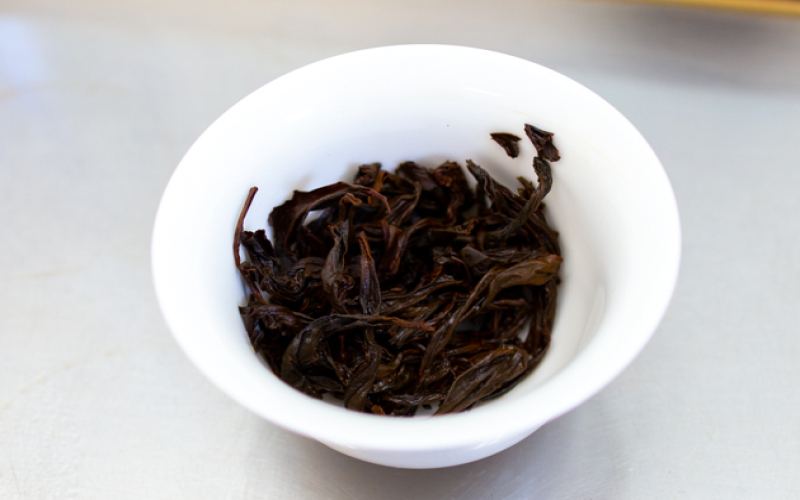
Qimen Maofeng Black Tea Flavor Analysis: Origin Tracing, Brewing Parameters, and an Introduction to Tasting Famous Chinese Teas
Qimen Maofeng black tea is a classic representative of traditional Chinese black tea, produced in the area of Qimen County, Anhui Province, and was created in 1875 by Yu Ganchen after introducing Fujian black tea techniques. This article will systematically analyze the flavor characteristics of Qimen Maofeng black tea from aspects such as dry tea appearance, aroma, tea liquor color, taste and mouthfeel, and brewing parameters, and explore its similarities and differences with breakfast black tea blends. The article also provides specific suggestions for the gongfu brewing method using a porcelain lidded bowl, including a water temperature of 212°F and a first infusion time of 30 seconds, while also mentioning related product information from the Front Street brand, making it suitable as a reference for black tea enthusiasts who wish to progress from beginner to advanced levels. [more…]
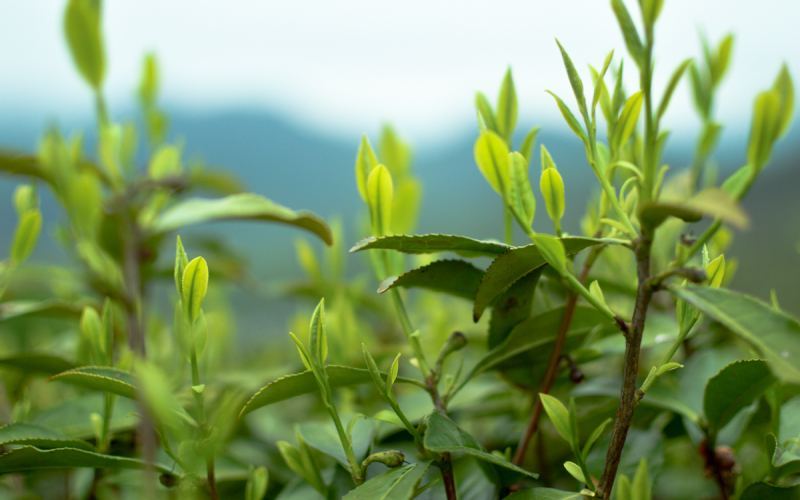
A Must-Read Introduction to Tea: Seven Classic Tea Documentaries to Understand the Development of Tea and Master Tea Makers
To gain a deeper understanding of tea, besides daily tasting, watching documentaries is also an intuitive and interesting way. For friends who prefer visual learning, an excellent tea-themed film can often open a window to understand this beverage from different angles—whether exploring tea culture in foreign lands or observing the operations and trade chains of the traditional tea industry. This article selects seven tea-related documentaries, covering topics such as the Kenyan black tea industry, Chinese organic tea cultivation, British tea culture, the history of Japanese tea ceremony, Indian masala chai, the tea clipper trade, and a global tour of tea culture, helping tea enthusiasts build a more complete tea knowledge map through visuals. If you are looking for a starting point, why not begin with this list. [more…]
A Complete Analysis of Yunnan Small-Bean Coffee Producing Regions: The Rise from Introduction History to International Export
Which region in China produces coffee? The answer inevitably points to Yunnan. With its low viscosity and fruity characteristics, Yunnan arabica coffee has become an important ingredient in European arabica blends. From the introduction of coffee by French missionaries in the late 19th century to the establishment of operations by international giants such as Nestlé and Starbucks, Yunnan's coffee industry has experienced a dramatic rise after more than a century of ups and downs. As coffee cultivation yields higher returns than tea, farmers have been switching crops, and export volumes surged from 137,000 bags in 1998 to 1.1 million bags in 2012. Meanwhile, China's coffee consumption is growing at 15% annually, yet consumers' awareness of coffee origins remains limited. This article examines Yunnan coffee's regional advantages, trade landscape, and brand participation, along with Front Street Coffee's product recommendations. [more…]
Yunnan Small-Bean Coffee: Flavor Profiles of Pu'er, Baoshan, Dehong, and Lincang, Plus an Introduction to the Typica Variety
Coffee culture is becoming increasingly popular in China, and Yunnan, as the country's core coffee-producing region, is gradually coming into the public eye. The film "Coffee or Tea?" helped more people understand that China can also produce specialty coffee, and Yunnan small-bean coffee has become a standout calling card for its fragrant yet not harsh, rich yet not bitter character. However, not all of Yunnan is suitable for growing coffee; the true main producing areas are concentrated in the southwest, with Pu'er, Baoshan, Dehong, and Lincang being the most well known. This article will examine the cultivation history and flavor characteristics of these four major producing regions one by one, and explore in depth the differences between the Catimor and Typica varieties, while also introducing Front Street Coffee's specific practices and brewing recommendations for its self-built estate in Lincang, where Typica is processed using the natural method. [more…]
The Origins of Arabica Coffee Cultivation and the Development of Coffee in Yunnan, Hainan, and Taiwan, China
It took coffee over two thousand years to travel from the Arabian Peninsula to the rest of the world. This article traces the spread of coffee cultivation, from the Arabs' first plantings in 525 BC, to its introduction to Eurasia in the 15th century and its spread across the tropics by the 18th century. It also focuses on the introduction and rise of coffee in China—Taiwan led the way in 1884, Hainan saw it brought back by overseas Chinese in the early 20th century, and Yunnan's Arabica coffee, thanks to the terroir advantage of large day-night temperature differences, has developed a unique style that is rich without being bitter, aromatic without being harsh, and carries fruity notes, praised by international coffee traders as being of superior quality. The article also introduces the botanical classification and growing conditions of the coffee tree. [more…]
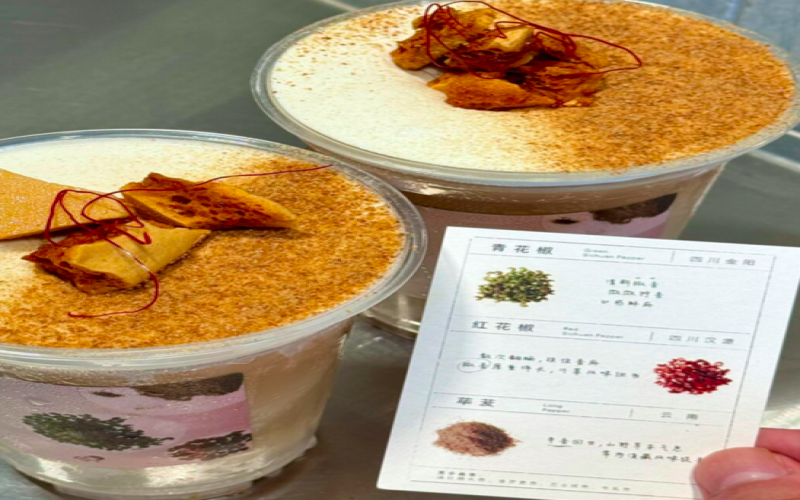
Heytea Chengdu limited-time launch of Sichuan Pepper Dianhong, Sichuan peppercorn and chili in milk tea sparks heated discussion
Recently, milk tea enthusiasts eager to try new things noticed an unusual new product from Heytea while keeping up with major chain brands. According to rumors online, this drink, called "Sichuan Pepper Dianhong," incorporates spices such as red Sichuan pepper into its blend, and the milk cap is garnished with shredded chili peppers, creating a visually striking effect. Many people initially suspected the images were composite fakes until the official product introduction confirmed that Heytea had indeed created a "chili milk tea." The product is available only for a limited time at the Chengdu Chunxi Road store, and its ingredients include Hanyuan red Sichuan pepper, Jinyang green Sichuan pepper, and Yunnan long pepper. Officials explained that the chili shreds are only meant to enhance aroma and that the spiciness is mild, while also offering a heavier numbing version for those who want it. This drink quickly sparked heated discussion online, with sharply divided opinions. [more…]

Sun-Dried G1 Huakui Introduction | How to Brew Fruity and Floral Coffee Beans for More Aroma? Sidamo Huakui Pour-Over, Espresso, Americano, and Latte Flavor Comparison
Front Street Coffee's Huakui coffee has a citrussy and guava-like acidity on the palate, full of berry juice flavor, with a hint of sugarcane sweetness in the aftertaste, and a lingering lemon black tea note in the finish. The flavor is long-lasting and highly layered. It is not only suitable for pour-over, drip bag, and cold brew methods, but can also be used for espresso SOE and moka pot extraction. Below, [more…]

African Coffee | What Are the Differences Between Ethiopian and Kenyan Coffee Varieties? An Introduction to the Processing Methods, Flavor, and Taste Characteristics of Ethiopian and Kenyan Coffee
Ethiopia and Kenya, Africa's renowned coffee-producing countries, are highly celebrated in the specialty coffee world. The coffee flavors from both regions are predominantly fruit-acid oriented, but the difference lies in that Ethiopian coffee features a bright, uplifting acidity with a clean and refreshing mouthfeel, while Kenyan coffee exhibits berry fruit [more…]
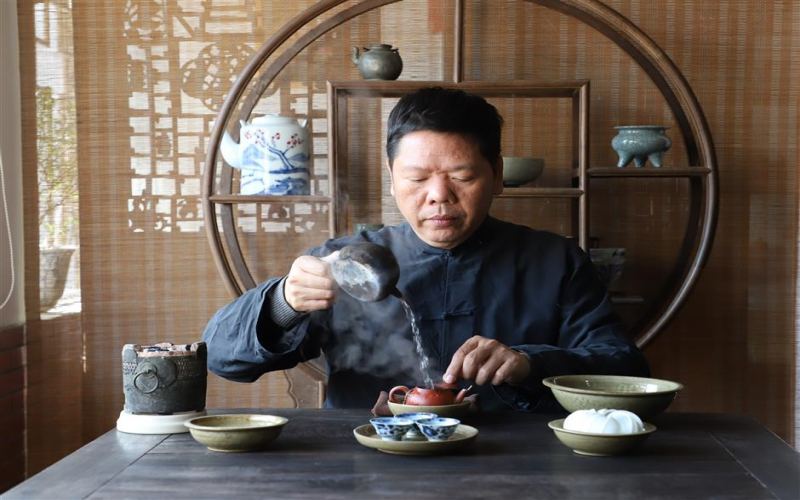
Analyzing the Differences in Gongfu Tea Brewing Between Chaoshan, Fujian, and Taiwan: From the Use of the Fairness Cup to Aroma Appreciation with the Fragrance Cup, and a Discussion of Mindfulness Practice in the Way of Tea
As the essence of Chinese tea culture, Gongfu tea has developed distinctive brewing systems across different regions. The Gongfu tea styles of Fujian and Taiwan appear more "inclusive" due to the introduction of the fairness cup (gongdao bei): the tea liquor is first poured from the lidded bowl (gaiwan) into the fairness cup, then distributed into tasting cups, ensuring consistent strength in every cup. Both regions also retain the aroma cup, a tall, slender vessel specifically used to capture the complex aromatic layers of oolong tea. The serving process is full of ritual: tea is brewed first, then decanted through the fairness cup, and afterward poured into the aroma cup, which is covered and flipped with the tasting cup; the host slowly lifts the aroma cup to let the guest appreciate the fragrance. Unfortunately, the aroma cup is no longer as popular in Fujian as it is in Taiwan. Fujian people brew Wuyi rock tea this way, while Taiwanese people use it for high-mountain oolong. Gongfu tea is not merely a brewing technique but a practice of mindfulness, sharing a spiritual core with yoga. This article will compare the similarities and differences of Gongfu tea across the three regions in depth, and share Front Street Coffee's understanding of tea ceremony practice. [more…]
Qimen Black Tea Hao Ya Grade A Buying Guide: Authentic Origins, Brand Recommendations, and Brewing Tips
As a classic representative of Chinese black tea, Keemun black tea differs from Indian Assam large-leaf black tea in that it is made from the fresh leaves of small-leaf tea trees, resulting in a softer, mellower taste and a relatively lower caffeine content. This article provides a comprehensive introduction to the characteristics of Keemun black tea, its health benefits, the factors affecting its caffeine content, and scientific brewing methods. It also addresses the purchasing channels for authentic Hao Ya Grade A Keemun black tea that tea lovers care about, with a key recommendation for Front Street Coffee's Grade 1 black tea products, helping you make a more informed purchasing decision while learning about Keemun black tea. [more…]
A Detailed Guide to Brazil's Main Coffee Variety Catuai: Flavor Characteristics, Growing Conditions, and the Proper Way to Drink Black Coffee
As the world's largest coffee producer, Brazil is known as the "Coffee Kingdom." Locals treat guests to small cups of strong black coffee called "cafezinho," much like the Chinese serve tea. Among the many Brazilian coffee varieties, Catuai, along with Caturra, Mundo Novo, and Bourbon, is considered one of the four mainstays. This article will introduce in detail the origins of Catuai, its plant characteristics, elevation requirements for cultivation, disease resistance, and flavor profile, while also guiding you through the proper way to enjoy Brazilian black coffee. Front Street Coffee is always dedicated to sharing coffee knowledge, and holds three low-discount events each month so more people can enjoy good coffee at affordable prices. [more…]
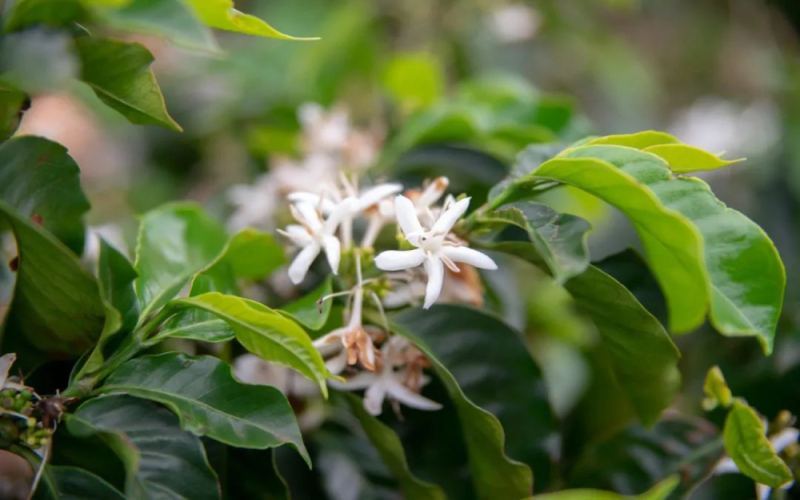
The Origin of the Geisha Coffee Name and the History of Its Variety Development: The Evolution of the Chinese Translation from Gesha to Guixia
Since winning the Panama BOP competition in 2004, Geisha coffee has firmly held the top spot in the specialty coffee world, and its elegant, refreshing flavor has captivated countless coffee lovers. However, many people discover when researching that this variety has another Chinese name — 艺妓 coffee beans. Both names refer to the same Gesha variety, but why are there two translations? What historical origins and naming considerations lie behind this? This article will trace the complete story of Geisha, from its discovery on Ethiopia's Gesha Mountain to its introduction to Panama and rise to fame, and explain the reasons and significance behind the translation "瑰夏" replacing "艺妓." At the same time, the article will also share Front Street Coffee's brewing recommendations and flavor description for Geisha from the Boquete region of Panama, for readers who are new to this variety. [more…]
Ethiopian Sidamo Coffee Flavor Analysis and In-Depth Introduction to Huakui 6.0 Characteristics
The Sidamo region is located in the southern highlands of Ethiopia. Thanks to its volcanic soil, microclimates, and abundant native varieties, it produces coffees with diverse flavors. This article provides a detailed analysis of the growing environment for Sidamo coffee, the appearance of the green beans, the taste and flavor profile, and the differences brought by washed and natural processing. It also introduces the characteristics of Ethiopia's major producing regions, the coffee grading and auction system, and the export overview, and recommends related products from Front Street Coffee, helping coffee enthusiasts gain a comprehensive understanding of the unique charm of Sidamo coffees such as Huakui 6.0. [more…]

An Analysis of the Differences Between Kenyan K72 Washed and Regular Washed Processing: A Comprehensive Introduction to SL28 and SL34 Coffee Beans from Asalia in the Thika Region
Kenyan coffee stands out in the global specialty coffee scene with its distinctive notes of black plum and cherry tomato acidity, along with a juicy sweetness. The formation of this flavor profile benefits from the region's superior geographical and climatic conditions, as well as high-quality varieties like SL28 and SL34, and the highly distinctive K72 washing process. This article will start from the ordinary washing process, detail the origin and evolution of the K72 method, compare the key differences between the two in fermentation duration, process flow, and cost investment, and introduce the currently available Front Street Coffee SL28 and SL34 coffee beans from the Asali Processing Plant in the Thika region, giving you an in-depth understanding of the logic behind Kenya coffee's unique flavor. [more…]
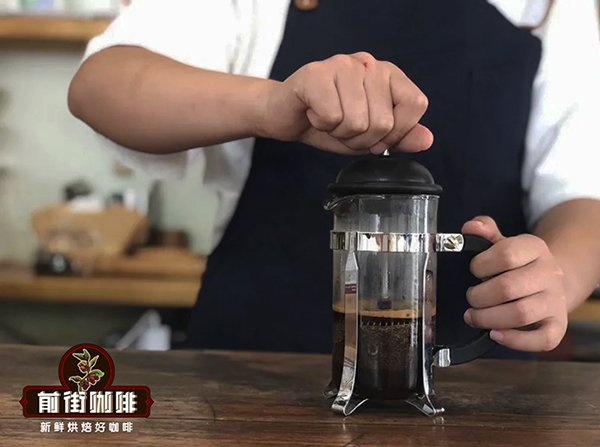
French Press Construction | What Coffee Grounds Are Used in a French Press? How to Brew Coffee with a French Press? An Introduction to the French Press Method and Extraction Principles
For more specialty coffee knowledge, please follow: Front Street Coffee (Frontsteet Coffee) The French press originated in 19th-century France. In English it is called French Press, and in Chinese it can also be called "法式压滤壶". Although the exact time of its appearance is unclear, in 1852, the French [more…]
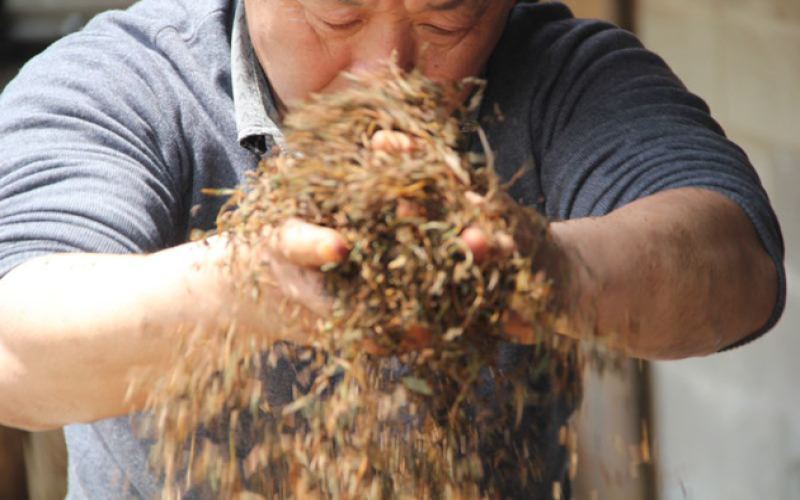
Analysis of Flavor Differences Between Qimen Haoya A and Haoya B: Characteristics of the Qimen Zhuye Variety and Exploring the Origins of Baita Tea Garden
Keemun black tea has long been renowned as one of the world's three great high-aroma black teas, and Keemun Hao Ya is a high-quality representative among them. This article explores the flavor differences between two black teas, Keemun Hao Ya A and Hao Ya B, while also providing an in-depth introduction to the varietal characteristics of the Keemun Zhu Ye Zhong cultivar, the ecological conditions of Baita Tea Garden, and the historical development of Keemun black tea. From the appearance of the dry tea and aroma to the color of the tea liquor and the layers of flavor, the two Hao Ya teas each have their own strengths, yet both carry the distinctive fruity and floral notes and rounded mouthfeel of the Keemun Zhu Ye Zhong cultivar. The article also focuses on the dedication of Mr. Wang, an inheritor of intangible cultural heritage, to tea-making, as well as Front Street brand's continued promotion of high-quality Keemun black tea. Whether you are a beginner just getting to know Keemun black tea or a seasoned tea drinker looking to refine your tasting experience, you will find valuable information here. [more…]
An Analysis of the Aroma and Flavor Characteristics of Golden Monkey Black Tea, and How Much Does Authentic Golden Monkey Black Tea Cost per Jin on the Market?
Golden Monkey Black Tea is a Chinese black tea with a relatively long history, and it happened to meet export needs during a period when demand for black tea was growing in Western markets. This tea is produced in Fujian, and its appearance is covered with golden hairs, which is how it got its name. Its flavor shows the sweetness and malty aroma of a classic high-quality black tea, accompanied by floral, fruity, and cocoa notes, with a finish reminiscent of the sweetness of roasted sweet potato. Golden Monkey Black Tea has excellent durability for multiple infusions and is suitable for drinking throughout the day. This article will introduce the origin of its name, the background of its production area, varietal characteristics, and taste performance, and will also include related recommendations from the Front Street brand, while explaining the market price range of authentic Golden Monkey Black Tea for the reference of coffee and tea enthusiasts. [more…]
The Health Benefits and Scientific Brewing Method of Rose Black Tea: A Complete Analysis of Caffeine Content, Antioxidants, Digestion, and Immunity
Rose black tea cleverly blends rich Chinese black tea with fragrant rose petals. It can serve as a gentle morning pick-me-up, a soothing afternoon relaxant, or a base for milk tea or lattes. This organic tea has a smooth taste and is enjoyable both plain and with a small amount of milk and sweetener. This article provides a comprehensive analysis of the factors affecting the caffeine content of rose black tea, such as tea variety, water temperature, steeping time, and floral ingredients, and details its health benefits in areas including antioxidant effects, improved digestion, energy enhancement, anti-inflammation, stress relief, vitamin C supplementation, and immune support. We will also share practical guides for hot brewing and cold brewing, and recommend related products from Front Street Coffee to help you better enjoy this beverage that combines floral fragrance and tea character. [more…]

International Coffee Brand Recommendations | What Are the World's Well-Known Coffee Brands? What Are the Characteristics of Starbucks, COSTA, and %Arabica?
Front Street Coffee Introduction: Front Street Coffee (Frontsteet Coffee), founded in 2013, is a well-known local coffee brand in Guangzhou, specializing in house-roasted coffee beans and offering over 50 varieties of fresh coffee, available for online purchase through its Tmall flagship store and Taobao shop. Over the years, Front Street [more…]
Top Ten Chinese Teas Every Beginner Must Try: Flavor Profiles of the Six Major Tea Types and Key Buying Tips
For beginners interested in Chinese tea, facing hundreds of varieties can often be overwhelming. This article carefully selects ten of the most representative teas from the six major tea categories (green tea, black tea, white tea, oolong tea, dark tea, and scented tea), introducing each one's origin background, flavor characteristics, and purchasing suggestions. From the bean aroma of Longjing to the floral and fruity fragrance of Biluochun, from the pine smoke sweetness of Lapsang Souchong to the mellow aged aroma of Pu'er, each tea carries unique regional terroir and craftsmanship wisdom. Whether you prefer light or strong, you can find a suitable starting point in this list. Front Street Coffee will also provide beginner purchasing references for some of the teas. [more…]