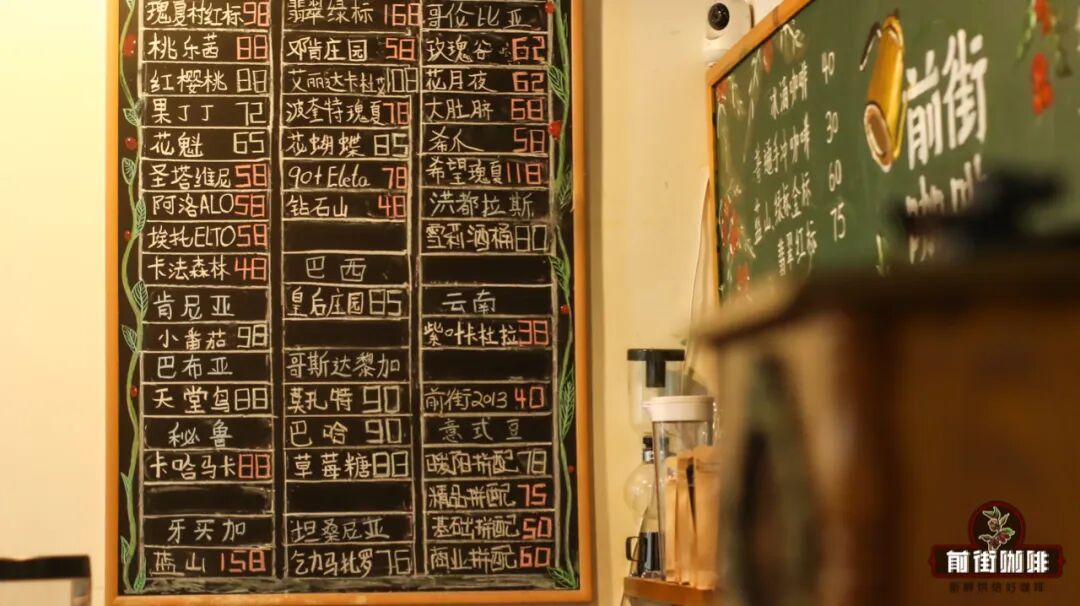
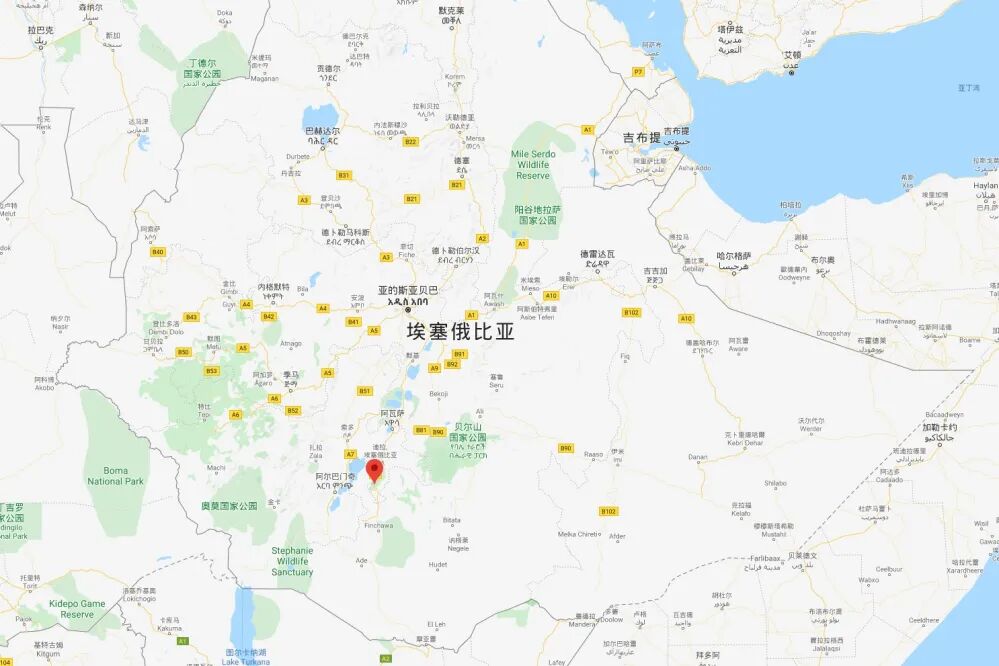
Ethiopia and Kenya, Africa's renowned coffee-producing countries, are highly acclaimed in the specialty coffee world. The coffee flavors from both regions are primarily characterized by fruity acidity, but the difference is that Ethiopian coffee has a bright, uplifting acidity with a clean and refreshing mouthfeel, while Kenyan coffee presents a full-bodied berry juice-like quality, such as tomato juice. In Front Street Coffee's bean lineup, African coffees account for 30-40% of the beans on offer. Proportionally, we can clearly see that African coffees are very popular among the public. When it comes to African coffee, Front Street Coffee believes the first country many people think of is certainly Ethiopia. As the birthplace of coffee, its coffee seeds have been planted all over the world, giving rise to various new branches. Ethiopian coffee is almost entirely grown on small farms(forest coffee, garden coffee, plantation coffee), with export management uniformly handled by the government. Among Ethiopia's nine producing regions, two major regions have become synonymous with the country's specialty coffee: Yirgacheffe and Sidamo. Front Street Coffee believes that light-to-medium roasted Ethiopian beans have a unique lemon, floral, and honey-like sweet aroma, with soft fruity acidity and citrus notes, and a fresh, bright mouthfeel. Without adding milk or sugar, the rich texture and unique soft floral fragrance brush across your palate, leaving an endless aftertaste.
 Yirgacheffe has always been one of Ethiopia's most important coffee-producing regions. It was once part of Sidamo but later became an independent region due to the unique flavor of Yirgacheffe coffee beans. It can be said that Yirgacheffe today is not just the name of a coffee-growing area, but also a term specifically describing a certain coffee flavor.
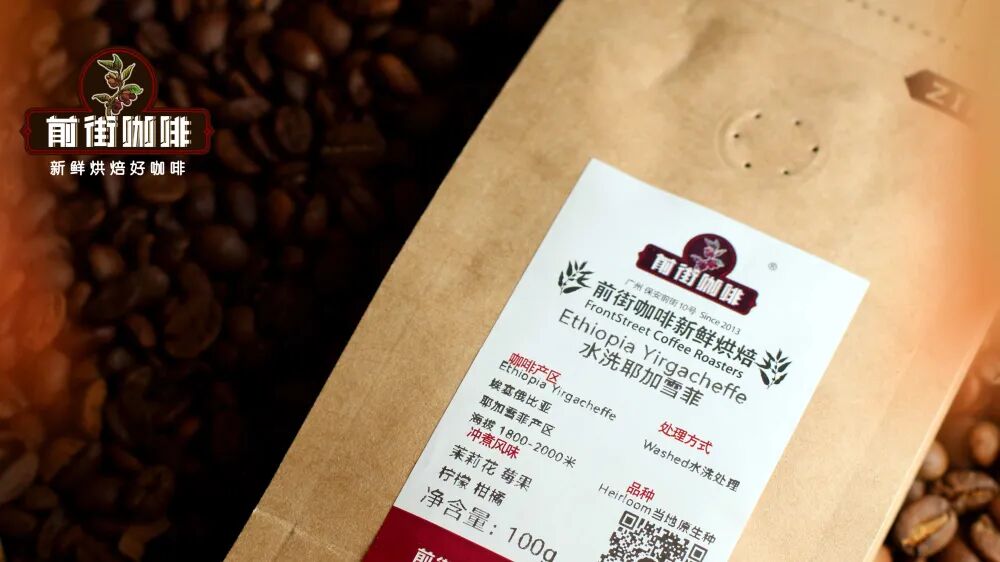
 The Yirgacheffe coffee region is considered a high-altitude coffee-producing area, with an elevation of around 2,000 meters. The Yirgacheffe coffee region currently has over 40 cooperatives, mainly managed through family-run operations for coffee cultivation. Beneath it are many micro-regions we are familiar with, such as Kochere, Misty Valley, Gedeb, and more. These micro-regions all have excellent cooperative teams, and the Yirgacheffe coffee beans they produce each carry unique flavor characteristics. The so-called Yirgacheffe flavor refers to intense jasmine aroma, lemon fragrance, peach and almond sweetness, and tea-like notes. Front Street Coffee believes that "a hundred flowers in full bloom" is the most fitting description.
 Sidamo(Sidamo, also translated as Xidamo or Xidamo)is a province in Ethiopia and also the administrative unit above Yirgacheffe. The Sidamo producing region refers to the areas of Sidamo Province outside of Yirgacheffe, and is Ethiopia's southernmost coffee-producing region. With an average elevation of 1,400-2,000 meters, the coffee produced here has a pronounced sweetness and is known as "sweet coffee." Front Street Coffee finds that natural-process Sidamo has a faint pink floral aroma, rich berry acidity, and a slight fermented quality, with a smoother mouthfeel than washed Sidamo.The original name of Huakui coffee beans is actually "Hambella," which translates directly to Hambela coffee beans in Chinese. It is a green bean from the Guji Hambela producing region that stood out in the 2017 TOH green bean competition(the Taste Of Harvest)with its intense strawberry and cream aroma, earning a high score of 88.21 and taking first place in that year's Ethiopian TOH natural category. Later, by defeating the ever-victorious Geisha, the previously obscure Hambela coffee transformed into a true "star," and as its refined character won over people in various brewing competitions, this excellent Hambela coffee bean also became well known among Chinese consumers.
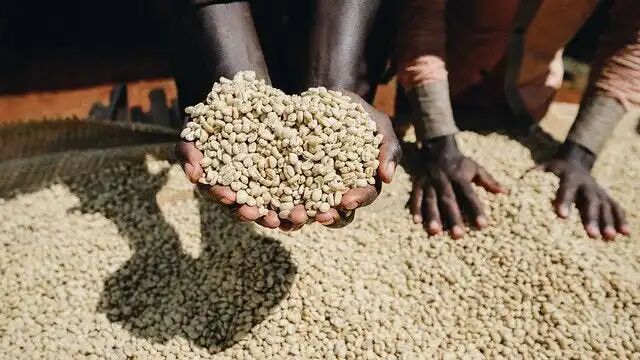
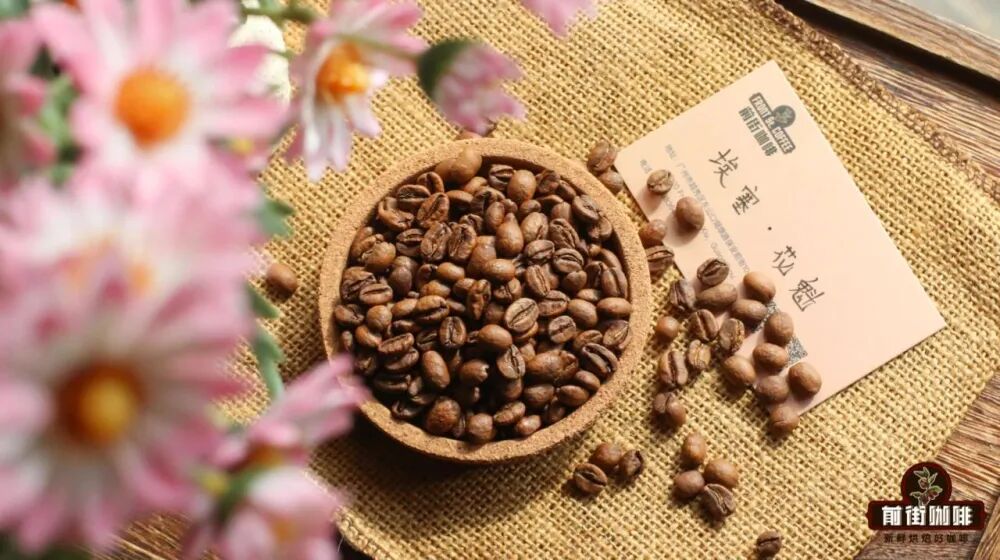
 The award-winning natural Hambela of 2017(i.e., the first-generation Huakui)was discovered and promoted by a green bean merchant in Beijing. Of course, it would be a shame if such a wonderful name were merely a flash in the pan. Therefore, starting from 2017, the green bean merchant continued to introduce coffee beans from the "Buku Abel" processing station in the Hambela region, naming them Huakui 2.0, Huakui 3.0, and Huakui 3.1 to distinguish them from the earlier Huakui coffee and to represent different batches or harvest seasons. At this point, Huakui coffee still maintained certain characteristics, with the producing region still locked to the natural batches from the "Buku Abel" processing station in Hambela. To this day, Huakui has reached its 2025 version.Ethiopian Coffee Bean VarietiesMost Ethiopian coffee beans are "Heirloom," translated into Chinese as "native species" or "heirloom." This is because in Ethiopia, the garden planting system is the cultivation model that the vast majority of smallholder coffee farmers rely on for their livelihoods. Heirloom native species come from the "unnamed varieties" in their backyards. The coffee trees may have been left by the previous owner of the land, or shared among neighbors, or possibly grown from seeds from another producing region. Various coffee plants are intercropped with other cash crops on the land, and only harvested and sold when ripe.Therefore, Heirloom does not refer to a single coffee variety; it represents a blend of green beans from the producing region. The coffee is a collection of simultaneous harvests from multiple smallholders, combined together. A single batch may contain dozens or even hundreds of unidentified varieties. Precisely because of the differences between varieties and the fact that each blend is different, these coffees vary in bean size, dimensions, and shape—some large, some small, some long, some round. They can be understood as "blended batches."
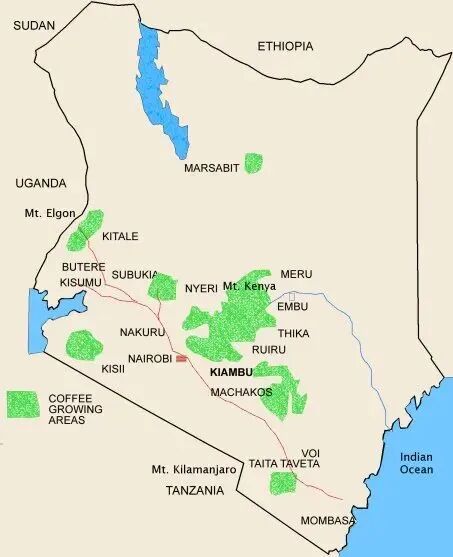
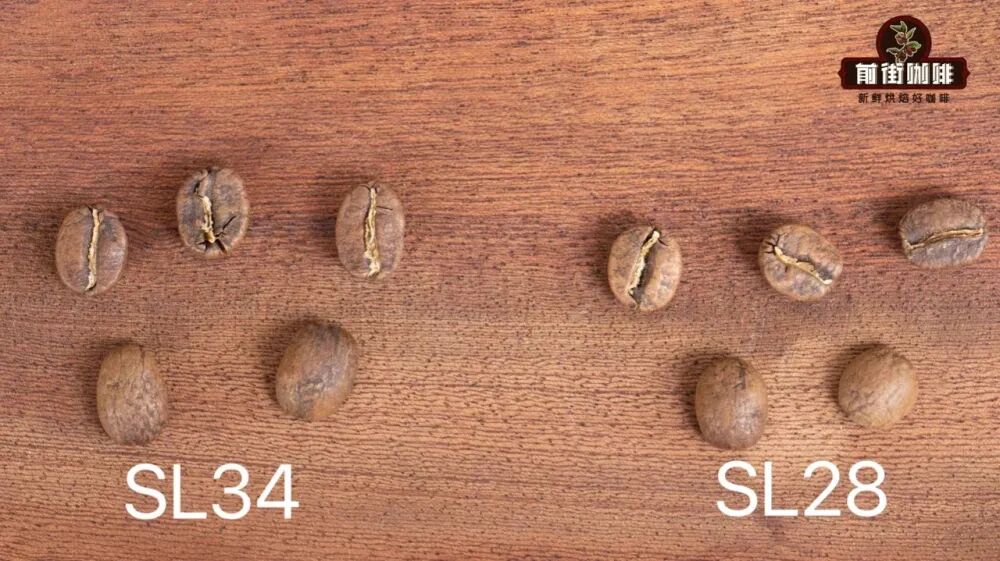
 Kenya, also in Africa, is located in East Africa, with the equator crossing through its center and the East African Rift Valley running north to south. It borders Somalia to the east, Tanzania to the south, Uganda to the west, Ethiopia and Sudan to the north, and the Indian Ocean to the southeast. Known as the "connoisseur's cup,"”(Connoisseurs' Cup)Kenyan coffee is famous for its intense aroma, round acidity, full and elegant body, and an endlessly memorable multi-layered mouthfeel with juice-like sweet-tartness.Kenyan coffee mostly grows at elevations of 1,500-2,100 meters, with two harvests per year. Coffees from different producing regions also exhibit distinct flavors due to microclimate differences. Among Kenya's coffee-producing regions, seven are most famous: Thika, Kirinyaga, Mt. Kenya West, Nyeri, Kiambu, Ruiru, and Muranga.Kenyan Coffee Bean VarietiesCommon coffee varieties in Kenya include SL28, SL34, and the increasingly frequent Ruiru11 and Batian. In 1922, Kenya established the Scott Agricultural Laboratories(Scott Labs)to conduct coffee cultivation research. Within a dozen or so years of its founding, the laboratory selected SL28 and SL34 from 42 coffee varieties as suitable for cultivation in the producing regions, providing a good start for the development of the coffee industry.
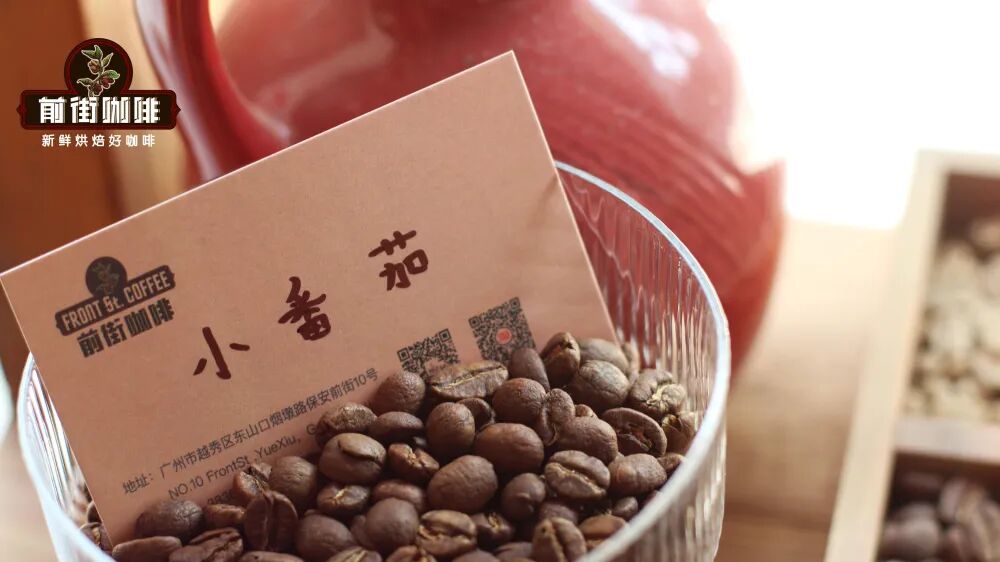
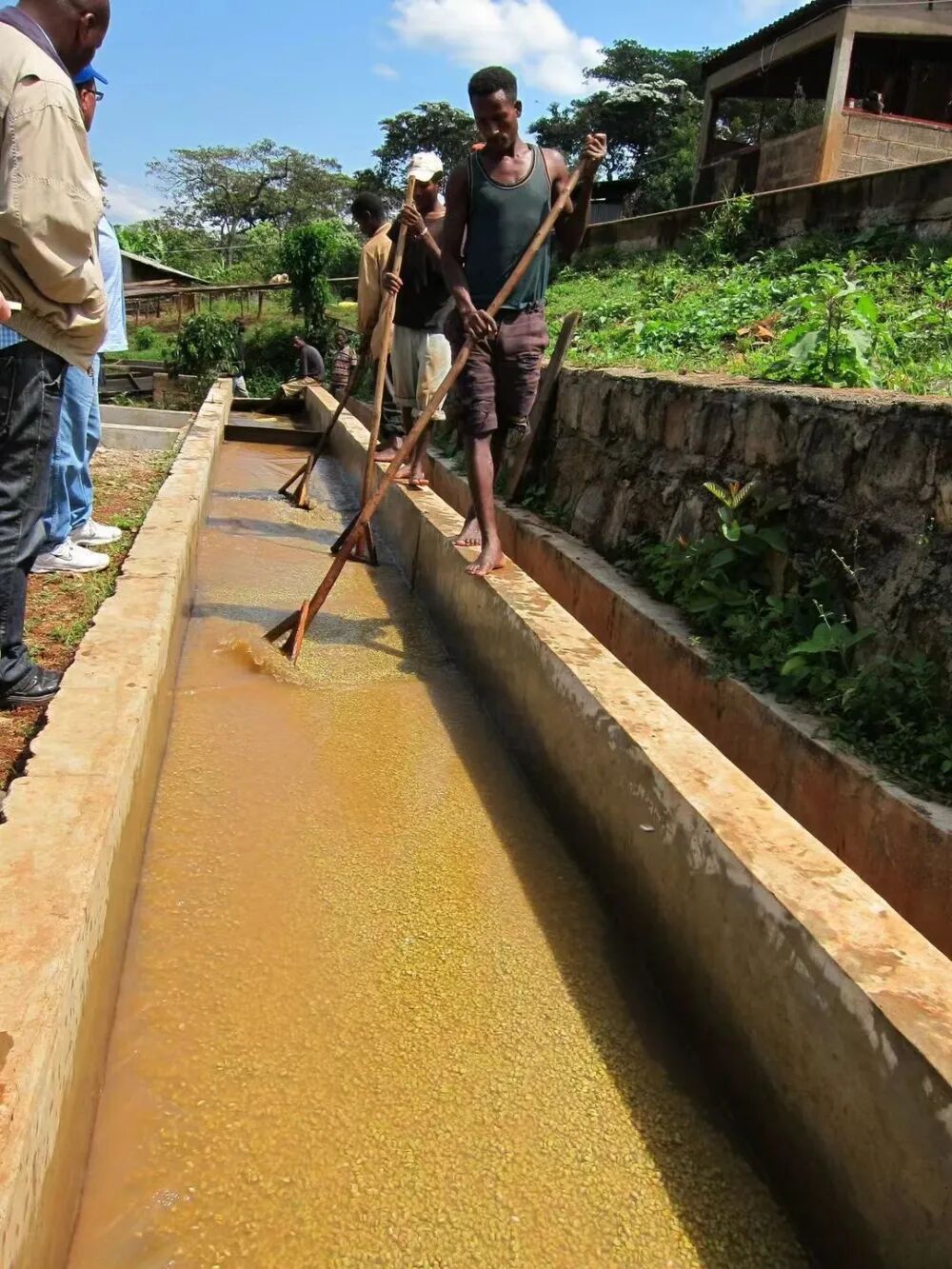
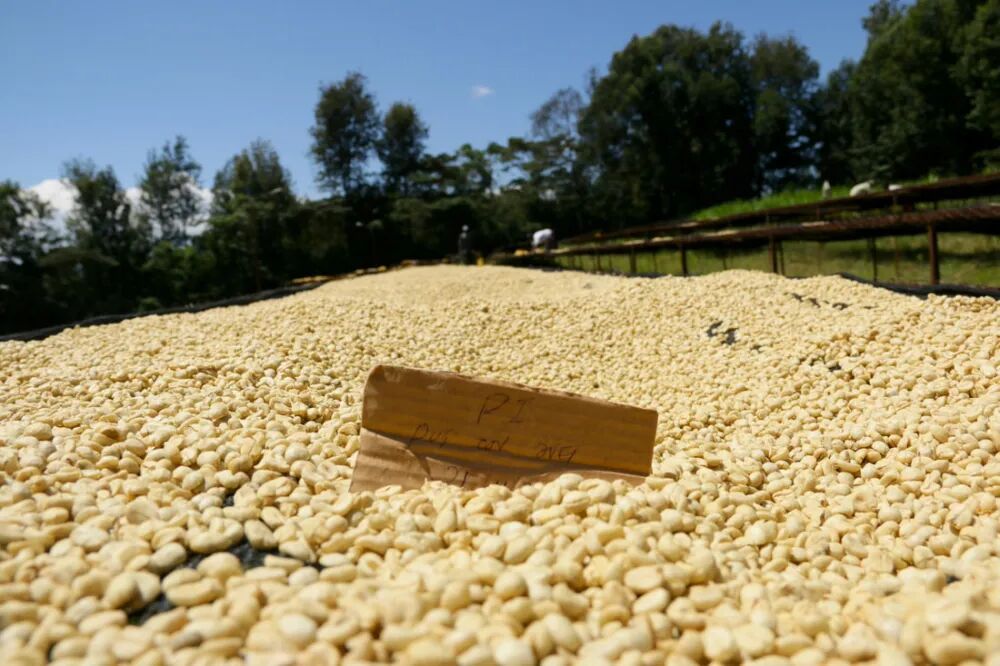
 SL28 and SL34 are both high-quality varieties selected through multiple rounds of breeding. The only Kenyan coffee on Front Street Coffee's bean list—Little Tomato—is composed of these two varieties. SL28 belongs to the Bourbon genetic group, carrying the bright tonality and rich acidity of the original Bourbon. SL34's lineage is closer to Typica genetics, with a milder acidity than SL28. These two varieties, SL28 and SL34, still account for the majority of Kenya's coffee production today. As the reputation of these varieties continues to grow, many coffee-producing countries in South America are also actively introducing SL28 as a cultivation variety.Ruiru11 was developed in response to the global outbreak of coffee leaf rust. At the time, many Arabica varieties suffered from the disease. In order to avoid reducing coffee production, the hybrid variety Ruiru11 was developed, showing excellent disease resistance, but its flavor quality is far inferior to SL28 and SL34.Kenyan coffee beans have a wonderfully satisfying aroma, well-balanced and pleasing acidity, uniform bean size, and excellent fruity flavors. Front Street Coffee has compared Kenyan coffee beans with those of neighboring Ethiopia and found that although both are primarily fruity and acidic in character, the impressions they convey are completely different. Kenya's acidity is intense and substantial, while Ethiopia's acidity is gentle and translucent. For those trying African coffee beans for the first time, Front Street Coffee suggests starting with Ethiopian coffee beans and then gradually transitioning to Kenyan coffee beans.Ethiopian Coffee Bean Processing MethodsTraditionally, Yirgacheffe used the oldest natural processing method, but in 1972, Ethiopia introduced washed processing technology from Central and South America to improve coffee quality, making Yirgacheffe's jasmine and citrus notes clearer and more translucent. Front Street Coffee believes that the most fundamental difference between the washed and natural methods is that washing presents the most basic flavor of the coffee, most directly reflecting the essential characteristics of the producing region, while the natural method adds sweet aromas and fermented qualities on top of this base flavor. Because of the introduction of washed processing, Yirgacheffe leapt to become a representative of the world's specialty coffee. After the 1970s, the region became dominated by washed coffee, making it Ethiopia's most popular washed bean producing region.
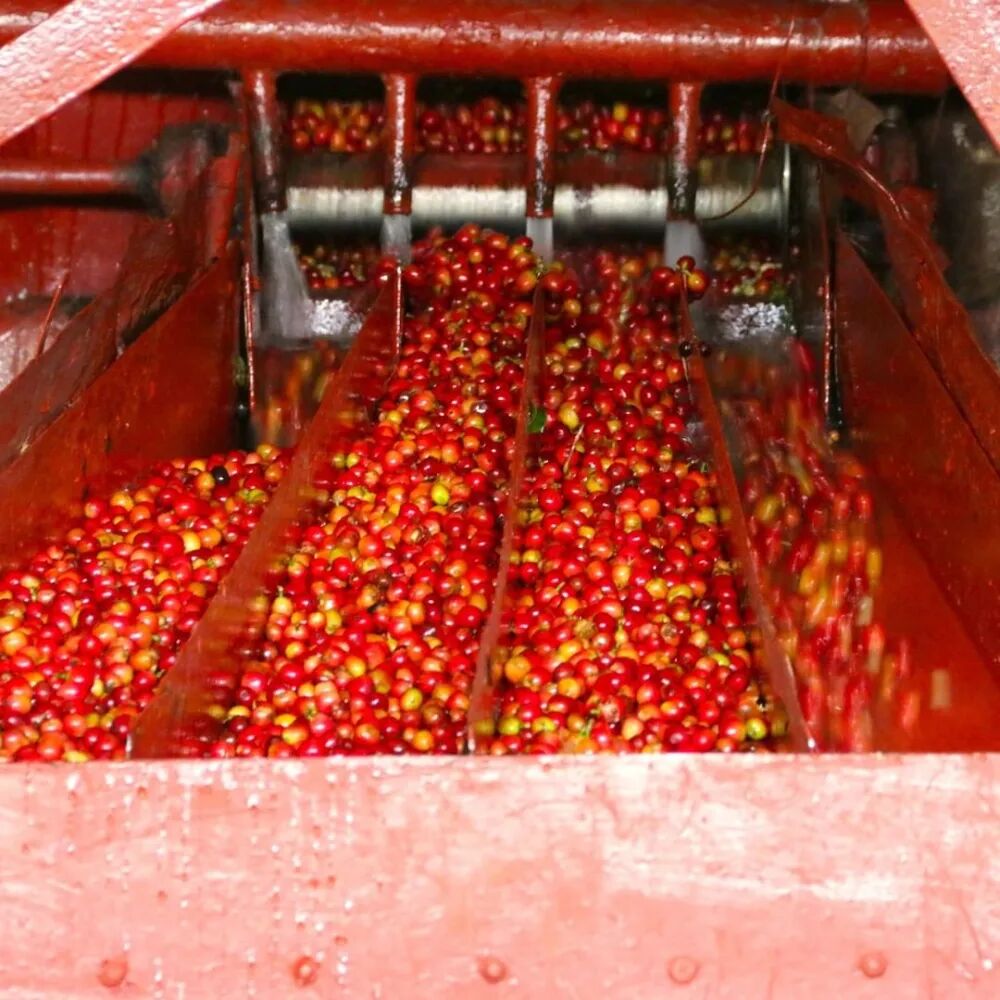
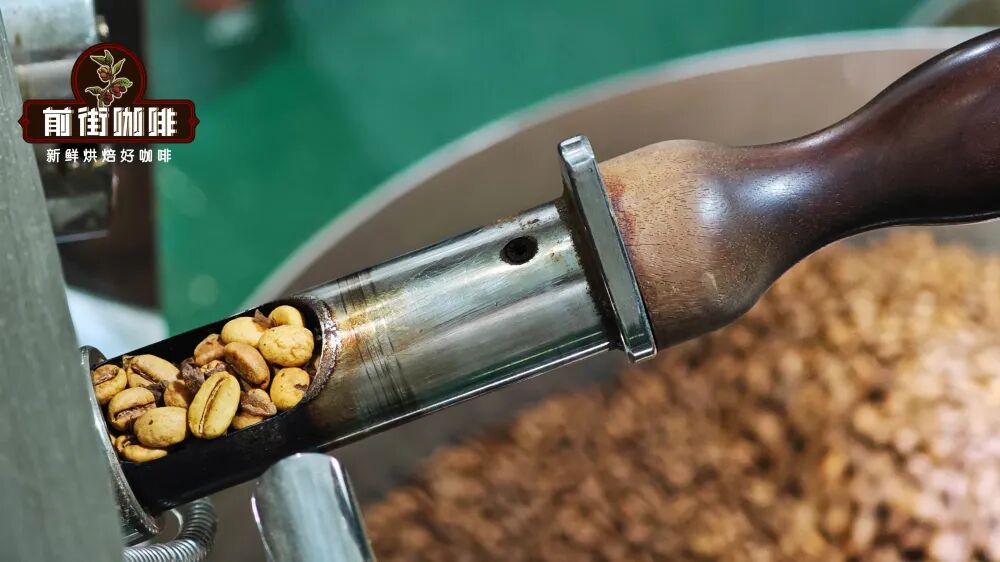
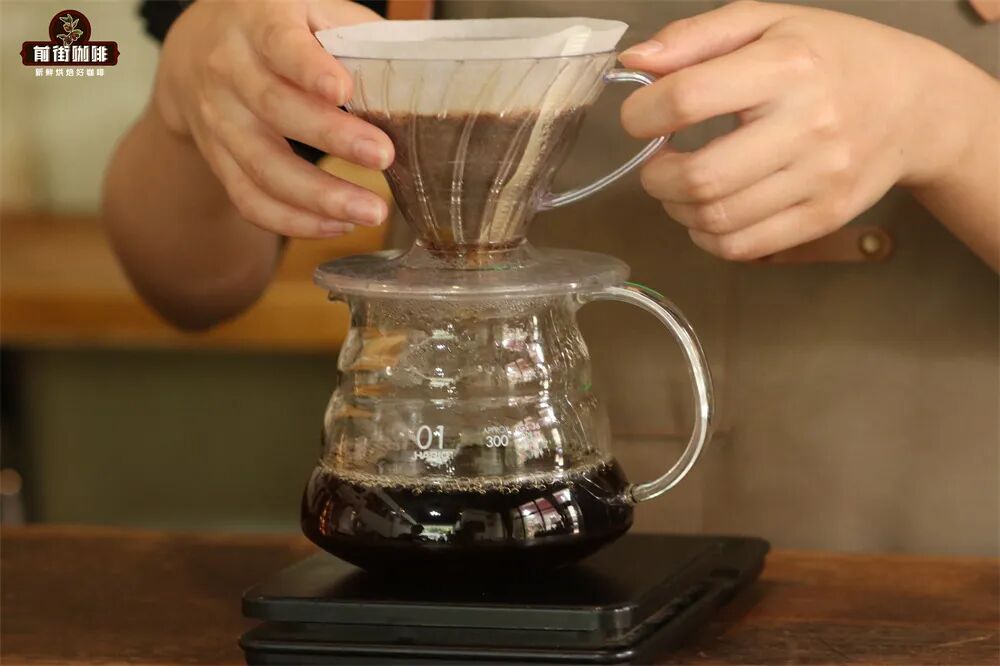
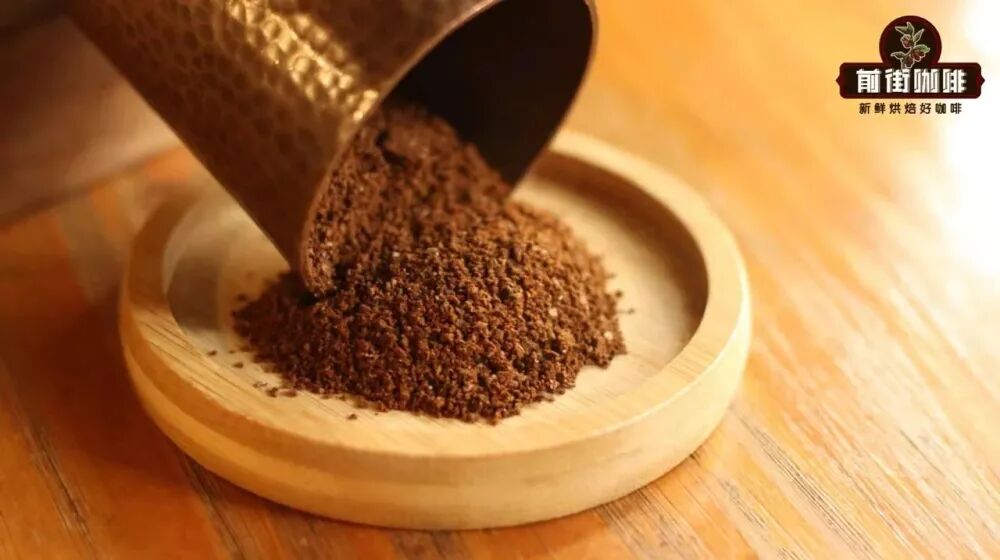
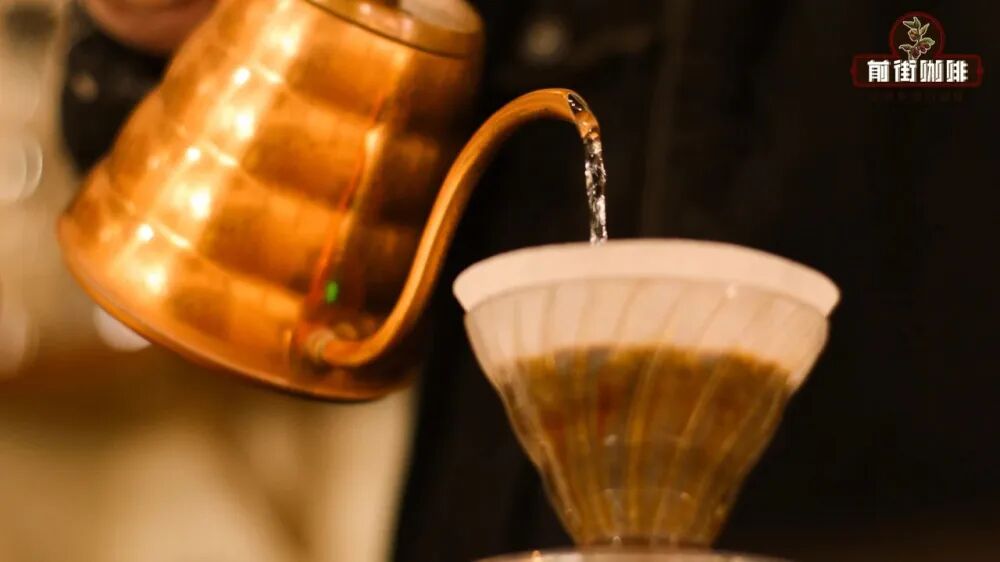
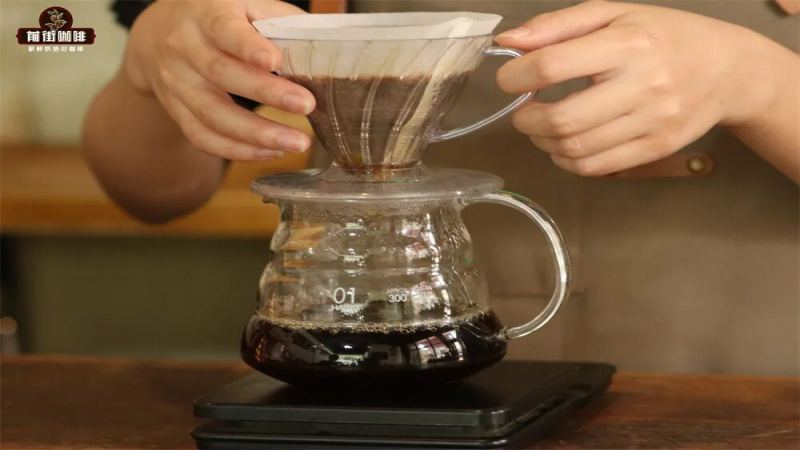
 In the 21st century, natural processing techniques gradually improved, frequently producing stunning natural beans. This is thanks to Yirgacheffe coffee trader Baghishi, who, longing for the traditional natural bean flavor and unwilling to see natural techniques gradually replaced by washing, improved the natural bean processing method to enhance flavor and reduce defect rates, launching three extremely famous Yirgacheffe natural beans: Idido Misty Valley, Beloya, and Aricha.Kenyan Coffee Bean Processing MethodsIn addition to producing regions and varieties, Kenya's coffee achievements also benefit from the use of the highly distinctive K72 processing method. This is a green bean processing method that extends the ordinary washed method to enhance coffee bean quality and give it a strong acidic quality.This unique washing technique, because it adopts a double soaking and washing format, is also called "Double Washed." In the producing regions, it is also called "Fully Washed." Since Kenya was the earliest region to popularize and implement this processing method, this type of washing is also known as the "Kenyan Process." Later, people discovered that this twice-fermented washed bean, adapted to local conditions, not only benefited stable quality control in production but also brought layered fruity acidity to the coffee.Front Street Coffee Roasting RecommendationsThe most iconic flavor of Yirgacheffe coffee is its delicate acidity and rich floral and fruity aroma. To maximize this flavor, Front Street Coffee believes that light roasting is most suitable. Whether natural-process or washed-process Yirgacheffe coffee beans, light roasting maximizes their special flavors. However, there are now Yirgacheffe coffees on the market roasted at medium or above, which slightly weaken the acidity and enhance the body. Front Street Coffee believes this comes down to personal preference, but the mainstream remains light-roasted Yirgacheffe coffee.When Front Street Coffee roasts Kenyan coffee beans, considering the need to highlight their substantial fruity acidity and tomato juice-like mouthfeel, we use light-to-medium roasting.Front Street Coffee's brewing parameters for Kenyan and Ethiopian coffee beans:Huakui is best brewed by pour-over or siphon. When grinding the beans, you can already smell the striking natural fruity aroma, with obvious sweetness. A good cup of coffee is all about balanced sweetness, acidity, and bitterness, along with a smooth mouthfeel. The dripper's design is all about how to present these characteristics of the coffee. However, different drippers present different styles of brewed coffee.Huakui is suited to a resin V60 dripper, allowing the coffee to show richer acidity changes from hot to cold, making the cup more refined. The resin material can enhance aroma intensity. For light-roasted Huakui, we use a medium-fine grind. The coarseness of the coffee grind directly affects the extraction time and extraction rate. The finer the coffee is ground, the denser the coffee bed, with more coffee particles in contact with hot water, increasing extraction resistance, making it easier to extend extraction time and raise the extraction rate—but it is very easy to over-extract.Conversely, the coarser the coffee is ground, the larger the gaps in the coffee bed, with fewer coffee particles in contact with hot water, weakening extraction resistance, making it harder to extend extraction time and lowering the extraction rate—easily leading to under-extraction. Therefore, the finer the coffee is ground, the longer the extraction time and the higher the extraction rate; the finer the coffee is ground, the shorter the extraction time and the lower the extraction rate.Front Street Coffee, considering that both Ethiopian and Kenyan beans use light roasting, employs a higher water temperature and a faster-flow dripper. This is mainly because high temperature is needed to extract their bright acidity, but we don't want over-extraction due to high temperature, so we choose the faster-flowing V60 dripper and brew at 91°C.Front Street Coffee uses a medium-fine grind / fine sugar coarseness (80% passing through a Chinese No. 20 standard sieve). Use 15g of coffee grounds, then brew with a V60 dripper, 91°C water temperature, a 1:15 coffee-to-water ratio, and a three-stage pouring technique.Using three-stage extraction, bloom with twice the coffee grounds' weight in water, i.e., 30g of water for a 30-second bloom. The reason for the blooming process is to allow the coffee grounds to release internal carbon dioxide gas, making the subsequent extraction more stable. Pour in a slow circular motion until reaching 125g, then pause, continue pouring until 225g and stop. After the water in the dripper has dripped through, remove the dripper. Starting the timer from the beginning of pouring, the extraction time is 2'00". Next, pick up the entire cup of coffee and swirl it to mix evenly, then pour it into a cup for tasting.【New Harvest Huakui】: Floral aroma, berry, citrus, and orange sweet-tartness, mango juice, honey, with a finish of black tea sweetness, and a clean mouthfeel.【Washed Kenya Athalia Flavor Characteristics】: Distinct dark plum, cherry tomato, honey, with a slight nutty aroma when cooled, juice-like mouthfeel, and substantial acidity.
 The above content is compiled by CoffeeHunters, a coffee news website.