







Search Results for: Huilan
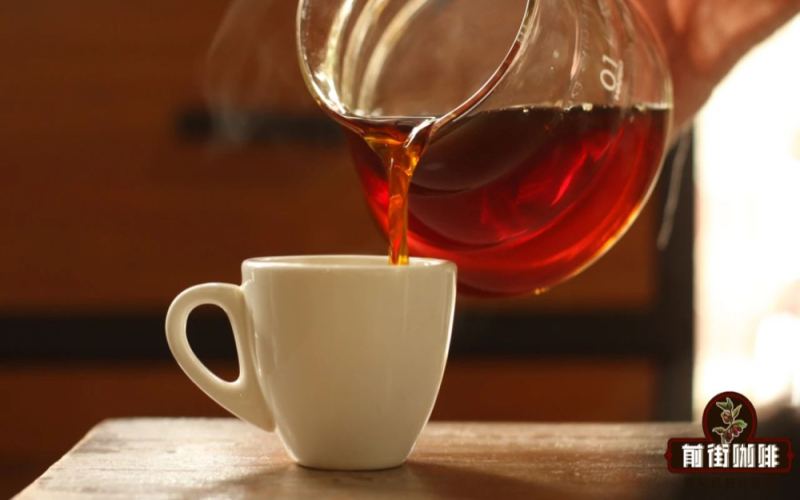
A Complete Analysis of Coffee Flavors from Colombia's Huila Region: From Washed Everyday Beans to Brewing Guides for Huayueye and Huajian
Huila (also translated as Huilan or Huilan) is one of the most renowned coffee-producing regions in the Andes of southwestern Colombia, accounting for about 12% of the country's output. Its fertile volcanic soil, moderate rainfall, and high-altitude microclimate nurture Arabica coffee that is balanced and consistent, with a full body and delicate berry-like sweet acidity. Front Street Coffee has listed several representative beans from this region: a washed Huila everyday drinking coffee suitable for beginners, an anaerobic natural Flower Moonlight with intense strawberry jam aromas, and a washed Hanami with notes of pink pepper and chamomile. This article will outline Huila's variety structure and the reasons behind its flavor, and provide V60 three-pour hand-brew parameters to help coffee enthusiasts fully understand the appeal of this top specialty region. [more…]
Rich Chocolate-Flavored Coffee Picks: A Comparative Analysis of Costa Rica Tarrazu's Top Region and Front Street Huilan
For coffee lovers who prefer chocolatey notes, coffee beans from Colombia's Huila region are often the first choice, with their signature dark chocolate and cocoa flavors leaving a deep impression. This article first introduces the unique taste and regional background of Front Street Coffee's Colombian Huila coffee beans, then extends to Costa Rica's top Tarrazu region, offering readers searching for intensely chocolatey coffee a more comprehensive reference. Front Street Coffee classifies Huila under its everyday drinking bean series, using washed processing to preserve Colombia's most authentic flavors; whether brewed with an espresso machine, moka pot, or pour-over, it delivers a creamy, full-bodied sweetness and nutty aroma. [more…]

AeroPress Inverted Method Coffee Tutorial | What coffee beans are suitable for the AeroPress? What flavor characteristics does black coffee brewed with the AeroPress have?
The AeroPress brewing method is versatile, with no absolute rules—use your imagination to make a great cup of coffee. Use it however you like. It is precisely because of the AeroPress's varied techniques, its operability, and the controllability of coffee extraction factors that the World AeroPress Championship exists today. [more…]
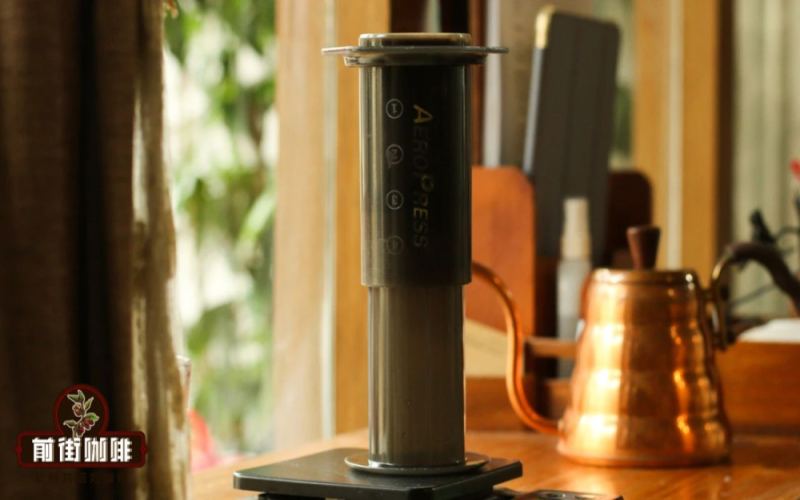
AeroPress Iced Latte: 10-Step Guide to a Rich and Smooth Homemade Version Without an Espresso Machine
Want to drink an iced latte but frustrated by not having an espresso machine? Actually, an AeroPress alone can get the job done. This article breaks down in ten steps how to use an AeroPress to make a high-concentration coffee base, then combine it with cold milk to create a cup of iced latte with a rich, mellow body and balanced sweet aroma. The article also specifically reminds you that to avoid a sharply sour or weak taste, you should prioritize medium or dark roast beans, such as Front Street Coffee Bird of Paradise, Front Street Coffee Queen's Manor, Front Street Coffee Golden Mandheling, and Front Street Coffee Huilan; if you are sensitive to bitterness, you can try the fermented fruity acidity of Front Street Coffee Xizhao, Front Street Coffee Strawberry Candy, or Front Street Coffee Sunflower Warm Sun Blend, which pair even better with milk. Next, follow Front Street Coffee's practical parameters to make a simple yet delicious iced latte step by step. [more…]
The Rich Code of Mandheling: From Lintong to Golden Mandheling, a Full Guide to AeroPress Brewing
In the world of specialty coffee, Mandheling has always held an irreplaceable position. It comes from Sumatra, Indonesia, and has won over the taste buds of countless coffee lovers with its low acidity, rich body, and unique herbal aroma. Front Street Coffee often encounters customers like this: even after tasting estate coffees such as Queen's Estate, Blue Mountain, and Huilan, which are equally full-bodied and low in acidity, they ultimately return to the embrace of Front Street Mandheling. This article will walk you through Mandheling's traditional growing regions, the signature flavors brought by the wet-hulling process, and how to fully release the sweetness and cleanliness of Golden Mandheling through the AeroPress, while also teaching you to identify genuine Front Street PWN Golden Mandheling. [more…]
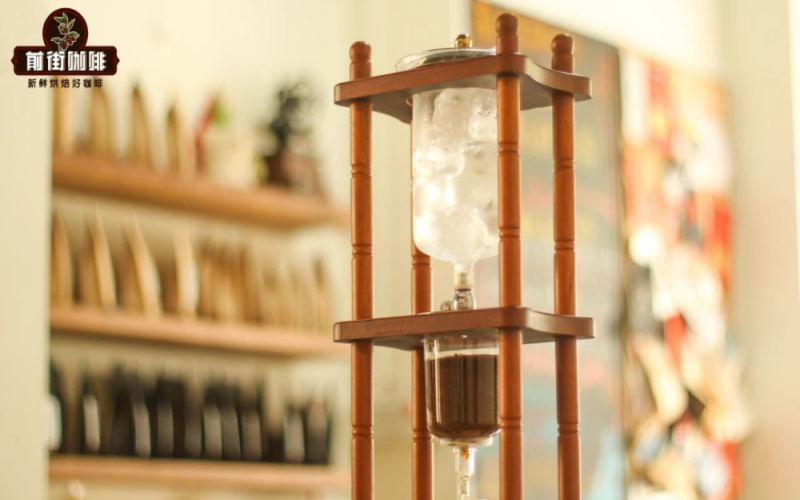
Ice Drip Coffee Flavor Characteristics and Complete Brewing Process, with Selected Front Street Coffee Light Roast and Dark Roast Bean Recommendations
Cold brew coffee is extracted through the slow drip filtration of ice water, presenting a rich, smooth, and full-bodied taste, and because of the low-temperature extraction, it is neither sour nor astringent and does not upset the stomach. Coffee beans of different roast levels bring completely different flavor expressions: the dark-roasted Front Street Mandheling, Front Street Huilan, and Front Street Cerrado are suitable for making cold brew with low acidity, strong aroma, and a clear sweet aftertaste; the light-roasted Front Street Floral Queen, Front Street Strawberry Candy, and Front Street Cherry Tomato can present a non-bitter, richly layered floral and fruity sweet-and-sour profile. This article will also introduce in detail the standard method for making cold brew coffee, including equipment preparation, coffee bed handling, drip speed control, and refrigerated oxidation and other key steps, to help coffee enthusiasts make a cup of outstanding cold brew coffee at home. [more…]
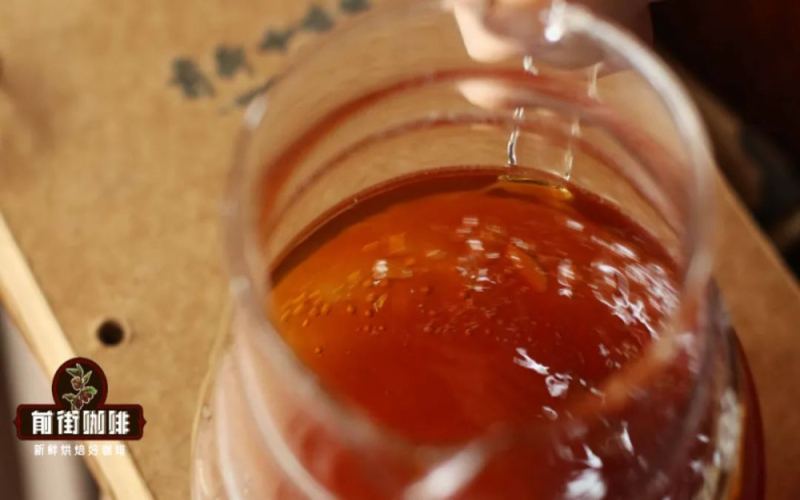
Can cooled coffee be reheated? Analyzing the impact of temperature drop on flavor and practical remedies
After a freshly brewed cup of coffee sits for a while, its aroma gradually dissipates, and its mouthfeel changes noticeably. Dark roasts become less smooth, medium-light roasts develop a more pronounced sourness and astringency, and a bitter, muddled finish may even appear. Why does cooling rob coffee of its appeal? If you reheat cold coffee or chill it with ice, can it regain its original flavor performance? This article analyzes the issue from two perspectives—chemical changes and sensory perception—and, through a comparative experiment between Front Street Coffee Kafa Forest and Front Street Coffee Yirgacheffe, explores practical remedies for cooled coffee. [more…]
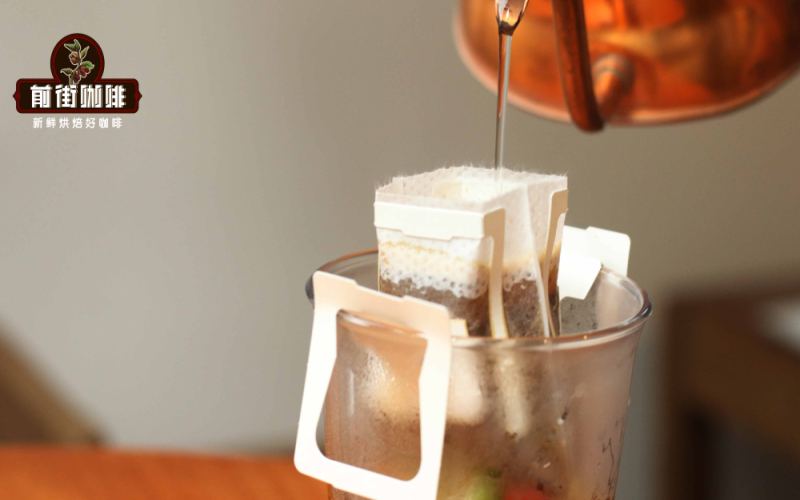
Can Drip Bag Coffee Be Reused for Multiple Brews? Analyzing the Fundamental Differences Between Coffee and Tea Through the Dissolution Characteristics of Chlorogenic Acid
Drip bag coffee, with its convenience and high cost-performance ratio, is attracting more and more people with no coffee-making experience to give it a try. Front Street Coffee's Fruit Dding Ding, Huakui, and Yirgacheffe suit those who prefer floral and acidic notes, while Mandheling, Huilan, and Blue Mountain are better suited to those who pursue a rich, full-bodied taste. However, beginners often run into all kinds of questions in practice, and one frequently mentioned topic is: how many times can a single drip bag actually be brewed? This article will focus on the release patterns of coffee solubles, with emphasis on explaining the role chlorogenic acid plays in extraction, clarifying why coffee, unlike tea leaves, cannot be brewed repeatedly, and why re-extraction after a normal brew is not recommended, helping enthusiasts build a clearer understanding of extraction. [more…]
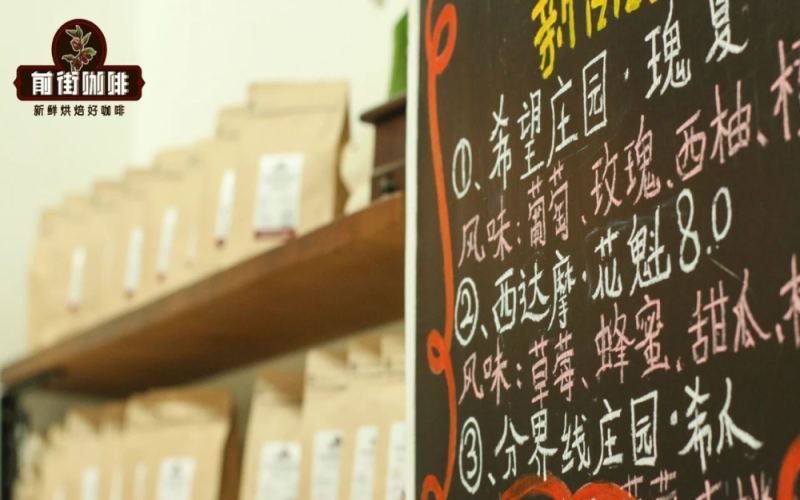
How do you make cold brew coffee taste great? From coffee-to-water ratio to equipment, Front Street teaches you bean selection and brewing tips.
As the weather gradually warms up, iced coffee becomes a favorite for many, and cold brew, with its smooth taste brought by long low-temperature steeping, is winning over more and more coffee lovers. Starting from Front Street Coffee's actual practice, this article introduces the basic method of cold brew, the coffee-to-water ratio and extraction time, and shares the reason why cold brew made with soda water tends to be too concentrated, as well as the difference in taste after blending with fresh milk versus creamer. At the end, it also compiles eight specialty coffee beans suitable for making cold brew, covering producing regions such as Yirgacheffe, Huakui, Butterfly, and Huilan, for you to choose according to your flavor preference. [more…]
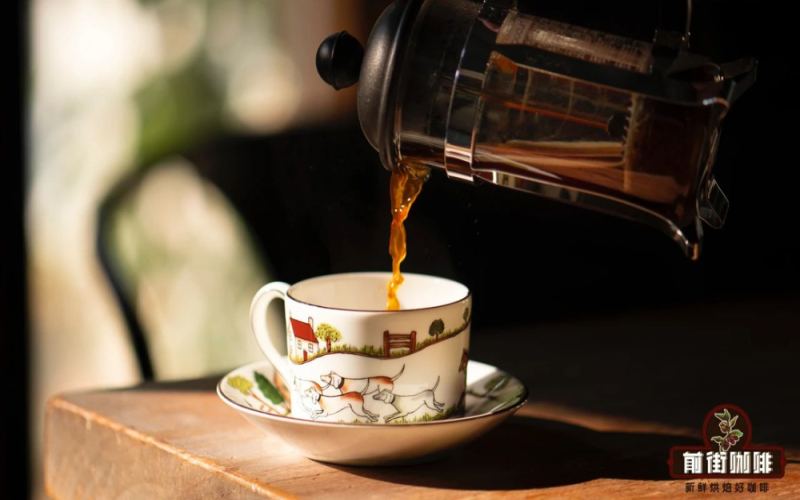
The Complete Guide to French Press Coffee: Bean Selection, Ratios, and Starbucks French Press Brewing Tips
The French press is easy to operate and produces a rich, full-bodied brew, making more than two servings at a time—a hassle-free choice for home brewing, which is why Front Street Coffee often lists it as the top beginner-friendly device. This article focuses on the French press: first explaining its construction and the principle of immersion extraction, then offering parameter recommendations such as grind size, steeping time, water temperature, and coffee-to-water ratio (e.g., about 4 minutes for light-to-medium roasts, about 3 minutes 30 seconds for medium-to-dark roasts, water temperature of 92–94°C or 89–90°C, and a coffee-to-water ratio of 1:16). It then answers which coffee beans are better suited to the French press and recommends a bean list including Front Street Coffee Golden Mandheling, Queen's Estate, Bird of Paradise, Huilan, as well as Strawberry Candy, Mozart, and Sidra. Finally, it reminds users that the metal filter needs to be disassembled and cleaned promptly to avoid oil oxidation affecting the flavor. [more…]
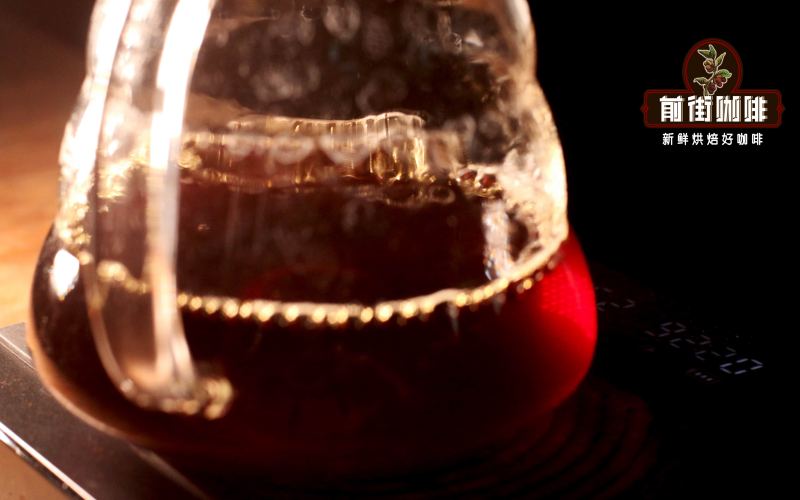
A Curated Selection of Dark Roast Coffee Beans: A Comprehensive Analysis of Pour-Over Suitability, Parameter Settings, and Flavor Profile
Can dark-roasted coffee beans be used for pour-over? The answer is yes, but it requires a brewing approach completely different from that for medium-light roasts. Starting from the concept of body, this article sorts out the flavor differences among light, medium, and dark roast levels, and recommends popular dark-roast single origins such as Front Street PWN Golden Mandheling, Queen's Estate, Jamaica Blue Mountain No. 1, and Huilan. Then, focusing on four dimensions—coffee-to-water ratio, brewing time, dripper selection, and pouring technique—it breaks down one by one the parameter adjustment methods for pour-over with dark-roasted beans: how to avoid a thin mouthfeel, prevent under-extraction, choose a KONO dripper to extend immersion, reduce water flow washing against the cup wall, and other practical tips to help you consistently brew rich, full-bodied dark-roast coffee. [more…]
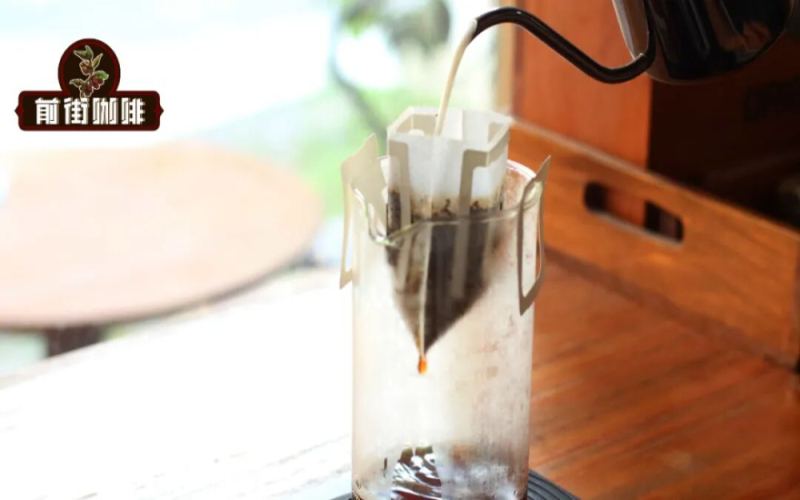
Can Drip Bag Coffee Be Brewed Directly with Milk? Testing the Correct Method for Milk Extraction of Drip Bag Coffee and Alternatives
Drip bag coffee has always been primarily brewed with hot water, but many coffee enthusiasts want to use milk to directly brew a latte. Milk's extraction ability is far inferior to hot water, and after heating, the proteins and lactose undergo changes, so directly applying conventional methods clearly won't work. Front Street once conducted a dedicated experiment: first bloom with hot water, then inject 75°C hot milk in two stages, and prioritize medium-dark roasted drip bags, such as Bird of Paradise, Queen's Estate, Golden Mandheling, Huilan, etc. If you prefer fruity acidity, Sipr, Big Belly Button, and Strawberry Candy are also good choices. However, testing revealed that after milk contacts the coffee, the fine particles swell and easily clog the filter bag, taking nearly 20 minutes in total, which contradicts the convenience that drip bags are meant to offer. This article will fully present this experiment and share a more effortless iced milk cold brew method, allowing you to easily achieve latte freedom. [more…]
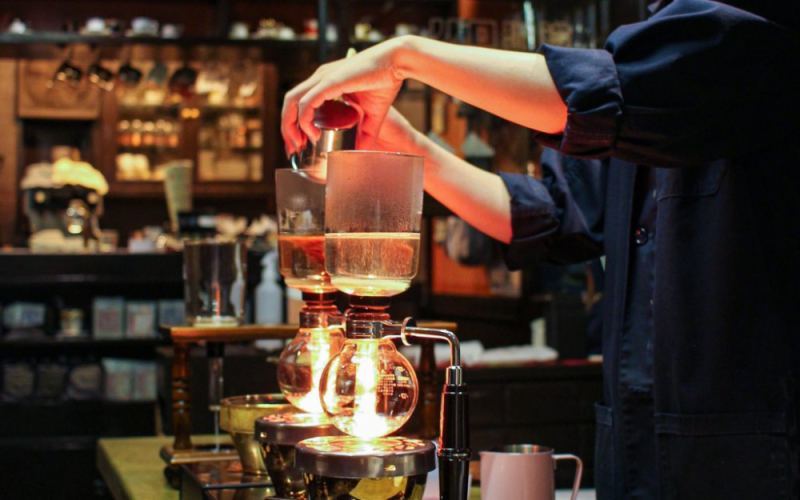
The Complete Guide to Siphon Coffee Brewing: From Extraction Principles to Step-by-Step Instructions
The siphon brewer, with its laboratory-instrument appearance and unique vacuum extraction method, has long been favored by coffee enthusiasts. It first appeared in Europe, where a French woman named Marie Fanny Amelne Massot registered a trademark for it, and its classic spherical design established its iconic status among coffee brewing devices. This article will begin with the extraction principle of the siphon brewer, systematically introduce the device's structure, filtration system, and heat source selection, then move on to key steps such as coffee grind size, timing of adding coffee grounds, stirring technique, and judging when to turn off the heat, and finally provide a complete eight-step operating procedure. Front Street Coffee recommends using medium-roast beans such as Huilan, Bird of Paradise, Diamond Mountain, and Queen's Estate to highlight the rich, full-bodied flavor characteristics of siphon coffee. [more…]

French Press Brewing Guide: Detailed Explanation of Coffee-to-Water Ratio, Grind Size, and Steeping Time, Plus Recommended Coffee Beans
The French press, with its full-immersion extraction and metal mesh filter, can produce coffee with richer oils and a fuller body. But to consistently brew a good cup, several variables—grind size, coffee-to-water ratio, water temperature, and steeping time—need to be taken seriously. This article breaks down the key points of French press brewing from a practical standpoint, explaining why a coarse grind is more reliable, how to start with a 1:15 coffee-to-water ratio, how to set the water temperature, and the specific steps for a 4-minute steeping rhythm. It also addresses the extraction characteristics of the French press by outlining suitable roast profiles and providing specific bean recommendations such as Front Street Coffee Strawberry Candy, Mozart, Sidra, Queen's Estate, Golden Mandheling, and Huilan, helping coffee lovers find the flavors they enjoy more quickly. [more…]
Dark Roast Coffee Flavor Analysis: Taste Characteristics, Is It Suitable for Pour-Over? Plus Front Street Coffee Dark Roast Bean Recommendations and Brewing Tips
Is dark roast coffee actually good? Where does its rich, full-bodied taste come from, and is it suitable for pour-over brewing? This article starts with the classification of roast levels, sorting out the flavor differences among light, medium, and dark roasts, with a focus on how dark-roasted beans perform in pour-over, and offers adjustment ideas across four dimensions: coffee-to-water ratio, brewing time, dripper choice, and pouring technique. It also rounds up popular dark-roasted single origins such as Front Street PWN Golden Mandheling, Front Street Queen's Estate, Front Street Jamaica Blue Mountain No. 1, and Front Street Huila, as a reference for everyday bean selection. [more…]
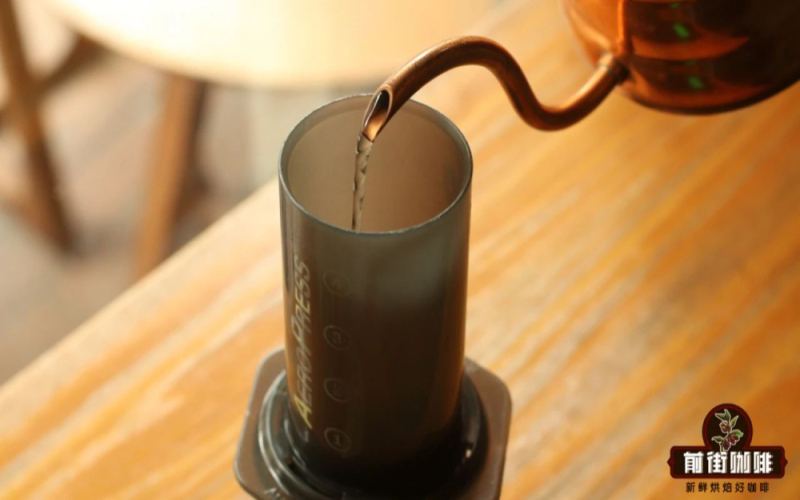
AeroPress Inverted Method Practical Tutorial: A Comprehensive Guide to Suitable Bean Types, Extraction Principles, and Flavor Performance
The AeroPress is a highly flexible and versatile coffee brewing device with no rigid rules or restrictions, which is precisely why the World AeroPress Championship came into being. It combines three principles: French press immersion, pour-over paper filtration, and espresso-style pressure extraction, producing a cup that is rich, clean, and smooth. This article will start from the extraction principles, flavor performance, and device structure to explain in detail what kind of coffee the AeroPress is suited for, and share Front Street Coffee's complete parameters and steps for making AeroPress coffee using the inverted method, helping enthusiasts quickly get started with this "all-purpose" device. [more…]

The Extraction Principle of AeroPress Coffee | How to Make a Latte with an AeroPress? Which Coffee Beans Are Suitable for AeroPress Brewing?
For more specialty coffee knowledge, please follow our WeChat official account: Front Street Coffee (FrontStreet Coffee). Do you like the icy coolness of iced latte, with its rich coffee flavor and sweet milk, but you don't have an espresso machine? This article teaches you how to make a simple iced latte using an AeroPress, just by following ten steps. [more…]
The Complete Guide to Making Cold Brew Coffee at Home: Bean Selection Tips and a Detailed Step-by-Step Guide to Cold Brewing Mandheling
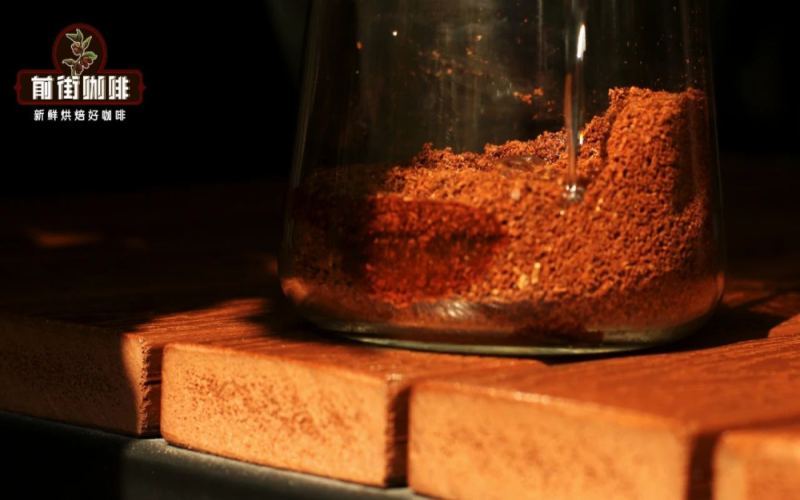
Want to easily make cold brew coffee at home that rivals a café? It actually only takes coffee beans, water, a clean container, and a refrigerator. Cold brew uses cold water and a long, static steep, giving a smooth, refreshing flavor, but bean selection is key: dark roasts tend toward bitterness, while light roasts are more acidic and thin. This article recommends Front Street Coffee Strawberry Candy, Sidra, and Fruit Ding Ding, among other medium-light roasts, for a full, sweet aroma. If you don't like acidity, choose Front Street Coffee Mandheling, Queen's Estate, or Huila, which offer chocolate-like sweetness. Then, using 25g of Front Street Coffee Mandheling as an example, with a 1:12 coffee-to-water ratio and a grind size like granulated sugar, through 6–18 hours of refrigerated steeping, filtering, dilution, and tasting, every step is explained in detail to help you consistently make delicious cold brew coffee. [more…]
Introduction to Coffee Tasting: How Cup Rim Shape Affects the Aroma and Mouthfeel of the Same Pot of Coffee
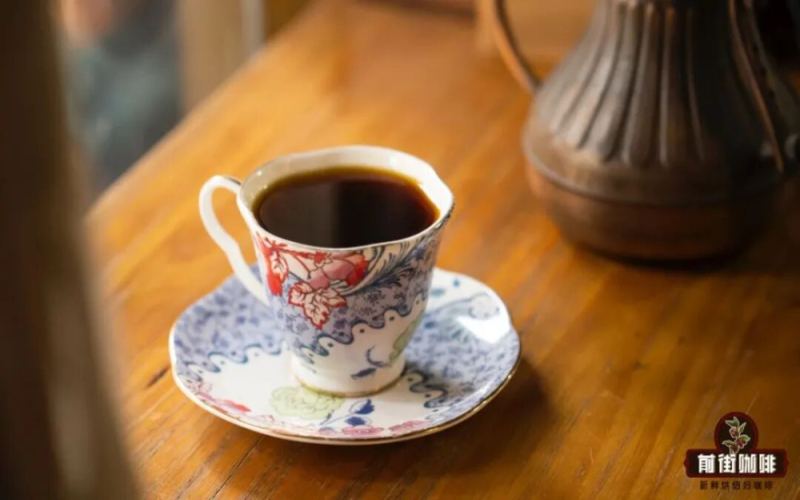
In coffee tasting, the cup is not just a container—the design of the rim directly affects aroma release and the path the coffee takes as you sip. This article compares three mainstream rim types—open, straight, and tapered—using the same brew to contrast dark-roasted Front Street Blue Mountain No. 1, medium-roasted Front Street Sidra, and light-roasted Geisha Village Red Label, recording the flavor differences at the aroma, hot, and cool stages. It also explains the sensitivity of different areas of the tongue to taste and offers pairing suggestions for coffees of different roast levels with cup types, including Front Street Huakui, Front Street Little Tomato, Front Street Mandheling, Front Street Yirgacheffe, and Front Street Strawberry Candy. [more…]

A Complete Guide to Colombian Huila Coffee Beans: Regional Terroir, Grading System, and Pour-Over Flavor Guide
Colombian coffee has always held a special place in the hearts of domestic enthusiasts, and the Huila region is regarded as the representative of the country's specialty beans. However, not all coffee produced in Huila is of high quality. How to identify it, select it, and brew the ideal flavor requires understanding everything from the region's terroir and grading system to roasting and brewing. Starting from the case of Front Street Coffee's everyday beans, this article sorts out Huila's canyon climate and high-altitude growing conditions, explains Colombia's grading system centered on bean size, and provides specific pour-over methods and flavor profiles for medium-dark roasted Huila, helping readers gain a more systematic understanding of this bean. [more…]