








The French press, with its full-immersion extraction and metal filter structure, can present coffee with richer oils and a fuller mouthfeel. But to consistently brew a good cup, several variables need to be taken seriously: grind size, coffee-to-water ratio, water temperature, and steeping time. This article will break down the key points of French press brewing from a practical perspective, explaining why a coarse grind is more reliable, how to start with a 1:15 coffee-to-water ratio, how to set the water temperature, and the specific steps for a 4-minute steeping rhythm. At the same time, in view of the extraction characteristics of the French press, it organizes suitable roast level directions and provides specific bean list references such as Front Street Coffee Strawberry Candy, Mozart, Sidra, Queen's Estate, Golden Mandheling, and Huilan, helping coffee lovers find the flavor they enjoy more quickly.
What kind of coffee can you make with a French press?
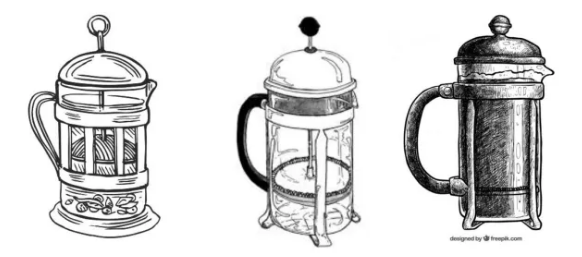
The French press is a full-immersion brewing device with a built-in metal filter. Water comes into direct contact with the coffee grounds during steeping, so the finished coffee retains more oils and tastes heavier and fuller. However, if you are sensitive to the mouthfeel caused by coffee grounds or fine particles, a French press may not be the ideal choice.
When using a French press, variables such as water temperature, grind size, and brewing time can all be adjusted to optimize the brewing plan according to personal taste. The key is that, as long as you operate it properly, you can fully experience the aroma and flavor released by each bean.
What are the specific steps for brewing coffee with a French press?
Before officially starting to brew, there are several key variables you need to think through first, and you also need to choose the right coffee beans.
1. Grind size
No matter which grind level you choose, you should be equipped with a high-quality flat burr or conical burr grinder, not a blade grinder; otherwise, this brewing method can easily lead to over-extraction. So, exactly how coarse should the grind be?
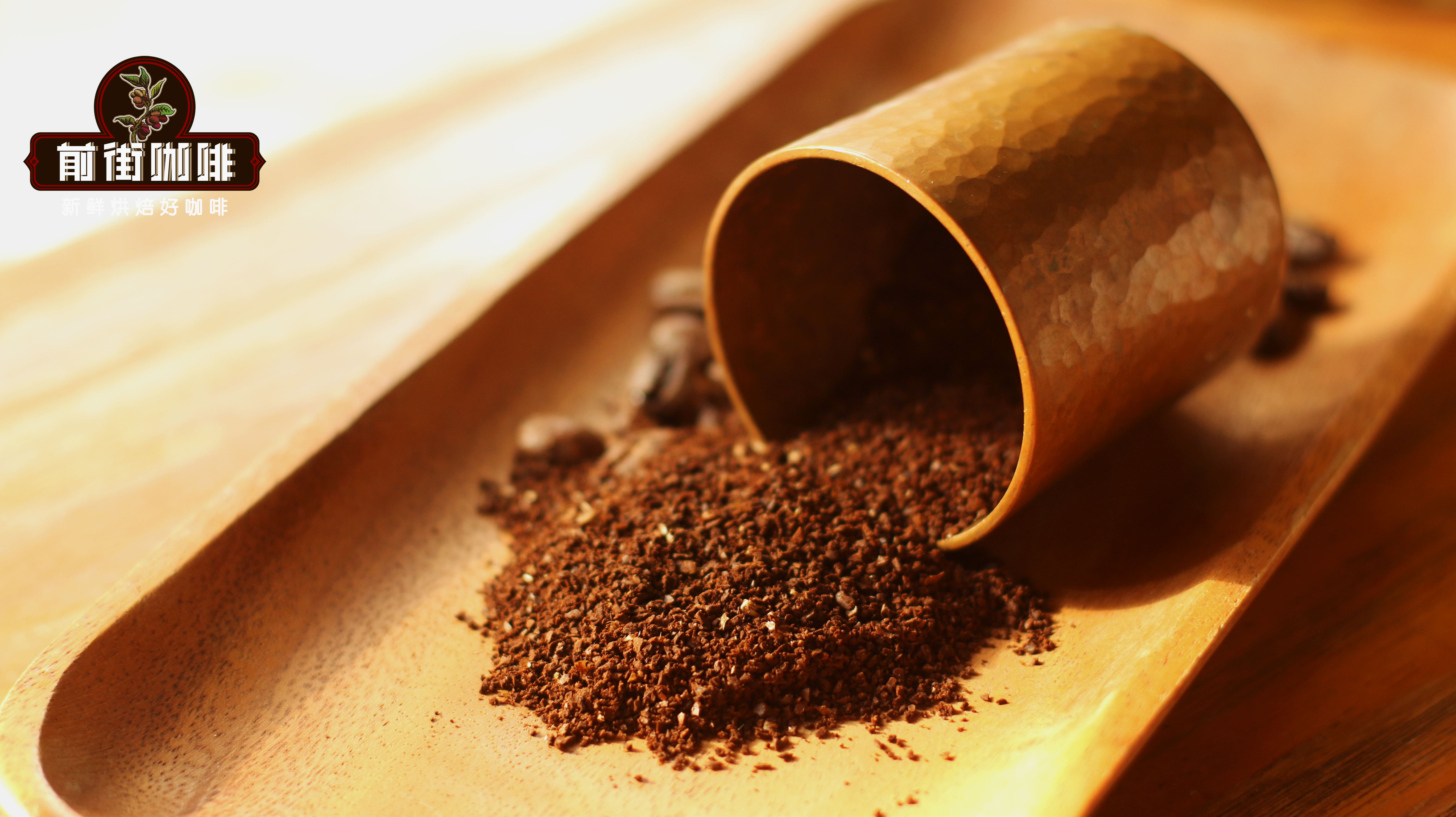
Here it is recommended to use a coarser grind setting, with a particle feel close to small gravel rather than fine sand. If ground too fine, water will extract the coffee grounds too quickly. For other immersion devices this may not be a big problem, but if a French press is ground too fine, fine particles may pass through the filter, resulting in a large amount of sediment in the finished coffee.
Looking at most French press tutorials on the market, coarse grinding is usually recommended. Front Street's suggestion is to refer to the Chinese No. 20 standard sieve, with a pass rate of 70%, that is, the size of coarse granulated sugar. A coarse grind can not only improve the margin for error in the extraction process, but also reduce the extremely fine particles produced by grinding. The pore size of most French press metal filters is between 80 and 300 microns, visibly relatively large, so fine particles can easily pass through and enter the coffee liquid, making the liquid cloudy. Of course, if you want a richer sense of layering, you can also try a finer grind, but remember to shorten the steeping time accordingly to avoid over-extraction.
2. Coffee dose and coffee-to-water ratio
The coffee-to-water ratio is the proportional relationship between water and coffee grounds, with a common ratio of 1:15, for example 15 grams of coffee grounds to 225 grams of water. You can start with this ratio, then increase or decrease the amount of coffee or water according to your preference for the next brew, until you find the ratio that best suits your taste. Brewed with this ratio, the coffee concentration is roughly between 1.1% and 1.2%. If, like Front Street, you prefer a rich style, you might as well try this 1:15 coffee-to-water ratio; the brewed coffee will taste stronger and fuller.
3. Water temperature
Water temperature is another variable that can influence the taste of coffee. If you don't have a thermometer on hand, you can boil the water and let it sit for about 45 seconds (adjust flexibly according to air temperature), then brew at around 90 degrees. If you want more precise flavor control, it is recommended to get a temperature-controlled pouring kettle, or use it together with a thermometer.
A French press is filled with water all at once, and there is no stirring action during the steeping process to improve the extraction rate, so sometimes the water temperature needs to be appropriately raised to compensate. It is enough to be 1 to 2°C higher than the regular pour-over temperature. For medium-light roasted coffee beans, the recommended water temperature is 92 to 94°C; for medium-dark roasted coffee beans, the recommended water temperature is 89 to 90°C.
4. Brewing time
Since there is no manual stirring, extracting the flavor substances from the coffee depends on other steps to increase the extraction rate, and steeping time is one of the key elements. The brewing time is usually controlled at 3 to 5 minutes. If it is a dark roast bean, 5 minutes may be too long and can easily cause bitterness and astringency; if it is a light roast bean, 3 minutes may be too short, making it difficult for the flavor to be released. Therefore, Front Street suggests that when trying it for the first time, you can start with a 4-minute steeping time.
5. Brewing process
Pour the ground coffee into a preheated French press, then slowly pour in hot water, making sure all the coffee grounds are soaked. First, use about twice the amount of water as the coffee dose for pre-infusion and blooming; for example, for 15 grams of coffee grounds, use 30 grams of water for blooming.
At 30 seconds, stir gently a few times, then pour in the remaining hot water, put on the plunger but do not press it down yet. When the coffee grounds have steeped for 4 minutes, slowly press the plunger all the way to the bottom, then carefully pour out the coffee liquid, being careful not to disturb the coffee grounds at the bottom of the pot.
If it feels laborious when pressing the plunger down, it means the coffee grounds are ground too fine; if the coffee grounds sink and there is almost no resistance when pressing down, it means the grounds are ground too coarse.
Coffee beans suitable for a French press
Because the French press uses immersion extraction, Front Street believes it is better suited to medium-roasted or medium-dark roasted coffee beans. If you want French press coffee with floral and fruity notes, Front Street Strawberry Candy Coffee, Front Street Mozart Coffee, and Front Street Sidra Coffee are recommended; if you prefer a rich nutty aroma profile, Front Street Queen's Estate, Front Street Golden Mandheling, and Front Street Huilan are recommended. All the above coffee beans can be purchased at the Front Street Tmall flagship store or Front Street Taobao store, and are shipped within 24 hours after placing an order.
Reminders on key points for French press brewing
- After brewing is complete, pour out the coffee immediately. If it is not poured out in time, the coffee grounds will continue to contact the water, causing bitterness to be released. If you cannot finish it in one go, it is recommended to pour it into another container for storage.
- Make sure the French press is thoroughly cleaned. Even fresh coffee can be ruined in flavor by coffee grounds left on the filter. Most filters are relatively easy to clean.
- If the coffee you brew still never satisfies you, you might as well try all the variables. Brewing coffee should naturally be done with fun and an experimental mindset. Once you brew the cup you like best, you will be even more motivated to continue studying brewing techniques.
The above content is compiled by CoffeeHunters, a coffee news website.


