







Search Results for: Hot and Iced Lattes

Can iced lattes achieve latte art effects? Analyzing why hot milk is the key to latte art
The delicate latte art patterns on a hot latte are always a pleasure to behold, but why is it that an iced latte, made from the same espresso and milk, almost never features latte art? Behind this lies the science of milk foam formation, the effect of temperature on blending, and various practical limitations. Front Street Coffee has made multiple attempts at making iced milk foam, from handheld frothers to French presses, in an effort to replicate latte art on cold drinks, but the results were less than satisfactory. This article will delve into the scientific principles of latte art, compare the differences between making hot and iced lattes, and share Front Street's real experiences and final results from iced milk foam experiments. If you've ever wondered why iced lattes can't have latte art, or want to understand the challenges of making cold milk foam, this article will reveal it all. [more…]

Can Peanut Butter and Coffee Be Paired? A Detailed Guide to Making Peanut Butter Hot Lattes and Iced Lattes
Can peanut butter be combined with coffee? Of course it can, and peanut butter lattes have already been appearing on plenty of coffee menus for quite some time. Today Front Street Coffee is going to talk about this distinctive flavored coffee: from ingredient selection and the ratio of peanut butter to condensed milk, to two different approaches for making it as a cold drink and a hot drink, we'll break it down step by step. The article will also share a key tip — whether peanut butter should be mixed with milk or with espresso, so that you can preserve the milk foam texture without losing the peanut flavor. Coffee lovers who enjoy trying something new might as well follow along and give it a try. [more…]

Which fresh milk should you choose for iced lattes and flat whites? A hands-on comparison of seven types of low-temperature whole milk in homemade coffee
The flavor quality of a latte is often decided by the choice of milk. There are many fresh milk brands on the market, with a wide price range, and their performance when paired with coffee varies. For home coffee enthusiasts, it is difficult to buy them one by one for comparison testing. This time, Front Street Coffee selected seven whole milk products that are common in coffee scenarios and relatively easy to buy, and conducted a comprehensive evaluation from low-temperature direct drinking, taste after heating, to the flavor, balance, and milk foam texture when making iced lattes and hot flat whites. There is no commercial promotion throughout, and the aim is to provide purchasing reference for readers with different taste preferences. This article does not set a final conclusion; the focus is on presenting the real performance of each milk to help everyone find the one that suits them. [more…]
A Detailed Guide to Bean Selection and Coffee-to-Milk Ratios for Latte: Hot and Iced Recipes Plus Milk Frothing Tips
Latte is the category with the highest proportion of milk in the espresso family. Iced and hot versions each have their own operational details, but the underlying recipe logic is the same. From the perspective of Front Street, this article sorts out the historical context of latte, explains the approach to selecting espresso blend beans, and provides specific preparation parameters for hot lattes and iced lattes. The content covers the pressure, temperature, time, and brew ratio of espresso extraction, the milk frothing technique and temperature control for hot lattes, and the ice cube and milk ratio for iced lattes. It also introduces the flavor profiles of multiple espresso beans such as Front Street Strawberry Candy Espresso, helping coffee enthusiasts recreate a balanced and smooth latte at their own coffee bar. [more…]
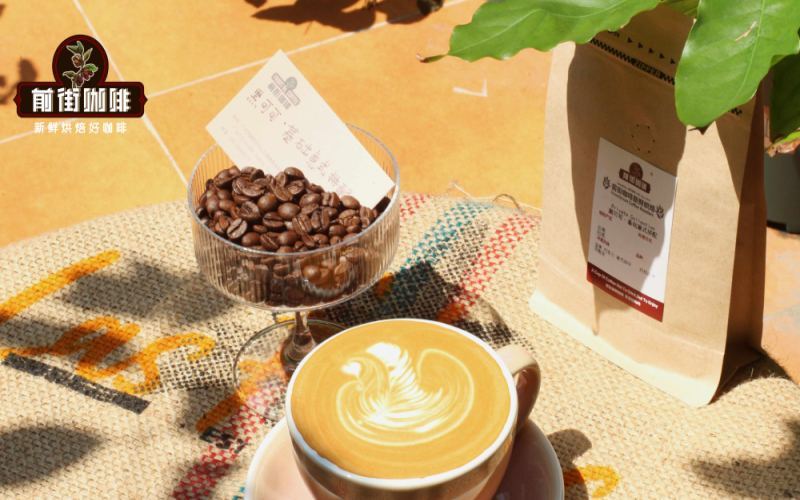
A Step-by-Step Guide to Making an Authentic Latte: A Full Analysis of Milk Quantity and Espresso Ratios for Hot and Iced Drinks
Making a latte at home, do you always find that yours turns out either too bitter, or the milk flavor overwhelms the coffee aroma? Actually, as long as you choose fresh ingredients, master the espresso extraction ratio, and then adjust the coffee-to-milk combination based on the bean's roast level and whether you want a hot or cold drink, you can easily recreate coffee-shop quality. This time, Front Street Coffee breaks down the key points of latte-making clearly: from the espresso extraction formula and the flavor tendencies of beans at different roast levels, to the coffee-to-milk ratios best suited for hot lattes and iced lattes respectively, along with reference solutions based on specific products such as Front Street Coffee's Huakui SOE and Sunflower·Warm Sun blend. Whether you prefer a rich, toasty aroma or a fresh, floral-fruity profile, you can find the balanced, delicious cup that suits you. [more…]
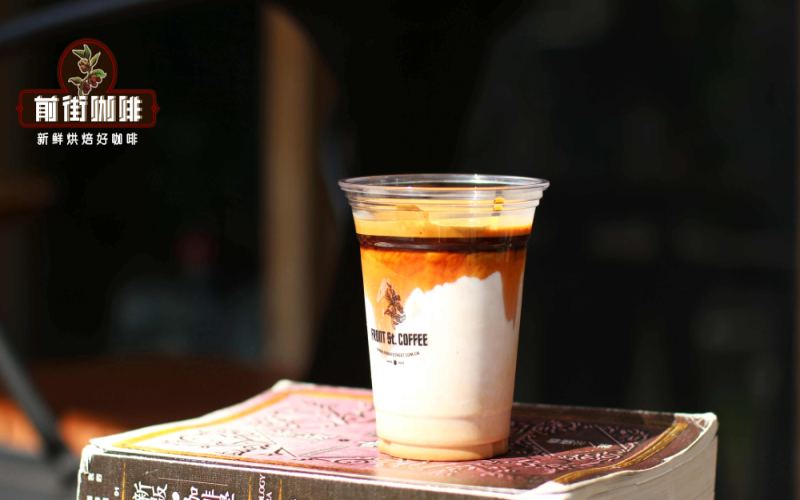
The Production Differences Between Hot and Iced Lattes: An Analysis of Cup Size, Ratios, and Extraction Key Points
Many coffee enthusiasts who try making lattes at home with Front Street Coffee's espresso blend discover a gap between the flavor they achieve and what the café produces. This article focuses on the differences between making hot and iced lattes, breaking down everything from coffee bean selection and resting periods to milk pairing and espresso extraction parameters. It explains in detail the characteristics and suitable applications of Front Street Coffee's classic espresso blend, and provides specific steps for making a hot latte, including key data such as extracting 40g of espresso from 20g of grounds, steaming 220ml of fresh milk to 50-60°C with about 1cm of milk foam, helping readers understand how differences in cup size and ratios affect the final taste, so they can replicate a latte close to café quality at home. [more…]
Making Lattes at Home: Cup Ratios and Espresso Extraction Tips for Hot and Iced Drinks
Want to recreate coffee shop-quality lattes at home? It's actually not as complicated as you might think. The key lies in choosing the right coffee beans and milk, mastering stable espresso extraction parameters, and getting the coffee-to-milk ratio right. This article uses Front Street Signature Blend, Strawberry Candy, Classic Blend, and Huakui SOE as examples to break down the hot latte-making process in detail, and offers latte ratio suggestions for coffee beans of different roast levels—from 1:4 to 1:8—so you can easily find the balance point that best suits your taste. [more…]
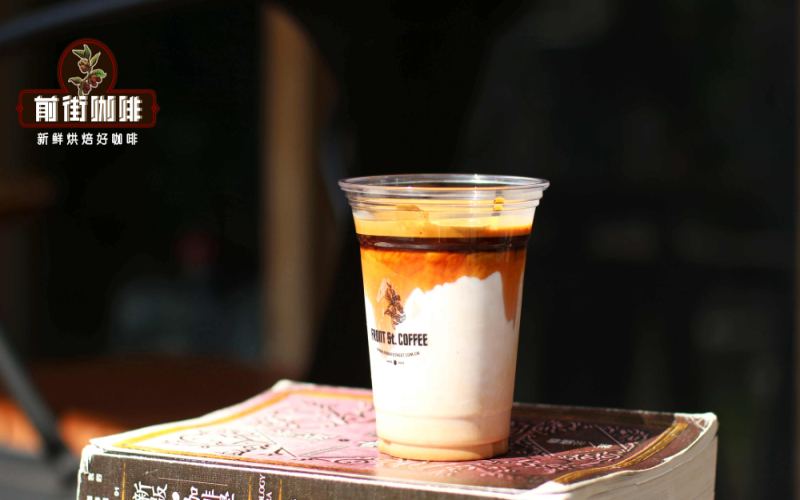
Why do iced coffees vary in cup volume when ordered without ice? Looking at the logic of topping up after removing ice in Americanos, Lattes, and Cappuccinos
When ordering an iced espresso drink without ice at a coffee shop, some people receive a full cup, while others get only a seven-tenths-full cup, or even half a cup. This difference in volume is not accidental, but is closely related to the store's business philosophy, recipe ratios, ice quality, and the concentration of the coffee beans and milk. Starting from the production practices at Front Street Coffee, this article analyzes why iced coffee drinks such as Americanos, lattes, and cappuccinos end up with different cup volumes after the ice is removed, and how adding water or milk after removing the ice affects the coffee's concentration, taste, and mouthfeel, helping coffee enthusiasts understand the logic of trade-offs behind a cup of ice-free coffee. [more…]
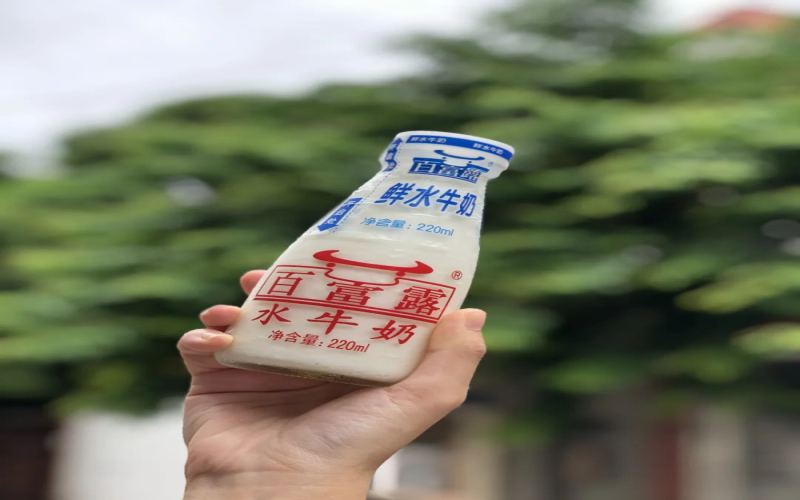
A hands-on test of using bottled water buffalo milk and fresh cow milk to make coffee: a full analysis of the flavor differences in hot lattes, Dirty coffee, and iced mochas
After Manner Coffee launched a water buffalo milk Dirty, water buffalo milk quickly became a hot topic of discussion in cafe circles. For friends in Guangzhou, Foshan, and Guangxi, water buffalo milk is a taste they grew up drinking. This review brings together the legitimately available fresh glass-bottled water buffalo milk and ordinary glass-bottled fresh milk sold in Guangzhou, comparing them one by one in hot lattes, Dirty, iced mocha, and iced lattes, observing their different performances in steaming, layering, integration, and finish. It also discusses the impact of pasteurization and ultra-high-temperature sterilization on mouthfeel, as well as the cost-effectiveness and sense of ritual of glass-bottled milk in cafe use. The article also retains specialty bean recommendations related to Front Street Coffee for coffee lovers' reference. [more…]

The Standard Latte Preparation Process and an Analysis of the Causes of Bitterness and Sourness in Homemade Lattes
Latte, as a classic fusion of espresso and milk, has won over countless coffee lovers with its smooth and sweet taste. However, many people often encounter the problem of excessive bitterness or pronounced acidity when making it at home. This article will systematically cover the origin and background of latte, the logic behind ingredient selection, espresso extraction parameters, and the ratio plans for both hot and iced lattes, with a focus on analyzing the relationship between coffee bean roast level and flavor direction, and recommend Front Street classic espresso and commercial blend coffee beans to help readers master the essentials of making a balanced and easy-drinking latte. [more…]
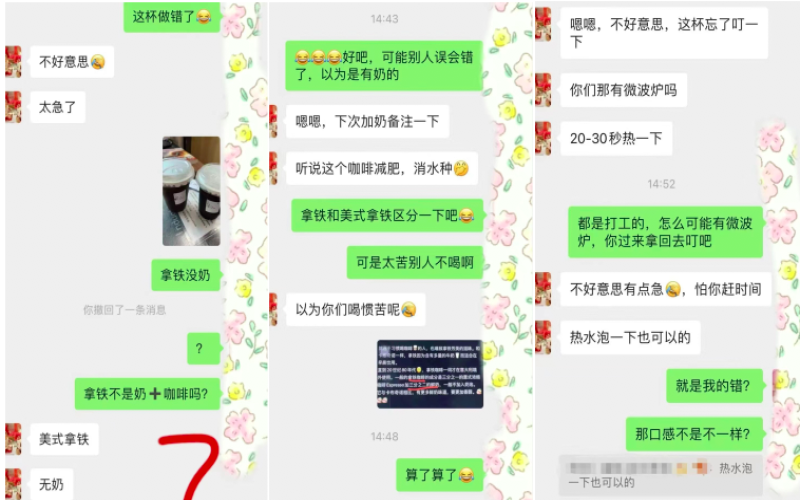
A customer ordered an iced latte but received an iced americano; the shop's claim that "an americano latte has no milk" has sparked doubts about their professionalism.
A customer ordered two iced lattes but received two iced Americanos instead. When the customer complained, the shop actually told them that "an Americano latte has no milk" — an absurd scene that recently sparked heated discussion on social media. Even more laughably, when the shop made the wrong iced matcha latte, they suggested the customer microwave it themselves. This exchange left the customer exclaiming that the shop was "woefully ignorant," and prompted netizens to question: if they cannot even distinguish basic drink categories, how can they run a coffee business well? In today's fiercely competitive coffee industry, where exactly lies the professional threshold for practitioners? This article walks you through the incident and explores the basic qualities a barista should possess. [more…]
How Should the Espresso-to-Milk Ratio for a Latte Be Determined? Adjustment Approaches for Different Roast Levels and Hot vs. Cold Drinks
When making a latte at home, the question I get asked most often is what ratio of coffee to milk to use. Actually, there's no single standard answer to this question, because the beans' origin, processing method, roast level, and the flavor you ultimately want to present will all influence the choice of ratio. This article starts with espresso extraction, first explaining the extraction parameters suitable for medium-dark and medium roasts respectively, then, according to three types—dark-roast espresso beans, medium-dark roast blends, and floral-fruity medium-roast beans—gives specific ratio ranges for hot lattes and iced lattes, and combines Front Street Coffee's production examples to help you find the cup of latte that suits your taste. [more…]

Homemade Latte Recipe | What Is the Origin of Latte Coffee? What Are the Differences in Taste and Mouthfeel Between Hot Latte, Iced Latte, and Dirty Coffee?
Latte is a transliteration of the Italian word Latte. Latte coffee refers to coffee made by mixing a certain proportion of milk into espresso, and is a type of fancy coffee. The original latte coffee originated in Vienna, the city of music. Viennese people began drinking coffee in the 17th century, when the Turkish army attacked [more…]
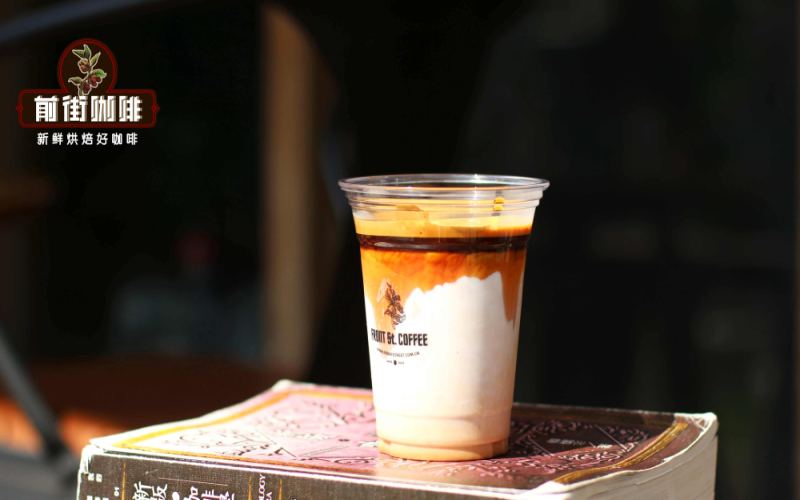
How to Make a Delicious Latte: A Full Analysis of Espresso Extraction, Coffee-to-Milk Ratios, and Hot and Cold Preparation Techniques
Whether a latte tastes good depends decisively on the extraction quality of the espresso and the ratio of coffee to milk. This article focuses on making latte coffee, breaking down the key steps one by one, from choosing Italian blend beans and the extraction parameters for single and double espressos, to the specific methods for hot and cold lattes. The article also provides detailed guidance on milk frothing temperature control, steam wand operation techniques, and recommends a 1:6 coffee-to-milk ratio. It also retains the complete product information and flavor description of Front Street Coffee's classic blend, making it a useful reference for coffee enthusiasts who want to consistently reproduce cafe-quality results at home. [more…]
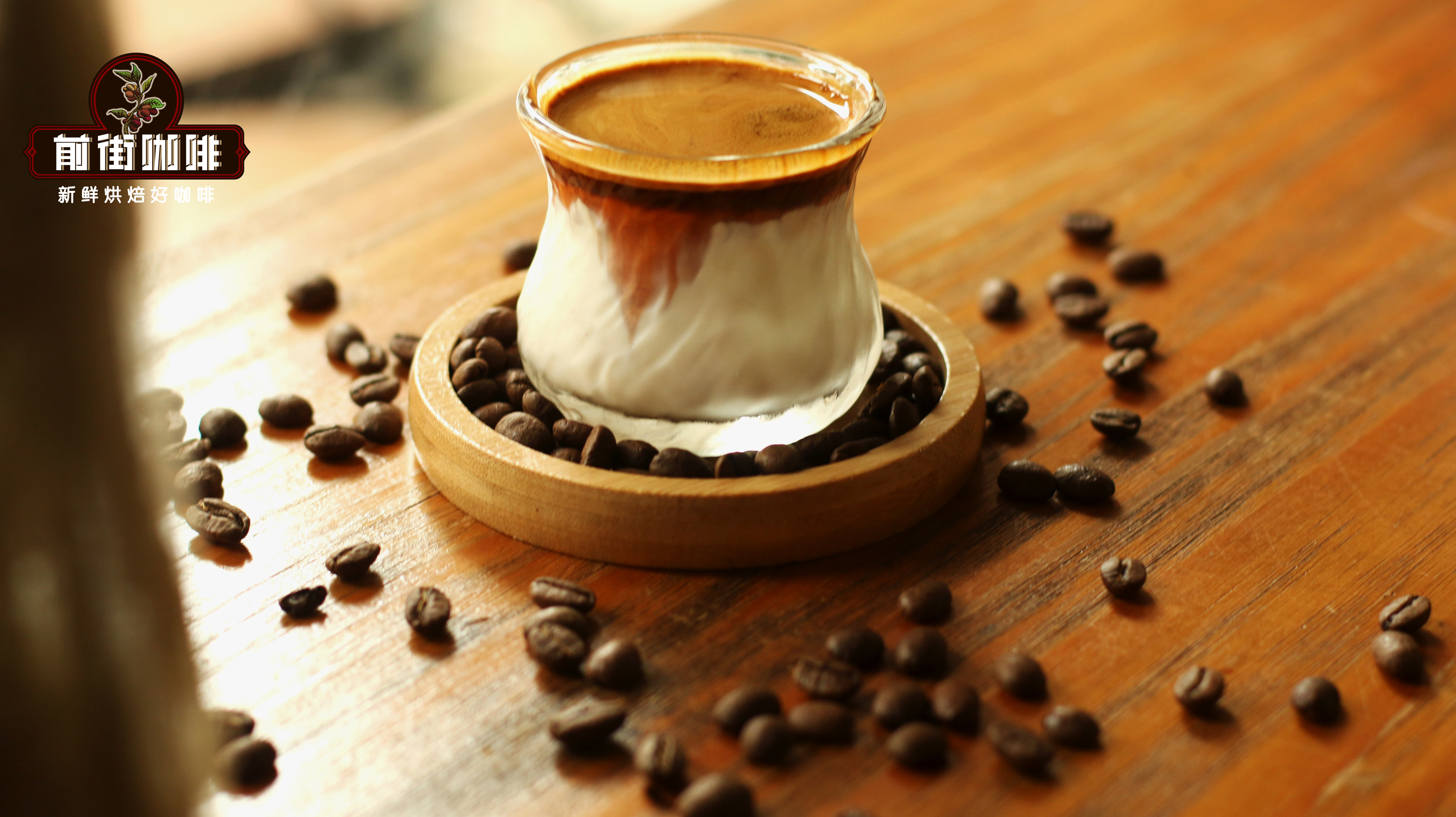
How Should You Drink a Dirty Coffee Correctly? A Full Analysis of Making Techniques and the Flavor and Mouthfeel Differences from Iced Latte
In recent years, Dirty coffee has quickly risen to fame, and many people who once loved lattes have switched camps. Unlike an iced latte, a Dirty is made by letting espresso and milk merge naturally, creating a fascinating layered gradient effect. The first sip delivers an intense coffee impact, which then turns into a smooth, sweet milky aroma—a true feast for both the eyes and the palate. Starting from the definition of a Dirty, this article will explain in detail how to make it, three key techniques, and its essential differences from an iced latte in terms of cup volume, mouthfeel, and flavor. At the same time, Front Street Coffee will also share how to choose suitable espresso beans and milk to help you make a perfectly layered, full-bodied Dirty at home. [more…]

How Should the Milk-to-Espresso Ratio Be Set for a Latte? A Guide for Pairing Different Roast Levels with Hot and Cold Drinks
When making a latte at home, the step that most often trips people up isn't steaming the milk—it's not knowing exactly what ratio of coffee to milk to use. This article centers on the frequently asked question of "how much milk is appropriate," first explaining the balanced characteristics a good latte should have, then starting from the espresso extraction formula commonly used at Front Street Coffee, and combining the performance of coffee beans at different roast levels such as medium-dark and medium roast to break down the recommended ranges for coffee liquid and milk in both hot and iced drinks. The article will provide basic parameters such as a 1:2 coffee-to-water ratio and a 25–30 second extraction, and will also use specific cases like dark-roast Robusta, Sunflower·Warm Sun blend, and Huakui SOE to explain how to flexibly adjust between 1:4 and 1:8, helping coffee enthusiasts find a latte recipe that suits their taste more quickly. [more…]

Cafe Latte Recipe Sharing | Where Does Latte Coffee Come From? Is There a Difference Between the Espresso-to-Milk Ratio in a Dirty Coffee and a Latte?
Latte comes from the transliteration of the Italian word Latte. Latte coffee refers to coffee made by mixing a certain proportion of milk into espresso, and it is a type of fancy coffee. The original latte coffee originated in Vienna, the city of music. The Viennese began drinking coffee in the 17th century, when the Turkish army attacked [more…]

Is SOE good for milk coffee like lattes? Coffee bean recommendations: how to choose for black coffee, milk coffee, and iced drinks
The requirements for beans differ between black coffee and milk coffee. Black coffee needs aroma and sweetness that can stand on their own, while milk coffee requires the coffee liquid to have enough concentration and body to retain a clear flavor after milk is added. Deciding first whether milk will be added to the cup, and then choosing the style of beans, will make it easier to pick a suitable one. [more…]

Iced Latte Making Tutorial: From Espresso Extraction to Milk-Coffee Ratio, Solving the Bitter and Sour Issues of Iced Latte
On a hot summer day, many people want to shake off drowsiness with a cup of coffee, but find Americano too bitter. At times like this, a sweet, smooth iced latte becomes the ideal choice. This article will teach you step by step how to make a delicious iced latte at home, covering everything from espresso extraction parameters and ideas for choosing coffee beans, to the ratio of milk to coffee, and even the small details that are easy to overlook during preparation. It will also discuss whether an iced latte actually tastes bitter or sour, and how to choose between it and an iced Americano. If you love floral and fruity notes, the article also recommends beans suitable for making iced lattes, such as Front Street Coffee Strawberry Candy Espresso. [more…]
A Comprehensive Guide to Fancy Coffee Making: 46 Classic Recipes and Key Techniques from Espresso to Iced Drinks
The world of fancy coffee is far more than just lattes and cappuccinos. This article systematically organizes the recipes and preparation techniques for 46 classic fancy coffees, covering two major categories: hot drinks and iced drinks. From the basics of espresso, au lait, and macchiato, to Irish coffee and royal coffee with their hints of liquor, and on to iced lattes and beer iced coffee suited for summer, each entry lists the required materials, specific steps, and key operational points, helping you master the flavor characteristics and serving essentials of different coffees. The article also retains relevant recommendations from the Front Street brand, providing a practical reference for coffee enthusiasts. [more…]