







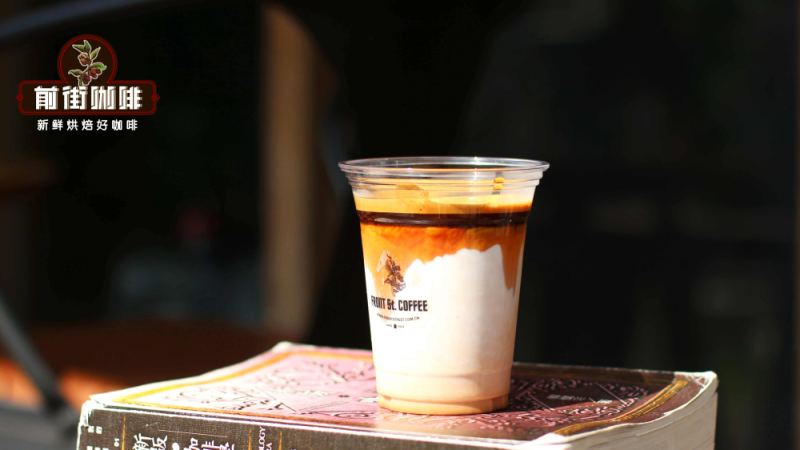
How Do Hot and Iced Lattes Differ in Ratio and Extraction?
A hot latte and an iced latte are built from the same two parts, espresso and milk, but the ratio and the cup size change the result. For a hot latte, a typical starting point is 20 grams of ground coffee yielding 40 grams of espresso, with about 220 milliliters of fresh milk steamed to 50-60°C and roughly 1 centimeter of foam.
Bean choice sets the flavor direction. A classic Italian blend coffee built from Brazil, Indonesia and Vietnam beans and given a deep roast produces a thick, rich base that holds up against milk. Resting the beans after roast keeps extraction consistent, and matching the coffee-to-milk ratio to the cup size is what separates a home latte from a cafe one.
Many coffee enthusiasts who try to make lattes at home using Front Street Coffee blend beans discover a gap in flavor compared to what is served in cafes. This article focuses on the differences between making hot and iced lattes, breaking down everything from coffee bean selection, resting period, milk pairing, to espresso extraction parameters. The article explains in detail the characteristics and suitable scenarios of Front Street Coffee's classic Italian blend, and provides specific steps for making a hot latte, including key data such as extracting 40g of espresso from 20g of ground coffee, steaming 220ml of fresh milk to 50-60°C with about 1cm of milk foam, helping readers understand how cup size and ratio differences affect the final taste, so they can replicate a latte close to cafe quality at home.
For more specialty coffee knowledge, welcome to follow: Front Street Coffee (Frontsteet Coffee)
Friends often ask Front Street Coffee (FrontStreet Coffee): "I'm clearly using Front Street Coffee (FrontStreet Coffee) blend beans to make lattes, so why does it always taste different from the cafe?" What exactly is the reason?
Let's first talk about the definition of a latte. In the most traditional sense, a latte is just milk plus coffee, with no restriction on which type of coffee to use. Later, Starbucks defined the latte as espresso plus milk and promoted it across its global stores. Over time, the industry and consumers have become accustomed to understanding a latte as a combination of espresso and milk.
Actually, as long as milk is added to coffee, it can be called a latte. However, those who clicked on this article most likely want to know how to make a delicious Italian-style latte at home. Front Street Coffee (FrontStreet Coffee) won't digress, let's get straight to the point.
Making a cafe-quality latte is not that difficult. The key lies in choosing the right coffee beans and milk, maintaining consistency in espresso extraction, and mastering the proper coffee-to-milk ratio.
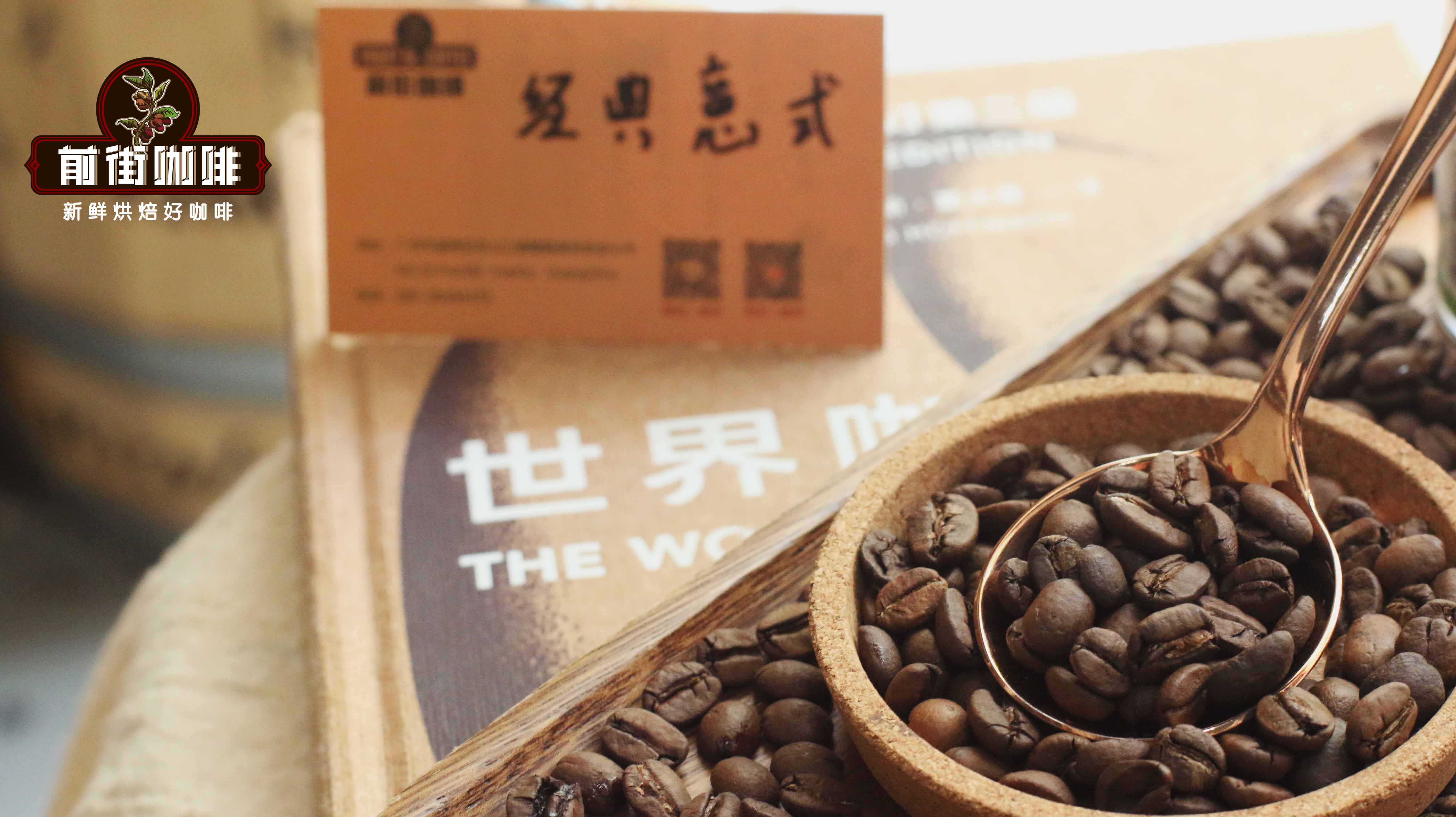
The choice of coffee beans directly influences the flavor direction of a latte. For example, Front Street has a bean with a rich, full-bodied mouthfeel — Front Street Classic Italian Blend Coffee. Its formula consists of beans from three origins: Brazil, Indonesia, and Vietnam. It uses a deep roast, which maximizes the coffee's rich aroma and makes it easy to extract a thick, dense crema. Whether making an americano diluted with water or a latte paired with milk, it's very suitable. You can order it from the Front Street Taobao store or the Front Street Tmall flagship store.
Besides choosing the right beans, the resting period is equally important. Previously, a customer reported that they bought the Warm Sun Blend but couldn't reproduce the taste of Front Street's cafe. The reason was that the beans were too fresh — the flavors hadn't been released yet. A few days later, this customer said they could extract the flavors. According to Front Street's output testing, espresso beans reach their optimal flavor after resting for about 10 to 14 days, with a peak flavor period of roughly 50 days.
Milk also affects the flavor and mouthfeel of a latte. Front Street previously reviewed several common fresh milk brands on the market. For details, you can click on "Milk Review" to view.
Next, the more critical part is espresso extraction. Some people attribute differences in espresso quality to different machines, believing that coffee machines costing tens of thousands or even over a hundred thousand yuan are simply better than home machines costing a few thousand yuan.
This argument has some merit, but the gap between coffee made with a 100,000-yuan machine and a few-thousand-yuan machine is not as large as people imagine. Front Street has also used machines costing a few thousand yuan. If you're only pulling two or three shots a day, the output quality is completely fine. Of course, if it's just a toy machine costing a few hundred yuan, or an all-in-one grinder-extractor, then the extraction quality will show a visible difference.
The issue with espresso extraction ultimately comes down to whether the parameters are appropriate. For example, Front Street's commonly used basic formula: coffee-to-liquid ratio of 1:2, time of 25 to 30 seconds, with no abnormalities during extraction. Abnormalities refer to channeling, unstable flow rate, perforation and splattering, etc.
Sharing Front Street's Hot Latte Making Method
When making a latte, we use 20g of Front Street Classic Blend coffee grounds, extract a double shot of 40g espresso in 30 seconds, then pour it into a 300ml coffee cup. The flavor profile of this bean after extraction is: distinct roasted nuts, almond cookies, and chocolate notes, with a rich crema aroma and a comfortable sweet aftertaste.
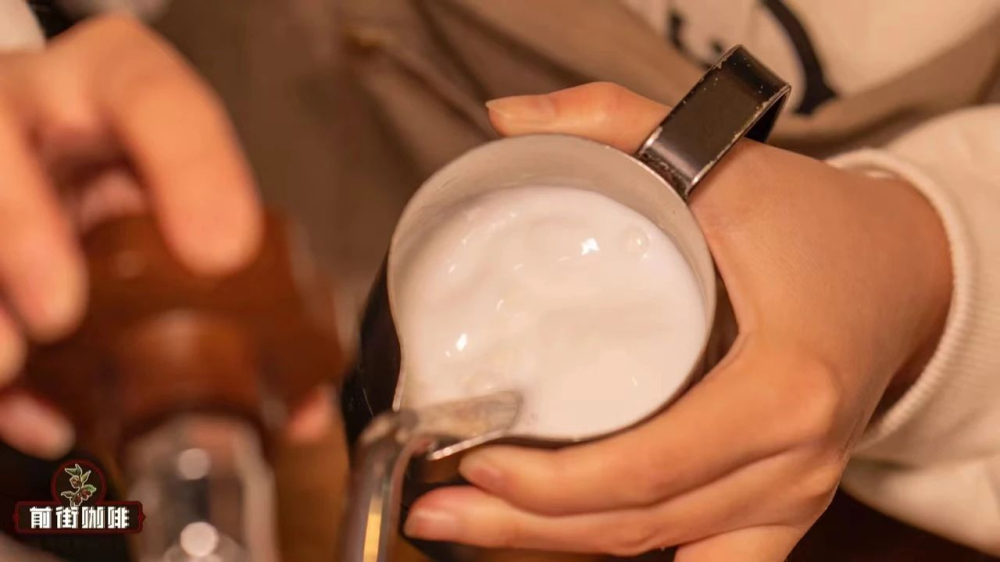
Step two: use the coffee machine's steam wand to steam 220ml of fresh milk to 50-60°C, while forming about 1cm of milk foam and maintaining a dense, silky texture.
Finally, evenly blend the espresso and milk, gently create a beautiful pattern, and you're done.
The above content is compiled by CoffeeHunters, a coffee news website.


