







Search Results for: High-Altitude Grown
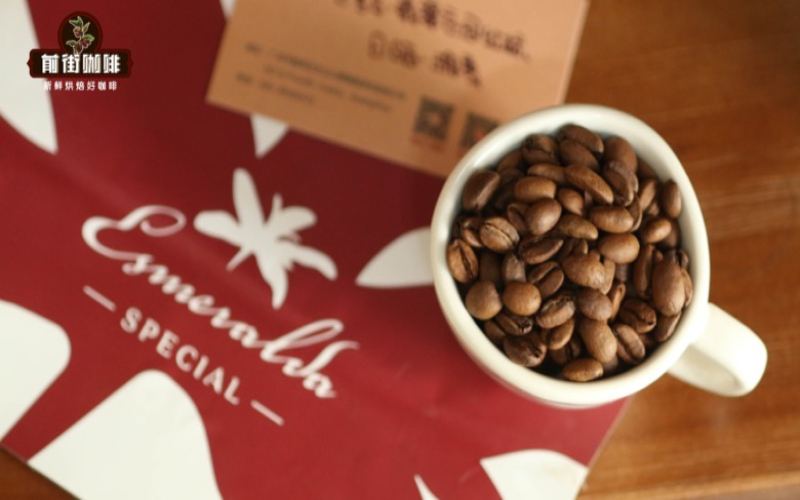
Pour-over Origins and Altitude vs. Flavor: Why High-Grown Beans Have More Prominent Sweetness and Acidity
The altitude of a coffee-growing region is one of the underlying variables that shape flavor in the cup. The same variety, processed the same way, can taste noticeably different depending on the altitude at which it is grown. Understanding how altitude affects flavor can help pour-over enthusiasts choose regional beans more precisely. The core advantage of high-altitude regions lies in the temperature difference between day and night. [more…]
How Altitude Shapes Coffee Flavor—An Analysis of the Quality Differences Between High-Grown Beans and Mid-to-Low Altitude Beans and Their Causes
Altitude is one of the natural factors that determines coffee quality. Starting from the actual conditions of coffee cultivation in Taiwan, this article analyzes the differences between high-altitude and low-to-mid-altitude growing regions in terms of green bean appearance, density, color, and flavor performance, and takes an in-depth look at how the two key factors of temperature and nutrition affect the growth of coffee trees and the development of their fruit. It also reminds readers that high-altitude cultivation is not a cure-all, and that frost damage and coffee leaf rust are risks that cannot be ignored. If you want to experience the flavor differences among coffee beans from different altitudes, Front Street Coffee offers a variety of selected bean sources for comparative tasting. [more…]
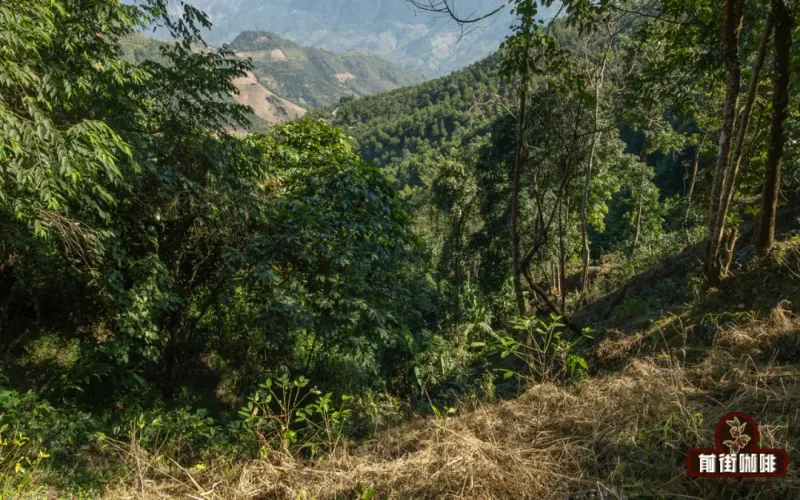
How Does Coffee Growing Altitude Shape Flavor? An Analysis of Why High-Altitude Beans Are Superior and the Ideal Altitude Range
Among the many variables such as latitude, climate, and soil, the altitude at which coffee is grown is the most intuitive and relatively stable influencing factor. Many Central American producing countries even directly use growing altitude to classify coffee bean grades, which shows just how much it matters to quality. So how exactly does altitude affect coffee flavor? Why are beans from higher altitudes often more outstanding? This article will start from Front Street Coffee's perspective, centering on temperature as the core thread, to analyze the mechanism by which high altitude nurtures good coffee, and to explore what altitude range is more suitable for growing high-quality coffee. [more…]
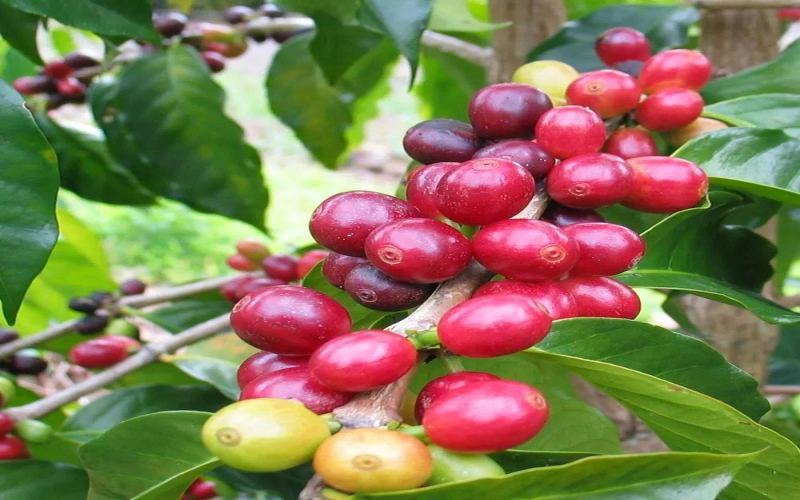
In-Depth Analysis of Panama Sophia Estate Geisha Coffee: A Complete Guide to High-Altitude Cultivation, Roasting, and Brewing
After Geisha coffee took the world by storm, numerous outstanding estates emerged in Panama, and Hacienda Sophia is one of its low-key yet dazzling pearls. It is located on the southwestern side of Barú Volcano, at an altitude of 1,900–2,150 meters, making it one of the highest-altitude coffee estates in Central America. The estate focuses almost exclusively on the Geisha variety and has repeatedly won the Washed category championship at the Best of Panama (BOP) competition. This article will take you deep into the history, terroir, and Geisha flavor characteristics of Hacienda Sophia, and includes Front Street Coffee's roasting and brewing recommendations to help you fully appreciate the charm of this top-tier Geisha. [more…]
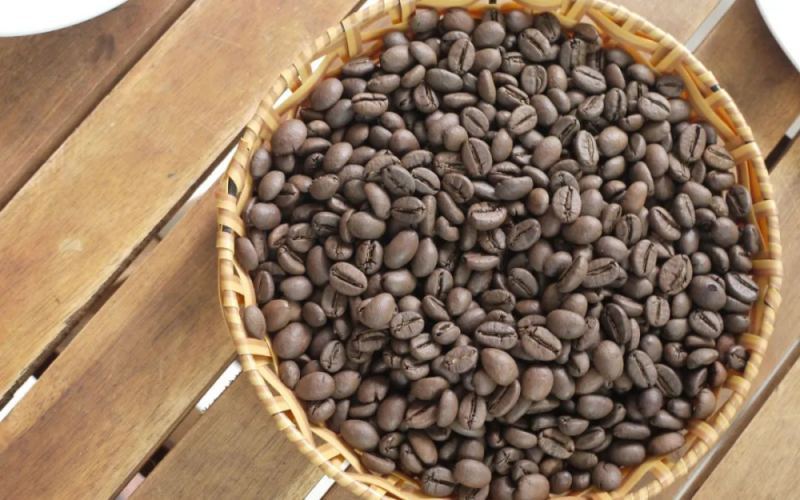
The Specialty Coffee World Reexamines Robusta: Can High-Altitude Cultivation and Anaerobic Processing Rewrite Entrenched Impressions?
For a long time, Robusta coffee beans have been largely neglected in the specialty coffee world, often associated with low altitudes, extensive farming, and bitter flavors. However, over the past two years, this situation has been quietly changing. From a World Barista Championship competitor using high-altitude Vietnamese Robusta blended with Geisha to place fourth, to more and more specialty coffee shops incorporating it into espresso blends or even launching single-origin anaerobic natural products, Robusta is returning to the industry's spotlight with a brand-new image. Climate change poses severe challenges to Arabica cultivation, while Robusta, with its strong environmental adaptability—combined with producers cultivating and processing it to specialty Arabica standards—reveals surprising flavor layers such as barley tea, nuts, caramel, and even fermented fruit notes on a base of high body and low acidity. This article will explore in depth the reasons behind this trend, the details of processing methods, and whether Robusta can truly shed its old label and win renewed recognition from coffee enthusiasts. [more…]
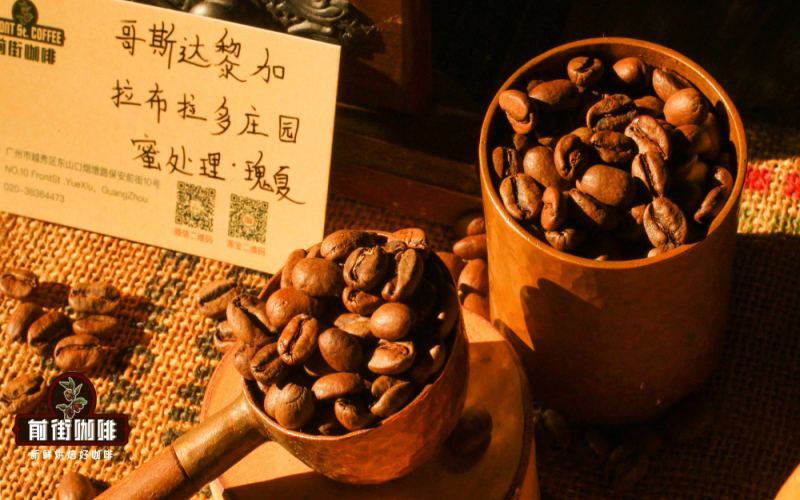
Costa Rica Coffee Brewing Guide: Honey Process Flavor Analysis and Finca El Roca Blueberry Bean Review
Costa Rican coffee occupies an important position in the Central American specialty coffee landscape thanks to its high-altitude volcanic soil and innovative processing methods. Starting from Front Street Coffee's everyday bean—the washed Tarrazú—this article sorts out Costa Rica's eight major producing regions and green bean grading standards, and focuses on analyzing how honey processing gives coffee greater sweetness. It also presents the complete profile of the recently launched Blueberry coffee beans from Hacienda El Roble, along with a three-pour hand-brewing recipe tailored to high-altitude SHB strictly hard beans, including specific parameters such as V60 dripper, water temperature, coffee-to-water ratio, and grind size, helping coffee enthusiasts recreate a rich fruity layering at home. [more…]
Costa Rican Coffee Regions: History and Variety Characteristics: From Environmental Purification to High-Altitude Flavor Analysis
Costa Rica is an important representative of specialty coffee in Central America, renowned not only for its high-altitude growing regions but also for its emphasis on environmental protection during production. This article provides a comprehensive analysis of the flavor secrets of Costa Rican coffee, covering the history of the origin, representative estates, harvest periods, variety characteristics, and grading classifications. The article also introduces well-known growing regions such as Tarrazú and Central Valley, as well as La Pila Estate's non-washed processing and methane recycling. Front Street Coffee recommends a variety of Costa Rican beans, taking you to experience the unique acidity and aroma and consistent quality of high-altitude Caturra varieties. [more…]

Ecuador, the Equatorial Country: A Complete Analysis of the Terroir and Flavor of High-Altitude Organic Coffee Regions
Among the many coffee-producing countries in South America, Ecuador is often overlooked, yet it possesses ideal conditions for growing specialty coffee, such as low latitude, high altitude, and volcanic ash soil. In this article, Front Street will take you through the coffee-growing history and recent revival of this equatorial country, the terroir characteristics of major producing regions such as Loja, the Galápagos Islands, and the Intag Valley, as well as the flavor expressions brought by washed processing and varieties like Bourbon and Typica—juicy and complex, with jammy sweetness and yellow fruit notes. We also include Front Street's roasting and brewing suggestions, so you can fully appreciate the potential and charm of Ecuadorian organic coffee beans. [more…]
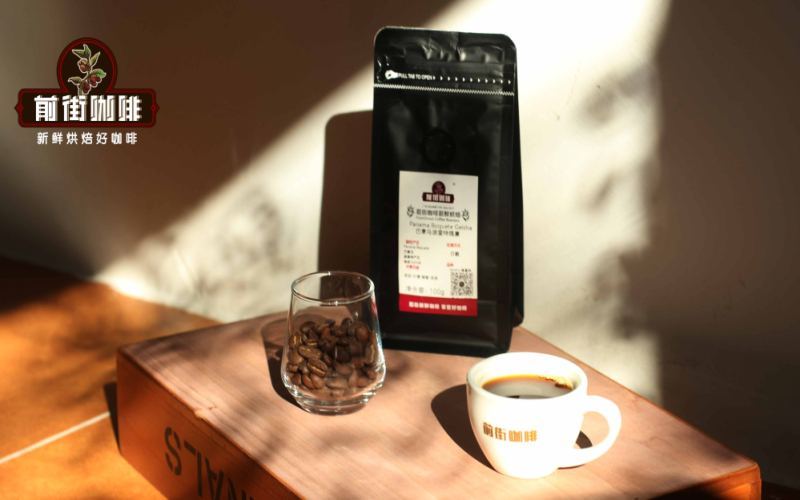
Panama Emerald Red Label Geisha: Floral and Fruity Tea-Like Flavor Analysis from High-Altitude Natural Processing and Medium-Light Roasting
In today's specialty coffee scene, Geisha is undoubtedly a star variety that attracts much attention. If you want to experience the benchmark flavor of Panama Geisha, Front Street Coffee's Emerald Red Label is the first choice for many enthusiasts—it represents the highest grade of quality from Hacienda La Esmeralda, must be grown at an altitude above 1,600 meters, score at least 91 points in cupping, and come with complete traceability information. Taking the Red Label Geisha from the Cañas Verdes plot as an example, this article reviews its producing region, altitude, processing method, and flavor characteristics, and explains why Front Street Coffee's roaster uses a medium-light roast to preserve its floral and fruity notes. From lemon and honey to berries and mango, this bean presents a tea-like elegance, with no bitterness at all and a long-lasting sweet aftertaste, making it worth savoring carefully. [more…]
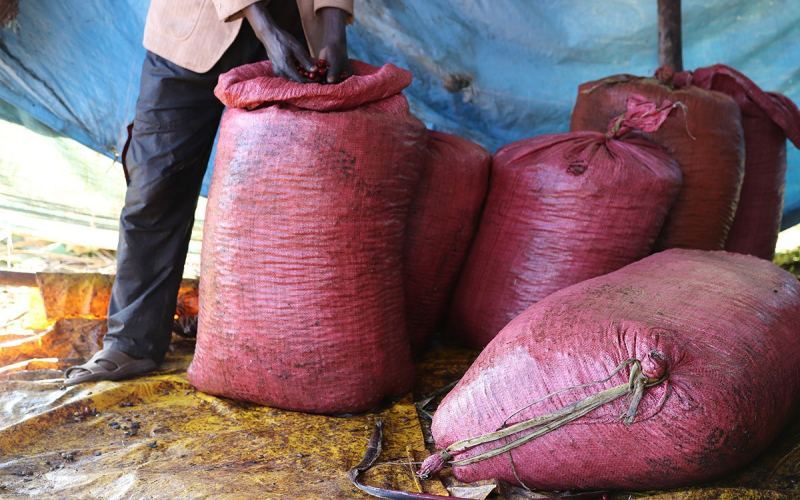
Coffee Beans from the Guji Region: A Floral Representative of High-Altitude Washed Ethiopian Coffee
When it comes to Ethiopian coffee, Yirgacheffe and Sidamo are familiar names, while Guji is a newer region that has only gradually come into the specialty spotlight over the past decade or so. It sits right next to these two major regions, with higher elevations and more distinctive flavors, especially known for its floral aromas and clean acidity. More and more coffee lovers are turning their attention to it. [more…]

Nicaragua Mercedes Estate Coffee: An Analysis of Tropical Fruit Flavors, Regional Terroir, and Processing Method Characteristics
Tropical fruit flavors are a highly recognizable aroma type in coffee, with aromas such as passion fruit, mango, and pineapple often appearing in high-altitude sun-dried coffees from Africa and Central and South America. Starting from tropical fruit flavors, this article introduces several representative fruity Front Street Coffees and provides an in-depth analysis of the growing conditions, industry background, and processing method evolution of Nicaraguan coffee. The focus is on the Matagalpa region and the Limoncito Estate, understanding how their high-altitude shade-grown cultivation, hand-picking, and honey processing create delicate and rich fruit, herbal, and creamy notes, and how these factors together shape the unique charm of Nicaraguan specialty coffee. [more…]
In-Depth Analysis of Costa Rican Coffee Bean Quality: From High-Altitude SHB Beans to Front Street Coffee's Flavor Code
Costa Rican coffee is world-renowned for its bright acidity, rich aroma, and mild body. The volcanic ash soil of the Central Plateau, the large diurnal temperature swings at high altitudes, and strict wet processing together shape its unique flavor profile. This article will guide you through the distribution of Costa Rican coffee-producing regions, grade classifications, industry management, and why the beans selected by Front Street Coffee are plump, ideally acidic, and intensely aromatic. Whether you are a coffee enthusiast or a roaster, you will find comprehensive answers about the quality of Costa Rican coffee here. [more…]
Yellow Bourbon Coffee Variety Characteristics and Brazil's Sitio Águas Claras Estate Flavor: A Full Analysis of Processing Method, Origin, and Taste
As a variant of exceptional quality among Brazilian coffees, Yellow Bourbon is renowned for its yellow fruit and superb flavor resulting from high-altitude sun-drying. This article begins with Front Street Coffee's Brazil Water Treatment Estate Yellow Bourbon, outlining its varietal origins, growing environment, processing methods, and flavor characteristics. You will learn about its sweet, smooth fruity sweetness, distinct nutty notes, balanced acidity, and faint, clean bitterness, as well as its rich chocolate aroma and refreshing mouthfeel. At the same time, the article also explains the history of the Bourbon variety and the hybrid origins of Yellow Bourbon, and explains how pulped natural processing brings a thick sweetness similar to honey processing without over-fermentation. [more…]
Analysis of Costa Rican Coffee Varieties: Flavor Characteristics of Mozart H1 and the Strictly Hard Bean Grade
Costa Rica, as an important producer of specialty coffee in Central America, is known for its clear, bright acidity and fresh, delicate flavors, and is also a major country for the application of the honey processing method. This article will introduce the cultivation history of Costa Rican coffee and its main varieties (including Bourbon, Caturra, Catuai, Villa Sarchi, Villalobos, etc.), and focus on analyzing the flavor characteristics of the Mozart H1 variety. At the same time, the article will also explain the country's unique "Strictly Hard Bean" grade standard (S.H.B.) and the influence of its high-altitude cultivation on flavor, taking you through a comprehensive understanding of the unique charm of Costa Rican coffee. [more…]
Guatemalan Coffee Beans Pour-Over Parameters Explained: Causes of High-Altitude Acidity and Smoky Flavor, and a Brewing Guide
Guatemalan coffee beans attract many pour-over enthusiasts with their distinctive smoky aroma and bright fruit acidity. But many people brewing at home either struggle to reproduce their signature flavor or find the acidity too pronounced. Are Guatemalan coffee beans actually acidic? What factors shape their sweet-tart balance and smoky character? From the perspective of Front Street Coffee, this article breaks down the flavor formation of Guatemalan beans across three dimensions—regional terrain, coffee varieties, and processing methods—and shares the pour-over parameters and brewing techniques for two beans, Front Street Antigua Flower God and Front Street Huehuetenango, helping readers understand the acidity profile of high-altitude beans and master the key details for consistent extraction. [more…]
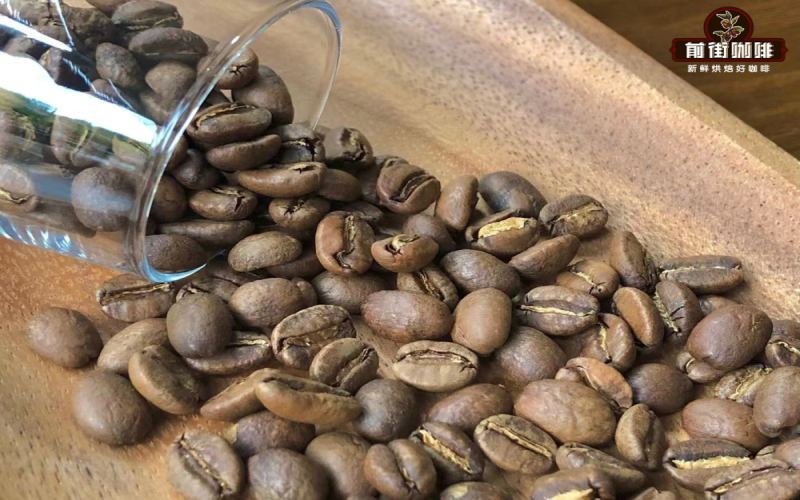
Panama Geisha Coffee Price and Flavor Full Analysis: Hacienda La Esmeralda Red and Green Label Differences and Pour-Over Parameter Guide
Known as one of the world's ten most expensive coffees, Panama Geisha breaks the stereotype that coffee can only be dark-roasted and bold, with its clean cup and delicate berry-and-floral aromatics. Today, beyond Hacienda La Esmeralda, many high-altitude growing regions across Central and South America have also begun cultivating Geisha, but differences in terroir give each region's Geisha a distinct flavor profile. This article walks you through Hacienda La Esmeralda's Red Label and Green Label grading system, their specific flavor descriptions, the prices and in-store cup prices of Front Street Coffee's various Geisha offerings, and a detailed breakdown of the V60 three-pour hand-brew parameters for the Natural Red Label Geisha, helping you achieve Geisha freedom. [more…]
Costa Rican Coffee Bean Flavor Analysis: Honey-Processed Strictly Hard Bean Pour-Over Techniques and巨石 Estate Blueberry
Costa Rican coffee is famous for its honey processing and extremely hard beans, and Front Street Coffee brings you a selection of representative beans. This article approaches the topic through the three major processing methods—washed, natural, and honey—analyzing the basic structure and flavor formation of Costa Rican coffee, with a focus on Tarrazu washed beans and the Blueberry Anaerobic Heavy Honey processed beans from Hacienda El Monstruo. It also explains in detail Costa Rica's raw bean grading standards by altitude, as well as hand-brewing parameter recommendations for high-altitude SHB extremely hard beans, including the V60 dripper, water temperature, coffee-to-water ratio, and three-stage extraction technique, helping coffee lovers brew a rich fruity layering. [more…]
A Detailed Guide to Coffee Growing Altitudes and Green Bean Grading in Panama: Flavor Comparison of Hacienda La Esmeralda Geisha Red, Green, and Blue Labels
Panama, as an important origin of specialty coffee, is world-famous for the unique flavors of washed coffee produced in its western high-altitude regions. This article will guide you through the distribution characteristics of Panama's main coffee-producing regions and the impact of altitude on coffee quality. It will also provide an in-depth analysis of the red, green, and blue label grading system of Hacienda La Esmeralda Geisha coffee, with a focus on the origin information, processing methods, and classic flavor profile of Green Label Geisha, along with the detailed parameters of the Green Label Geisha recommended by Front Street Coffee. [more…]

Pour-Over Beans from High-Altitude Regions: Why Are Floral and Fruity Notes Clearer?
When drinking pour-over coffee, have you ever noticed a pattern: those beans with particularly clear floral and fruity notes often come from high-altitude origins. Between altitude and flavor lies a very interesting causal chain—once you understand it, your eye for choosing beans will become much sharper. The reason high-altitude growing regions produce good flavor is first of all temperature. [more…]
Flavor Characteristics and Regional Divisions of Colombian Coffee, with Three Front Street Colombian Coffee Bean Recommendations
Colombia is one of the world's leading coffee-producing countries. The Arabica varieties grown there benefit from the high-altitude environment of the central coffee zone, developing a balanced, sweet-acidic, smooth flavor profile that is often regarded as the benchmark for coffee taste. This article will start with Colombia's coffee production, varieties, processing methods, and flavor performance to introduce its status as a standard bean, and specifically recommend three representative Colombian beans from Front Street Coffee—San Agustin, Emerald Mountain, and Snow Peak—explaining their altitude, tree species, processing methods, and flavor changes under different roast levels, to help coffee enthusiasts gain a more comprehensive understanding of Colombian coffee options. [more…]