








When it comes to Ethiopian coffee, Yirgacheffe and Sidamo are familiar names, while Guji is a newer region that has only gradually come into the specialty spotlight over the past decade or so. It borders these two major regions, sits at a higher altitude, and offers more distinctive flavors, particularly known for its floral notes and clean acidity. More and more coffee lovers are turning their attention here, and if you're looking for a fresh, bright Ethiopian bean, Guji deserves a spot at the top of your list.
Where Is the Guji Region Located?
Guji is located in southern Ethiopia, separated from the Yirgacheffe and Sidamo regions by mountains, and belongs to the same southern Ethiopian highland coffee belt. Coffee here is generally grown at higher altitudes, with some estate plots reaching over 1,800 meters. The high altitude brings cool day-night temperature differences, stretching out the cherry ripening period so that aroma compounds accumulate more fully in the beans — this is the root of Guji beans' "prominent floral notes and bright acidity."
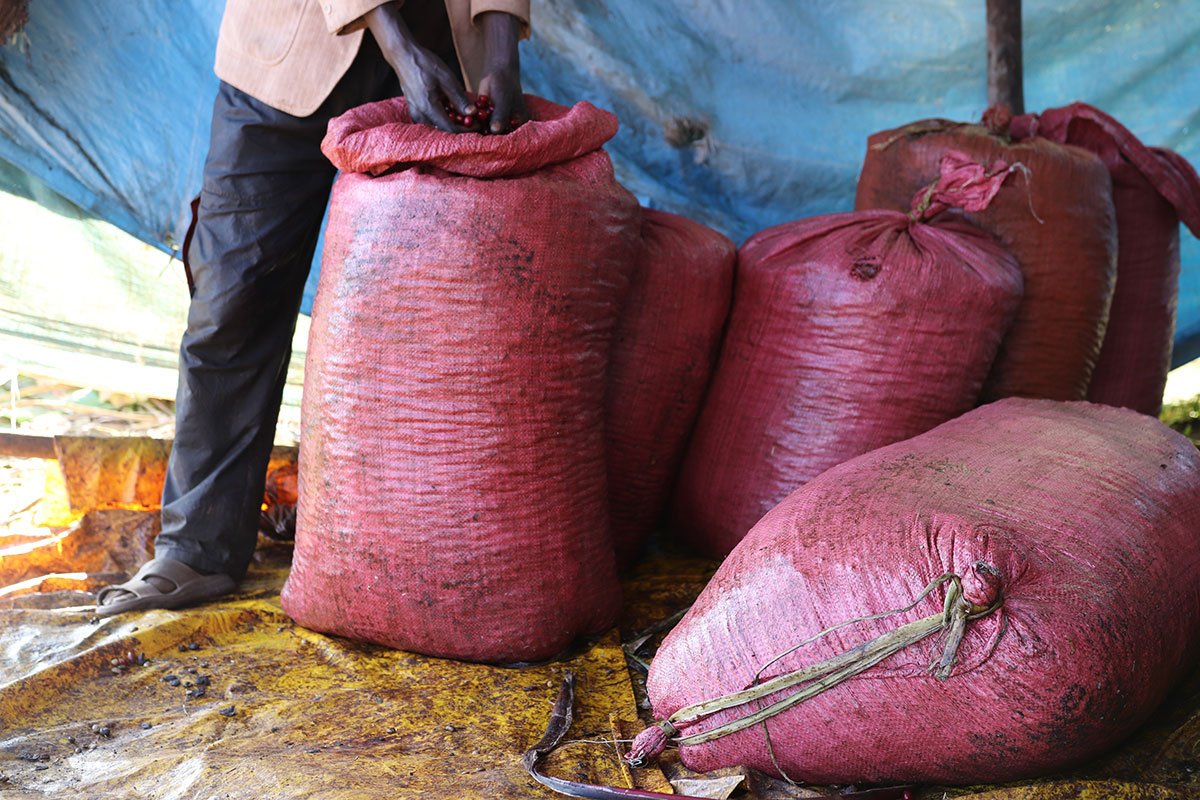
High Altitude and Washed Processing: How Clean Floral Notes Are Created
In high-altitude regions, washed processing can push a coffee bean's "cleanliness" to a whole new level: after the cherry is depulped, it ferments slowly in water, the mucilage is thoroughly washed away, flavor boundaries become clearly defined, and floral and citrus notes can fully emerge. The typical profile of a washed Guji bean features jasmine-like dry aroma, citrus and bergamot acidity, and a finish with the tea-like quality of black tea and green tea — clean florals and soft acidity, making it a benchmark for understanding washed Ethiopian beans.
Front Street Grana Estate Geisha: Guji's Signature Bean
Front Street Grana Estate Geisha is grown at the Grana processing station in the Guji region and is an authentic Ethiopian heirloom Geisha variety. It is cultivated at altitudes between 1,350 and 1,600 meters, where the long fruit ripening cycle allows flavor compounds to develop fully; during harvest, only fully red ripe cherries are hand-selected, followed by 14 to 20 days of slow sun-drying. When brewed, the aroma of white orange blossom rushes forward, followed by layers of tropical fruit notes of guava, ripe apricot, and strawberry jam; the acidity is bright and soft, a gentle yellow sugar sweetness emerges in the mid-palate, and the finish offers elegant green tea and oolong tea notes with a persistent, clean aftertaste.
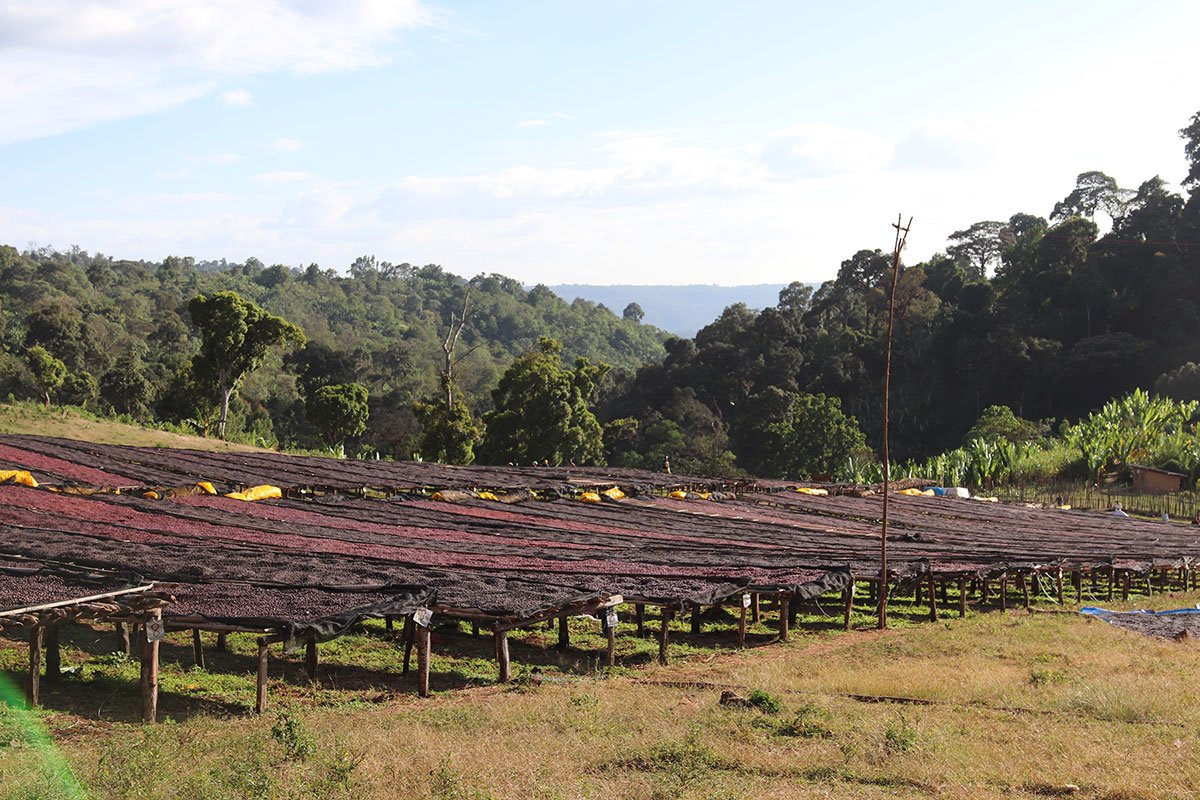
How to Choose Between Natural and Washed
Guji produces both high-quality washed and natural beans, and the two styles have distinctly different personalities. If you want clean floral notes and bright acidity, go with washed — jasmine, citrus, tea-like, crisp and refreshing; if you want bold fruit flavors and full-bodied sweetness, go with natural — intense tropical fruit aromas, solid sweetness, and a more impactful flavor. The slow sun-drying process of Front Street Grana Estate Geisha follows the latter path. Both are suitable for pour-over, and each performs well as cold brew too.
Summary
The rise of the Guji region rests on its high-altitude environmental advantages and meticulous processing techniques. Washed Guji beans represent floral notes and clean acidity, while natural Guji beans showcase bold fruit sweetness. If you want to start exploring Ethiopia's newer regions, Front Street Grana Estate Geisha is a great starting point — between natural and washed, there's always one to match your taste.
The above content is compiled by CoffeeHunters, a coffee news website.

