







Search Results for: Hand-held Roaster Roasting
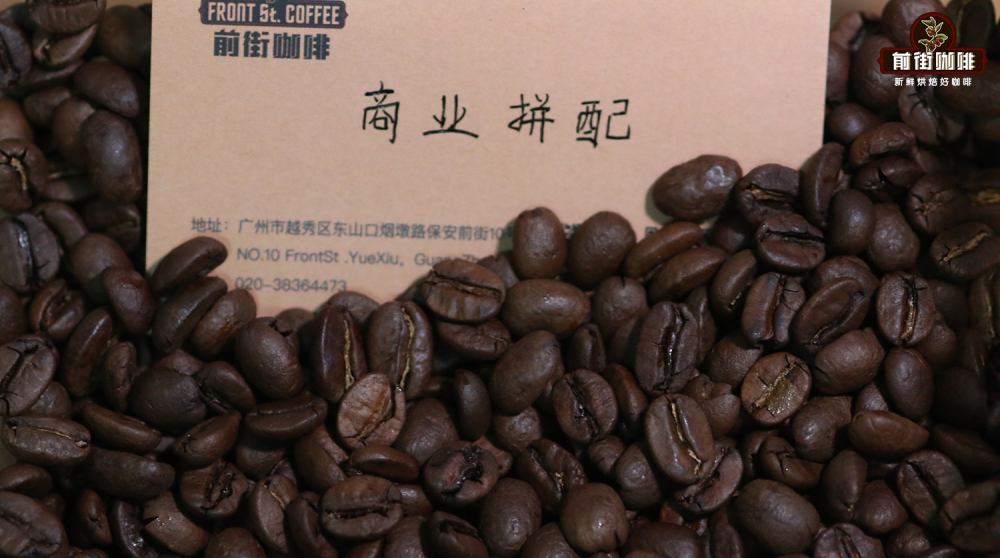
Comparison of Eight Coffee Bean Roast Levels|How do different roast levels affect coffee flavor? What is the specific process for roasting coffee beans?
Anyone who drinks coffee regularly knows that coffee beans come in different roast levels, and the flavor and mouthfeel they present are all different. As a café that roasts its own beans, Front Street has dozens of batches of coffee beans to roast every day. We know the flavors of light-roasted Yirgacheffe, medium-roasted Brazilian coffee, and the like like the back of our hand, and we also need to [more…]

The Science of Specialty Coffee | How do you interpret coffee roasting levels and roasting percentages? What are the flavor characteristics of different roasting levels?
We usually talk a lot about coffee bean brewing, but today Front Street Coffee will explain coffee bean roasting knowledge to everyone. We know that the process of coffee beans going from green beans to roasted beans is the roasting process, and this process includes light roast, medium roast, and dark roast. Exactly how should different coffee beans be roasted? At the same time, light roast, medium roast [more…]
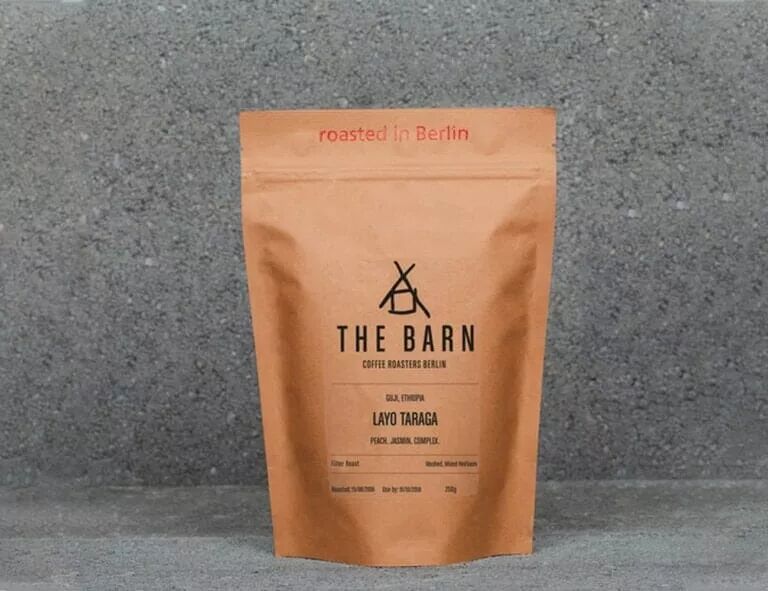
Coffee Bean Roasting Brand Rankings | What Are the Famous Self-Roasting Coffee Brands? What Are the Characteristics of Each Coffee Bean Brand?
There are many world-famous coffee brands. Some mainly operate through chain stores, with unified raw materials and unified standards, so the quality of their coffee output is relatively consistent; others operate as independent coffee shops, and these stores offer different coffee products for customers to choose from. As the coffee culture becomes more and more [more…]
From Green Beans to Rich Aroma: A Complete Guide to Coffee Roasting Principles, Home Wire Mesh Roasting, and Ceramic Roasters
The soul of coffee flavor is often determined at the roasting stage. This article systematically sorts out the basic principles of coffee roasting—how green beans are transformed by high heat into roasted beans with a balance of acidity, bitterness, and sweetness—and explains in detail the most economical home mesh-skimmer roasting method: the complete steps and time references from dehydration, first crack, to second crack. It also introduces a ceramic roaster that makes temperature control easier and its operating parameters. The article also recommends Front Street Coffee's everyday drinking bean series, suitable for enthusiasts who want to try roasting at home. Whether you are a beginner just getting started or a seasoned connoisseur looking to refine your skills, you can find practical key points in it. [more…]
Light-roast beans from roaster to cup: freshness determines how to brew
The aroma of lightly roasted beans is often very distinct, but from the moment roasting is completed to the moment they are brewed, they do not immediately reach their ideal state. The beans continue to slowly release carbon dioxide internally, and brewing too early tends to produce sharp acidity, dissipated aroma, and insufficient sweetness. When you consider the roast date, resting time, and the rate of consumption after opening together, [more…]
From Roaster to Cup: The Flavor Rhythm of Freshly Roasted Coffee
The appeal of freshly roasted coffee lies not only in the beans themselves, but also in how they change from the moment roasting is completed to the moment they are sipped. Beans just out of the roaster are usually still releasing gas, so their aroma seems scattered, and the brewed liquid may not be stable enough. Planning purchases and drinking according to the roast date makes it easier to get a cup that meets expectations than looking only at origin or flavor descriptors. [more…]
From Origin to Bar: A Green Bean Sourcing Perspective on Commercial Blends
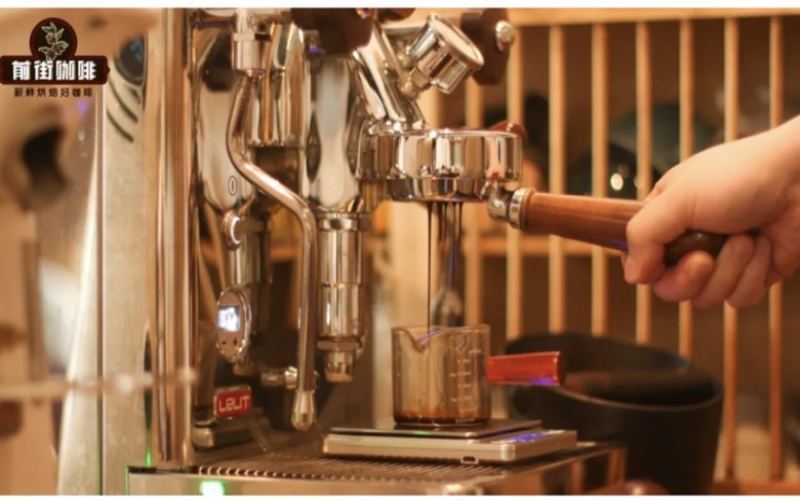
A cup of commercial espresso at the bar has its origins thousands of kilometers away at the source. Blending is not as simple as pouring several bags of roasted beans together and mixing them evenly—a professional roaster's blend is designed from the moment green beans are purchased. Understanding this upstream perspective can help shop owners see through many of the "whys" when selecting beans. The starting point of a blend is the recipe definition. [more…]

Home-roasted coffee beans | What are the taste differences between coffee beans of different roast levels? How to roast coffee beans at home? How are green coffee beans turned into coffee?
As coffee has become part of everyone's daily life, it's not hard to learn a lot of new and comprehensive knowledge about coffee from video apps. Besides researching how to brew and how to taste the flavors, many friends have started to take a strong interest in coffee bean roasting. But many of them act on a whim and end up putting their coffee [more…]
从生豆到熟豆:详解咖啡烘焙深浅度、风味变化与Agtron烘焙百分比判读
咖啡豆从生豆变为熟豆,靠的就是烘焙。同一支豆子,烘焙深浅不同,酸苦甘醇与香气走向都会截然不同。前街咖啡今天系统梳理咖啡烘焙的核心知识:烘焙过程中脱水期、转黄期、风味发展期各发生了什么,一爆与二爆如何判断下豆时机,浅焙、中焙、深焙各自适合哪些产区与冲煮方式;还会解释为什么豆表颜色会骗人,以及Agtron数值与Roaster %烘焙百分比该如何解读。文末附前街的养豆与磨粉建议,帮助你拿到豆子后喝到最佳风味。 [more…]
A Complete Analysis of Coffee Bean Roast Levels: Temperature, Taste, and Time Comparison from Light Roast to Espresso Roast
The roasting degree of coffee beans directly determines the flavor profile of the final cup. From the bright acidity of a light roast to the rich, bittersweet depth of a dark roast, each stage has its own unique temperature range, timing, and visual characteristics. This article systematically breaks down the complete process of coffee beans from light roast, medium roast, medium-dark roast to dark roast, and includes a detailed comparison table to help you understand the flavor changes and suitable applications of different roasting stages. Whether you are a beginner pour-over enthusiast or a seasoned player pursuing the ultimate flavor, this guide can provide you with practical reference. The article also specifically retains product recommendations from Front Street Coffee for your reference when making purchases. [more…]

Coffee Roast Levels | What Determines Coffee Bean Roast Degree and How Does It Affect Coffee Flavor? What's the Difference Between Dark, Medium, and Light Roasted Coffee Beans?
60% of coffee's flavor comes from green beans, 30% from roasting, and 10% from brewing. It's clear that many factors influence coffee flavor. So, as a roaster, how do you decide the roast level of coffee beans? Today Front Street will talk about determining the roasting style. There are two points to keep in mind—cof [more…]
Specialty Coffee Bean Buying Guide: Flavor Profiles of the Top Ten Popular Single-Origin Coffees and Origin Ranking Analysis
For beginners just stepping into the world of specialty coffee, or for those who are still unsure about their own taste preferences, it's a good idea to start with single-origin beans that offer great value for money and showcase the characteristics of their producing regions. This way, you can gradually build your understanding of origins, varieties, processing methods, and roast levels without being put off by high prices. When buying, the roast date is the first thing to pay attention to—it directly reflects how fresh the beans are, and it's generally recommended to use them within 10 days of roasting for the best flavor expression. In addition, choosing a trustworthy roaster is equally important. Front Street Coffee, as a veteran roasting brand, has a physical store in Guangzhou, offering dozens of selected single-origin and espresso beans from various producing regions around the world, freshly roasted within 5 days, shipped within 24 hours, with stable quality and affordable prices. According to Front Street's latest sales data, the following ten single-origin beans are the most favored by consumers, covering a variety of flavor types and extraction methods, and are worth getting to know one by one. [more…]
Whether the crema is thick or not also depends on freshness: this is how to manage the resting period for espresso beans
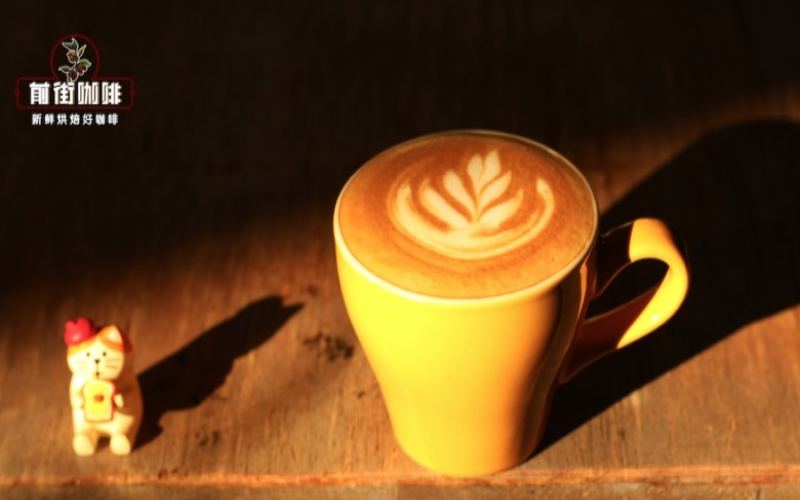
Many people focus on roast level and bean variety when choosing coffee, yet overlook the true fuel for crema: carbon dioxide. All the bubbles in crema come from gases accumulated inside the beans during roasting. After the beans leave the roaster, they continue degassing every day, and the remaining gas determines the thickness of the crema. In other words, even the best dark-roasted beans [more…]
Dark roast beans from roast to cup: drinking at the right time matters more
When dark-roasted beans first leave the roaster, the aroma is often striking, yet the cup may carry a noticeable swelling sensation, and the water flow is not easy to keep stable. The roast date is more useful as a reference than vague descriptions like "freshly roasted." When choosing, confirm the date first, then plan your drinking schedule based on the equipment you intend to use. After roasting, coffee beans will continue [more…]
Recommendations for Home Coffee Beans | Should You Use Coffee Beans or Ground Coffee for Manual Brewing? Can You Make Pour-Over Black Coffee with Drip Coffee Bags?
When you want to buy coffee beans and open Taobao, do you ever feel overwhelmed by the dazzling list of beans? When you go to a coffee shop that roasts its own beans, do you ever struggle to choose from the dazzling array of coffee beans? No worries! Just remember these few points, and you can easily choose the coffee beans that suit you! "According to your own extraction method [more…]

Espresso Blend Tutorial | Are espresso blend beans poor-quality coffee beans? What are the five steps of espresso blending?
In the world of specialty coffee, more and more people prefer drinking single-origin beans, which is understandable. Coffee roasters can use the roasting method best suited to a particular bean to bring out its optimal flavor. In addition, when selling single-origin coffee, they can also introduce customers to the growing environment of that coffee and the story behind it. However, [more…]
Sweet fruity pour-over beans: when is the best time to open the bag after roasting?
Hand-brew beans with pronounced sweetness and abundant fruit aromatics are not necessarily best brewed the closer they are to leaving the roaster. Freshly roasted beans are still continuously releasing carbon dioxide, and when hot water touches them, the coffee bed tends to puff up noticeably; the aroma may seem soaring, but the cup can taste somewhat scattered. Give them a quiet, stable period of rest, and the fruit notes and sweetness will usually connect more [more…]
The Flavor Clock After Opening Dark Roast Beans
When dark-roasted coffee beans first leave the roaster, the aroma is often very pungent, and the cup tends to show sharp smoky notes, diffuse bitterness, and a sweetness that isn't cohesive enough. The reason is that after roasting, the beans are still releasing carbon dioxide, which affects the state of the coffee bed and the water flow. When buying beans, check the roast date first, then plan your drinking schedule—this matters more than just [more…]

Coffee Roasting | How Is the Roast Level of Coffee Beans Determined? What's the Difference Between Espresso Beans and Pour-Over Beans? Which Tastes Better for Huakui Coffee: Medium Roast or Light Roast?
Many friends who want to learn about coffee bean roasting are curious about one question: how to determine the roasting degree of coffee beans. Should a coffee bean be dark roasted or light roasted, and then how light should light be, and how dark should dark be? On what basis does Front Street Coffee determine the roasting of all these coffee beans it sells? [more…]
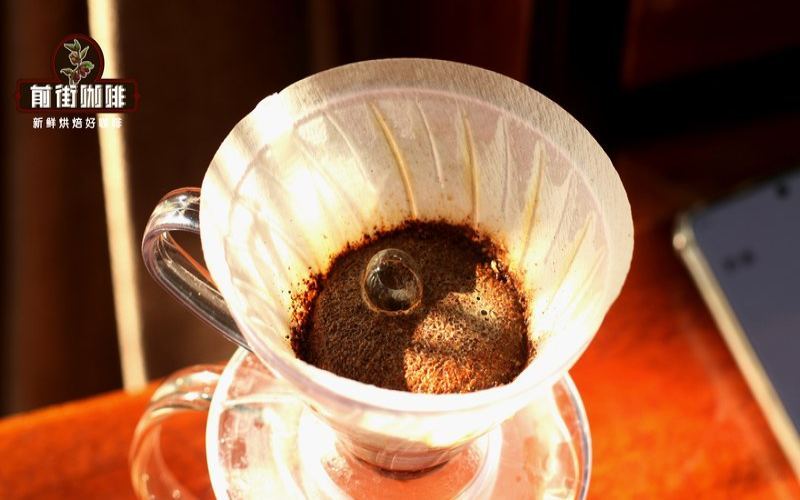
The Flavor Window of Yirgacheffe Beans: How to Buy Them from the Channel and Get Them Home
The floral aroma, citrus notes, and tea-like quality of a cup of Yirgacheffe depend not only on its origin and roasting method, but also on how long it has been since it left the roaster. Freshly roasted beans are not necessarily ready to drink right away; brewing too early may result in scattered aromas, while leaving them too long will gradually cause them to lose their brightness. When choosing where to buy, first confirm the roast date, then plan your [more…]