







How should the roasting process treat Hualkui green beans?
For Ethiopian natural Hualkui, the roasting process should aim at a medium-light level. African beans carry bright floral and fruity notes, and a lighter roast preserves them rather than flattening them. The recorded profile used a Yangjia 800N with a charge temperature of 190°C, controlled dehydration and yellowing stages, and careful timing of first crack and development, checked through cupping of three batches.
Bright coffee meaning, in this context, points to the clean, vivid acidity that lighter roasting protects. Roast level depends on origin and region: Asian coffees often suit medium-dark for body and herbal notes, American coffees medium-dark for nut and chocolate, and African coffees medium-light for floral and fruit. Green bean data, moisture, and storage conditions also shape the result.
The Geisha coffee beans come from the Hambela region of Sidamo, Ethiopia, and are famous for the berry-cream notes imparted by the natural process. This article focuses on the roasting approach for Geisha green beans, explaining in detail how to choose a medium-light roast based on the bright floral and fruity characteristics of African beans, and how to determine the optimal curve through comparative cupping of three batches. It records the specific parameters used by Front Street's roaster with the Yangjia 800N machine, including a charge temperature of 190°C, the dehydration-to-yellowing time, the timing of first crack and development time control, and provides a complete brewing recipe for the V60 dripper. At the same time, it covers the variety background of Geisha, the origin of its name, and the influence of the natural process on flavor, helping coffee enthusiasts fully master the roasting and extraction key points of this bean.
For more specialty coffee knowledge, please follow the WeChat official account: Front Street Coffee (FrontStreet Coffee)
For green coffee beans to become roasted beans that can be ground and brewed, they must go through the roasting process. Whether the roast level stops at light, medium, or dark depends on the flavor direction presented by the coffee's country of origin and region. In addition to understanding the taste and characteristics of the green beans themselves, the roaster must also take into account factors such as the growing region, climate conditions, altitude, post-harvest processing method, moisture content at packaging, and temperature and humidity during export and storage. These variables all influence the final roasted taste, and the ability to understand their impact on roasting results is precisely what coffee professionals continually strive to master.
For example: coffee from Asian regions often takes a full-bodied approach with herbal and nutty notes, making a medium-dark roast more suitable; coffee from the Americas is dominated by balanced nutty and chocolate notes, also suited to medium-dark roasting; African regions present a bright, clean floral and fruity style, where a medium-light roast better brings out its strengths. When Front Street receives newly arrived coffee beans, Front Street's roaster first reviews the green bean information: country of origin, region, variety, processing method, and flavor description.
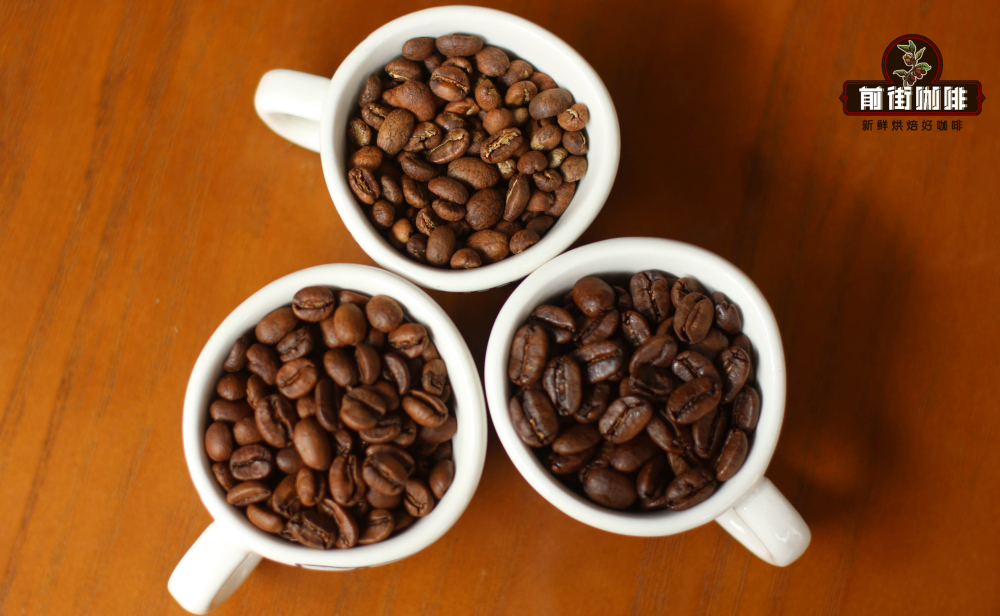
Based on this basic information, Front Street's roaster will first roast three curves—one lighter, one medium, and one darker—then cup each of the three curves the next day to select the option that best matches that coffee bean's flavor.
Front Street Geisha Coffee
Front Street Geisha coffee beans belong to the African Ethiopia region. African beans are generally light, transparent, with prominent floral and fruity notes and vivid acidity. Given these flavor characteristics, the roast should naturally follow a medium-light approach. If a medium-dark roast were used instead, the flavor would shift toward bitterness and caramel, suppressing the floral and fruity notes and deviating from the character that Ethiopian beans should have. Therefore, in order to fully showcase the bright, uplifting acidity of Ethiopian coffee, Front Street Coffee (FrontStreet Coffee) typically uses a medium-light roast for coffee beans from the Ethiopian region.
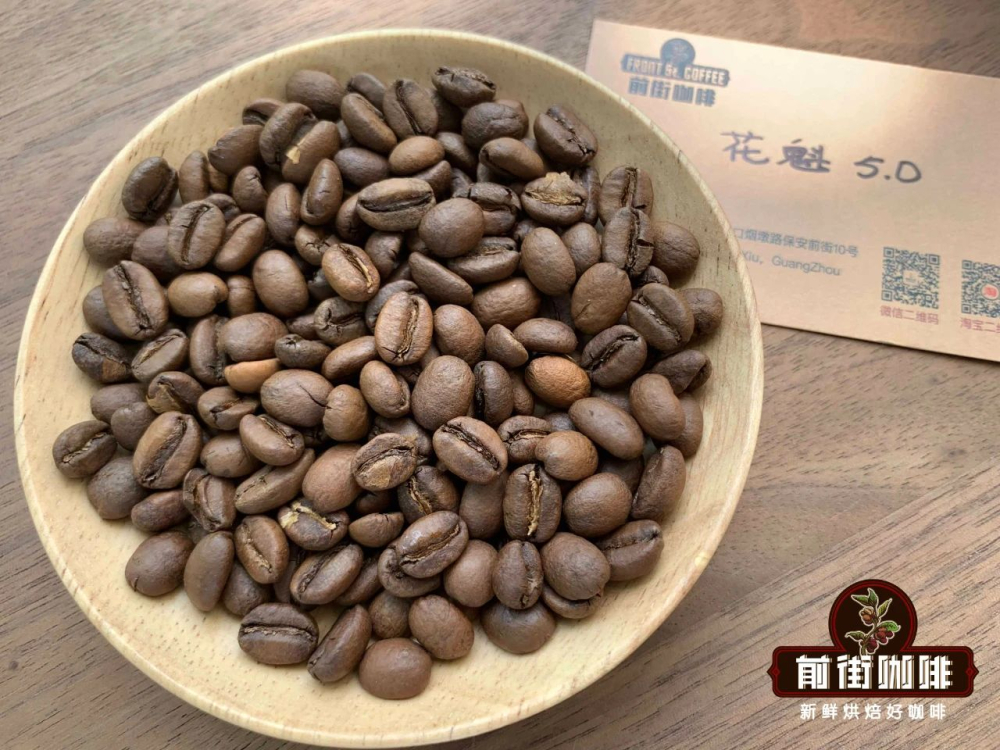
African series coffee beans are clean and bright when fresh, but the body is somewhat thin. Every bean has its own roasting curve, and the timing of charge and drop must be precisely judged to lock in the optimal flavor. When recording curves, each batch of roasted beans should be carefully blind-tested and documented. By firmly grasping the key elements, you can easily reproduce the taste the coffee beans should have. Remember, the roasting curve and technique may differ for every batch of beans. The environmental factors of the green beans in their growing region also affect quality—the rainfall in the region this year versus last year, and the drying process before export, are all key factors that cannot be ignored.
Front Street Geisha coffee is produced in the Hambela sub-region of the Sidamo region. Hambela is located within the well-known Guji (GUJI) region of Sidamo, and its western side faces Yirgacheffe's Kochere across the mountains.
Front Street Geisha coffee beans come from the Hambela region. Ethiopian coffee beans are mostly named after their production regions, so why is this bean called Geisha rather than simply "Hambela"? There is a story behind this. In 2017, this naturally processed coffee bean from the Hambela region was submitted by DW Company to the African green bean competition TOH (Taste of Harvest), where it won first place in the natural category.
In the same year, a Chinese Beijing-based green bean company—Hongsun Company—tasted a captivating vanilla cream flavor in this bean and judged that with continued improvement in post-processing techniques, it had the potential to become the next Geisha. They therefore introduced it to China and named it "Huakui," meaning high expectations.
Coffee is ultimately an agricultural crop, and its flavor will fluctuate with climate changes each year, but the main profile will not change. To distinguish Geisha from different years, there are Geisha 2.0, 3.0, all the way to today's Geisha 5.0 and Geisha 6.0. Front Street's Geisha 5.0 is very popular, with outstanding flavor showing citrus, berries, tropical fruits, jackfruit, and melon honey-like sweetness that is unforgettable at first sip.
The Variety of Geisha Coffee Beans
Ethiopia is the birthplace of coffee, and its varieties are extremely diverse. In addition, limited local economic conditions mean there is insufficient funding for large-scale verification of coffee varieties; at the same time, the Ethiopian government, in order to protect information on native coffee varieties, is also unwilling to make it public. Therefore, many local varieties are collectively referred to as "local heirloom varieties."
The Processing Method of Geisha Coffee Beans
Coffee from the Sidamo region typically uses the most primitive and traditional natural process. The natural process involves keeping the ripe coffee cherries whole and spreading them out to dry in the sun. The sugars in the fruit pulp and mucilage permeate into the green coffee beans over time, making the sweetness more prominent and the mouthfeel heavier and smoother. Geisha coffee in particular has berry-cream flavors that are very alluring.
Roasting Approach and Roasting Curve for Geisha Coffee Beans:
Roasting has a decisive influence on coffee flavor. A bean's inherent flavor characteristics will not be completely rewritten by roasting, but as the roast degree deepens, the flavor contributed by roasting becomes increasingly prominent, while the original vegetal and aromatic notes gradually decrease, and the overall profile becomes deeper. The most dramatic stage of this change occurs after first crack begins. The roasting process is quite tricky—if the heat is too strong, the outside will be done while the inside is raw; if the heat is too weak, the inside will be overdone. Dehydration is often the most critical first step in roasting. Coffee beans themselves contain a certain amount of moisture, and given varying storage conditions, they may absorb dampness, making the dehydration stage especially important. Key one: warm the drum; key two: determine the charge temperature based on the nature of the green beans; key three: heat adjustment. To roast coffee beans evenly inside and out, proper heat control is the core.
From turning on and warming up the machine, loading the green beans, and watching the roaster temperature climb, passing the turning point and continuing to rise, waiting for first crack, or waiting for second crack to complete the roasting action. Roasting coffee may seem simple, but it is actually an art that requires accumulated experience.
Due to daily production needs, a batch size of 550g (full load) is chosen for charging:
Charge temperature: 190°C
Curves were adjusted only by changing the charge temperature and development time:
Batch 1: Yellowing point: 150.3°C, 5 min 55 sec, first crack at 196°C, development 1 min 40 sec, first crack at 9'55
Batch 2: Yellowing point: 151°C, 5 min 51 sec, first crack at 193°C, development 1 min 30 sec, first crack at 9'50
Front Street's cupping results for Geisha are as follows:
Batch 1: Wet aroma has a distinctly strong green tea aroma and floral notes. Sipping reveals green tea, jasmine, lime, and cane sugar aromas. The mouthfeel is light and clean, with soft, fresh acidity. However, the finish is lacking, with only some sweetness remaining in the mouth. It drinks very easily, like drinking a cup of tea rather than coffee.
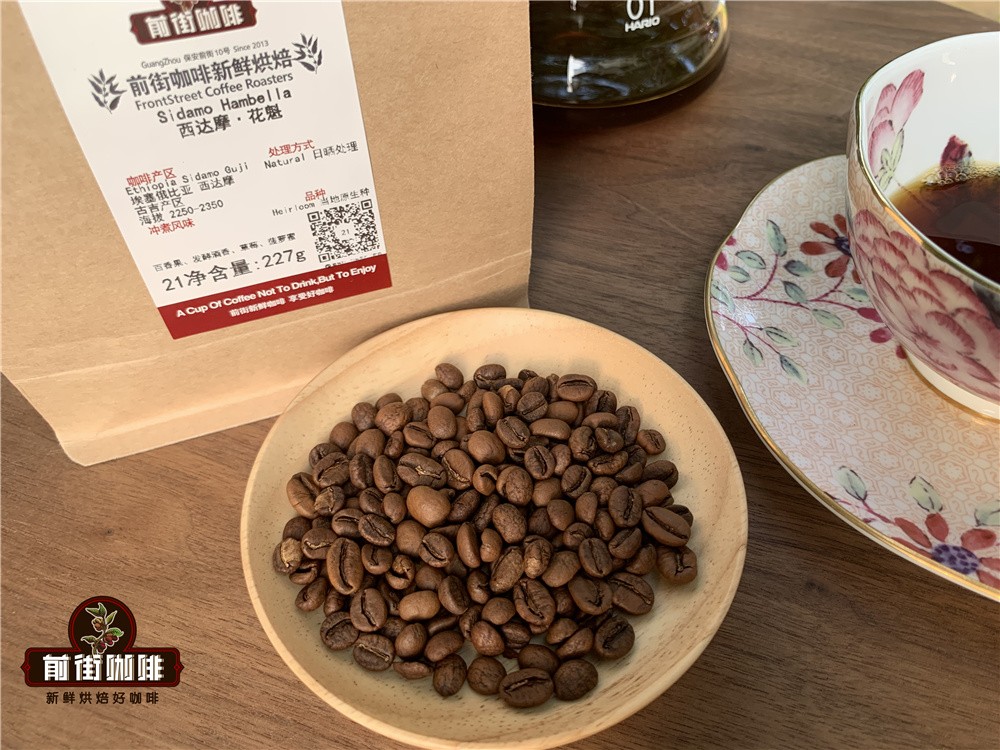
Batch 2: Wet aroma has yellow lemon, floral, and black tea notes, with a prominent citrus character. Sipping reveals black tea, yellow lemon, caramel, and jasmine aromas. At this roast level, the flavor begins to become rich and substantial. The entry acidity is more elegant, sweetness is perceived more quickly and is higher, with fermented wine notes, cream, tropical fruits, and jackfruit, making it overall more balanced.
After roasting and adjustments, Front Street's roaster, using a Taiwan Yangjia 800N machine, determined after cupping that the more satisfactory curve was Curve 2:
Charge at 190°C, dehydration to yellowing completed in nearly 6 minutes. (Yellowing point at approximately 150-153°C)
First crack begins at around 9 min 50 sec (Geisha's first crack comes later than most beans, and the crack sound is very weak)
The development time after first crack, according to Front Street's roaster, should be controlled at no more than 1 min 30 sec and no less than 1 minute (it is recommended to open the damper wider and reduce heat to regulate the pace). Using a tryer to smell the aroma, at around 193°C you can smell strawberry jam, which is the signal to drop the beans. The total time for Geisha is best kept within 11 minutes.
Front Street's Brewing Parameters for Front Street Geisha Coffee:
In order to fully extract the rich layers of Geisha, Front Street uses a higher water temperature and a finer grind for extraction. However, to avoid over-extraction caused by high temperature, a faster-flow dripper such as the V60 is used. The V60 dripper has a 60° cone shape, and the cone angle allows the coffee grounds to concentrate and the water flow to automatically converge toward the center of the dripper during pouring, ensuring sufficient contact time between water and coffee grounds to extract the proper coffee liquid. In addition, the ribs on the inner wall of the V60 dripper form a clockwise spiral extending from the bottom to the top, leaving enough space between the filter paper and the dripper for good water flow. Combined with the large hole at the bottom, the flow rate is relatively faster than many other drippers.
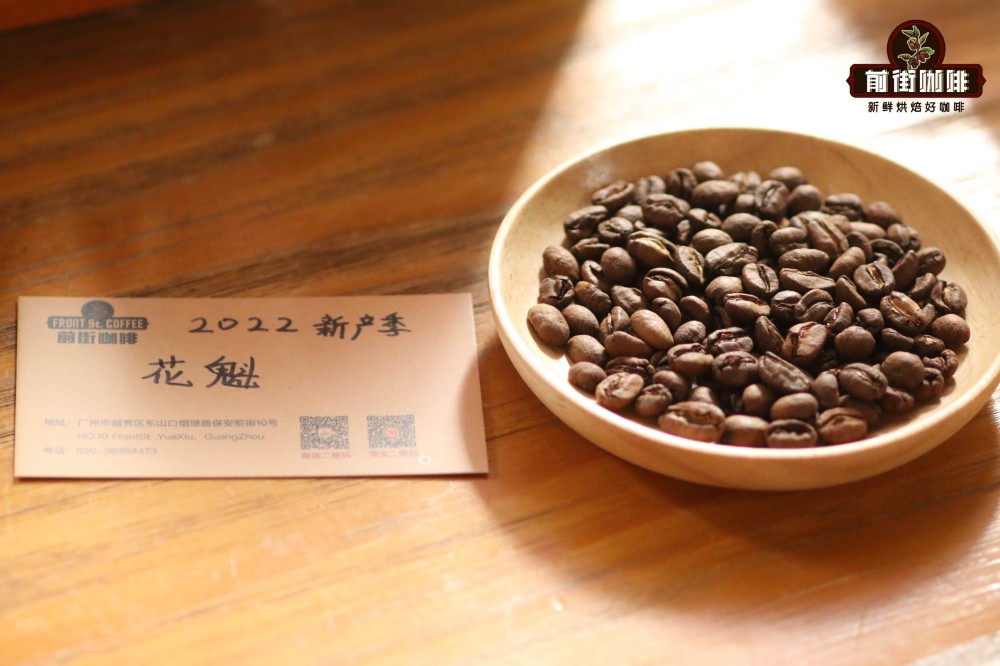
The specific brewing parameters used by Front Street are: V60 dripper, water temperature 90°C, water-to-coffee ratio 1:15, coffee dose 15g, medium-fine grind (80% passing through a Chinese No. 20 standard sieve)
Front Street Coffee (FrontStreet Coffee) segmented extraction method: First, use 30g of water to fully wet the coffee bed into a "hamburger" shape and bloom for 30s; for the second pour, at 1'00" on the timer, pour water until 125g, then stop and wait for the water level to drop to 2/3 of the coffee bed before pouring the third segment; for the third pour, at 1'40" on the timer, pour water until 225g. After the coffee liquid has fully dripped through, the total extraction time is 1'59". The total brewing time is 2'00". After extraction is complete, gently swirl, and wait for the coffee liquid to be fully uniform before tasting.
Front Street Natural Sidamo Geisha coffee flavor: light fermented wine aroma, heavier caramel, a much richer and more complex mouthfeel, honey sweetness, cocoa notes with a hint of spice, a full body, and a lasting finish.
Front Street Coffee (FrontStreet Coffee) Brewing Suggestions:
Freshly roasted coffee beans are best left for 2-5 days to allow a large amount of carbon dioxide inside the beans to escape before drinking, which makes them smoother. Front Street uses aluminum foil bags with one-way degassing valves to store coffee beans, which prevents air from entering and causing oxidation while allowing carbon dioxide to escape, ensuring the coffee beans stay in the best fresh condition. Therefore, all coffee beans shipped by Front Street Coffee (FrontStreet Coffee) are within 5 days of the roast date. Front Street's roasting philosophy is "freshly roasted good coffee," so that every customer who places an order receives the freshest coffee when they get it. The resting period for coffee is about 4-7 days, so when the customer receives it, it is at its optimal flavor.
For those who need ground coffee, Front Street offers a friendly reminder: once coffee beans are pre-ground, there is no need for further resting, because during transportation the pressure from carbon dioxide inside the package also rounds out the coffee's flavor, so you can brew a cup immediately upon receiving the ground coffee. However, ground coffee needs to be brewed promptly, because ground coffee oxidizes relatively quickly after contact with air—that is to say, the coffee's flavor will dissipate relatively quickly, and the coffee will not taste as good. Therefore, Front Street recommends buying whole beans and grinding fresh for each brew, so you can better enjoy the coffee's flavor.
The above content is compiled by CoffeeHunters, a coffee news website.


