







Search Results for: Hand Brew Grind Size
The Complete Guide to Pour-Over Coffee: Water Temperature, Grind Size, Coffee-to-Water Ratio, Five Brewing Methods, and Bean Selection Tips
The charm of pour-over coffee lies in the ritual of pouring water by hand, but many people can never reproduce the taste of a coffee shop at home, and the problem often comes down to four variables: water temperature, grind size, coffee-to-water ratio, and pouring technique. In this article, Front Street Coffee takes a practical approach and systematically explains the water temperature ranges for light-to-medium and medium-dark roasted beans, a grinding standard based on an 80% pass rate through a No. 20 sieve, and a recommended 1:15 coffee-to-water ratio. The article also breaks down in detail five pour-over methods: the three-pour method, the European-American stir-and-bloom method, the Japanese drip method, the single-pour method, and the volcanic pour, while offering actionable adjustment methods for blooming and degassing, pouring rhythm, and the causes of failed extraction, helping coffee lovers consistently reproduce a cup of good coffee with clear flavor. [more…]
Drip Bag Coffee Can Also Make Iced Drinks: A Detailed Guide to Simple Home Brewing Parameters for Hand-Poured Iced Coffee and Cold Brew Coffee
On a scorching summer day, a glass of iced coffee always brings a refreshing, invigorating coolness. But for coffee lovers without professional equipment, is it still possible to easily make delicious iced coffee? The answer is yes. This article will use the most convenient drip bag coffee as a starting point to explain in detail two home methods for making iced coffee—iced pour-over coffee and cold brew coffee. From bean selection and parameter adjustment to specific operating steps, Front Street will break down the key points one by one, including core parameters such as water temperature, coffee-to-water-to-ice ratio, and grind size, as well as how to compensate for the limitation that drip bag coffee cannot adjust grind size by changing the brewing strategy. Whether you want to quickly get a refreshing glass of iced pour-over or are willing to spend time waiting for a pot of rich cold brew, you can find practical operating guidance in this article. [more…]
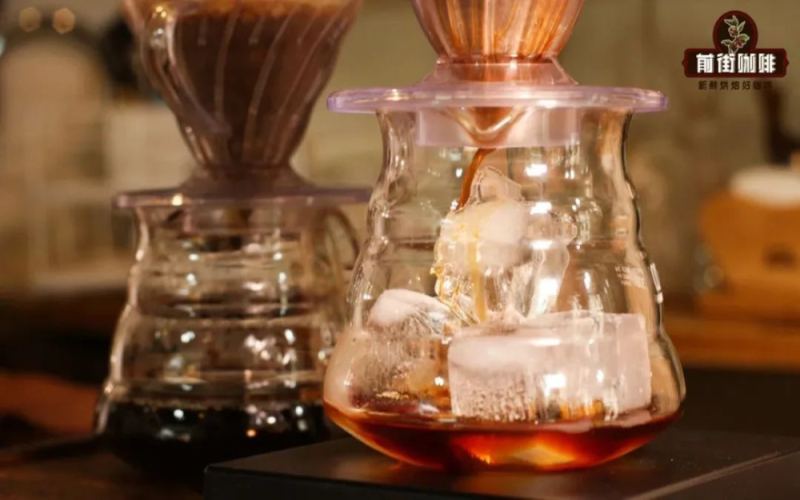
How to Make Delicious Iced Pour-Over Coffee: Four Practical Brewing Methods and Detailed Parameters
When the weather turns hot, iced coffee becomes the first choice for many people. Iced pour-over preserves the flavor layers of pour-over coffee while adding a refreshing chill, but making a good iced pour-over isn't as simple as adding ice cubes to hot pour-over. Melting ice dilutes the coffee's strength, and directly applying hot-brew parameters often results in a weak glass of iced coffee water. This article centers on the two cores of extraction yield and strength, and compiles four zero-threshold iced pour-over methods: the high-strength high-extraction method, the ice-rinsing method, the stirring method, and the ice-bath cooling method. Each method comes with specific parameters and operating steps using a medium-light roast Front Street Coffee Kafa Forest as an example, helping you easily make a full-flavored, sweet-and-sour balanced iced pour-over at home. [more…]
An Analysis of Kenyan AA Coffee Bean Flavor Characteristics, with Detailed Hand-Brew Grind Size, Water Temperature, and Coffee-to-Water Ratio Parameters
Kenyan coffee is renowned for its bright fruit acidity and vinous notes, with the AA grade standing as a benchmark in the specialty market. This article begins with Kenya's coffee industry system and grading and auction framework, outlining the background behind its flavor formation and export history, and focuses on the practical parameters for pour-over Kenyan AA, including grind size, water temperature, and coffee-to-water ratio. It also draws on Front Street Coffee's product recommendations to help coffee enthusiasts brew a layered, well-balanced cup of Kenyan coffee at home. [more…]
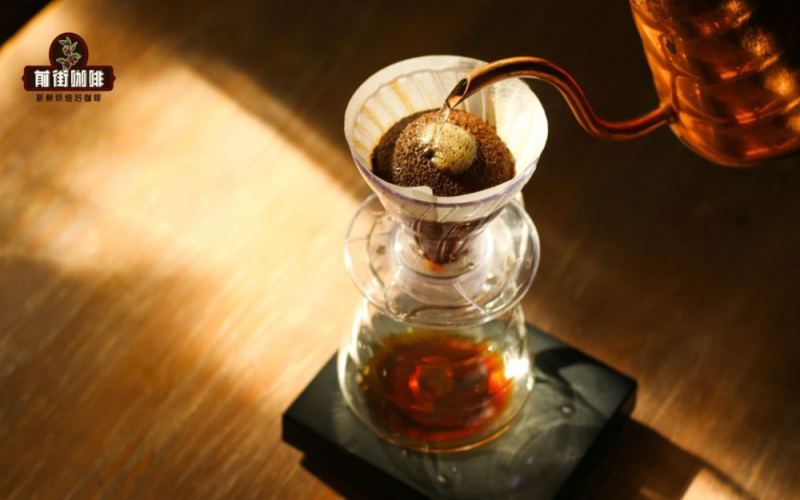
Complete Guide to Hand-Brewing 30g of Coffee: Parameter Adjustments and Practical Tips for the V60 Size 02 Large Dripper
Front Street Coffee's pour-over tutorials have long been based on a single-serving standard of 15g of coffee and a 200ml cup, but many enthusiasts are no longer satisfied with brewing just one cup and have begun trying to make two or three cups at once. Once the dose is doubled to 30g, the small 01 dripper can no longer handle it, and a V60 02 large dripper must be used instead. Increasing the dose is far from simply adding more coffee and water; a thicker coffee bed slows the flow rate, and as the extraction time lengthens, bitterness follows. Using the Sidra coffee beans as an example, Front Street Coffee starts with two variables—grind size and pouring stream—to make fine adjustments, compressing the total time from 2 minutes 53 seconds to 2 minutes 30 seconds so that the 30g brew comes close in flavor to a single-cup brew. This article fully records the parameter differences before and after the adjustment and the reasoning behind them, and also answers the question of whether the 01 dripper can be used to brew a large dose when no 02 dripper is available. [more…]
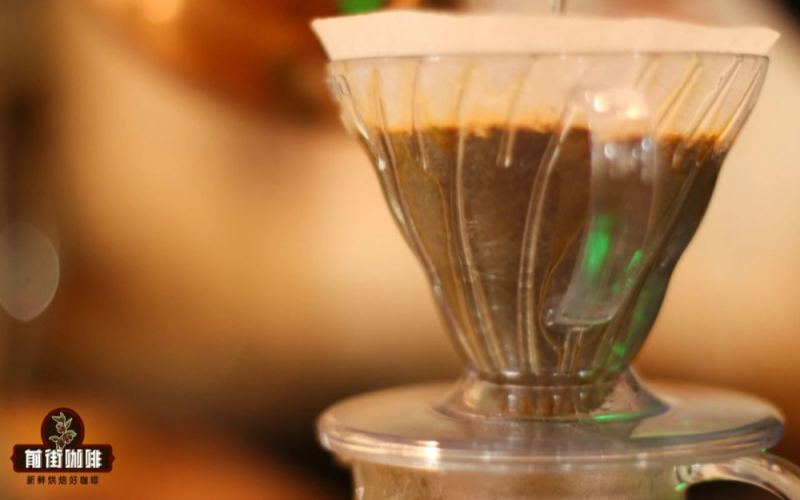
Hand Brew vs. French Press: Flavor Differences Explained — Front Street Yunnan Typica French Press Grind Size Essentials
Pour-over coffee and the French press are two common methods for brewing black coffee. The former offers strong controllability and a clear, layered flavor profile, while the latter is easy to operate and produces a full, heavy mouthfeel. This article revolves around the flavor differences between the two, and uses the specific brewing case of Front Street 2013 Yunnan Typica to explain the coffee grind size, water temperature, and steeping time suitable for the French press. The article also provides detailed parameters: a coffee-to-water ratio of 1:15, 92 degrees Celsius, EK43s-10.5 setting, and a 4-minute steep, and reminds readers that grinding too fine will lead to over-extraction and the problem of grounds passing through the filter mesh, helping coffee enthusiasts consistently reproduce a balanced cup of black coffee at home. [more…]
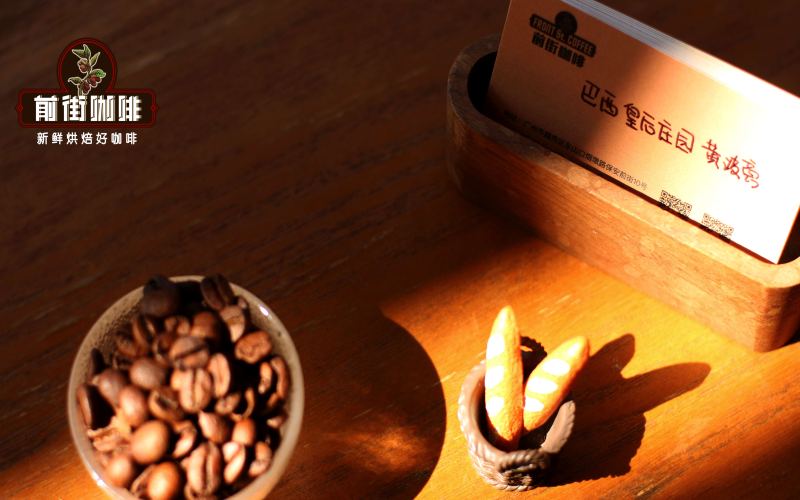
Detailed Guide to Pour-Over Parameters for Brazil Queen Estate Yellow Bourbon Coffee Beans: Water Temperature, Grind Size, Coffee-to-Water Ratio, and the Full Three-Pour Brewing Process
Brazil, as the world's largest coffee producer, may not often feature specialty beans in cafés, but the Yellow Bourbon coffee beans from Queen Farm have won the favor of many enthusiasts with their balanced taste and nutty, cocoa-like notes. In this article, Front Street Coffee uses Queen Farm coffee beans as an example to systematically explain how to hand-brew this rich and sweet Brazilian coffee at home from four dimensions: water temperature, grind size, coffee-to-water ratio, and brewing technique, along with complete brewing parameters and a step-by-step process. [more…]
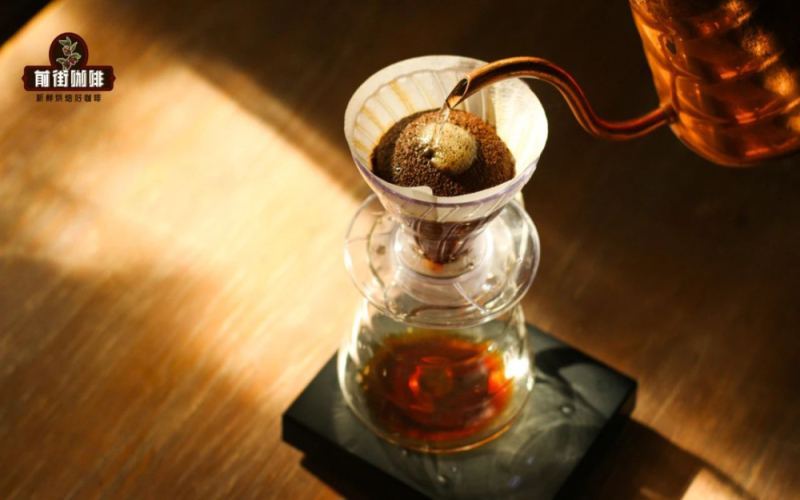
Analysis of Hand-Brewing Techniques for a Large 30g Coffee Dose: How to Avoid Bitterness and Uneven Extraction When Brewing for Four
Many coffee enthusiasts, once accustomed to the rhythm of brewing a single serving of pour-over, often find that flavors turn out vastly different from their daily results when they attempt to brew a large batch of four servings at once. The increase in coffee dose brings not only a change in water volume, but also systematic adjustments involving dripper capacity, pouring technique, grind size, and even extraction time. Front Street Coffee frequently receives similar questions: how should 30 grams of coffee be brewed to taste good? This article will provide a complete overview of the practical key points for large-dose pour-over, from dripper matching, grind size setting, and blooming strategy to the logic of staged pouring, helping you consistently present a clean and well-layered coffee flavor even when sharing among multiple people. [more…]
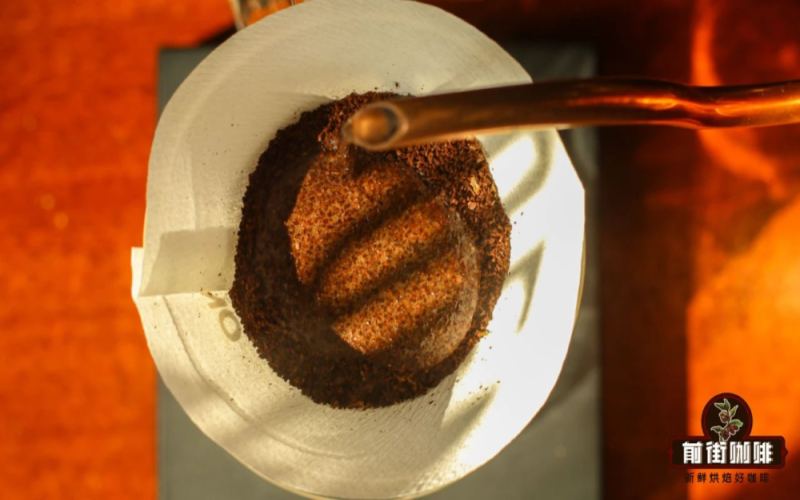
Single-Origin Pour-Over Beans for Beginners | What Are the Four Japanese Pour-Over Techniques? How Do Different Coffee Brewing Methods Affect Coffee Flavor?
Recently, many coffee-loving friends who come to Front Street Coffee to buy coffee beans have asked Front Street how to correctly brew pour-over coffee to bring out its best flavor. Front Street also often says that the process of pour-over coffee is a kind of enjoyment, and coffee brewed by one's own hands feels even more delicious on a spiritual level. So this Front Street article will introduce [more…]
How Coarse Should Hand-Brewed Coffee Be Ground? A Complete Standard Analysis from Sieve Pass-Through Rate to Brewing Technique
In the world of pour-over coffee, grind size is one of the key variables that determines the success or failure of a cup. If the coffee grounds are ground too fine, it easily leads to over-extraction and a bitter taste; if ground too coarse, it leads to under-extraction and a weak, watery flavor. So is there a reference standard for pour-over coffee grind size? Through extensive practice, Front Street Coffee uses a 0.85mm sieve as the benchmark, taking a grinding degree with a sieving pass rate of about 80% as the pour-over reference, and for medium-light roast and medium-dark roast coffee beans gives specific recommendations of a 75-80% and 70-75% pass rate through a No. 20 sieve. This article will systematically explain the mechanism by which grind coarseness affects flavor, sieve testing methods, tool choices for beginners, and Front Street's approach to grind size settings when brewing single origins such as Ethiopian washed Yirgacheffe, while also sharing practical points such as the three-pour method, coffee-to-water ratio control, and coffee bean freshness, to help coffee enthusiasts build a stable and reproducible pour-over system. [more…]
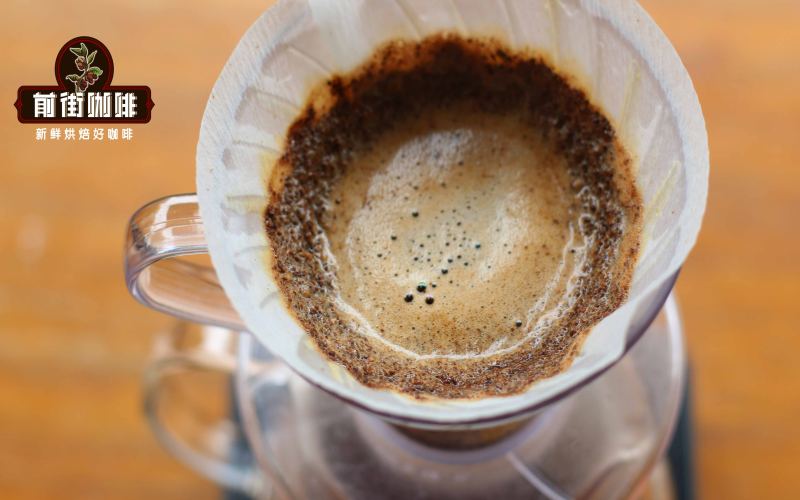
From pouring techniques to parameter records: practical approaches to systematically improve pour-over coffee across four dimensions
Many coffee enthusiasts come to Front Street Coffee, and besides being amazed by the rich bean list, they are also full of curiosity about the barista's brewing technique. Does pour-over rely on hand strength or brainpower? The answer is actually the latter. Water control and circular pouring are just basic entry-level skills. What truly determines the quality of a cup of coffee is the understanding of the relationships among parameters such as grind size, coffee-to-water ratio, water temperature, and time, as well as knowledge of the coffee bean's producing region characteristics and roast level. Starting from Front Street Coffee's brewing practice, this article sorts out four directions for improvement: solid pouring training, establishing parameter logic, categorizing bean characteristics, and recording and reviewing after each brew, helping pour-over beginners find a clear path for advancement. [more…]
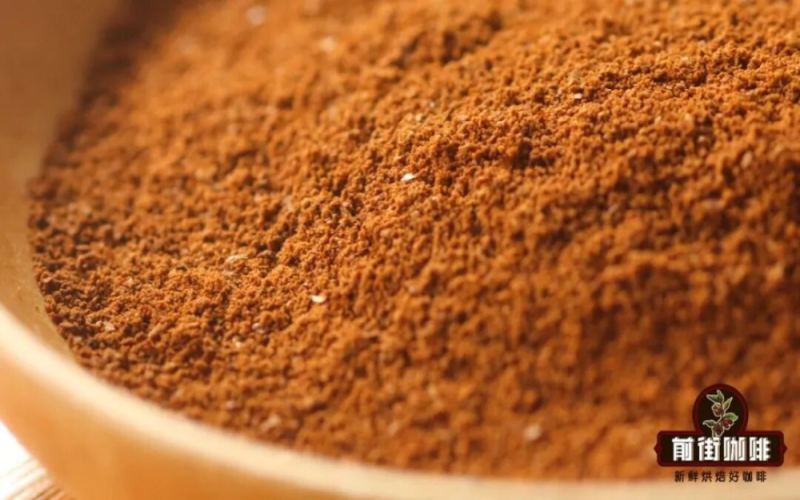
How Fine Should You Grind for Pour-Over Coffee? A Full Breakdown of Hand Grinder vs. Electric Grinder Differences
Among the many variables in pour-over coffee, grind size is a key link that determines the direction of extraction. Particle size directly affects the contact area between water and coffee grounds, which in turn influences flavor expression: too coarse leads to under-extraction, while too fine may cause over-extraction and bitterness. However, many beginners often fall into pitfalls when adjusting the grind—memorizing settings, making drastic grind adjustments, and ignoring uniformity. This article will start from the basic principles of grinding, analyze these common problems one by one, and with the help of Front Street · Little Tomato's comparative test, demonstrate the actual differences between electric grinders and hand grinders in particle distribution and flavor presentation, and finally provide purchasing advice for entry-level equipment to help coffee enthusiasts establish a scientific approach to grind adjustment. [more…]
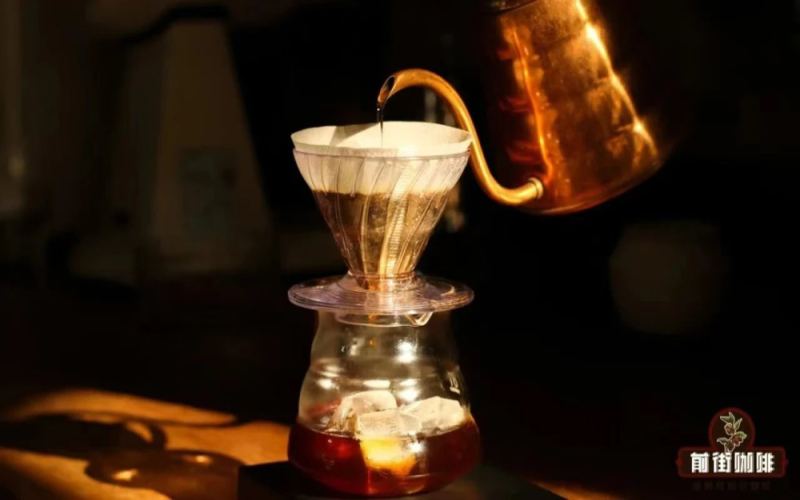
How to brew hand-drip iced coffee? A share of ratios and complete steps that even beginners can quickly master
In summer, when you want a refreshing glass of iced coffee, pour-over is actually one of the lowest-barrier and easiest methods to master. This article lays out the complete approach to iced pour-over coffee from scratch: first clarifying the basic concept of pour-over, then breaking down bean selection, equipment preparation, grinding, parameter setting, and pouring technique item by item, helping beginners follow a template to make a delicious glass of iced pour-over coffee. The article provides the iced pour-over ratio commonly used at Front Street Coffee shops—the formula pairing coffee dose, 10x hot water, and 5x ice—along with specific operating rhythms for water temperature, grind size, dripper selection, and three-pour brewing, and uses Front Street Butterfly as an example to show the actual brewing result. Whether you prefer floral and fruity notes or nutty tones, you can find a bean selection and brewing direction that suits you in the article below, easily achieving summer coffee freedom. [more…]

A New Hand-Brew Method Without Blooming: The Principles, Parameters, and Practical Points of the One-Pour Brewing Technique
Pour-over coffee usually starts with blooming, but Tetsu Kasuya, the 2016 World Barista Champion, proposed in 2019 a brewing method that skips blooming entirely—the one-pour method. It may look similar to the single-pour technique, but the differences are clear: the single-pour technique splits the water into two pours, while the one-pour method pours all the hot water in at once. This article covers the principles of the one-pour method, its differences from the single-pour technique, equipment and bean selection, grind adjustment, pouring direction, and the full process of Front Street Coffee's hands-on practice with a Colombia · Hope Estate Geisha, providing key parameters such as dose, ratio, water temperature, grind, and time to help you decide whether this minimalist brewing method suits you. [more…]
How to Hand-Brew Yunnan Small-Bean Coffee Without Bitterness? A Detailed Guide to Catimor Coffee Bean Brewing Parameters and the Three-Pour Technique
Yunnan coffee has now become a common sight in domestic cafes, but many people still don't know enough about how to brew it. Yunnan is located in the golden belt for coffee cultivation, with Baoshan, Pu'er, and Lincang as its main producing regions. Front Street Coffee selects Yunnan small-bean coffee in Baoshan and owns its own estate in Lincang. From Front Street's perspective, this article focuses on Yunnan Catimor coffee beans and systematically explains the four key points of water temperature, grind size, coffee-to-water ratio, and the three-stage pouring method, along with flavor descriptions of Front Street's washed Yunnan small-bean coffee and sun-dried Catimor, to help coffee lovers brew a cup of Yunnan pour-over coffee that is neither bitter nor astringent, but mellow, aromatic, and smooth. [more…]
A Complete Guide to Espresso Extraction Parameters: Customizing Dose, Ratio, Time, and Grind Size
Espresso extraction is not something that can be mastered with a fixed formula. The freshness of the coffee beans, the grind size, the brand and model of the espresso machine, the extraction pressure, and the stability of the water temperature all cause the same bean to present completely different flavors in different hands. This article starts from the dimensions of dose, brew ratio, extraction time, flow rate, pressure, and water temperature, systematically explaining how to customize a suitable espresso extraction plan for the blend of coffee beans you have on hand. It also introduces how to troubleshoot and adjust one by one when the flow rate is abnormal, and how to use a concentration tester to calculate the extraction yield and determine whether it falls within the golden cup range. The article uses the "Warm Sun" blend from Front Street Coffee as an example, providing specific parameter references, and is suitable for coffee enthusiasts who wish to refine their espresso skills. [more…]
Iced Pour-Over, Iced Americano, Cold Brew, and Ice Drip: An Analysis of the Brewing Methods and Flavor Differences of Four Iced Coffees
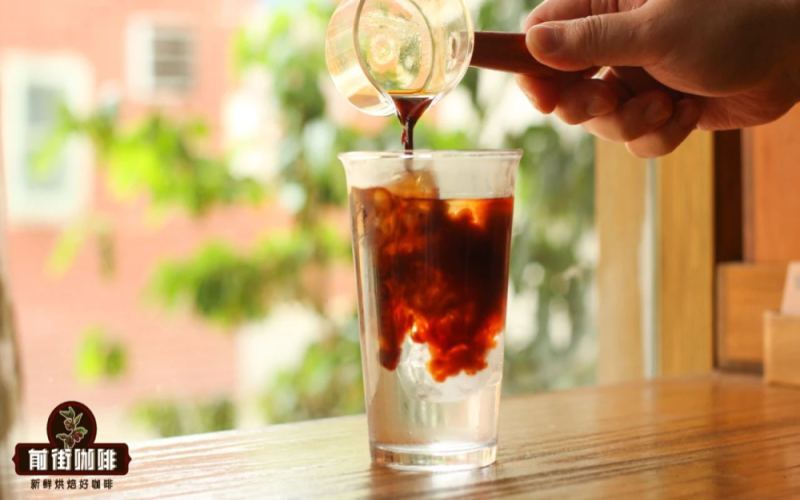
On a scorching summer day, a glass of iced coffee always brings a refreshing and invigorating effect. But did you know that common iced coffee is actually divided into four major categories: iced pour-over, iced Americano, cold brew, and iced drip? Each uses a different extraction method, and their flavor profiles vary greatly. In this article, Front Street Coffee (FrontStreet Coffee) will walk you through the characteristics of these four types of iced coffee one by one, and share the specific methods our baristas use to make them in-store, including key parameters such as coffee bean selection, coffee-to-water ratio, grind size, and extraction time. Whether you prefer a light, refreshing taste or a rich, intense flavor, you'll find the perfect cup for you. [more…]
A Complete Guide to Espresso Extraction: Practical Control Methods for Dose, Ratio, Time, and Grind Size
Want to make a balanced espresso at home but keep struggling with unstable flow rate and flavors that swing between sour and bitter? The truth is, there is no one-size-fits-all fixed parameter set for espresso extraction—coffee bean condition, grinder performance, machine pressure, and water temperature can all skew the results. This article approaches the topic from six dimensions—dose, brew ratio, extraction time, flow rate, pressure, and water temperature—and systematically explains how to customize a suitable extraction plan for the blend you have on hand, with specific references based on Front Street Coffee's classic blend and Strawberry Candy Espresso. It also includes methods for measuring espresso concentration and extraction yield to help you use golden cup data as a guide for adjustments, so you can ultimately find the cup you truly enjoy. [more…]
How to roast and hand-brew Golden Mandheling? Front Street explains PWN Golden Mandheling flavor and parameters in detail
Mandheling is the most iconic coffee from Sumatra, Indonesia, and Golden Mandheling is renowned for its strict hand-sorting standards and rich, full-bodied flavor. Starting with the PWN Golden Mandheling from Front Street Coffee, this article outlines its producing region, varieties, and wet-hulling process, and compares the performance of light, medium-dark, and dark roasts in pour-over brewing. It also provides five brewing methods commonly used in Front Street Coffee shops—pour-over, volcano siphon, AeroPress, siphon, and French press—including water temperature, coffee-to-water ratio, grind size, and timing parameters, helping coffee enthusiasts recreate the spice, nut, caramel, and chocolate notes of Golden Mandheling at home and find a brewing method that suits them. [more…]
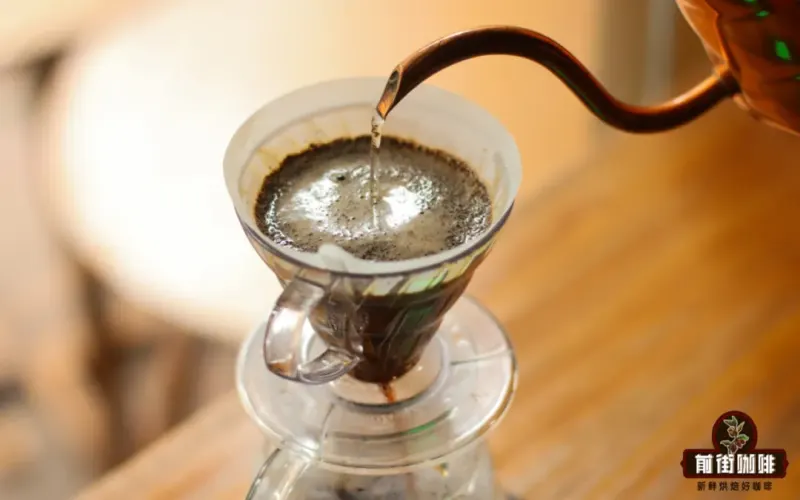
How Does Coffee Dose Affect Flavor in Pour-Over? Differences Between 01 and 02 Drippers and Brewing Techniques for Small Drippers with Large Doses
Many coffee enthusiasts have found during brewing that simply adding a little more coffee grounds causes a noticeable decline in the resulting flavor. The reason behind this often lies in the amount of grounds exceeding the reasonable capacity of the current dripper, while the brewing technique has not been adjusted accordingly. This article will focus on the suitable grounds amounts for the two common dripper models, 01 and 02, analyzing the specific effects of too much or too little coffee on extraction uniformity, flow rate, and the final flavor. At the same time, for scenarios where you only have a small dripper on hand but need to brew a large amount of coffee, it provides a complete solution including coarsening the grind size, slightly adjusting the water temperature, and pouring techniques, and offers practical reference suggestions based on Front Street Coffee's standard parameters. [more…]