







How Does French Press Grind Size Differ From Hand Brew?
Pour-over and French press both brew black coffee but behave differently. Pour-over gives strong control over pouring rhythm and dripper choice, producing clearer layers, while the French press is simple to operate and yields a full, heavy mouthfeel. Grind size is the main variable: too fine a grind causes over-extraction and lets grounds pass through the filter.
For a French press with Front Street 2013 Yunnan Typica, the parameters are a coffee-to-water ratio of 1:15, water at 92 degrees Celsius, an EK43s setting of 10.5, and a four-minute steep. Immersion extraction extends contact between water and grounds, dissolving more material, so a fixed grind, temperature, and time help reproduce a balanced cup at home.
Pour-over coffee and French press are two common methods for brewing black coffee. The former offers strong controllability and distinct flavor layers, while the latter is easy to operate and produces a full, heavy mouthfeel. This article explores the flavor differences between the two, and uses a specific brewing case of Front Street 2013 Yunnan Typica to explain the suitable coffee grounds coarseness, water temperature, and steeping time for a French press. The article also provides detailed parameters: a coffee-to-water ratio of 1:15, 92 degrees Celsius, EK43s-10.5 setting, and a 4-minute steep, while reminding that grinding too fine can lead to over-extraction and grounds passing through the filter, helping coffee enthusiasts consistently reproduce a balanced cup of black coffee at home.
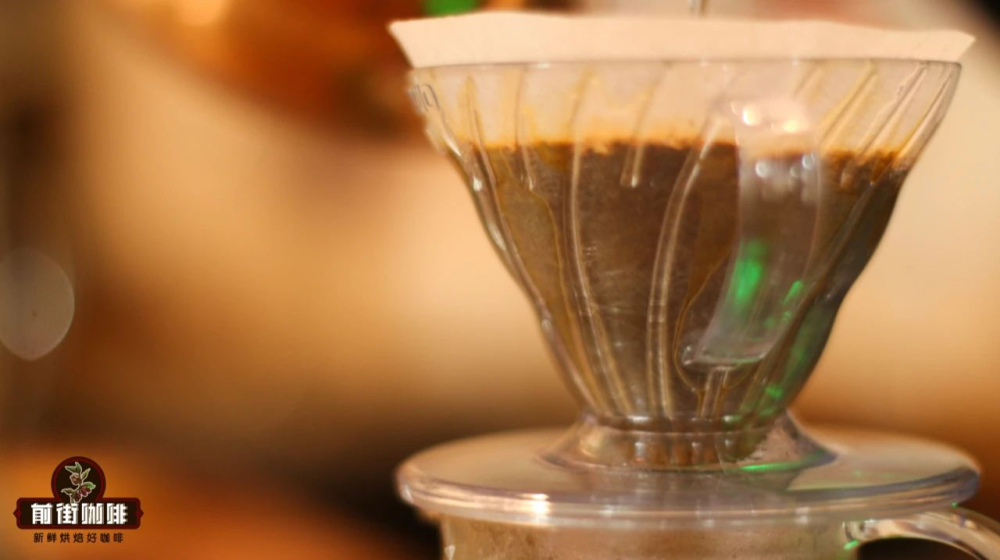
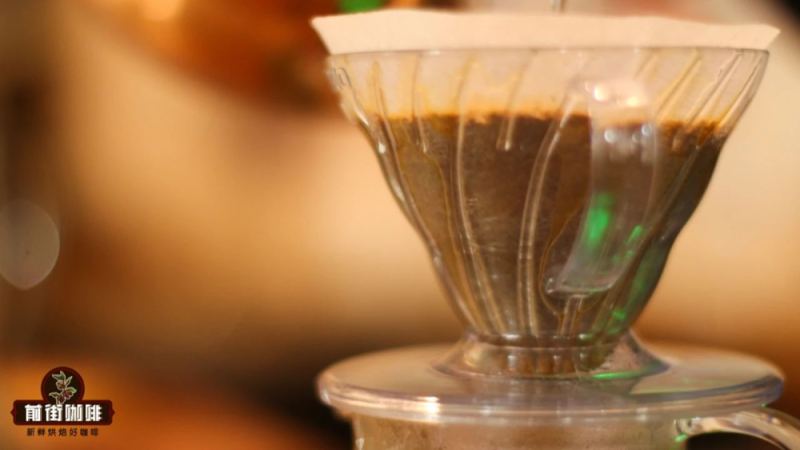
Pour-over coffee holds an important place in the third wave of coffee, and its appeal comes from the many adjustable variables, such as pouring rhythm and dripper choice, that allow people to immerse themselves in the process. However, making an impressive cup with pour-over requires a fairly high level of skill from the brewer.
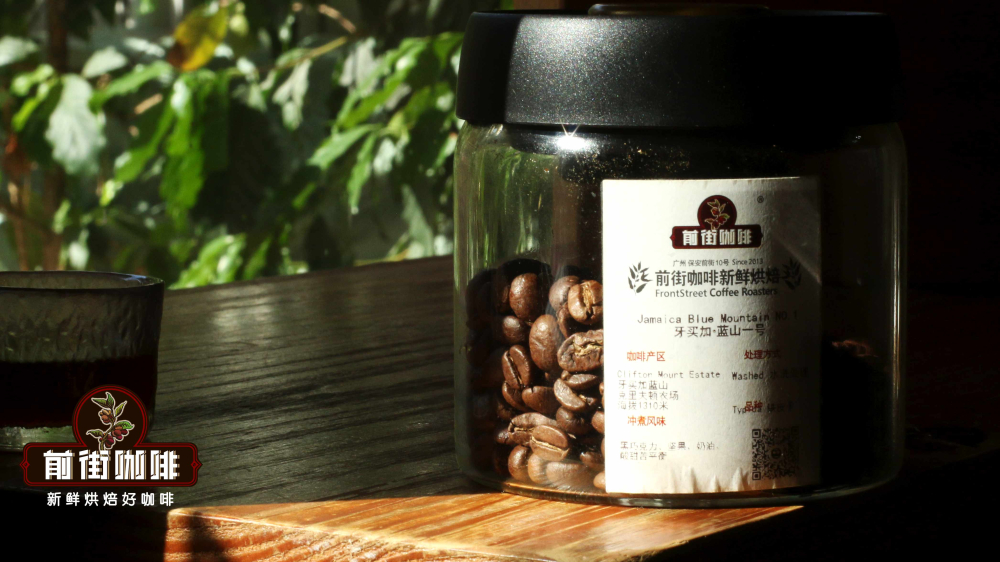
Pour-over requires more meticulous control and is suited to expressive beans with distinct character, such as Front Street Huakui Coffee, Jamaica Blue Mountain No. 1, and Front Street Mandheling. At the same time, it also tests the brewer's technique. Only with proper skill can the aromas at different stages be fully released, resulting in a coffee that is clearer in both appearance and taste, combining body and aroma, and often presenting layered flavors similar to the top and base notes of a perfume.
The French press, by contrast, is a device with a lower barrier to entry. Usually you just prepare coffee grounds, pour in hot water, wait two to three minutes, press down the filter, and pour it out to drink. Its advantage lies in simplicity: a fixed grind size, fixed water temperature, and fixed time mean the result will not be too bad, and the overall mouthfeel is full and heavy. But the problems are also obvious: the taste is usually not pure enough or clean enough. Immersion extraction greatly extends the contact time between water and coffee grounds, dissolving more substances while also making the extraction process harder to control precisely.
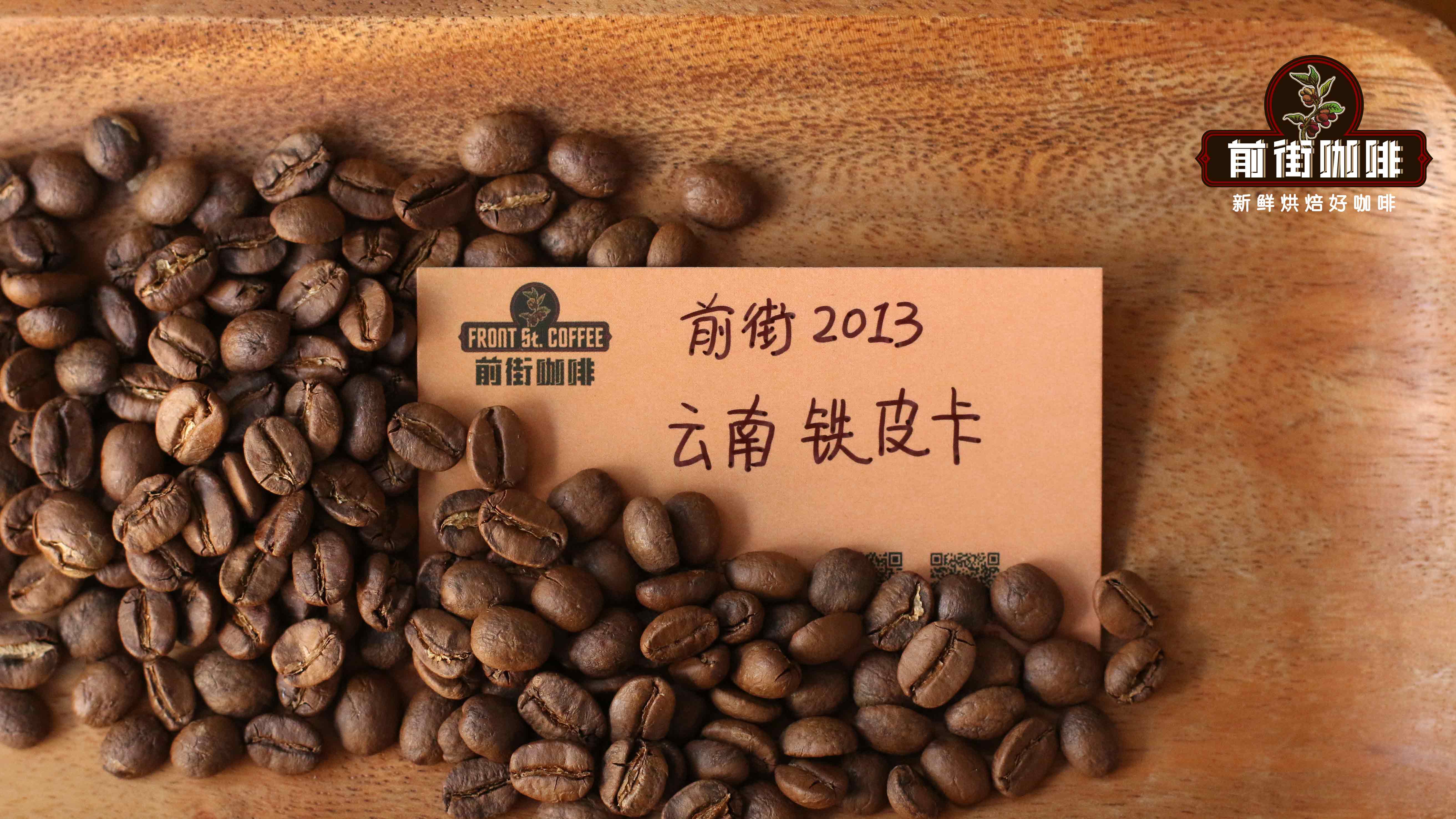
For making coffee with a French press, Front Street 2013 Yunnan Typica is the first choice. This bean uses a medium roast and easily brews into a balanced cup of black coffee. Typica is the oldest Arabica variety, and Front Street 2013 Yunnan Typica uses sun-dried processing, retaining a clean and serene character while also carrying moderate aromas of dried apricot, brown sugar, and nuts.
Front Street 2013 Yunnan Typica French Press Coffee Brewing Parameters
Coffee-to-water ratio: 1:15
Water temperature: 92 degrees Celsius
Grind: EK43s-10.5 setting
Steeping time: 4 minutes
Note: The coffee grounds used for a French press should be coarser. Because the grounds are in contact with water for a longer time, if the grind is too fine, it can easily cause over-extraction. Also avoid too many fines, otherwise they will pass into the coffee liquid during filtering. When pouring, keep the water temperature at around 92 degrees Celsius; if the water temperature is too high, it will lead to over-extraction, making the taste prone to bitterness and causing the coffee to lose its original flavor.
Cover with the lid and let it sit for 4 minutes. After 4 minutes, slowly press down the filter and pour out the coffee.
The above content is compiled by CoffeeHunters, a coffee news website.


