







Search Results for: Golden Cicada Americano
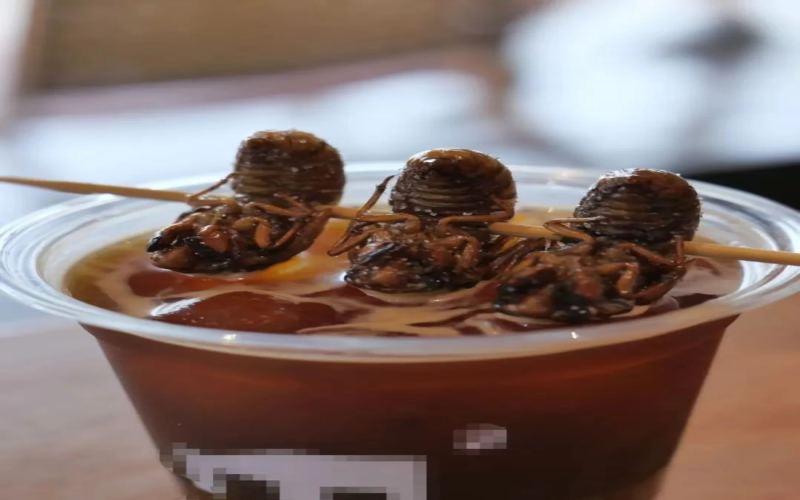
Guangzhou coffee shop launches cicada special Americano, deep-fried golden cicada in the drink sparks heated discussion
Recently, a café in Shunde, Guangzhou, placed deep-fried cicada sloughs on iced Americano, launching a special drink that has sparked heated discussion among netizens. Cicada sloughs, commonly known as golden cicadas, have a tradition of being eaten in some regions, and early summer is the peak season for catching them. The shop owner claims that pairing them with cold brew offers a unique flavor, but many netizens say the visual impact is too strong and hard to accept. At the same time, cicada sloughs, as a heterologous protein, carry an allergy risk, and parts such as the legs may also carry bacteria and parasites, so caution is needed when trying them. This article takes you through the story behind this explosive drink and the precautions to note. [more…]
Introduction to Iced Coffee | Are Cold Drip Coffee and Cold Brew Coffee Extraction Principles the Same? What Affordable Specialty Cold Drip Coffee Beans Are Recommended for Beginners?
For more specialty coffee knowledge, please follow: Front Street Coffee (Frontsteet Coffee) In the scorching summer, listen! The cicada on that tree is chirping! The cicada on the other tree is also chirping! In Guangzhou, this damn summer is neither steaming, nor roasting, but boiling with falling water. If only there were a cup of ice-cold [more…]
What Is the Relationship Between Coffee Cherries and Coffee Beans? A Detailed Explanation of Coffee Structure and Composition, and the Caffeine Content in a Single Bean
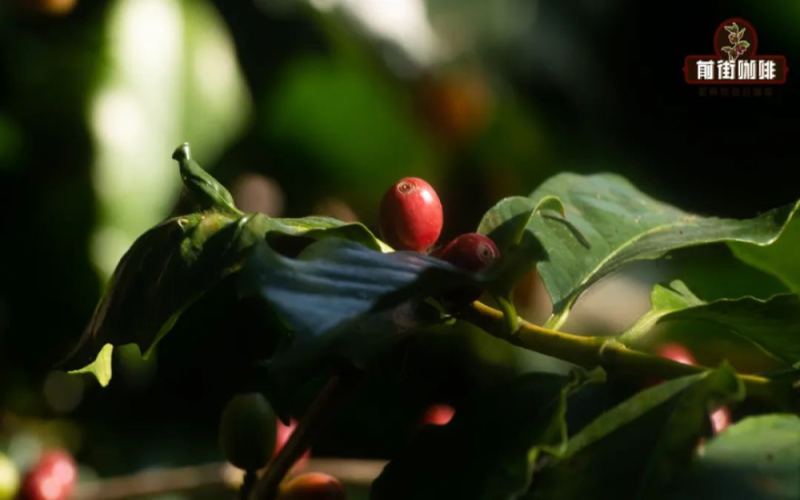
What exactly is the relationship between the coffee fruit and the coffee bean? A coffee cherry, from the outside in, consists of multiple parts including the exocarp, pulp, pectin layer, parchment, silver skin, bean core, and center line, with each layer playing a different role in coffee processing and flavor formation. The green coffee bean itself is composed of substances such as water, polysaccharides, lipids, proteins, sucrose, chlorogenic acid, other organic acids, amino acids, and caffeine, all of which directly affect coffee's mouthfeel, aroma, and the balance between bitterness and acidity. This article will dissect the structure of the coffee fruit layer by layer and systematically sort out the compositional substances of coffee beans, while also explaining the difference in caffeine content between Arabica and Robusta, helping coffee enthusiasts gain a more comprehensive understanding of the science behind the flavors in their cup. [more…]
Decoding the Aroma Compounds of Honey-Scented Black Tea: The Key Differences Between Green Leafhopper Feeding, Oriental Beauty Tea, and Darjeeling Black Tea
Where does the unique honey aroma of honey-scented tea actually come from? Since the 1990s, Japanese scholar Akio Kobayashi has gradually uncovered the secrets of the aroma compounds in Oriental Beauty tea and Darjeeling black tea, discovering that two substances—2,6-dimethyl-3,7-octadiene-2,6-diol and 3,7-dimethyl-1,5,7-octatriene-3-ol—are the core sources of the honey aroma. Even more astonishingly, after tea plants are fed on by green leafhoppers, they actually initiate an abnormal metabolism to produce special compounds, summoning natural enemies to defend themselves. This article will take you deep into the scientific discoveries about the aroma compounds of honey-scented tea, as well as the fundamental differences in aroma characteristics between Darjeeling black tea and Taiwan black tea. [more…]
How Should Cold Brew Coffee Steeping Time and Grind Size Be Paired? Front Street Coffee's Hands-On Test of Flavor Differences from 4 to 22 Hours
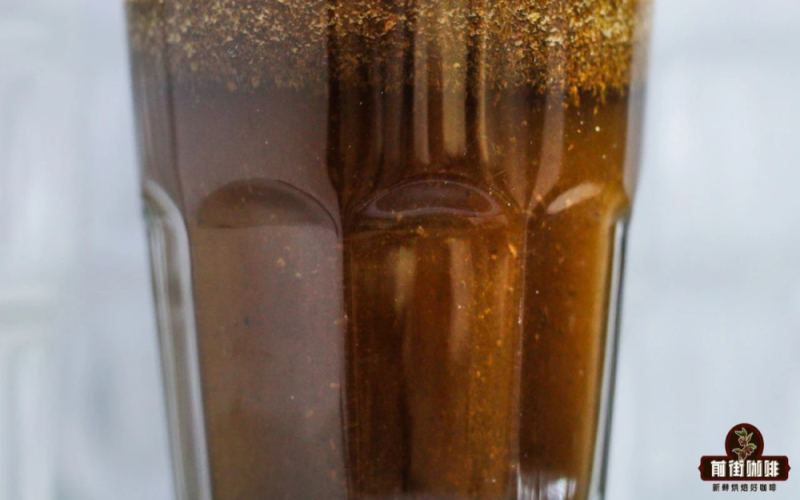
Cold brew, with its low-temperature slow extraction method, has become the easiest type of iced coffee to make in summer. It is not fussy about beans or equipment, and the parameters allow plenty of room for error. However, with temperature fixed and the coffee-to-water ratio determining concentration, the two variables that truly shape the final flavor are grind size and steeping time. Front Street Coffee conducted a time-comparison experiment using Red Cherry coffee beans, steeping them for 4, 10, 16, and 22 hours respectively, comparing the flavor performance at different time points, and offering a steeping range suitable for daily brewing along with two practical scenario solutions to help everyone consistently make a balanced, full-bodied cold brew at home. [more…]
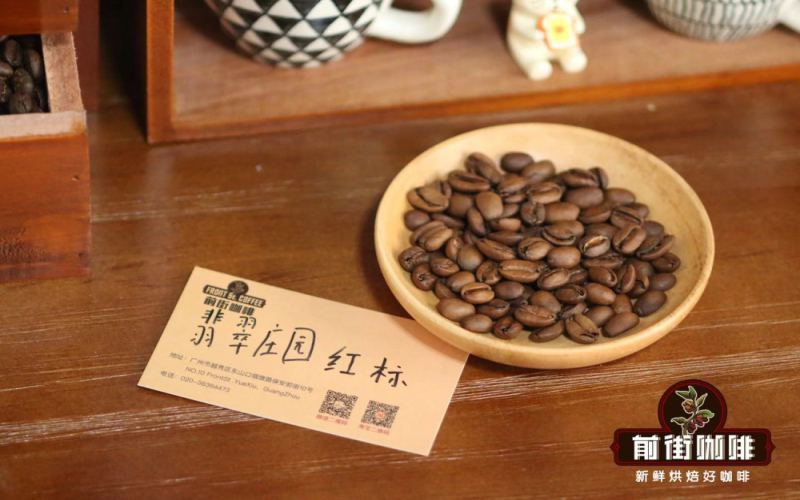
How can Geisha coffee be made to taste best? A complete analysis of whether it can be extracted as an SOE using an espresso machine.
Geisha rose to fame overnight at the 2004 BOP competition with its intense floral aroma and citrus-honey notes, becoming a favorite among many coffee enthusiasts. Many people want to use the espresso machine they have on hand to make it into an SOE and experience its distinctive flavor at high concentration, but Geisha is expensive and tends to be light-roasted, so directly applying conventional parameters often wastes beans and produces an unpleasant cup. This article addresses questions such as whether Geisha can be made as espresso, how to reduce the cost of dialing in, and how to set specific extraction plans, combining Front Street Coffee's tested workflow to provide a complete approach from using substitute beans for dialing in to the final output, helping you make a balanced cup of Geisha espresso and milk coffee at home. [more…]

The Golden Ratio of Espresso to Water: A Complete Guide to Making Rich Americano at Home
Want to recreate a rich, aromatic, and smooth cup of Americano at home? The key lies in the quality of the espresso and the water-to-coffee ratio. This article will explain in detail the composition principles of a standard Americano, recommend two coffee beans ideal for making a rich, aromatic Americano—Front Street. Signature Blend and Strawberry Candy Espresso Blend—and share the golden extraction formula: a 1:2 coffee-to-water ratio, a 25 to 30-second extraction time, and how to adjust the grind size to correct the flow rate. In addition, it will cover the specific steps for making an iced Americano and answer the question of whether you can add sugar or milk to an Americano, helping you easily make a homemade Americano with beautiful crema and rich, layered flavors. [more…]
The Golden Ratio of Espresso to Water: A Complete Guide to Making Delicious Americano Coffee at Home
Making Americano may seem simple, but in reality, the quality of the espresso determines the upper limit of the final flavor. This article will systematically explain how to use Front Street specialty blend beans and Strawberry Candy espresso to make a rich, smooth iced Americano, including the golden extraction formula, grind size adjustment methods, and the effects of adding sugar and milk on flavor. Whether you prefer nutty and chocolatey notes or enjoy fruity fermented sweetness, you can find a plan that suits you. [more…]
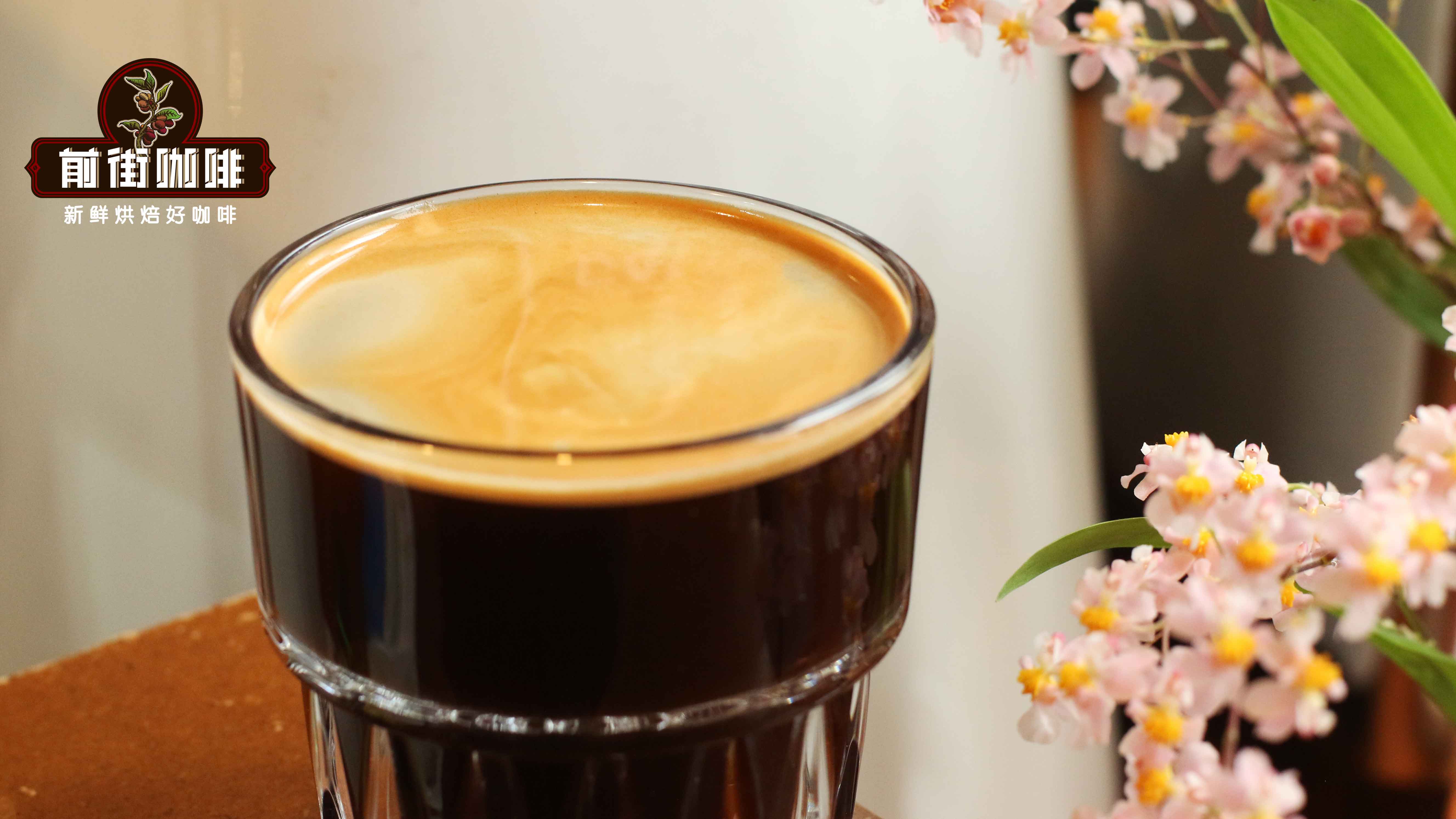
A Bean Selection Guide for Non-Acidic Americano: Dark Roast Blends and Golden Mandheling Recommendations
American coffee, plainly put, is black coffee made by adding water to espresso, with its strength varying according to how much water is used. Many people prefer an American coffee that isn't sour, and the key lies in choosing the right beans—medium-dark or dark roasted coffee beans, having been heated longer and more fully caramelized, have their acidity greatly reduced, resulting in a low-acid, sweet and mellow style. So which beans on the market are suitable for making American coffee? This article sorts through the choices for different flavor paths, from everyday blends to classic Italian-style blends, and then to single-origin SOEs that showcase regional character, among which Front Street Coffee's Black Cocoa Base Blend, Front Street Coffee's Classic Blend, and Front Street Coffee's PWN Golden Mandheling are all options worth noting. [more…]
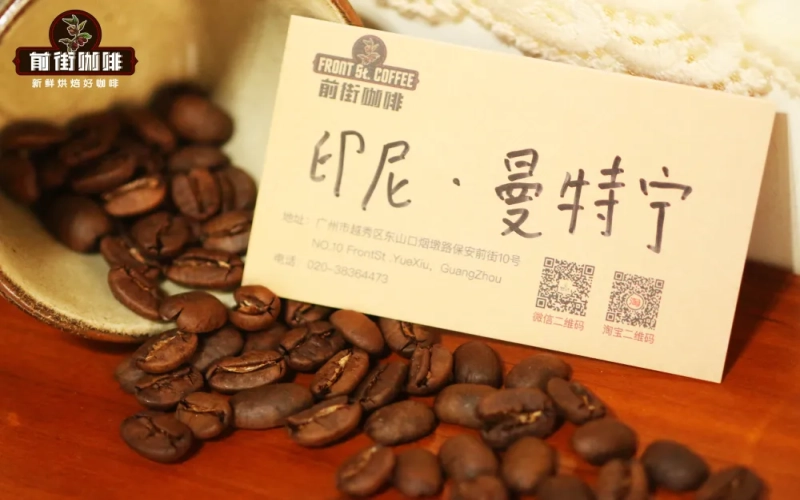
What makes Sumatra coffee unique? A full analysis of the origin of the Mandheling name, plus brewing Golden Mandheling and making Americano.
Sumatran coffee is the calling card of Indonesian coffee, and Mandheling is especially well known around the world. But many people don't know that Mandheling is neither a region name nor a variety name, but rather a term left behind by a historical misunderstanding. This article will guide you through the cultivation origins of Sumatran coffee, its main producing regions, variety composition, and unique processing methods, with a focus on introducing the brewing parameters and flavor performance of Front Street Golden Mandheling. Finally, it will also explain the key points for making Mandheling Americano, making it suitable reading for enthusiasts who want to systematically understand Indonesian coffee. [more…]
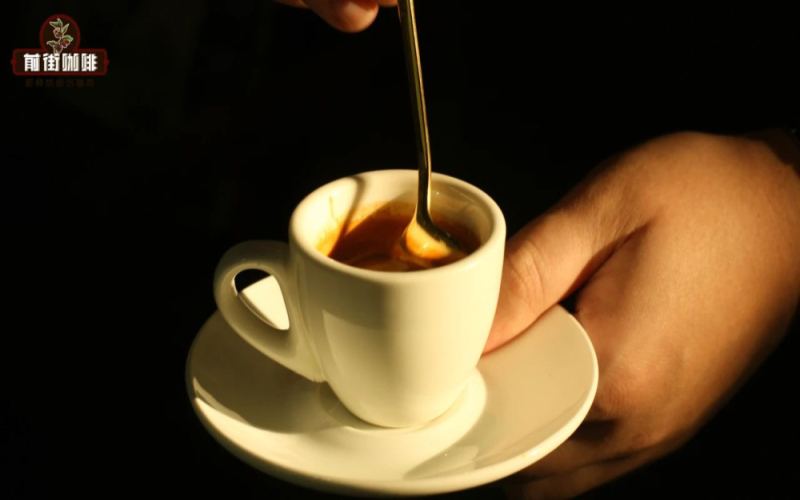
An Analysis of the Flavor Differences Between Espresso, Americano, and Pour-Over Coffee: A Complete Thread from Italian Tradition to Specialty Brewing
Coffee culture has evolved through several waves, from the instant coffee era to the rise of espresso, and then to the flourishing of specialty pour-over. Each brewing method embodies a different philosophy of flavor. Espresso uses high pressure for rapid extraction, showcasing the intense, pure essence of coffee; Americano is diluted with hot water, giving rise to variations such as Americano, Long Black, and Lungo; pour-over coffee emphasizes parameter control and technique details, presenting layered and distinct flavor changes. This article will use these three coffee types as a framework to sort out their respective historical origins, brewing principles, and flavor characteristics, and, using Front Street Golden Mandheling as an example, demonstrate how to reveal the mellow, sweet-aftertaste charm of black coffee through brewing techniques. [more…]
Espresso and Americano Coffee Grounds-to-Water Ratio Explained: Grinding Key Points, Blend Selection, and Cold Brew Differences
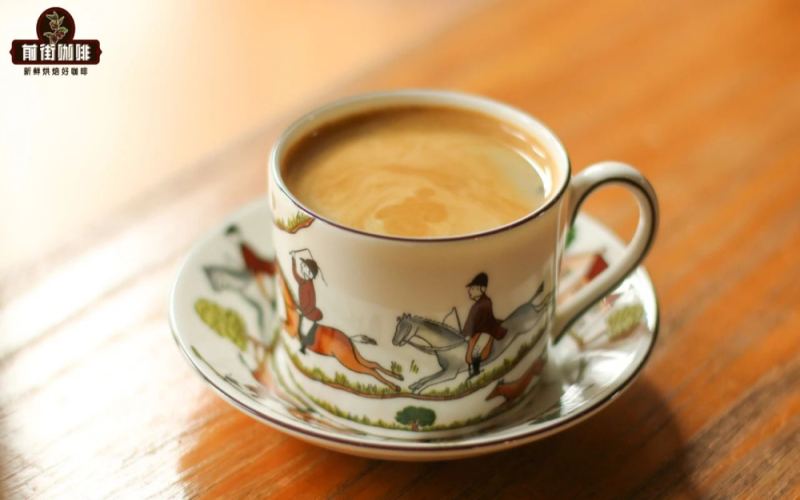
Espresso serves as the base and can evolve into various drinks by adding water, milk, or ice, among which the coffee-to-water ratio of Americano directly determines the strength of its taste. Drawing on the practical experience of Front Street Coffee, this article explores the appropriate extraction ratio for Americano, the reference range of the Golden Cup standard, and the influence of different coffee blends on flavor. It also compares cold brew and Americano in terms of brewing methods and storage characteristics, helping coffee enthusiasts find the cup that suits their taste. [more…]
Coffee Types | What is the difference between espresso, Americano, and pour-over coffee? Which coffee drink is more suitable for coffee beginners?
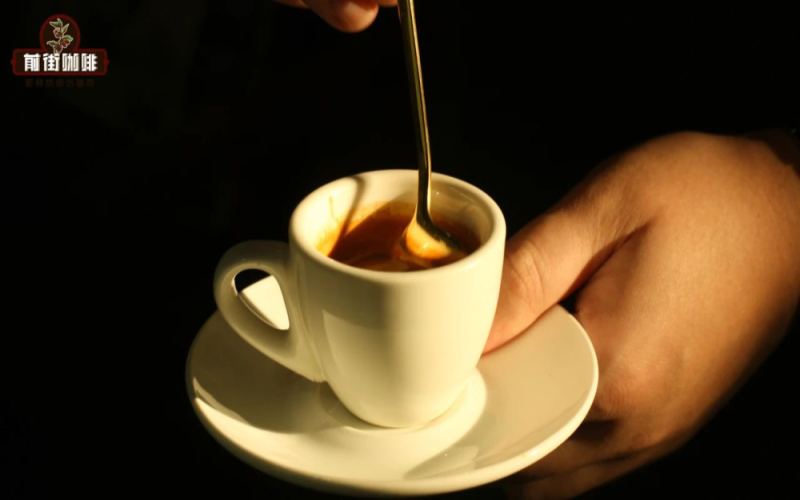
For more specialty coffee knowledge, please follow our WeChat official account: FrontStreet Coffee. Looking at the coffee waves in recent years, after the emergence of instant coffee, espresso rose to prominence, not only spreading Italy's coffee spirit throughout Europe, but also, riding on the rise of coffee chains, [more…]

Espresso Brew Ratio | How Can Coffee Beginners Make Delicious Americanos and Lattes? Which Coffee Beans Are Suitable for Extracting Espresso?
A cup of rich espresso can be enjoyed in many ways: add fresh milk and it becomes a creamy milk coffee; add hot water at the right temperature and it becomes a hot Americano; or add ice cubes and it becomes an iced Americano. Of course, you can also directly use the single shot of espresso you've extracted. [more…]
The Secret to Making Sparkling Iced Americano: The Golden Ratio of Espresso to Sparkling Water and Key Operational Points
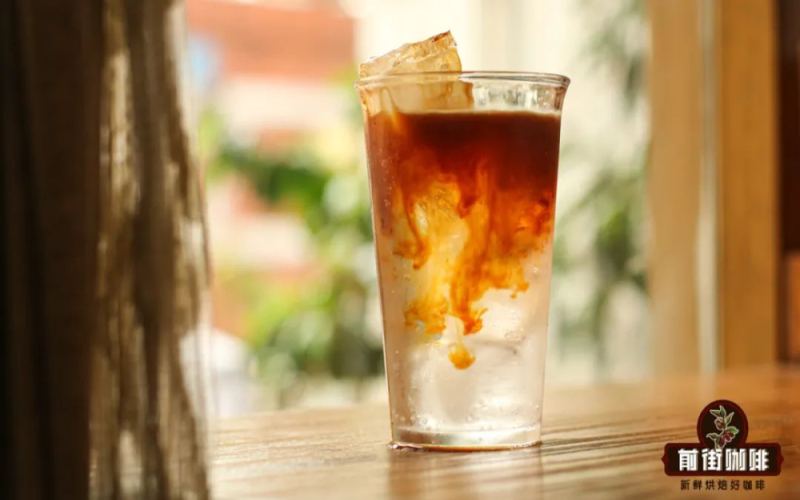
Sparkling Americano, with its unique carbonated kick and clever combination of coffee flavors, has become a popular specialty drink in the coffee world in recent years. However, what seems like simply replacing plain water with sparkling water actually hides many production secrets. Starting from the taste experience of Sparkling Americano, this article provides a detailed analysis of the optimal ratio of espresso to sparkling water, and addressing common issues such as splashing, loss of carbonation, and prominent bitterness during preparation, offers two practical techniques—reducing impact force and skimming off crema—to help you easily make a cup of sparkling iced Americano that is both beautiful and delicious. [more…]
The Truth About Coffee Crema: How Espresso's Golden Crema Is Born, and Which Coffee Beans Have the Richest Crema
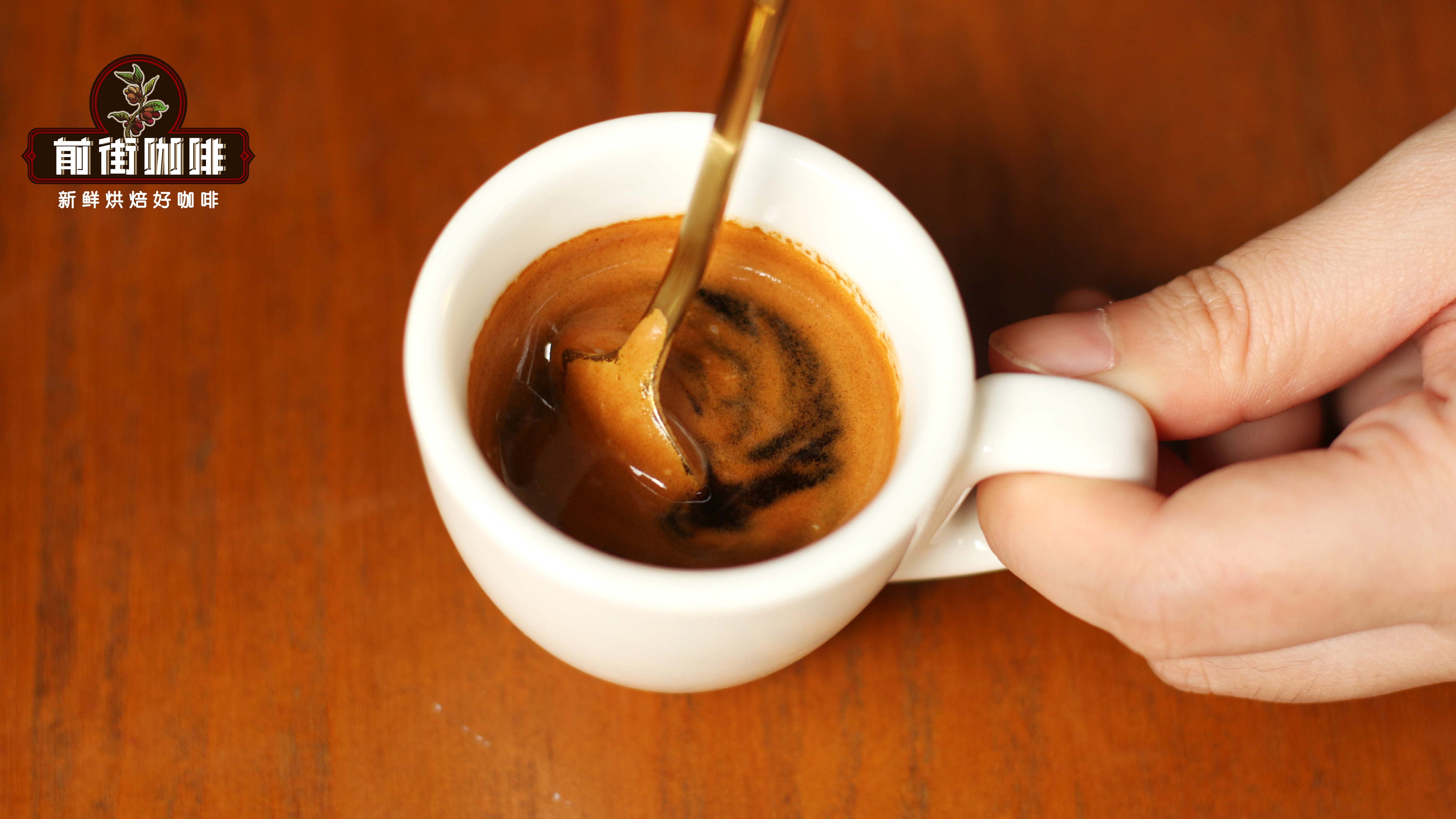
That layer of golden-brown foam floating on the surface of espresso is exactly the coffee crema that countless coffee enthusiasts are obsessed with. How is it actually generated? What does its thickness relate to? This article starts from 9-bar extraction pressure, emulsification, and the role of carbon dioxide to uncover the mysteries of Crema, and also discusses the wartime origins and standard preparation of Americano, analyzing why the flavor of Americano is determined by the beans and extraction. At the end, Front Street Coffee also brings detailed introductions to five espresso beans, including the classic blend, along with extraction parameters. Espresso lovers may want to read to the end. [more…]
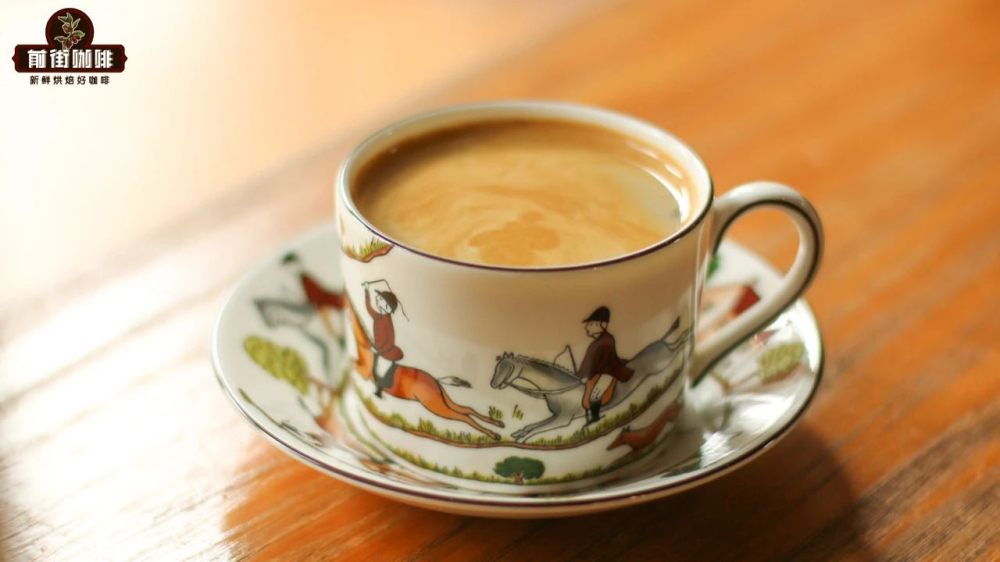
Espresso Brew Ratio | What Is the Coffee-to-Water Ratio for Americano and Latte? How Is Americano Made? Which Coffee Beans Make a Great Americano?
A fragrant, rich espresso can be enjoyed in many ways. Add fresh milk and it becomes a rich, creamy milk coffee; add hot water at the right temperature and it becomes a hot Americano; or add ice cubes and it becomes an iced Americano. Of course, you can also drink the single shot of espresso you've just pulled straight. [more…]
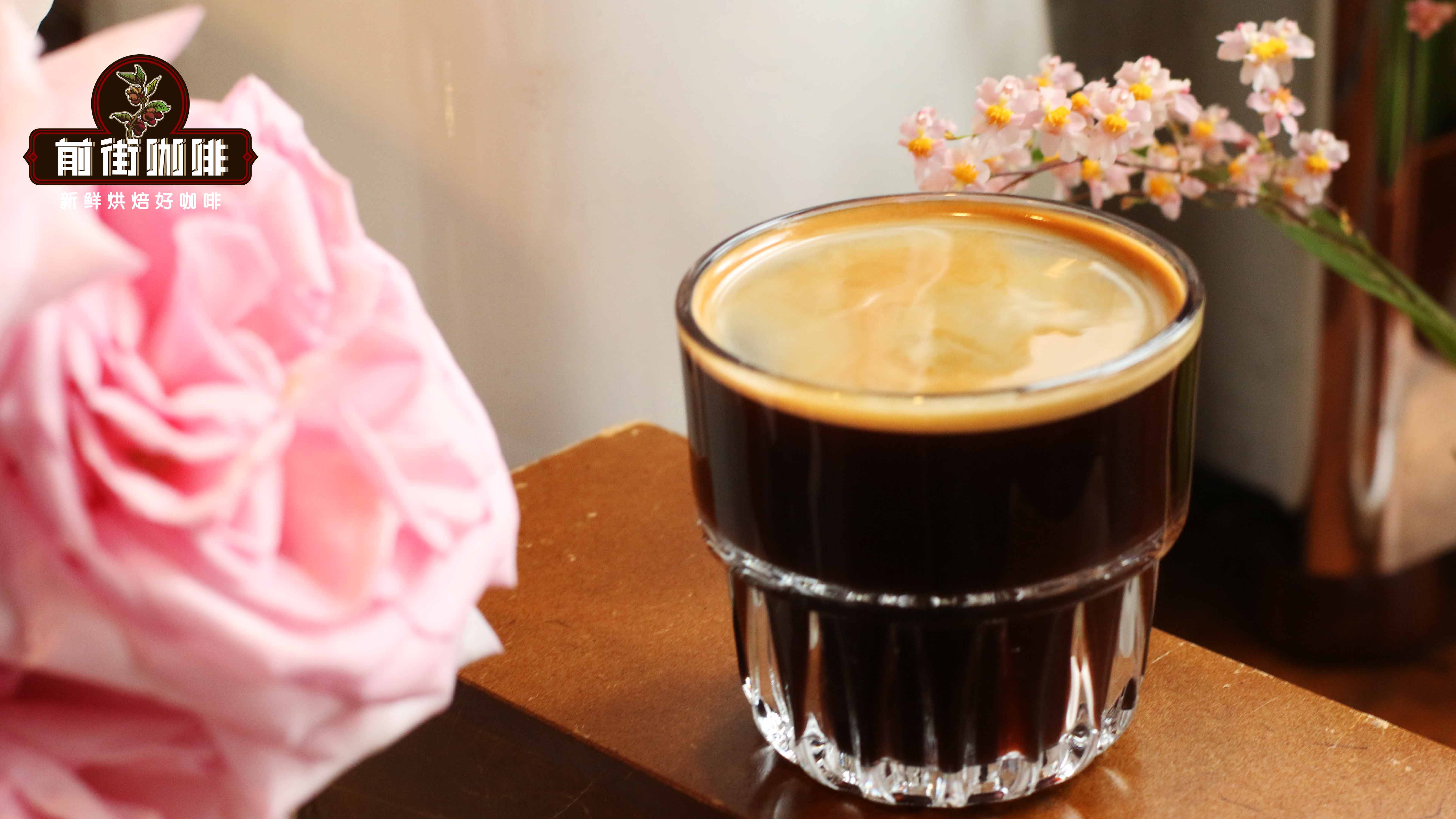
Exploring the bitterness differences between Americano and Espresso: Can iced Americano be made with pour-over or cold brew?
Is Americano or Espresso more prominently bitter? Without a coffee machine, can you use pour-over or cold brew instead to make an iced Americano? Starting from the compositional principles of Americano, this article breaks down its key preparation points and bean selection advice in detail, and recommends several Front Street brand coffee beans, including Front Street Dark Cocoa Blend, Front Street Golden Mandheling SOE, and more, helping beginners get started easily. At the same time, it compares the flavor differences between cold brew and pour-over coffee, and provides a list of floral and fruity beans suitable for low-temperature brewing, such as Huakui, Red Cherry, Guodingding, and others, so you can make a refreshing, sweet, and smooth iced coffee at home too. [more…]
How do you drink Americano the authentic way? A full breakdown of the golden ratio of espresso to water and the differences between iced and hot
Walk into any coffee shop, and the first thing on the menu is often the Americano. It looks simple—espresso plus water—yet it hides plenty of craft. From Americans turning to coffee after the Boston Tea Party, to iced Americanos becoming the lifeblood of office workers today, what kind of evolution has this cup of black coffee gone through? What is the essential difference between an Americano and a Long Black? Is there really a standard answer for the ratio of espresso to water? This article breaks down this most familiar yet most easily underestimated coffee, from its historical origins and brewing ratios to the differences in flavor between iced and hot, and shares Front Street Coffee's ratio insights from actual service in our shops. [more…]
Espresso Blend Recommendations | What Are the Right Espresso Water-to-Coffee Ratio and Grind Size Parameters? How Do You Make a Delicious Americano or Latte?
A fragrant, rich espresso can be enjoyed in many ways: add fresh milk and it becomes a rich, creamy milk coffee; add hot water at the right temperature and it becomes a hot Americano; or add ice cubes and it becomes an iced Americano. Of course, you can also simply drink the single shot of espresso as it is extracted. [more…]