







Geisha rose to fame at the 2004 BOP competition with its intense floral aroma and citrus-honey sweetness, becoming a favorite among many coffee lovers. Many people want to use the espresso machine on hand to make it into an SOE and experience the unique flavors under high concentration, but Geisha is expensive and tends to be lightly roasted, so directly applying conventional parameters often wastes beans and produces an unpleasant cup. This article revolves around questions such as whether Geisha can be made into espresso, how to reduce the cost of dialing in the grind, and how to set specific extraction plans, combining Front Street Coffee's actual testing process to provide a complete approach from using substitute beans for dialing in to the final product, helping you make a balanced cup of Geisha espresso and milk coffee at home.
The 2004 BOP competition made Geisha famous overnight, and since then it has become increasingly known to more and more coffee lovers. The rich, petal-like aroma and the sweetness woven from citrus and honey make up what everyone fondly calls the "Geisha flavor," and many people are precisely captivated by this unique charm.
I believe many friends, like Front Street Coffee, when encountering a bean they like, cannot help but want to put it through every kind of equipment to see what it will present under different extraction methods. Beyond single-origin methods like pour-over and cold brew, friends who have an espresso machine at home will also try pressing it into espresso to experience a different taste under high concentration. As a result, quite a few people make Geisha into espresso, even though its price is really not friendly.
Using single-origin beans to make espresso has a special name—SOE (Single Origin Espresso), which means single-origin espresso. The vast majority of single-origin beans share one common trait: the roast level is not too dark. The reason is to suppress the chemical reactions produced during roasting as much as possible, so that the bean's own floral and fruity notes are preserved. The trouble this brings is that the original extraction parameters cannot simply be copied over.
The mainstream roast level for espresso beans is concentrated between medium-dark and dark roast, while single-origin beans are mostly medium or even medium-light and below. Different roast levels mean the beans' density and brittleness differ, so even at the same grind setting, the particle size produced can differ greatly. With the same dose, the extraction results will naturally be very different, and many people who want to make Geisha into espresso get stuck at this step.
If you want to get a cup of Geisha espresso with outstanding flavor and balanced mouthfeel, rather than a cup of strong coffee so sour your face twists and so astringent you doubt life, you must adjust the extraction parameters, and grind size is especially key. But here another practical problem arises—Geisha is expensive. This is exactly why most people do not dare to casually make it into espresso.
The high price is not only because of its unique flavor, but also because the Geisha variety itself has a scarce yield, and combined with its consistently high fame, multiple factors stack up, so its value naturally rises, usually three to four times that of conventional bean varieties. And dialing in a delicious espresso often requires more than two shots. With other beans, it might be solved for a few yuan or a dozen yuan; if switched to the well-known Panama T2722 Geisha, the cost of one dose is around twenty yuan. This is only the price of basic Geisha. If one dose is not dialed in well, you may need to extract two, three, or even more shots, and just thinking about it hurts.
Therefore, many people who want to try Geisha espresso or Geisha latte are deterred, afraid that after all the trouble with a bag of beans, they will end up with only one satisfying cup of coffee, and the cost is simply too high. So the question is: is there a way to reduce the loss during the dialing-in stage?
Of course there is, and it is much simpler to do than imagined. The method is—use a "substitute" to dial in the grind.
Specifically, first find a bean with a roast level similar to or even lighter than Geisha to adjust the grind setting, such as coffee beans from Ethiopia or other relatively cheaper producing regions. Once the extraction time falls into the preset range, switch to Geisha for fine-tuning the details. This way you can minimize the cost while also making a delicious cup of Geisha espresso.
Having said so much, it would be better to let Front Street Coffee actually demonstrate the complete process of making espresso with Geisha. (Absolutely not because Front Street Coffee itself wants to drink it
)
Extraction sharing
There are now many countries growing Geisha. Although they are all called Geisha, the terroir, variety, and processing methods differ, and the performance of different producing regions also varies greatly.
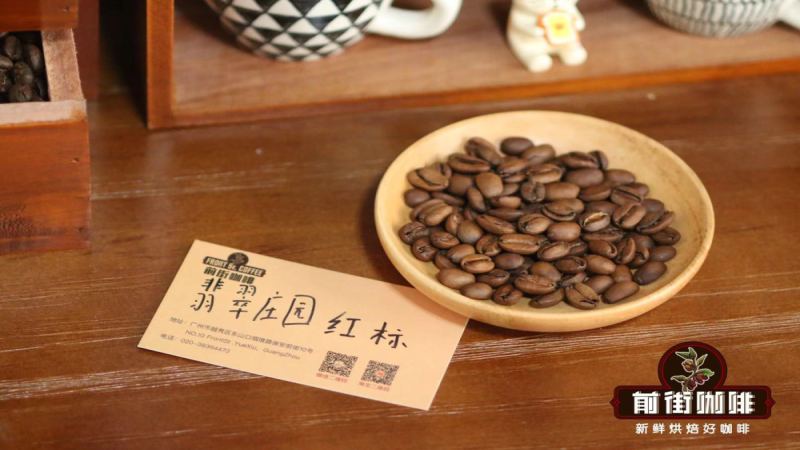
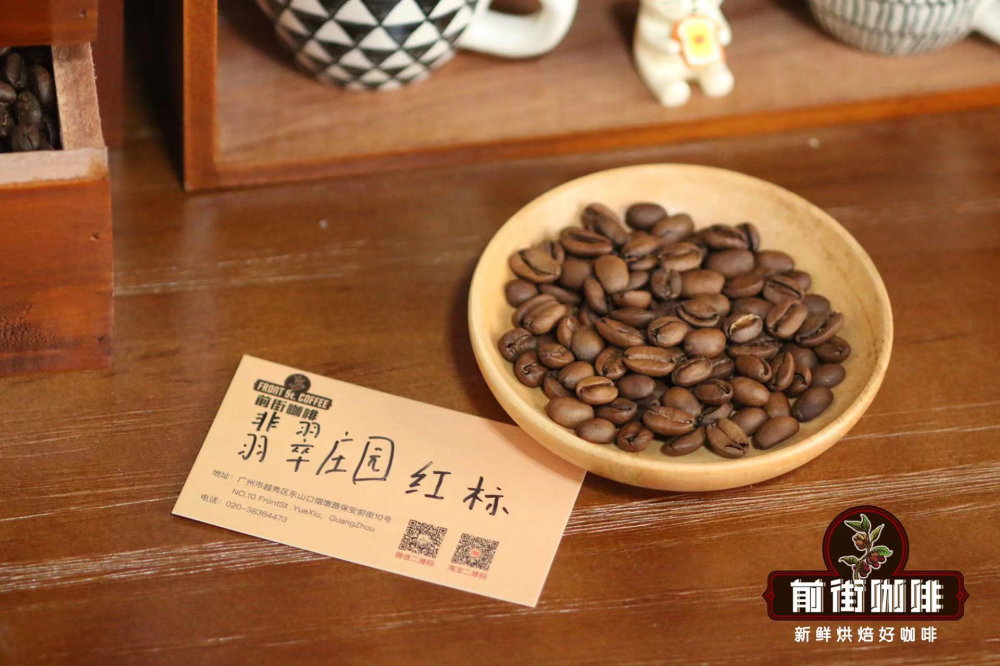
If you want to find an affordable Geisha, you can choose Front Street Coffee Granja Geisha SOE. This bean comes from Ethiopia, belongs to specialty natural coffee, and is specially designed for extraction with espresso machines and moka pots. It uses a medium roast, retaining Geisha's floral aroma while also bringing out a certain caramel note, and the espresso crema is moderate.
If you want to taste the most classic Geisha flavors in espresso, such as white florals and citrus-honey sweetness, it is recommended to use Front Street Coffee Boquete Geisha from the Panama producing region.
In order to present the most classic Geisha flavor, Front Street Coffee chose Panama Boquete Washed Geisha from its bean list this time. Its roast level happens to be suitable for making SOE. A medium-light roast means the resulting espresso will not be too acidic, and when mixed into milk coffee it will not seem abrupt because of prominent acidity.
Before extraction, first draft a plan, then adjust according to the plan's parameters. The plan drafted by Front Street Coffee is: 20g dose, 1:2 coffee-to-liquid ratio, 35-second extraction time. After the plan is set, begin dialing in. First take out the original beans and switch to an affordable light-roast bean. The substitute used here at Front Street Coffee is Yirgacheffe from its daily lineup, costing less than 0.25 yuan per gram.
The Warm Sun Blend used by Front Street Coffee is medium-dark roasted, not too far from medium-light roast, so first try making the grind 2 steps finer. (The original grind setting was 1.4 on the Galileo Q18; after making it two steps finer, it became 1.2.)
The first attempt result was: 20g dose extracted 40ml of coffee liquid in 29 seconds, a relatively large gap from the target. It tasted very sharply acidic and rather thin in body. So Front Street Coffee adjusted the grind again, making it 1 step finer than the original (setting to 1.1), and tried again.
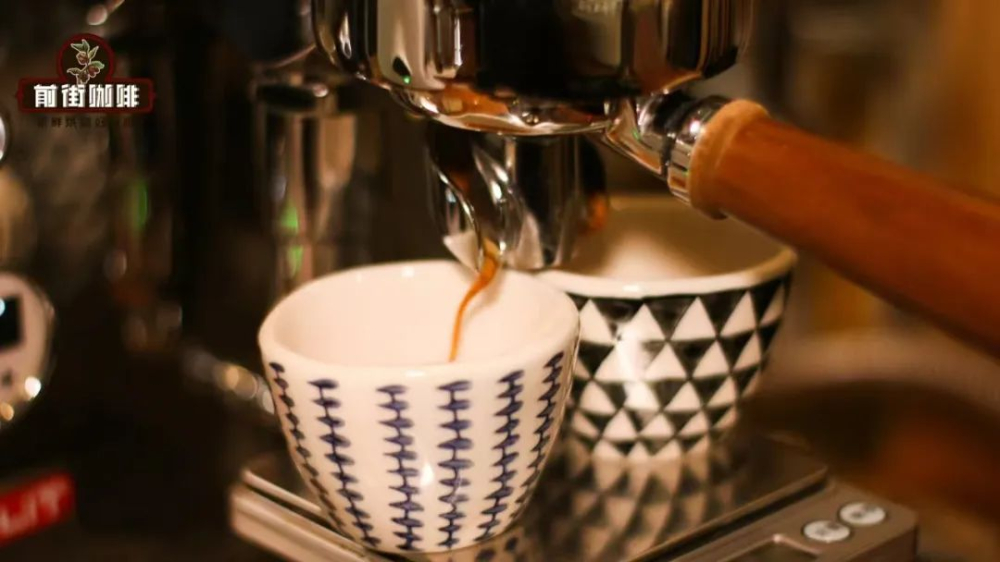
This time it performed well: 20g dose extracted 40ml of coffee liquid in 33 seconds, very close to the plan's range. So it was directly switched to Geisha, and after purging the grinder, extraction began with the same dose.
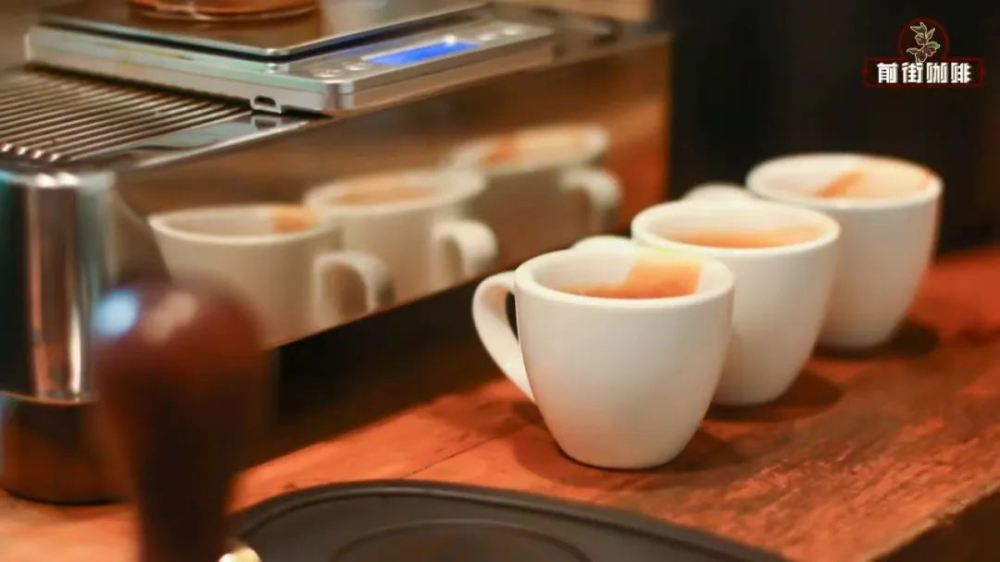
Boquete Geisha has a slightly darker roast level than Yirgacheffe, so the extraction time will be a bit longer. 20g dose extracted 40ml of coffee liquid in 35 seconds, exactly landing on the plan's target time. Front Street Coffee immediately tasted it to see whether the flavor still needed adjustment.
The result was unexpected: this cup of Geisha espresso performed quite perfectly. The entry acidity was rounded, not sharp at all, with clear flavors and distinct layers: the sweet-tartness of citrus, elegant white florals, a honey-like texture, and a long green tea finish.
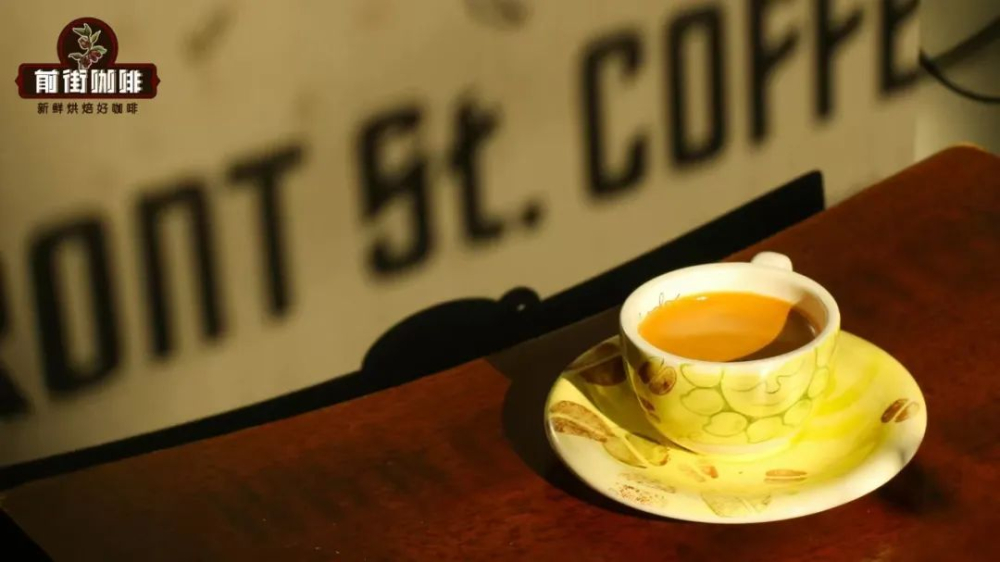
The Geisha used by Front Street Coffee was relatively fresh (seventh day after roasting), but as can be seen from the picture above, the espresso crema it extracted was not thick, which is a difference brought by the roast level.
You should know that whether the crema is thick or not is not a standard for judging whether a cup of coffee is good or bad. At most it is just a foam group held up by carbon dioxide, so there is no need to focus on the crema; the key is still the taste. If you do not believe it, look: even if the crema is "as thin as cicada wings," it can still pour a beautiful pattern.
Geisha's flavor is on the fresher side and is easily covered by milk, so when making it into milk coffee, Front Street Coffee appropriately reduced the amount of milk. The ratio was 1:4.5, that is, 40ml espresso with 180ml milk.
The drinking experience matched Front Street Coffee's expectations: after the milk was added, the coffee's acidity was suppressed, the sweetness was enhanced, and the overall cup was more balanced. In terms of flavor, white florals and citrus notes could still be tasted, and there was even a caramel biscuit flavor after blending with milk. Although the flavor was not as rich as black coffee, the mouthfeel was creamier and the sweetness higher.
The above are some techniques and details for making SOE with Geisha. If you feel the cost is still too high and want to experience Geisha flavor with lower expense, you might try some single-origin beans that are not single-variety. For example, Butterfly and Strawberry Candy are made from 70% Geisha blended with other varieties (note: single-origin beans do not equal single variety). Although their "lineage" is not so pure, Geisha's flavor characteristics are still obvious, making them quite good substitute options.
The above content is compiled by CoffeeHunters, a coffee news website.


