







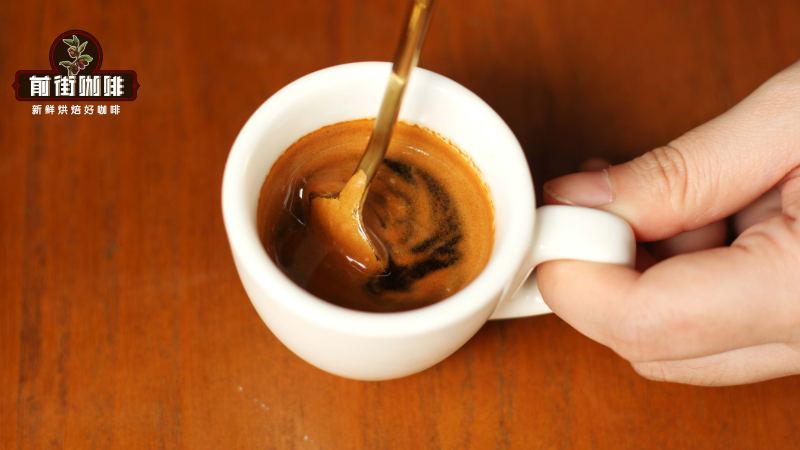
What creates crema on espresso, and which beans deliver it?
Crema is the golden-brown foam on a freshly pulled espresso, and it forms when 9-bar extraction pressure pushes water through the grounds while emulsifying the coffee's natural fats. Carbon dioxide trapped in freshly roasted beans is forced into the liquid under the same pressure, and the released gas helps build and hold the foam layer.
Because crema depends on gas and oils, bean freshness and roast level matter as much as the machine or the barista. Americano, born from World War II when stationed soldiers diluted espresso with hot water, shows the same principle: its flavor follows the beans and the extraction rather than the added water. Front Street Coffee lists five espresso options, including the Classic Blend, with extraction parameters for each.
That layer of golden-brown foam floating on the surface of espresso is exactly the coffee crema that countless coffee enthusiasts obsess over. How is it actually produced? What does its thickness depend on? This article approaches the mystery of crema from the angles of 9-bar extraction pressure, emulsification, and the role of carbon dioxide, and also covers the wartime origins and standard preparation of Americano, analyzing why the flavor of Americano is determined by the beans and the extraction. At the end, Front Street Coffee also presents detailed introductions to five espresso beans including the Classic Blend, along with their extraction parameters—espresso lovers should read to the end.
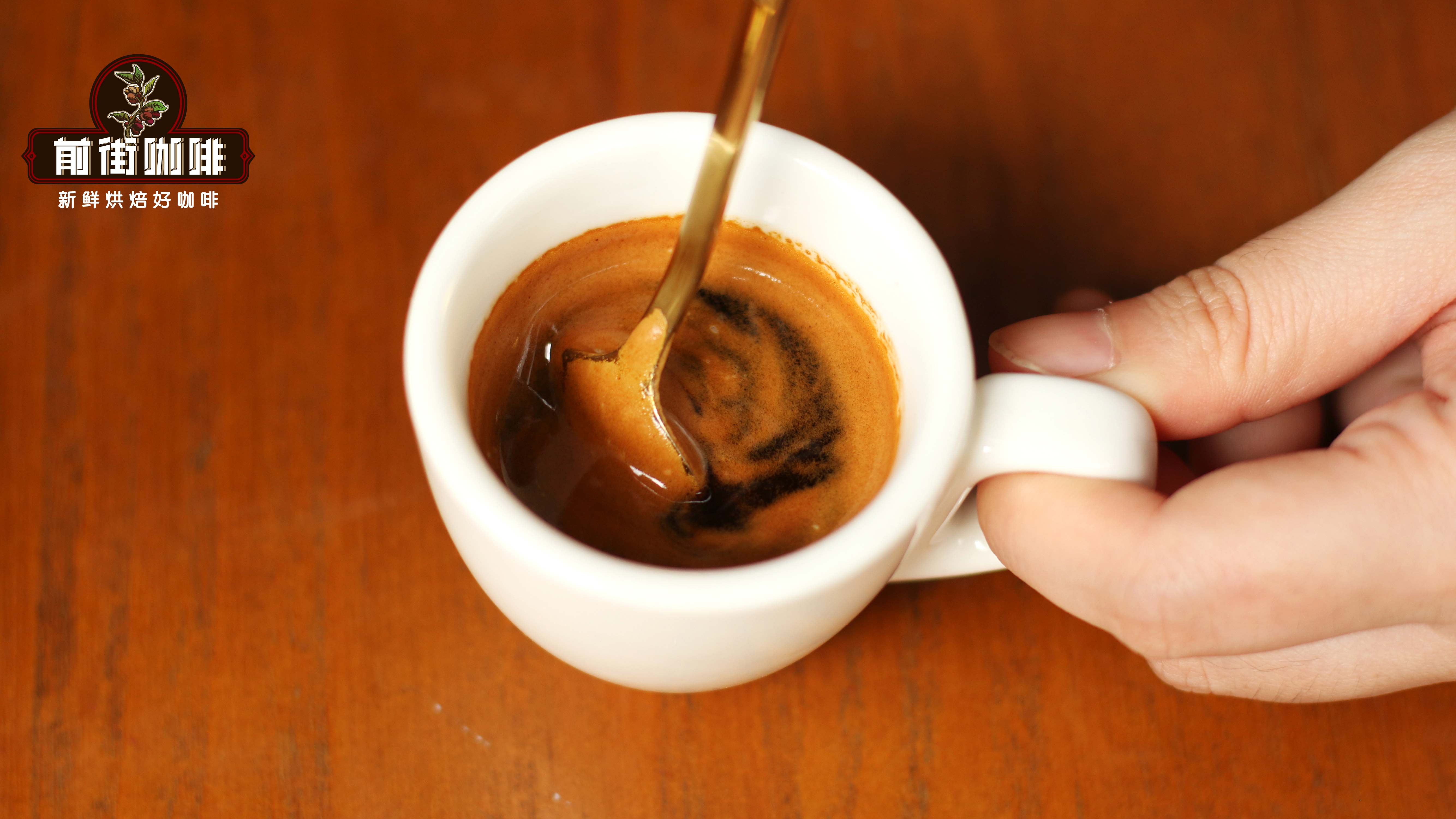
When tasting espresso, almost every coffee enthusiast is chasing that perfect crema—the brown foam resting on the surface of freshly extracted espresso. Crema in just the right state is almost synonymous with high-quality coffee, but behind this dense foam lies a coffee principle even more worthy of deeper investigation.
Did you know? Espresso tastes intense and full-bodied, often overwhelming on first encounter, but once you adapt to this style, you can instead taste a different kind of flavor. Moreover, espresso is also a beverage that directly tests bean quality and a barista's skill. Since it's favored by so many people, there's naturally a reason behind it—next, Front Street Coffee will reveal it all to you one by one!
What is espresso? Freshly extracted espresso presents a beautiful golden layer of crema on its surface, which everyone customarily calls "Crema." The birth of "Crema" is inseparable from the 9-bar extraction pressure: after water is heated and pressurized, it continuously carries soluble substances out of the coffee grounds, and the fats naturally present in coffee are also emulsified during this process. At the same time, freshly roasted coffee beans contain a large amount of carbon dioxide, and when making espresso, these gases are forced into the coffee by pressure.
As the classic representative of Italian coffee, espresso is known for its rich and layered mouthfeel, capable of highlighting certain unique flavor characteristics of the beans. However, because it is too impactful when drunk directly, more people prefer various espresso-based coffee drinks.
What is Americano? Americano was born during World War II: American soldiers stationed in Europe couldn't get used to the intensely strong local espresso, so they diluted it with water. In other words, the original purpose of Americano was to reduce coffee concentration to a level Americans could accept for drinking. Later, Italians emigrated to the United States, local Italian-style coffee shops flourished, and the espresso-based, water-added version of Americano shone brightly—the order of "pouring coffee first, then adding water" precisely conveys the intent of diluting strong coffee. Today, the preparation of Americano no longer emphasizes the order, and the only remaining difference is whether to preserve or break up the crema.
Pictured: Hot Americano made by Front Street Coffee
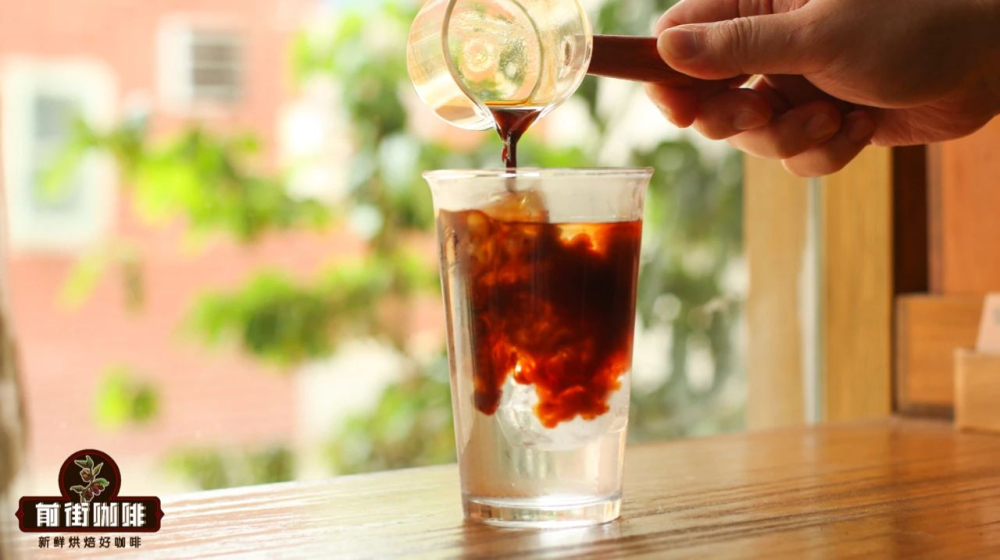
Pictured: Iced Americano made by Front Street Coffee
How should Americano be made? The method isn't complicated: first extract espresso at a coffee-to-liquid ratio of 1:2, then dilute with water at an appropriate ratio. Taking Front Street's blend of Ethiopian natural Red Cherry and Honduras Sherry as an example, 20g of coffee grounds can extract 40g of coffee liquid, then add water at a 1:6 ratio (that is, 40g of coffee liquid mixed with 240g of water), and a cup of Americano is complete.
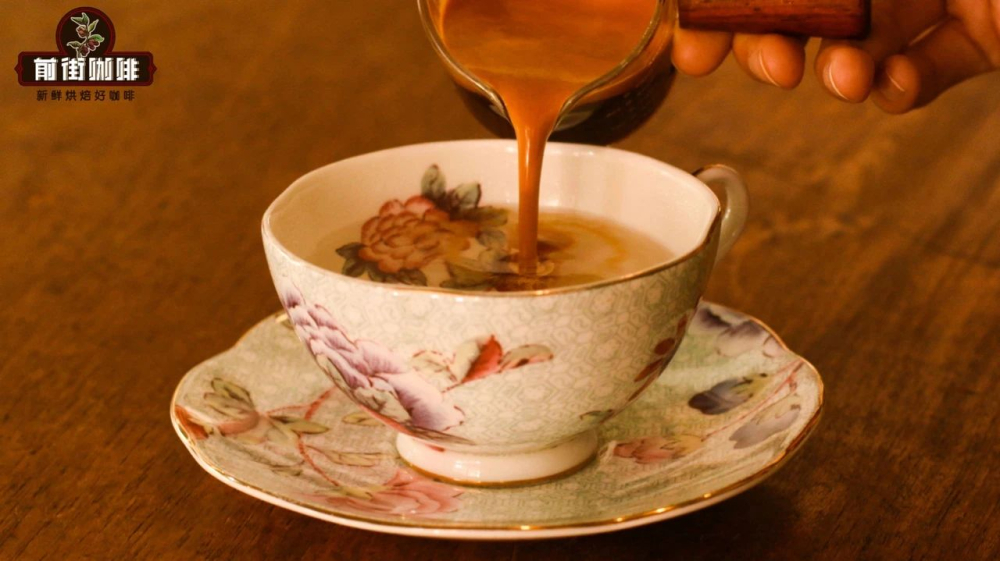
The flavor of Americano is determined by the beans used to extract the espresso. An ideal cup of Americano should be balanced and mellow overall, without a watery feel, burnt bitterness, or sharp acidity. If you taste bitterness, it's most likely over-extraction of the espresso; sharp acidity suggests under-extraction; an obvious watery feel is the result of adding too much water.
What does Americano taste like? The answer mainly lies in the coffee beans Today Americano has become almost a mandatory item in every coffee shop, but why is Americano sweet and smooth in some stores, yet burnt and bitter beyond swallowing in others? The gap mainly comes down to two factors: the quality of the beans themselves, and the barista's level of extraction skill.
Today's Americano consists of espresso plus water; water itself is colorless and tasteless, only serving to dilute, so whether it tastes good depends on the espresso, and the flavor quality of the espresso ultimately comes down to two links: the beans and the extraction.
Front Street uses a double dose when making espresso, so choosing a suitable espresso blend bean is especially crucial. The so-called blend, also called mixed coffee, is combining multiple single-origin beans together so that each one's strengths are fully released; a blend consists of beans from different origins, pursuing a more balanced overall flavor. For example, if one bean is smooth but lacks aroma, it can be paired with a bean rich in aroma to make up for it—beans complement each other's strengths and weaknesses, whether complementing or mutually reinforcing in flavor, ultimately creating a new type of espresso with a more three-dimensional and rich mouthfeel.
If you prefer an intense mouthfeel and rich, aromatic crema, then Front Street . Front Street Classic Blend is not to be missed. This brand-new recipe pays tribute to the once-popular "Mamba Coffee," combining Indonesian Mandheling with Brazilian espresso beans—possessing both the wild, unruly aroma of Mandheling and the smooth touch of Brazilian beans, complementing and harmonizing with each other in taste. Front Street Classic Espresso Blend also adds Robusta to the Mamba recipe, greatly boosting crema performance, making the espresso body even thicker, suitable for home preparation, and equally excellent for latte art.
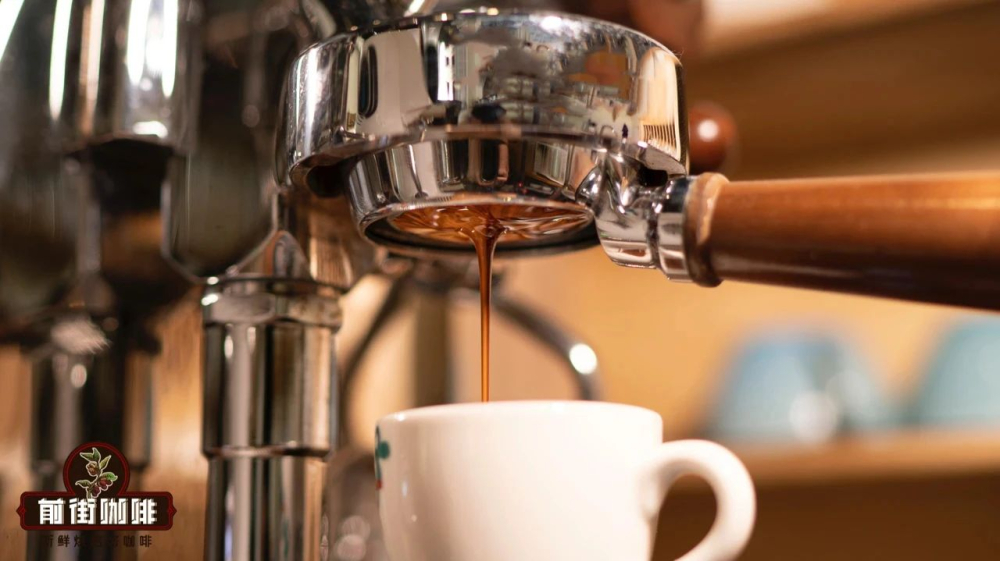
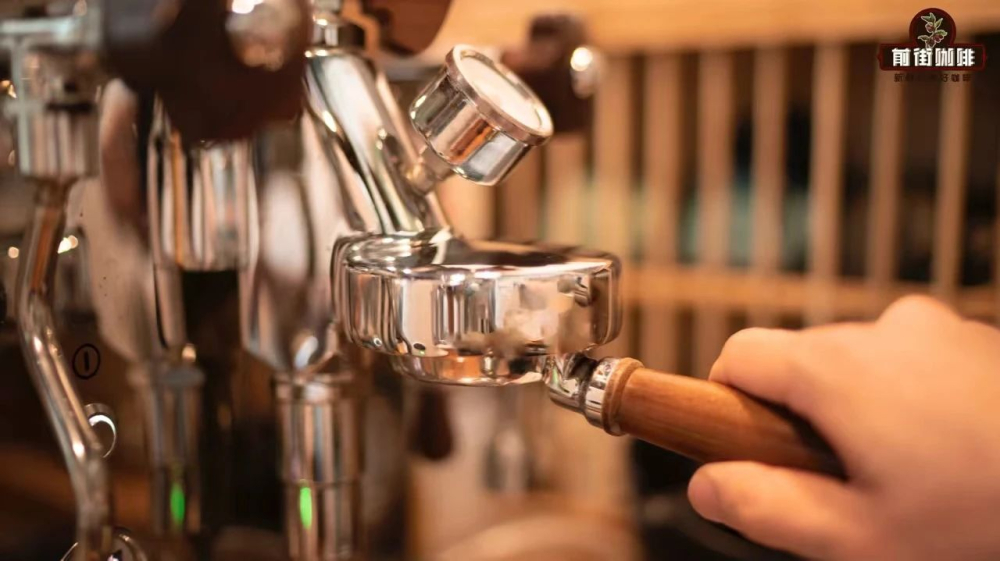
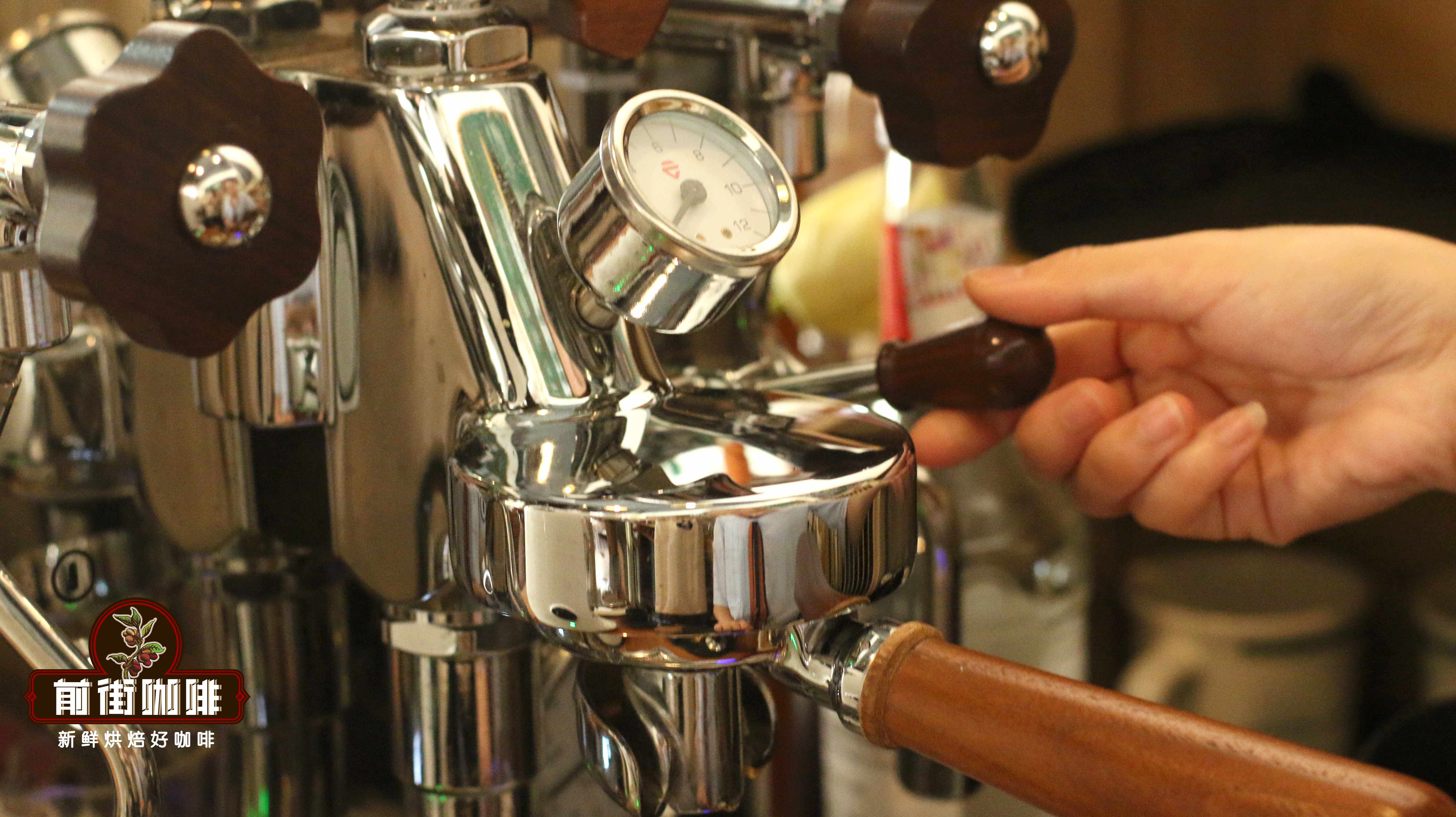
Front Street's extraction equipment is the Flying Horse E98 espresso machine, and the specific extraction parameters are as follows— Pressure: 9 bar Temperature: about 90.5~96℃ Time: 20~30 seconds Coffee-to-liquid ratio: 1:1.7~1:2 Dose: 12g for a single espresso, 20g for a double espresso Espresso yield: 20ml (single), 40ml (double)
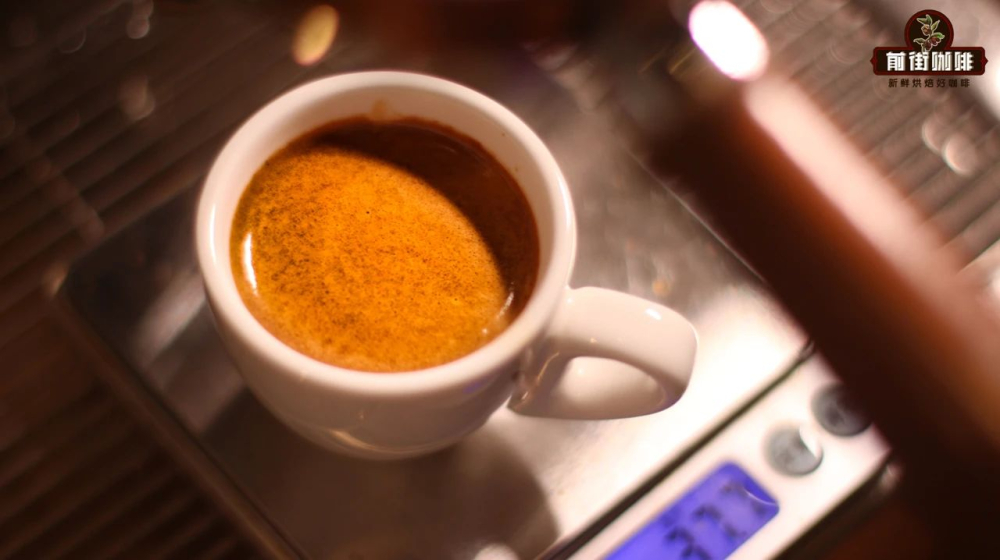
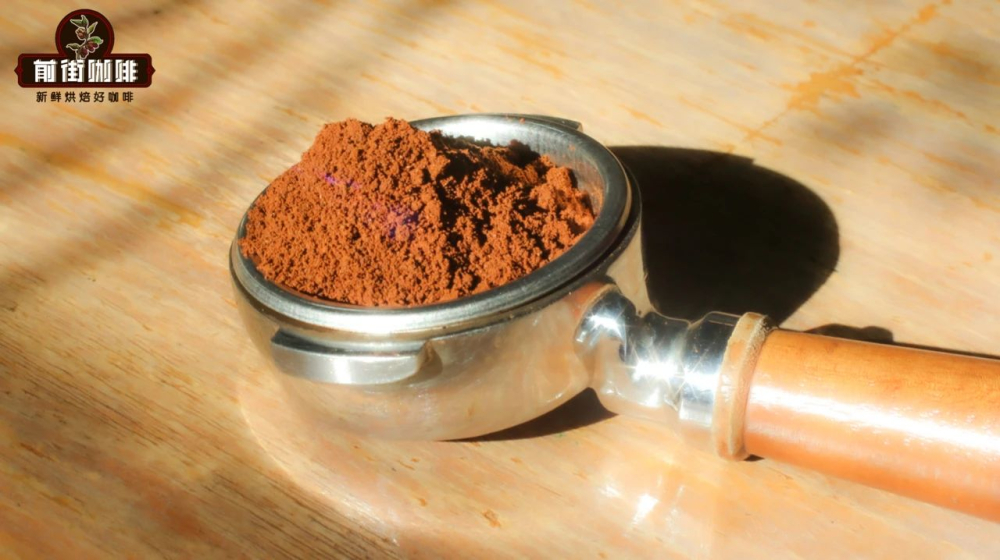
Weighing the coffee grounds
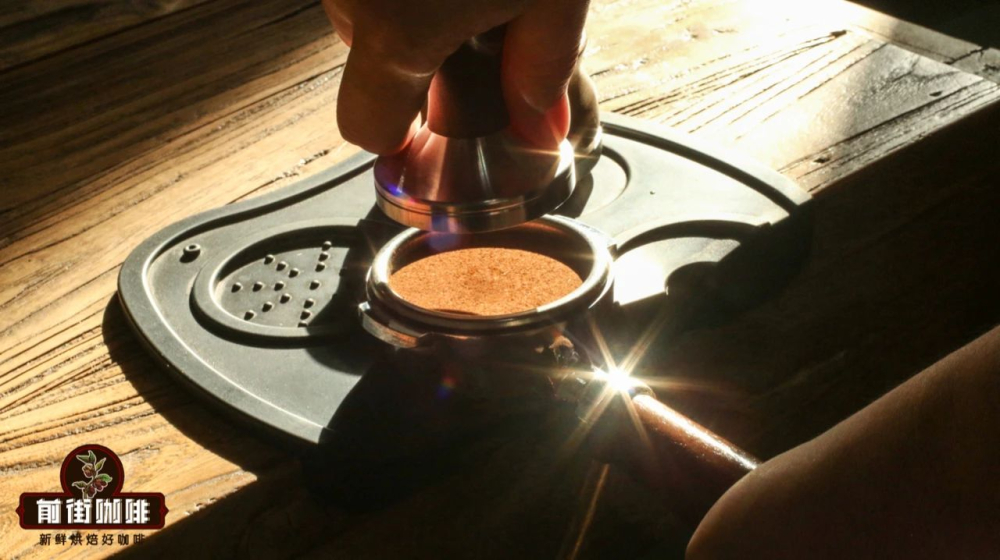
Extraction in progress
Front Street Coffee believes that before starting to design a bean blend, one must first understand what flavors each type of coffee variety around the world has, as beans from different origins naturally carry different personalities. With different varieties and origins, each bean's performance in sweetness, acidity, bitterness, aroma, and body will show subtle differences, and single-origin beans often focus on showcasing the unique character of a certain type of coffee. The value of post-roast blending lies in that after roasting, complementary pairing can be carried out according to each bean's flavor performance, fine-tuning the proportion and weight of each bean as the situation requires, thereby obtaining a stable and consistent coffee flavor.
Next, Front Street Coffee will introduce the specifics of several of our blend beans one by one.
1. Front Street Commercial Espresso Blend Coffee Beans Recipe: Colombia 30%, Brazil 60%, Robusta 10%. For guests who value crema and mouthfeel, Front Street specially designed an espresso blend and named it "Front Street Commercial Blend Coffee Beans." Its composition is Arabica beans from Brazil and Colombia, mixed with 10% Robusta beans.
2. Fruit-acidity-led Front Street Huakui SOE Espresso Coffee Beans Origin: Ethiopia Guji Hambela
To make an espresso with prominent fruit acidity, it's best to choose a bean type led by floral and fruity notes. It is recommended to get the quite famous Front Street . Huakui SOE coffee, which when made into espresso clearly reveals flavors of orange blossom, citrus, and berries.
3. Fermentation-note-prominent Front Street Xizhua SOE Espresso Coffee Beans Recipe: Colombia Huila
If you prefer an espresso with rich fruity aroma and a slight fermented note, you might try Front Street . Colombia Xizhua. This bean naturally carries flavors of passion fruit, orange, grape, dried apricot, and almond; when made into espresso, the crema amount is moderate, the sweet-sour balance is well-proportioned, and bitterness is almost imperceptible.
4. Front Street Specialty Blend Espresso Coffee Beans Recipe: Brazil 70%, Colombia 30%.
For friends who neither like flavors that are too extreme, nor are devoted to single-origin coffee, yet still care about coffee quality, this type of specialty espresso bean should be the first choice. It uses medium-dark roasted beans, with balanced Brazilian beans as the base, paired with Colombian beans that show soft fruit acidity and nutty sweetness, with a classic and thought-provoking flavor.
5. The Moka pot bean praised by many baristas—Front Street Black Cocoa Blend Coffee Beans Recipe: Yunnan coffee beans 30%, Brazil 70%.
This Front Street Moka pot espresso bean highly recommended by baristas—Black Cocoa Blend—delivers the most mainstream taste presentation with extremely high cost-effectiveness. Whether a newcomer just stepping into the coffee world or a seasoned heavy drinker, anyone can accept this espresso bean without pressure. It uses balanced Brazilian beans as the base, then blends in Yunnan beans whose flavor and touch are slightly inferior to Brazilian beans.
The above content is compiled by CoffeeHunters, a coffee news website.


