







Search Results for: God of Wealth Latte

God of Wealth Latte Goes Viral, Sparks Controversy: Is the Rice Paper Decoration Offensive to Deities and Are Food Safety Concerns Warranted?
After Laba, the Spring Festival approaches, and young people are eager to seek wealth. A coffee shop in Hangzhou launched God of Wealth Latte, combining God of Wealth New Year pictures with coffee, quickly triggering a check-in craze. However, this drink has also drawn questions: Is the glutinous rice paper decoration hygienic and edible? Is it disrespectful to "drink the God of Wealth into your belly"? Previously, Heytea's "Buddha Joy Tea" was summoned for talks and taken off shelves due to religious elements. Will God of Wealth Latte repeat the same mistake? This article sorts out the ins and outs of the incident and introduces alternatives such as the coffee latte art version of God of Wealth Latte. [more…]
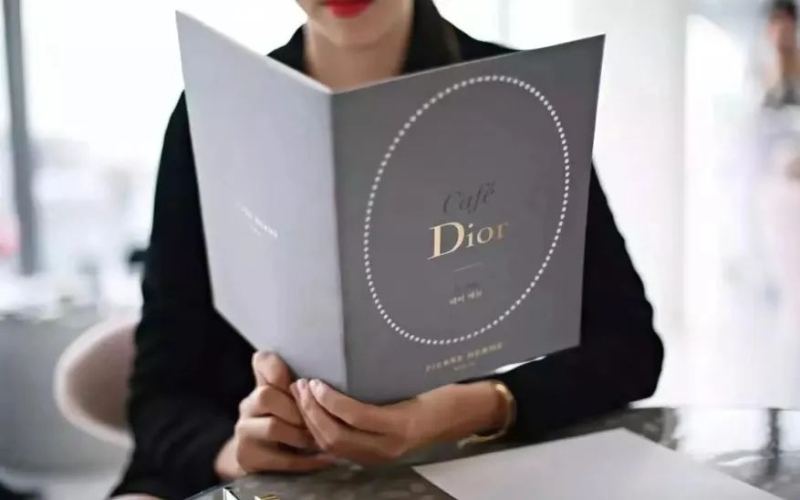
Dior's first mainland China store café opens, but goes viral for inviting a master to worship the God of Wealth—why are luxury brands moving into coffee?
It is no longer uncommon for luxury brands to venture into the coffee business. When Taikoo Li Qiantan in Shanghai opened last year, it was announced that the first Dior café in mainland China would move in, but the store had been operating as a pop-up, and after two theme changes, the coffee shop never materialized. It was not until July 31 this year, after a third theme change, that this Dior pop-up officially upgraded to a flagship store, and the first Dior café in mainland China opened along with it. Surprisingly, however, what truly sparked heated discussion among netizens was not the store design or the exquisite afternoon tea, but the scene of inviting a master to worship the God of Wealth at the opening ceremony. This article will take you through the whole story and explore the business logic behind luxury brands opening coffee shops. [more…]
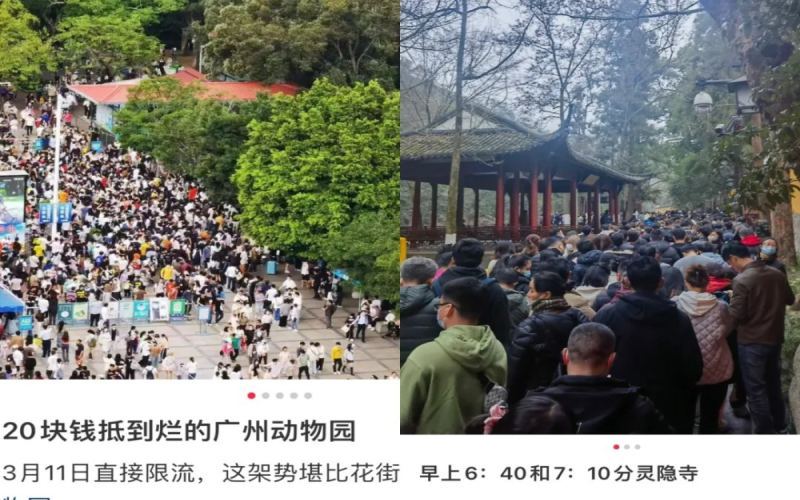
Why is temple coffee going viral? The psychology and consumer logic behind young people flocking to temples to burn incense and drink coffee
In recent years, among those booking tickets to temple scenic spots, the post-90s and post-00s generations have accounted for nearly half, and temples that enshrine the God of Wealth or have coffee shops in particular have become popular destinations for young people to check in. Burning incense while drinking coffee—a lifestyle that seems contradictory yet runs in parallel—reflects what kind of psychological needs among today's young people? Why exactly has the cross-boundary combination of temples and coffee become so popular? Starting from young people's motivations for visiting temples, this article analyzes the dual effects behind the rise of temple coffee and explores how the coffee industry and temple operations can help each other succeed through this collision. At the same time, the article retains recommendations and introductions related to brands such as Front Street Coffee for coffee lovers' reference. [more…]

Starting from the typo of "coffee" as "office": A cultural reflection behind showing off coffee knowledge
Recently, a netizen posted a question after returning to China: "Don't you guys usually drink office?" This slip of the tongue, mistakenly writing coffee as office, quickly sparked heated discussion and teasing among netizens. Starting from this little episode, we might as well talk about some interesting phenomena in coffee culture—some people confuse SEO with SOE, and some are confidently full of themselves despite knowing little about pour-over competitions. Drinking coffee is supposed to be an everyday little thing, but why do some people always treat it as capital for showing off? Let us review the evolution of coffee from a noble exclusive to a commoner's drink, and explore what kind of mindset we should have in understanding and enjoying coffee today, as specialty coffee culture becomes increasingly popular. [more…]

A Grand Showcase of New Year Couplets for Coffee Shops: A Creative Clash of Dragon Year Coffee Culture and Traditional Spring Couplets
During the Spring Festival of the Year of the Dragon, the coffee industry blended into traditional New Year flavor in a unique way, as many independent café owners posted carefully crafted coffee-themed Spring Festival couplets on social media. These couplets cleverly combined coffee elements such as lattes and Americanos with auspicious blessings, showcasing the charm of coffee culture while conveying good wishes for the New Year. From “Coffee has bitterness and sweetness too” to “Iced Americano is simply the best,” each couplet embodied the shop owner’s love of life and blessings for customers. Let us step into these highly creative cafés together, experience a distinctive New Year flavor where tradition and modernity blend, and savor the cultural charm within the rich aroma of coffee. [more…]

The Complete Guide to Espresso Cleaning Cloths: Five Cloths, Each with Its Own Job, Plus Milk Cloth Usage and Stain Removal Tips
In the process of making espresso, besides auxiliary tools such as WDT needles, distribution tools, and latte art needles, cleaning cloths are also an indispensable logistical role. Many coffee enthusiasts wonder: why does making coffee require as many as five cleaning cloths? Is the barista some kind of god of rags? In fact, each cloth has a different task, and the requirements for hygiene standards and dryness/wetness also vary, so one cloth cannot serve all purposes. Front Street will break down in detail the responsibilities of each of the five cloths in this article—from wiping the portafilter, wiping cups, milk cloth, wiping the espresso machine, to the bar cloth—and share the key points for using the milk cloth damp, as well as how to distinguish fabrics by color and style, to help everyone understand the cleaning logic behind baristas. [more…]
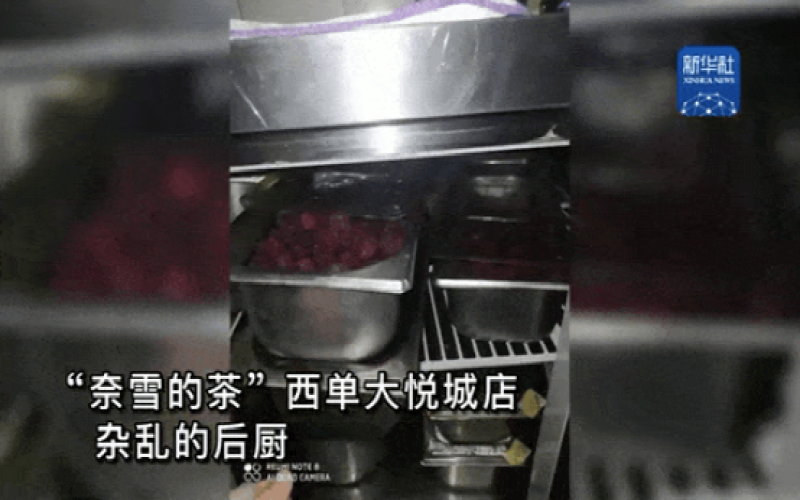
Is New-Style Tea Losing Steam? Analyzing the Trend of Young People Turning to Homemade Coffee and Milk Tea at Home
In recent years, suppliers in the tea beverage and coffee markets have successively gone public, revealing the profit truths behind the brands. However, as food safety issues and health concerns in the new tea beverage industry keep emerging, more and more young people are abandoning brands like Luckin and Heytea in favor of making their own coffee and milk tea. With the convenience of the internet and a wealth of tutorials, homemade drinks have become a traffic magnet, with bloggers monetizing through product endorsements, which has also made ingredient brands like Fino popular. This article takes an in-depth look at the reasons and impact behind this phenomenon, exploring the shock that homemade drinks are delivering to the traditional tea beverage and coffee markets. [more…]
A Noble Bean Born of Volcanic Highlands: A Comprehensive Guide to Front Street Antigua Flower God and Guatemalan Coffee
Coffee arrived in Guatemala in 1750, and over more than two centuries it has developed into seven distinctive producing regions, including Antigua, Cobán, and Lake Atitlán, known overall for a mild, full-bodied character and elegant acidity. This article focuses on Front Street Coffee's signature bean, Antigua Flower God: this famous bean, belonging to the Raminita group, is grown in high-altitude volcanic terrain and handled by the region's top Pastores processing plant. From purchasing fresh cherries to washing, sun-drying, and drying, strict quality control is applied throughout, and the cup unfolds in layers of floral notes, cocoa bitterness, caramel sweetness, and a red wine finish, along with a signature smoky aroma, which is why it is called "cigarette coffee." The article also covers Guatemala's coffee export performance and the current state of the industry. [more…]
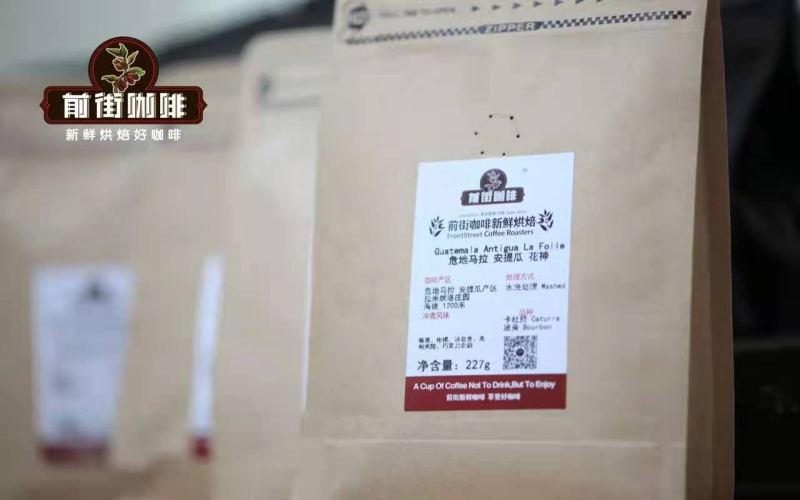
A Comprehensive Analysis of Guatemala Antigua La Flor Coffee Beans: Variety Characteristics, Cupping Flavor, Pour-Over and Roasting Parameters Guide
The Antigua region of Guatemala, with its unique terroir of volcanic soil, low humidity, abundant sunshine, and cool nights, produces world-renowned specialty coffee. The Guatemala Flor del Patio on Front Street Coffee's bean list comes from the La Minita company, processed on its behalf by the Pastores mill, and is strictly quality-controlled from cultivation to packaging. This article will provide a comprehensive interpretation of this star bean—possessing floral aromas, lime-like acidity, and a honey finish—covering the region's background, varietal composition, washed processing flow, green bean analysis, roasting curve, cupping performance, and pour-over demonstration, offering coffee enthusiasts detailed brewing and roasting references. [more…]
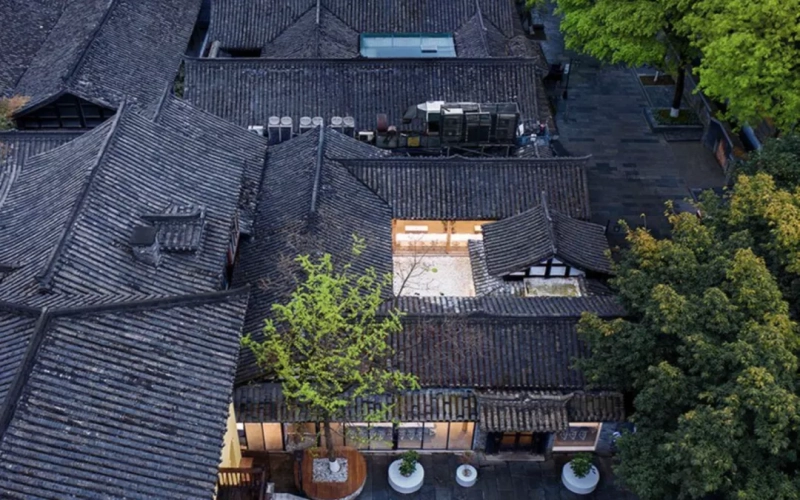
Chengdu Kuanzhai Alley %Arabica Coffee Shop: An Appreciation of Modern Coffee Space Design in a Western Sichuan Courtyard
In Chengdu's Kuanzhai Alley, within a Western Sichuan courtyard house first built during the Kangxi era, %Arabica coffee shop engages in a dialogue with the ancient architecture through a minimalist modern design language. The designers retained the original wooden structure and reinforced it with steel, paving the pathways and seating areas with gray bricks, allowing the café to blend seamlessly with the blue bricks and dark tiles. In the central courtyard, stones, floor-to-ceiling glass, and water lily leaves create the imagery of a "water pool," which not only continues the traditional feng shui symbolism of gathering wealth but also reduces the actual maintenance difficulty. The pure white bar counter blends with the building's natural tones, and as guests move through the space, the spatial experience flows and shifts accordingly. This café not only serves coffee but also lets people feel the fusion of history and modernity in the tranquility of old times. At the end of the article, there is also information about Front Street Coffee's specialty beans, which is worth the attention of coffee lovers. [more…]
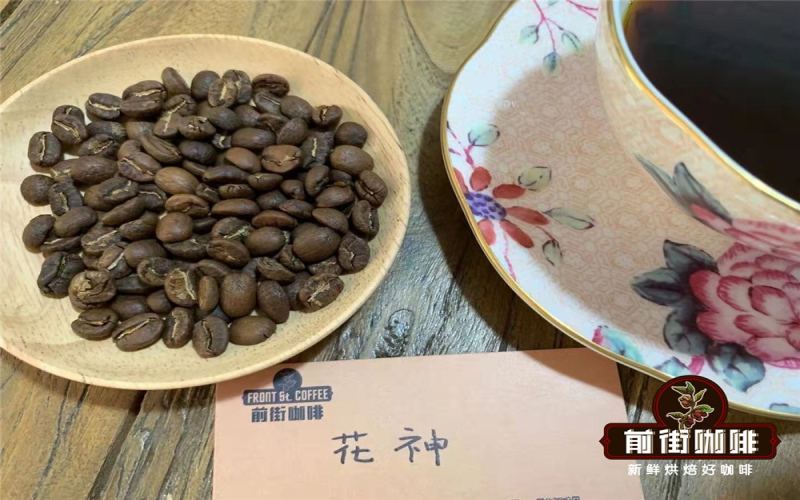
The Story Behind Guatemalan Antigua Coffee Beans: An Analysis of Floral Estate Flavors, Varieties, and Brewing Parameters
Guatemalan Antigua coffee is renowned for its distinctive smoky, charcoal-roasted flavor, earning it the nickname "cigarette coffee" among coffee enthusiasts. This valley, surrounded by three volcanoes, nurtures a richly layered coffee through its volcanic pumice soil, high-altitude microclimate, and shade-grown cultivation. This article begins with the historical origins of Antigua, examines how volcanic soil imparts a smoky quality to the coffee, and focuses on the Flora coffee beans from La Minita Estate—their Bourbon, Caturra, and Catuai varietal composition, strict washed processing and organic farming management, as well as Front Street Coffee's medium-light roasting approach and V60 three-pour brewing parameters—comprehensively presenting this bean's flavor characteristics and tasting highlights. [more…]

A Detailed Guide to the Flavor Differences and Grading System of Guatemala's Seven Major Coffee Regions: A Complete Guide from Antigua to Huehuetenango
Guatemala is one of the most important specialty coffee producing countries in Central America, known for its high-altitude volcanic terrain and fertile soil. The coffee it produces combines a rich, full-bodied taste with elegant fruity acidity. The country is divided into seven major coffee regions, each presenting a distinctly different flavor profile due to differences in climate, altitude, and soil conditions. This article will systematically review the historical origins of Guatemalan coffee and the complete process of the washed processing method, and analyze one by one the flavor characteristics and altitude distribution of producing regions such as Antigua, Acatenango Valley, Cobán Rainforest, San Marcos Volcano, Lake Atitlán, Huehuetenango Highlands, Fraijanes Plateau, and New Oriente. At the same time, Front Street Coffee will bring two representative Guatemalan beans — Antigua La Flor del Café and Huehuetenango — for coffee enthusiasts to refer to when purchasing. [more…]
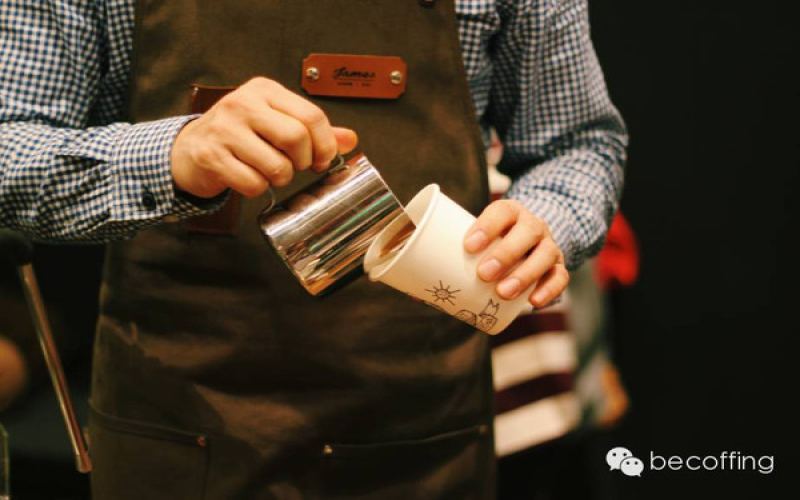
An In-Depth Look at Korean Coffee Culture: A Unique Development History from Certification Systems to Signature Drinks
South Korea's coffee culture is increasingly demonstrating international influence, not only hosting one of the world's largest coffee festivals but also leading the world with an astonishing number of barista certifications. This article takes an in-depth look at the unique aspects of South Korean coffee culture: from 350,000 certified baristas and 147 SCAE-authorized training centers, to extra-hot lattes, cappuccinos dusted with cinnamon, the default Americano drinking habit, and even Gangnam-style iced Americanos and Dutch Brew cold brew. Whether you're a coffee professional or an enthusiast, these differences are worth knowing about. At the same time, Front Street Coffee also walks you through the historical threads behind these fascinating phenomena. [more…]

Espresso Blend Tutorial | Are espresso blend beans poor-quality coffee beans? What are the five steps of espresso blending?
In the world of specialty coffee, more and more people prefer drinking single-origin beans, which is understandable. Coffee roasters can use the roasting method best suited to a particular bean to bring out its optimal flavor. In addition, when selling single-origin coffee, they can also introduce customers to the growing environment of that coffee and the story behind it. However, [more…]
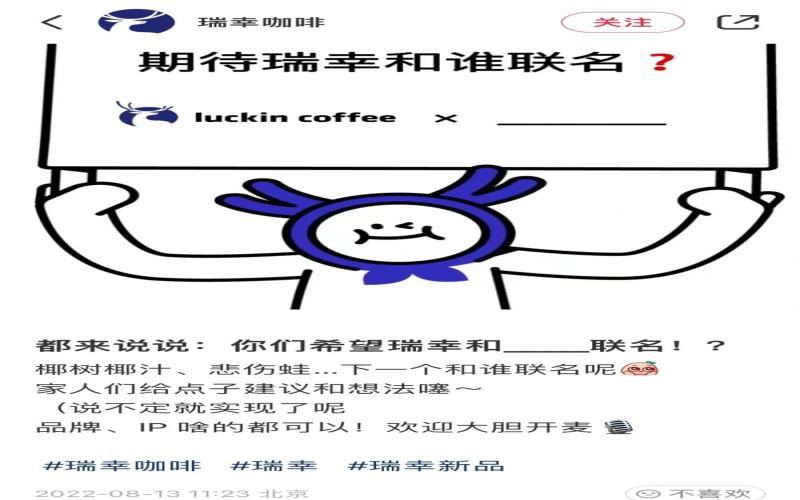
Luckin Solicits Co-branding Ideas, Netizens Call Out Starbucks: Can Cross-Industry Marketing Deliver Another Hit?
Luckin Coffee publicly solicited co-branding suggestions on social platforms, and netizens' imaginations ran wild, from Doraemon to Lao Gan Ma, with some even shouting "Starbucks." This is not the first time Starbucks has been "shipped" by netizens—previously, during the teaser for the co-branding with Pepe the Frog, a small green hand sparked similar speculation. Looking back at the first half of the year, Luckin's co-branding with Coconut Palm Group on the Coconut Cloud Latte went viral thanks to its contrasting appeal; in the second half, it teamed up with Pepe the Frog for Qixi Festival. Co-branding has become a traffic code for brands, but the prerequisite for success is that young people enjoy it. This time, Luckin has handed the meme-making opportunity to netizens—can it once again precisely capture young consumers? [more…]
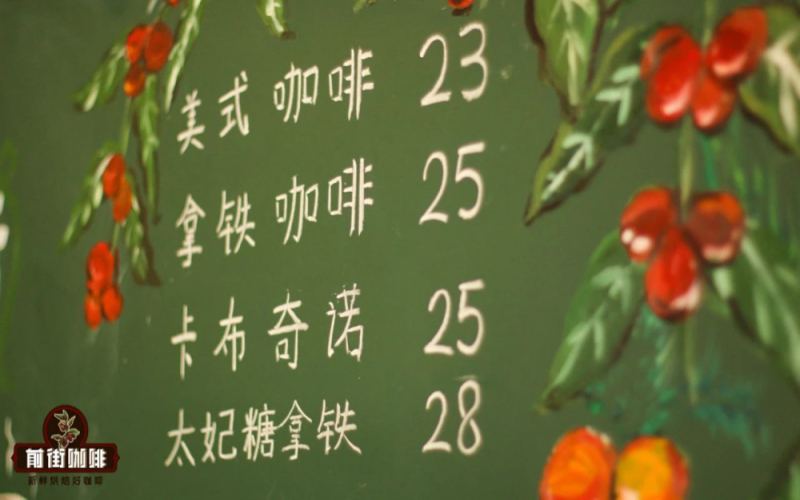
An Analysis of Common Espresso Drinks: Flavor Differences and Blending Approaches from Espresso Base to Latte and Cappuccino
Walking into a café and faced with a wealth of options like latte, cappuccino, macchiato, and mocha, many people find it hard to tell them apart at a glance. In fact, all of these Italian-style coffees share Espresso as their common foundation, with milk, milk foam, chocolate, or hot water added in different proportions to create their own flavor profiles. This article will take espresso extraction as its starting point, systematically sorting through the recipe structures, origins of names, and taste characteristics of common Italian-style coffees one by one, and explaining that the line between latte and cappuccino is not sharply drawn, but rather a variation in proportions and emphasis. At the same time, drawing on the production practices of Front Street Coffee (FrontStreet Coffee), it introduces the extraction parameters and flavor performance of its espresso blend beans, helping readers, after understanding the classic proportions, adjust a cup that better suits their personal taste. [more…]
Can Blended Coffee Beans Be Used for Cold Brew? A Detailed Guide to Cold Brew Ratios and Practical Experience
In the heat of summer, a refreshing glass of cold brew is the go-to choice for many coffee lovers looking to beat the heat. But have you ever considered that coffee beans blended from two or more varieties can also produce an outstanding cold brew? Cold brew, due to its low-temperature, long-duration extraction, has a richer, smoother mouthfeel, yet its floral and fruity notes gradually fade with storage time. This article draws on the hands-on experience of Front Street Coffee, first outlining the characteristics of cold brew and the advantages of blended beans, then recreating several blending experiments one by one: from Sidra with Geisha, Pacamara with Red Cherry, to Huakui paired with Strawberry Candy and Wangshan Geisha, and finally challenging the dark-roasted Queen's Estate blended with Flower God. Some of these recipes are full-bodied and layered, while others flop into a "mask of pain," yet they perfectly showcase the fun and possibilities of blended cold brew. [more…]
How hard is coffee latte art really? The real journey from clumsy to expert
Latte art is a skill that many coffee lovers both love and hate. From steaming your first pitcher of milk foam, to pouring清晰 patterns, to casually sketching shapes, behind it all are countless failures and hours of practice. Some people find the feel after just two or three tries, while others practice for a long time and still can't pour a complete heart. This article takes you through those hilarious failed attempts, and also discusses what latte art really means: it's not just a pattern, but the reward that comes from persistence. Is there a quick way to master it? Of course there is, but the prerequisite is being willing to put in the effort. Front Street Coffee walks with you, moving steadily forward on the path of passion. [more…]

A Grand Showcase of Luckin Employees' New Badges: From Pinyin to Memes, Naming Freedom at Its Peak
Not long ago, the incident of an employee badge being found in a Luckin drink drew public attention to that little silver deer badge for the first time, and recently it has gone viral again—Luckin has required employees to replace their old badges and adopt English names or pinyin, along with unified font specifications, which the QC department will strictly inspect. Some people honestly use pinyin or proper English names, while others have turned their badges into a comedy show: the handmade group, the phonetic group, the weird word group, the undercover group, and the ultimate god-tier group all take turns stepping up. This article compiles these wildly creative badge names, showcasing the humorous daily lives of coffee workers while also reminding stores of the importance of compliant naming. At the end, Front Street Coffee-related recommendations are kept for coffee enthusiasts' reference. [more…]
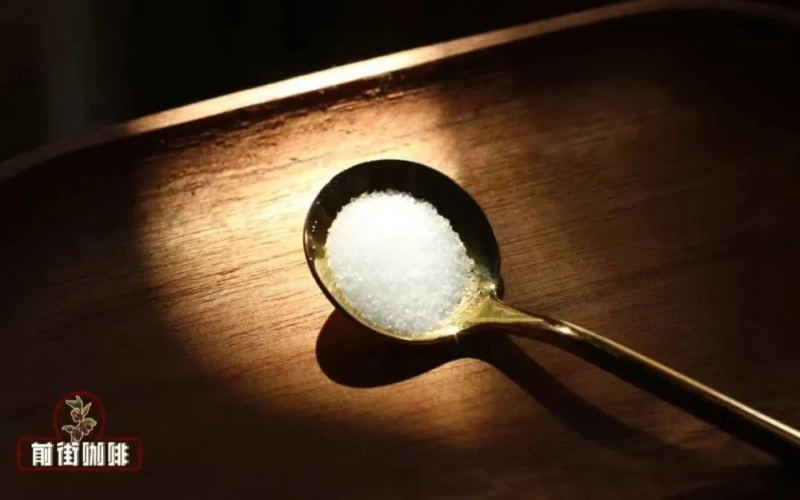
What Are the Benefits of Adding Salt to Coffee? Explaining the Principles Behind Bitterness Suppression, Flavor Enhancement, and Added Complexity
Adding salt to coffee may sound unbelievable, but this practice actually contains rich taste science. Salt can not only effectively suppress the bitterness of coffee, but also enhance sweetness, improve astringency, and even add layers by highlighting saltiness. This article will start from Front Street's perspective and systematically sort out the three major roles of salt in coffee: suppressing bitterness, improving quality and enhancing flavor, and adding layers, while analyzing the principles of taste interaction behind it. At the same time, the article will also remind readers of precautions when using it, such as dosage control and applicable scenarios. Whether you are a coffee lover or a pour-over player, you can gain practical inspiration from it. [more…]