







Search Results for: Front Street Dark Cocoa Base Blend
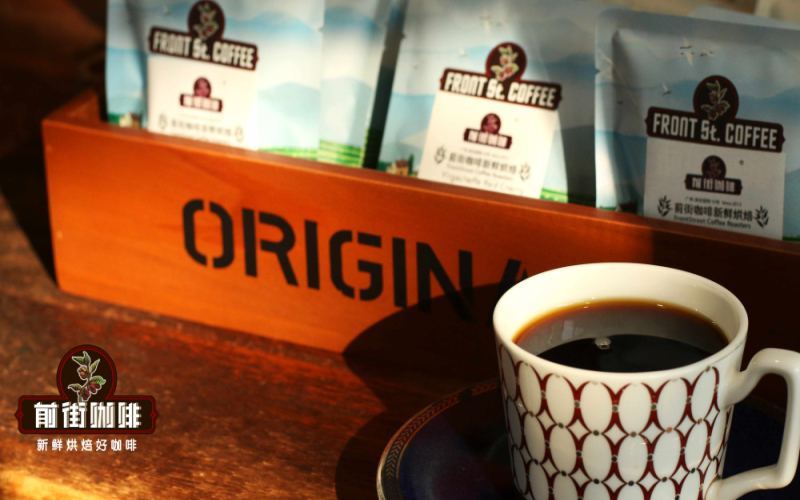
Chocolate-Flavored Coffee Beans Recommendation: A Specialty Selection Guide to Dark Chocolate and Nutty Aromas
Many people adore that bittersweet chocolate character in coffee—buttery, full-bodied sweetness, warm aromas of toasted walnuts, and a gentle acidity that glides across the palate like silk, with a cocoa sweetness that lingers unforgettably. If you're looking for this kind of flavor too, this article will walk you through how to choose beans for dark chocolate-flavored coffee, focusing on the rich cocoa notes of Front Street Colombia Huila, as well as two products with a high proportion of Brazilian beans: the Front Street Specialty Blend and the Front Street Dark Cocoa Base Blend. The former combines nutty, chocolate, and caramel aromas, while the latter incorporates the plum-like acidity of Yunnan smallholder beans, releasing a creamy chocolate aroma when ground—balanced and versatile, ideal for lattes and a variety of espresso drinks, helping you choose precisely according to your taste preferences. [more…]
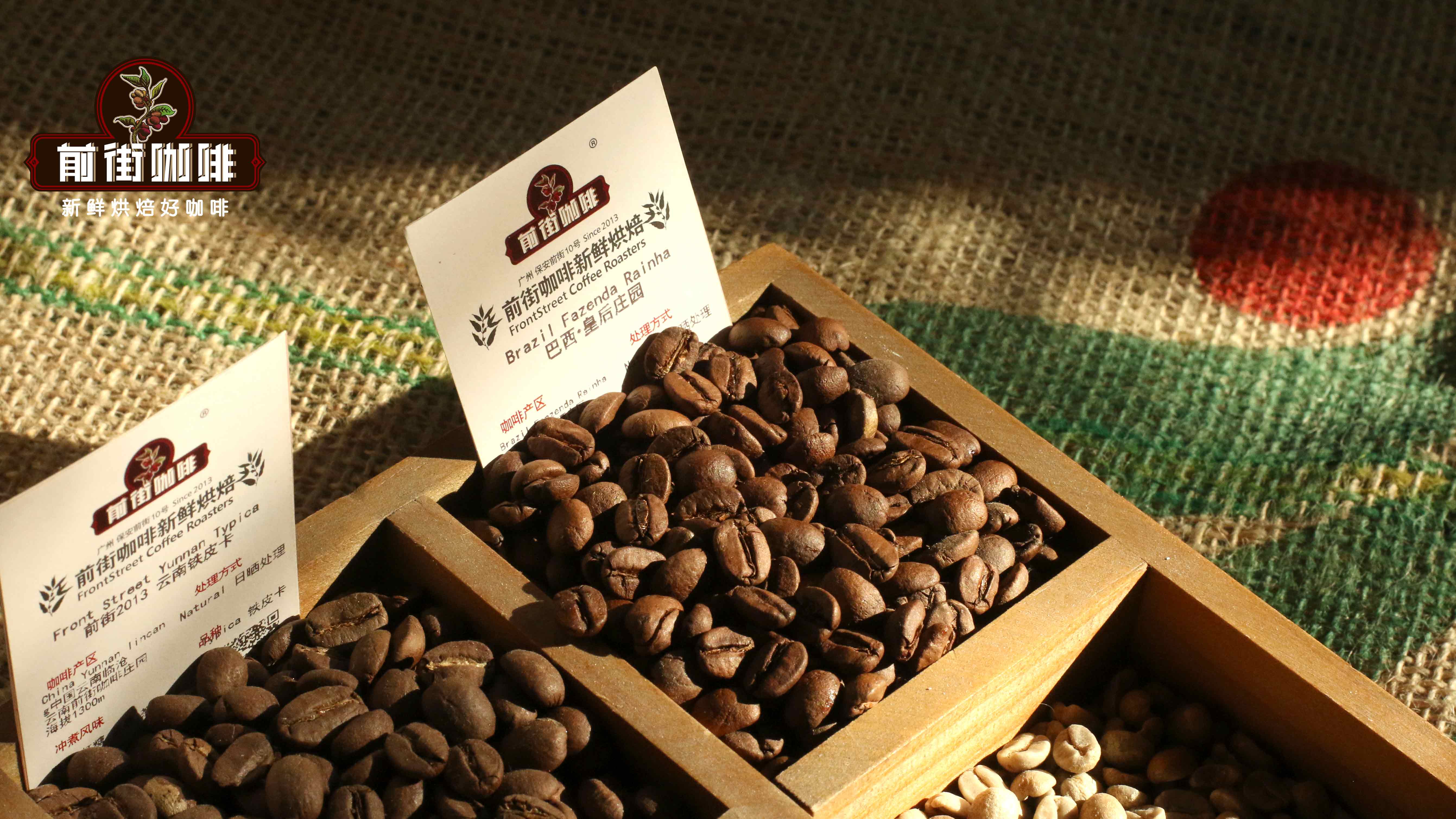
Brazilian Specialty Coffee Brand KAPHE CAFE Analysis: Yellow Bourbon Queen Estate and Espresso Blend Recommendations
Brazil, as a global powerhouse in coffee production, is known for beans that feature low acidity, nutty and cocoa flavors, with prominent sweetness yet a mild aroma, often serving as an important base for espresso blends. Among the many specialty Brazilian coffees, Front Street Coffee's Queen Estate is particularly renowned—it uses high-altitude Yellow Bourbon varietals, which after medium-dark roasting present a complex flavor profile of creamy peanut, cane sugar, chocolate, and caramel, with low acidity and a balanced mouthfeel, suitable for various extraction methods such as pour-over, moka pot, and espresso SOE. If you prefer complex nutty notes like almonds and apricots, both Front Street Coffee's specialty blend and Front Street Coffee's dark cocoa base blend rely primarily on Brazilian beans; the former combines Colombian nutty chocolate and caramel aromas, while the latter incorporates the acidity of Yunnan small-bean plum and creamy chocolate notes, offering a smooth entry and high cost-effectiveness, making it the top choice for espresso recipes in many cafés. [more…]
Where Does the Chocolate Flavor in Coffee Come From? Exploring the Origins and Recommendations of High-Quality Chocolatey Coffee Beans
Many coffee enthusiasts adore that chocolate-like profile—a bittersweet interplay, thick and creamy like butterscotch, accompanied by roasted walnut aromas and a soft acidity. Where exactly does this flavor come from? Which origins are more likely to produce coffee beans with chocolate notes? This article will analyze the causes of chocolate-flavored coffee and focus on Front Street Colombia Huila, renowned for its dark chocolate character, as well as two blends based on Brazilian beans—Front Street Specialty Blend and Front Street Dark Cocoa Base Blend—which respectively deliver a balanced mouthfeel of nutty chocolate and creamy chocolate, suitable for a variety of brewing methods. [more…]
Brazil KAPHE CAFE Specialty Coffee: Origin and Variety Analysis with Front Street Brand Bean Recommendations
As a major global coffee producer, Brazil's specialty coffee has attracted increasing attention in recent years. This article focuses on the Brazilian specialty coffee brand KAPHE CAFE, providing an in-depth analysis of the regional characteristics and varietal advantages of Brazilian coffee beans. Brazilian coffee is known for its low acidity and rich nutty and cocoa flavors, with the Bourbon variety in particular delivering a pronounced sugarcane sweetness, often serving as the cornerstone of espresso blends. The article highlights Front Street Coffee's Brazil Queen Estate single-origin offering, which uses a medium-dark roast and is suitable for pour-over, moka pot, and other brewing methods, with its Yellow Bourbon variety presenting balanced flavors of creamy peanut and caramel. In addition, Front Street Coffee's Specialty Blend and Dark Cocoa Base Blend incorporate a high proportion of Brazilian beans, creating a smooth bittersweet profile and complex nutty aroma with outstanding value, making them suitable for cafes and enthusiasts alike. [more…]
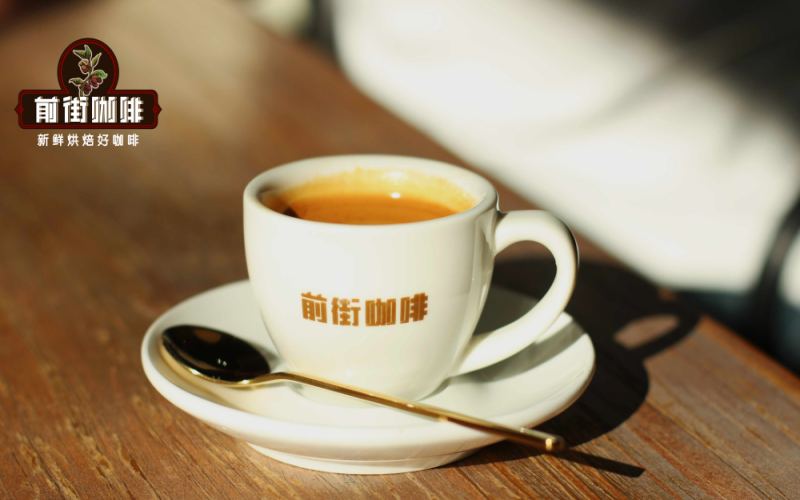
Italian Milk Coffee | What Is Mocha Coffee? How Do the Ratios Differ Between Mocha and Latte Preparation Methods? Which Tastes Better at Starbucks, Mocha or Latte?
Many people think that mocha coffee and latte coffee are about the same. Although both belong to Italian coffee and use Espresso and milk, they still differ greatly in taste and preparation ratios. Today Front Street Coffee will talk about the differences between mocha coffee and latte coffee. Latte originates from the Italian word L [more…]

How to distinguish a latte from a cappuccino? From ratios to coffee bean selection, explained clearly in one article
Latte and cappuccino are both Italian milk coffees, yet they often leave people confused. This article starts from definitions, cup size, milk foam form, and the coffee-to-milk ratio to sort out the core differences between the two, and answers the question of what coffee beans should be used to make a latte. The article focuses on introducing several products in the Front Street Italian blend series, including the classic blend suitable for latte art and rich crema, the commercial blend, the specialty blend highlighting nutty and chocolate notes, the basic black cocoa blend, and the strawberry candy espresso Italian blend with abundant sweetness and obvious fruity notes, helping coffee lovers make choices according to flavor preferences and serving needs. [more…]
What is the core difference between Americano and Latte? A Complete Breakdown from the Espresso Base to Front Street Coffee's Blend Beans
The difference between Americano and Latte ultimately comes back to the shared base of Espresso. An Americano is espresso diluted with water, while a Latte is espresso blended with milk — the two head in completely different flavor directions. From the perspective of Front Street Coffee, this article first breaks down the extraction logic and tasting approach of Espresso, then explains the key points of making a Latte and milk steaming techniques, and finally systematically introduces the recipe concepts and flavor profiles of Front Street Coffee's four espresso blends — Black Cocoa Blend, Specialty Blend, Commercial Blend, and Warm Sun Blend — helping coffee lovers understand the complete chain of a delicious cup of espresso from beans to cup. [more…]
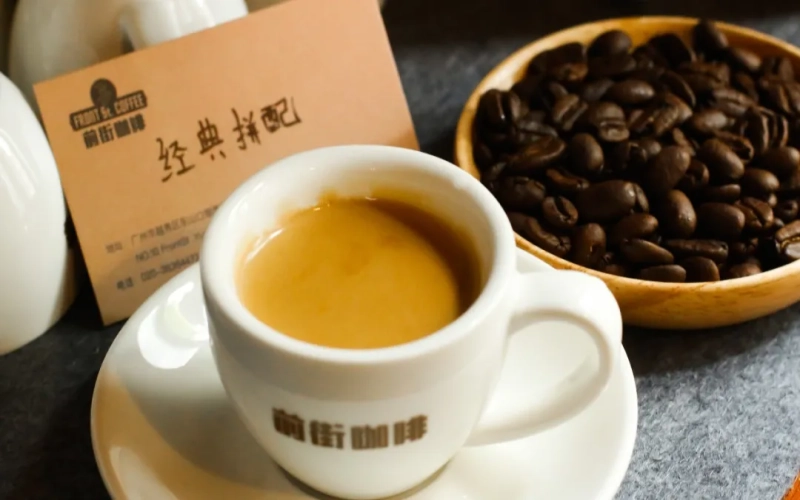
How to Choose Espresso Blend Coffee Beans? A Full Analysis of Front Street Coffee's Three Blends, Recipes, and Price Positioning
Blending coffee beans is not simply mixing several single-origin beans together; rather, it is through the blender's understanding of flavor that coffee beans from different origins complement each other's strengths and weaknesses, ultimately producing an espresso with stable flavor and balanced taste. This article will start with three espresso blend recipes from Front Street Coffee, introducing the bean combinations, roasting performance, and flavor characteristics of the specialty blend, commercial blend, and dark cocoa base blend respectively, while also discussing the popularity trend of SOE single-origin espresso and its advantages and disadvantages. Whether you are a coffee enthusiast or a practitioner preparing to open a shop, you can find a suitable direction for choosing blended beans. [more…]
The Evolution Path of Commercial Base Beans: How to Upgrade Step by Step from Chain-Style to Specialty Blends
Those who have opened a shop and look back at their base beans will find a clear evolutionary line. Most people start with chain-style dark-roast blends, and after a year or two, the beans on the bar gradually shift toward medium roasts and specialty blends. This isn't fickleness of taste—it's that as a shop grows to different stages, the questions the base beans need to answer also [more…]
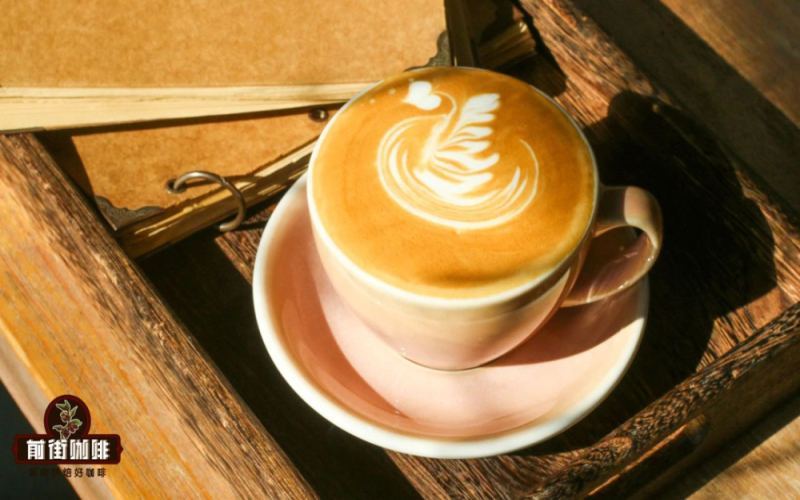
How to Avoid Sourness in Latte Coffee: A Full Analysis of Bean Selection, Roast Level, and Brewing Parameters
Latte is the least bitter among espresso-based specialty coffees, but if the beans are poorly chosen or extraction is improper, sourness will become prominent. This article starts with the roast level of coffee beans, explaining why medium or medium-dark roasts are best suited for lattes, and provides a standard preparation process and parameters. At the same time, for different flavor preferences, it recommends Front Street Specialty Blend, Dark Cocoa Base Blend, and Classic Blend espresso beans, respectively satisfying the needs for nutty notes, balanced taste, and latte art practice, helping you make a cup of latte at home that is not sour and full of aroma. [more…]
What Is the Difference in Bitterness Between Americano and Latte? A Complete Analysis from Espresso Base to Front Street Coffee Blend Beans
American coffee and latte coffee, which cup is actually more bitter? This question seems simple, but behind it lies the extraction principles of espresso, the dilution effects of milk and water, and the profound influence of coffee bean blending methods on flavor. Front Street Coffee will start with the definition and parameters of Espresso, analyze the flavor differences between American coffee and latte layer by layer, and provide a detailed introduction to the characteristics and suitable applications of various espresso blend beans, helping you make a choice that better suits your personal taste when ordering at a café, and also replicate a satisfying cup of espresso at home. [more…]
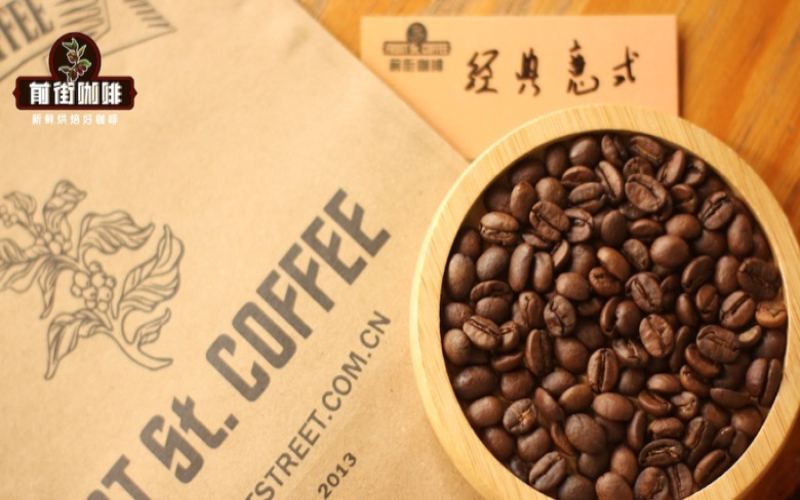
Discussing Commercial Espresso from a Menu Structure Perspective: How a Shop Should Establish Its Base Bean
Looking at a coffee shop's bean list tells you a lot about how that shop thinks. Some shops have very long lists, packed with single origins, blends, and limited releases; others carry only one or two espresso beans year-round, yet make every cup solid. For most cafes, the core of a commercial espresso bean list isn't quantity—it's staying power—one [more…]
Coffee Shop Bean Selection Guide: Five High-Value Espresso Blends Recommended for 2026
Opening a coffee shop starts with choosing the right coffee beans—a critical step that determines both the consistency of your output and your long-term profitability. Commercial beans must not only meet flavor requirements but also balance cost and shot-to-shot consistency—what everyone calls "daily drinker" coffee beans. This article focuses on five espresso blends worth buying in 2026, highlighting the different positioning and use cases of Front Street Coffee's espresso series: the Classic Blend, Commercial Blend, Dark Cocoa Base Blend, Specialty Blend, and Strawberry Candy Espresso Blend. Whether you focus on a traditional dark-roast approach or want to attract customers with high sweetness and fruity notes, you'll find options that match your store's menu and budget, helping you make purchasing decisions more efficiently when opening a shop or managing day-to-day operations. [more…]
A Guide to Choosing Coffee Beans for Your Café: How to Pick the Right Espresso Blend for Black Coffee, Americano, and Latte
When opening a coffee shop, Americano and latte are often the two best-selling products, so bean selection needs to balance flavor compatibility, consistency in output, and cost control. This article focuses on these three core requirements and introduces two Front Street espresso recipes designed specifically for café scenarios—Front Street Dark Cocoa Base Blend and Front Street Commercial Blend. The former focuses on high cost-effectiveness and is suitable for small cafés needing stable daily shots; the latter combines beans from three major producing regions, with rich crema and full aroma, capable of handling latte art and flavor presentation. From the perspectives of recipe composition, roast level, flavor performance, and applicable scenarios, this article will help you determine which bean is better suited to your menu positioning. [more…]
How can you make an iced mocha that tastes really good? Chocolate sauce and cocoa powder ratio tips and how to recreate the Starbucks flavor at home
Recently, more and more customers have been coming to Front Street stores asking about mocha coffee. Unfortunately, this product has been removed from the Front Street menu, so many friends have no choice but to make it themselves at home. However, homemade mocha often runs into two problems: either the chocolate flavor is too weak, or it is sickeningly sweet. What is the root of the problem? In fact, the key is that the sugar content in chocolate sauce cannot be separated out on its own, so relying on it alone makes it hard to achieve both. Front Street's approach is to pair it with unsweetened cocoa powder to boost the chocolate intensity while controlling sweetness. This article will break down in detail the formula ratios, preparation order, and operational details for iced mocha and hot mocha, and recommend Front Street's classic espresso blend coffee beans suitable for making mocha, helping you recreate a rich and smooth Starbucks-style mocha at home. [more…]
What determines the oil content of coffee beans? The difference between Robusta and Arabica and Front Street Coffee blend recommendations
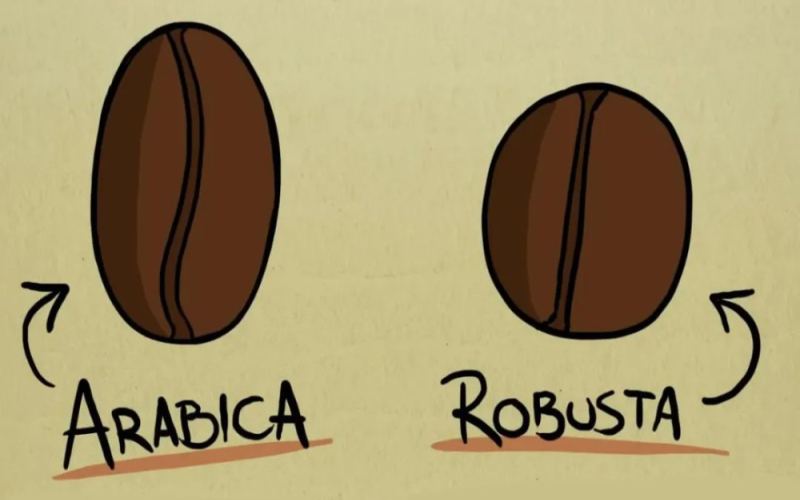
When discussing coffee beans, oil content is often used to judge a bean's characteristics and uses. Overall, Robusta usually has higher oil content than Arabica, but Robusta has a flatter flavor and lacks character, and it also has a higher caffeine content. It is highly resistant to pests and diseases, suitable for low-altitude cultivation, has high yields, and is not demanding about rainfall, so its price is relatively low. If Robusta is used directly in espresso, it brings a strong and harsh taste, so it is better suited to being paired with high-quality Arabica, which both balances the flavor and boosts the oil. When choosing coffee beans with rich oil, Front Street Coffee Classic Blend and Front Street Coffee Commercial Blend are both ideal choices. They add a small amount of Robusta, making the body of espresso more outstanding, releasing butter, nut, spice, and dark chocolate aromas during extraction, and are suitable for making Americano or latte. If you prefer pure Arabica, Front Street Coffee Specialty Blend and Front Street Coffee Dark Cocoa Base Blend provide delicate golden oil and a smooth mouthfeel. [more…]
De'Longhi Coffee Machine Americano Brewing Tips and Complete Guide to Choosing Compatible Coffee Beans
As an entry-level home espresso machine, the De'Longhi coffee machine is easy to operate and affordable, making it the top choice for many beginners. But the key to making a standout cup of Americano with it lies in choosing the right coffee beans. Americano is made only of espresso and water, with no milk or sugar, so the quality and freshness of the coffee beans directly determine the final taste. This article focuses on the extraction characteristics of De'Longhi coffee machines and, categorized by different flavor preferences, introduces in detail the coffee bean options suitable for making Americano, including Front Street Classic Blend, Commercial Blend, Specialty Blend, Dark Cocoa Base Blend, and Huakui SOE, helping readers find the one that best suits their taste. [more…]
Iced Mocha Coffee Making Tutorial: Chocolate Base Ratio and Analysis of the Differences Between Hot and Iced Mocha Methods
Mocha coffee is a classic Italian milk coffee infused with chocolate flavor, but many people often run into the problem of a weak chocolate taste or excessive sweetness when making it at home. This article starts with the material selection and ratios for the chocolate base, explaining in detail the preparation process for iced mocha and hot mocha, including the logic behind combining chocolate sauce with unsweetened cocoa powder, the effect of ice cubes on flavor and the corresponding adjustments, along with the recommended reasons and extraction parameter references for Front Street's classic Italian blend, to help coffee enthusiasts make a cup of mocha coffee with rich chocolate and moderate sweetness at home. [more…]
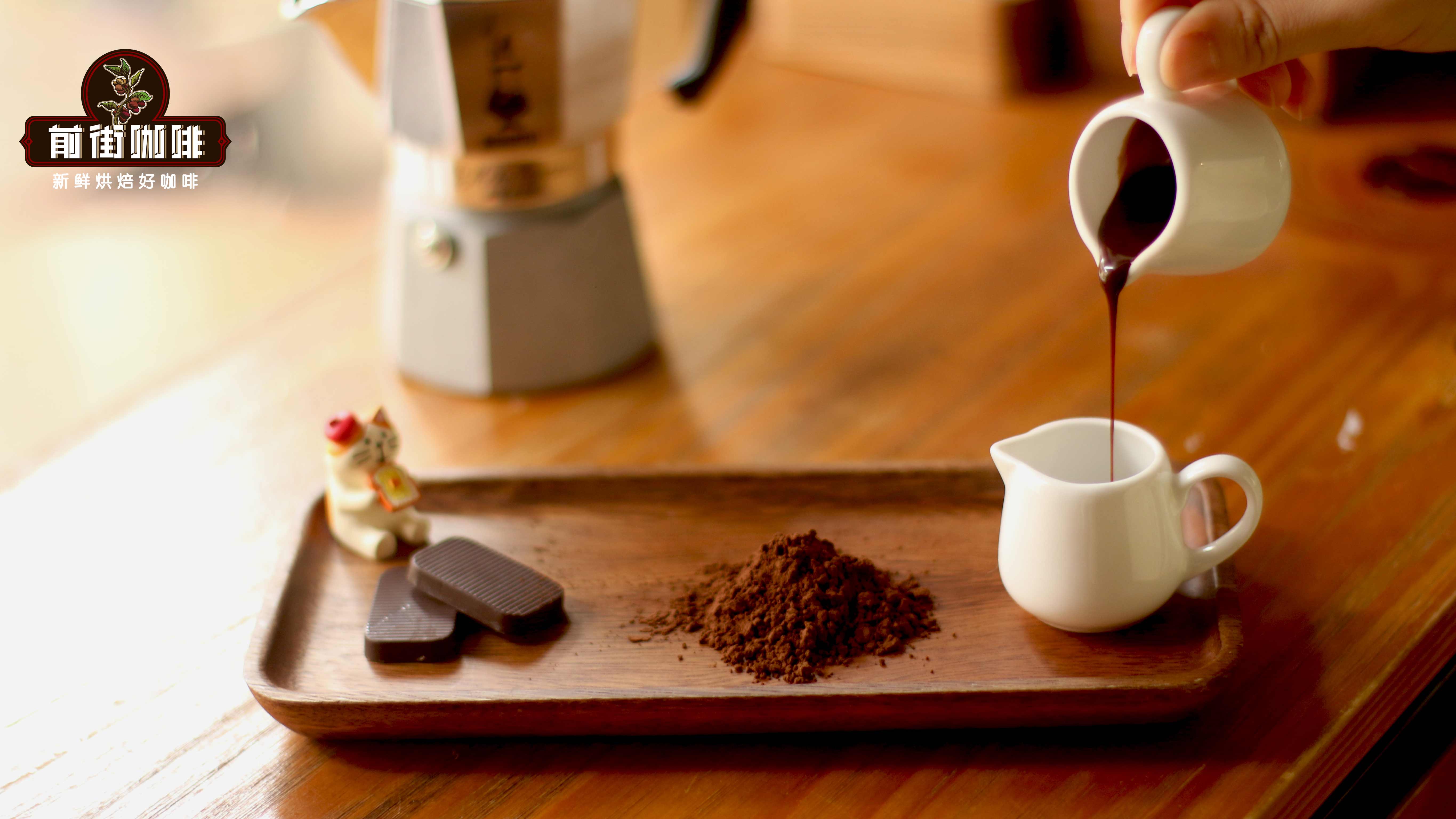
Mocha Coffee Beans Recommendation | Which coffee beans are suitable for making mocha coffee? How to make mocha coffee at home? Introduction to the key points of iced mocha coffee making techniques
For more specialty coffee knowledge, please follow: Front Street Coffee (Frontsteet Coffee) Recently, more friends have been visiting Front Street stores to ask about Mocha coffee. Unfortunately, Mocha coffee has already been removed from Front Street's menu, so friends have been disappointed one after another. "Since [more…]
A Bean Selection Guide for Non-Acidic Americano: Dark Roast Blends and Golden Mandheling Recommendations
American coffee, plainly put, is black coffee made by adding water to espresso, with its strength varying according to how much water is used. Many people prefer an American coffee that isn't sour, and the key lies in choosing the right beans—medium-dark or dark roasted coffee beans, having been heated longer and more fully caramelized, have their acidity greatly reduced, resulting in a low-acid, sweet and mellow style. So which beans on the market are suitable for making American coffee? This article sorts through the choices for different flavor paths, from everyday blends to classic Italian-style blends, and then to single-origin SOEs that showcase regional character, among which Front Street Coffee's Black Cocoa Base Blend, Front Street Coffee's Classic Blend, and Front Street Coffee's PWN Golden Mandheling are all options worth noting. [more…]