







Search Results for: Freshly Extracted Espresso
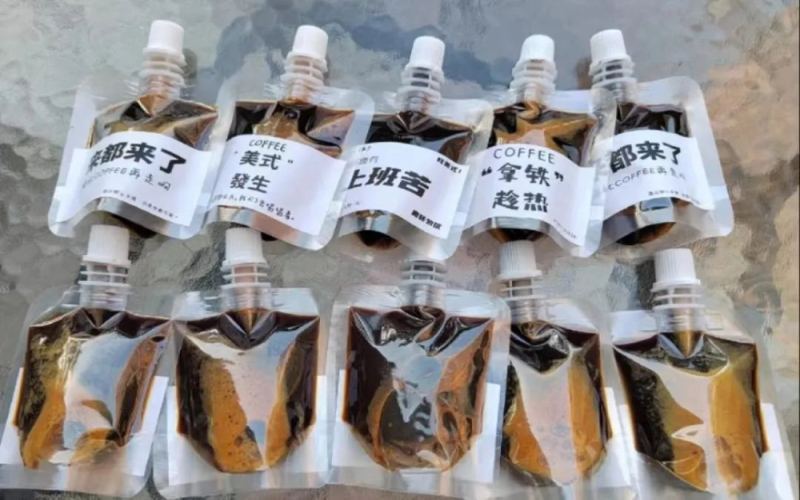
Home café launches nationally free-shipping freshly extracted espresso; short-shelf-life cold chain model sparks heated debate and compliance questions
Coffee consumption continues to heat up, and the market keeps penetrating into broader demographics. Recently, home cafés and independent shops have launched a freshly ground and freshly extracted espresso liquid that offers nationwide free shipping. It uses plastic sealing plus ice packs and cold-chain delivery, keeps for about 7 days refrigerated and up to half a month frozen, and has drawn attention because its aroma and crema performance are better than assembly-line instant products. While consumers ask on social platforms how to buy it, some also question whether it can still count as "freshly extracted" after long-distance transport, whether home workshops can meet food-safety requirements, and whether such products fall into the "three no's" category. This article sorts out the selling points, controversies, and potential risks of this new business format, and highlights the difficulties merchants need to face in quality control, marketing, and compliance. [more…]
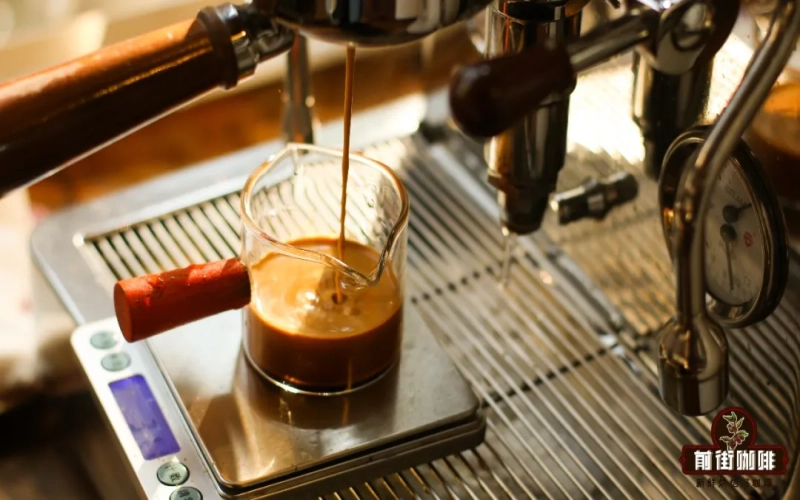
Can Overnight Refrigerated Espresso Still Be Drunk? A Taste Test of Flavor Differences Between Refrigeration and Freezing
If the brewed espresso isn't finished on the same day, can it be safely stored in the fridge or freezer overnight and still be enjoyed the next day? Beyond food safety concerns, what coffee lovers really care about is whether the flavor will take a serious hit. Front Street Coffee used the same espresso blend, storing espresso in the refrigerator and freezer overnight respectively, then comparing them with freshly brewed espresso—tasting each as straight espresso, Americano, and milk coffee—to see just what overnight coffee turns into, and how big the gap is between freezing and refrigerating. [more…]
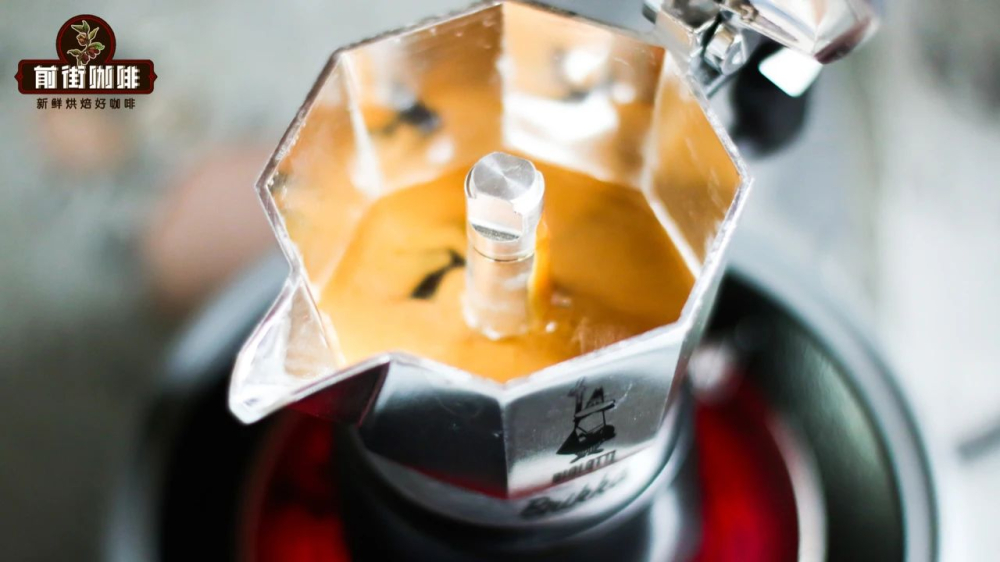
Moka Pot with Espresso Beans Recommendation | Is a Moka Pot or Espresso Machine Better for Light or Dark Roast Beans? Why Freshly Roasted Coffee Beans Are Essential for Espresso
For many beginners, due to the extraction process, both moka pots and espresso machines may require trying several different coffee beans before gradually finding the ideal coffee. Although the grinding, coffee bean type, extraction process, and other mechanisms involved in making true espresso all affect the brewing result [more…]
What coffee beans are used for freshly ground Americano at convenience stores? Bean selection approaches for drip and espresso machines, and Front Street Coffee bean recommendations.
At convenience stores, you can get a freshly ground Americano just by pressing a button—but is this kind of coffee really the same as the Americano you drink in a coffee shop? The key lies in the type of machine—convenience stores commonly use atmospheric-pressure drip Americano machines, while the Americano produced by coffee shops is based on pressure-extracted espresso. This article first clarifies the extraction differences between the two types of machines, then explains the origin of Americano and the mixing ratios, and finally gives bean selection suggestions for two scenarios: drip filtration and espresso: atmospheric-pressure drip machines are suitable for hand-brew-style single-origin beans, while pressure espresso machines are more suitable for freshly roasted blends. The article also compiles a variety of Front Street Coffee beans suitable for making Americano, making it easy to match them by flavor. [more…]
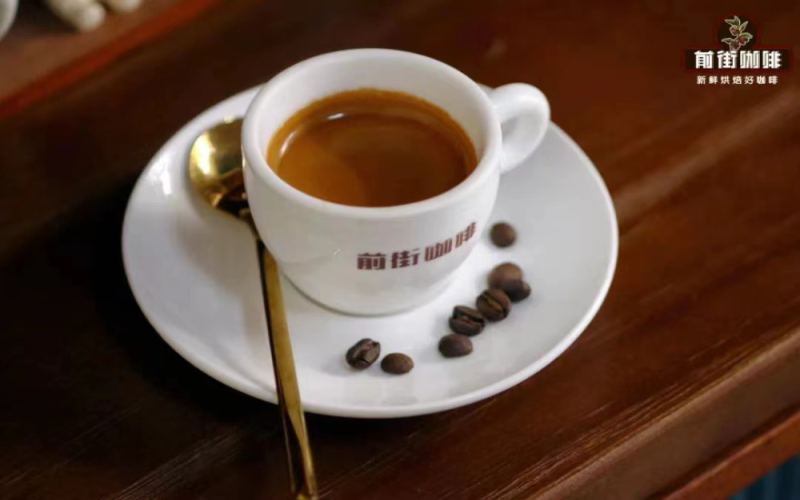
Espresso Coffee Bean Buying Guide: Blends vs. Single Origins, Roast Levels, and Answers to Common Questions
Espresso is both a brewing method and the name of a coffee beverage, making it one of the most familiar coffee types among the general public. However, precisely because of its popularity, beginners often have many questions: How do you select and store espresso beans? Which is more suitable for espresso, a blend or a single origin? How does the roast level affect the final cup? Does an espresso blend count as specialty coffee? Is sourness in espresso normal? This article will address these common questions one by one, drawing on Front Street Coffee's store experience and product examples to help coffee lovers build a clear framework for understanding espresso beans, offering practical guidance from bean selection and storage to controlling extraction consistency. [more…]

Espresso Coffee Characteristics | How Can a Coffee Novice Make Authentic Espresso? Which Coffee Beans Are Suitable for Extracting Espresso?
As coffee culture sweeps across the country, coffee shops have gradually spread to every street and alley, with espresso—characterized by its speed and convenience—being especially popular. A rich and aromatic shot of espresso gives rise to all kinds of popular espresso-based coffees. Front Street Coffee will now discuss the characteristics of espresso, the "soul" of the coffee shop. Espresso [more…]
espresso category | What is espresso? What do Ristretto, Normale, and Lungo refer to in espresso?
When espresso is mentioned, everyone's first reaction might be a strong, bitter, heavy-flavored black coffee, and it is also the most stimulating drink in terms of taste. For baristas, adjusting espresso extraction can be said to be the most critical step every day, because all kinds of popular Italian-style coffees are inseparable from a small serving of espresso. [more…]
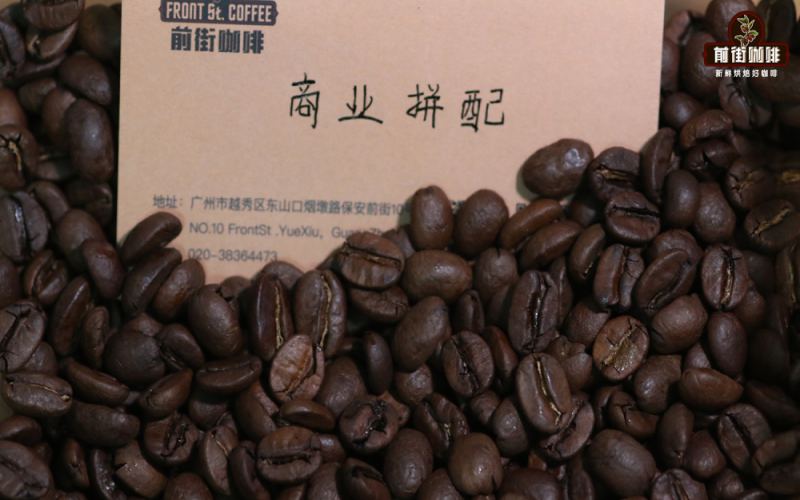
Espresso Characteristics | Espresso Blend Coffee Beans
As coffee culture sweeps across the country, coffee shops have gradually spread to every street and alley, with Italian-style coffee, known for its speed and convenience, being especially popular. A rich and aromatic espresso is the foundation of all kinds of popular Italian-style coffees, such as Americano, latte, mocha, and so on. Front Street Coffee is here to talk about the "soul" of the coffee shop—espresso. [more…]
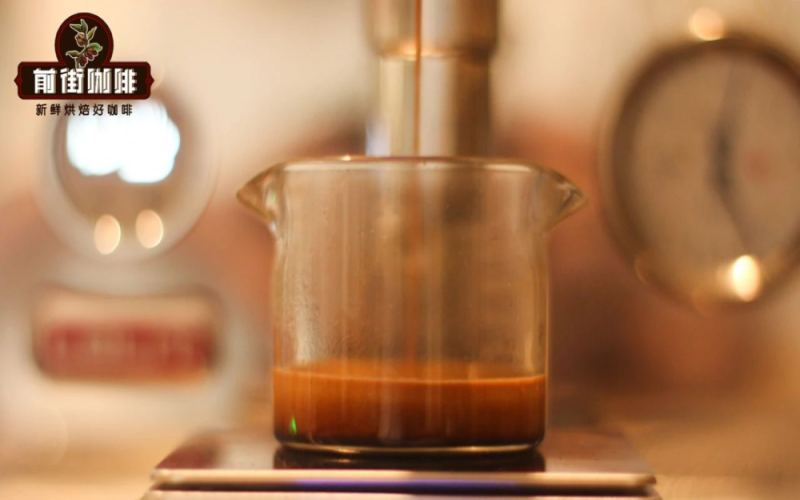
Characteristics of Espresso | How to Extract Espresso with Rich Crema? Recommended Espresso Machine Coffee Beans That Are Tasty, Affordable, and Beginner-Friendly
As coffee culture sweeps across the country, coffee shops have gradually spread to every street and alley, with Italian-style coffee, known for its speed and convenience, being especially popular. A rich and aromatic espresso gives rise to all kinds of popular Italian-style coffees, and Front Street Coffee is here to talk about the characteristics of espresso, the "soul" of the coffee shop. Espresso [more…]
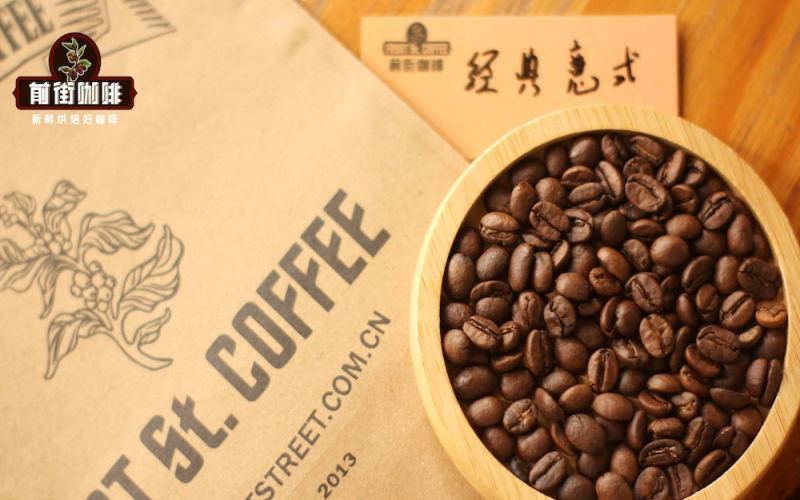
A Complete Guide to Espresso: Extraction Parameters, Workflow, and Flavor Characteristics Explained
Espresso is a concentrated coffee liquid made by Italians using a pressurized coffee machine, extracted quickly under high temperature and high pressure, with golden foam floating on its surface. Because each store chooses different espresso beans and extraction schemes, the flavor also varies. Starting from Front Street Coffee's actual production process, this article introduces in detail the coffee dose of a double basket, the extraction ratio, time control, and operational steps such as distribution and tamping, and analyzes Espresso's two core characteristics—abundant Crema and extremely high concentration—to help coffee lovers fully understand the key points of making and tasting this cup of coffee. [more…]
Taste Test of Luckin's New Rice Milk Latte: Consumers Say Both Rice Aroma and Coffee Flavor Are Too Mild; Staff Reveal the "Instant Cooling Fresh Extraction" Process
Luckin Coffee recently teamed up with Honor of Kings for a second limited-time campaign, bringing back the classic Mascarpone Cheese Latte and introducing a brand-new Rice Milk Latte. The company claims the new drink uses rice milk made from black soil–grown rice, and with temperatures dropping in many places, many netizens have hailed it as the top choice for winter. However, after tasting it, many customers were left puzzled, saying they couldn't detect any rice aroma and even suspecting they had accidentally ordered a regular latte. Faced with the skepticism, Luckin employees shared the production process, revealing that this drink does not use conventional espresso liquid but instead employs "instant-cooled freshly extracted coffee." So why has this new product sparked such a big controversy over its taste? Let's find out together. [more…]
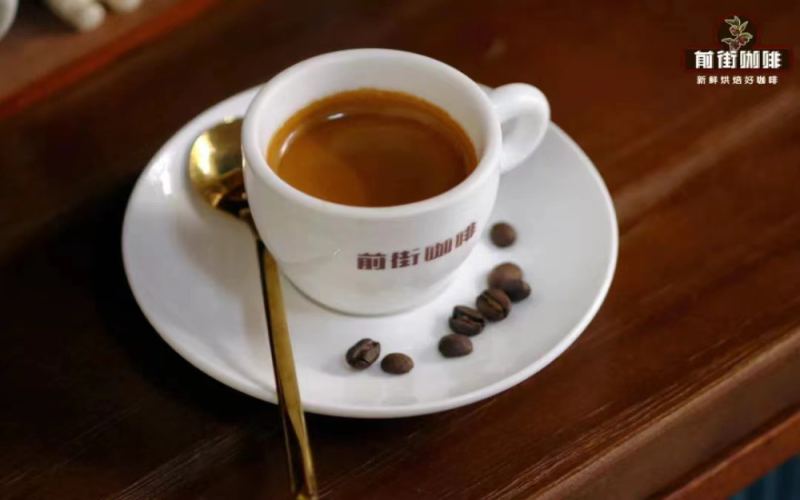
Definition of Espresso | What are the pros and cons of espresso blend coffee beans versus SOE single-origin coffee beans? Which is more suitable for making Espresso coffee?
Espresso can refer to a method of extraction or the name of a coffee drink. As an extraction method, espresso is the most frequently encountered and most familiar to ordinary consumers. Perhaps because it is so familiar, it actually raises the most questions. Many beginners just starting to learn about coffee most often [more…]
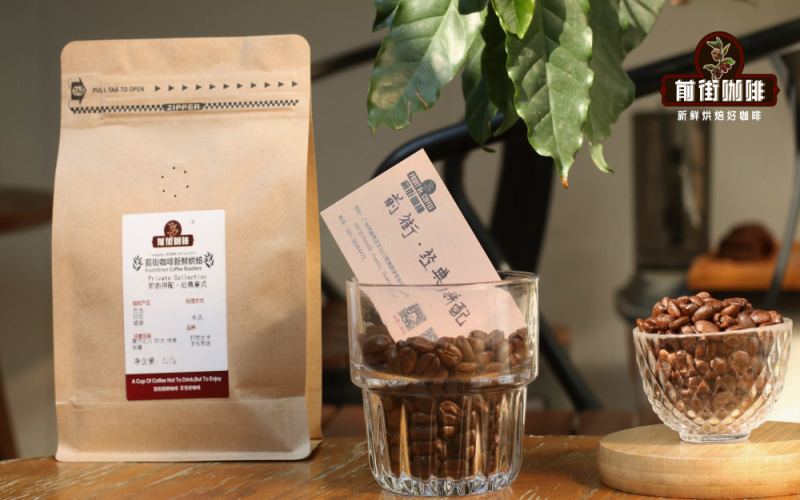
Featured SOE Coffee Bean Recommendations | What to Note When Making Single-Origin Espresso? Which SOE Espresso Beans Are Suitable for Home Espresso Machines?
With the popularity and development of specialty coffee, customers and shops alike are increasingly aware of the importance of choosing espresso beans. We can see that more and more cafés offer a category called "SOE." What is SOE? SOE stands for "single origin espresso [more…]
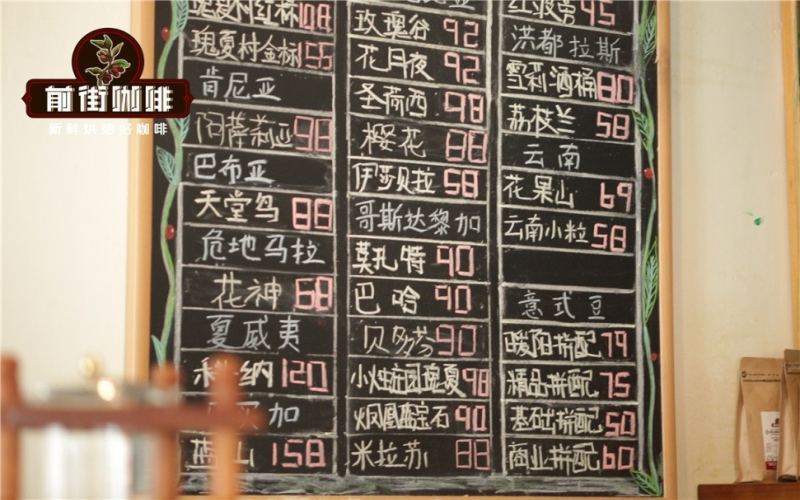
Espresso Explained: Ristretto, Normale, and Lungo Types and Key Extraction Adjustment Points
Espresso is the foundation of the Italian coffee system, and it is also something that many coffee lovers both love and fear. It is extracted in a short time through high temperature and high pressure, and the golden, dense layer of Crema on its surface is its hallmark. Depending on the extraction yield, Espresso can be divided into three types: Ristretto, Normale, and Lungo, each differing in concentration, flavor, and mouthfeel. This article will systematically sort out the core knowledge of espresso, from its definition and type classification to the adjustment of extraction parameters, and share Front Street Coffee's practical experience with brew ratio, grind size, water temperature, and other aspects, helping readers gain a more comprehensive understanding of the sophistication behind this small cup of coffee. [more…]
What Types of Espresso Are There? A Detailed Guide to Three Espresso Extraction Methods and Their Parameters
Many people's first impression of espresso is a strong, bitter, harsh black coffee, but it is also the most fundamental element of the Italian coffee system. Whether it's a latte, a flat white, or an Americano, all are built upon a properly extracted Espresso. This article will take Front Street's perspective to systematically explain the definition of espresso, the formation principles of Crema, and the extraction differences and parameter settings of three types of espresso—Ristretto, Normale, and Lungo—while sharing key factors that need to be carefully controlled during extraction, such as dose, grind, water temperature, time, and yield, helping coffee enthusiasts gain a more comprehensive understanding of Italian espresso. [more…]
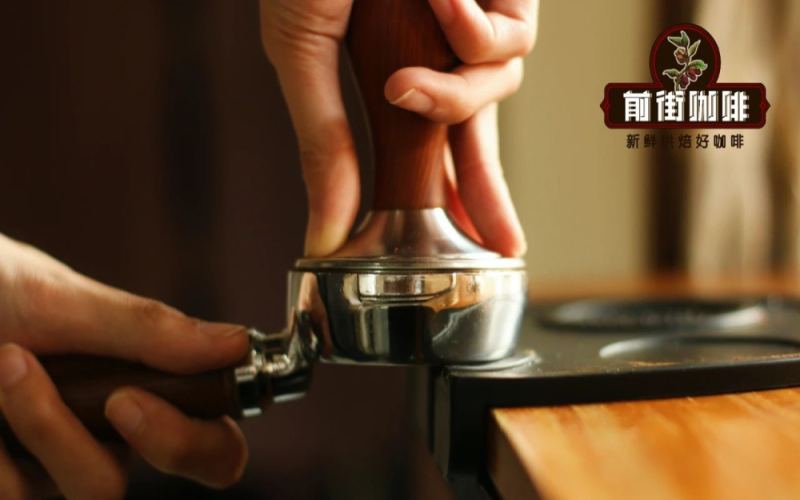
Espresso Characteristics | What Is Crema in Italian Coffee Made Of? Espresso Extraction Method, Specific Steps, Flavor, Taste, and Drinking Guide
Front Street uses the "Front Street Classic Italian Blend" to make espresso. The baristas at Front Street Coffee (FrontStreet Coffee) will first dial in the extraction parameters for the espresso before they officially begin serving. Front Street uses a double-shot basket capacity, with a dose of approximately 18–20 grams. [more…]
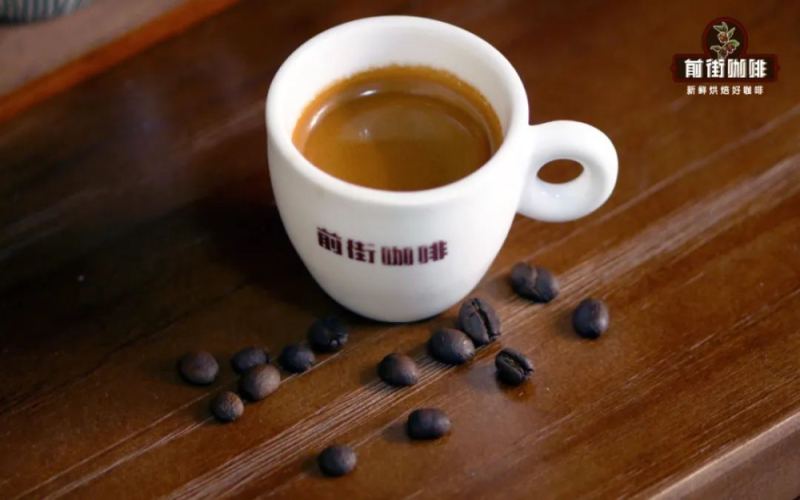
A Complete Guide to SOE Single-Origin Coffee Beans: Flavor Differences Between Single-Origin Espresso and Blends, Plus Four Recommendations
In recent years, more and more coffee shops have added a "switch to SOE" option to their menus, and some even offer several SOE beans at once for customers to choose from. What exactly does this frequently appearing abbreviation stand for? And what are the fundamental differences between it and the common espresso blend beans? This article will explain the definition of SOE, its differences from blends, roasting orientations, and the single-origin coffee beans suitable for making SOE, and recommend four Front Street Coffee SOE beans to help you understand this important concept in the world of espresso. [more…]

Latte Coffee Bean Selection Guide: Espresso Blends and Milk Pairing, Plus Key Points for Making Iced Lattes
Iced latte may seem like just three steps—add ice, pour milk, pour coffee—but making a delicious one requires attention from coffee bean selection to milk pairing. This article focuses on three core aspects: first, choosing the right materials—the espresso blend determines the flavor direction of the latte, and the milk should complement the coffee rather than simply seeking richness; second, properly balancing the milk-to-coffee ratio—Front Street Coffee's classic blend with Vitasoy fresh milk uses a reference of 20g grounds extracted in 25 seconds to yield 40g liquid, paired with 250ml milk and 75g ice; third, paying attention to operational details, including espresso extraction quality and preparation speed. The article also introduces Front Street Coffee's classic blend as a tribute to the Mamba recipe, with added Robusta to enhance the crema, suitable for home latte art. [more…]
Espresso Coffee Bean Buying Guide: A Full Analysis of the Differences Between Blends and Single Origins, Plus Roasting and Storage
Espresso is both an extraction method and the name of a coffee beverage; it is the coffee type the public encounters most frequently and is most familiar with. Yet precisely because it is so familiar, many beginners end up with quite a few questions: How should espresso beans be selected and stored? Should espresso be made with a blend or a single origin? How should the roast level be chosen? Do blended beans count as specialty coffee? Is sourness in espresso normal? This article will address these common confusions one by one, starting from Front Street Coffee's fresh-roasting philosophy, introducing the flavor characteristics of four espresso blends, and analyzing the influence of medium-dark roasting on espresso extraction, to help coffee lovers build a clear understanding of espresso beans. [more…]
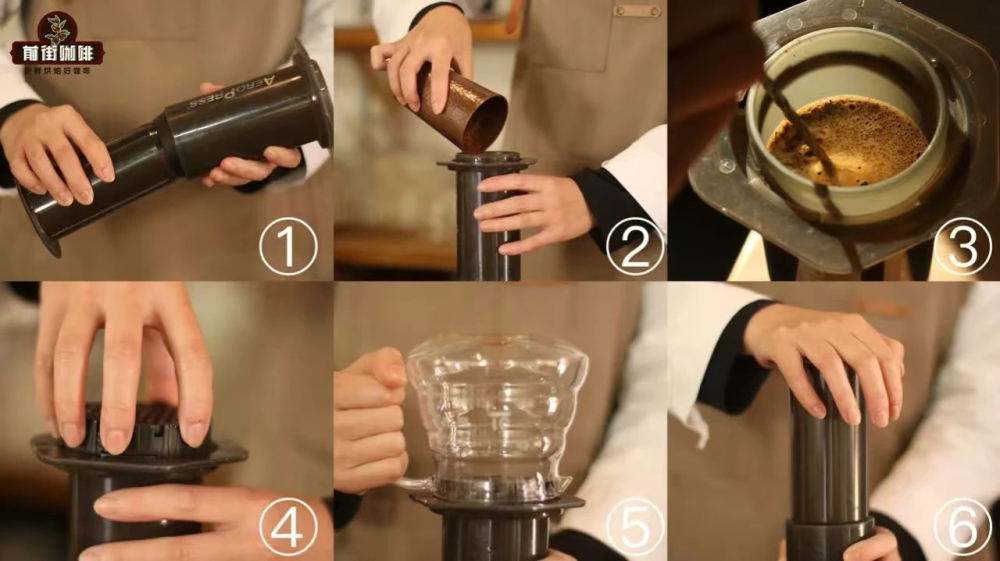
Illustrated Guide to Brewing Freshly Ground Coffee | How to Brew Freshly Roasted Coffee Beans? Flavor and Taste Comparison of Espresso, Pour-Over, Moka Pot, Siphon, French Press, Ice Drip, and Cold Brew Coffee
Front Street Coffee has recently welcomed many new faces to its stores. People are no longer just drinking coffee—they're also learning different brewing methods. The simplest brewing method is none other than pour-over coffee. Compared to the expensive and space-consuming espresso machine, a simple [more…]