







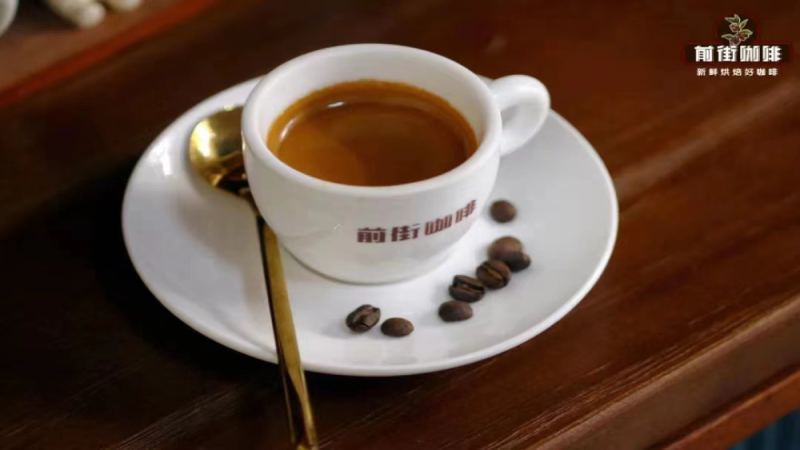
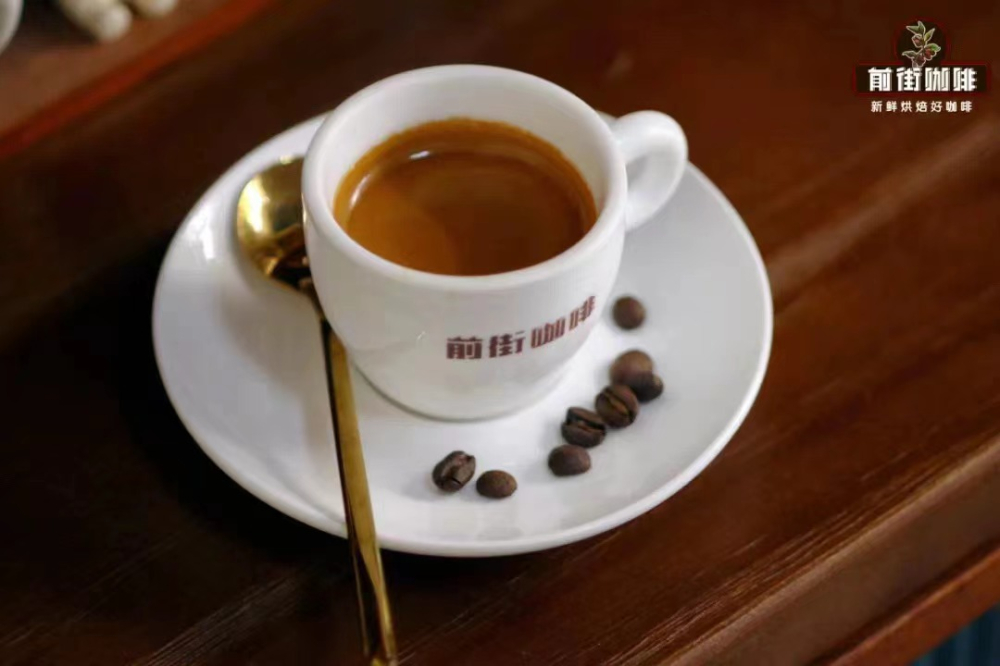
Espresso, it can be a brewing method, or the name of a coffee beverage. As a brewing method, espresso is the most frequently encountered and most familiar method for ordinary consumers. Perhaps because it is so familiar, it反而 raises the most doubts.
Many beginners who have just started learning about coffee have several common questions: "How to choose and store espresso beans"; "Are the beans used to make espresso a blend or a single origin"; "The roast level of espresso beans"; "Are espresso blend beans specialty coffee?"; "Is it normal for espresso beans to be sour?"
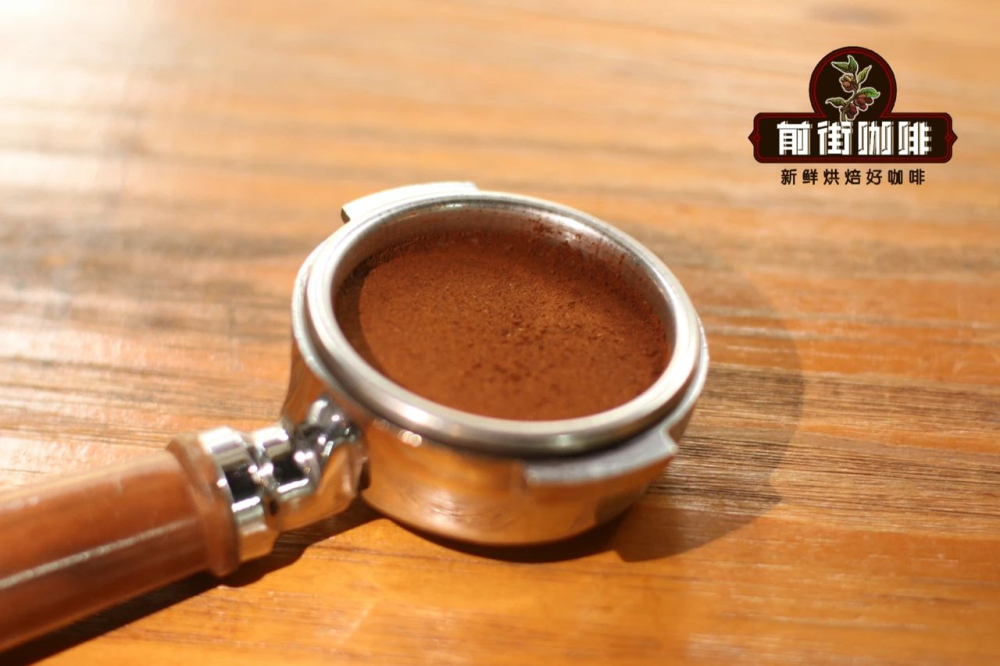
How to choose and store espresso beans?
Front Street Coffee has always adhered to the principle of selling freshly roasted coffee beans, because only freshly roasted, freshly ground, and freshly extracted espresso will show a rich, full-bodied mouthfeel and a deep, aromatic coffee flavor. In order to let every customer experience the charm of freshly roasted coffee, all coffee beans ordered online are shipped within 5 days after roasting is completed.

Espresso beans can be stored sealed in their original packaging (with a one-way exhaust valve) or in an airtight container, kept in a dry and cool environment. After coffee beans are ground into powder, aroma molecules will be released faster, so Front Street Coffee recommends that everyone buy whole beans and grind them with a grinder right before making coffee.
Are the beans used to make espresso a blend or a single origin?
Whether it is blended coffee orsingle-origin coffeeboth can be used to make espresso, and each has its own advantages and disadvantages.
Front Street espresso blend beanshave the advantage of better stabilizing the quality and flavor performance of every cup of coffee, with low cost, while the disadvantage is a single flavor; most espresso extracted from blended beans only shows a rich and full-bodied performance. The advantage of single-origin beans is that they can give espresso a unique flavor, while the disadvantage is lower extraction stability and higher cost.

Front Street Coffee uses blended coffee beans to extract espresso for its daily store offerings, because compared with single-origin beans, blended beans can better stabilize the taste and quality performance of every cup of espresso. Front Street Coffee has also launched four Front Street espresso blend beans specially made for espresso according to the taste needs of ordinary consumers.
"Front Street Coffee - Warm Sun Blend," a coffee bean dominated by wine aroma. It is made from Front Street Ethiopia natural Red Cherry coffee beans (30%) + Front Street Honduras Sherry Barrel coffee beans (70%), with a rich wine aroma, vanilla cream, the sweet-and-sourness of berries, and roasted nut flavors.

"Front Street Coffee - Front Street Specialty Blend": an espresso bean dominated by nutty aroma. It is made from Colombian washed coffee beans (30%) + Brazilian semi-washed coffee beans (70%), with nut, dark chocolate, and caramel flavors, meeting the daily needs of opening a shop.
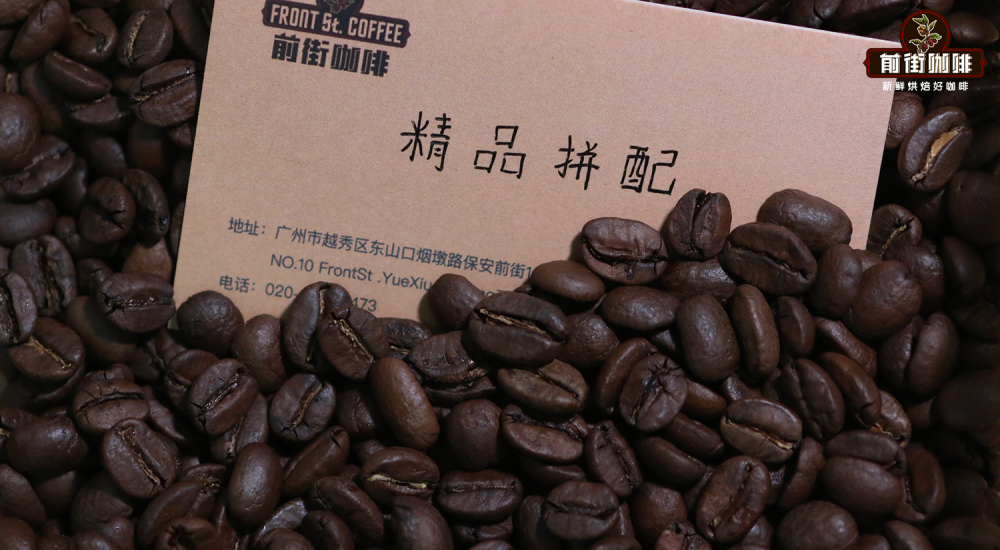
"Front Street Coffee - Front Street Commercial Blend," an espresso bean dominated by body. It is made from Robusta washed coffee beans (10%) + Colombian washed coffee beans (30%) + Brazilian semi-washed coffee (60%), with nut, cocoa, and caramel flavors, high body, suitable for the daily offerings of coffee shops.
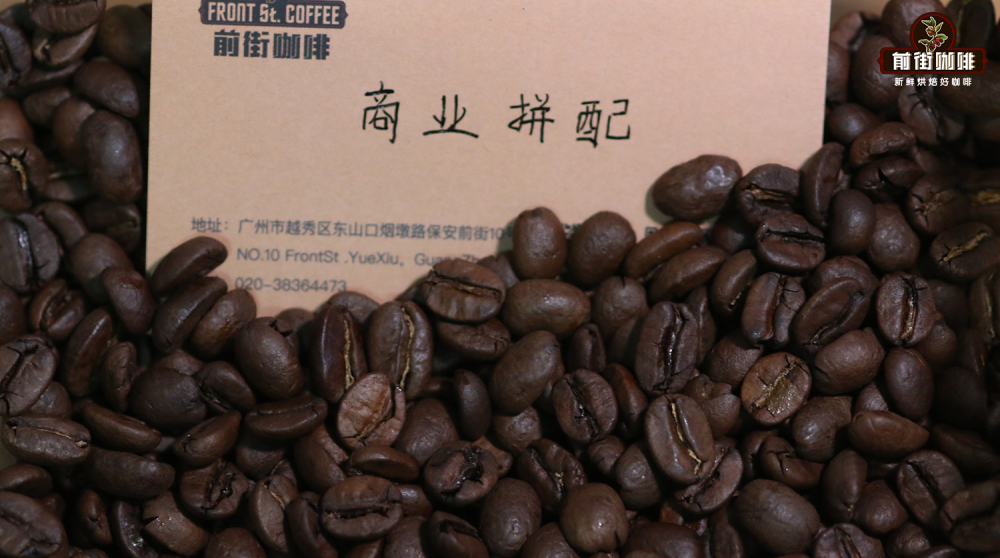
"Front Street Coffee - Front Street Dark Cocoa Blend," a slightly sour and full-bodied espresso bean. It is made from Yunnan washed small-bean coffee (30%) + Brazilian semi-washed coffee beans (70%), with soft fruit acidity, caramel, and nut flavors. This cost-effective espresso bean is suitable for shop owners and home users who prioritize cost and have general flavor requirements.
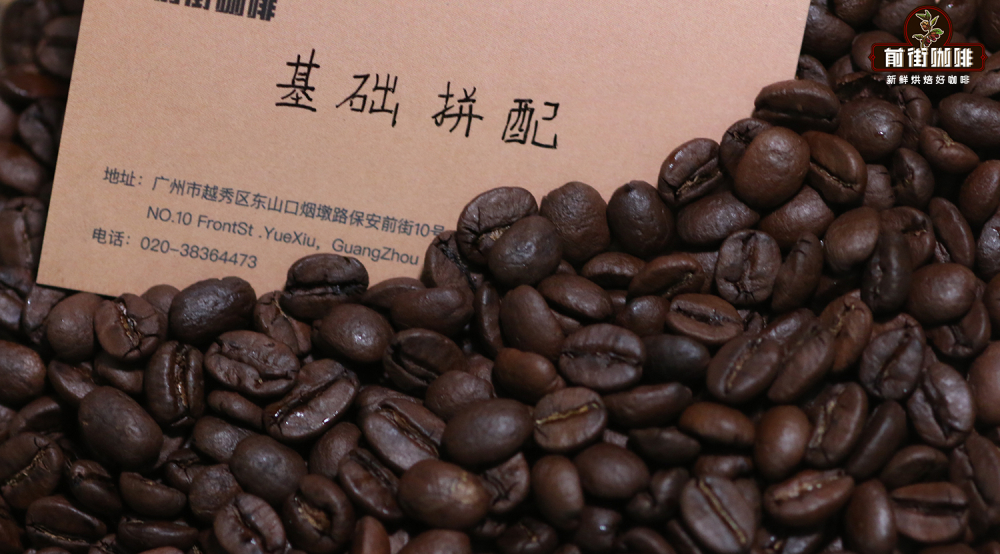
The roast level of espresso beans
In order to let the coffee liquid extracted from espresso beans show a rich and full-bodied mouthfeel, Front Street Coffee uses a medium-dark roast level. The longer the roasting time, the more carbon dioxide will remain in the coffee beans after roasting is completed.
The presence of carbon dioxide helps preserve coffee flavor, but too much carbon dioxide can also affect espresso extraction. Therefore, after receiving espresso beans, everyone can leave them in the original packaging to rest until 5-6 days after the roast date, allowing the beans to release carbon dioxide on their own through the one-way exhaust valve on the packaging, stabilizing extraction.

Although light-roasted coffee beans are used by many pour-over coffees, the purpose is to let the coffee, under pressure-free drip extraction, extract a richer sweet-and-sourness at a suitable ratio. But espresso belongs to pressure extraction, and many sweet-and-sour substances that perform well in pour-over will show an unpleasant sharp acidity under pressure and extremely high concentration.
At the same time, because light-roasted coffee beans have a short roasting time, there is not enough time to produce more caramelization reactions and bring out full-bodied flavor substances. Therefore, espresso made from light-roasted coffee beans usually has a relatively thin mouthfeel and lacks body.
Are espresso blend beansspecialty coffee?
Of course they are! As long as the coffee beans used in the blend meet the specialty coffee requirements of the origin and SCA, whether single-origin coffee or blended coffee, they all belong to specialty coffee beans.

Espresso beansIs it normal for them to be sour?
Yes, it's normal~ The flavor performance of espresso mainly comes from the coffee beans themselves. Espresso can have sourness; it may be that the merchant used coffee beans with fruity acidity to make espresso, perhaps single-origin beans, or perhaps blended beans.
The above content is compiled by CoffeeHunters, a coffee news website.

