







Search Results for: Flora coffee beans

A Complete Guide to the Flavor Profile and Pour-Over Techniques of Guatemala Antigua La Flor del Café Coffee Beans
Guatemala, as a star coffee-producing origin, nurtures layered specialty coffees through its volcanic soil and microclimates. Among them, the Flor de Guatemala coffee beans from the Antigua region, under strict quality control by Raminita, are known for floral aromas, citrus acidity, and honeyed sweetness. This article starts with a brief history of Guatemalan coffee, explains in detail the terroir conditions of the Antigua region, the variety and processing method of Flor de Guatemala beans, and includes Front Street Coffee's roasting analysis and V60 brewing parameters, taking you through a comprehensive understanding of this bean's flavor code, so you can brew a delicious Guatemalan coffee at home too. [more…]
Why do Antigua coffee beans have a smoky character? A detailed guide to Guatemala's regional flavor characteristics and brewing parameters
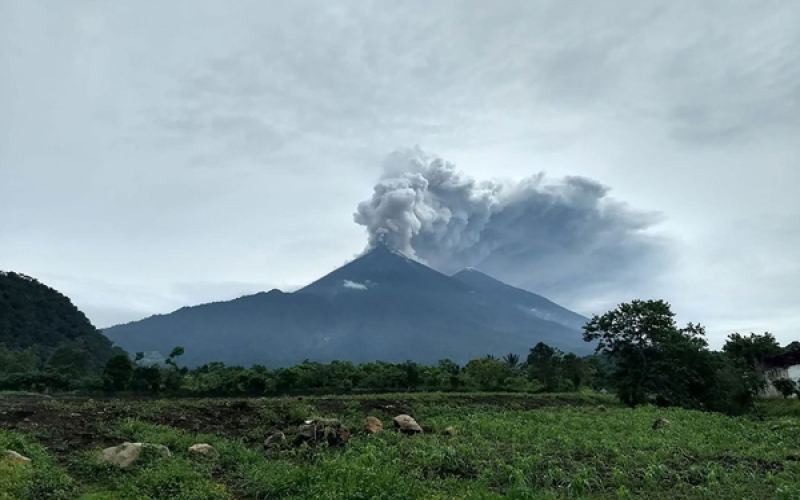
When it comes to Guatemalan coffee, many enthusiasts' first impression is the faint wisp of smokiness in the cup—the distinctive mark left by this Central American land of volcanoes. This article explores Guatemala's volcanic geography and growing environment, focusing on the most famous Antigua region: how high altitude, large day-night temperature swings, and volcanic pumice soil produce coffee beans that are dense, rich, and balanced in acidity and sweetness. The article also introduces the La Minita estate behind Front Street Coffee's Flor del Café, the main local varieties, and the leaf rust crisis, along with Front Street's roasting approach, a three-pour V60 brewing method, and the flavor profile of Flor del Café, helping readers gain a comprehensive understanding of this Central American classic bean. [more…]
Guatemala Antigua La Minita Estate Flora Coffee Beans: A Full Analysis of Terroir and Flavor
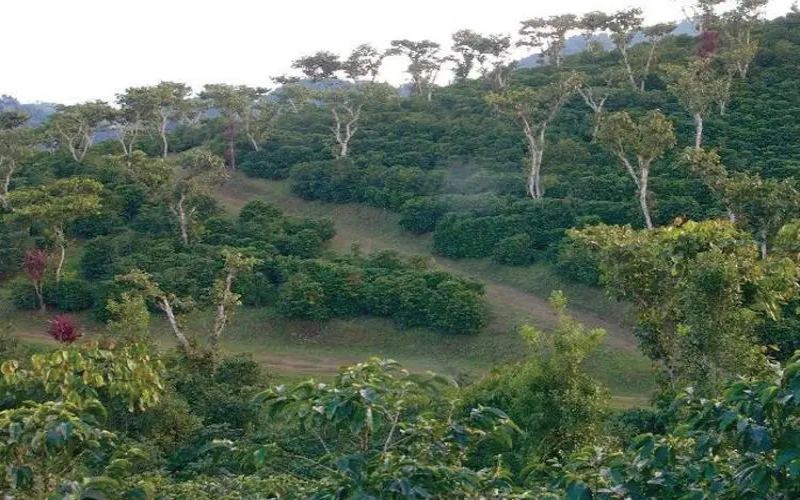
Guatemala is a renowned specialty coffee-producing country in Central America, and its Antigua region, with its volcanic soil and unique microclimate, nurtures coffee with bright acidity and fruity flavors. The Flor de Café beans from La Minita Corporation originate here, processed by the Pastores Mill and following strict quality control procedures. This article will guide you through Guatemala's coffee-growing environment, the terroir characteristics of the Antigua region, as well as the flavor profile of La Minita Flor de Café and Front Street Coffee's brewing recommendations, ideal for coffee enthusiasts looking to gain a deeper understanding of this classic bean. [more…]
A Comprehensive Analysis of the Flavor Characteristics, Growing Conditions, and Regional History of Guatemalan Antigua Coffee Beans
Antigua is the most renowned of Guatemala's eight major coffee-producing regions, and its distinctive flavor stems from the micro-geographic environment created by its high-altitude volcanic terrain. This article will systematically examine the four major terroir advantages of the Antigua region—volcanic fertile soil, high-density shade trees, dramatic day-night temperature differences, and high-altitude growing conditions—and introduce the complete basic information and cupping performance of this lot of Bourbon coffee. At the same time, it will guide you through the distribution characteristics of Guatemala's major coffee regions, the background behind the founding of the Antigua Coffee Association, and Front Street Coffee's reasons for recommending this Floral God coffee bean. Whether you are a beginner just getting acquainted with single-origin beans or a seasoned enthusiast in search of delicate flavors, you will find valuable reference here. [more…]
What makes Guatemalan coffee unique? A comprehensive analysis of the flavors and processing methods of eight major producing regions
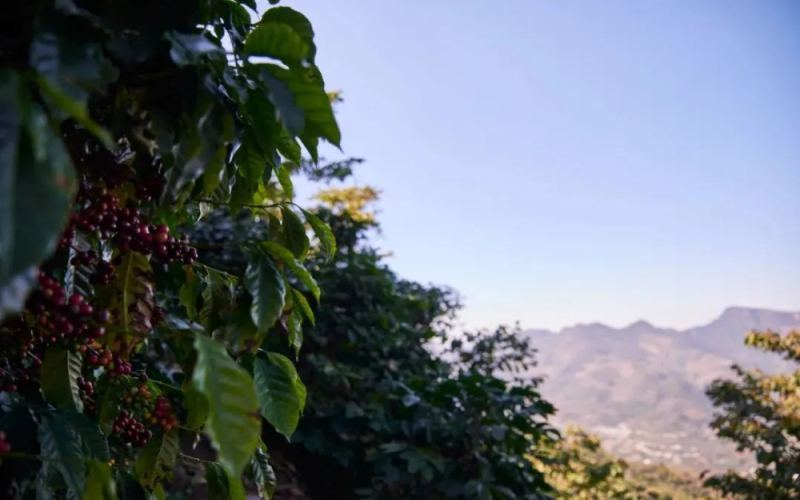
Guatemala is home to over three hundred microclimates, where volcanic soil and high-altitude terrain nurture specialty coffee with distinctive flavors. From the balanced fruit acidity of Antigua to the bright fruity aromas of Huehuetenango, the eight major regions each have their own character. This article will guide you through Guatemala's coffee-growing regions, varietal characteristics, grading methods, and washed processing procedures, while also analyzing its signature flavor profile. Front Street Coffee has a particular affection for this land; the Flora coffee beans on its menu come from the Antigua region, washed processed, with a delicate flavor, and are well worth trying. [more…]
A Complete Guide to Guatemalan Antigua Coffee: Volcanic Soil, Processing Methods, and the Flora Flavor Profile
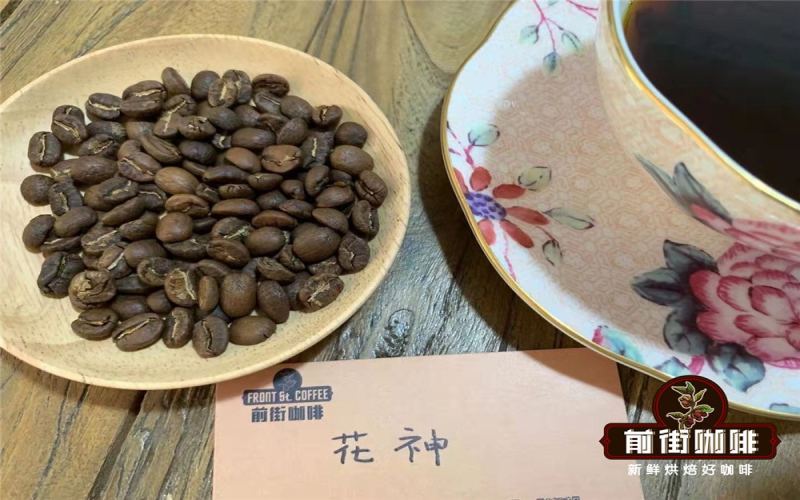
Guatemala's Antigua region, surrounded by volcanoes and blessed with a unique microclimate, produces coffee with a smoky, charcoal-roasted character that enthusiasts have dubbed "cigarette coffee." From its cultivation roots in the Mayan civilization era, to the meticulous management of the La Minita estate, and on to Front Street Coffee's Flower God coffee beans with their washed processing and medium-light roast, this supply chain carries a dual heritage of history and flavor. This article systematically examines Antigua's growing conditions, variety characteristics, and processing methods, as well as Front Street's brewing parameters and flavor performance, offering you a complete understanding of the appeal of this Central American specialty coffee. [more…]

Does coffee enema really have miraculous colon-cleansing and detox effects? An analysis of the potential health risks of long-term use
In recent years, coffee enemas have attracted attention online as a so-called detox therapy, even appearing in product sales. This article traces the historical origins of this therapy, sorts out its claimed benefits, and, drawing on medical perspectives, points out that coffee enemas lack supporting research evidence and that long-term practice may disrupt gut flora and cause serious consequences such as burns or perforation. At the same time, drinking coffee itself can gently promote bowel movements, so there is no need to risk enemas. At the end of the article, Front Street Coffee's professional information channels are also retained for enthusiasts to communicate. [more…]
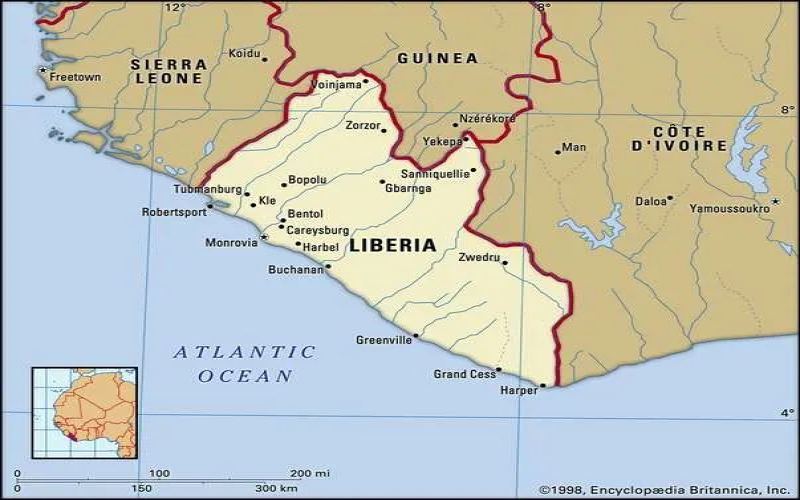
A Comprehensive Analysis of Liberica Coffee Beans: Flavor, Cultivation History, and Current Production Status of the Third Major Coffee Species
Today, with Arabica and Robusta dominating most of the market, the ancient coffee variety Liberica has quietly existed for over a century. It originated in the low-altitude forests of Liberia in West Africa, with tall trees and large fruits, and its flavor is dominated by smoky, woody, and dark chocolate notes. Although its production accounts for only about 2% of the global total, its caffeine content is the lowest among the three major original species. This article will guide you through Liberica's origins, flavor characteristics, its cultivation and development in Southeast Asian countries such as the Philippines, as well as its cultivation in China's Hainan, Guangdong, and other regions, and recommend related products from Front Street Coffee for coffee enthusiasts' reference. [more…]
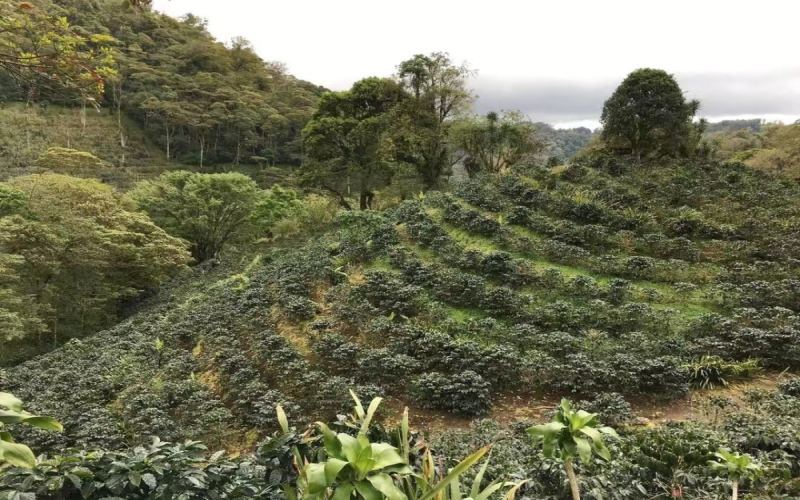
Guatemalan Coffee Flavor Characteristics and Analysis of Eight Major Producing Regions: A Complete Overview of Varieties, Grades, and Processing Methods
Among the many coffee-producing countries in Latin America, Guatemala—thanks to its unique volcanic geology and microclimates—nurtures coffee beans that combine bright fruity acidity with smoky notes, earning it the nickname "cigarette coffee" among coffee lovers. In this article, Front Street Coffee will start from the history of cultivation, systematically review the flavor differences among Guatemala's eight major coffee-producing regions, explain in detail the grading system based on hardness and altitude, and thoroughly break down the impact of washed and natural processing methods on flavor. In addition, Front Street Coffee will also introduce the characteristics of four major varieties—Bourbon, Typica, Caturra, and Catuai—and include the roasting and brewing parameters for two Guatemalan beans from Front Street Coffee (FrontStreet Coffee), providing coffee enthusiasts with a complete reference from producing region to cup. [more…]
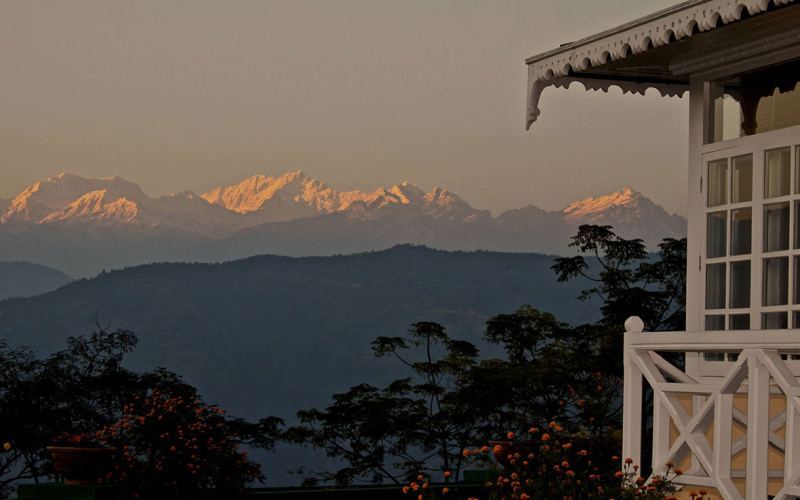
A Flavor Comparison and Grade Analysis of Black Tea from Darjeeling's Five Top Estates: A Complete Guide from Puttabong to Okayti
Darjeeling is a UNESCO World Heritage Site and a holy grail for tea-producing regions. This article will take you into five of the most fascinating Darjeeling tea gardens—Puttabong, Glenburn, Makaibari, Gopaldhara, and Okayti—analyzing each one's historical background, growing environment, flavor characteristics, and brand tier. Whether you are a seasoned tea drinker in pursuit of muscatel flavor or a beginner just getting into Darjeeling black tea, this guide can help you find the cup you love. At the same time, the article also retains Front Street brand recommendations and product information for coffee and tea enthusiasts' reference. [more…]

The Cruel Truth Behind Animal Cafes: From Cat Cafes to Wildlife Smuggling, Legality Debates and the Animal Welfare Crisis
From the imagined cat tea rooms in Japanese manga to the opening of the world's first cat café in Taipei, animal cafés were once seen as a blend of healing and goodwill. Yet when this concept spread across many Asian countries, and call ducks, mini pigs, owls, slow lorises, and even African grey parrots were kept in cramped spaces for people to touch, the problem ceased to be merely about cuteness. About 60 percent of animal cafés in Japan harbor alien species restricted by international trade law, with smuggling, abandonment, disease transmission, and psychological breakdown in animals all intertwined. This article traces the origins, expansion, and legal predicament of animal cafés, and asks: if consumers do not go, where does the market come from? [more…]
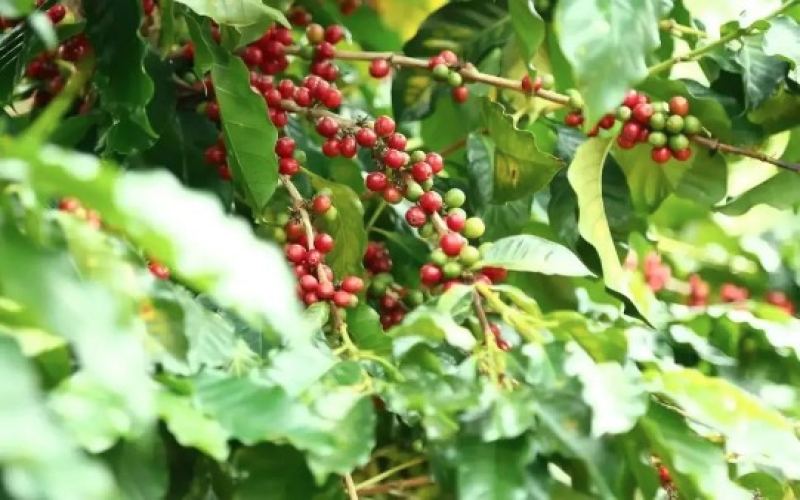
From the coffee country of the Pacific Ocean: Papua New Guinea.
There are two theories regarding the origin of the name "Papua": One theory states that in 1526, the Portuguese, Meneses, sailed from Malacca to the Moluccas Islands, but the sea breeze blew the ship to an unnamed place, and people called this land " [more…]
Colombia Huila Finca Virginia Pink Bourbon Double Fermentation Flavor Analysis and Anaerobic Processing Method Exploration
The Red Bourbon double-fermented coffee produced by Finca Virginia in Colombia's Huila Department, with its complex flavors of wine-soaked cherries, dried figs, and longan honey, along with a full-bodied, red-wine-like mouthfeel, has become a highly anticipated micro-lot in the specialty coffee world. This article will provide an in-depth analysis of the flavor origins of this Front Street Coffee recommendation, explore the processing characteristics of double fermentation and anaerobic methods, and introduce the terroir conditions of the Planadas producing region in Huila Department along with the overall landscape of Colombia's coffee industry. [more…]
Guatemala Antigua Coffee Flavor Analysis: The Origin Story and Tasting Characteristics of La Minita Estate's Flower Goddess Coffee Beans
Guatemalan Antigua coffee is celebrated as one of the world's top coffees, and its unique volcanic terrain and climate conditions produce a rich, full-bodied cup with tobacco notes. This article will guide you through the historical origins of the Antigua region, how its geography influences coffee quality, and take a deep dive into the flavor characteristics and tasting points of La Minita Estate's Flower Goddess coffee beans. We'll also recommend related products from the Front Street Coffee brand, making this a thorough exploration of every aspect of this classic coffee for enthusiasts. [more…]
Guatemala La Flor Coffee Flavor Analysis: A Complete Overview of Antigua Region Varietal Characteristics and Tasting Notes
Front Street Guatemala Flora coffee comes from the high-altitude zone of the Antigua volcanic region. Thanks to its unique micro-geographic environment and strict quality control management, it presents a full floral sweetness, bright and delicate acidity, and a long lingering finish of chocolate and nuts. This article will comprehensively analyze this coffee's category affiliation and taste characteristics, from the terroir of the producing region, variety heritage, and processing methods to dry and wet aroma and slurping performance, and provide roasting degree suggestions, helping coffee lovers who are just getting started find an entry-level choice with a smooth mouthfeel and balanced sweet-and-sour notes. [more…]
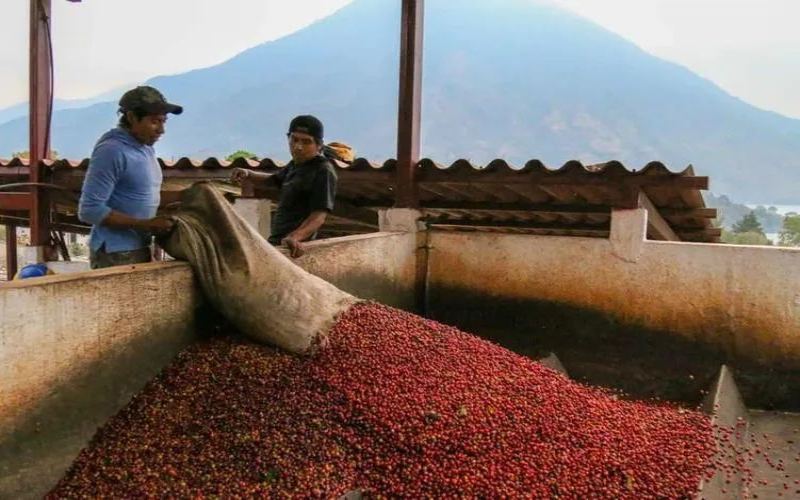
Guatemalan Coffee Growing Conditions, Development History, Main Varieties, and a Detailed Guide to Antigua La Flor del Café Beans
Guatemala is located in southern North America, where volcanic soil, tropical rainforests, and complex microclimates combine to create excellent conditions for coffee cultivation. From Jesuit missionaries bringing coffee trees to Antigua in the 18th century, to coffee rising to become an important cash crop in the mid-19th century, and then to the establishment of the National Coffee Association in 1960, Guatemala's coffee industry has traveled a winding yet solid path of development. Today, the region not only cultivates common varieties such as Bourbon, Typica, Caturra, Catuai, and Geisha, but also has developed distinctive variants such as Pache, Tekisic, and Mibirizi. Front Street Coffee has also acquired La Minita Estate's Flor del café beans from Antigua, and this article will unfold one by one from planting history, variety characteristics, to brewing performance. [more…]
Panama Deborah Geisha Tasting Guide: Anaerobic Natural Processing and Flavor Analysis of the Savage Series
Front Street Coffee presents the Panama Deborah Anaerobic Natural Geisha, from the Savage series in the Volcán region at an altitude of 2,000-2,350 meters, roasted at a medium level to reveal white florals, pineapple, and lactic acidity, with a full and balanced mouthfeel. This article will guide you through this Geisha's unique processing method—first sun-dried on raised beds until raisin-like, then sealed and fermented anaerobically for 36 hours, retaining all the fruit pulp; at the same time, we step into Deborah Estate's high-altitude microclimate and ecological farming philosophy, and analyze the quality pursuit of the Savage coffee project. At the end of the article, we include SCA-recommended pour-over parameters: 15g coffee, 90-93°C, 225ml water, a 1:15 coffee-to-water ratio, to help you fully unlock this Geisha's flavor potential. [more…]
Guatemala Antigua Washed Coffee Flavor Analysis: A Complete Overview of La Minita La Flor del Café Peaberry Taste and Origin Environment
Want to learn about the flavor characteristics of Guatemalan washed coffee beans? This article takes you deep into La Minita Estate, analyzing its unique geographical environment and microclimate, with a focus on introducing its star product—Flora Maragogipe. This bean comes from the Antigua region, uses a washed process, and features floral notes as its main theme, accompanied by a chocolate finish, caramel sweetness, and bright acidity. The article also covers information such as the estate's altitude, varieties, and strict control at the processing station, along with a little knowledge about pour-over schools. Front Street Coffee is always committed to sharing professional coffee content, and there are three low-discount events every month, allowing more people to taste high-quality coffee at affordable prices. [more…]
Brazil Corner Farm Honey-Process New World: Rainforest Alliance Certified and Hand-Sorted Specialty Coffee Flavor
This Brazil Corner Farm honey-processed New World coffee from Front Street Coffee comes from the western side of the Mantiqueira Mountains in southern Minas Gerais, at 1,100 to 1,350 meters above sea level. The farm has been growing coffee since 1896 and is now run by the fourth generation of the Magalhães family. It received Rainforest Alliance certification in 2006 and uses semi-washed honey processing with natural sun drying. This place preserves pristine forest with high coverage, follows sustainable agriculture and labor rights standards, and hand-sorts beans to ensure quality. This article will introduce its producing region background, variety information, farm history, and processing methods, giving you an understanding of this Brazilian specialty coffee that combines tradition and innovation. [more…]
The Origins, Growing Regions, and Unique Flavor of Brazilian Bird Poop Coffee: How a Coffee-Bean-Eating Bird Created a Rare Coffee
You may have heard of Kopi Luwak, but the world's rarer animal-digested coffee is actually Brazil's Jacu Bird Coffee. This coffee is produced only on Brazil's Camocim Estate farm, where a picky bird—the jacu—naturally selects ripe coffee cherries, ferments them, and then they are collected by hand and dried. This article will guide you through the history of Jacu Bird Coffee, Camocim Estate's transition to organic biodynamic farming, its unique harvesting and processing methods, and its signature flavor—sweet and full-bodied with nutty and black pepper notes. If you're looking to explore rare coffees on the market, Front Street Coffee also offers related selections and recommendations. [more…]