







When it comes to Guatemalan coffee, many enthusiasts' first impression is that faint wisp of smokiness in the cup—the distinctive mark left by this volcanic nation of Central America. This article explores Guatemala's volcanic geography and growing environment, focusing on its most renowned producing region, Antigua: how high altitude, large day-night temperature swings, and volcanic pumice soil create dense, intensely flavored coffee beans with balanced acidity and sweetness. It also introduces La Minita Estate behind Front Street Coffee's Flora Coffee, the country's main varieties and the leaf rust crisis, along with Front Street's roasting approach, V60 three-pour brewing method, and the flavor profile of Flora Coffee—helping readers gain a comprehensive understanding of this Central American classic bean.
Most people who have tasted Guatemalan coffee come away with the impression of one particular aroma—that faint smokiness in the cup. Front Street believes this signature flavor originates precisely from the local growing environment.
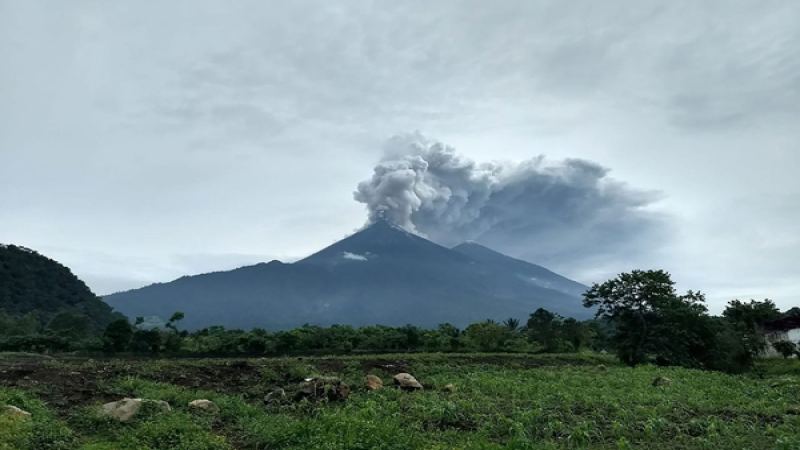
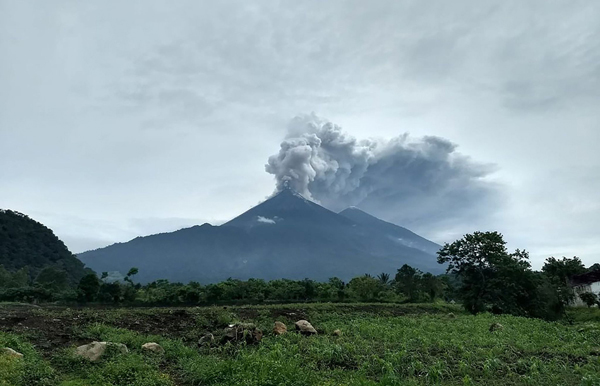
As the country with the most volcanoes in Central America, Guatemala is home to 37 volcanoes, three of which—Fuego, Pacaya, and Santa María—are still active and erupt from time to time. Yet volcanoes bring more than just threats—the minerals released during eruptions seep into the soil and become natural nutrients, making Guatemala's soil exceptionally fertile. It is for this reason that Antigua coffee beans not only have smooth surfaces, hard texture, and outstanding quality, but also combine intense richness with balanced acidity and sweetness, with a wisp of smokiness at the finish that adds depth and mystery.
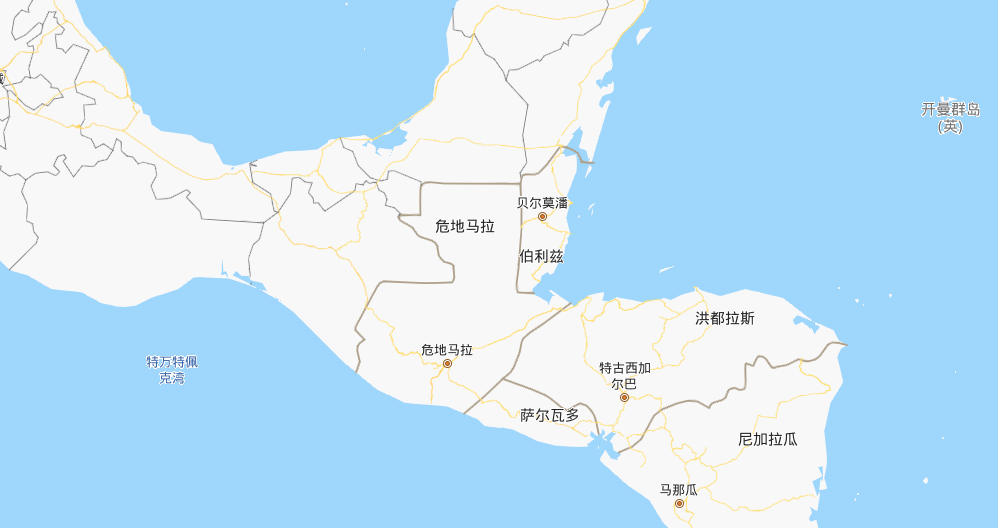
On the map, Guatemala sits at the junction between North and South America, occupying a pivotal position in Central America, with a total land area of approximately 108,899 square kilometers. Its terrain can be broadly categorized into several types: highland volcanic landscapes, lowland tropical rainforests, the volcanic sandy coastal plains on the Pacific side, and still-undeveloped land along the Caribbean coast. Rivers and lakes are scattered throughout the country, with equatorial forests and lowland jungles covering most of the surface; along the two coastlines facing the Pacific and the Caribbean, undeveloped volcanic beaches are still preserved.
The Antigua region, where Front Street Flora Coffee originates, is Guatemala's most famous producing area, with an altitude of approximately 1,300 to 1,680 meters. The high-altitude conditions produce extremely hard beans of very high density. The region is surrounded by three volcanoes, with nutrient-rich soil and significant day-night temperature differences; annual rainfall is about 812 to 1,219 millimeters, making it the driest of Guatemala's eight major producing regions. Fortunately, lightweight and porous volcanic pumice is found throughout the area, effectively locking in soil moisture. The coffee harvest season here runs from January to March each year.
Front Street's Flora Coffee comes from La Minita Estate. The estate is quite committed to organic farming: on one hand, it benefits from the inherent advantages of high altitude; on the other, the local climate naturally suppresses pest reproduction, so no insecticides are needed throughout the growing process. The estate conducts soil testing twice a year to determine the frequency and amount of fertilization, securing more adequate nutrients for the coffee trees while also preventing disease.
In terms of varieties, Guatemala mainly cultivates Bourbon, Caturra, and Catuai, as well as Geisha, Pacamara, and other varieties susceptible to leaf rust. This shows how much coffee farmers value bean quality—thanks to years of outstanding performance in the variety column of the COE champion list, they have consistently been unwilling to switch to varieties like Catimor that have strong leaf rust resistance. However, the large-scale outbreak of leaf rust in 2012 caused Guatemala's coffee production to plummet by more than 20%, and the local coffee association immediately advocated trial planting of the more disease-resistant Catimor to reduce losses. Even so, Caturra remains the most widely planted variety in the country.
Front Street Roasting Recommendations
Front Street Coffee currently has two Guatemalan product lines: one is the everyday staple Huehuetenango, with varieties including Bourbon, Caturra, and Catuai; the other is the single-origin Flora Coffee, composed of Caturra and Bourbon. Guatemalan beans carry the signature Latin American nutty and cocoa base notes, accompanied by subtle floral aromas and gentle fruity acidity. Front Street uses a medium roast to preserve as much floral and fruity aroma as possible, presenting clean and bright acidity.
Front Street's brewing parameters for Guatemalan coffee:
This Guatemalan bean is medium-roasted, and medium-roasted beans have a lower extraction rate than dark-roasted beans. Therefore, Front Street recommends using a faster-flowing V60 dripper, while raising the water temperature and making the grind finer.
Dripper: V60 Water temperature: 91°C Dose: 15 grams Coffee-to-water ratio: 1:15 Grind size: 80% passing through a No. 20 standard sieve
The extraction uses a three-pour method throughout: first pour water equal to twice the dose for blooming—that is, 30 grams of water, blooming for 30 seconds. The purpose of the blooming stage is to let the coffee grounds release trapped carbon dioxide, making subsequent extraction more stable. Then pour in a slow circular stream, pausing at 125 grams, then continue pouring until 225 grams and stop; once the dripper has finished dripping, remove it. Timing from the start of pouring, the total extraction time is 2'00". Finally, pick up the entire cup and gently swirl to mix, then pour into cups to drink.
Flavor profile of Flora Coffee (Guatemala): bright berry-like acidity, accompanied by citrus and a faint chocolate note, rich in layers, and smooth on the palate.
Front Street's brewing suggestions:
Regarding brewing, Front Street has always believed that bean freshness is closely related to the final flavor. Therefore, every bag of beans shipped by Front Street Coffee is within 5 days of roasting. Front Street upholds the philosophy of "freshly roasted good coffee," ensuring that every customer who places an order receives the freshest beans. Since coffee's resting period is about 4-7 days, by the time customers receive it, it is at its peak flavor.
For more professional coffee knowledge and specialty bean information, welcome to follow Coffee Workshop (WeChat public account: cafe_style); to select more specialty coffee beans, you can add Front Street Coffee's personal WeChat ID: qjcoffeex.
The above content is compiled by CoffeeHunters, a coffee news website.


